December 5, 2025
Why Recess Matters
Families often ask what recess looks like at BASIS Independent Bellevue. With our school’s reputation for academic rigor, it’s natural to wonder whether students still have time to move, play, and unwind. The answer is a definite yes. Recess is an intentional and consistent part of every school day. Across grade levels, students step away from academics to reset, recharge, and enjoy unstructured play. An article published by the American Psychological Association(2023) stated, “A wealth of research shows that unstructured play—play that isn’t organized or directed by adults or older peers and that generally doesn’t have a defined purpose or outcome—is a fundamental necessity for children to thrive physically, emotionally, mentally, and socially.” These breaks support their physical health, social development, and overall readiness to learn when they return to class.
Recess in Action
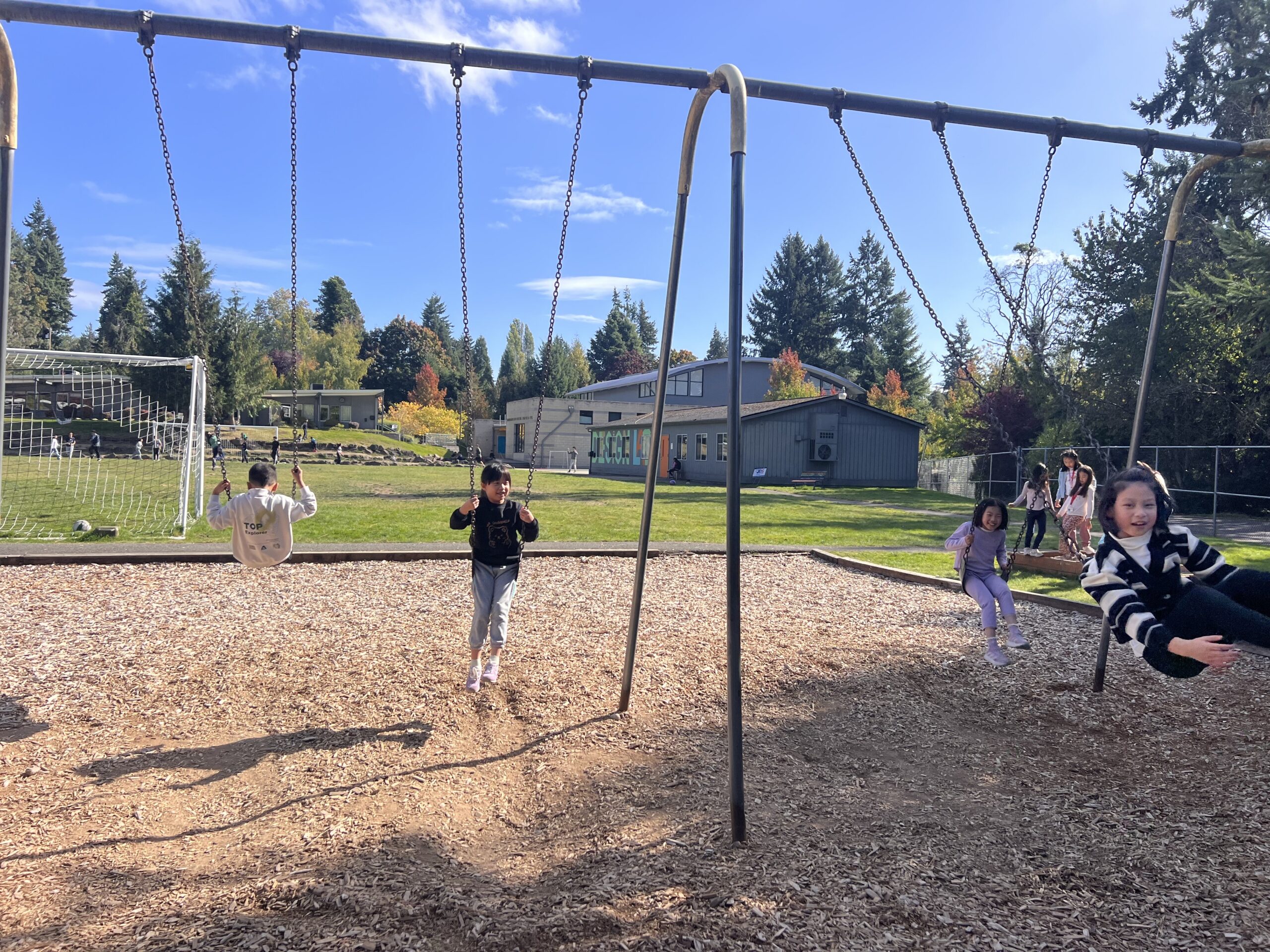
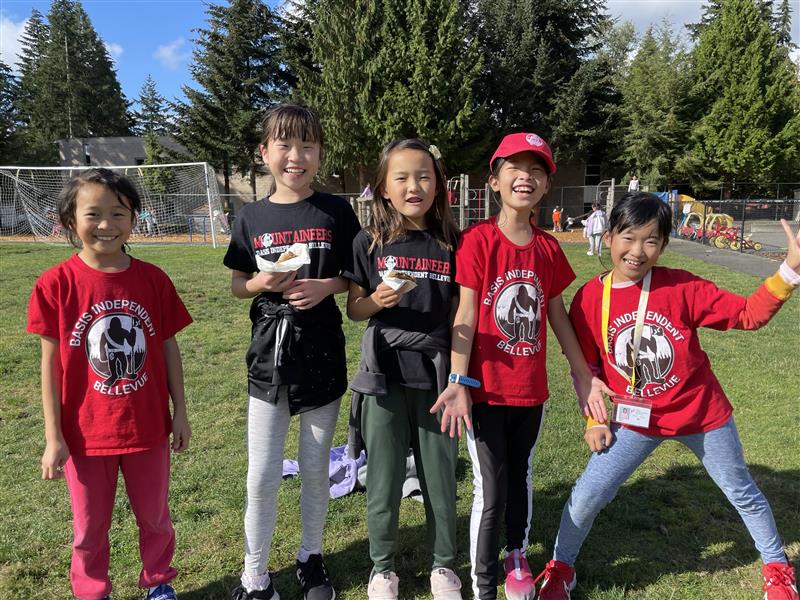
At BASIS Independent Bellevue, recess takes place in a safe and varied space. There are many different activities for students to choose from. There are four four-square courts and one gaga ball area. We have a full soccer field, a basketball area with hoops, and movable volleyball nets. There is also a large swing set with four swings. For younger students, there is a climbing set with monkey bars and another with a slide. We also see students using their creativity to create games of their own or explore in the nature around them. These spaces give every child a safe place to play and enjoy.
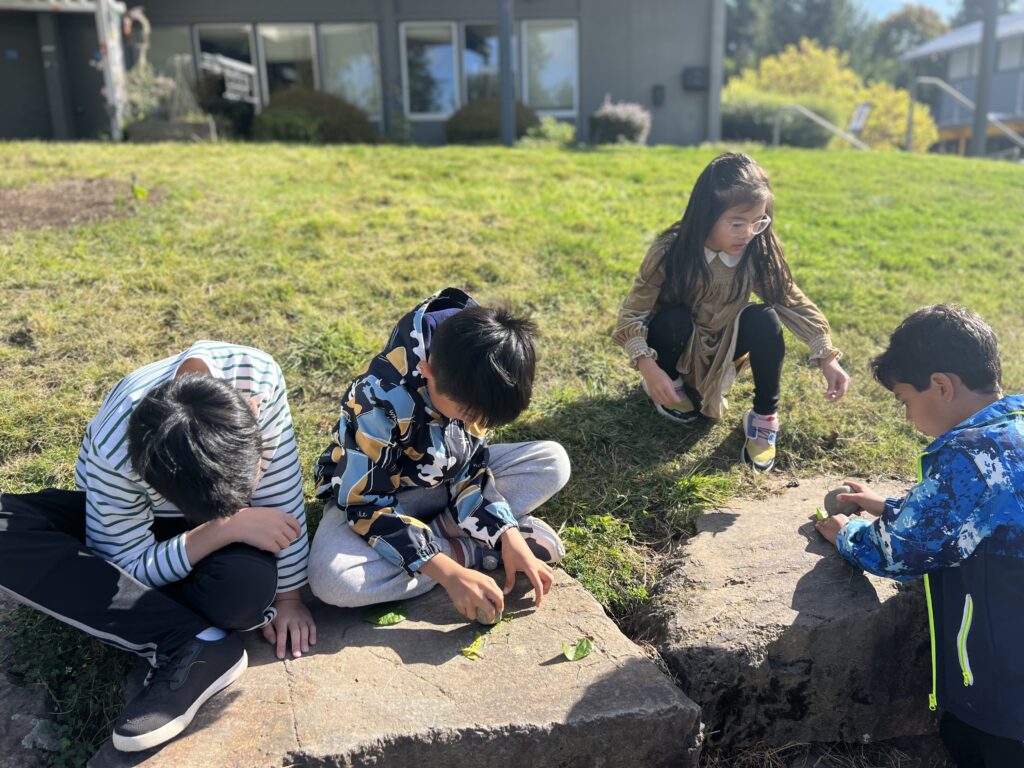
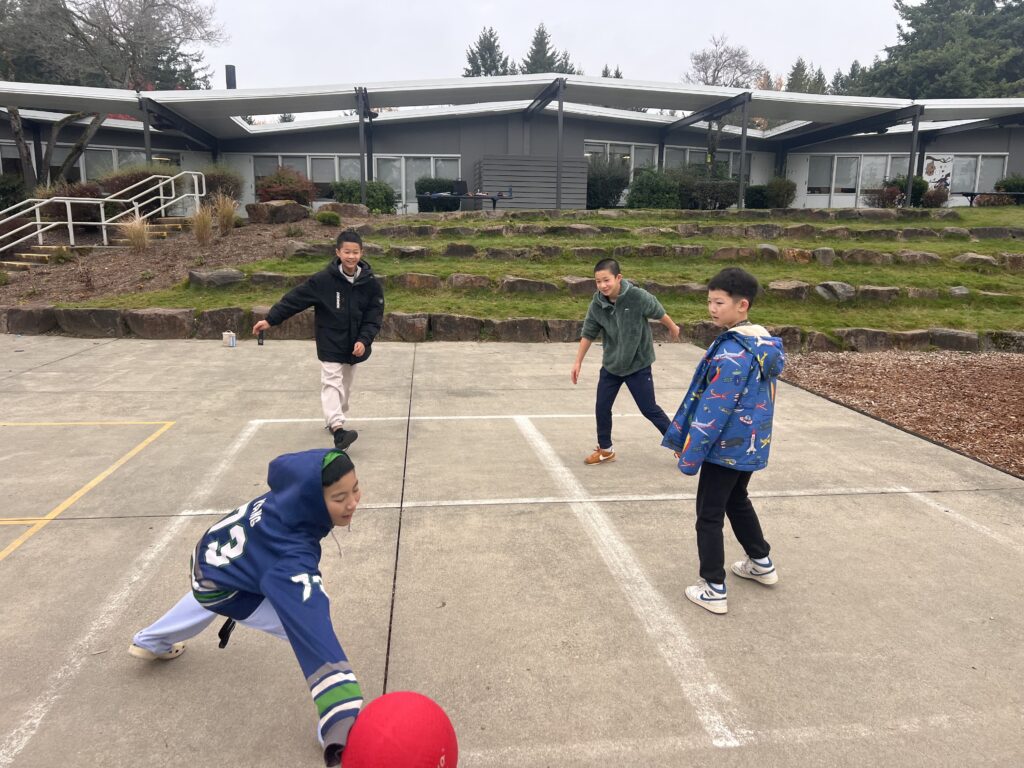
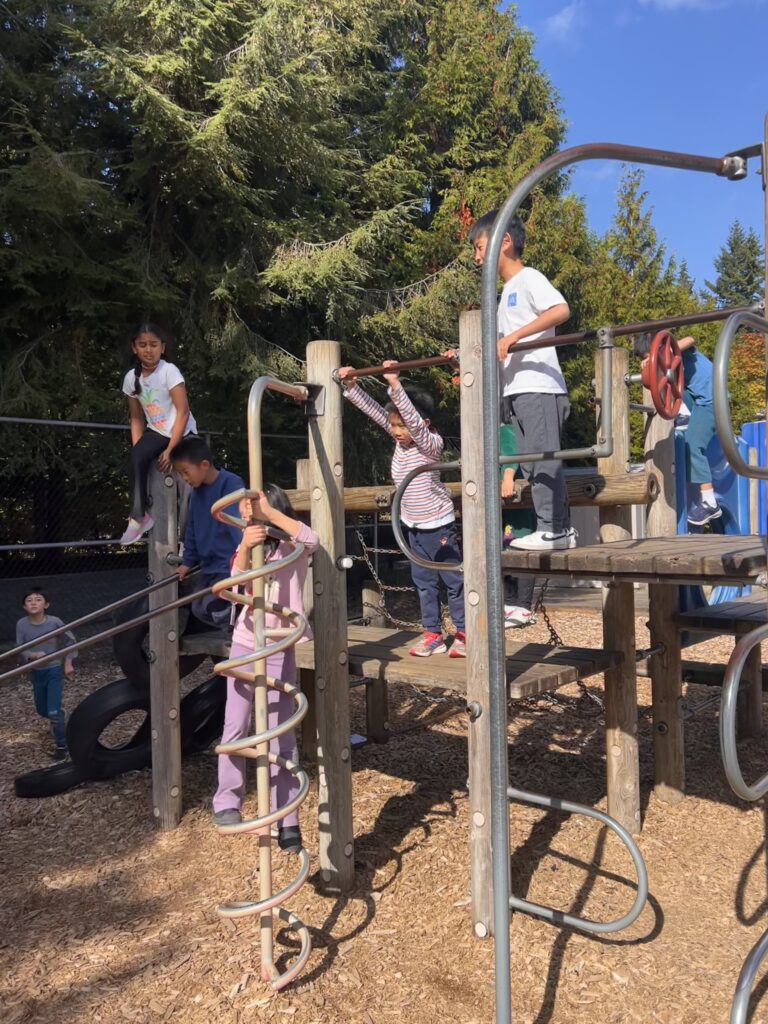
During recess, three teachers walk across the whole field to keep students safe and help solve problems quickly. At the same time, other staff members, including the health coordinator, the school counselor, and the Dean of Students, are always available if extra support is needed. This system makes sure students get the right help, should they need it.
Our rules are clear but also flexible. When students have different ideas about the rules, teachers set a time to meet with them. We listen, discuss, and make changes together. For example, we recently observed students having some disagreements on the basketball court. Students sometimes could not agree on which exact rules to follow. Some wanted to play by NBA rules, while others preferred the youth league rules they knew from practice. Instead of stopping the play, we helped them organize a team meeting. Together, they chose leaders, drafted rules, and later discussed the details during their Academic Enrichment time. Soon, the new rules were printed and shared with everyone. Now the basketball games run more smoothly, and students know they built the system themselves. This gave them a sense of empowerment, because the solution came from their own voices!
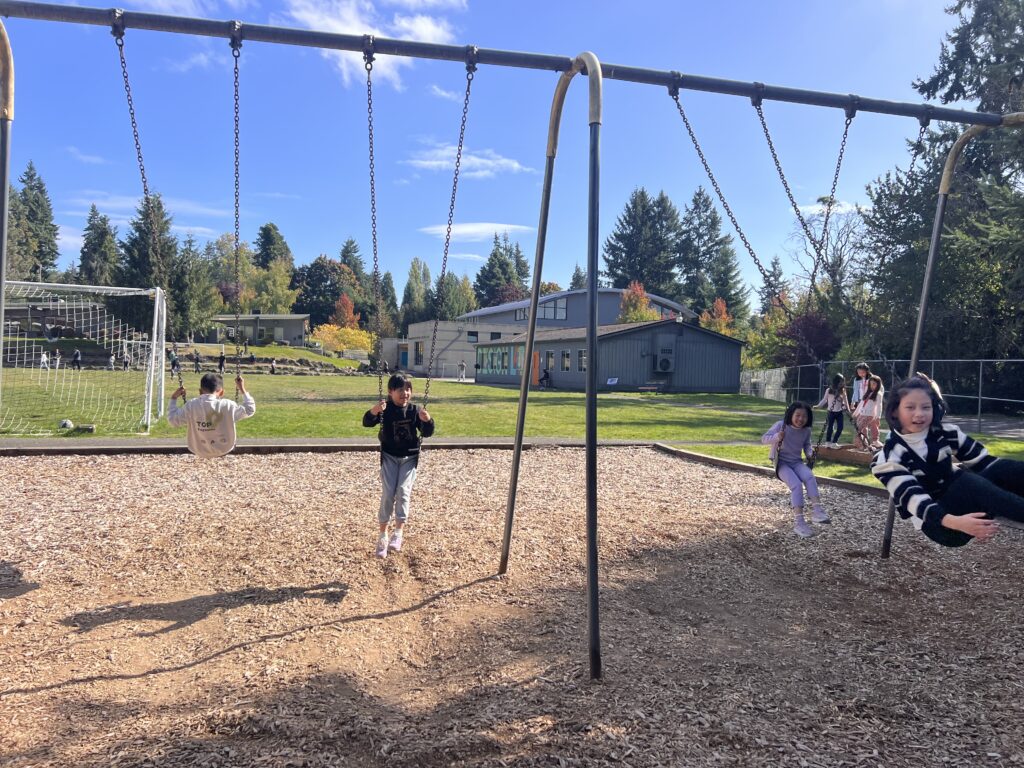
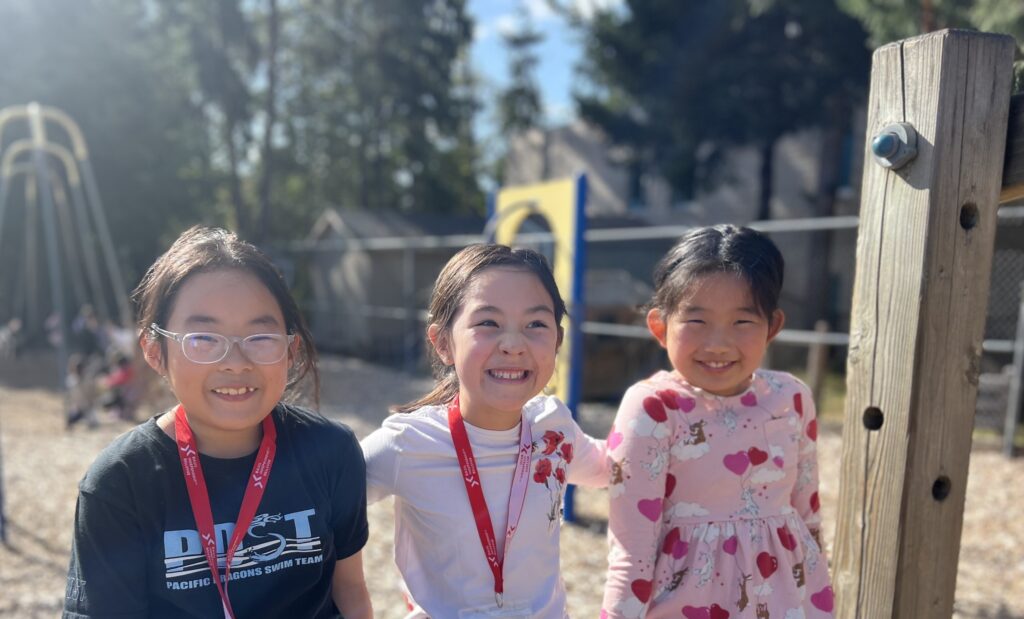
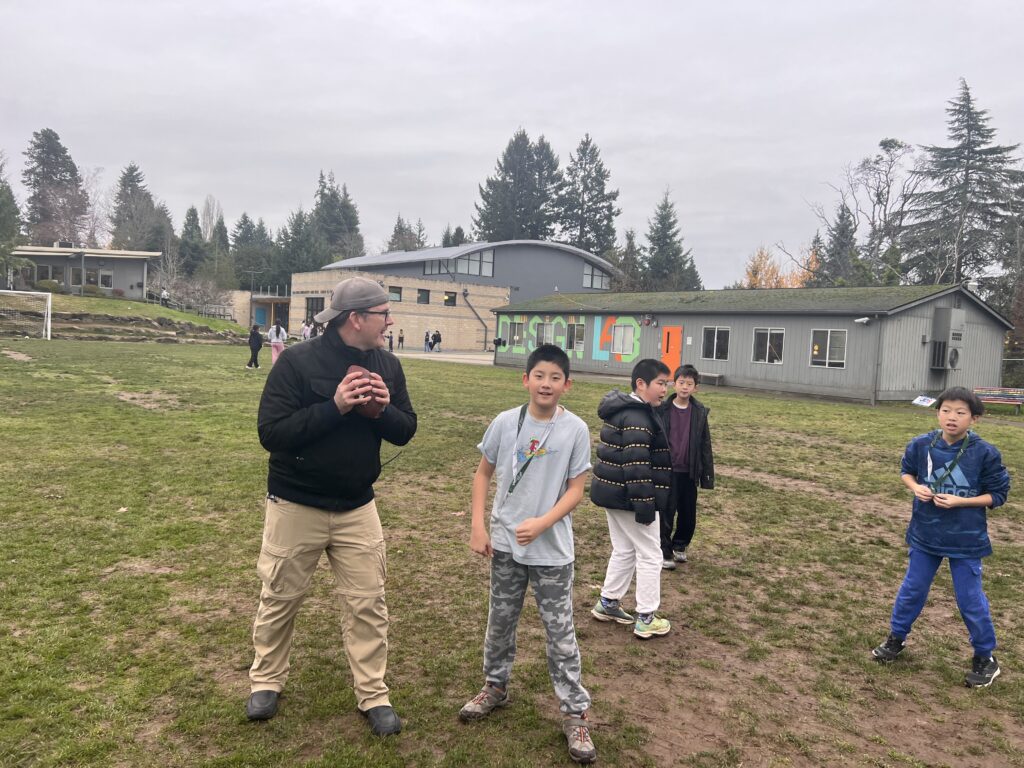
The way recess is organized allows students of different ages to play together. Many families have siblings in our school, and it is also common to see older students connecting with their younger brothers or sisters. They let them take turns, show kindness, and include them in games. These small moments make our recess warm and welcoming, and helps students grow in friendship and care.
At BASIS Independent Bellevue, all grade levels have recess built into the school day, from Kindergarten through grade 12. In the Primary grades, students might be found exploring nature or playing on the playground structure. In the Middle and High School grades, students often engage in games of soccer, football, or basketball. No matter the grade level, the purpose of recess remains the same—providing unstructured time for students to connect with their peers and develop physically, emotionally, mentally, and socially.
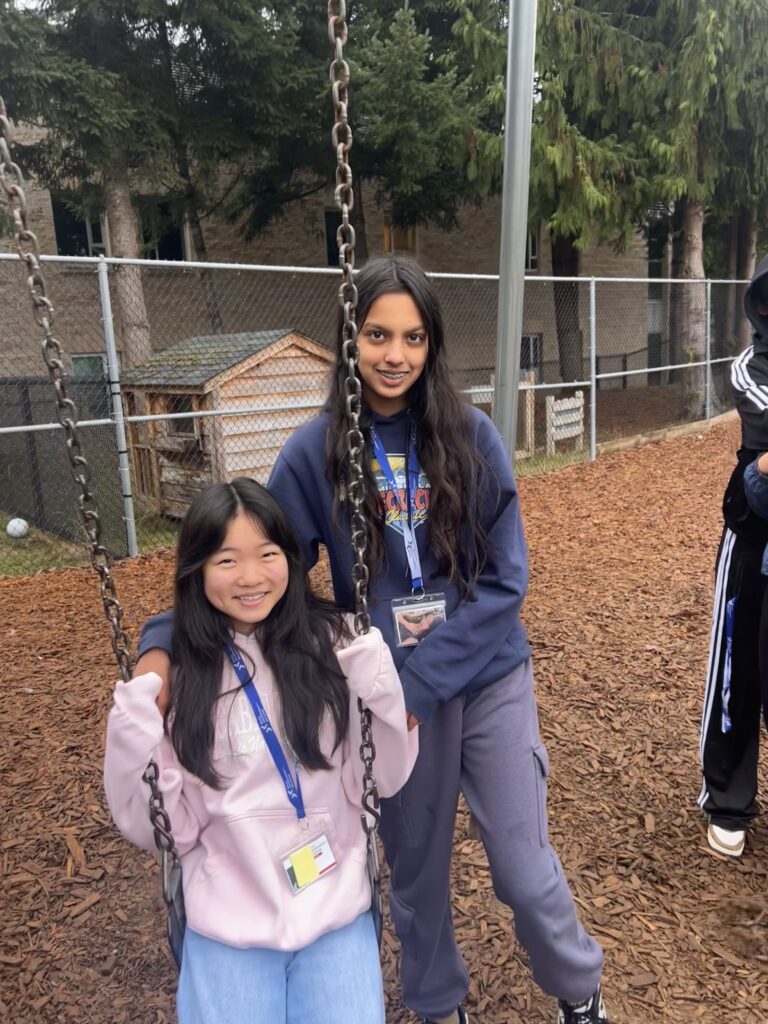
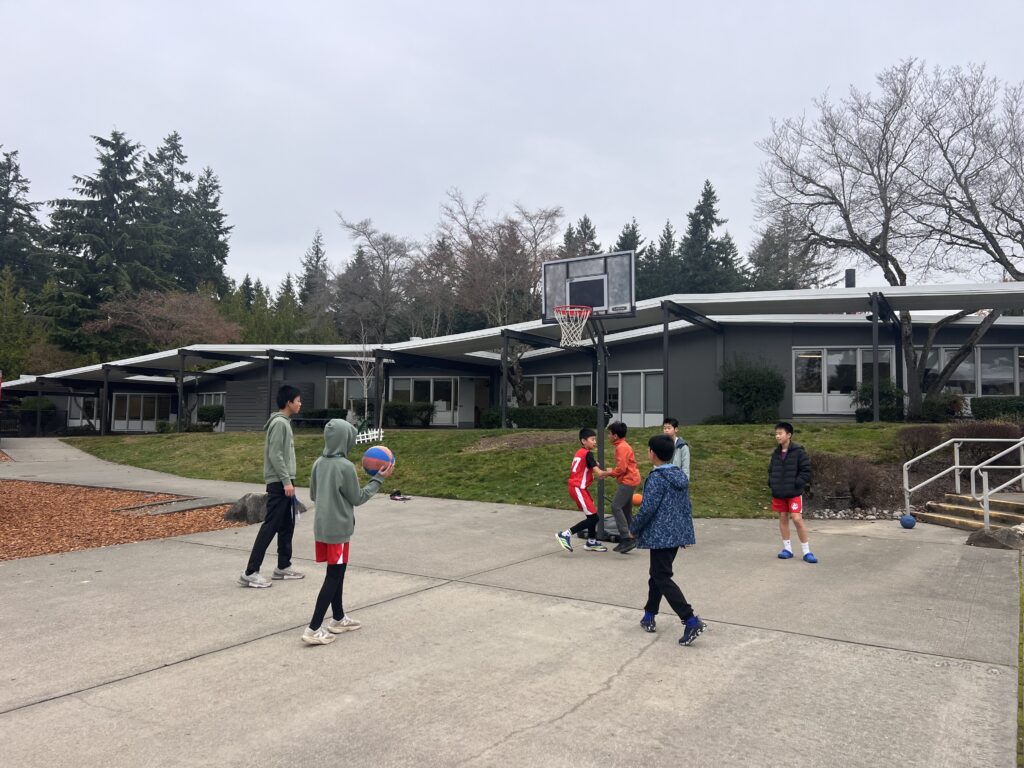
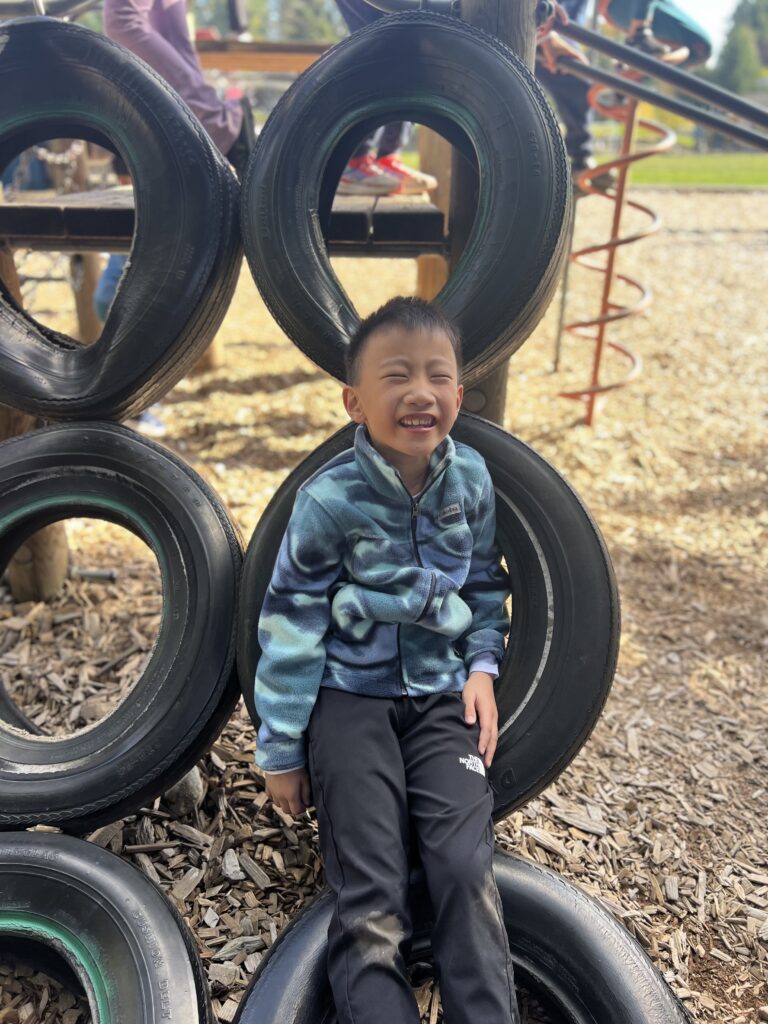
Recess plays a meaningful role in daily school life. Over the years, it has shown itself to be more than playtime. In these valuable breaks, students practice perseverance as they keep trying in games, show active learning when they create and adjust rules, strengthen community through teamwork, and demonstrate empathy when they support classmates. The lessons learned at recess promote the well-being and success of all students, both in the classroom and beyond, by fostering resilience, building social connection, and renewing engagement in learning.
References:
The Many Wondrous Benefits of Unstructured Play. American Psychological Association (CLAY). (2023, September 26). https://www.apa.org/topics/children/kids-unstructured-play-benefits