
Week 9: Blinded by the Lights
April 28, 2026
I admit defeat. Comparing and editing video footage to determine regional influence in the ballet world proves harder than I originally thought. Truthfully, the original goal of relying on performance analysis to carry the bulk of the research is a dead end.
Not only is it unrepresentative of Russia’s true influence on global ballet, but it will also yield undependable results due to the different ways dancers express themselves on stage. World-class competitions, social media algorithms, and routine classes showcase vastly different levels of technique and artistry. It is simply a variation of the age-old “apples to oranges” comparison fallacy.
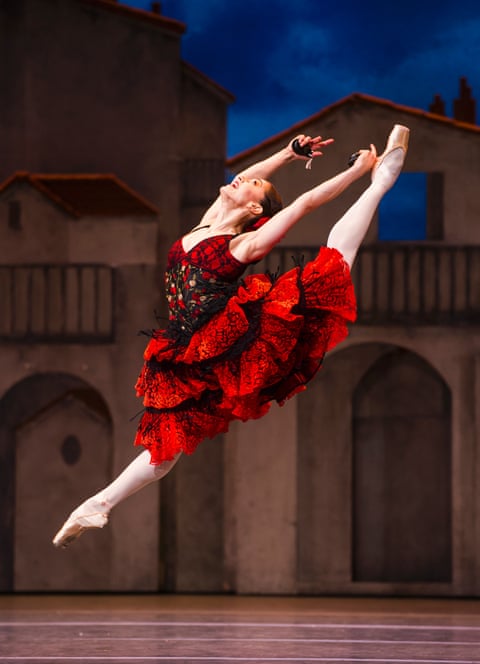
Luckily, this flaw was patched before any major developments in the documentary. Previous weeks’ research on Russian ballet through different lenses should provide a more objective evaluation of modern contexts. The long-respected legacy of Russian ballet still lives through the “Three P’s” found in Week 3’s literature review: pedagogy, performance, and prestige.
That being said, the methodology must now be revised. What’s going to replace the screen time that performance comparison would have had?
Meet the Understudies
Pedagogy preserved: Includes the training lineages of artistic directors and senior faculty at top ballet institutions. Primarily in North America, Asia, and Europe, prestigious schools share a universal technique foundation in the Vaganova method. Examples include Qu Hao (Beijing Dance Academy), Larissa Saveliev (Youth America Grand Prix), and Tamás Solymosi (Hungarian National Ballet). Clips from auditions or classes themselves serve as better indicators for uniformity in the Russian aesthetic. If possible, find similar combinations from other countries and note any parallels in geometry (e.g. approximate angle of leg extensions and head tilts)
Premier perspectives: Extract and transcribe important quotes from interviews with industry professionals. Interviews will comprise of my own interviews and previously conducted interviews online. Review literature review to continue gathering evidence to build credibility in academic perspectives.
Principal prestige: Historical documentaries will be this section’s best friend. Ballet’s function as a soft power extends far before World War II; it has adapted and survived throughout the years (see “Week 8: Child’s Play” for examples of adaptability). Accordingly, state-sponsored education and international competition contribute to the prestige that global media sees today. Propaganda posters, among other media promoting Russian ballet, will be consulted to understand the modern influence of Russian ballet.
Now, is all this to say that performance analysis will be completely scraped? Not exactly. Evaluating pedagogy comes with visual comparison of technique itself. The shift from comparing performances to comparing classes would hopefully eliminate a single confounding variable—the setting. Dancers, like other performers, are heavily influenced by the adrenaline and stylistic liberties of a live stage.
Come back next week to see how these three new elements will (hopefully) come together!
Works Cited
Jennings, Luke. “Don Quixote review – the evening belongs to Marianela Nuñez” The Guardian, 29 Nov. 2014, https://www.theguardian.com/stage/2014/nov/30/don-quixote-marianela-nunez-carlos-acosta-review-royal-ballet-ava-dance-company.
Leave a Reply
You must be logged in to post a comment.