February 25, 2026
Every year, our seniors reach a remarkable milestone. By the time they arrive at their final year at BASIS Independent Fremont, most have already completed their Advanced Placement® (AP®) requirements and are ready for something different—something more. That’s where Capstone courses come in.
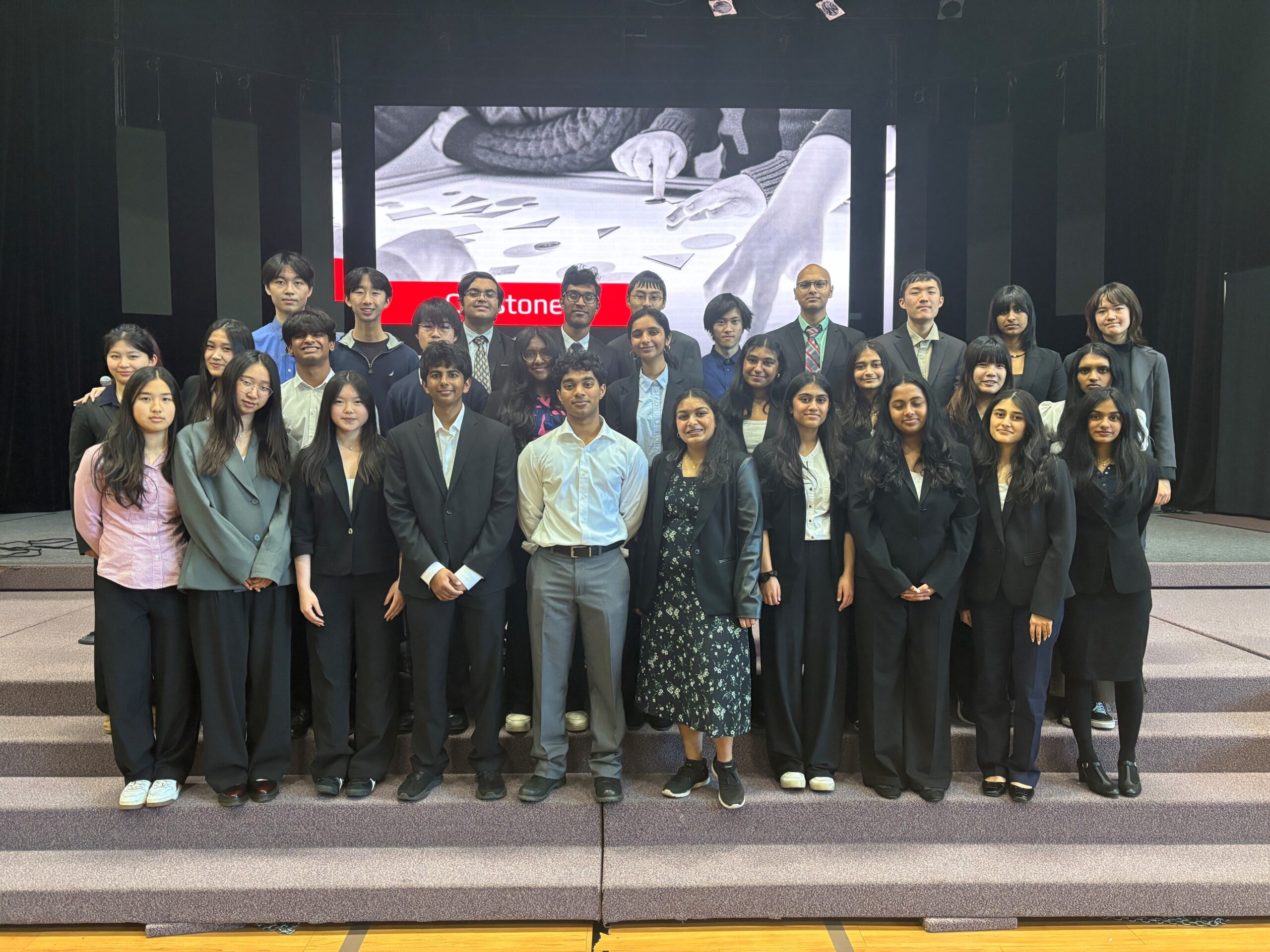
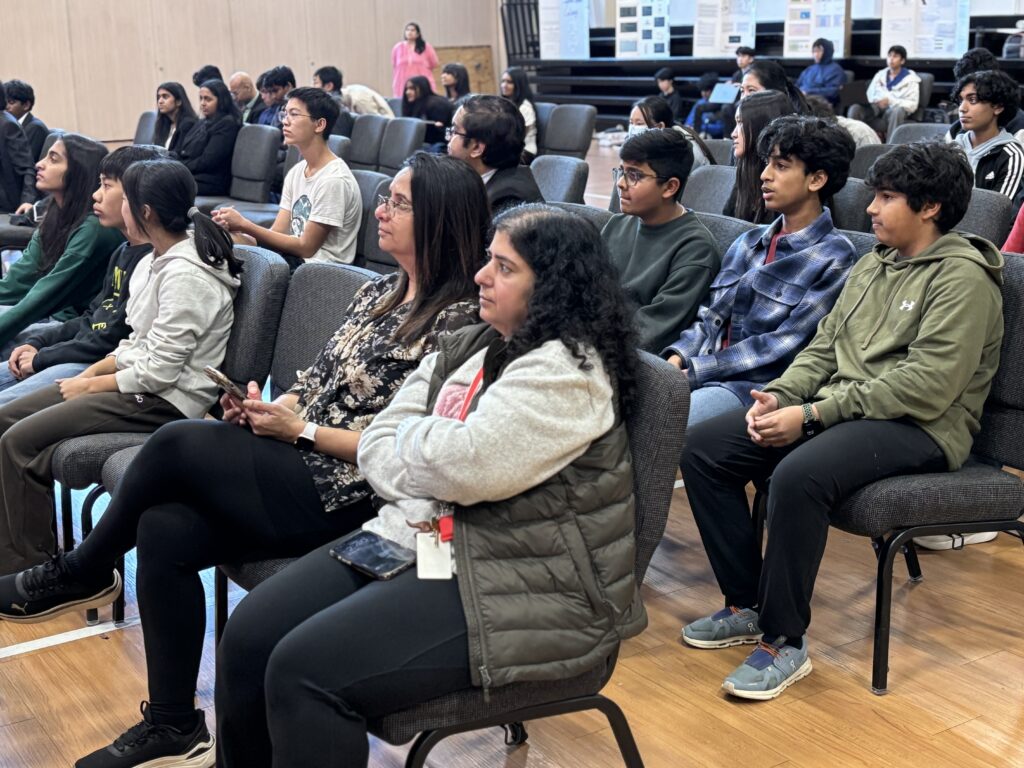
On February 5, 2026, families, faculty, and fellow students gathered for the 2026 Senior Capstone Symposium, a showcase of the original research, engineering projects, financial analyses, and literary explorations that our Class of 2026 has been working on all year. It was, in a word, exceptional.
But to fully appreciate what made that day so special, it helps to understand what Capstone courses are—and why they represent one of the most distinctive elements of a BASIS Independent Fremont education.
What Are Capstone Courses?
The senior year at BASIS Independent Fremont is designed to be a bridge from traditional high school learning to the kind of independent, applied thinking students will encounter in college and beyond. At the heart of that experience are Capstone courses.
Capstone courses are teacher-created, college-level classes that go beyond the breadth of a typical AP course. Where AP courses are built to cover essential content across a wide field, Capstone courses are designed to go deep. They are original courses tied to our teachers’ own academic passions and expertise, and they shift the style of learning itself—from traditional classroom instruction toward the seminar-based and lab-based formats students will encounter in college.
This year, BASIS Independent Fremont offered an impressive range of 14 Capstone courses:
| Art Portfolio | Author’s Study |
| Corporate Finance | Data Structures and Algorithms |
| Drug Discovery & Development | Engineered Systems |
| Linear Algebra | Linguistics |
| Literary Animals | Microbiology |
| Multivariable & Vector Calculus | Neuroscience |
| Optics and Biophysics | Storytelling Through Sound |
Inside the Courses: Teacher Spotlights
What makes Capstone courses so distinctive? We spoke with three of the faculty members behind this year’s courses to find out.
Corporate Finance
In many ways, Corporate Finance is a natural Capstone to the business pathway at BASIS Independent Fremont. Mr. Ong already teaches AP Economics and courses in entrepreneurship, but he saw a gap: students needed exposure to the decision-making tools and frameworks actually used by financial professionals.
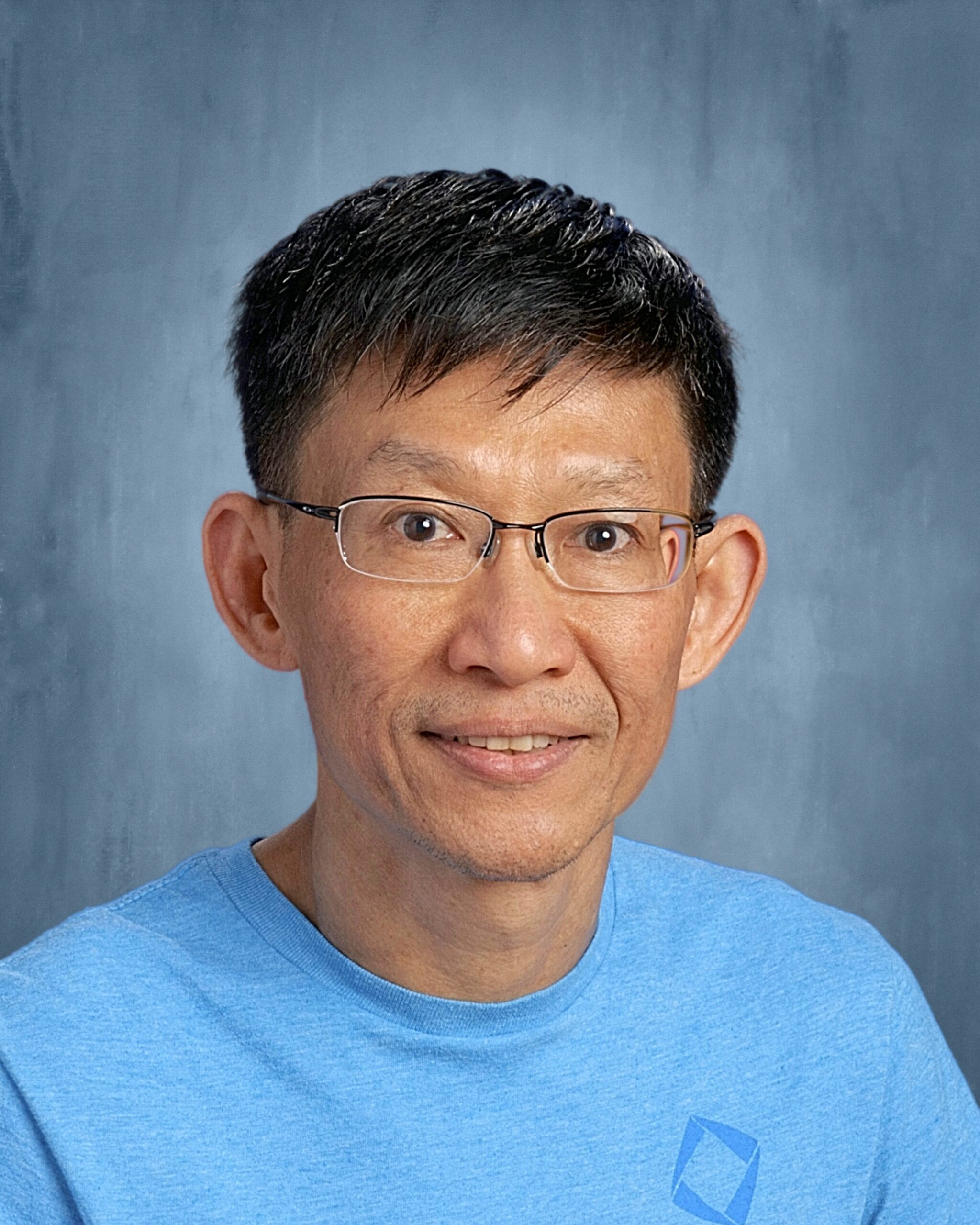
“There is significant interest in business and entrepreneurship at BIF, and I proposed this Capstone as a necessary foundational course for students who are interested in pursuing careers in business management, marketing, finance, and entrepreneurship. I also feel strongly that all students should be financially literate and have a basic understanding of the workings of corporations, the economy, and the financial system in order to effectively function in our modern world.”
— Mr. Ong, Corporate Finance
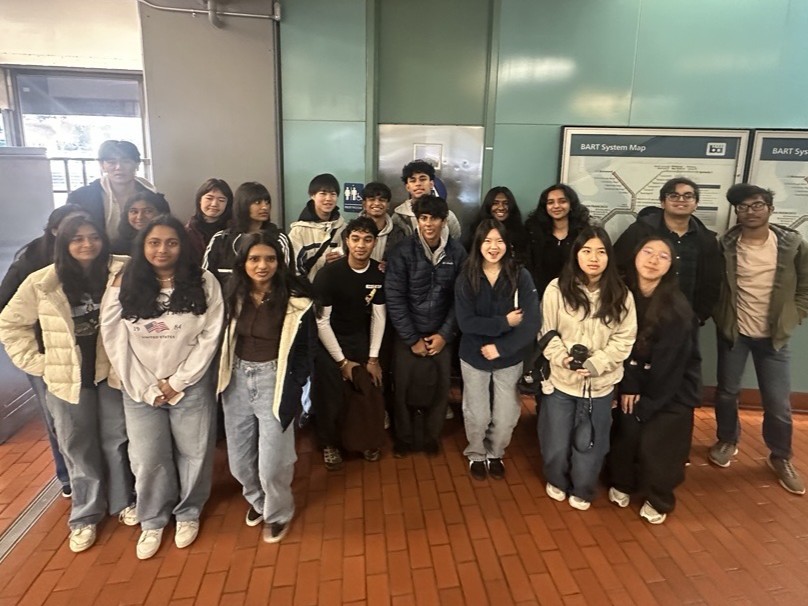
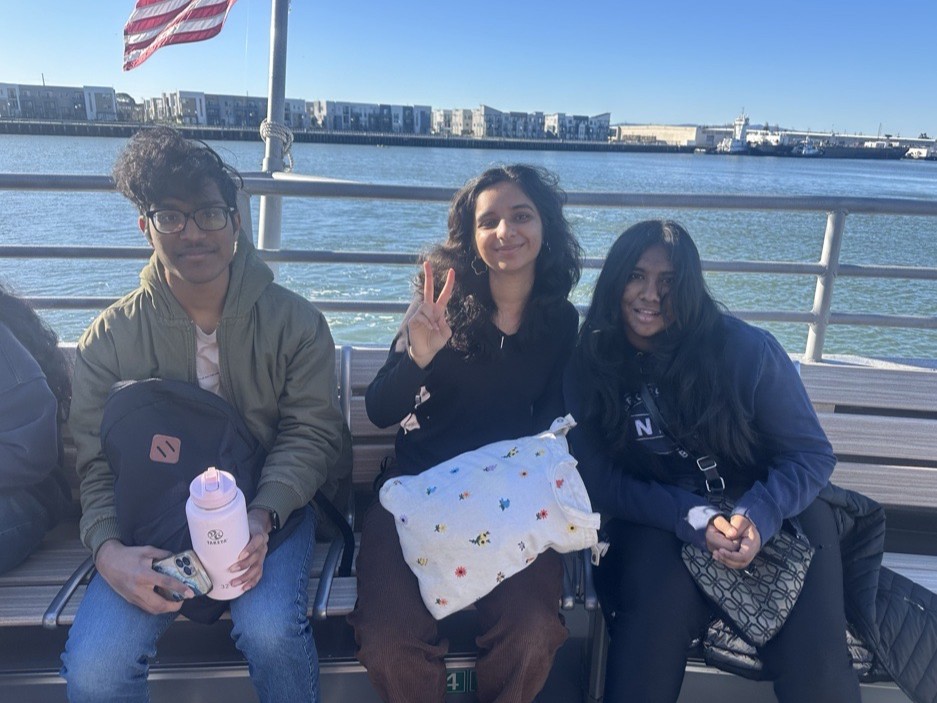
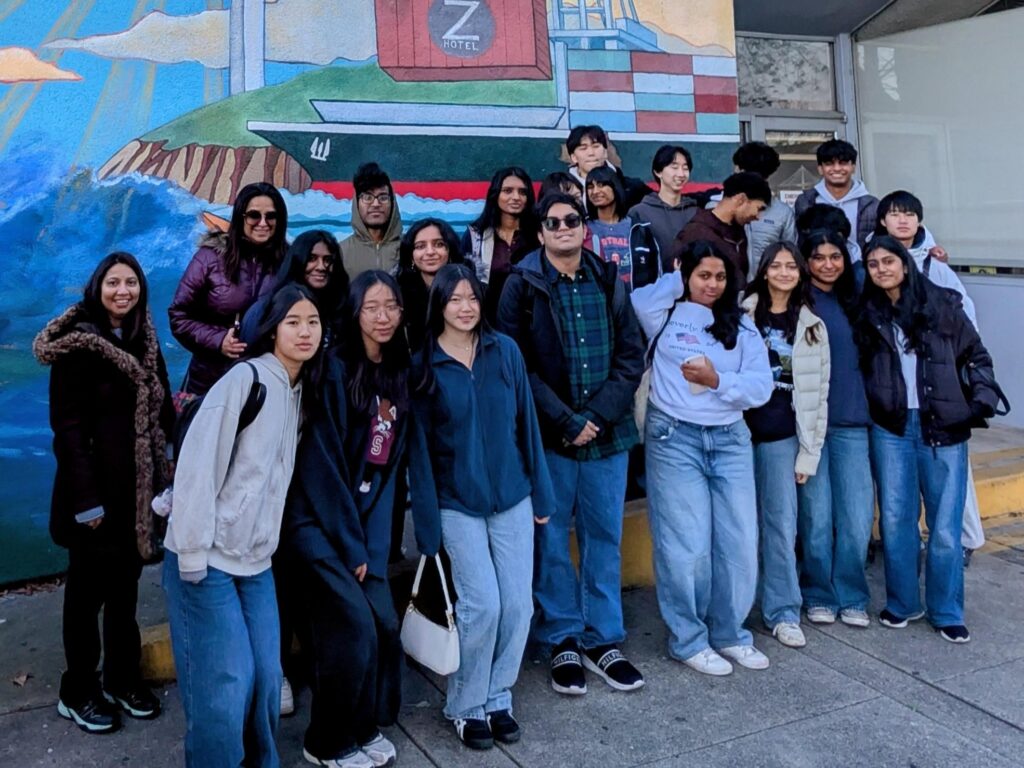
The course is deliberately practical. Students don’t just learn theory—they apply strategic financial frameworks to real-world scenarios. This year, the class even took a field trip to the San Francisco Financial District, giving students a ground-level look at the institutions and organizations they’d been studying.
Data Structures & Algorithms
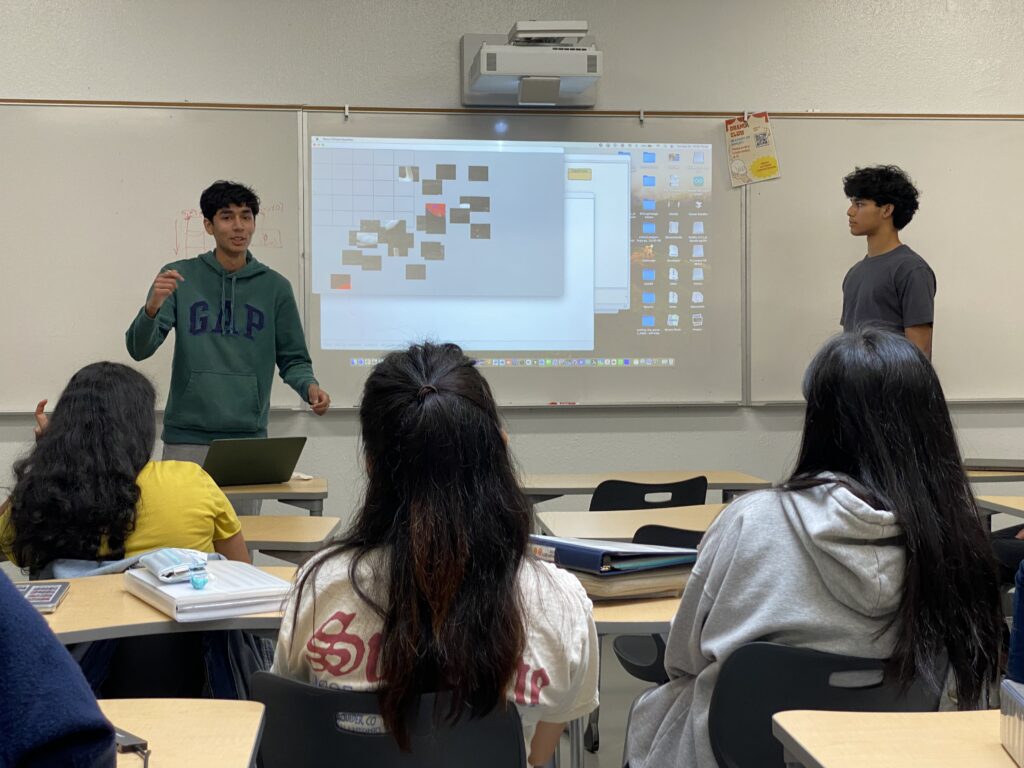
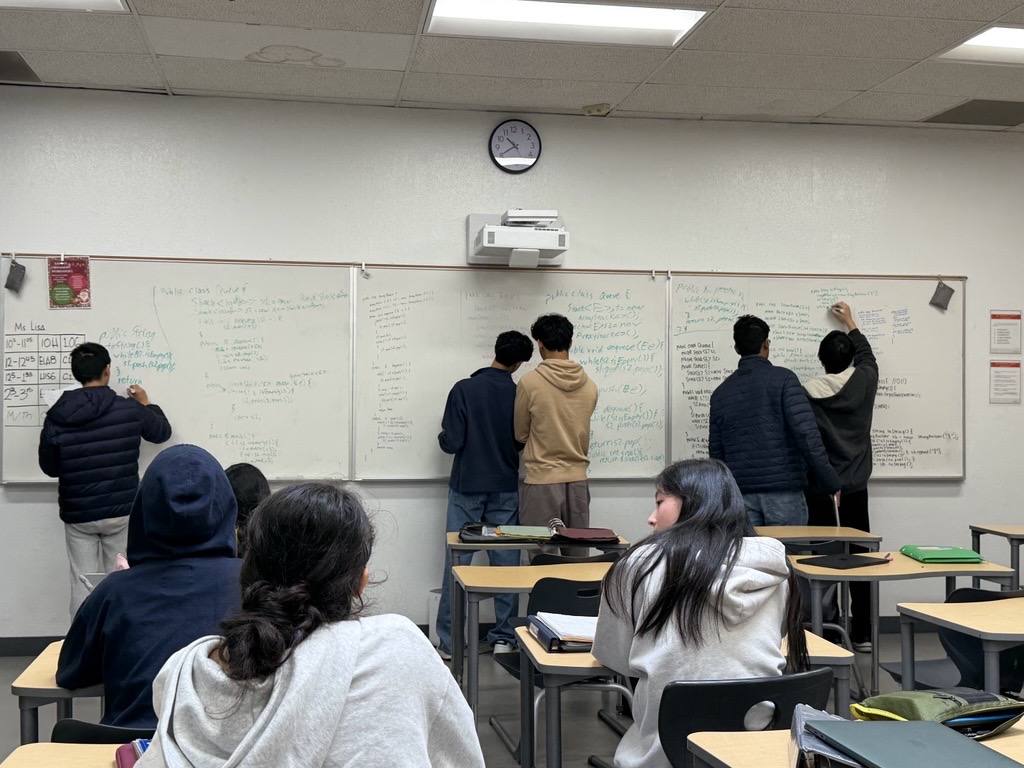
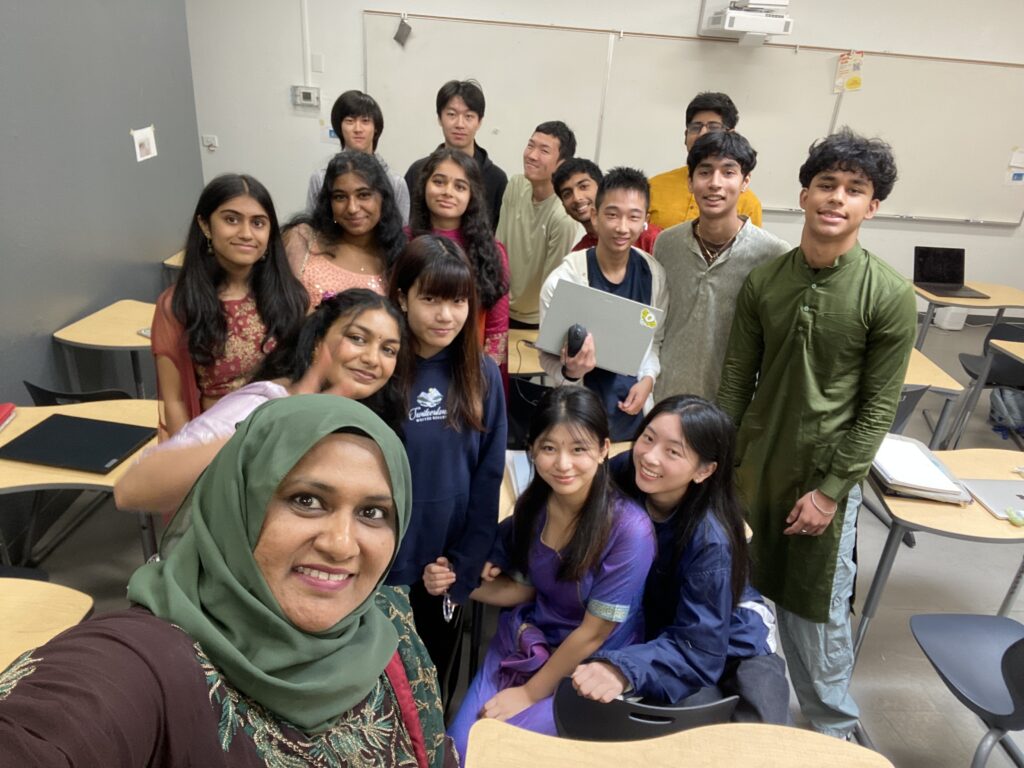
For students who have completed AP Computer Science, Data Structures and Algorithms (DSA) is the natural next frontier. Ms. Shahin describes it as equivalent to a college-level introductory DSA course—the kind of material students at top universities encounter in their first or second year.
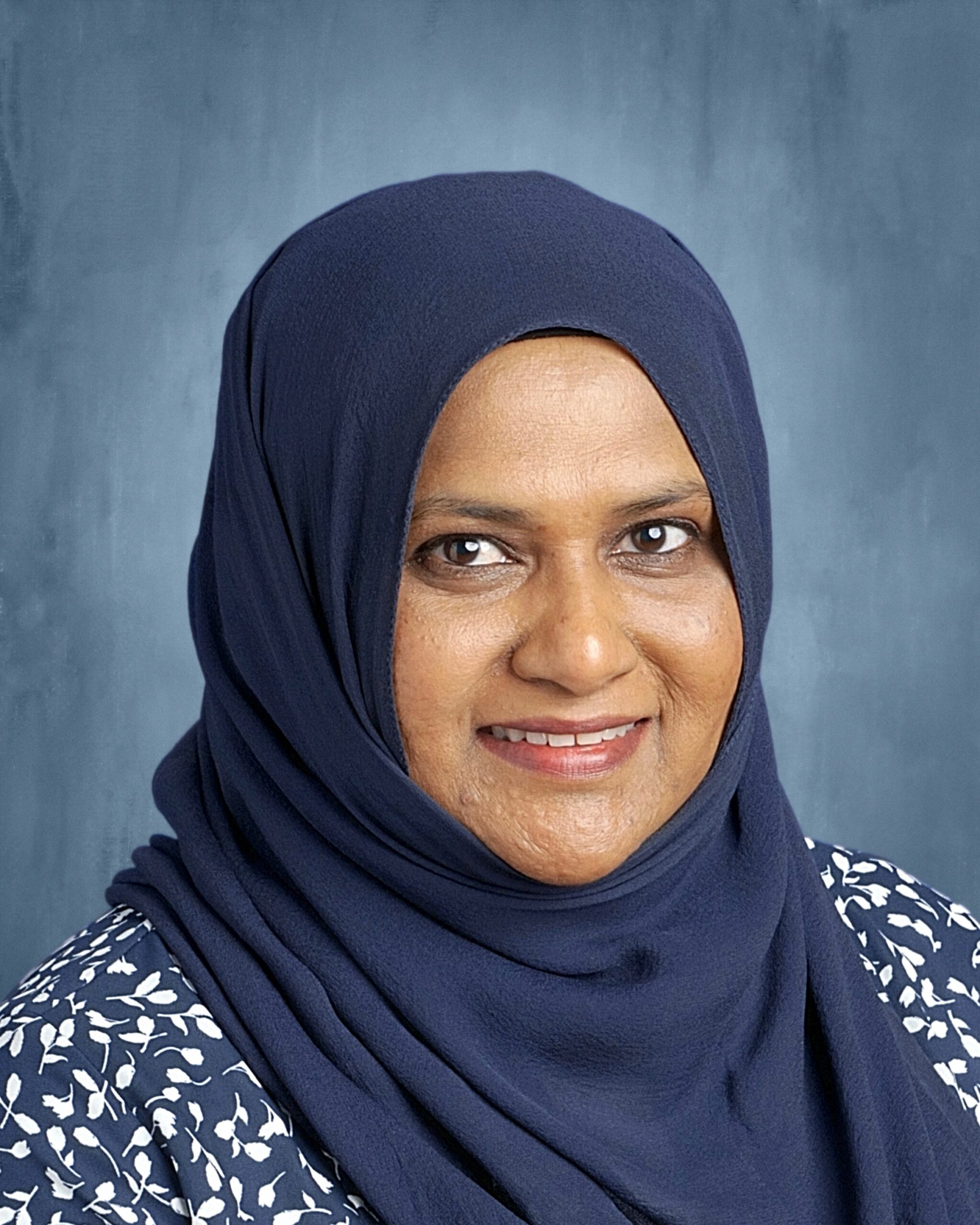
“DSA is a cornerstone for computer science education. By learning how data can be organized in different ways, students learn to tackle various problem-solving scenarios—from linked lists to arrays, from search engines to AI. It’s an important stepping stone for all computer science fields.”
— Ms. Shahin, Data Structures & Algorithms
What makes this course particularly exciting, Ms. Shahin notes, is the rapid pace of change in the field—and her students’ readiness to meet it. “With rapidly changing technology these days, helping them understand the actual process better, and sometimes also learning from their discoveries, is fun.” Alumni from the course have gone on to study computer science at MIT, CMU, Caltech, Cambridge, UC San Diego, and UC Berkeley.
Multivariable & Vector Calculus
Dr. Chaudhri’s Multivariable & Vector Calculus course pushes students well past the limits of AP Calculus into content typically covered in a university freshman or sophomore year. It’s one of several advanced math and science courses he has developed over the years, each reflecting a different dimension of higher-level mathematics and science.
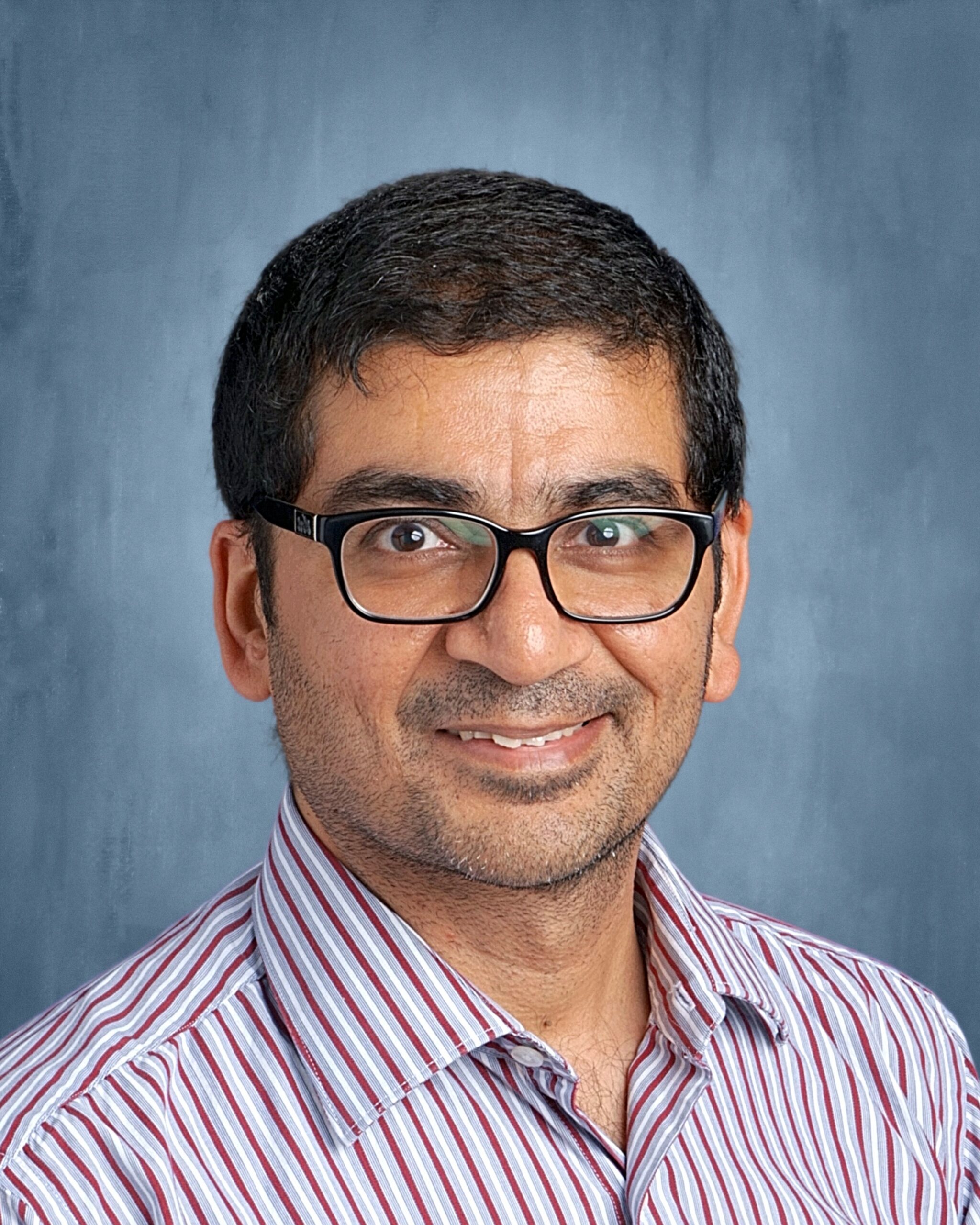
“The Capstone classes cater to knowledge beyond what is covered in an AP class. They offer more depth and more breadth in a specific field of study at an undergraduate freshman/sophomore level—these serve as introductory bridges to a more advanced curriculum at college.”
— Dr. Chaudhri, Multivariable & Vector Calculus
The courses aren’t just academically advanced—they’re experiential. Past classes have included field trips to venues like the Exploratorium in San Francisco, where students engaged hands-on with scientific experiments that brought the course’s big questions down to earth.
Dr. Chaudhri’s courses also reflect a collaborative spirit—some have even come directly from student requests, a reminder that at BASIS Independent Fremont, the curriculum is a living thing, shaped by the curiosity of the students who inhabit it.
The 2026 Senior Capstone Symposium
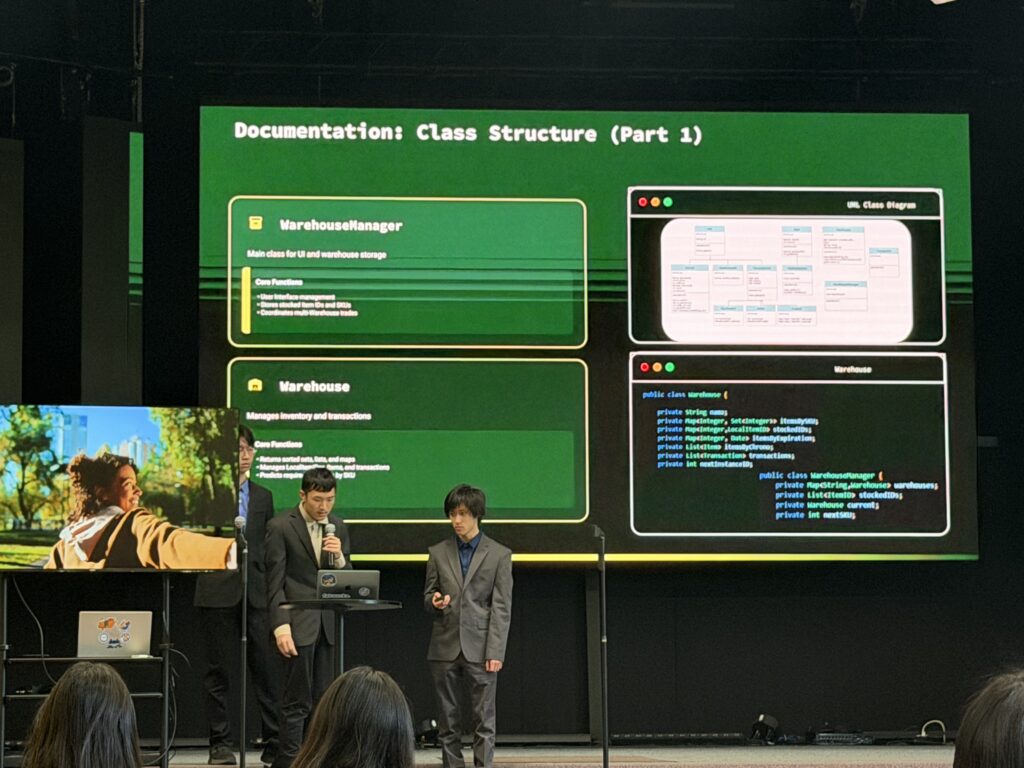
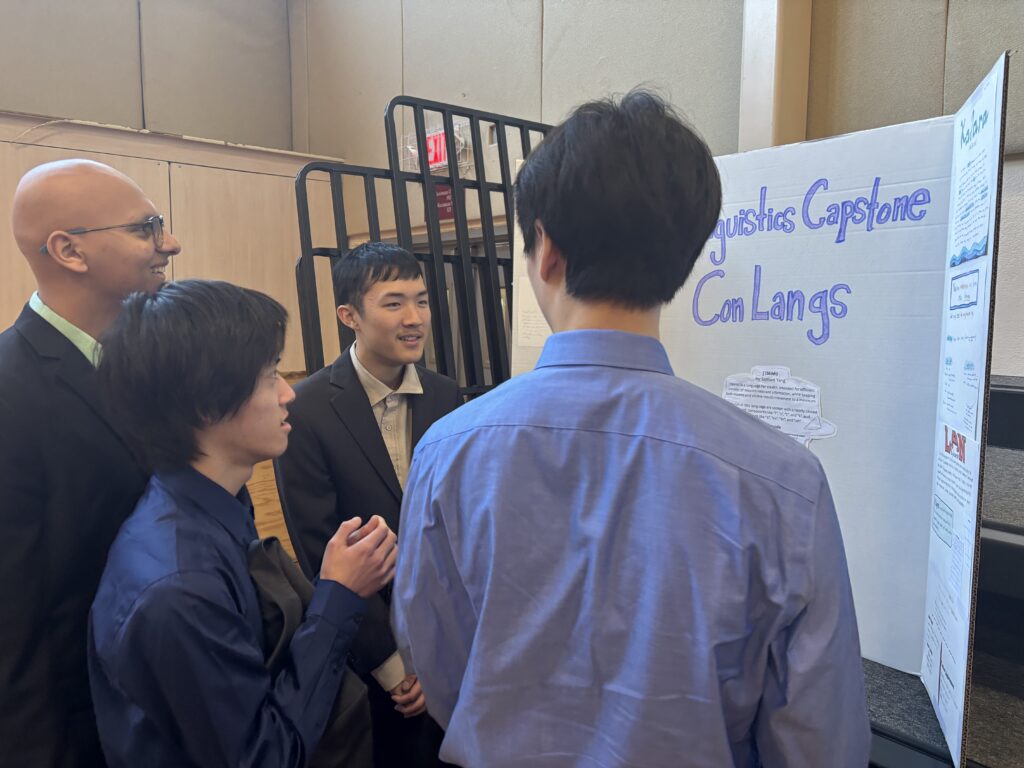
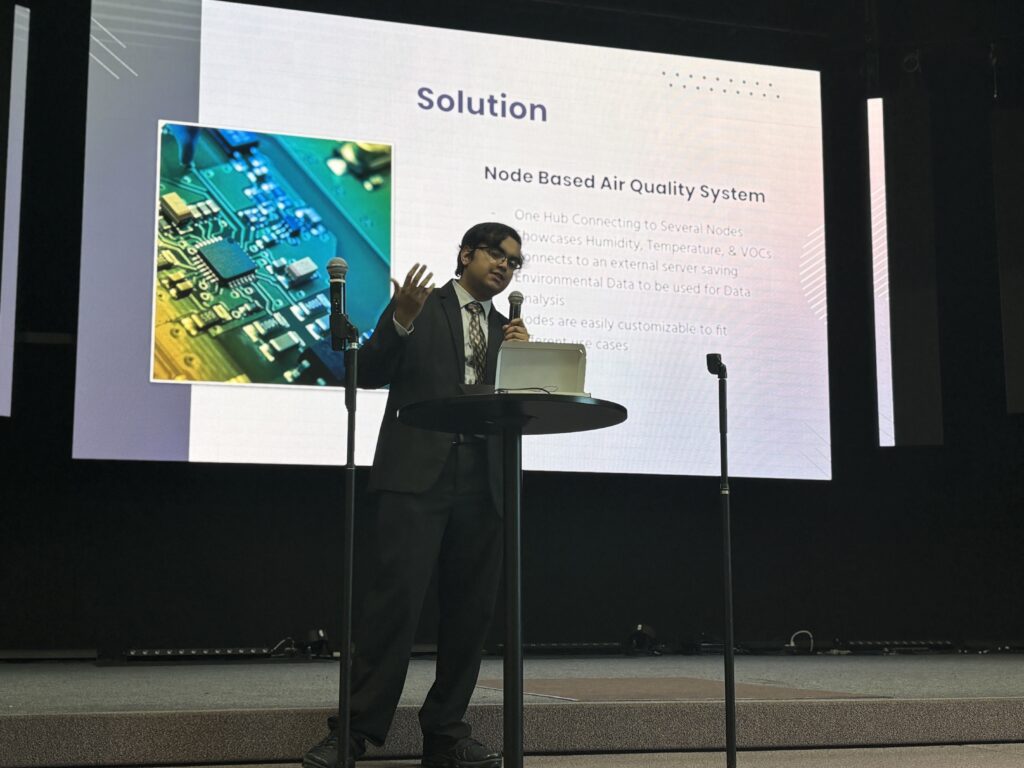
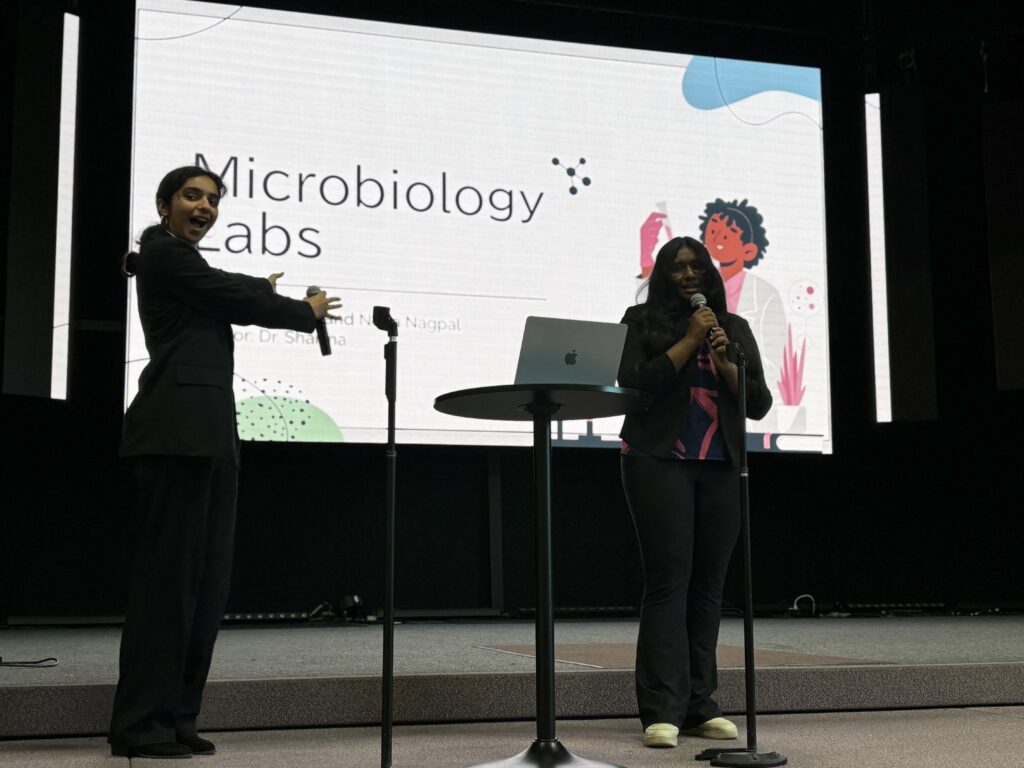
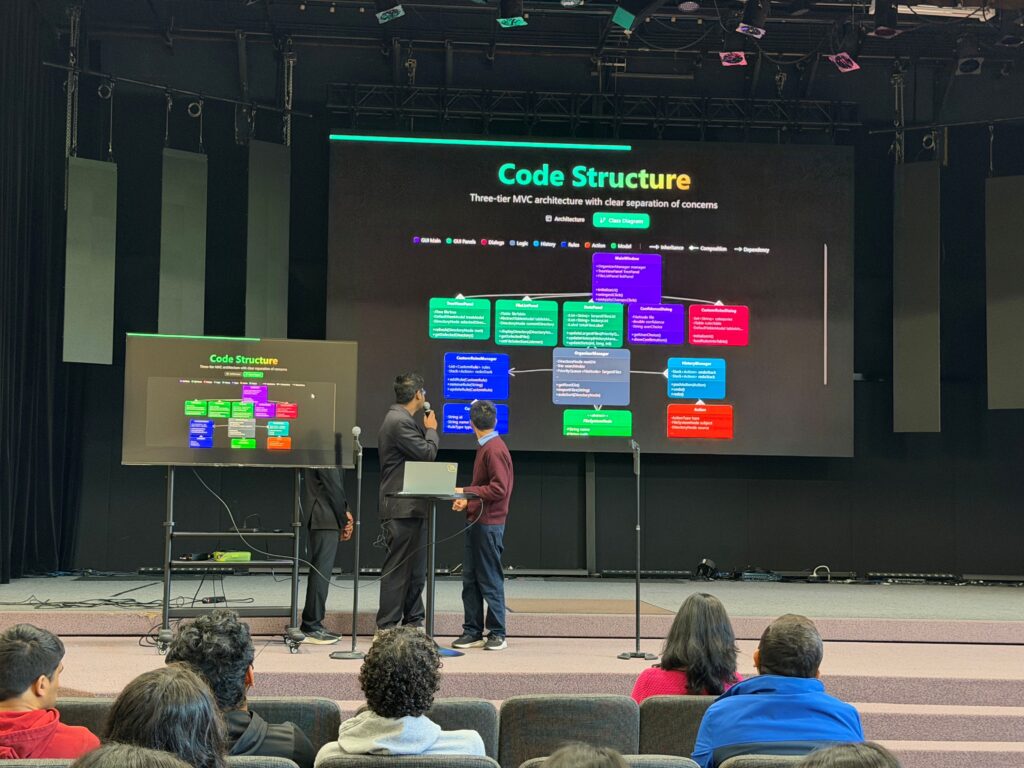
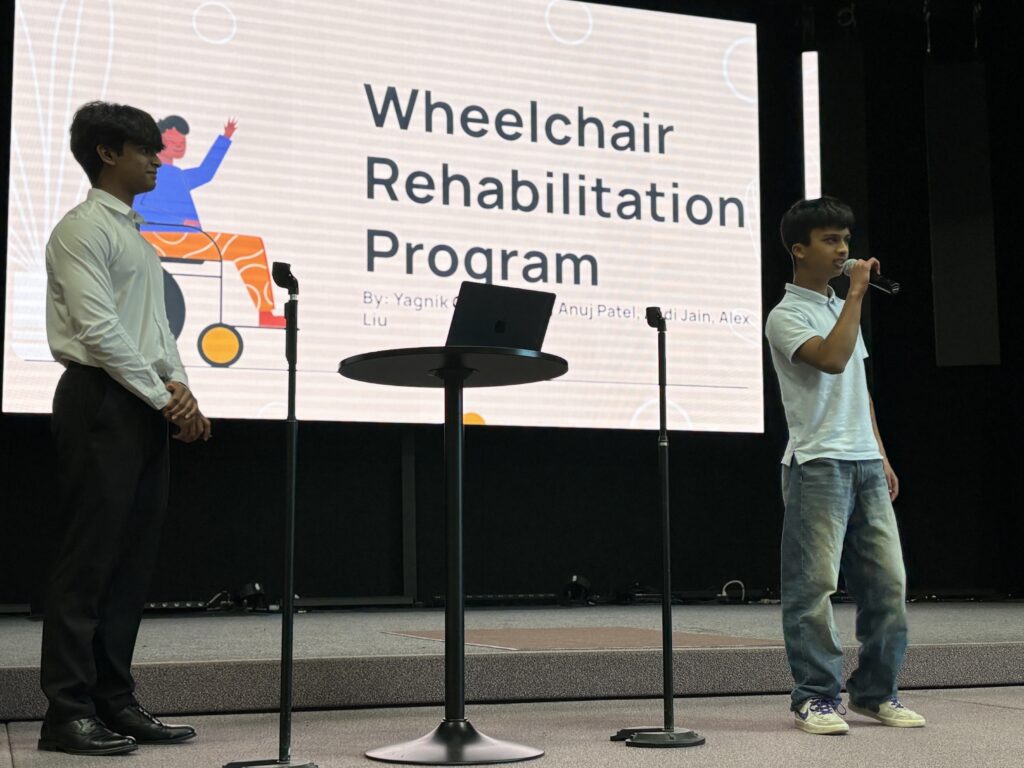
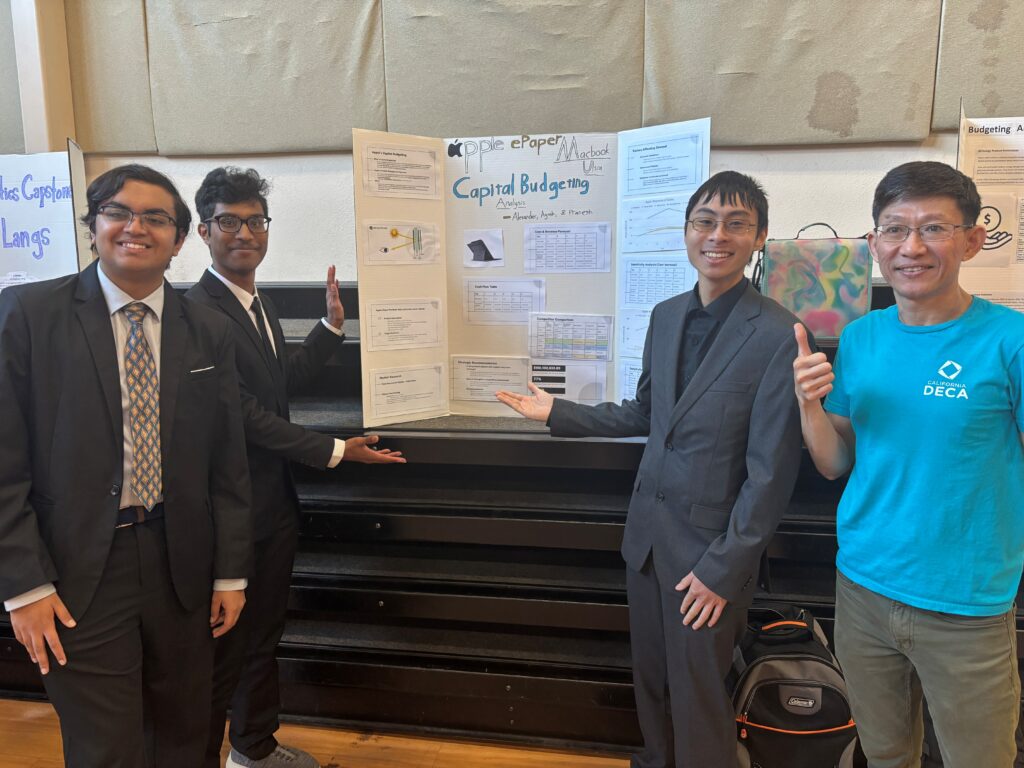
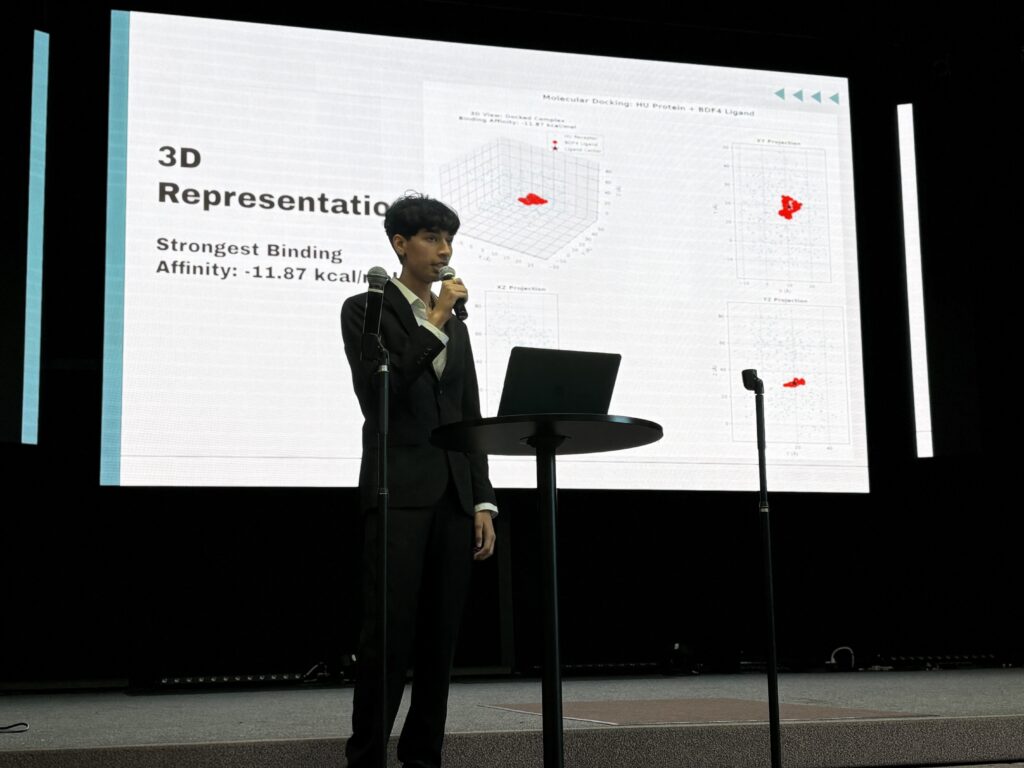
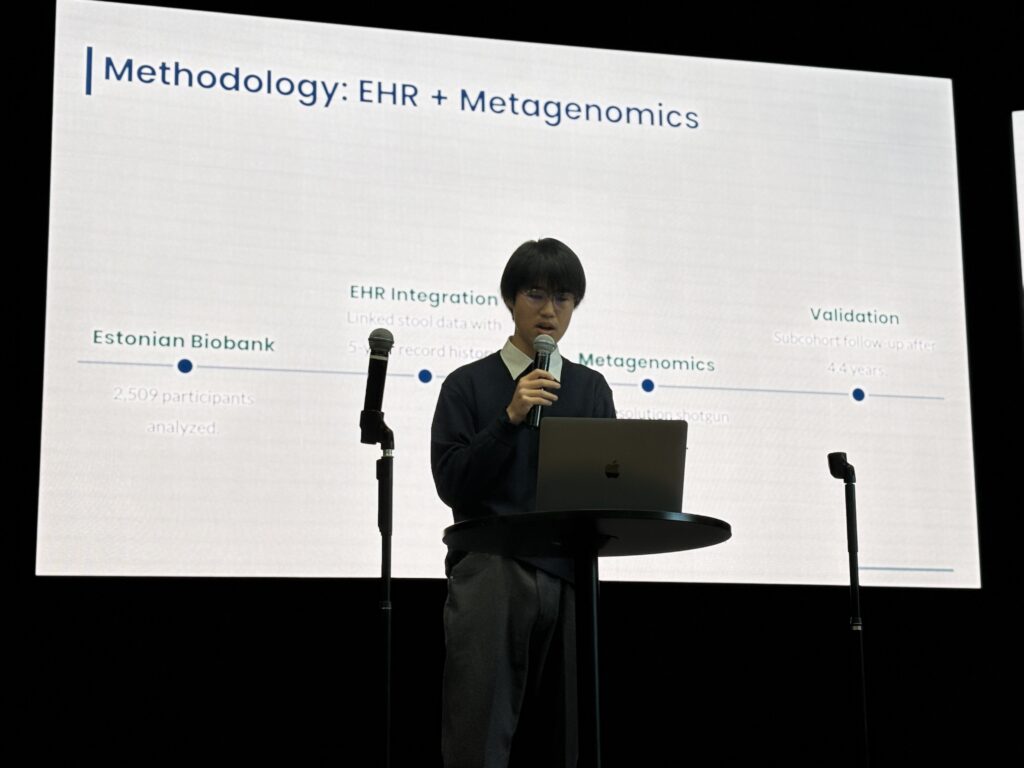
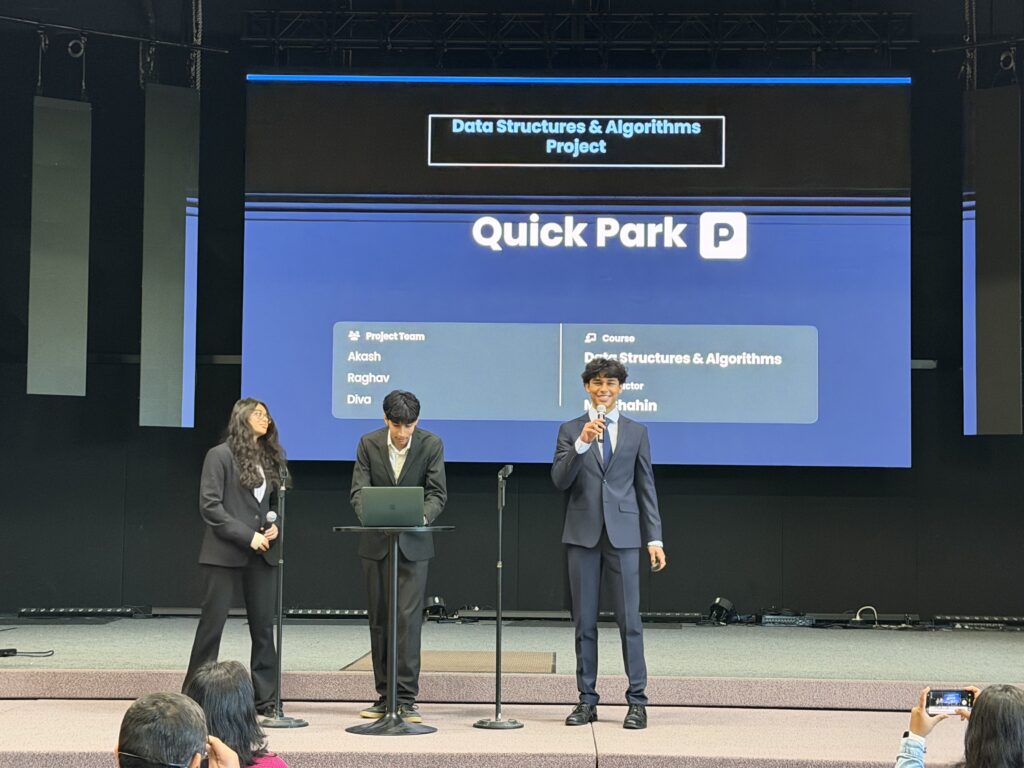
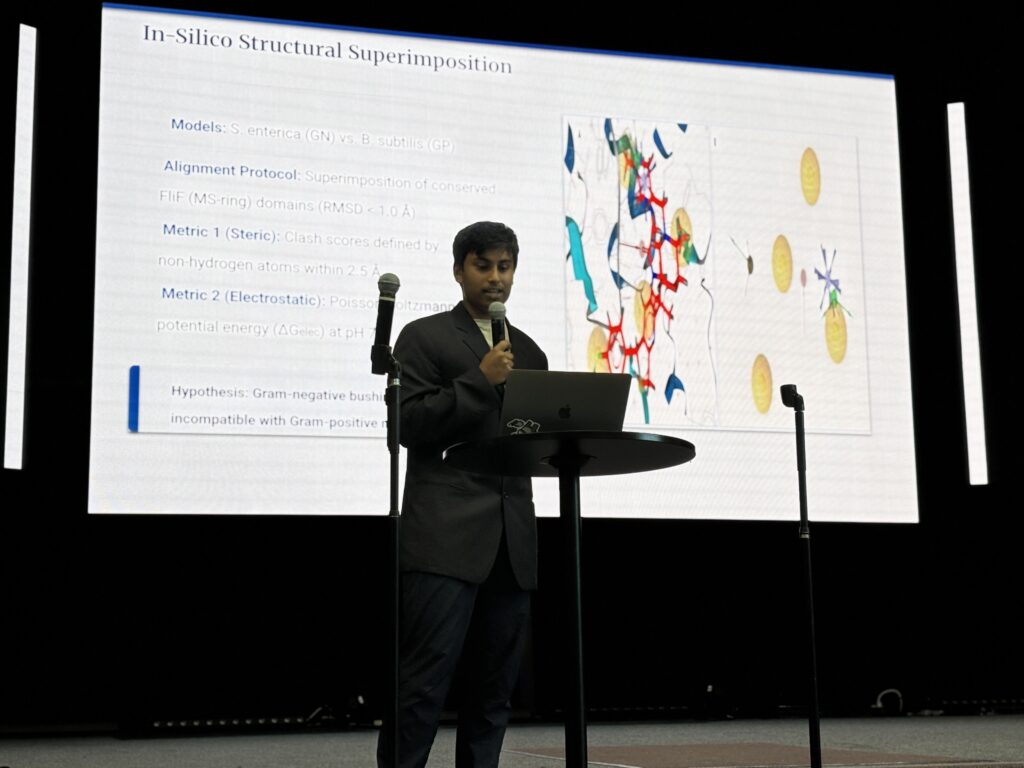
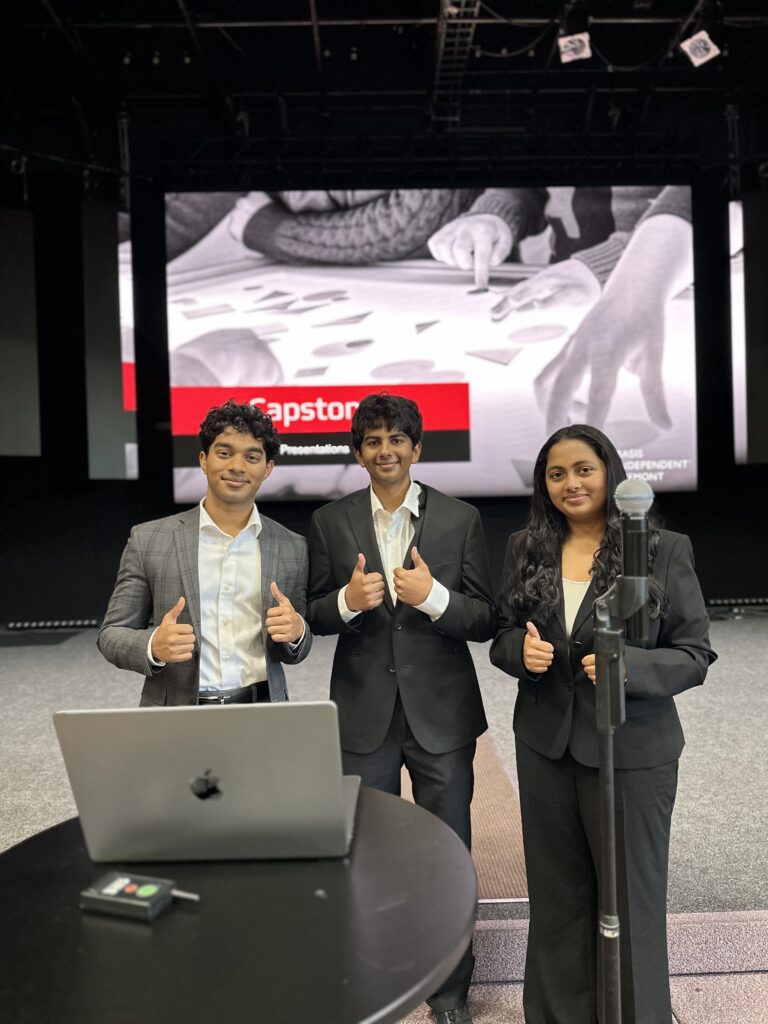
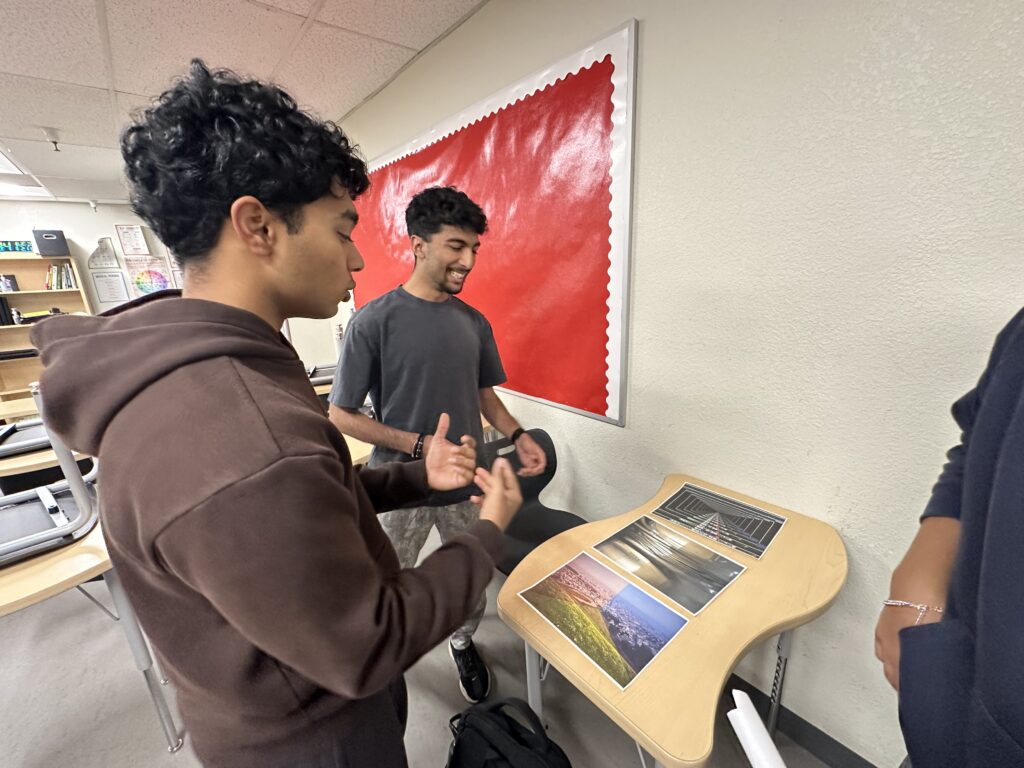
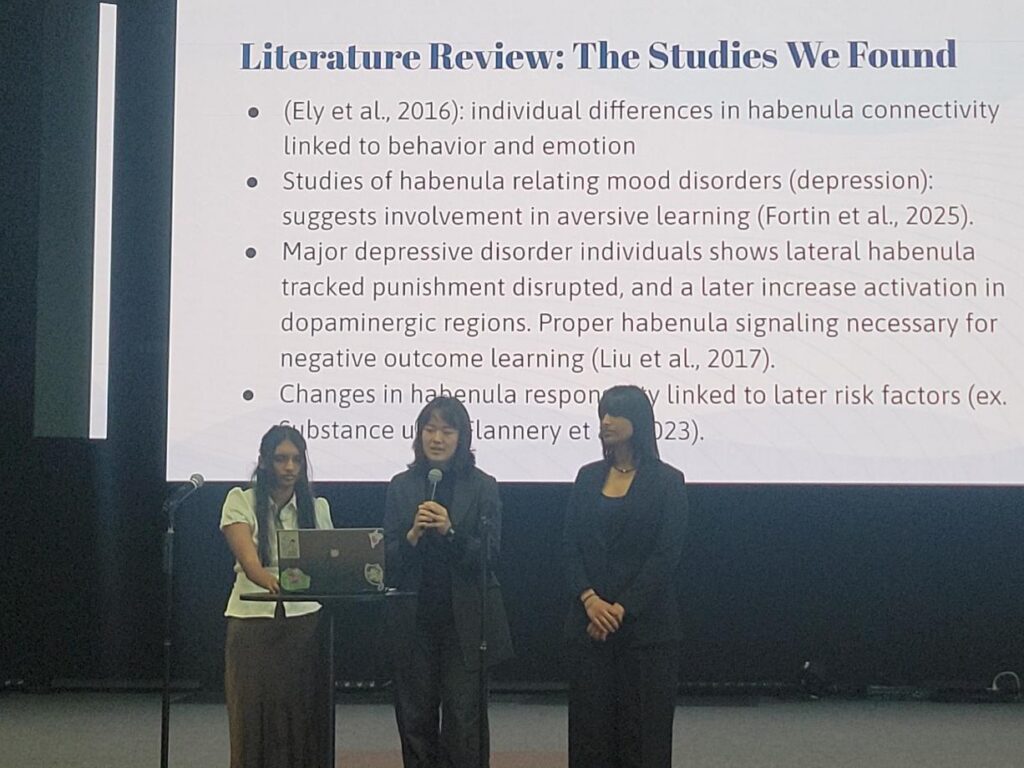
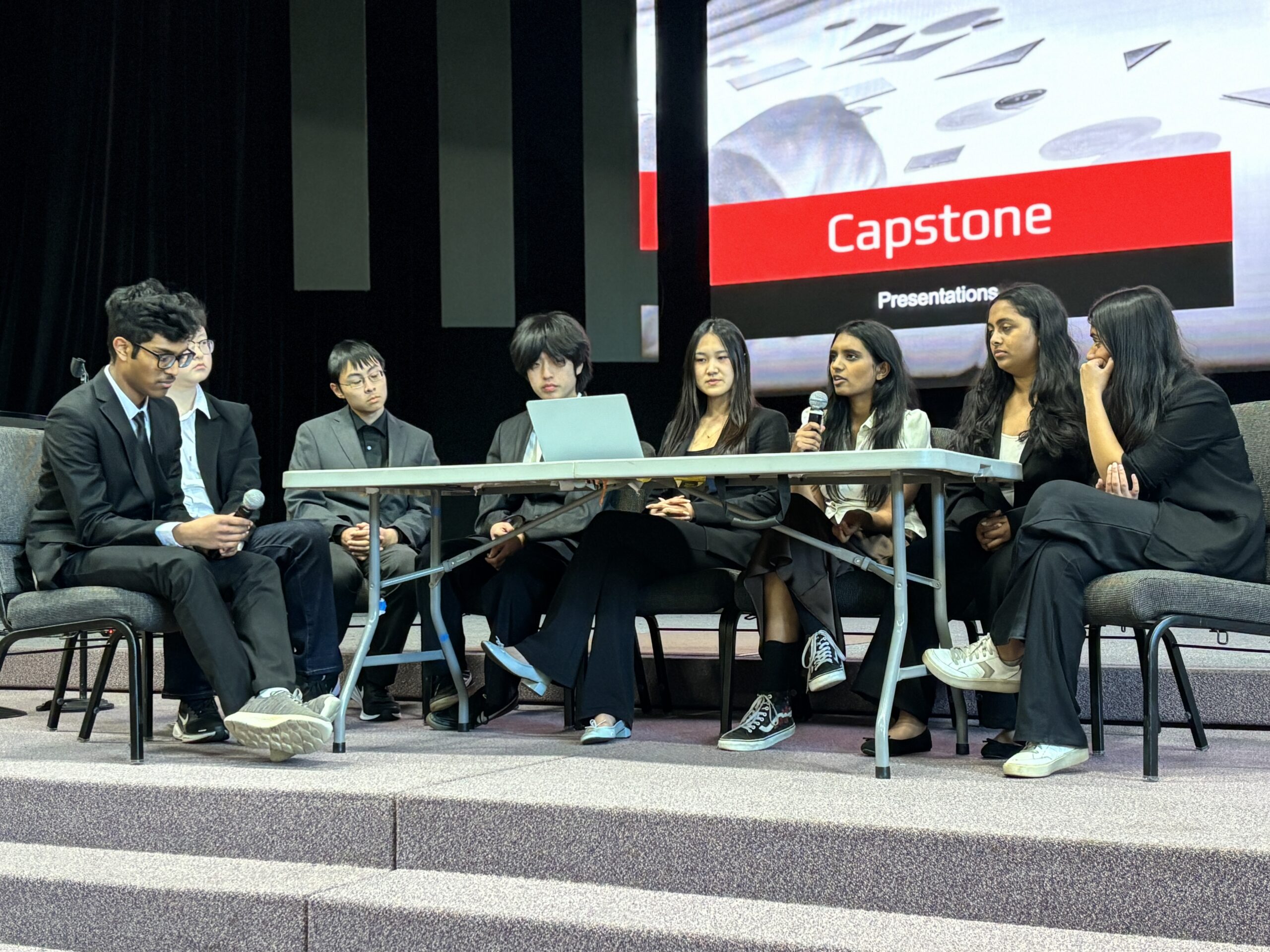
On the morning of February 5, the BASIS Independent Fremont campus transformed into a showcase of some of the most ambitious student work we’ve seen. Eight of this year’s Capstone courses were represented—Neuroscience, Data Structures & Algorithms, Corporate Finance, Engineered Systems, Linguistics, Art Portfolio, Microbiology, and Author’s Study—and the range of work on display was a testament to the ambition and intellectual range of our seniors.
Project Highlights
The breadth of projects on display made it clear that there is no single mold for a Capstone experience. Here is just a sampling of what was showcased:
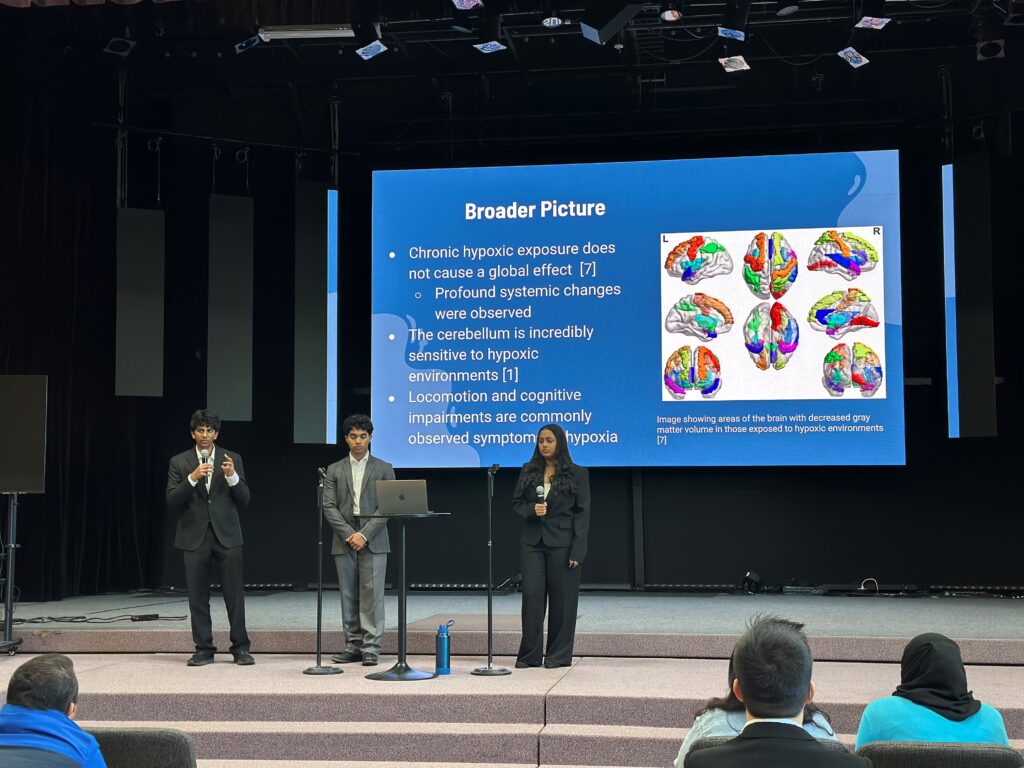
Neuroscience – One group of students investigated how chronic hypoxic exposure (low-oxygen conditions) impacts cerebellar basket cell structure and function—and what that means for broader neurological outcomes. The depth of this research mirrors the kind of questions asked in university neuroscience labs.
Data Structures & Algorithms – Students built fully functional applications using the data structures they studied. Highlights included MealCraft, a smart grocery organizer that intelligently categorizes and tracks pantry items; HAPify, a data-driven application with real-world use cases; and QuickPark, a parking management system designed to solve a genuine everyday problem.
Corporate Finance – The Corporate Finance Gallery Showcase turned into a miniature pitch event, with students presenting capital budgeting analyses and product launch proposals spanning everything from eco-performance running shoes to EV chargers to next-generation Apple hardware.
Engineered Systems – The engineering students showcased a remarkable range of physical and software-based systems. Projects included Security Jewelry—wearable tech designed to help users signal distress discreetly; Atmosys, an environmental monitoring system; an Automatic Planter that uses sensors to automate plant care; and a Wheelchair Rehabilitation Program designed to improve accessibility and patient outcomes.
Microbiology – The Microbiology presentations were perhaps the most research-intensive of the day, with students tackling graduate-level questions on topics ranging from bacterial flagellar motor evolution to the therapeutic potential of fecal microbiota transplantation for neuropsychiatric disorders.
Author’s Study – In a fitting contrast to the lab-and-data presentations elsewhere, the Author’s Study class closed out the day with a student-facilitated roundtable discussion—modeling the kind of Socratic seminar that defines great humanities education at the college level.
In Their Own Words
Josh P. approached his Capstone courses as an opportunity to test his interests before college—and came away with more than he expected.
“Capstone courses are a great chance for exploration—in-depth exploration into often niche topics. From the Neuroscience course, I got the basis to learn about more detailed parts of topics I was interested in, which I was then able to practically implement with the Capstone project. The whole process of developing your knowledge in the course and then finding a concrete, applicable way to use your exploration—Capstones are really amazing for that.”
That spirit of exploration carried into his other courses too, including Storytelling Through Sound: “I realized that I’m interested in applying literature outside of the standard means, and I’ve kind of taken that concept with my other Capstone courses as well.”
And looking ahead to college, Josh sees the Capstone experience as groundwork for what’s next: “I think the Capstones are kind of your gateway to enter that mindset—going deeper into topics you’re interested in, and also just niche topics in general.”
— Josh P. (Class of 2026), Drug Discovery & Development, Linear Algebra, Neuroscience, Storytelling Through Sound
Richa C. also took four Capstone courses and found that the flexibility of the Capstone curriculum was exactly what set them apart.
“For APs, I wouldn’t put too much effort in because I would always depend on that final AP exam bringing everything up for me. In Capstones, I actually have to work for it. There’s no set curriculum—the teachers make the curriculum, so they’ll just take you on a rollercoaster ride some days. I really like how flexible the curriculum is.”
That flexibility showed up in unexpected ways. In Neuroscience, it meant hands-on lab work that went well beyond a typical classroom experience: “It’s like holding an actual brain in your hands and cutting into it and seeing all the little things in there.”
And at the Symposium itself, seeing the full scope of what her classmates had been working on all year left an impression: “I just really liked seeing everyone else’s hard work and all their projects. They were really cool.”
— Richa C. (Class of 2026), Linguistics, Literary Animals, Multivariable & Vector Calculus, Neuroscience
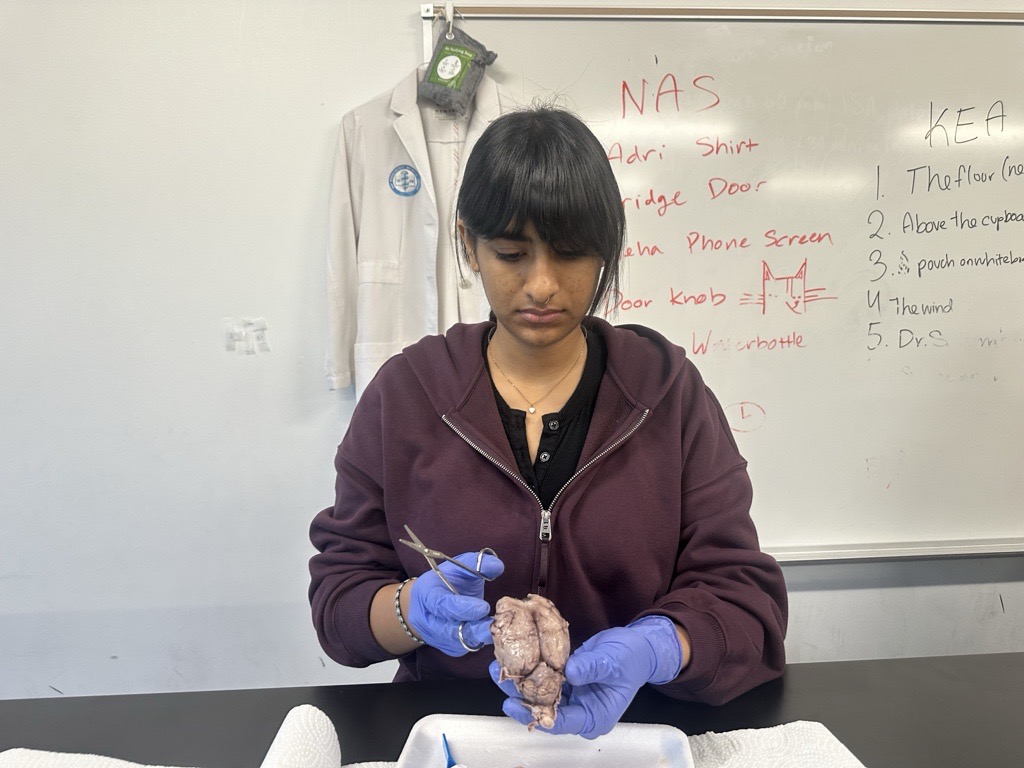
Kriti L. chose her Capstone courses — Neuroscience, Author’s Study, Microbiology, and Linear Algebra — based on subjects she already loved. But it was the energy in the classroom that made them memorable.
In Author’s Study, she found herself caught up in her teacher, Mr. Betcher’s, enthusiasm: “I think it definitely excited me too. I was excited to see what was the topic that made my teacher so interested in this.”
That excitement extended to how the courses felt day to day: “It felt almost like a college course. There was no really structured curriculum — if we wanted to touch on a side subject, we could do that. We didn’t have to only study topics for the AP test. And it’s a lot more formal — you have to write whole papers that are 20 pages. But it’s also preparing me for college.”
— Kriti L. (Class of 2026), Author’s Study, Linear Algebra, Microbiology, Neuroscience
A Different Kind of Senior Year
What makes the Capstone experience so valuable isn’t just the content—it’s the mode of learning. By the time BASIS Independent Fremont seniors step into these courses, they’ve earned the academic credentials to take on something more. Capstone courses give them a glimpse of what college-level intellectual life actually looks like: seminar discussions, independent research, open-ended problem solving, and the deep satisfaction that comes from pursuing questions you genuinely care about.
The 2026 Senior Capstone Symposium was a celebration of exactly that. Watching our seniors present—confidently explaining their methodologies, fielding questions, and connecting their work to the broader world—it was clear that BASIS Independent Fremont’s promise had been fulfilled: these students are not just ready for college. They are ready for what comes after.
Congratulations to the Class of 2026.
BASIS Independent Fremont is a TK – Grade 12 private school, providing students with an internationally benchmarked liberal arts and sciences curriculum, with advanced STEM offerings. Considering joining the BASIS Independent Fremont community? To join our interest list for the next school year and receive admissions updates and more, please click here.