January 22, 2026
Real scientists don’t start with textbooks. They start with questions about the world around them. At BASIS Independent Fremont (BIF), our Lower School students learn the same way: by investigating real phenomena, testing their ideas, and using evidence to support their conclusions. From engineering solutions to ancient problems to exploring why oil and vinegar refuse to mix, BIF students practice thinking like the scientists and engineers they may one day become.
Learning Through Real-World Investigation
At BIF, science education is phenomena-based, meaning students begin with observable events and real-world questions rather than memorization. Our approach develops three essential skills: active investigation (students doing, not just watching), scientific communication (reading, writing, and discussing like scientists do), and evidence-based reasoning (supporting conclusions with data).
This matters because these skills extend far beyond the science classroom. Whatever our students choose to become in life, they need to ask thoughtful questions, analyze information, and solve complex problems. Science at BIF is preparation for thinking critically about the world.
What Scientific Thinking Looks Like at BASIS Independent Fremont
Students Observe and Question
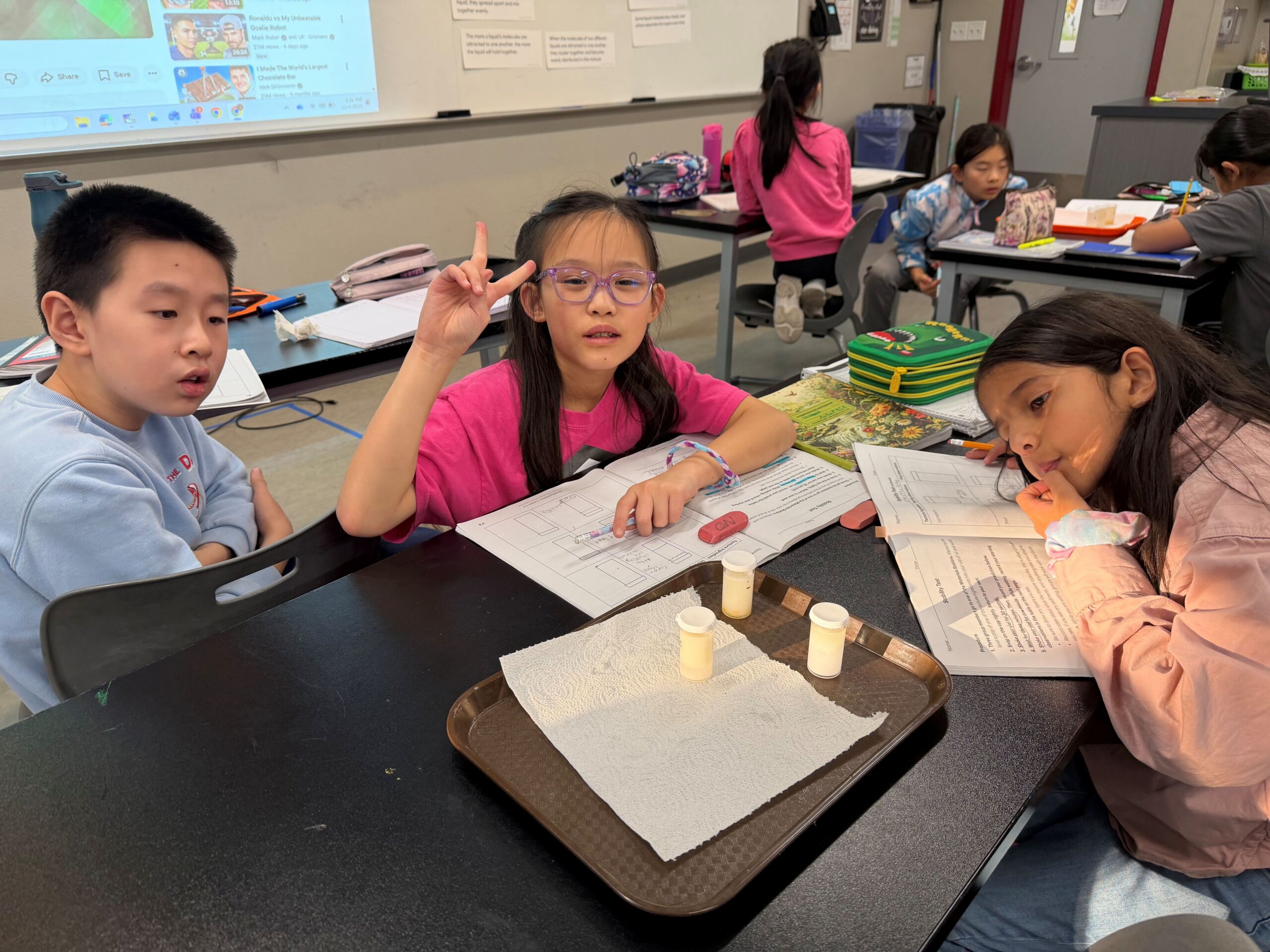
In Dr. Luo’s grade 4 science class, students recently tackled a deceptively simple question: why do oil and vinegar sometimes mix instead of separating into layers? “We started at the observable scale by having students mix oil and vinegar and notice that they don’t mix and instead form layers,” Dr. Luo explains. From that initial observation, students generated their own questions about what was happening at a molecular level—questions that would drive their entire investigation.
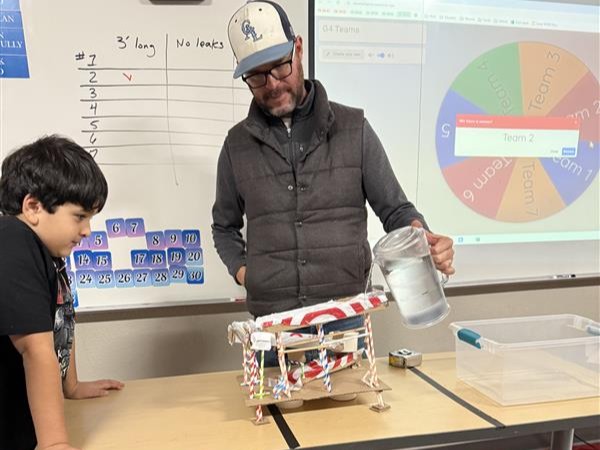
Similarly, in Mr. Kasper’s engineering class, the students face a historical challenge: How did ancient Rome transport fresh water to support its growing population? “Students are guided to ask essential questions such as: Why is this a problem? Who is being affected? What are the possible causes of the water shortage?” Mr. Kasper notes. “Students are encouraged to ask additional questions of their own, deepening their understanding of the challenge.”
Students Investigate and Test
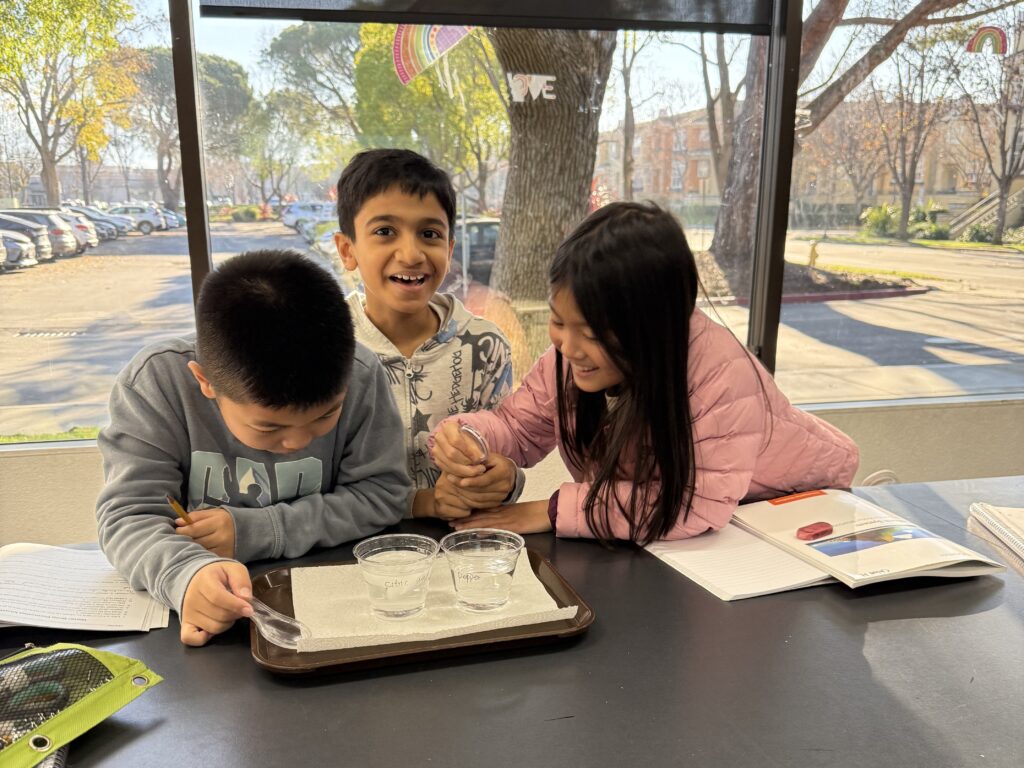
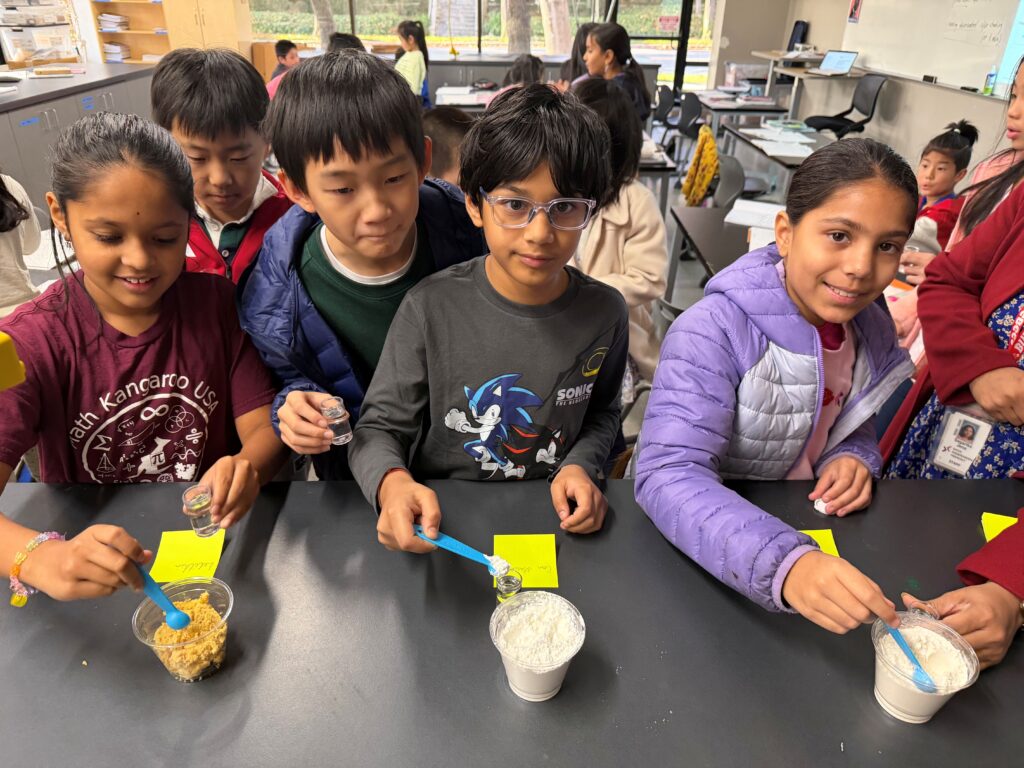
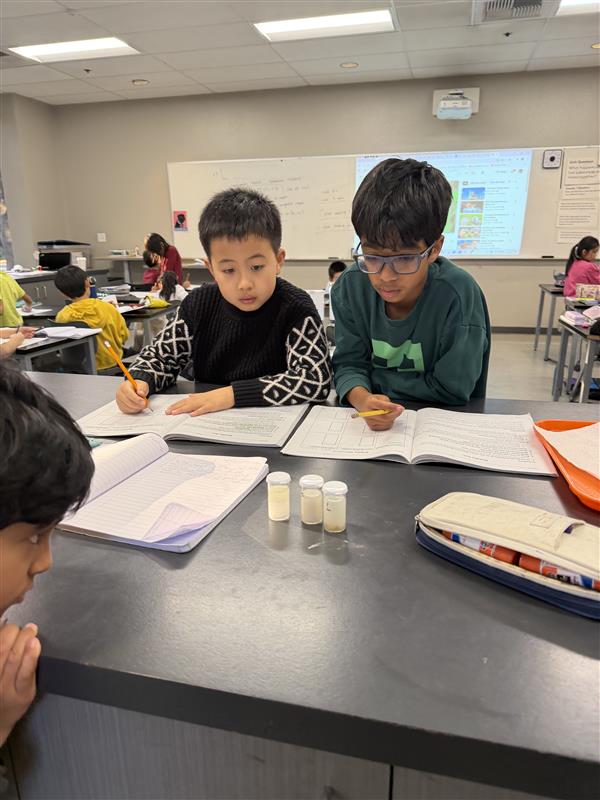
Scientific thinking requires more than curiosity—it demands action. Dr. Luo’s students moved from observation to experimentation, testing various substances to see what would help oil and vinegar combine. “Students experimented with adding lecithin, flour, and cornstarch to oil and vinegar. They discovered that lecithin helps oil and vinegar mix by acting as an emulsifier.”
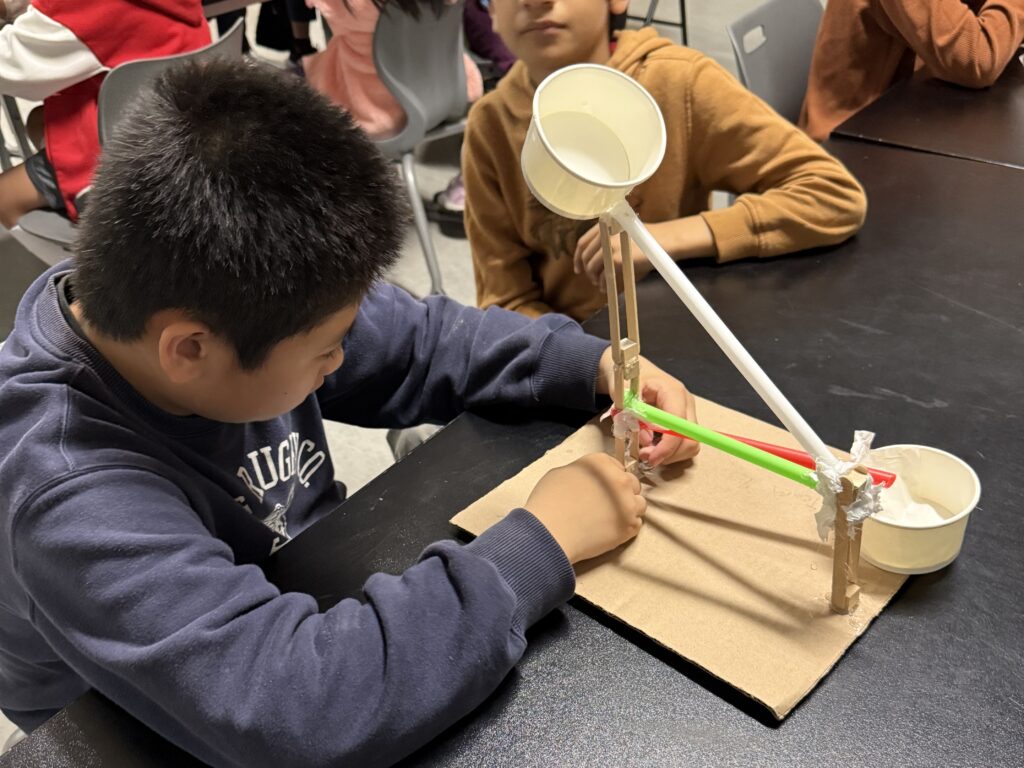
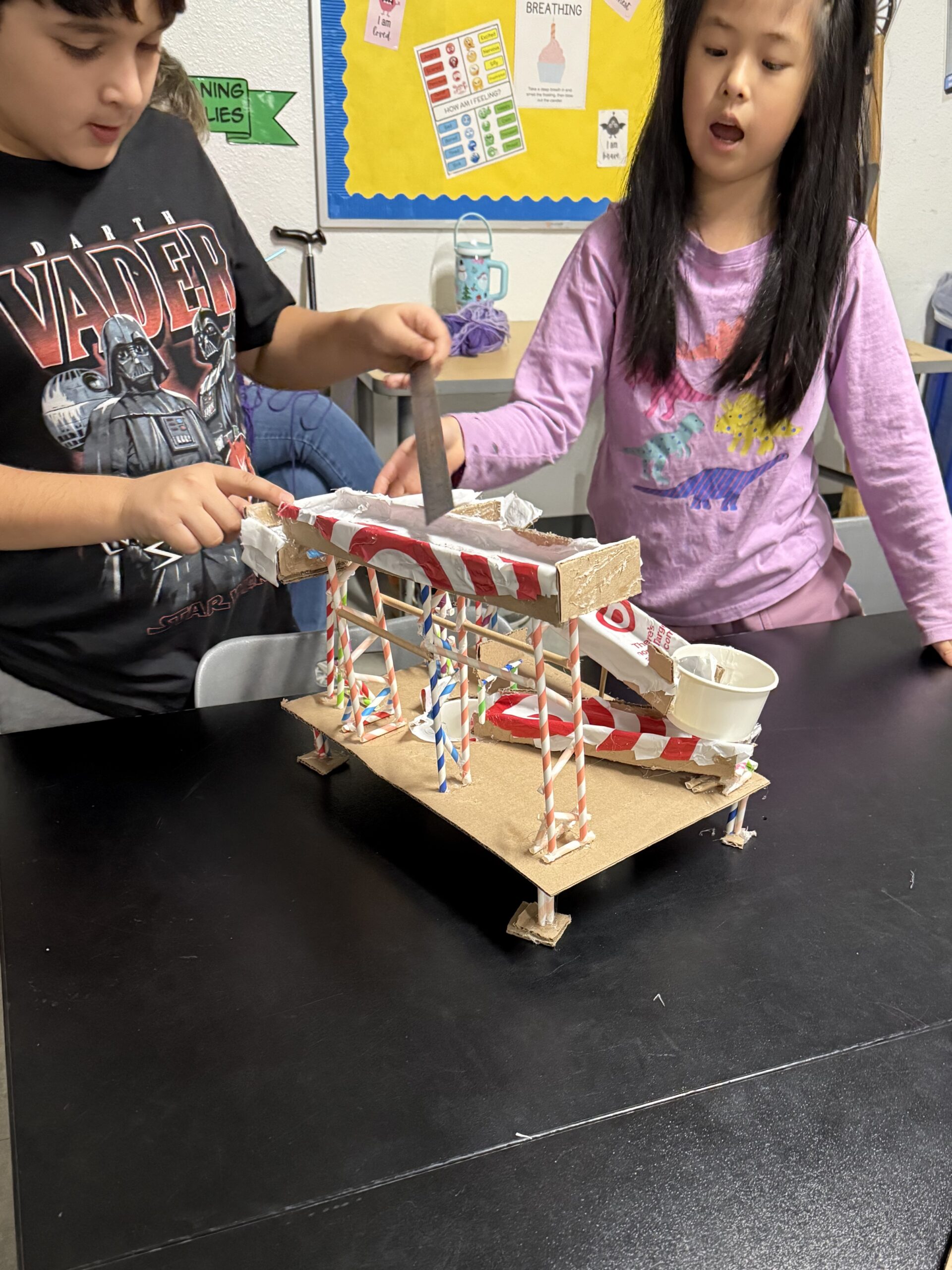
In engineering, Mr. Kasper’s students design and build prototypes of aqueducts, working within budgets and material constraints just as real engineers do. “During construction, they test their structures for strength and for their ability to successfully transport water,” he explains. “Testing is an ongoing process, and students carefully record not only how their prototypes perform, but also the results of each test and the improvements they believe will fix any issues.”

Students Read, Write, and Communicate Like Scientists
Scientific literacy is just as important as hands-on experimentation. Dr. Luo’s students didn’t just conduct experiments—they read scientific texts to deepen their understanding. “Students built their own online models and read texts like Handbook of Food Science and Solving Dissolving to learn about molecular structure and how molecules attract themselves and other molecules,” she shares.
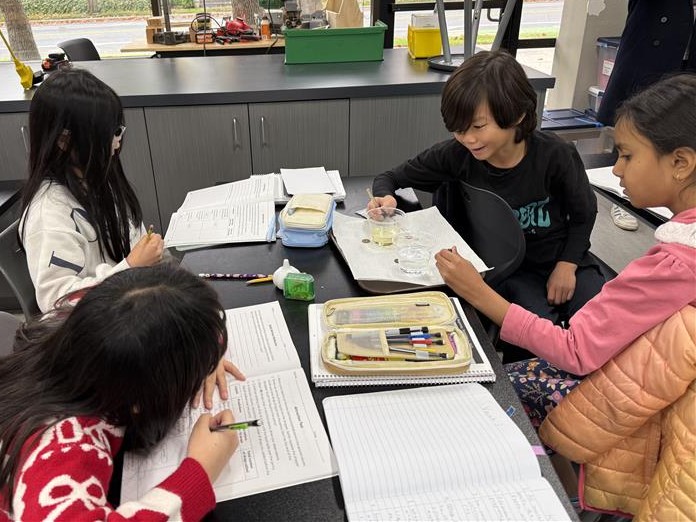
Throughout their investigations, students document their findings in science journals, write lab reports, and present their conclusions to classmates. This mirrors how real scientists communicate their discoveries to the broader scientific community.

Students Use Evidence to Support Their Ideas
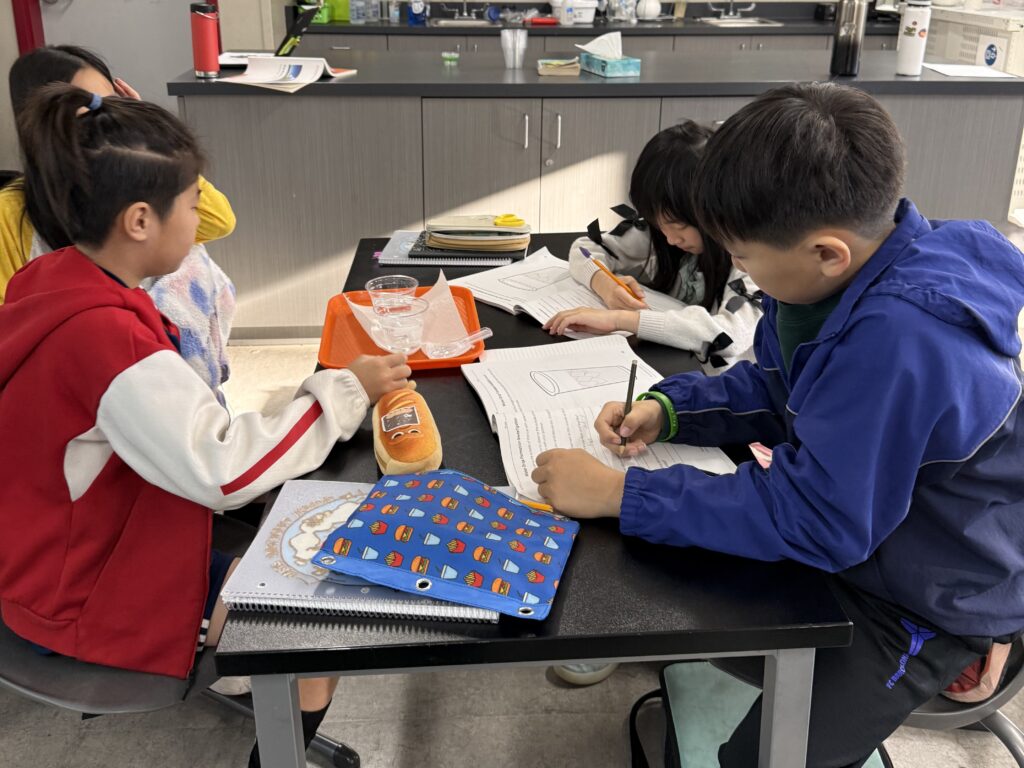
Perhaps most importantly, BIF students learn that good ideas must be backed by evidence. When Dr. Luo’s students concluded that lecithin acts as an emulsifier, they could point to specific experimental results and molecular models that supported their claim. They learned about emulsifiers’ special structure—one that can attach to both oil and vinegar molecules—through both reading and hands-on observation.
Mr. Kasper’s engineering students practice the same evidence-based thinking. “Each idea is discussed and evaluated based on the identified constraints and goals, such as efficiency, cost, available materials, and the ability to successfully transport water,” he explains. “Through this process, students learn that engineering is not about choosing the first idea, but about carefully comparing options to determine the best possible solution.”
Building Skills That Last
The sophistication of scientific thinking grows as students do. By grades 4 and 5, students are working with complex concepts like molecular structure and engineering design processes, but the foundation begins much earlier—with kindergarteners observing how materials change and grade 1 students exploring the natural world.
These investigations teach students to approach problems with confidence. They learn that failure is part of the process, that questions are more valuable than quick answers, and that evidence matters more than opinions. As Mr. Kasper notes, “This reflection reinforces the idea that engineering is iterative and that failure is an important part of learning and improvement.”
By the time BIF students reach Upper School, they’ve spent years practicing how to think, not just what to think. They carry forward skills they’ll use for life: asking thoughtful questions, designing investigations, using evidence to support ideas, and communicating findings clearly.
Science as a Way of Thinking
At BASIS Independent Fremont, science isn’t a subject students study. It’s a way of thinking to practice every day. From our youngest Bumblebees to our grade 5 students preparing for middle school, students learn to approach problems like scientists and engineers: with curiosity, creativity, and evidence.
BASIS Independent Fremont is a TK – Grade 12 private school, providing students with an internationally benchmarked liberal arts and sciences curriculum, with advanced STEM offerings. Considering joining the BASIS Independent Fremont community? To join our interest list for the next school year and receive admissions updates and more, please click here.