
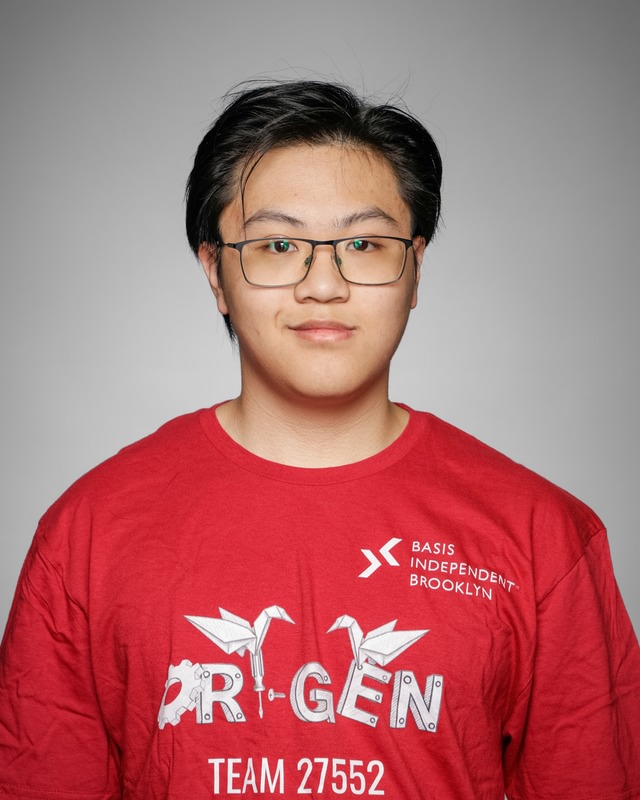
Archie H. 2026 | BASIS Independent Brooklyn
- Project Title: Just One More Run: The Pitfalls and Strengths of Nostalgia in Contemporary Video Games
- BASIS Independent Advisor: Mr. Koppel
In recent years, the number of video game remakes being produced by video game studios has seen a notable rise. In the past decade, we’ve seen titles of all genres get remakes, such as Demon’s Souls (2009, 2020), Final Fantasy VII Remake (1997, 2020), Yakuza Kiwami 2 (2006, 2019), and many more. These remake titles serve dual purposes: to appease the old fans with a classic made new, and to modernize the system to introduce new players to the series. However, how do video game studios know how to balance these two goals? A company’s goal is first and foremost to make a profit, but the introduction of two separate, equally valid audiences introduces complications in reception and decision-making. My project, “Just One More Run: The Pitfalls and Strengths of Nostalgia in Contemporary Video Games”, seeks to address the complications in decision-making in the remaking of video games, diving into the psyche and trends of game studios limited by demographic, budgetary, and timeframe limitations. This project asks: how do game studios balance nostalgia and modernization when remaking classic video games? Using qualitative and quantitative data points taken across communities and official sources, this project hopes to establish the common traits of game remakes that produce a product both commercially successful and well-received by audiences by specifically studying the cases of Persona 3, Yakuza 3, and Metal Gear Solid 3. Furthermore, the results of my research will culminate in the production of one to two short 10-minute game demonstrations, one compatible with Game Boy constraints relevant to its time, and the other a subsequent remake product that synthesizes the research results to decide what is added or altered. In the analysis of the unifying traits that make up a successful video game remake, this project aims to allow greater understanding of the game design process and act as a bridge between developer and player priorities.