
• Skip to primary navigation
  • Skip to main content

BASIS Independent Schools

BASIS Independent SchoolsBASIS Independent Schools
  • About
    • Why BASIS Independent Schools?
    • Mission & Philosophy
    • Diversity & Citizenship
    • History
  • Academics
    • Curriculum
    • Early Learning Program
    • Primary Program
    • Middle School Program
    • High School Program
    • The Senior Year
    • Summer Programs
    • International Student Program
  • Achievements
    • International Performance
    • College Admissions
    • Advanced Placement
    • National Merit
  • Find Your School
Inquire

Administration & Staff

Staffing Progress & Opening Readiness

January 15, 2026 by mirandamartinez Leave a Comment

As of Thursday, January 15, BASIS Independent Dublin is on track to open fully staffed, with more than half of all faculty and staff already secured months ahead of opening. 

Staffing Progress at a Glance

  • 54% of total faculty and staff positions secured
  • 59% of leadership and operational roles confirmed
  • 50% of teaching positions in place
  • Experienced BASIS Independent educators joining through internal transfers
  • All remaining roles are planned, budgeted, and actively recruiting

BASIS Independent Dublin is well on track for a strong opening year. More than half of all faculty and staff positions have already been filled or are in final transfer stages, including nearly 60% of leadership and support roles. Our academic team is also taking shape, with half of our Subject Expert Teaching positions already secured, including priority grade-level roles. Several positions are being filled by experienced BASIS Independent educators transferring from within the BASIS Independent network, ensuring continuity, quality, and a smooth start for students. With a clear hiring plan and active recruitment underway, we are confident Dublin will open fully staffed and fully prepared to deliver the exceptional education families expect.

Newly Announced Leadership

Administrators
Supporting teachers and students on their paths toward excellence.

Academic Programs

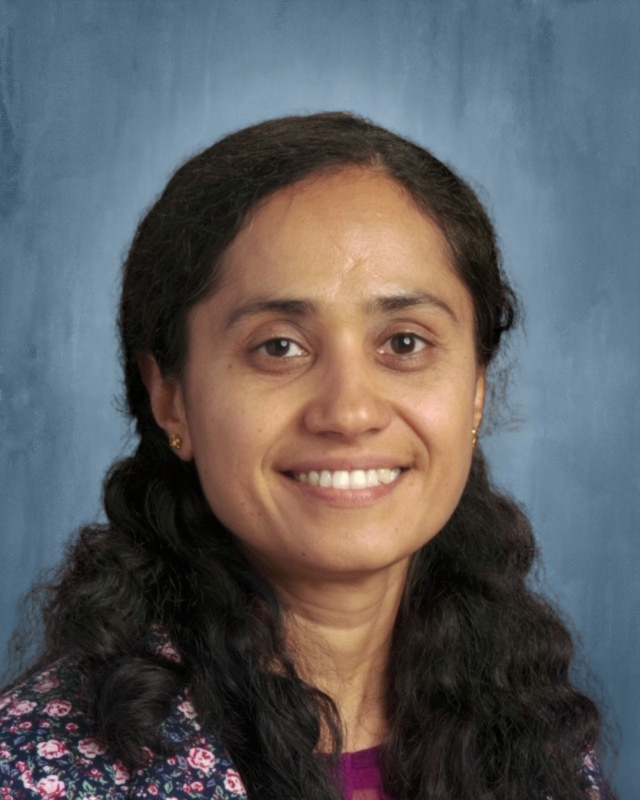
  • Director of Academic Programs, Ms. Suguna Haranahalli

College Counseling

  • College Counselor, Ms. Niyati Shah

Operations

  • Front Office Coordinator, Ms. Carolinna Dievendorf
  • Operations Manager, Mr. Daniel Furukawa
  • Facilities Manager, Mr. Jarred Thorp

Student Affairs

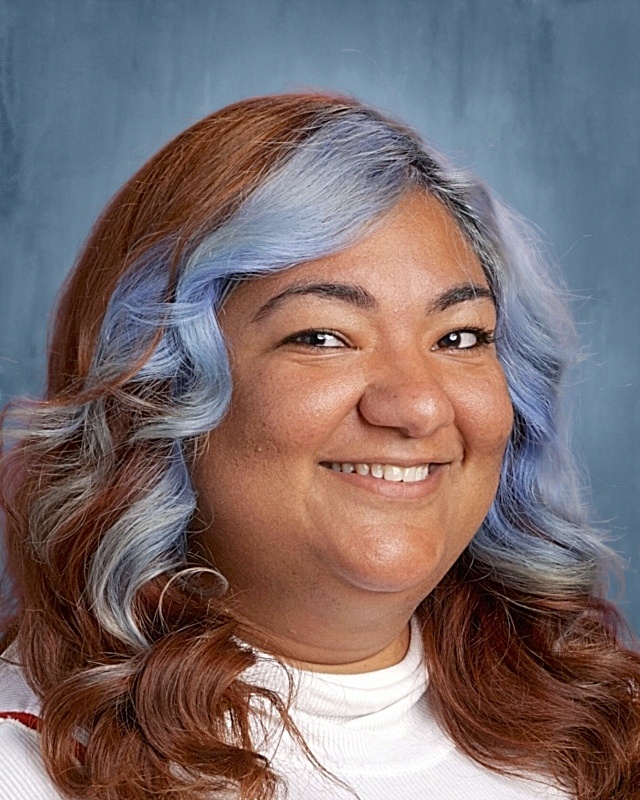
  • Director of Student Affairs, Teacher Jasica Gill
Click Here to View Leadership

Newly Announced Faculty

Subject Expert Teachers
Passionate, expert teachers who believe that with the right support and encouragement, any student can excel.

  • Subject Expert Art Teacher, Teacher Danae Digiacomo
  • Subject Expert Biology Teacher, Ms. Taylor Goldschmiedt
  • Subject Expert Chemistry Teacher, Ms. Ilona Covert
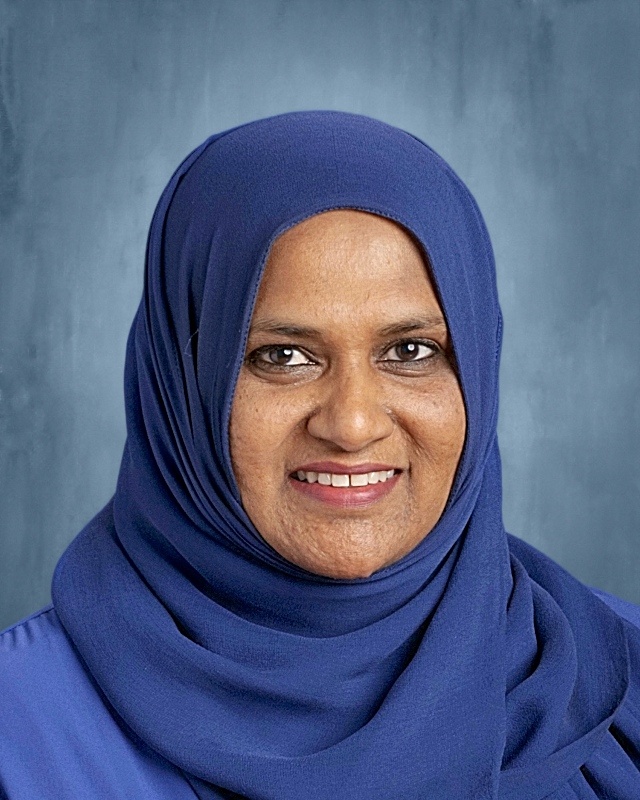
  • Subject Expert Computer Science Teacher, Ms. Nasira Shahin
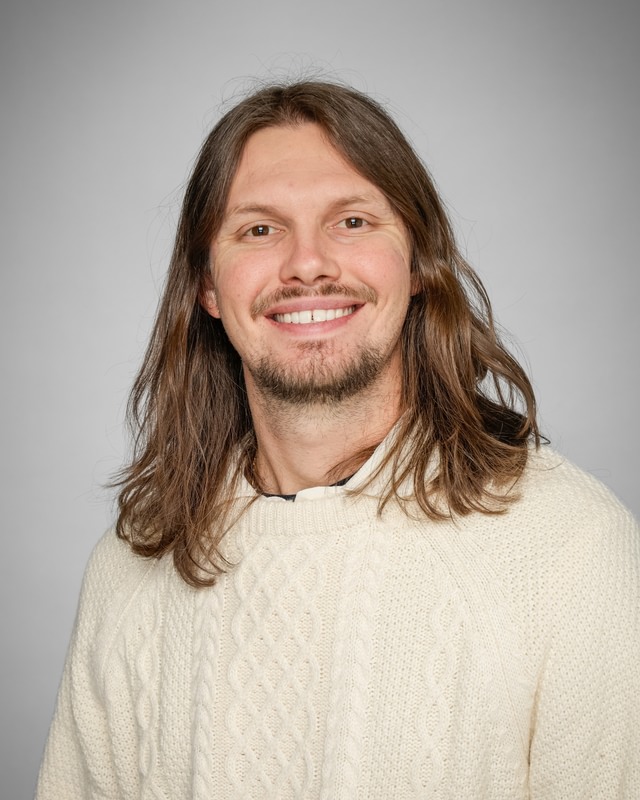
  • Subject Expert English Teacher, Mr. Scott Dievendorf
  • Subject Expert French Teacher, Ms. Kira Laquidara

Click Here to View Faculty

BASIS Independent Dublin is a Grades 6 – 12 private school, providing students with an internationally benchmarked liberal arts and sciences curriculum, with advanced STEM offerings. Considering joining the BASIS Independent Dublin community? To join our interest list for the next school year and receive admissions updates and more, please click here.

Filed Under: Administration & Staff, Faculty & Staff, Featured, Leadership, Meet School Leadership

Why Latin? – A Language That Opens Doors You Never Expected

January 9, 2026 by emilyhughes Leave a Comment

Families are often intrigued to learn that the study of Latin as a World Language is an important part of the curriculum at BASIS Independent Bellevue. All students study Latin in grades 5 and 6, building a strong foundation in language, history, and critical thinking. Beginning in grade 7, students may choose their World Language that they intend to take up through the high school level. The World Language choices are Latin, Mandarin, Spanish, or French. Remarkably, when given the choice in grade 7, many students elect to continue their Latin studies. So why Latin?

To provide a window into what Latin looks like at BASIS Independent Bellevue, one of our exceptional teachers, Mr. Ballantyne, has agreed to share his experiences with Latin, both inside and outside the classroom. A former professor at Baylor University, Mr. Ballantyne brings over a decade of experience teaching Latin, Roman Archaeology, and Art History at the college and high school levels, including IB and AP Latin. From excavation sites in Pompeii to the classroom at BASIS Independent Bellevue, we invite you to step into his journey with Latin!

Latin Beyond the Classroom with Mr. Ballantyne

When people find out I teach Latin, they often ask, “Why Latin? Isn’t it a dead language?” I usually smile, because Latin has taken me places, I could never have imagined when I first encountered it as a student— ancient cities, museums, excavation trenches, and even crime scenes—Roman ones, at least.

Latin is everywhere, even when we don’t notice it. We hear it in law and medicine, see it in mottos like Ad astra per aspera, “To the stars, through hardship,” and recognize it in popular culture—from Harry Potter spells, like expelliarmus, to the Latin-inspired worlds of Percy Jackson and Star Trek. But what surprised me most was how Latin connects us to ordinary people in the past.

As an archaeologist, I study Roman graffiti—the everyday words scratched onto walls in places like Pompeii. These are not polished speeches or epic poems. They are messages like, “Marcus loves Julia,” advertisements for bakeries, jokes between soldiers, and complaints about bad service. In many ways, they are the ancient equivalent of social media. When students translate them, they realize something powerful: people two thousand years ago worried, joked, loved, and complained just like we do.

Latin has also led me quite literally into the ground at an archaeological dig near Pompeii, where I was a part of an international team of students excavating just beyond the walls of Pompeii. For weeks, we carefully dug and documented the site, expecting to uncover evidence of Roman life. Instead, we found almost nothing. Day after day, trench after trench, the ground remained frustratingly empty.

Then one afternoon, we uncovered a small, broken object: an ivory smoking pipe. It wasn’t Roman at all. At first glance, the pipe didn’t seem important, but it turned out to be the key to understanding the entire site. Pipes weren’t used until the discovery of tobacco in the New World. In fact, it dated to the 1700s, when Pompeii was first explored under Charles VII, the king of Naples.

The pipe told us that people had already been there long before us. In the eighteenth century, Pompeii was often dug not by archaeologists as we know them today, but by treasure hunters working for royalty. They searched for impressive objects to display, removing items without carefully recording where they came from. As a result, many areas were quietly emptied centuries ago.

That broken pipe explained why our excavation felt so puzzling. We weren’t failing to find Roman artifacts, but rather the site had already been picked clean. The emptiness of the ground was itself the evidence. This experience taught us an important lesson: archaeology isn’t just about discovering objects. It’s about uncovering the past, including the stories of people who came before us, even earlier excavators. Sometimes a small, unexpected find can answer bigger questions than a spectacular treasure ever could.


Bringing the Ancient World into the Classroom

As we begin this new academic year, I want my students to feel that same spark of excitement and discovery I felt when I translated my first Latin inscription, coin, or monument. When they conjugate verbs or translate sentences, they’re not only doing grammar drills. They are decoding the voices of a lost world.

One way I ignite that spark with students is through a murder mystery I designed called, Murder at the Roman Baths, set at the Roman baths of Aquae Sulis, which is in modern Bath, England. The choice in settings offers one of the richest archaeological and epigraphic datasets in Roman Britain. Alongside monumental architecture and votive deposits, the site preserves over one hundred curse tablets—personal, fragmentary inscriptions that record conflict, theft, and desperation. This combination of material and textual evidence makes Aquae Sulis an ideal setting for an inquiry-based learning experience centered on historical reconstruction.

In this mystery, students have to investigate a fictional murder that occurred within the bath complex. Working as historical detectives, they are given a map, a list of suspects with their motives written in Latin, and make their way around the room to several stations in order to decipher Latin based clues. Students translate these clues from Latin to English and evaluate how these clues reflect personal motives that may fit with the suspect’s opportunity.

No single clue provides a definitive answer. Instead, students must weigh competing interpretations and build a plausible narrative grounded in what they know about Roman culture. Would a slave really “do in” their master? Suspects include desperate slaves, a rival merchant, a jealous wife, a friend who owed the deceased a debt, each one reflecting different aspects of Roman daily life, and therefore eliciting a student’s empathy.

Pedagogically, the mystery emphasizes both linguistic precision as well as historical reasoning. Who is most likely to have committed the crime. Translation becomes a tool rather than an endpoint, as students must decide how meaning, omission, and formulaic language affect interpretation. Archaeological evidence—the layout of the baths, patterns of votive deposition, and access to restricted spaces—provides constraints on possibility, reinforcing the importance of context.

The final product is a great example of how Latin can be made more relatable to students who presented with evidence, have to use their linguistic skills to uncover clues and defend a reasonable conclusion. This assessment prioritized reasoning over correctness, rewarding students who justify their interpretations with both linguistic and material evidence. The gamification of Latin and historical context in our bathhouse mystery helps transform the study of Latin from passive decoding into active inquiry, demonstrating how the ancient world can be reconstructed, maybe imperfectly, but at least persuasively, through careful analysis.


Why Latin Still Matters

Latin has a unique way of opening students’ minds. It trains students to notice patterns, think critically, and piece together meaning from fragments—whether those fragments are words, objects, or clues. Latin roots make English vocabulary clearer—especially in science, law, and medicine. Reading inscriptions teaches patience and creativity: how to piece together meaning from fragments. Studying Latin is not just about the past. It is about learning how to ask good questions, how to listen to overlooked voices—not just the emperors and the generals, but also the slave, the farmer, the baker, or the soldier who left a doodle on a wall before marching off to war, and how to uncover stories hidden in plain sight. It is not what I ever imagined Latin would lead me to in high school, and that sense of discovery is why I am so passionate about bringing this ancient language to life for my students each day.


Filed Under: Academics, Administration & Staff, Department Spotlight, Faculty & Staff, Latin, Student Learning

Rolling Admissions for 2026–2027 Is Now Open at BASIS Independent Manhattan!

January 9, 2026 by anjalijoshi Leave a Comment

We are excited to share that the Rolling Admissions Application Cycle for BASIS Independent Manhattan, a PreK-12 private school in NYC, is officially open for the 2026-2027 school year.

As the Home of the Wildcats, our community is eager to welcome new families who are ready to join a school environment where intellectual curiosity builds subject mastery.

Applications for the 2026–2027 school year are now being accepted on an ongoing basis until all remaining seats are filled. Families may continue to apply for PreK through Grade 10.


What Rolling Admissions Means for Your Family

Admissions Decisions this Winter and Spring
After Regular Admissions Notifications are released in February, completed Rolling Admissions applications will receive an admissions decision within five business days. This allows families to plan ahead with clarity and confidence for the upcoming school year.

A Greater Chance to Secure a Seat
Rolling Admissions operates on a first-come, first-served basis, which means early applicants have the best opportunity to secure a spot in our program. If you are considering joining the Wildcat community, applying early truly matters!

How to Get Started

1. Submit Your Application
Submit your application on Ravenna to begin the admissions process.

2. Review the Rolling Admissions Application Checklist
Review our Rolling Admissions application process here to prepare you and your family for the application steps and requirements.

3. Join Us for an Admissions Event
We continue to offer Campus Tours and a variety of in-person and virtual admissions events. These experiences give families the opportunity to meet members of our school leadership, explore our campus, and see our world-class program in action. We invite you to register for an upcoming event!

We are excited to begin this process with you and look forward to meeting you and your family, and introducing you to the Wildcat Community!  

If you have any questions, be sure to reach out to our Admissions team at manhattan-admissions@basisindependent.com

Filed Under: Academics, Administration & Staff, Admissions, Admissions Events, Admissions Process, Featured, Uncategorized

Orcalympics at BASIS Independent Bothell: A Spectacular Winter Break Send-Off

December 19, 2025 by abisoyetaylor Leave a Comment

The last day of school before winter break at BASIS Independent Bothell was nothing short of spectacular! Our Orcalympics brought students, teachers, and staff together for a day filled with energy, teamwork, and holiday cheer. More than just a fun tradition, this event celebrates our vibrant school culture and the unique spirit that defines BASIS Independent Bothell.

What Is the Orcalympics?

The Orcalympics is a signature event at BASIS Independent Bothell that combines friendly competition, school pride, and festive excitement. It’s the perfect way to wrap up the trimester and kick off the winter break with excitement, camaraderie, and community connection.

Highlights from the Day

The Orcalympics featured thrilling and high energy activities that had everyone cheering:

  • Relay Obstacle Course: Students raced through challenging stations, showcasing speed, agility, and teamwork.
  • Tug of War: A classic showdown that tested strength, strategy, and team coordination. Students and teachers alike gave it their all!
  • Basketball: Students vs. Teachers: The ultimate friendly rivalry! Our teachers brought their best moves, and the students were determined to claim victory in this high-energy game.

Meanwhile, our Kindergarten students enjoyed a cozy morning in pajamas, complete with a holiday movie and warm, festive vibes. It was the perfect way for our youngest learners to celebrate the season in comfort and joy.

Why Orcalympics Matters

The Orcalympics reflects the heart of BASIS Independent Bothell, where academic excellence meets community spirit. Events like these strengthen relationships, build confidence, and remind us that learning thrives in an environment filled with teamwork, joy, and shared experiences. It’s one of the many ways we create memorable moments that enrich the student experience.

Happy Holidays from BASIS Independent Bothell!

As we head into winter break, we wish all our families a season filled with warmth, laughter, and cherished memories. Thank you for being an essential part of our community. We look forward to an exciting and inspiring new year together at BASIS Independent Bothell!

Filed Under: Administration & Staff, Community Events, Culture of Support, Faculty & Staff, School Community

Walking in Their Shoes: Leadership Steps Into the Classroom

December 5, 2025 by sarahpeterson Leave a Comment

What does a typical day look like for a BASIS Independent Fremont Bumblebee? This year, our Lower School leadership team isn’t just observing from the sidelines—they’re finding out firsthand.

In a new initiative launched this fall, members of our leadership team are spending full days immersed in student life across different grade levels. No phones. No laptops. No stepping out for meetings. Just the complete student experience of sitting at desks, participating in activities, and moving through the daily schedule alongside our Bumblebees.

Learning by Living It

Recently, Mr. K Wagoner, our Director of Academic Programs, joined our grade 4 Calcium cohort for an entire school day. From morning arrival through dismissal, Mr. K Wagoner experienced the rhythm and rigor of a BASIS Independent Fremont education from a student’s perspective—tackling problem sets, collaborating with classmates, and navigating the transitions that make up a student’s day.

The goal? To gain deeper insights into the classroom experience and curriculum our students navigate daily, ensuring we’re providing the optimal learning environment and support.

Beyond Observation

This initiative represents a departure from traditional classroom observations or walkthroughs. By truly stepping into student roles, even for just a day, our leadership team gains perspectives that can’t be captured from the back of the room or through data alone.

“We can look at data and observe classrooms, but there’s something irreplaceable about actually experiencing what our students experience,” explains Mr. J Wagoner, Head of Lower School. “This initiative is about ensuring our leadership decisions are grounded in the reality of student life, not just what we think happens in classrooms, but what actually happens. When you sit in a student’s seat, you understand their day in a whole new way.”

Over the coming weeks, different members of our leadership team will rotate through various grade levels, building a comprehensive picture of student life across our Lower School campus.

Fresh Perspectives

For Mr. K Wagoner, the experience proved eye-opening. “Spending the full day in a grade 4 classroom gave me a completely different perspective on the student experience,” he shares. “You notice things about pacing, transitions, and cognitive load that you simply can’t see from the back of the classroom. I came away with a deeper appreciation for both the rigor our students manage daily and the skill our teachers bring to creating engaging, purposeful learning environments.”

This commitment to truly understanding our students’ daily experiences reflects the heart of what makes BASIS Independent Fremont special—a willingness to learn, adapt, and always put students first.

Want to learn more about the BASIS Independent Fremont experience? Contact us to schedule a tour and see our vibrant learning community in action.

BASIS Independent Fremont is a TK – Grade 12 private school, providing students with an internationally benchmarked liberal arts and sciences curriculum, with advanced STEM offerings. Considering joining the BASIS Independent Fremont community? To join our interest list for the next school year and receive admissions updates and more, please click here.

Filed Under: Administration & Staff, Department Spotlight, Faculty & Staff, Leadership, Lower School, Primary Program, Uncategorized

Getting to Know Lori Qian, Our Director of Student Affairs for the Upper School

November 17, 2025 by aixuanwang Leave a Comment

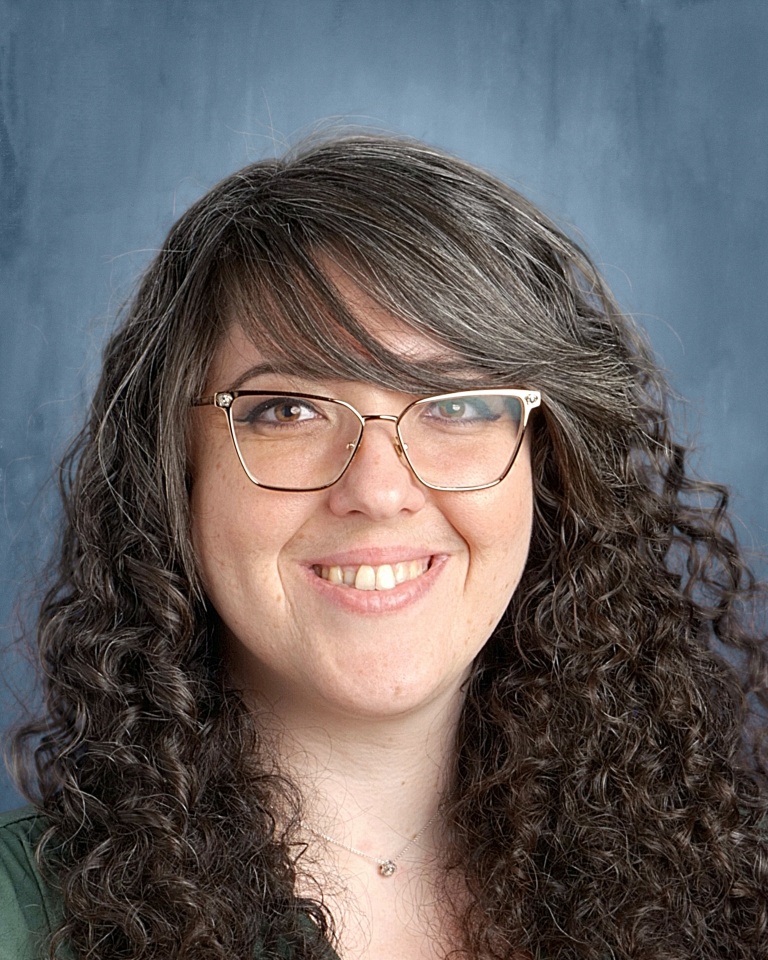
Ms. Qian joined BASIS Independent McLean last summer as our Upper School Director of Student Affairs. She brings with her years of experience as an administrator at the Benenden School and American International School, both in Guangzhou, China, and as a teacher at all levels from elementary to college. Ms. Qian is off to a great start here at BIM, supporting our students and faculty.

But there’s so much more to Ms. Qian! In this interview, we explore what led her to the field of education, her philosophy of teaching writing, and her own writing. It’s a chance to get to know the person behind our new Upper School Director.


You joined BIM this summer. Before that, you worked in both the United States and China as an administrator, an educational consultant, and a teacher in elementary school, middle school, high school, and college. Quite a resume! How did you get into education? What was your journey to teaching?

My journey as an educator began after I had finished my bachelor’s degree. I started doing volunteer work in Chicago for a Saturday morning ESL class, and I just loved it. I loved the teacher; I liked the whole feeling. That was the turning point.

I looked into graduate programs. I settled on doing a program in applied linguistics at the University of Illinois at Chicago. Near the end of my program, I had been doing research on the pedagogy of writing, and specifically, what happens in university writing centers. My paper was accepted at the International Teaching English to Speakers of Other Languages (TESOL) Conference in Vancouver. That was the place to go if you wanted to teach overseas.

Now, I had no intention to go overseas. At that time, I was planning to teach writing classes full-time at a community or local college. I had begun my higher education at a community college, so I had an allegiance to that whole process and what the people who start there can do. So that was my plan. But while I was at the conference, I thought, this is sort of silly to not go to the job fair to practice my interview skills and to see what it’s all about. I whipped up a resume, got several interviews, and ended up getting an offer from China. And long story short, it just made no sense, but I ended up accepting a job to go teach in Guangzhou. This was insane because several months before that, I had turned down a job in Iowa because I thought, “That’s too far from home. I’m from Chicago.”

So you went to China and that was your first time abroad. What was it like living and teaching there?

When I first went there, I told myself, I don’t know if I’ll even last the year… but I loved, loved, loved China.
When I first arrived, I was pretty new to elementary school teaching since during graduate school, my teaching experience consisted only of university and adult education. But upon arrival I was assigned to teach second grade in a bilingual school. They didn’t speak any English—and it was the first time I really had to deal with classroom management for kids—but I loved it. They were silly, they were naughty, they were amazing. And then at the end of that year, I got an offer to become principal of the English language center, responsible for about eleven teachers, three or four teaching assistants, and maybe 70 kids from grade one to grade 12. I was the principal of that little sub-school, and I truly enjoyed that.

I met my husband in China, and we came back to the States for a few years. I was teaching part-time at various colleges, Las Positas College in California, and Utah Valley University in Utah. It was usually in the English Department or sometimes the ESL department. And then in 2008—we had had three kids by then—we went back to China, and that’s when I started working at the American International School at Guangzhou.

Much of your early research and writing centered on teaching writing. Obviously, that’s a huge part of education and a big part of what we do at BIM. Tell me about your approach to writing.

I think it comes down to the combo of legitimate rigor and creating a classroom community where real writing can actually happen.

What struck me about teaching at the international school was that it was this sort of regimented Language Arts curriculum, where students read eight novels; they read each one, they do these pre-made comprehension questions, and they have little packets that go with them. And then everybody writes an essay. Around the same time I started teaching there, I was starting to study on my own about the Reading and Writing workshop out of Columbia University. The way that they approached writing was so welcoming and so down to earth, yet also really rigorous. And so that first year, we kind of revamped the reading and writing program. So, middle school students would have 10 minutes of independent reading at the beginning of class. And I thought that was really valuable if done right. Students were given more choice in writing, more time to read and write, and began to think about their audience. We wrote in a wider variety of genres, and we gave writing the time it deserved. I saw huge returns right away.

Then I moved down to primary school, to third grade, and began implementing a workshop approach there. We started using Reader’s and Writer’s notebooks. “Let’s do your reading, and then let’s make this cool notebook that you get to personalize, and let’s keep track of what you’re reading. Let’s write about your reading; you don’t have to do a book report, you’re not writing a full summary. This is more of a reading response—for you. What did you like, not like?” This was a huge change, and students really responded well. Their reading and writing improved so much. At that point, I’d taken some graduate courses at Columbia University, specifically around literacy and the Readers and Writers Workshop. It was great—my family came to New York City for the summer. My husband would take the kids to the museum every day, and I’d go to Columbia and study and write and just get super inspired. And then I was able to take that back and teach the other teachers this approach.

What did you take away from the Readers and Writers Workshop? What did it look like when put into practice in a classroom?

For example, with the writer’s workshop in third grade, first you establish the classroom routine, so everybody knows what to do. They come to the carpet, and the students are all seated in a certain spot. They’ve got their readers’ or writers’ notebooks in hand. And then, after I’ve introduced the teaching point for the day, for example, inference, we then have an opportunity for them to stop and reflect. They then go back to their tables, and maybe at that point, students are brainstorming lists of “first times” in their lives because we just read about how Brian baked a pie with his mom for the first time. After brainstorming, they might choose one of those first times, and write, and here’s the key: you’re going to use a pen. We’re not erasing-we are crossing out, and it’s okay to change our minds as we write. We’re not looking at spelling right now. This is about ideas. This is simply idea generation. It’s fast and furious writing; it’s just getting it on the page. It’s drafting, not editing at this point. Students need to know the difference.

That small moment stuff, that idea generation, that building, that community, it works. You build a community of writers where it’s safe and effective, and everyone’s going to try.

I love that. And I know that you not only teach writing, but you are also a writer yourself. Your memoir, How Sweet the Bitter Soup, was published in 2019. Can you tell me a little more about your own writing?

When I first moved to China, I was writing these weekly letters I would send to folks back home about what was happening. And then I had the idea that I should put this into a little book so that my kids would know the story of how my husband and I met. So really, that became the motivation for them to know the backstory. And then once I started putting it into book form, I realized that there were some themes there that certainly transcend me or China or a love story or cultural adventure. It really was more about overcoming obstacles.

The first time I put it together and thought, I’m going to send this to an agent and see what they think, was 2005. We went back to China in 2008, and I still had not published it. Then, after moving back to the States in 2018, I said, if I don’t have an offer to publish this within one year, I’m just going to put it aside… and it got published in 2019.
Are you writing anything else?

I’ve started two books. One is about health and transformation, and kind of more practical things. And then two years ago, I decided that I was going to try fiction. I did a draft, and I still like that book and want to do something with it. Before writing more books, though, I need to finish my dissertation. I just have to find the time.

Speaking of time, I don’t want to take any more of yours. I’ll let you get back to it. Thank you so much!


BASIS Independent McLean is an Age 2–Grade 12 private school, providing students with an internationally benchmarked liberal arts and sciences curriculum, with advanced STEM offerings. Considering joining the Red-Tailed Hawks community? To join our interest list for the next school year and receive admissions updates and more, please click here.
Filed Under: Administration & Staff

Head of School Reflections: The Top 7 Questions Families Ask at BASIS Independent Dublin

October 17, 2025 by chriszefferys Leave a Comment

As excitement builds for the opening of BASIS Independent Dublin, a private school serving grades 6–12, I know many families are eager to learn what to expect—from the look and feel of our modern campus to our Subject Expert Teachers, the BASIS Curriculum, and the admissions process.

Recently, I’ve had the pleasure of meeting many families in person who share in this excitement about the launch of our campus. As Head of School, I’d like to take a moment to answer some of the most common questions about our facilities, academic programs, safety measures, and what makes joining our founding year such a unique and incredible opportunity.

#1: What will the campus be like? When can we see it in person?

The campus is currently under construction and will be finished in the spring of 2026. We intend to host campus tours at that time. We are also excited to see the incredible facilities upon completion! Some of the exciting features of our campus include a large outside field for sports and recreation, a full-size and competitive gym, separate biology, chemistry, and physics labs, dedicated art and music labs, and a multipurpose room that is also a theater. In the meantime, you can view the renderings on our website that show images of how the completed school will look. You can also view more detailed floor plans here to get a better sense of the student experience during and after the school day.

#2: How secure and safe will the campus be for students?

As with all our BASIS Independent Schools campuses, each entrance will have dual entry points, meaning that a person will go through two secured and keyed doors. We will also have a locked fence along the outside perimeter of the school and an on-campus security guard during core hours. In addition, we have ongoing practice for students and staff to respond to different situations involving potential safety issues (i.e. regular earthquake drills). Safety is also a focus of ongoing staff and teacher training.

#3: My child would be joining from another school (private, public, or charter). Will they be prepared for the BASIS Curriculum and for the transition?

Joining BASIS Independent Dublin in the founding year is a wonderful opportunity as all students will be new to our program, and a unique chance for these students to build friendships, create traditions, and build the culture and community of the school. We have students who enroll in BASIS Independent Schools from all types of schools, and they join typical entry grades such as grade 6, 9, and 10, and all grades in between. Students are able to transition successfully for many reasons, including our dedicated leadership team and robust school staff who guide both academic and social-emotional support. Each Subject Expert Teacher offers two hours per week of office hours, giving students the opportunity to receive extra help—whether with homework or a deeper understanding of the content taught in the classroom. In addition, Subject Expert Teachers and school leaders are available to meet individually with parents to discuss student progress and growth. Our goal is to set up students for success, and our approach allows students to excel. When it doesn’t, we also teach students how to manage when something doesn’t go right or as expected. We learn and grow together!

#4: I am worried that BASIS Independent Dublin will be a new school campus. Isn’t it better to wait another year?

While BASIS Independent Dublin is a new campus, we are not new to education. BASIS Independent Schools currently has 11 schools in operation, educating over 4,000 students, and setting a new standard in learning and educational outcomes each and every school year. We are in the ideal position of building upon an existing and established school program and the BASIS Curriculum. We not only have seasoned Subject Expert Teachers on our immediate school site staff but also have a wealth of experience in our larger leadership team behind us, who work across school campuses to ensure that all of our schools are running efficiently.  We are excited to have families join our school and help create and foster a supportive, collaborative, and vibrant community.

#5: How and when will you hire teachers? How will you ensure that you hire quality teachers?

Teachers are indeed one of the most essential components of a strong and effective school program; therefore, hiring and retaining quality Subject Expert Teachers is one of our top priorities. Just like with the academic school year, school year hiring also follows its own calendar.  Recruitment of our Subject Expert Teachers is a national and international approach. We look for subject expertise first and foremost in a specific discipline. Many teachers at BASIS Independent Schools have Master’s degrees in their field of study or even a Ph.D. Every time we open a BASIS Independent School, we have some Subject Expert Teachers join us from our BASIS Curriculum Schools network. We will also have teachers join us from local public and private schools, from around the U.S., and even internationally. Once teachers become part of BASIS Independent Dublin, they will actively participate in teacher professional development, including ongoing mentorship, coaching, and training in effective pedagogy. Families will soon be able to meet some of our educators from the BASIS Curriculum Schools network who will be teaching at BASIS Independent Dublin!

#6: What kind of students are you looking for at BASIS Independent Schools? What type of students do well, and what should I do to prepare my child for the steps in the application process?

While BASIS Independent Schools is often known for our math and science offerings, we also have a rigorous and exceptional liberal arts program. Students who are curious and engaged learners do well, but we also support students who are still discovering their personal interests and want to explore a variety of topics to discover what they want to pursue and delve into as they move toward high school graduation and beyond. We seek students who are motivated to learn, ask questions, are creative and critical thinkers, work hard, have fun, and want to learn at an international level. In terms of the application process, we can help guide you through if any questions come up, but no preparation is necessary. However, feel free to ask questions along the way!

#7: How can I connect with the BASIS Independent School leadership to ask questions or gather more information?

Please check our website for more information on upcoming events. Once you join our interest list, we will continue to keep you informed about opportunities to attend virtual and in-person events. We are also available to talk with you more one-on-one, don’t hesitate to reach out!

To stay connected with us as we share news about our campus and upcoming events, we invite families to submit an inquiry form to join our interest list.

Filed Under: Administration & Staff, Facilities, Faculty & Staff, High School, Middle School, Operations

Leadership Spotlight: Director of Primary Program (Gr. 3-5) Alexa Bono 

October 14, 2025 by jogoldfarb Leave a Comment

Director Alexa Bono serves as the Director of Student Affairs for the Primary Program at BASIS Independent Brooklyn Upper School. She started in the classroom at BASIS Independent Brooklyn nearly nine years ago, where she quickly distinguished herself as an exceptional, inspiring teacher. Ms. Bono is now the driving force behind many of the wonderful traditions and rites of passage for our Bears in Gr. 3-5, from the Red Gate Farm trip in Gr. 5 to the Fall Harvest Festival for all of Primary School, among many others. 

Before transitioning to administration first as the Dean then Director of Primary School nearly five years ago, Ms. Bono taught for nine years across grades, ranging from Kindergarten to grade 5. For four years, Ms. Bono taught Gr. 1 Humanities at our school, and she also served as the Subject Advisor for Gr. 1 and 2 Humanities for all of our network of BASIS Independent Schools across the country.  

Ms. Bono attended the University of South Florida, where she received her bachelor’s degree, and she continued her studies at the University of South Florida, where she was a member of Kappa Delta Pi, the International Honor Society in Education. She earned her master’s degree in Exceptional Student Education. Now she resides in Red Hook with her husband. 

You have been at BASIS Independent Brooklyn for many years and in several different roles. What drew you to our school initially, and can you share what has kept you here?

After earning my master’s degree, I moved from my beautiful beach town in Florida to the big city. I spent several years working at a wonderful International Baccalaureate school, where the focus was on nurturing lifelong learners, teaching foundational skills, and helping students strive for excellence while also becoming kind, responsible people. When it was time to move on, I knew this type of educational philosophy was what I wanted to continue pursuing. After researching and interviewing at many schools in the city, I found BASIS Independent Brooklyn, and it immediately felt like home. The culture, community, and level of rigor were exactly what I had been seeking in my career. What has truly kept me here for the past nine years, however, is the incredible community of teachers, educators, and outstanding students. Nothing compares. 

How do you balance academic excellence with nurturing the whole child in the Primary Program? 

Academic excellence is always a priority, but achieving it requires nurturing the whole child. Primary students are constantly growing and changing as they learn to navigate the world, and it is our role as educators to guide and support them along the way. My goal is to create a balance between academic achievement, social-emotional learning, and overall development while also making learning fun, engaging, and fostering independence. 

We build this balance by integrating these elements into students’ daily experiences. Our social-emotional curriculum takes place weekly during Connections and Academic Enrichment classes, and these themes are also woven throughout all subject areas to support students’ growth. During our House Assemblies, we reinforce these topics by celebrating one another’s successes and practicing the traits we value as a community. Through games, shout-outs, and shared reflection, we strengthen both individual and collective development, allowing us to meet our goals while nurturing the whole child. 

Speaking of academic excellence, what part of the school’s Primary Program stands apart to you? 

There are two true standouts in our program. The first is our teachers. Each day I come to work with a smile, knowing I am surrounded by one of the most dedicated and talented teams of educators. The second is our Primary Program and its curriculum, which offers a level of accelerated learning that nurtures independence and develops strong, critical thinkers. Together, these two strengths create a learning experience that is truly unmatched. 

Director Bono with some of her Primary Program students at a student showcase.

How do you maintain a positive school culture that supports students and teachers? 

I believe school culture is rooted in community. In the Primary Program, we have an established culture that we nurture and strengthen every day, through school events, House Assemblies, and daily interactions. Simple actions, like saying good morning in the halls or taking time to chat with students, create a sense of connection and positivity that is truly powerful. 

What is the biggest challenge facing school leaders in primary school education today, and how are you addressing it here at BASIS Independent Brooklyn? 

School leaders in education today face a wide range of challenges, and it is our commitment to students that drives us to meet them each day. One of the most significant challenges we have observed in recent years is the learning gap that has emerged in the wake of the pandemic. Our team has worked intentionally to meet students where they are by leveraging our support systems, such as Student Hours, differentiated instruction, small-group instruction, and our fifth-grade student support program. These efforts have ensured that students receive the resources they need to strengthen their foundational skills. 

What is something our families might not know about you that you want to share? 

Many of our families may not realize how long I have been an educator in our community, serving as both a teacher and an administrator. I spent multiple years teaching first-grade Humanities, served as the Subject Advisor for grades 1–2, and later transitioned into the Primary Dean role for grades 2–5. It’s exciting to see that many of my former students are now in our high school! There is something very special about teaching students in Primary School and then watching them grow up over the years. 

Thank you, Director Bono! We are excited to see the Primary Program at the Upper School flourish under your leadership! 

BASIS Independent Brooklyn is a PreK– Grade 12 private school, providing students with an internationally benchmarked liberal arts and sciences curriculum, with advanced STEM offerings. Considering joining the Bears community? To join our interest list for the next school year and receive admissions updates and more, please click here.
Director Bono is a regular presence on our school’s social media, cheering our students on!

Filed Under: Administration & Staff, Leadership, Meet School Leadership, Primary Program

BASIS Independent Bothell is Open

September 26, 2025 by mallorykilbreath Leave a Comment

It’s finally here. The opening of the brand-new BASIS Independent School in Bothell was announced over a year ago, in January of 2024. Since then, countless individuals have worked countless hours to launch the school. 

On September 10, 2025, all of the hard work, dedication, and intensive thought culminated on the first day of school, welcoming over 230 students into the building for the first time. Our founding class of Kindergarten – 7th Graders has the opportunity to carve out a culture, create traditions, and build a legacy that will remain for every class to follow.  

“The journey of getting this school started has been one of the most interesting, complicated, and enjoyable projects I have ever undertaken. Over the past 18 months, I have been privileged to welcome hundreds of parents and students to our community and hire dozens of teachers and administrators to help make this a welcoming place for all our students. Throughout it all, we have all been united under our shared commitment to our students and ensuring that we can provide a space where they can thrive and meet their potential. Now that our doors are open, I feel so privileged to walk into classrooms where that is happening every single day”. Robert Runyon, Head of School

Don’t miss the opportunity to be a part of our community next year.  

Visit our School

Filed Under: Academics, Administration & Staff, Admissions, Current Events, Faculty & Staff, Leadership, School Community

A Tale of 27 Hours – Teachers Team Up for the Ragnar Challenge!

September 18, 2025 by jessicagrear Leave a Comment

A strength of BASIS Independent Bellevue is the enduring friendships formed between the staff. The success of our students and staff can be directly tied back to the time our teachers take to foster relationships with one another both during and after school. This past summer, four of our teachers took on the challenge of competing in Ragnar Rainer, a trail running relay race of epic proportions. An event that many of our colleagues were happy to support from afar but perplexed as to why a select few would subject themselves to such torture and pain.

So, whose idea was this anyway?

Well, it was Mr. Norcross’s of course. Mr. Norcross is the Algebra II and Pre-Calculus Subject Expert Teacher for our students and is known for his love of outdoor activities. In the fall of 2024, Mr. Norcross and a fellow teacher were talking about running races like the Barkley marathons and other running events they’ve done. They began to discuss Ragnar, and long-distance team running events. Suddenly, the teachers came up with the idea of forming their own team for the race this year in August. The race requires teams of eight to run 15 miles per runner. Each runner would be responsible for three loops, – three miles, five miles, and seven miles respectively. 120 (ish) miles in total…how hard could it be? Unfortunately, the race overlapped on one day with when teachers returned back to school to begin preparations for the next school year. However, it turns out if you have Head of School that values teamwork, community and staff morale, she’ll give you the day off to go and tackle the daunting event!

Unfortunately, one of the teammates wasn’t able to be there. The team of eight dwindled to a team of seven. So, the teachers were a person down and they had a choice to make. Skip those laps and they won’t get an overall time (and technically wouldn’t have ‘finished’ the race), or some of them would have to double up and complete the missing laps. Mr. Norcross, Mr. De Monnin, and a third team member stepped up to the challenge and each take on an extra loop. After a summer of training and preparing as best as they could, the day finally comes to see what they’re made of. The time had come to push their bodies, push their minds, and push their friendships to the limit.  The following is a true story…

Ms. Perez-Vargas

It is Friday, August 22 at 10:35 AM.

I was lucky runner number 2, tackling arguably the most daunting run. Unaffectionately known as the yellow loop, five miles, with 2500 feet of elevation gain. I was the first person on the team to tackle this loop, so I began the run with no idea of what was to come. I just knew I had to make it to the top of the mountain as fast as possible.

I begin my run optimistic about holding a steady pace, but I was quickly humbled by the immediate 1000-foot elevation gain within the first mile. I quickly realized that my first loop was not the time to push myself to exhaustion and that running was not the effective method to tackle this loop. I adjust my approach and begin to maintain a steady hiking pace. All of a sudden, breathing becomes easier, and I am passing runners who have pushed themselves to full exhaustion.

I pass the aid station feeling good, and ready to finish the last one and a half miles. I thought I had been staring at the finish for a while now, but as I make my way up what feels like the 100th hill, I realize I still have a long way to go. I start to worry that I am hallucinating because I see many dots all the way up the trail in front of me. I glance at my watch; I have one mile left and another 1,000 ft still left to climb. Is that right?! Suddenly, I realize the dots aren’t dots, they are other racers. I take a sip of water and a deep breath and decide; this is where I need to push, just one more mile.

My early decision to slow down to a hiking pace was for this moment; now was not the time to change the game plan. Finish and finish strong. So that’s what I did. This first loop taught me a lot about the rest of the race. Slow, steady, and consistent was the key to success. One step at a time, and do not worry about things you cannot control.

Mr. Norcross

It is Friday, August 22 at 12:15 PM.

The sun is splitting a cloudless sky. Energy sapping heat soaks the still air at 6400ft. The steady cadence feels good, the views from the ridge are stunning. I don’t know it yet but I’m too optimistic. I’m trying to talk to the runner in front of me. No response. Headphones are in. I’ll squeeze past in the open. I have to shorten my stride and bump the cadence as I hop over rocks and roots at the trail side.

Soon the trail edges off the ridge to the northeast, starts to lose elevation, it’s steeper than I was expecting. There are tight turns and sharp drops. The surface is loose. Dust and rocks. My left quad starts to complain. I’m only two miles into seven.

The optimism starts to fade.

By 12:35 PM the gradient has eased off, the trail is wider and flatter. The surface is more secure, it winds its way through the trees down to Crystal Mountain Boulevard, the access road for the ski area. I’m dealing with a couple hot spots on my feet, my legs feel tight. I’m under fueled, dehydrated, over tired.

A couple of switch backs crawl past and I’m deposited onto a gravel road. There is an aid station, I choose not to stop. The road starts to climb. Is it going to be like this all the way to the finish? My heart rate is 190. I feel a tingle run down my spine, I’ve stopped sweating. Like there’s nothing left for my body to give. I still have 15 miles of trail and 6000ft of climbing in the next 18 hours. That prospect feels like a crushing weight on my shoulders. A sense of dread grows like a shadow in my mind. I need to leave something in the tank. I slow to a purposeful walk.

I hate walking.

The next two miles are a fever dream. My mind is everywhere and nowhere. My mouth is a cotton ball. I don’t have the sense to drink, fogged by a desire to keep pushing. I half jog and half claw my way along fresh cut single track, stumble past way markers in the over flow parking lot, drag myself past other runners. The final stretch to the finish lumbers into sight, a steady half mile climb to the transition zone.

I muster a shuffling jog up the road past the camp and into the corral. Runner number four is waiting.

We hit a solid high five and I pass him the timing chip. Then I bump into him as I walk off to the side, my head goes down, my vision is blurry, I find a row of folding chairs and I slump into one. So much for optimism. Its 1:15 PM.

Ms. Abele

It is Friday, August 22 at 4:56 PM.

“How do I not die on this mountain?” 

That’s the question I asked myself since I committed to this project in June of 2024. I got roped into this via good old fashioned peer pressure (yes, this is the kind of peer pressure you really need to be worrying about). How could I say no? I didn’t want to look uncommitted. So I said yes and then came a summer of running, something completely uncharted for me. I have to note this because, having never run distance before, this was quite the undertaking.  

Fast forward to August, the time is here and Mr. Norcross and Mr. De Monnin were packing up the 4Runner for a road trip of the millennium, powered by Timberland and Lainey Wilson. Excitement and adrenaline were high and we were singing loud as we pulled up to Crystal Mountain spreading the love to everyone around us, including some pretty menacing competitors.

We were ready. With a start time of 10:00 AM on Friday, the campsite was nothing but laughs and fun Thursday night (honorable mention to the murder mysteries detective Logicio couldn’t solve). 

Ms. Perez-Vargas started us off on the five mile (yellow) loop at 10:00 AM sharp Friday morning. I was runner 8/8, so I ran last. My first leg was not until about 8 hours later. The five mile yellow loop. The pace killer. I had zero shame in power hiking that whole thing, power hiking being generous – about 2500’ in elevation gain up to almost 7,000 ft, you get the picture. Just try not dying on this mountain. A summer of training paid off for me, I was alive at the top for a gorgeous sunset over Mt. Rainier. It is Friday, August 22 at 6:26 PM.

Mr. De Monnin

It is Friday, August 22 at 11:21 PM.

The “easy” loop. The green loop. Just 2.8 miles. After surviving the yellow earlier and one brutal red loop already, I figured this was my victory lap. A short jog through the woods, stretch the legs, no problem.

Wrong.

In history, Napoleon underestimated the Russian winter and froze. I made the opposite mistake; I overdressed like I was about to invade Siberia. Within minutes I was cooking inside my layers like a Thanksgiving turkey. The sweat poured, the nausea hit, and suddenly this “easy” loop felt more like crossing the Alps with Hannibal’s elephants.

The climb at the start was no joke. “Easy” loop? More like ambush. My legs, already shredded from the earlier runs, protested every step, and I quickly realized I had underestimated the enemy. My headlamp showed me exactly three feet of trail at a time, just enough to remind me that the mountain was still there and still very much winning.

Somewhere in the middle, as I stumbled upward, I thought about doomed armies in history; Napoleon in Russia, the Persians at Marathon, even the British at Yorktown. Overconfidence and poor planning had undone them all, and here I was, the history teacher, making the same mistakes on a 2.8-mile loop.

By the halfway point, I was bargaining with myself like a desperate general. Just get to the top of this hill… okay, now just to that tree… okay, now just don’t pass out in front of other runners.

Finally, the trail leveled out and I started to descend. The cool air hit my face like a second wind, and for the first time all loop I thought, maybe I’ll actually survive this. Soon I spotted the faint glow of campfires and the transition tent through the trees, like the beacons of Gondor calling me home.

I stumbled in, handed off, and collapsed, drenched and exhausted. The “easy” loop had nearly broken me.

Lesson learned: never underestimate the so-called easy path. In history and in running, it’s often the “small” battles that test you the most.

It is Friday, August 22 at 11:51 PM…

Ragnar reminded us that growth rarely comes easy. It takes preparation, perseverance, and the willingness to stumble and then get back up again. Those 27 hours weren’t just about finishing a race; they were about proving what’s possible when people commit to a shared purpose. And while the official race results put us at 45th out of 159, the real victories came in the stories and the laughter. Like Ms. Abele winning Best Teammate for keeping spirits high on the late-night gondola ride, Mr. DeMonnin earning Most Nails Trail Runner after losing his lunch on the 2.8-mile loop and somehow still finding his legs, Ms. Perez-Vargas taking home Best Overall Enthusiasm and Energy for running like every loop was her first, and Mr. Norcross claiming Best Recovery after nearly perishing from heat and dehydration, only to bounce back and hammer the 5-miler twice in the middle of the night.

In many ways, this race was a mirror of what we do every day as educators. Some days are uphill climbs that test your endurance, others are “easy loops” that end up being harder than expected, and every now and then you just need a teammate to remind you that you’re not alone on the trail. What carried us through Ragnar was the same thing that carries us through the school year: resilience, trust, and a community that shows up for one another.

As educators, we bring these lessons back into our classrooms; not just teaching content, but showing students how to face challenges, support each other, and celebrate the wins, big and small. Our community of teachers makes the hard days lighter and the victories sweeter, and that’s a lesson worth running for.

Filed Under: Administration & Staff, Community Events, Community Values, Competitions, Faculty & Staff, School Community

  • « Go to Previous Page
  • Page 1
  • Page 2
  • Page 3
  • Page 4
  • Go to Next Page »

© BASIS Independent Schools

  • Contact Us
  • Media Recognition
  • Careers
  • Privacy Policy
  • CA Privacy
  • Terms of Use

Headquartered in Campbell, California, Spring Education Group is majority-owned by investment funds administered by Primavera Holdings Limited, an investment firm owned by Chinese persons and principally based in Hong Kong with operations in the United States, China and Singapore.

Sitemap