
• Skip to primary navigation
  • Skip to main content

BASIS Independent Schools

BASIS Independent SchoolsBASIS Independent Schools
  • About
    • Why BASIS Independent Schools?
    • Mission & Philosophy
    • Diversity & Citizenship
    • History
  • Academics
    • Curriculum
    • Early Learning Program
    • Primary Program
    • Middle School Program
    • High School Program
    • The Senior Year
    • Summer Programs
    • International Student Program
  • Achievements
    • International Performance
    • College Admissions
    • Advanced Placement
    • National Merit
  • Find Your School
Inquire

Uncategorized

Real Questions, Real Investigations: How BIF Students Develop Scientific Thinking Skills

January 22, 2026 by sarahpeterson Leave a Comment

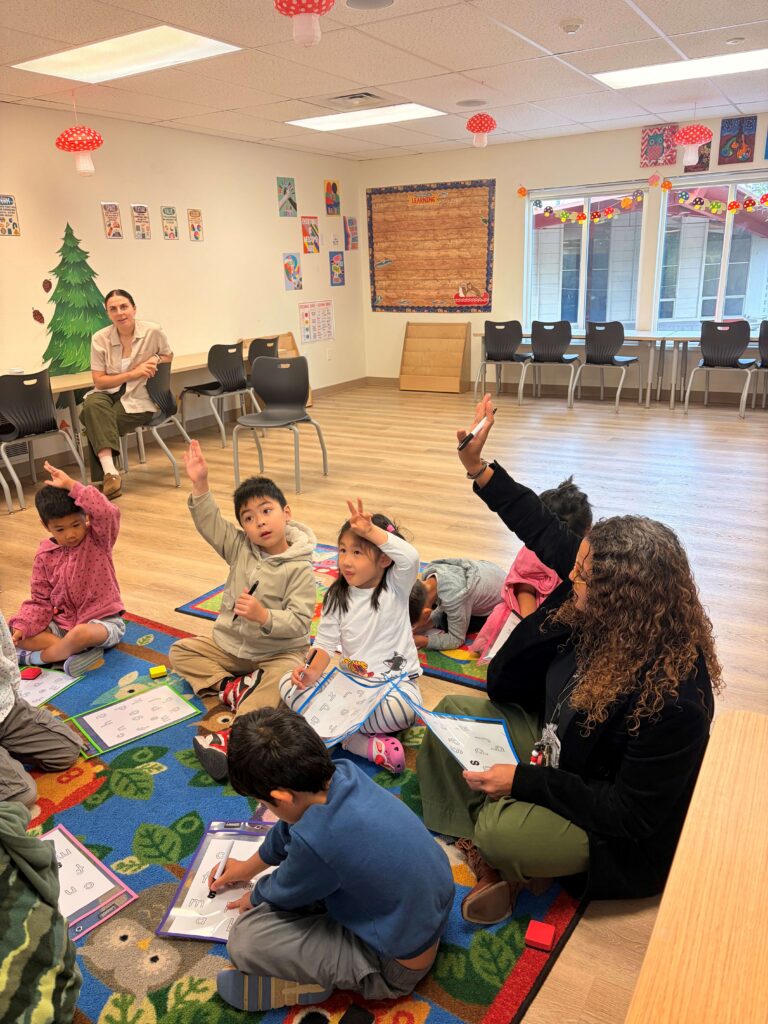
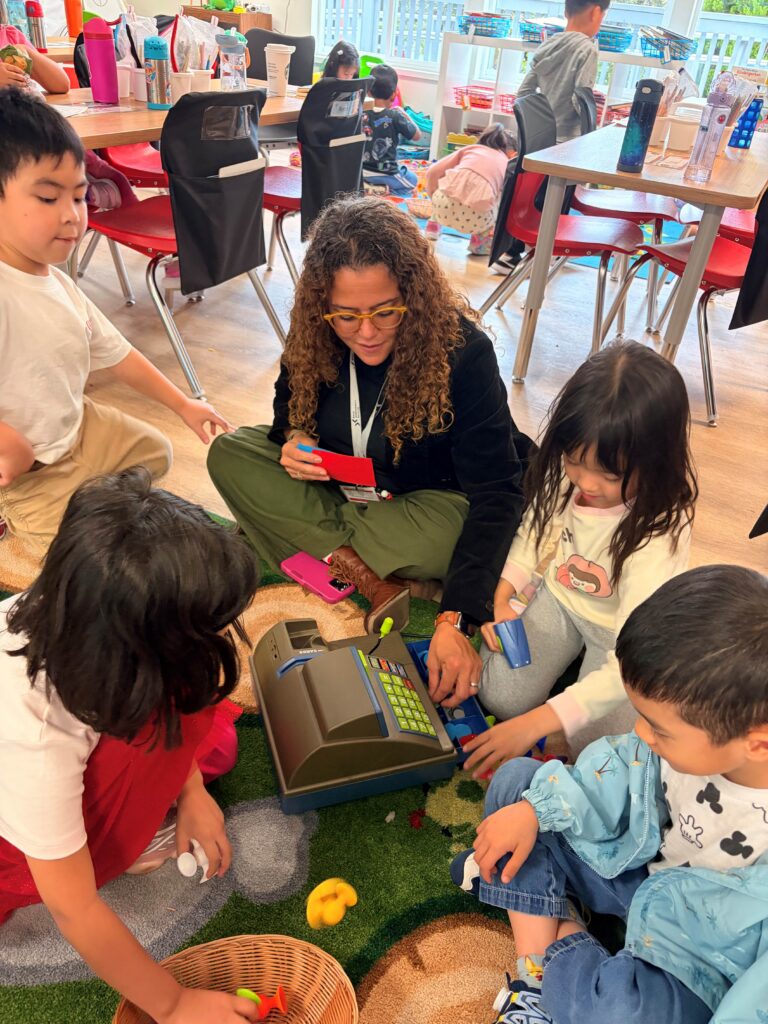
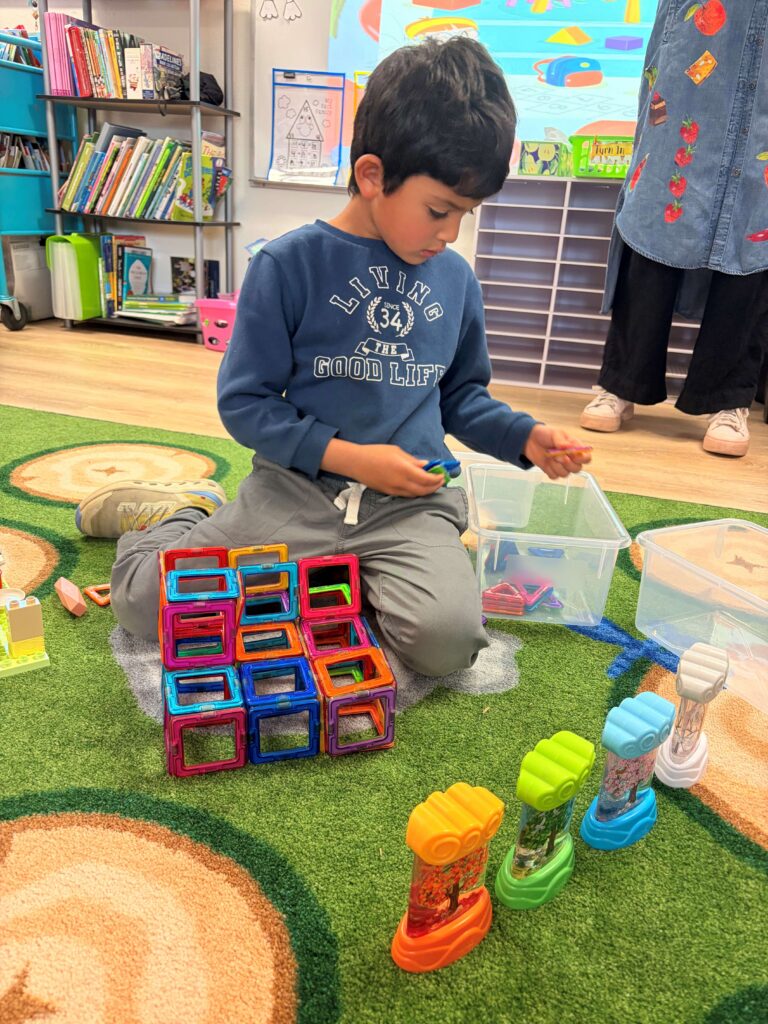
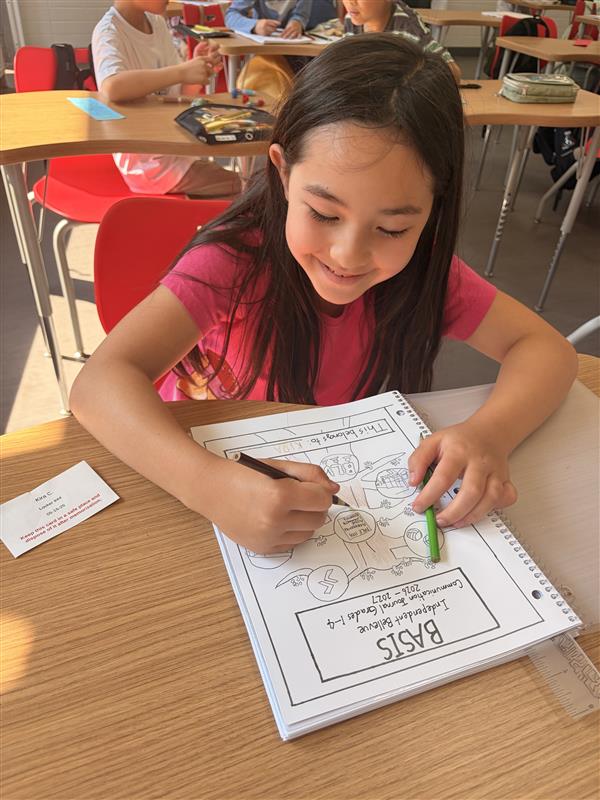
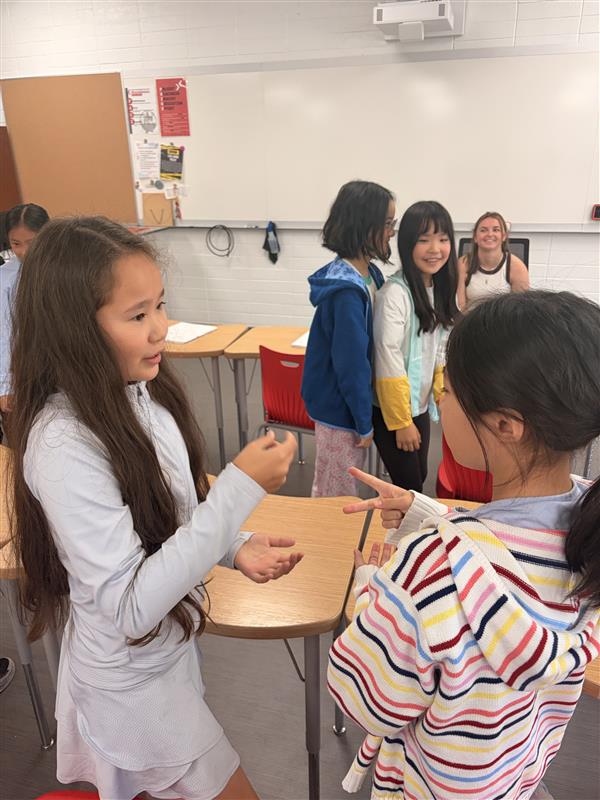
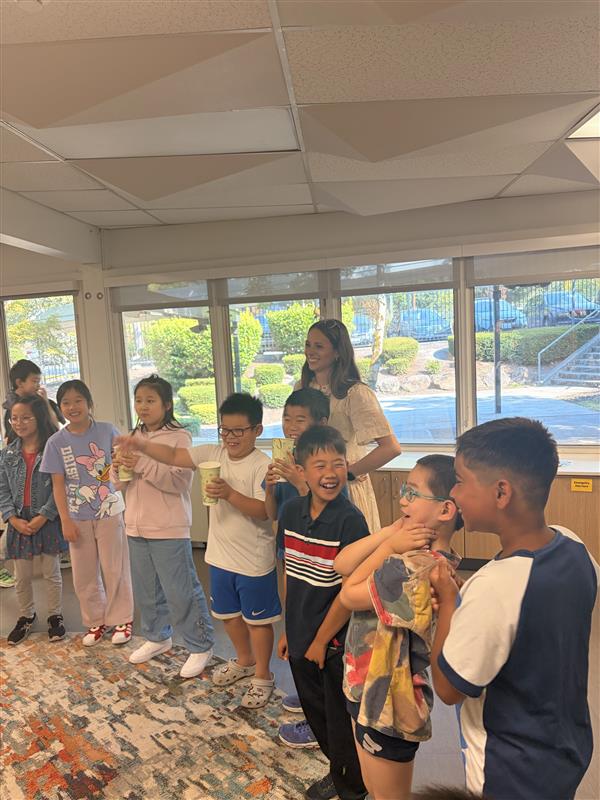
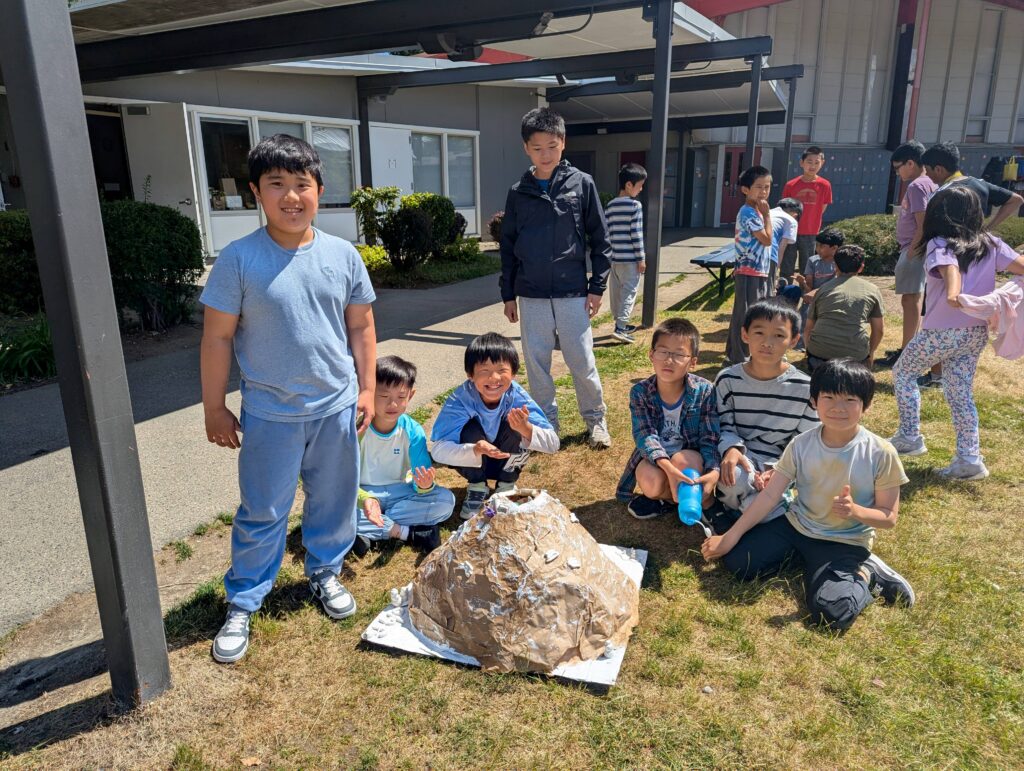
Real scientists don’t start with textbooks. They start with questions about the world around them. At BASIS Independent Fremont, our Lower School students learn the same way: by investigating real phenomena, testing their ideas, and using evidence to support their conclusions. From engineering solutions to ancient problems to exploring why oil and vinegar refuse to mix, BIF students practice thinking like the scientists and engineers they may one day become.

Learning Through Real-World Investigation

At BIF, science education is phenomena-based, meaning students begin with observable events and real-world questions rather than memorization. Our approach develops three essential skills: active investigation (students doing, not just watching), scientific communication (reading, writing, and discussing like scientists do), and evidence-based reasoning (supporting conclusions with data).

This matters because these skills extend far beyond the science classroom. Whatever our students choose to become in life, they need to ask thoughtful questions, analyze information, and solve complex problems. Science at BIF is preparation for thinking critically about the world.

What Scientific Thinking Looks Like at BIF

Students Observe and Question

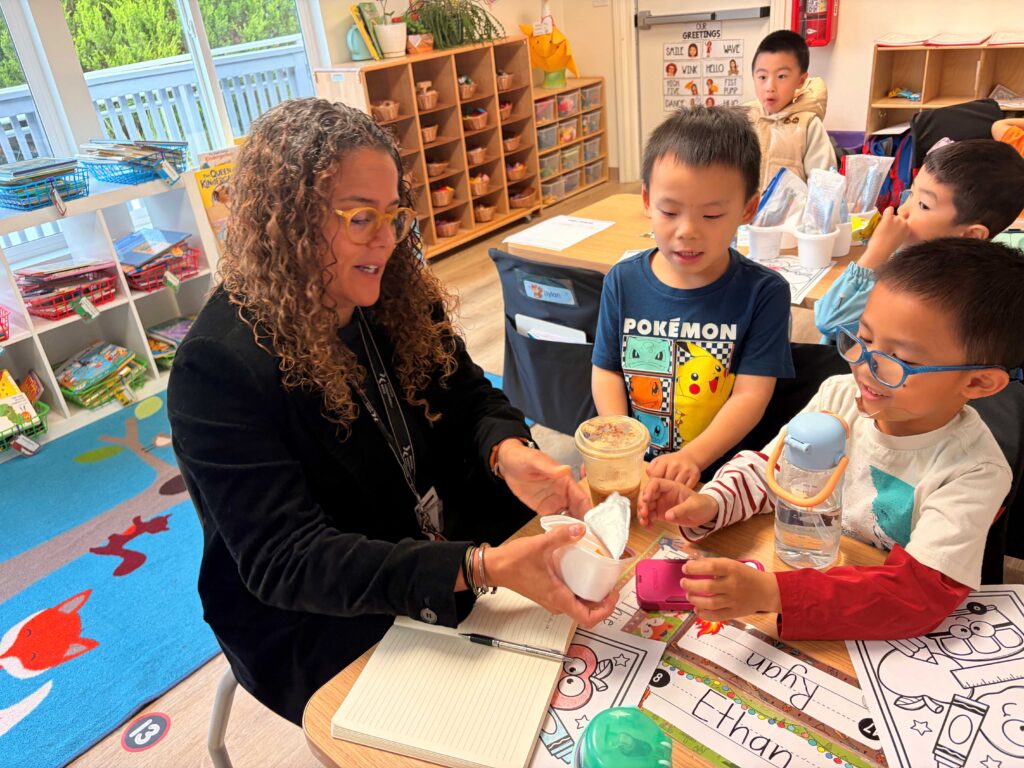
In Dr. Luo’s grade 4 science class, students recently tackled a deceptively simple question: why do oil and vinegar sometimes mix instead of separating into layers? “We started at the observable scale by having students mix oil and vinegar and notice that they don’t mix and instead form layers,” Dr. Luo explains. From that initial observation, students generated their own questions about what was happening at a molecular level—questions that would drive their entire investigation.

Similarly, in Mr. Kasper’s engineering class, the students face a historical challenge: How did ancient Rome transport fresh water to support its growing population? “Students are guided to ask essential questions such as: Why is this a problem? Who is being affected? What are the possible causes of the water shortage?” Mr. Kasper notes. “Students are encouraged to ask additional questions of their own, deepening their understanding of the challenge.”

Students Investigate and Test

Scientific thinking requires more than curiosity—it demands action. Dr. Luo’s students moved from observation to experimentation, testing various substances to see what would help oil and vinegar combine. “Students experimented with adding lecithin, flour, and cornstarch to oil and vinegar. They discovered that lecithin helps oil and vinegar mix by acting as an emulsifier.”

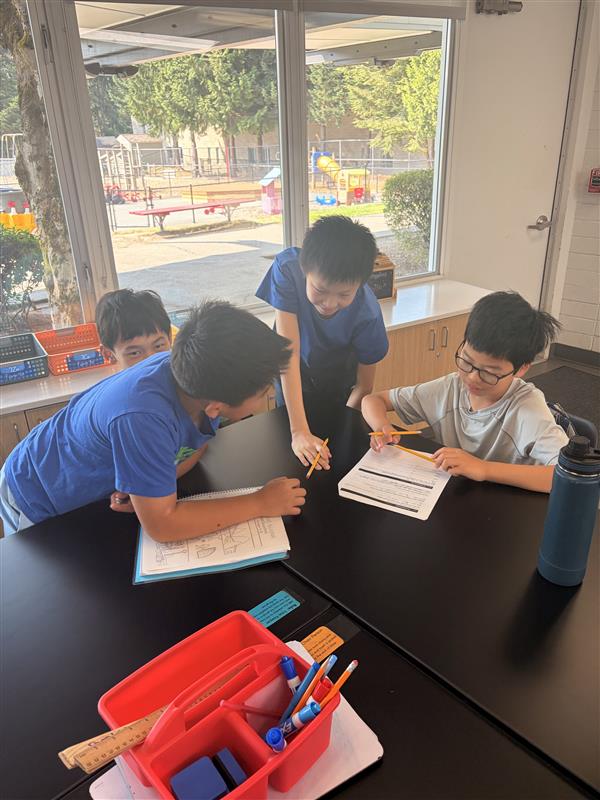
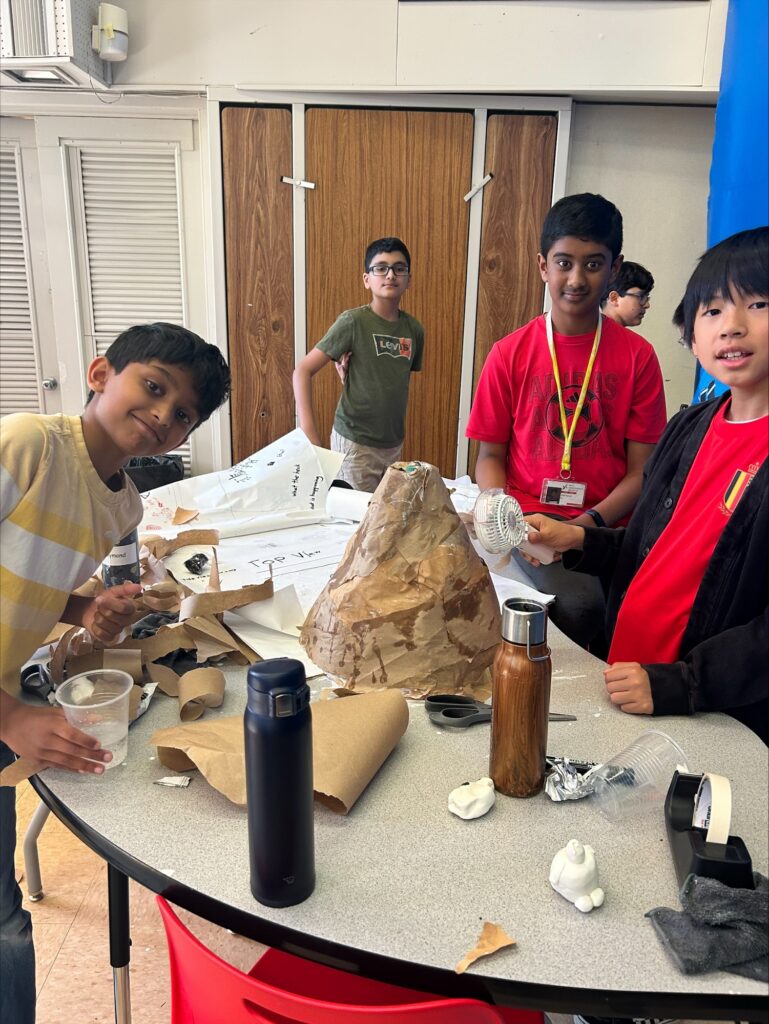
In engineering, Mr. Kasper’s students design and build prototypes of aqueducts, working within budgets and material constraints just as real engineers do. “During construction, they test their structures for strength and for their ability to successfully transport water,” he explains. “Testing is an ongoing process, and students carefully record not only how their prototypes perform, but also the results of each test and the improvements they believe will fix any issues.”

Students Read, Write, and Communicate Like Scientists

Scientific literacy is just as important as hands-on experimentation. Dr. Luo’s students didn’t just conduct experiments—they read scientific texts to deepen their understanding. “Students built their own online models and read texts like Handbook of Food Science and Solving Dissolving to learn about molecular structure and how molecules attract themselves and other molecules,” she shares.

Throughout their investigations, students document their findings in science journals, write lab reports, and present their conclusions to classmates. This mirrors how real scientists communicate their discoveries to the broader scientific community.

Students Use Evidence to Support Their Ideas

Perhaps most importantly, BIF students learn that good ideas must be backed by evidence. When Dr. Luo’s students concluded that lecithin acts as an emulsifier, they could point to specific experimental results and molecular models that supported their claim. They learned about emulsifiers’ special structure—one that can attach to both oil and vinegar molecules—through both reading and hands-on observation.

Mr. Kasper’s engineering students practice the same evidence-based thinking. “Each idea is discussed and evaluated based on the identified constraints and goals, such as efficiency, cost, available materials, and the ability to successfully transport water,” he explains. “Through this process, students learn that engineering is not about choosing the first idea, but about carefully comparing options to determine the best possible solution.”

Building Skills That Last

The sophistication of scientific thinking grows as students do. By grades 4 and 5, students are working with complex concepts like molecular structure and engineering design processes, but the foundation begins much earlier—with kindergarteners observing how materials change and grade 1 students exploring the natural world.

These investigations teach students to approach problems with confidence. They learn that failure is part of the process, that questions are more valuable than quick answers, and that evidence matters more than opinions. As Mr. Kasper notes, “This reflection reinforces the idea that engineering is iterative and that failure is an important part of learning and improvement.”

By the time BIF students reach Upper School, they’ve spent years practicing how to think, not just what to think. They carry forward skills they’ll use for life: asking thoughtful questions, designing investigations, using evidence to support ideas, and communicating findings clearly.

Science as a Way of Thinking

At BASIS Independent Fremont, science isn’t a subject students study. It’s a way of thinking to practice every day. From our youngest Bumblebees to our grade 5 students preparing for middle school, students learn to approach problems like scientists and engineers: with curiosity, creativity, and evidence.

Want to see scientific thinking in action? Schedule a campus tour to visit our Lower School classrooms and discover how BIF students are learning to investigate, question, and solve the problems that matter.

BASIS Independent Fremont is a TK – Grade 12 private school, providing students with an internationally benchmarked liberal arts and sciences curriculum, with advanced STEM offerings. Considering joining the BASIS Independent Fremont community? To join our interest list for the next school year and receive admissions updates and more, please click here.

Filed Under: Academics, Featured, Lower School, Science, STEM, Uncategorized

Rolling Admissions for 2026–2027 Is Now Open at BASIS Independent Manhattan!

January 9, 2026 by anjalijoshi Leave a Comment

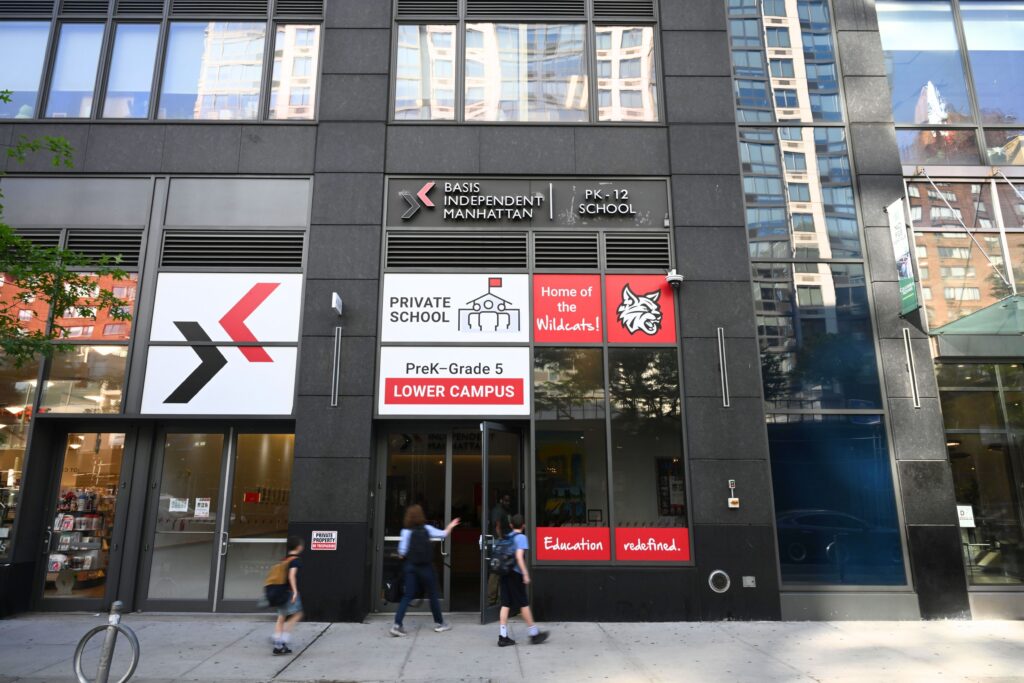
We are excited to share that the Rolling Admissions Application Cycle for BASIS Independent Manhattan, a PreK-12 private school in NYC, is officially open for the 2026-2027 school year.

As the Home of the Wildcats, our community is eager to welcome new families who are ready to join a school environment where intellectual curiosity builds subject mastery.

Applications for the 2026–2027 school year are now being accepted on an ongoing basis until all remaining seats are filled. Families may continue to apply for PreK through Grade 10.


What Rolling Admissions Means for Your Family

Admissions Decisions this Winter and Spring
After Regular Admissions Notifications are released in February, completed Rolling Admissions applications will receive an admissions decision within five business days. This allows families to plan ahead with clarity and confidence for the upcoming school year.

A Greater Chance to Secure a Seat
Rolling Admissions operates on a first-come, first-served basis, which means early applicants have the best opportunity to secure a spot in our program. If you are considering joining the Wildcat community, applying early truly matters!

How to Get Started

1. Submit Your Application
Submit your application on Ravenna to begin the admissions process.

2. Review the Rolling Admissions Application Checklist
Review our Rolling Admissions application process here to prepare you and your family for the application steps and requirements.

3. Join Us for an Admissions Event
We continue to offer Campus Tours and a variety of in-person and virtual admissions events. These experiences give families the opportunity to meet members of our school leadership, explore our campus, and see our world-class program in action. We invite you to register for an upcoming event!

We are excited to begin this process with you and look forward to meeting you and your family, and introducing you to the Wildcat Community!  

If you have any questions, be sure to reach out to our Admissions team at manhattan-admissions@basisindependent.com

Filed Under: Administration & Staff, Admissions, Admissions Events, Uncategorized

A Day in the Life: Siddhi J., Grade 9

January 6, 2026 by sarahpeterson Leave a Comment

Changing schools is never easy—but joining a rigorous high school where AP courses and college-level expectations are standard starting in grade 9? That can feel especially daunting. At BASIS Independent Fremont, grade 9 students dive into college-level coursework, manage demanding schedules, and navigate new social dynamics. But as Siddhi J. discovered this year, the reality is far less intimidating than the reputation suggests.

Meet Siddhi

Siddhi joined BIF this year in grade 9, coming from a private school in the area after attending several schools throughout her academic journey. Outside the classroom, she’s an avid badminton player and has a particular passion for murder mysteries—she reads them “excessively,” in her own words. At BIF, she’s already deeply involved in Student Council, Speech Club, and Math Club.

Coming into grade 9 at a school known for academic rigor brought natural concerns. “I originally thought that it’d be really scary because everybody thinks that BIF is extremely academically challenging, but it’s actually not that bad,” Siddhi reflects. “There’s more homework than I’m used to, but I think that’s just mainly the middle school to high school jump.”

The adjustment required some recalibration, particularly around time management. “I was able to handle it. I just needed help with time management, but after I figured that out, I was able to go from there.” The growth has been noticeable: “Academically, before I used to procrastinate everything until the last minute, but now, in high school and in BIF, I need to time manage things better. So I’ve gotten a lot more organized.”

Perhaps most surprising? The community itself. “On my first day, I’d already made a lot of friends. It’s a really close-knit community since there are only 40 [grade 9] students in total, so everyone knows everyone.” The reality proved very different from her expectations. “Most people think it’s really cutthroat and really competitive, because that’s what I thought before I joined here. I thought it would be everybody focused on academics and everyone hates each other, but the community is actually really friendly. Everyone talks a lot, jokes a lot. It’s a lot more friendly than I thought.”

Her advice for families considering joining the BASIS Independent Fremont community in grade 9? “It may seem incredibly scary, but the teachers are really helpful, and they explain the AP things really well, so it’s not that scary.”

Let’s follow Siddhi through a typical day to see what grade 9 at BIF really looks like in action.


Period 0 (7:35-8:20): Computer Science & Programming with Ms. Shahin

Siddhi starts her day early—before most students arrive on campus. Computer Science & Programming is an elective course that teaches Java, introducing students to the Java development cycle, object-orientation, and control structures. Students work with primitive data types, operators, and data structures such as arrays and lists, with a strong emphasis on the problem-solving aspects of programming.

Today, students are finishing individual coding projects, using Java to write a program that calculates loan payment amounts and payment durations. “I really like computer science, so I thought it was worth it to wake up a bit early and participate in programming,” Siddhi explains. “Principles is more focused on exactly how computers work and different components—the CPU, binary, that stuff. Programming is more focused on the actual Java–loops and different things to get code done. And that’s more interesting to me.”

Period 1 (8:25-9:10): Honors English Language & Composition with Mr. Gailliard

Honors English Language & Composition provides an introduction to rhetoric, research, and composition. Students analyze nonfiction texts, develop evidence-based analytical and argumentative writing, and learn to evaluate and cite sources. The course deepens understanding of how communicators make choices based on rhetorical situation and audience.

Today, students split into teams to research and debate: Is AI Beneficial in Education? After researching in groups, teams face off with opposing arguments, delivering opening statements, rebuttals, and closing arguments. At the end, the class votes on which group successfully swayed their opinion—rhetoric and persuasion in action.

Academic Enrichment (9:15-9:25)

Siddhi and a classmate head to the student library to catch up on work and print materials for their next class. This brief period gives students flexibility to prepare for their day however they need.

Period 2 (9:30-10:15): Pre-Calculus AB with Mr. Sharma

Pre-Calculus provides in-depth coverage of major functions, including polynomial, exponential, and trigonometric functions, before moving into matrices, discrete mathematics, and statistics. The course concludes with an introduction to calculus concepts—limits, derivatives, and integrals.

Today, students review for their upcoming Pre-Comprehensive Exams, going over questions and topics from a recent practice exam. They work through problems involving properties of inverse trigonometric functions, domain, and range. Another example has students applying trigonometric identities—including product-to-sum formulas—to simplify expressions in order to find an upper bound, then solving trigonometric equations. It’s a focused preparation for the assessments that measure student progress throughout the year.

Period 3 (10:20-11:05): AP Physics 1 with Dr. Dixit

AP Physics 1 is an algebra-based, introductory college-level physics course where students explore kinematics, dynamics, circular motion and gravitation, energy, momentum, simple harmonic motion, torque and rotational motion, electric charge and force, DC circuits, and mechanical waves and sound through inquiry-based investigations.

Today is test day—students demonstrate their understanding of energy, work, and power. “Dr. Dixit and AP Physics are my favorite,” Siddhi says. “She’s really fun, and she makes sure everybody has everything and is up to speed.”

Period 4 (11:10-11:55): AP Environmental Science with Ms. Covert

AP Environmental Science cultivates an understanding of the interrelationships of the natural world through inquiry-based lab investigations and fieldwork. Students explore energy transfer, interactions between earth systems, interactions between species and the environment, and sustainability.

Today, students become teachers. Each student researches one section from the current unit and teaches it to their classmates. Siddhi presents on fossil fuels, diving deep into the topic before sharing her expertise. “It was really fun. Teaching your classmates—you also get to research really in-depth on certain topics, so it feels like you’re really smart and you know a lot. Teaching is fun.”

Period 5 (12:00-12:45): Lunch

Siddhi eats her packed lunch and chats with friends—a chance to recharge before afternoon classes.

Period 6 (12:50-1:35): Honors English Literature & Composition with Mr. Bradshaw

Honors English Literature & Composition prepares students for AP English Literature. Students analyze various literary forms—short stories, poetry, plays, novels, and nonfiction—assessing character, setting, structure, narration, figurative language, and historical context.

Students are reading “Citizen,” by American poet Claudia Rankine. Class begins with a discussion of words and ideas they associate with the term “citizen” and how these associations align with particular groups. They explore Rankine’s intention in titling the work, then tackle a writing prompt: “How does ‘Citizen’ relate to ongoing debates about race and policing?” Literature meets contemporary social issues.

Period 7 (1:40-2:25): AP U.S. Government & Politics with Mr. Loero

AP U.S. Government & Politics provides a college-level, nonpartisan introduction to key political concepts, institutions, policies, and behaviors that characterize the U.S. constitutional system. Students study foundational documents, Supreme Court decisions, and other texts to understand relationships among political institutions and processes.

Today’s unit review covers the relationship between the president and Congress, the descriptions and powers of the two chambers, and the constitutional responsibilities of the House and Senate. 

With three AP classes and two honors courses, Siddhi has learned to manage the workload. “It’s slightly more difficult, but the teachers usually stagger things. Most of the homework I’m used to being due the next day, but now most of it’s long-term, or at least due a week later. So you have more time to organize things out and plan to get everything done.”

Period 8 (2:30-3:15): Spanish II with Mr. Sanders

Spanish II builds on skills from the previous year, developing mastery in listening, speaking, reading, and writing. Students expand vocabulary and grammar while exploring Hispanic cultures, geography, and history through authentic resources, including literary works, audio recordings, videos, songs, and articles.

Today, students submit photos displayed on the whiteboard, then practice describing what each depicts to the class—working on vocabulary and pronunciation. Depending on the photos chosen, some silliness and giggles follow. Language learning doesn’t have to be serious all the time.

Office Hours (3:20-4:00)

Today, Siddhi uses Office Hours to attend a Student Council meeting, where members advocate for their peers and organize meaningful campus events. The agenda includes preparing materials for an upcoming school holiday celebration and reviewing committee head elections.

Most days, though, Siddhi uses this time strategically. “I normally spend them doing tasks that don’t require textbooks, because I prefer to finish those and then just leave my notebooks in my locker. So I prefer to do the small assignments during Office Hours and the longer ones at home. I used to spend them in Dr. Dixit’s class because that was the class that I needed the most help in.”

After School: Leadership and Competition

Siddhi’s involvement extends beyond Student Council. In Speech Club, she practices as an impromptu speaker and competes in tournaments with a team she describes as “excessively spirited.” The Math Club focuses on preparing for competitions and sharpening problem-solving skills in collaborative settings.


From AP Physics to English Literature, from teaching her peers about fossil fuels to competing in speech tournaments, Siddhi’s first year at BIF showcases what’s possible when students join a supportive academic community. The coursework is demanding, yes—but the teachers are helpful, the community is welcoming, and the skills students develop extend far beyond any single subject.

As Siddhi discovered, stepping into BIF’s academically rigorous environment was far less overwhelming than she’d anticipated. With organization, engaged teachers, and a close-knit community, grade 9 at BIF isn’t about surviving—it’s about thriving.

Curious about what your student’s day could look like at BIF? Schedule a campus tour or contact our admissions team to learn more about high school at BASIS Independent Fremont.

BASIS Independent Fremont is a TK – Grade 12 private school, providing students with an internationally benchmarked liberal arts and sciences curriculum, with advanced STEM offerings. Considering joining the BASIS Independent Fremont community? To join our interest list for the next school year and receive admissions updates and more, please click here.

Filed Under: Academics, Extracurriculars, Featured, High School, Student Life, Student Spotlight, Uncategorized

Best Practices: The Co-Teaching Model in Our Primary Program

December 18, 2025 by jogoldfarb Leave a Comment

BASIS Independent Brooklyn’s co-teaching model in Gr. 1-4 pairs teachers together to deliver tailored instruction and support for Primary Program students. This co-teaching model consists of a Learning Expert Teacher, who draws on childhood development and pedagogical expertise to teach one class of students throughout the day, and Subject Expert Teachers, who focus on the content area they are most passionate about from their years of study. Their combined expertise energizes students and deepens engagement in specific subjects, such as math, science, and humanities, while providing differentiated instruction to challenge each student at the appropriate level of mastery.

Head of School for BASIS Independent Brooklyn’s Lower School, Ms. Rose Miller-Sims, cites the co-teaching model as one of the reasons that she was first drawn to BASIS Independent Brooklyn. Ms. Miller-Sims started her long career in education, first teaching at the collegiate and adult level and then shifting to primary school. She first joined our school as a Gr. 3 Learning Expert Teacher in 2017.

“This is a really unique model of co-teaching,” shared Head of School Rose Miller-Sims. “In other schools, co-teachers are focused on one very specific aspect of learning, such as supporting English Language Learners or students with diagnosed learning differences. In our model, we have two experts in teaching in a classroom, each with a different lens for how to support student learning. That is a big part of how we ensure that foundational skills are fully solidified in the primary years. The model leads to tailored instruction that really helps students fill gaps.”

“We have two experts in teaching in a classroom, each with a different lens for how to support student learning.”
– Rose Miller-Sims, Head of School at BASIS Independent Brooklyn Lower School

Our Learning Expert Teachers focus on students’ social, emotional, and academic needs, building deep relationships to support individualized learning and behavior. Learning Expert Teachers greet students in the morning, help students prepare for what to expect over the course of the day, and continuously monitor their progress toward individualized goals. These teachers also lead the “Connections” class, which helps guide students to draw connections across their classes through interdisciplinary projects, fostering collaboration and social skills. They work very hard to ensure every student, whether in need of extra support or advanced challenges, receives instruction suited to their current level of achievement.

“The Learning Expert Teacher is focused on one specific class of students,” commented Ms. Miller-Sims. “They get to know that group of students really well and make sure each child is getting what they need- not just on an academic level, but also behaviorally and socially. They spend a lot of time with students throughout the day. I like to say that they are the expert in their group of students and how they learn best.”

Subject Expert Teachers, on the other hand, focus on their passionate content area, designing lesson plans and managing academic learning outcomes in areas such as math, science, humanities, physical education, languages, and the fine arts. These teachers construct syllabi and communicate learning goals to parents in collaboration with the Learning Expert Teacher.

Proprietary research conducted by BASIS Independent Schools staff on our LET/SET model found that a true partnership between two actively engaged teachers working in tandem to bring out the best in one another and design lessons that best fit the needs of their particular students is unique.

Our Learning and Subject Expert Teachers raise the standard of learning in the classroom. While we set advanced goals for student learning, we also have a strong culture of support. We want to make sure that students have the confidence to take on what is presented to them each day in the classroom and throughout their school experience at BASIS Independent Brooklyn.

BASIS Independent Brooklyn is a PreK–Grade 12 private school, providing students with an internationally benchmarked liberal arts and sciences curriculum, with advanced STEM offerings. Considering joining the Bears community? To join our interest list for the next school year and receive admissions updates and more, please click here.

Filed Under: Culture of Support, Faculty & Staff, Head of School, Primary Program, Student Achievement, Student Learning, Uncategorized

Step Inside Grade 8 at BASIS Independent Bellevue with Megna P.!

December 17, 2025 by emilyhughes Leave a Comment

Meet Megna P., a beloved grade 8 student at BASIS Independent Bellevue! Megna is a brand new student to our campus, having just joined BLV in fall 2025 and we couldn’t be more excited to have her as a part of our Mountaineer Community!

Although it is just her first year at BASIS Independent Bellevue, Megna was eager to get involved on campus and is already a part of National Junior Honor Society and our Student Ambassador program. Outside of school Megna loves music. She enjoys playing the flute, violin, and singing! Megna was kind enough to let us follow her around for a day, so we could highlight all of the wonderful aspects of being a grade 8 student at BASIS Independent Bellevue.


Period 1: Algebra and Geometry II

Megna begins each day in Algebra and Geometry II with Ms. Illiescu. When students join BASIS Independent Bellevue in grade 5–9 they are all invited to take an optional math placement exam, which allows us to asses their skills and appropriately determine their math level. Algebra and Geometry II build upon the concepts introduced in Algebra and Geometry I, such as solving equations and inequalities with absolute value quadratic and logarithmic equations, and working with complex numbers and trigonometric functions of right triangles. Students will also be introduced to proofs in geometry with similar and congruent figures, circles and their parts, lines, and planes. With this knowledge, next year Megna will be ready to take on a Pre-Calc course in grade 9!

Period 2: Biology

At BASIS Independent Bellevue, students take Physics, Chemistry, and Biology as separate classes for all three years of middle school. This prepares the students to be ready to take honors and AP level science classes when they enter high school!

On this day, Megna is headed to Biology for period 2. Biology is her favorite subject. She loves how Dr. Dornhoffer encouragers her to ask questions and creates engaging labs that amplifying her knowledge and interest in the subject even further. In this course students study and apply the scientific method, describe the chemistry of life, analyze cell structure and function, and explain the drivers of cellular transport. Students also describe the processes of living organisms like photosynthesis and cellular respiration. To demonstrate her learning of the cell cycle, Megna got to design and create a board game based on the cell cycle.


Period 3: Chemistry

After Biology Megna is headed off to Chemistry with Ms. Abele. This course includes more advanced principles of atomic structure, elements, compounds, molar quantities, and the periodic table. Students are also introduced to high level concepts such as gas laws, stoichiometry, and types of reactions. Megna’s favorite lab so far this year has been the density lab. In the density lab, Megna measured the mass and volume of an aluminum foil shape and calculated the density based on the ratio of mass to volume. The class then compiled their data to test if they were accurate and precise with their measurements and calculations.


Period 4: U.S. History

Megna is then headed to U.S. History with Mr. Tyler! Megna enjoys having Mr. Tyler as a teacher for his keen ability to bring history to life through stories and his well timed jokes. This course is specifically focused on the history of the United States from the Pre-Columbian Era through the turn of the 20th century. In grade 6-8 our history department prepares students to be ready to take AP level history courses beginning in grade 9. Megna shared that this year she enjoyed creating a trifold for their Founding Father’s Project. Megna chose to research and create the trifold about Robert R. Livingston.

After a busy morning Megna is off to a well-deserved lunch and recess break. All students at BLV get a recess break after their lunch. This is a chance for students to connect with their friends outside of class and enjoy a break from their studies.

Period 5: Physics

Megna’s next period of the day is Physics with Ms. Englert-Erickson. In this course students will learn topics such as kinematics, forces, energy, gravitation, momentum, electrostatics, electricity, and light waves throughout the course of the year. Using the concepts learned, students will develop the ability to pose a scientific argument and present scientific evidence to support a claim.

Period 6: AE (Academic Enrichment)

Following Physics, Megna has her Academic Enrichment or AE course with Mr. Ballantyne. AE is a daily twenty-minute period that students have for studying and homework completion. Additionally, every Monday during AE time is Mountaineer Monday, a dedicated time for students to engage in social-emotional learning with their AE teacher, using our wellness curriculum CharacterStrong.


Period 7: English

Megna then heads to Period 7, English, with Ms. Forrest. In this course, students broaden their exposure to a variety of literary genres, including fiction, nonfiction, poetry, and drama, while learning to produce thoughtful, well-argued analyses. This year, students read the novel Frankenstein, and Megna especially enjoyed creating a castle-shaped trifold project that highlighted the novel’s gothic themes.

Period 8: Creative Writing

Megna then ends each day in her Creative Writing course with Ms. Fischer. In grade 8, students get to choose one elective course that they would like to take for the year. This year our grade 8 students could choose Creative Writing, Art Studio 2D, or Band. Megna chose Creative Writing as her elective because she has always had a passion for writing her own stories. This year she is most proud of her creation myth about how the sun and moon came to be.


Mandarin

Another important part of Megna’s school day is her Mandarin class that she has three times a week. Starting in grade 7 students get to choose a world language they would like to study. Currently at BLV we offer Mandarin, Latin, Spanish or French for student to choose from. Megna has been taking Mandarin with a teacher outside of school for a few years before she chose it as her world language this year.

When asked why she chose to study Mandarin as her world language, Megna shared, “I felt that as a non-native Mandarin speaker, taking Mandarin would allow me to explore a new language. Mandarin has two components to it, characters and Pinyin, which makes it challenging, especially for non-native speakers. It has been rewarding to see my progress.” Reflecting on her first year of Mandarin at BLV, Megna added, “Ms. Zhang, my Mandarin teacher, has also been very supportive and encouraging since my first day here, and the small class size provides each student with a lot of individual attention. A special memory that comes to mind is that all my classmates in my Mandarin class came up with a Chinese name for me, which made me connect with my peers.”

As students join BLV in different grade levels our World Language teachers are experts in differentiation and supporting students at their various levels in the language they are learning.


After school Megna is headed home to practice her flute or violin. Megna is a fabulous representative of what it means to be a BASIS Independent Bellevue Mountaineer. Megna exemplifies our community values of PACE which stand for, perseverance, active, community and empathy. Megna has shown her perseverance in all of her classes by working hard to excel in the rigorous curriculum at BLV. You can always count on Megna for a warm smile and hello when you see her around campus. We are so grateful to Megna and her family for allowing her to partner with us on creating this blog!

Filed Under: Academics, Admissions, Community Values, Electives, Fine Arts, History, Humanities, Mandarin, Math, Middle School, School Community, Science, Student Learning, Student Life, Student Perspectives, Student Spotlight, Uncategorized

Cultivating Compassion and Leadership: How NYC Students Build Real-World Skills Through Service

December 17, 2025 by christineklayman Leave a Comment

At BASIS Independent Manhattan, our reputation for advanced academics is well-established—from the expertise of our Subject Expert Teachers to the outstanding college outcomes of our graduates. Yet, a truly well-rounded education extends beyond the books.

Our core mission is to equip highly capable students with the intellectual framework and moral compass that sends them into the real world as engaged, active citizens. This goal is foundational to the Wildcat experience, driven by our 5Cs: Citizenship, Courage, Creativity, Confidence, and Compassion.

We believe our social-emotional curriculum, coupled with hands-on engagement and applied learning, creates young changemakers.


Service Is Scholarship: The 5-Phase SLP

This year, our grade 11 and 12 students are participating in the Service Learning Project (SLP) Residency Program that empowers them to create and implement meaningful solutions to social issues. Rather than passively moving through volunteer work, the SLP guides students through a five-phase process over 12 weeks:

  • Selection: Identify a local community or school-based problem to solve.
  • Research: Analyze the issue, collect data, and apply critical thinking skills.
  • Planning: Create a comprehensive, executable action plan for positive impact.
  • Execution: Implement the solution in partnership with community organizations.
  • Reflection: Evaluate the experience, measure impact, and share key takeaways.

This methodology mirrors the high level of academia our students employ in their AP courses, but shifts their focus and culminates in real results. One student shared:

“It’s not just about what we give, but how we think about what we’re giving. The research phase made us realize that the biggest need isn’t always the most obvious one.”

A Culture of Compassion: Service Across All Grades

Service learning at BASIS Independent Manhattan is visible in every corner of our campuses, creating a deeply ingrained culture of immediate, authentic engagement:

From Buddy Classes to Book Drives

Our Lower School community focuses on immediate and collaborative hands-on contributions. We annually host and participate in:

  • Making Sandwiches for Donation to New York Common Pantry: Each year before Thanksgiving, buddy classes come together to address food insecurity and celebrate the value of mentorship between older and younger students. This year, we made nearly 500 sandwiches!
  • Scholastic Book Fair Donations to Local Families: After another successful annual book fair, we used our profits to support 23 single-parent families living in semi-permanent housing on nearby on the Upper West Side. They received an abundant array of books, academic enrichment tools, winter clothing, and toys.
  • An UWS Food Drive by the Ounce and for Facial Hair Votes: Mr. Davis (Science, SET) runs Donate December for his grade 4 and 5 students, where they donate food items to West Side Campaign Against Hunger. After weighing and calculating the donations in ounces, they receive votes on the style for Mr. Davis’ beard over the next month (mutton chops are a popular choice!).  
staff loading up donations for the settlement house with handmade cards

Quantifiable Community Impact

Our students consistently step up to support local and global causes. A real-life example of this is the creation of a student-led club, the Service Society. Co-founder Bella D. (Gr. 11) says, “We were able to build a community at school of students who all wanted to do the same thing. Now we are able to go on field trips, volunteer at soup kitchens, host fundraisers, and run drives that all make an impact in our community.”

  • For years, our Wildcats have been instrumental in supporting Project Cicero, a city-wide book drive for under-resourced schools. In recent years, our school has collected and donated over 3,200 books, providing essential reading material to thousands of students across the city.
  • The Upper School student-run Crochet Club crocheted more than a dozen hats, created handmade holiday cards, and donated everything to cancer patients.
  • Ms. Dickens (Associate Head of School) and Student Council have started an awareness campaign about food insecurity in NYC and food waste, talking about ways to take action on closing the gap between these two issues.

students and teacher with over 1000 pounds of food donations

The College Advantage: Applied Critical Thinking

Why is this blend of advanced coursework and applied service crucial? It speaks directly to the qualities sought by top-tier universities.

“Top universities seek thoughtful, engaged citizens who have demonstrated the ability to use their intellectual gifts to improve the world around them. The SLP is invaluable because it forces students to use high-level research, planning, and critical thinking skills—the same skills they use in a Calculus or AP History course—to solve a human problem. This blend of rigorous academics and applied citizenship is exactly what sets a BASIS Independent Manhattan student apart on an application.”

— Mr. Tejada, College Counselor, BASIS Independent Manhattan

Our students don’t just achieve outstanding academic results; they also graduate with the understanding that success is measured by contribution. We are proud that our students are prepared not only for the most selective universities but for successful and meaningful lives beyond.

See Our Mission in Action

The greatest way to understand the demanding yet joyful culture of service and academic excellence at BASIS Independent Manhattan is to experience it firsthand.

Ready to see if we are the right fit for your family?

Join us for an upcoming event or connect with our Admissions team!

More Info »

Filed Under: Uncategorized

Top 5 FAQs About BASIS Independent Bothell and Why You Should Join Our January Open House

December 12, 2025 by abisoyetaylor Leave a Comment

Choosing the right private school in Bothell for your child is one of the most important decisions you’ll make. At BASIS Independent Bothell, we know families want clarity on daily routines, academics, student life, and what sets our program apart from other Seattle private schools.

Below are answers to the top five most frequently asked questions from prospective parents, plus why our January Open House is the best way to experience our school firsthand.

1. What are the school drop-off and dismissal times?

Our campus opens at 7:00 AM with a free Early Bird Program before classes. Dismissal runs from 3:20–4:20 PM, and Late Bird after-school care is available until 6:00 PM.

2. What activities and clubs do you offer?

Learning at BASIS Independent Bothell doesn’t end when the school day does. Students can participate in a wide variety of extracurricular activities, including robotics, chess, speech & debate, art & music, coding, and athletics. Whether your child is passionate about STEM, performing arts, athletics, or discovering new interests, our programs provide meaningful opportunities to grow, explore, and connect.

3. Do you have a preschool program?

At this time, BASIS Independent Bothell serves Kindergarten through Grade 12. Students entering Kindergarten must be 5 years old by September 30 of the year they enroll.

4. What is the student-teacher ratio?

Kindergarten classes have about 20 students with an Early Learning Teacher and an Early Learning Teaching Fellow. Grades 1–4 average 25 students with a Learning Expert Teacher (LET) and Subject Expert Teachers (SETs) for each subject. Grades 5–12 also average 25 students per class with a Subject Expert Teacher. This structure allows students to build relationships with teachers while benefiting from experts in every subject area.

5. How do you support new student transitions?

Transitioning to a new school, especially one with a rigorous academic program, can feel overwhelming. We provide support every step of the way through daily guidance from Learning Expert Teachers, advisory programs for older grades, academic support during Student Hours, and family communication through Parent Hours. Our Dean, Student Affairs Director, and School Counselor provide emotional and social support to ensure every student feels confident and prepared.

See It All in Action at Our January Open House!

Reading about a school is helpful, but truly understanding our program, culture, and teachers happens best in person. Join us for our January Open House, where you’ll see why BASIS Independent Bothell is becoming one of the most sought-after private schools in the Seattle area.


Why Attend?

If you’re searching for a private school in Bothell, WA, or exploring Seattle-area private schools known for academic excellence, this event is your chance to see what makes BASIS Independent Bothell unique.

Sign up here

Join a community built on Curiosity, Ownership, Respect, Advocacy, and Loyalty!

Filed Under: Admissions, Admissions Events, Lower School, Middle School, Primary Program, Student Life, Student Support, Uncategorized

Walking in Their Shoes: Leadership Steps Into the Classroom

December 5, 2025 by sarahpeterson Leave a Comment

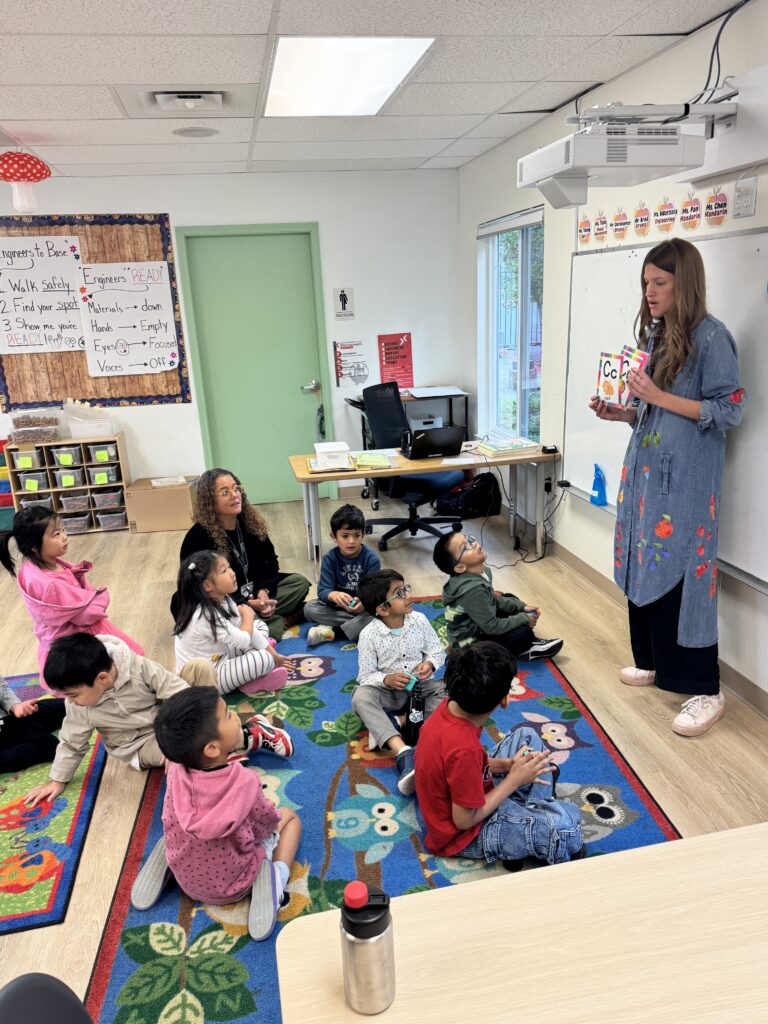
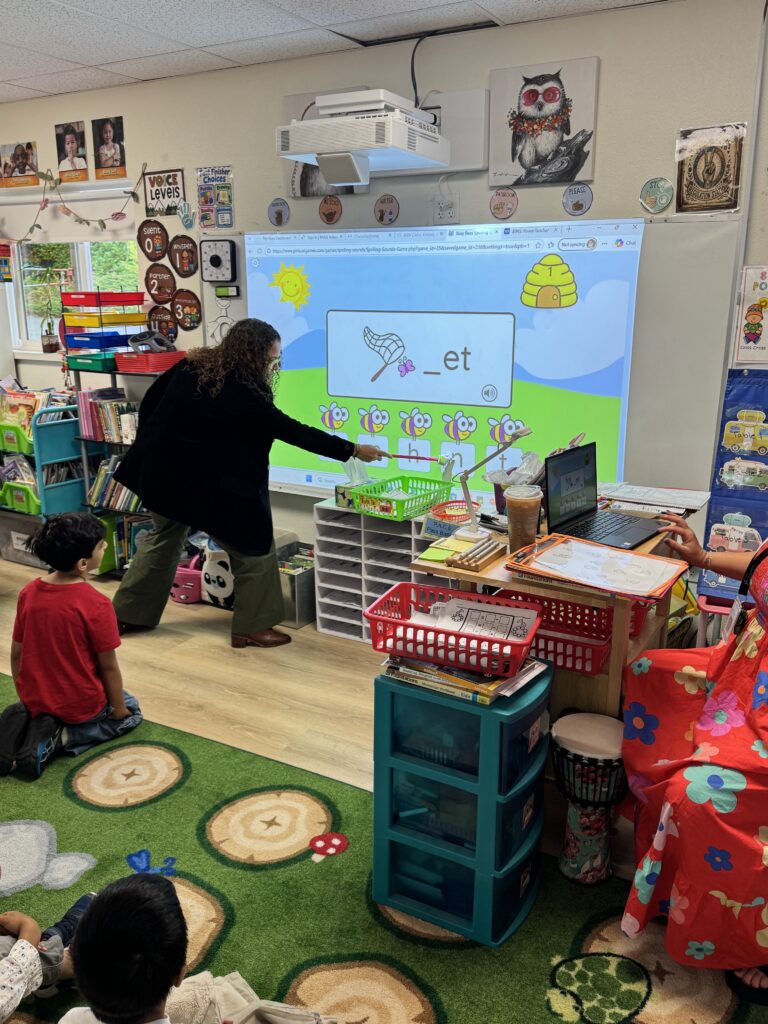
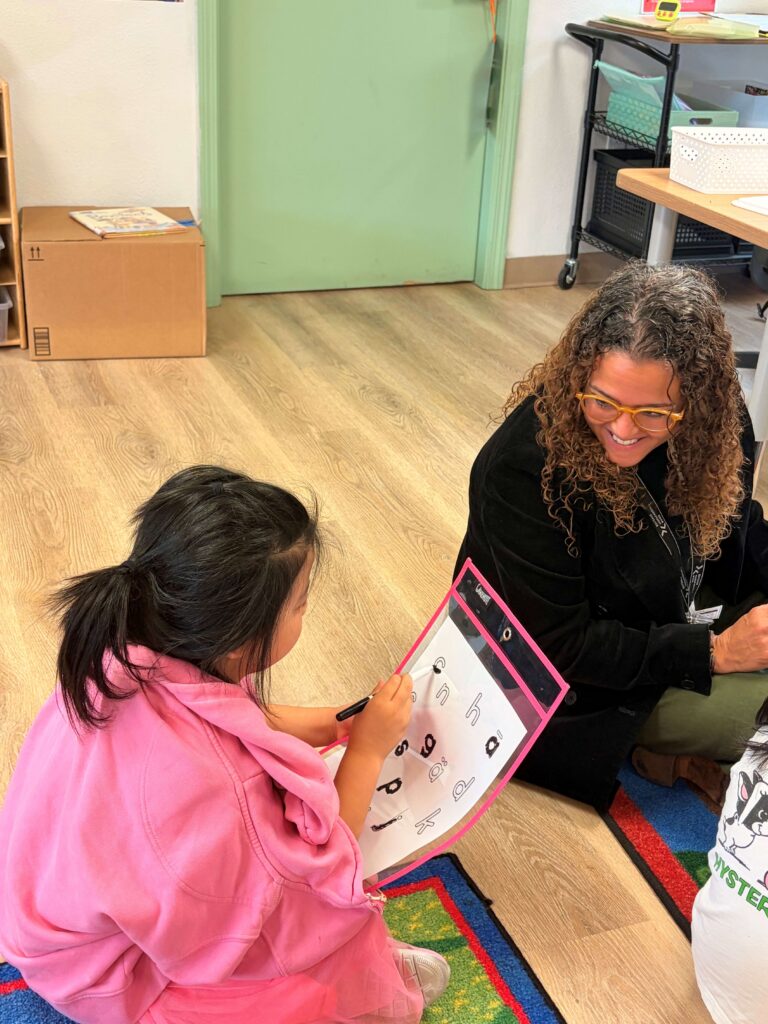
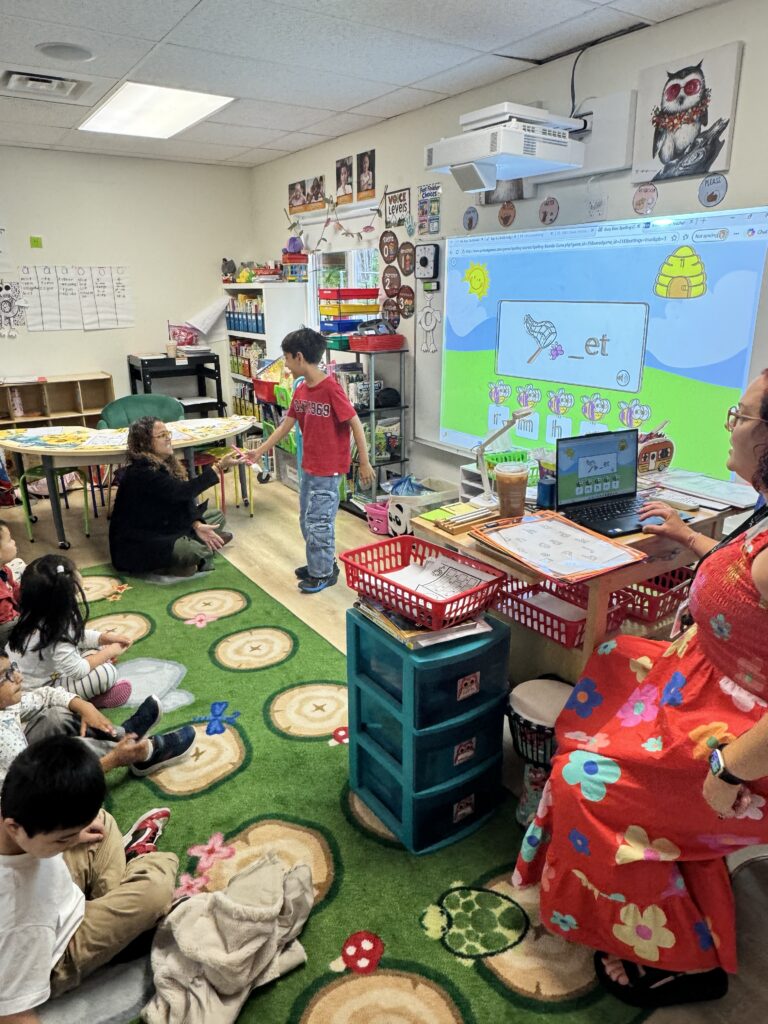
What does a typical day look like for a BASIS Independent Fremont Bumblebee? This year, our Lower School leadership team isn’t just observing from the sidelines—they’re finding out firsthand.

In a new initiative launched this fall, members of our leadership team are spending full days immersed in student life across different grade levels. No phones. No laptops. No stepping out for meetings. Just the complete student experience of sitting at desks, participating in activities, and moving through the daily schedule alongside our Bumblebees.

Learning by Living It

Recently, Mr. K Wagoner, our Director of Academic Programs, joined our grade 4 Calcium cohort for an entire school day. From morning arrival through dismissal, Mr. K Wagoner experienced the rhythm and rigor of a BASIS Independent Fremont education from a student’s perspective—tackling problem sets, collaborating with classmates, and navigating the transitions that make up a student’s day.

The goal? To gain deeper insights into the classroom experience and curriculum our students navigate daily, ensuring we’re providing the optimal learning environment and support.

Beyond Observation

This initiative represents a departure from traditional classroom observations or walkthroughs. By truly stepping into student roles, even for just a day, our leadership team gains perspectives that can’t be captured from the back of the room or through data alone.

“We can look at data and observe classrooms, but there’s something irreplaceable about actually experiencing what our students experience,” explains Mr. J Wagoner, Head of Lower School. “This initiative is about ensuring our leadership decisions are grounded in the reality of student life, not just what we think happens in classrooms, but what actually happens. When you sit in a student’s seat, you understand their day in a whole new way.”

Over the coming weeks, different members of our leadership team will rotate through various grade levels, building a comprehensive picture of student life across our Lower School campus.

Fresh Perspectives

For Mr. K Wagoner, the experience proved eye-opening. “Spending the full day in a grade 4 classroom gave me a completely different perspective on the student experience,” he shares. “You notice things about pacing, transitions, and cognitive load that you simply can’t see from the back of the classroom. I came away with a deeper appreciation for both the rigor our students manage daily and the skill our teachers bring to creating engaging, purposeful learning environments.”

This commitment to truly understanding our students’ daily experiences reflects the heart of what makes BASIS Independent Fremont special—a willingness to learn, adapt, and always put students first.

Want to learn more about the BASIS Independent Fremont experience? Contact us to schedule a tour and see our vibrant learning community in action.

BASIS Independent Fremont is a TK – Grade 12 private school, providing students with an internationally benchmarked liberal arts and sciences curriculum, with advanced STEM offerings. Considering joining the BASIS Independent Fremont community? To join our interest list for the next school year and receive admissions updates and more, please click here.

Filed Under: Administration & Staff, Department Spotlight, Faculty & Staff, Leadership, Lower School, Primary Program, Uncategorized

The Importance of Unstructured Play: Daily Recess Enriches Student Life at BASIS Independent Bellevue

December 5, 2025 by emilyhughes Leave a Comment


Why Recess Matters

Families often ask what recess looks like at BASIS Independent Bellevue. With our school’s reputation for academic rigor, it’s natural to wonder whether students still have time to move, play, and unwind. The answer is a definite yes. Recess is an intentional and consistent part of every school day. Across grade levels, students step away from academics to reset, recharge, and enjoy unstructured play. An article published by the American Psychological Association(2023) stated, “A wealth of research shows that unstructured play—play that isn’t organized or directed by adults or older peers and that generally doesn’t have a defined purpose or outcome—is a fundamental necessity for children to thrive physically, emotionally, mentally, and socially.” These breaks support their physical health, social development, and overall readiness to learn when they return to class.


Recess in Action

At BASIS Independent Bellevue, recess takes place in a safe and varied space. There are many different activities for students to choose from. There are four four-square courts and one gaga ball area. We have a full soccer field, a basketball area with hoops, and movable volleyball nets. There is also a large swing set with four swings. For younger students, there is a climbing set with monkey bars and another with a slide. We also see students using their creativity to create games of their own or explore in the nature around them. These spaces give every child a safe place to play and enjoy.

Grade 3 students experimenting with leaves.
Grade 6 students enjoying a game of four square.
Grade 3 students having fun on one of our play structures.

During recess, three teachers walk across the whole field to keep students safe and help solve problems quickly. At the same time, other staff members, including the health coordinator, the school counselor, and the Dean of Students, are always available if extra support is needed. This system makes sure students get the right help, should they need it.

Our rules are clear but also flexible. When students have different ideas about the rules, teachers set a time to meet with them. We listen, discuss, and make changes together. For example, we recently observed students having some disagreements on the basketball court. Students sometimes could not agree on which exact rules to follow. Some wanted to play by NBA rules, while others preferred the youth league rules they knew from practice. Instead of stopping the play, we helped them organize a team meeting. Together, they chose leaders, drafted rules, and later discussed the details during their Academic Enrichment time. Soon, the new rules were printed and shared with everyone. Now the basketball games run more smoothly, and students know they built the system themselves. This gave them a sense of empowerment, because the solution came from their own voices!

Students swinging in the sunshine.
All smiles at recess time!
Students playing a game of football with our Latin Subject Expert Teacher, Mr. Dowers.

The way recess is organized allows students of different ages to play together. Many families have siblings in our school, and it is also common to see older students connecting with their younger brothers or sisters. They let them take turns, show kindness, and include them in games. These small moments make our recess warm and welcoming, and helps students grow in friendship and care.

At BASIS Independent Bellevue, all grade levels have recess built into the school day, from Kindergarten through grade 12. In the Primary grades, students might be found exploring nature or playing on the playground structure. In the Middle and High School grades, students often engage in games of soccer, football, or basketball. No matter the grade level, the purpose of recess remains the same—providing unstructured time for students to connect with their peers and develop physically, emotionally, mentally, and socially.

Recess plays a meaningful role in daily school life. Over the years, it has shown itself to be more than playtime. In these valuable breaks, students practice perseverance as they keep trying in games, show active learning when they create and adjust rules, strengthen community through teamwork, and demonstrate empathy when they support classmates. The lessons learned at recess promote the well-being and success of all students, both in the classroom and beyond, by fostering resilience, building social connection, and renewing engagement in learning.

References:

The Many Wondrous Benefits of Unstructured Play. American Psychological Association (CLAY). (2023, September 26). https://www.apa.org/topics/children/kids-unstructured-play-benefits

Filed Under: Community Values, Early Learning Program, Lower School, Outdoor, Recess, School Community, Student Life, Uncategorized

A Day in the Life: Geo Y., Grade 8

December 3, 2025 by sarahpeterson Leave a Comment

BASIS Independent Fremont Upper School is where academic rigor meets opportunity. Grade 8 students take high school-level courses, lead campus initiatives, and explore everything from artificial intelligence to creative fiction. It’s a balance of academic depth and personal exploration—and no two students’ schedules look quite the same. To show you what that looks like in practice, we followed Geo through his day.

Meet Geo

Geo has been at BIF since grade 4, when he transferred from another private school in the area. Now in grade 8, he moves through a day that includes Pre-Calculus, high school Honors English, and Creative Writing, while also serving on the National Junior Honor Society and participating in Journalism, AI, and Robotics clubs. Outside of school, he’s a gamer (currently into Hollow Knight, though Minecraft dominated for years) and takes coding and Chinese classes to deepen his technical and linguistic skills.

How does he balance it all with a rigorous course load? Geo admits there’s the typical teenage struggle with procrastination, but when it’s time to buckle down, it’s manageable. “It’s like have fun and have time to do things, and then make time to do coursework.”

What makes grade 8 distinctive is how students like Geo begin to take ownership of their learning—choosing electives that reflect their interests, using Office Hours strategically for the subjects that need attention, and pursuing after-school clubs that align with their passions. The academics are demanding, but the opportunities to explore are equally rich.

Let’s follow Geo through a typical day to see what grade 8 at BIF really looks like in action.


Period 1 (8:25-9:10): Pre-Calculus AB with Mr. Sharma

Geo’s day begins with Pre-Calculus AB, a course that provides in-depth coverage of major functions, including polynomial, exponential, and trigonometric functions, before moving into matrices, discrete mathematics, and statistics. The course concludes with an introduction to calculus concepts—limits, derivatives, and integrals—preparing students for AP Calculus and beyond.

Today is test day. Students are being assessed on trigonometric functions, covering right triangles, the properties of the six trigonometric functions, application problems, and inverse trigonometric functions. It’s a rigorous start to the morning, but exactly the kind of mathematical foundation that prepares BIF students for high school and college-level work.

Academic Enrichment (9:15-9:25)

After his math test, Geo heads outside to the Quad with friends. This brief period, monitored by teachers and the Student Affairs team, gives students time to reset before diving into the rest of their day.

Period 2 (9:30-10:15): French IB with Madame Laquidara

French IB builds on introductory language study, developing listening, speaking, reading, and writing skills with a focus on effective communication. Students explore French and Francophone cultures, learning about family life, daily routines, and cultural traditions practiced throughout the French-speaking world.

Class begins with a pop quiz on which verbs are conjugated with être. Afterwards, students break into small groups for a creative project—writing songs in French set to well-known tunes. Geo’s group chose a Christmas classic to get into the holiday spirit, blending language learning with seasonal fun.

Period 3 (10:20-11:05): PE & Health 8 with Mr. Pappas

PE & Health for grade 8 teaches specific skills through sports while emphasizing teamwork, fair play, and sportsmanship. The course also covers essential health topics, including nutrition, CPR, anatomy, and physiology, providing students with knowledge for lifelong wellness.

After stretches and warm-ups, students play kickball—a chance to move, compete, and practice the collaborative skills they’re developing across all their classes.

Period 4 (11:10-11:55): Lunch

Geo brings his packed lunch to a National Junior Honor Society meeting. The first ten minutes give students time to eat and catch up, then the group moves through their agenda—reviewing mental health surveys they distributed to students, planning upcoming library organization efforts, and breaking into committees to discuss next steps for their initiatives.

Geo serves on the Peer-to-Peer Tutoring Committee, which organizes weekly tutoring opportunities for middle school students. It’s leadership in action—students identifying needs in their community and creating solutions.

Period 5 (12:00-12:45): English 8 with Ms. Hotaling

English 8 is equivalent to a high school honors program, preparing students for eventual passage of both AP English Literature and AP English Language exams. Students broaden their exposure to different genres while learning to produce thoughtful, well-argued analyses with pieces that are both soundly constructed and powerfully phrased.

Today, students identify values and discuss how these help societies function smoothly, relating the conversation to their reading of “Lord of the Flies”. It’s the kind of thematic analysis that connects literature to larger questions about human nature and social structures.

Period 6 (12:50-1:35): Physics 8 with Mr. Smith

Physics 8 builds understanding of the physical world both conceptually and mathematically, expanding concepts to real-world situations and introducing two-dimensional problems for the first time. Students develop the ability to pose scientific arguments and present evidence to support claims across topics, including kinematics, forces, energy, momentum, optics, electricity, and magnetism.

Today, students prepare for their upcoming unit test on Forces—reviewing concepts and working through practice problems that will demonstrate their mastery of the material.

Period 7 (1:40-2:25): Creative Writing with Mr. Bradshaw

Creative Writing introduces students to prose and poetry, focusing on scene, characterization, plotting, point of view, and dialogue. Students read work from classic and contemporary writers, study craft essays, and critique one another’s original writing.

Today’s prompt: “You’re walking home, and you think you’re being followed. Tell this story.” Students dive into their narratives, building tension and developing their storytelling skills. “I really like writing, especially fiction,” Geo says. “It’s a really fun thing to do, to build a world.”

Period 8 (2:30-3:15): U.S. History with Mr. Loero

U.S. History investigates American history from the Pre-Columbian Era through the turn of the 20th century, designed both thematically and chronologically. The course emphasizes historical thinking skills as students analyze primary and secondary sources, evaluate causes and effects, and examine change and continuity over time to craft historically defensible claims about the past.

Today’s topic: the Tea Act of 1773. Students discuss the political and economic tensions that contributed to colonial resistance, connecting individual events to the larger narrative of the American Revolution.

Office Hours (3:20-4:00)

Most days, Geo uses Office Hours strategically based on what he needs. “It really depends,” he explains. “Sometimes it’s French, sometimes it’s math, sometimes it’s coding. Sometimes I go to Mr. Sharma’s to get work done. It really ranges depending on what homework I have. Usually, it’s time to get coursework done. Sometimes, though, I use him for explanations.”

It’s this flexibility that makes Office Hours valuable—students can seek one-on-one help when they’re stuck, work through challenging assignments with teacher guidance, or dig deeper into subjects they’re passionate about. For Geo, it’s about meeting his needs in the moment, whether that’s tackling a tricky pre-calculus problem or clarifying French grammar.


When the final bell rings, Geo’s day continues with the clubs that fuel his interests beyond the classroom.

Journalism Club has Geo writing articles for the student newspaper, “The Yellow Pages”. His current piece explores the holiday spirit at BIF. “I think that has taught me a lot of valuable experience,” he notes—developing both writing skills and the ability to capture the school community’s voice.

Robotics Club brings theory into physical form. Students have been building, testing, and driving a moving robot—applying engineering principles, problem-solving collaboratively, and iterating their designs based on real-world performance.

AI Club takes students on a deep dive into how artificial intelligence actually works—and it’s a lot of lines of code. “It’s very interesting to see the functions and how it all works,” Geo says. “It’s very interesting and very intriguing, though it does get a little complicated at times.” The complexity doesn’t deter him; it draws him deeper into understanding the technology shaping the future.

From Pre-Calculus to Creative Writing, from NJHS leadership to hands-on robotics, Geo’s day showcases what’s possible when rigorous academics meet genuine opportunities for exploration. His advice to other students? “I would say join the clubs that seem the most fun for you, but also have a balance of education.” It’s a demanding schedule, yes—but one that prepares students not just for high school, but for thinking critically, creating boldly, and pursuing their passions with purpose.

Curious about what your student’s day could look like at BIF? We’d love to show you around. Click here to schedule a tour, attend an upcoming open house, or reach out to our admissions team to learn more about BASIS Independent Fremont Upper School.

BASIS Independent Fremont is a TK – Grade 12 private school, providing students with an internationally benchmarked liberal arts and sciences curriculum, with advanced STEM offerings. Considering joining the BASIS Independent Fremont community? To join our interest list for the next school year and receive admissions updates and more, please click here.

Filed Under: Academics, Clubs & Activities, Extracurriculars, Middle School, Student Life, Student Spotlight, Uncategorized

  • Page 1
  • Page 2
  • Page 3
  • Interim pages omitted …
  • Page 5
  • Go to Next Page »

© BASIS Independent Schools

  • Contact Us
  • Media Recognition
  • Careers
  • Privacy Policy
  • CA Privacy
  • Terms of Use

Headquartered in Campbell, California, Spring Education Group is majority-owned by investment funds administered by Primavera Holdings Limited, an investment firm owned by Chinese persons and principally based in Hong Kong with operations in the United States, China and Singapore.

Sitemap