• Skip to primary navigation
  • Skip to main content

BASIS Independent Schools

BASIS Independent SchoolsBASIS Independent Schools
  • About
    • Why BASIS Independent Schools?
    • Diversity & Citizenship
    • History
    • Benefits of Small Class Sizes
  • Academics
    • Curriculum
    • Early Learning Program
    • Primary Program
    • Middle School Program
    • High School Program
    • The Senior Year
    • Summer Programs
    • International Student Program
  • Achievements
    • International Performance
    • College Admissions
    • Advanced Placement
    • National Merit
  • Find Your School
Inquire

Lower School

The Evolution of Lab Sciences: From Exploration in Primary Years to Advanced Laboratory Experiences in High School

May 22, 2026 by emilyhughes Leave a Comment

At BASIS Independent Bellevue, science comes to life through hands-on experiments, collaborative projects, and engaging investigations that encourage students to think critically and creatively. Across every division, from Primary School to High School, students are actively exploring the world around them in a variety of capacities.

Primary School: Building Curiosity Through Exploration

In Primary School, students are introduced to the wonders of science and engineering through engaging, project-based learning experiences. Throughout the primary years students deepen their knowledge of essential science concepts while teachers inspire a sense of wonder and excitement about the natural world, encouraging them to see themselves as young scientists ready to explore and discover.

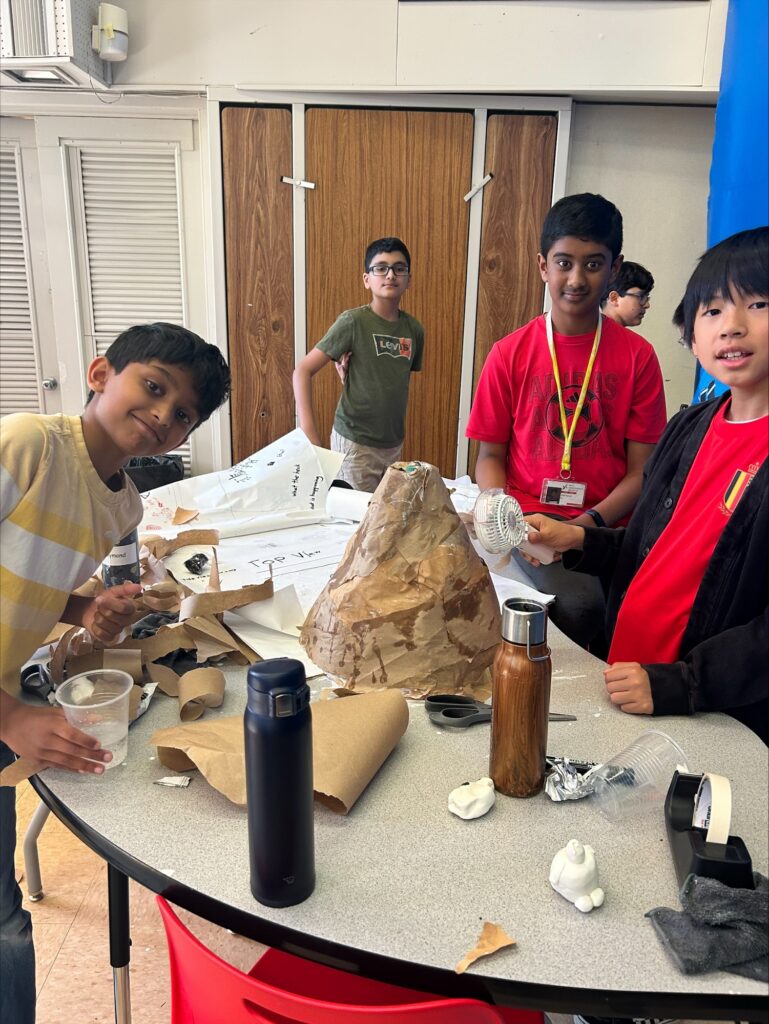
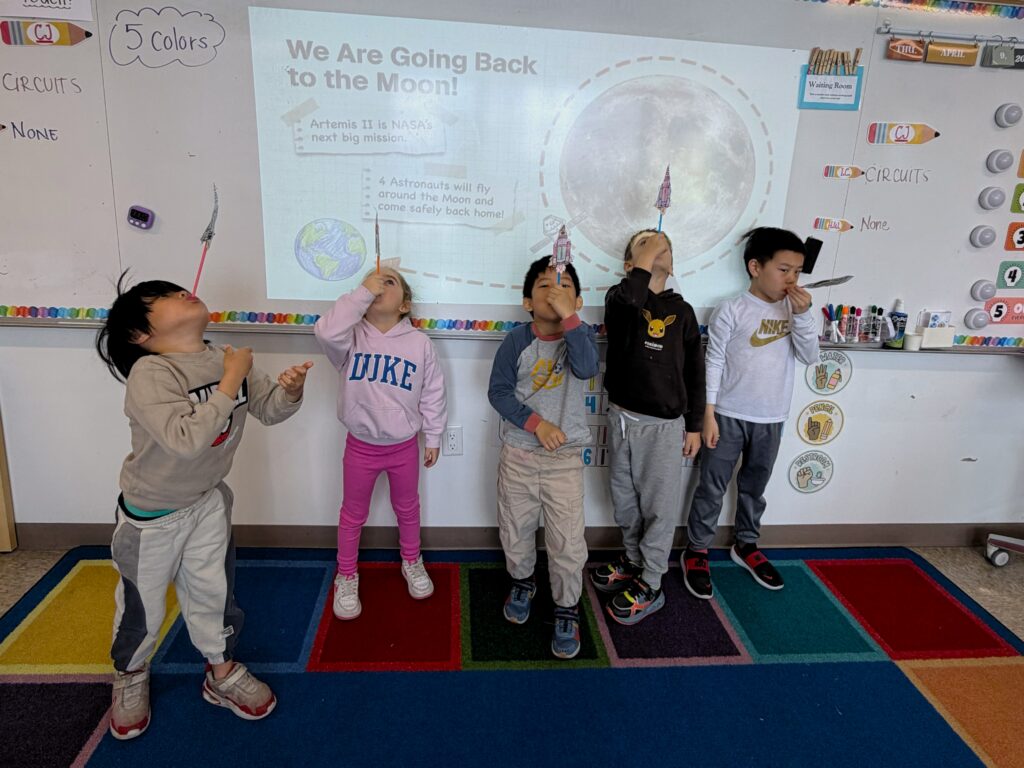
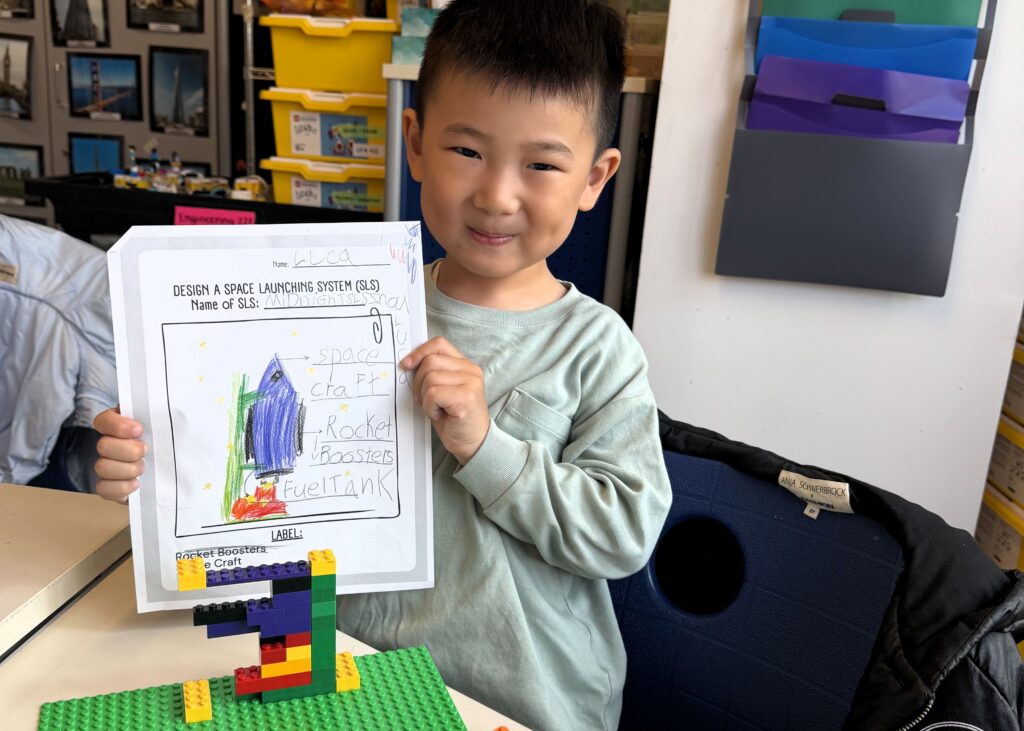
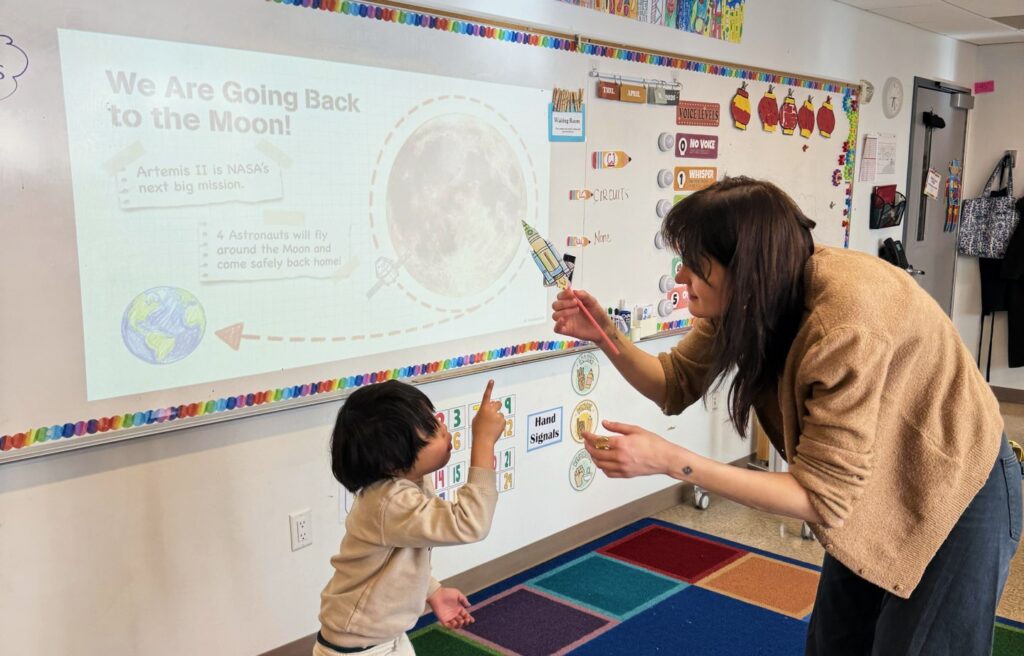
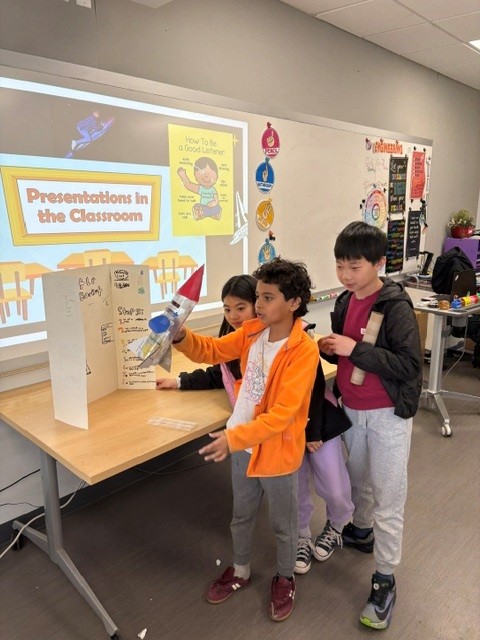
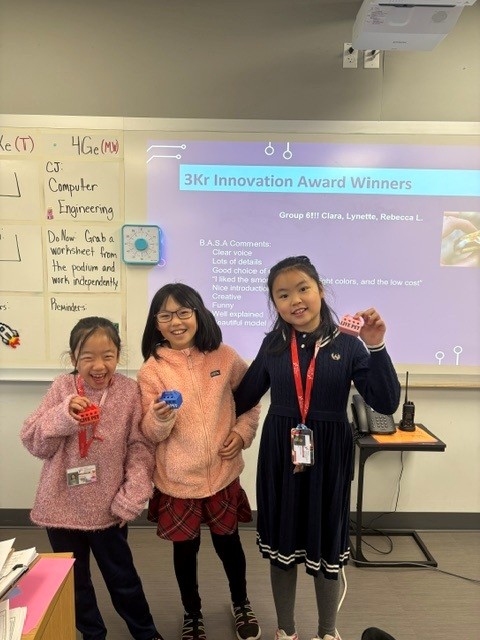
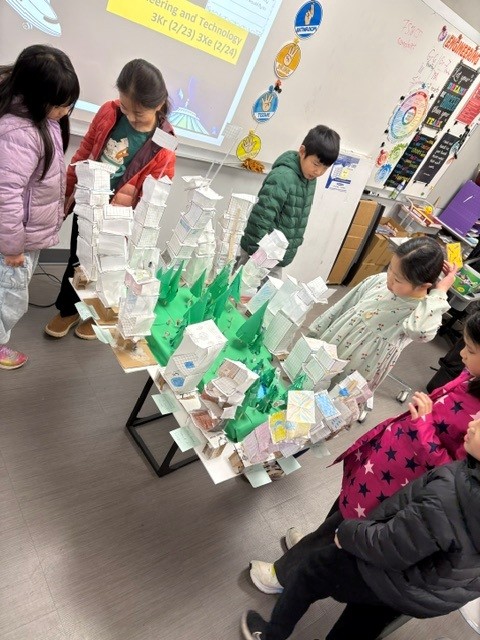
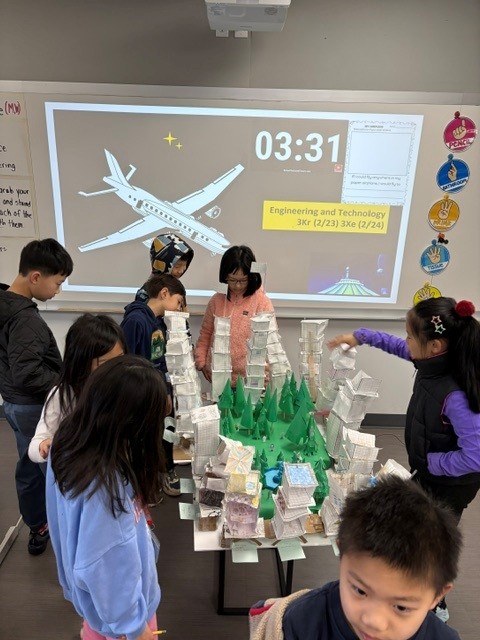
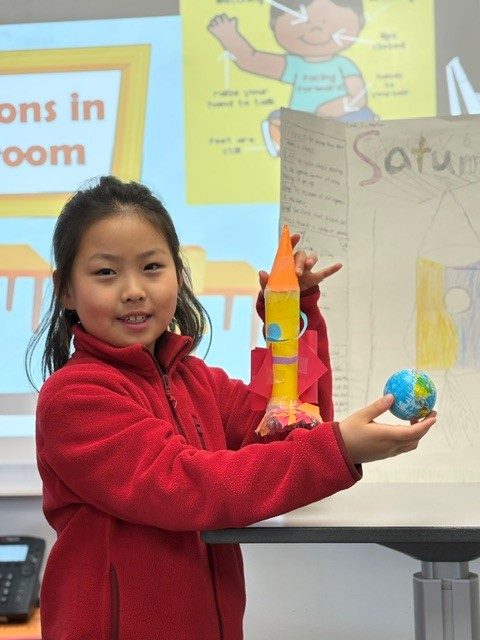
In engineering classes, students explored various aspects of STEAM through units on civil and aerospace engineering. During the civil engineering unit, students worked collaboratively to design free-standing paper skyscrapers and environmentally informed cities centered around green spaces. In aerospace engineering, students designed rockets inspired by the Artemis II launch. During presentations, the BASIS Aeronautics Space Administration (B.A.S.A.) voted on the most innovative rocket design, with one winning all-girls team, impressing classmates by designing a rocket capable of cooking s’mores for astronauts during takeoff.

Class presentations
Most Innovative Rocket Design Winners!
Paper skyscraper city
Grade 3 students admiring their city.
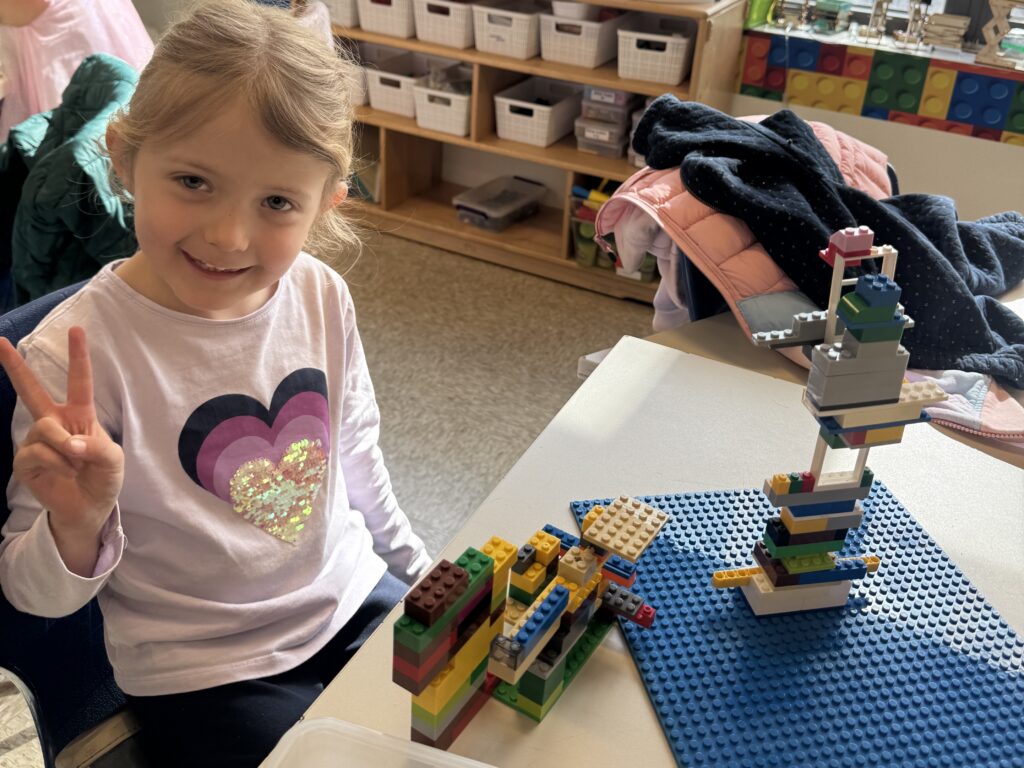
A proud rocket engineer!

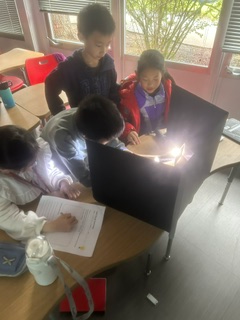
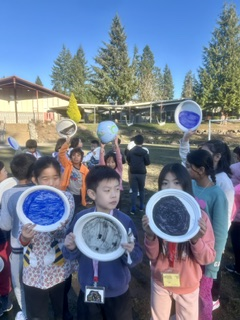
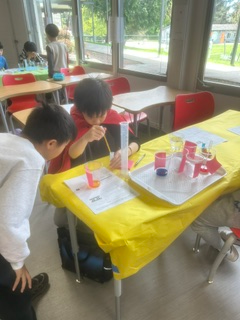
Students also participated in several exciting scientific investigations throughout the year. During a month-long moon phase project, students observed and documented the moon each night in moon journals before reenacting the positions of the Earth, moon, and sun to better understand lunar phases. Students also explored light energy through learning centers focused on how light travels and reflects off surfaces. Another favorite activity came during the measurement unit, where students practiced measuring liquids and following detailed lab instructions. If completed correctly, the experiment resulted in a colorful rainbow, making science both educational and exciting.

Exploring light energy
Reenacting lunar phases
Rainbow measuring lab

Middle School: Applying Science Through Hands-on Learning

Middle School students take scientific exploration to the next level through challenging labs, engineering projects, and interactive investigations. From grade 6–grade 8 students take three separate, concurrent science classes, biology, chemistry, and physics.

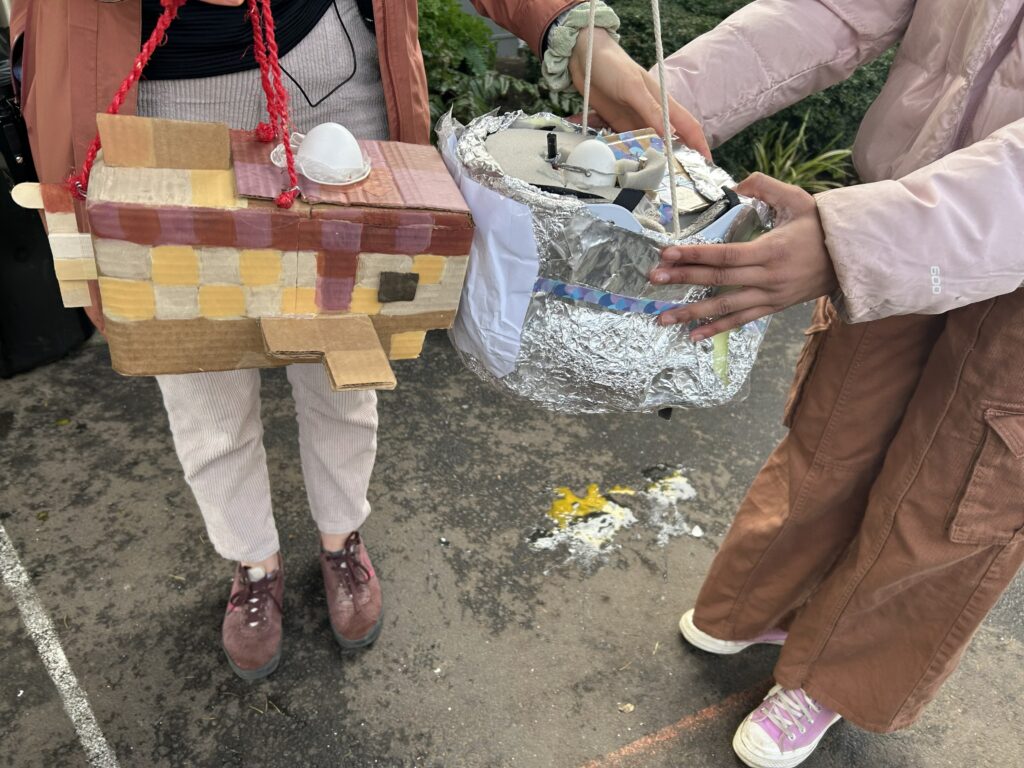
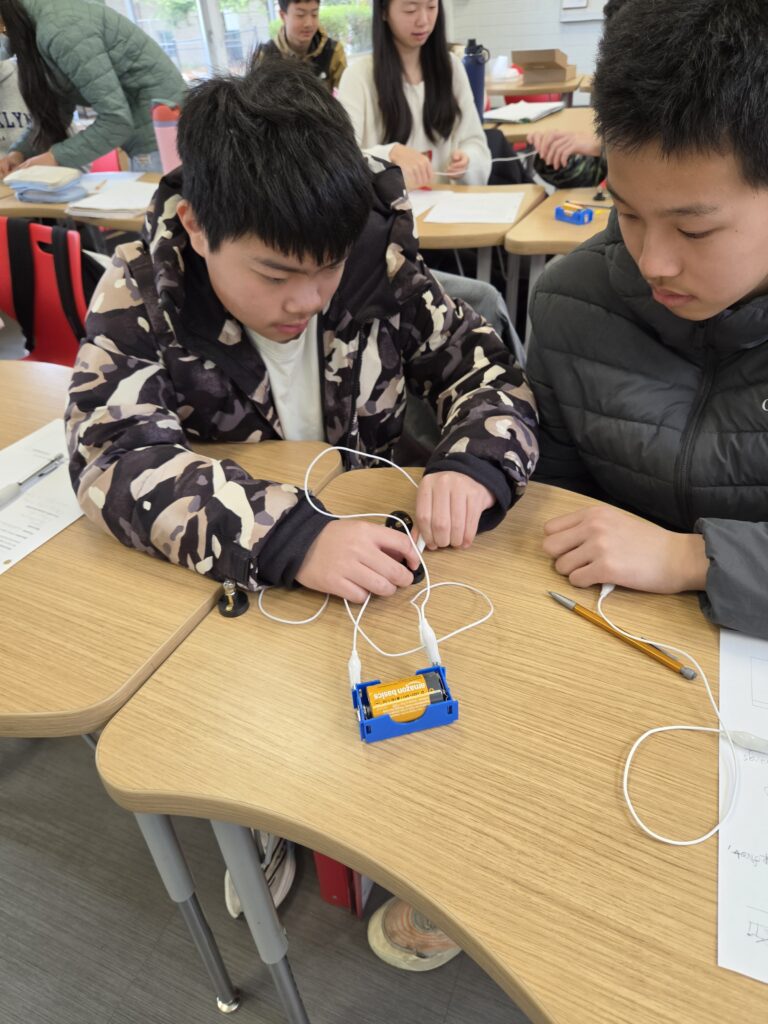
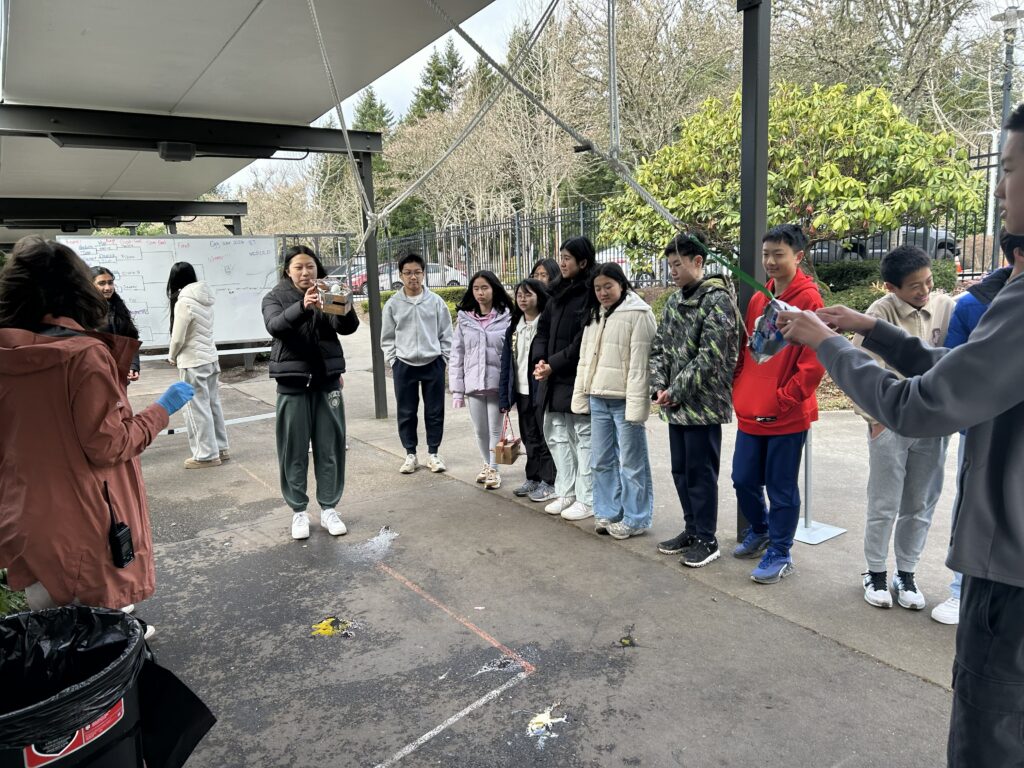
In physics classes, students participated in the “Egg War,” where they applied concepts such as Newton’s Laws, momentum, impulse, and kinematics to design vehicles capable of protecting an egg during a head-on collision. Students also explored electricity by building a variety of circuits using batteries, wires, and light bulbs, gaining firsthand experience with electrical systems and experimentation.

Final round of “The Egg War”
Experimenting with circuits
“The Egg War” in action

Engineering electives have also provided students with opportunities to collaborate and innovate. In grade 6 Introduction to Engineering, students worked together to build and code robots capable of competing in friendly robot battles. Through this project, students strengthened their skills in coding, construction, teamwork, and problem-solving.

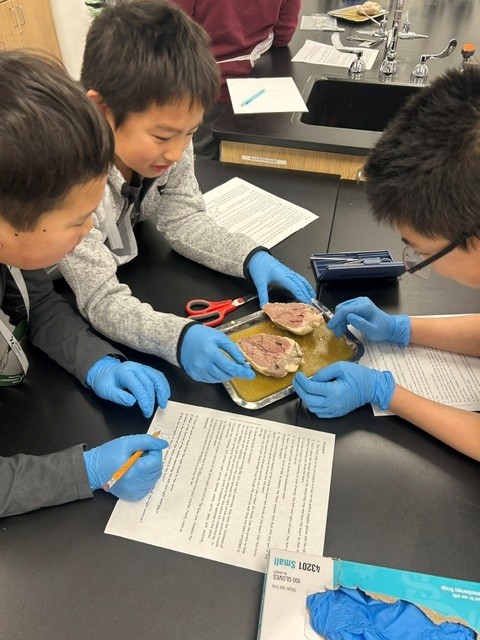
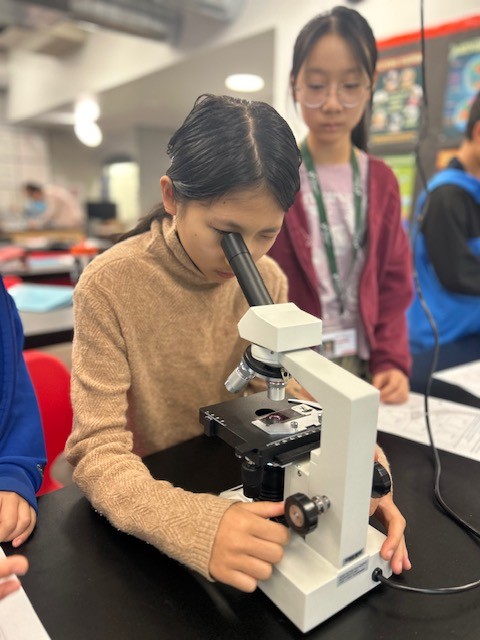
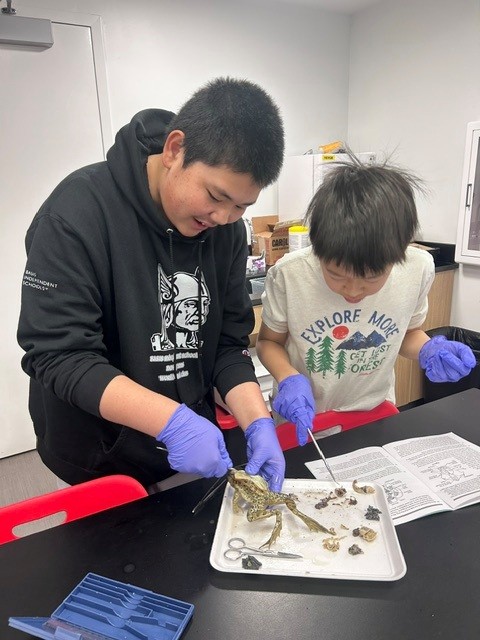
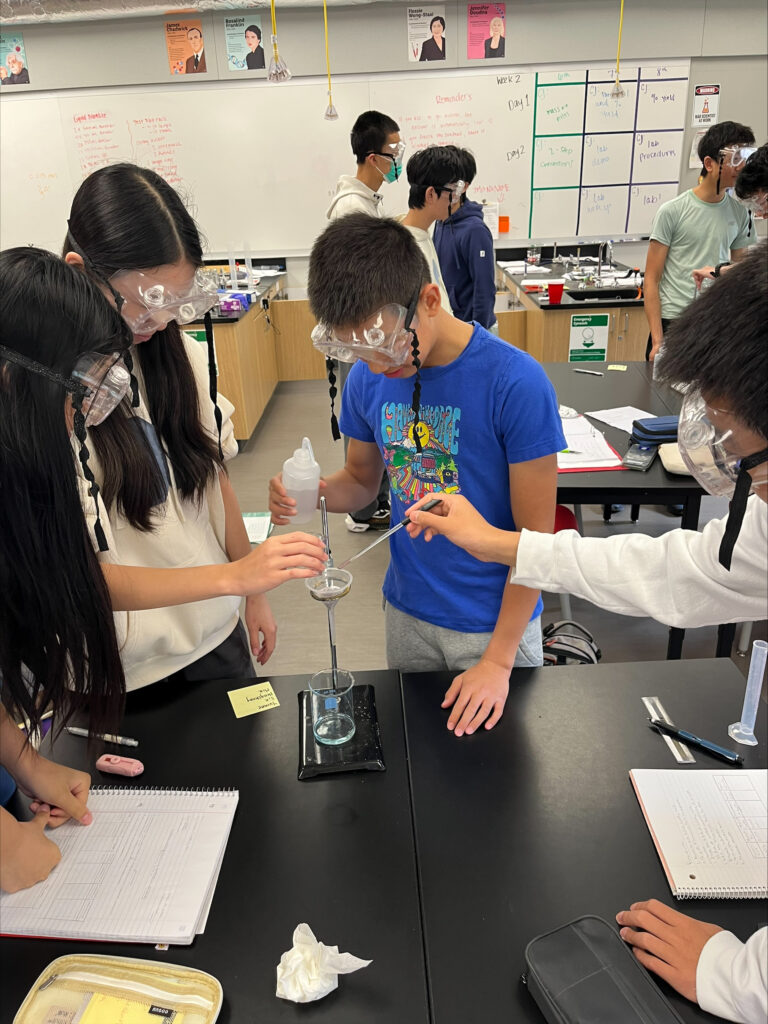
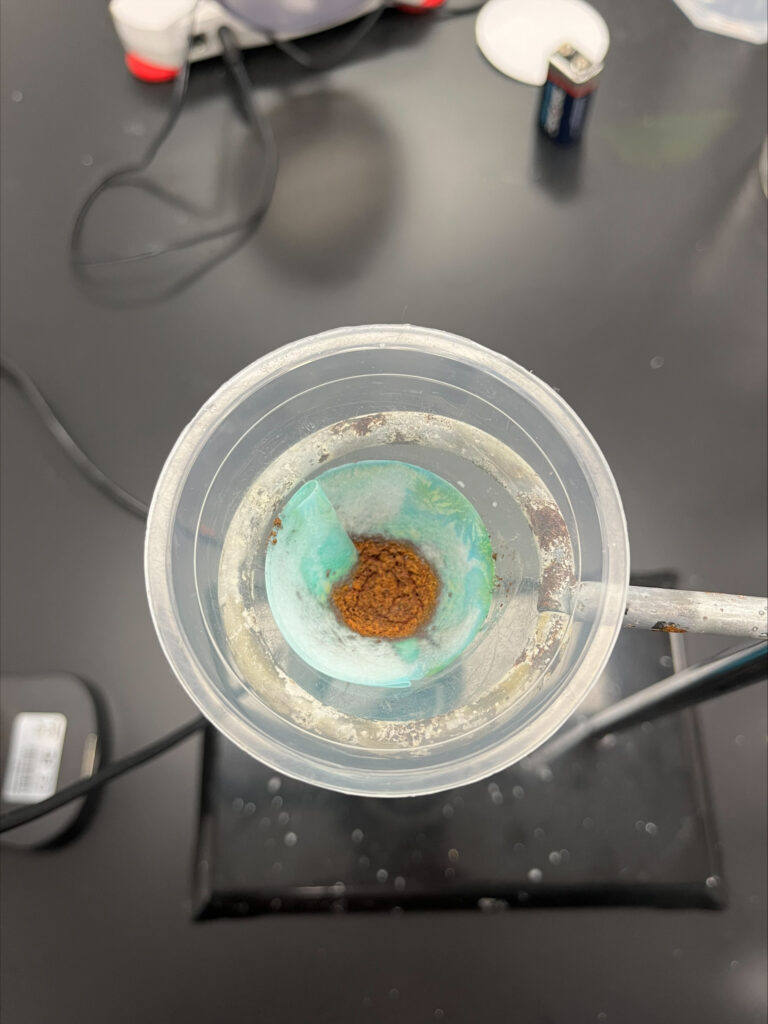
Middle School chemistry students recently completed a stoichiometry lab involving a single replacement reaction between Copper (II) Sulfate and Aluminum. Students calculated theoretical yields, conducted the reaction, and analyzed their percent yield based on the copper produced. Biology students have also immersed themselves in the study of anatomy and life sciences through a variety of dissections, including cow hearts, cow eyes, frogs, and owl pellets. In addition, students explored the microscopic world by using microscopes to observe tissues, organisms, and cellular structures.

Cow heart dissection
Observations with a microscope
Frog dissection
Stoichiometry lab
Copper yield

High School: Connecting Theory to Real-World Science

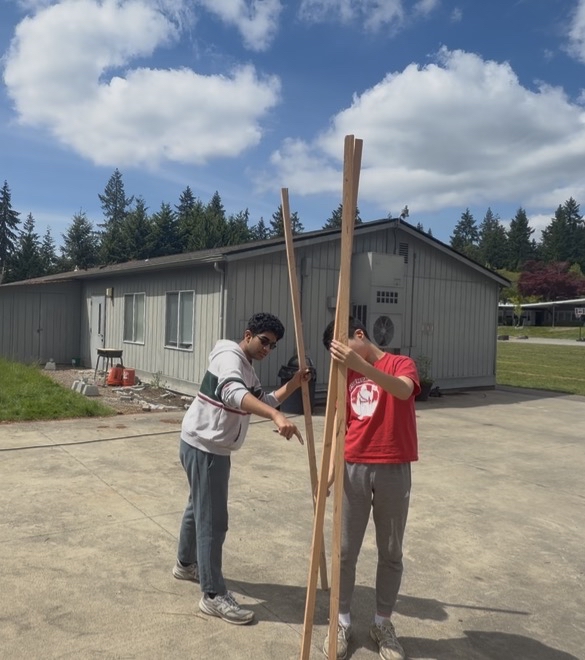
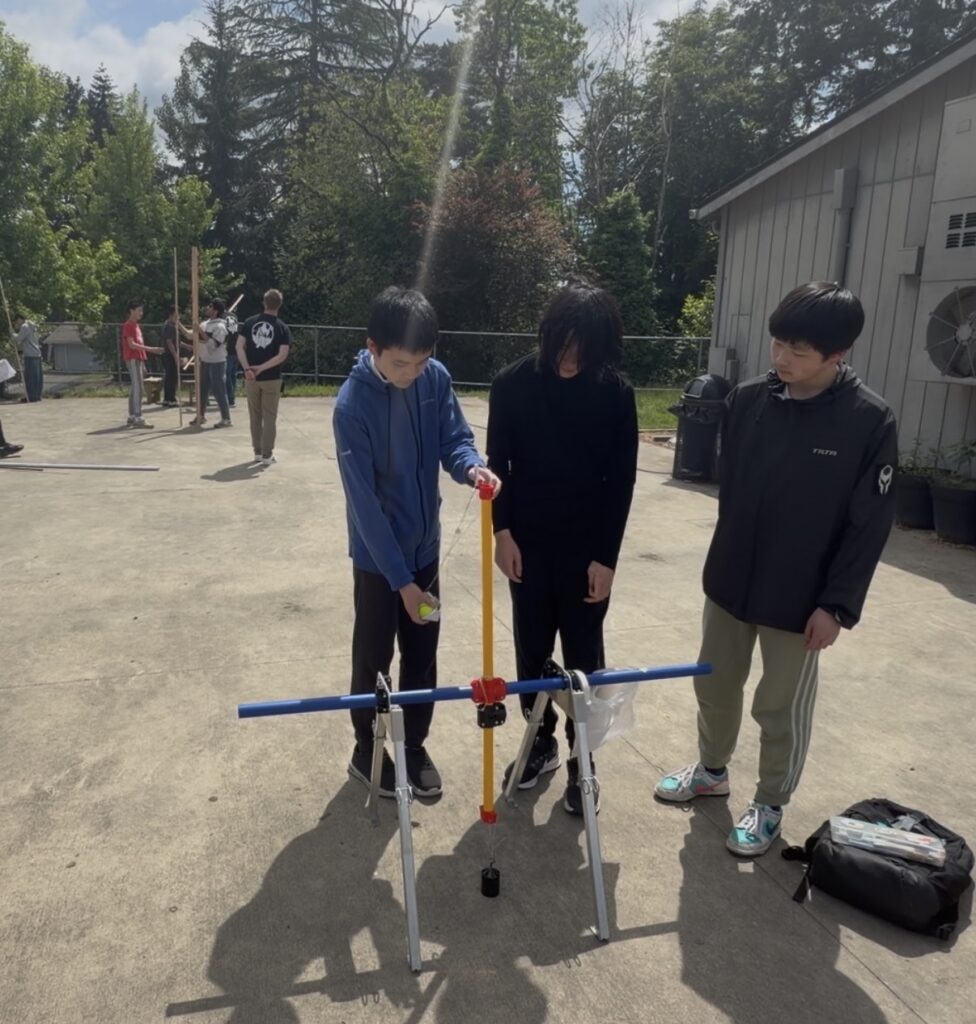
In high school science courses, students deepen their understanding of scientific concepts through advanced laboratory experiences and independent inquiry. In AP Physics 2, students conducted a capacitance lab in which they built parallel-plate capacitors using aluminum foil and textbooks. By testing how effectively paper functioned as a dielectric material, students were able to apply classroom equations to real-world experimentation and engineering design. In AP Physics 1, students got to build model trebuchets, a medieval siege engine powered by a counterweight. They explored the forces and torques acting on the system and how their design choices affected the range and accuracy of their models.

Building the trebuchet
Testing the trebuchet

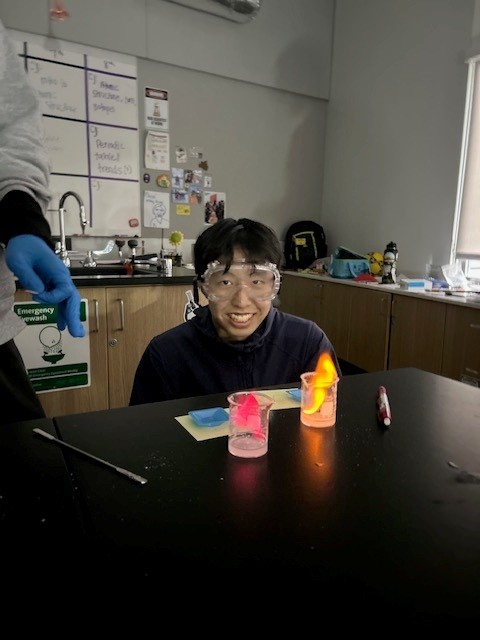
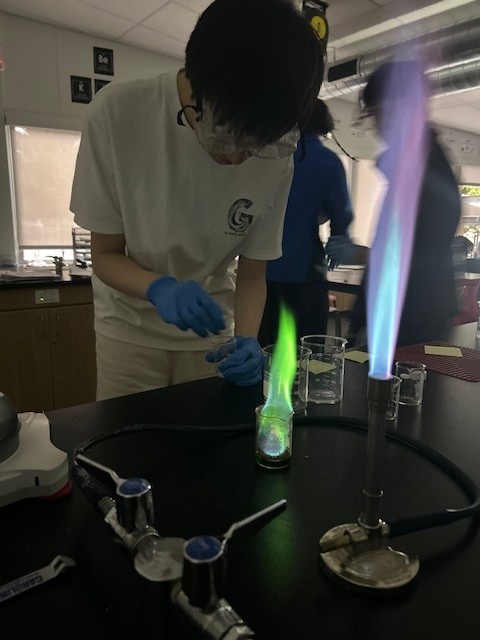
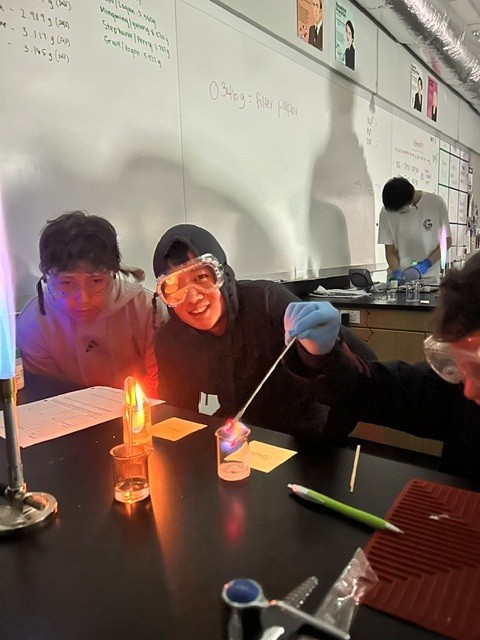
Honors and AP Chemistry students have also engaged in a wide variety of labs throughout the year, including titrations, acids and bases investigations, and experimental procedure design. Students are often challenged to create their own methods for achieving a scientific goal using only a provided set of materials, encouraging creativity and critical thinking in the lab. But what is the fun in chemistry without some fire? One particularly memorable experiment involved testing metals in flames to demonstrate properties of matter. By combining alcohol with different salts, students produced brilliantly colored flames that brought chemistry concepts vividly to life!


From designing rockets and building robots to conducting advanced chemistry and physics experiments, students across all grade levels are discovering that science is more than just a subject. It is an opportunity to explore, create, and innovate. Through these engaging lab experiences, our students continue to develop the problem-solving skills that will assist them in their future endeavors.


Filed Under: Academics, High School, Lower School, Middle School, Science, STEM, Student Learning, Uncategorized

Grade 5 Students Take on the National Latin Exam

May 7, 2026 by ezekielbracamonte Leave a Comment

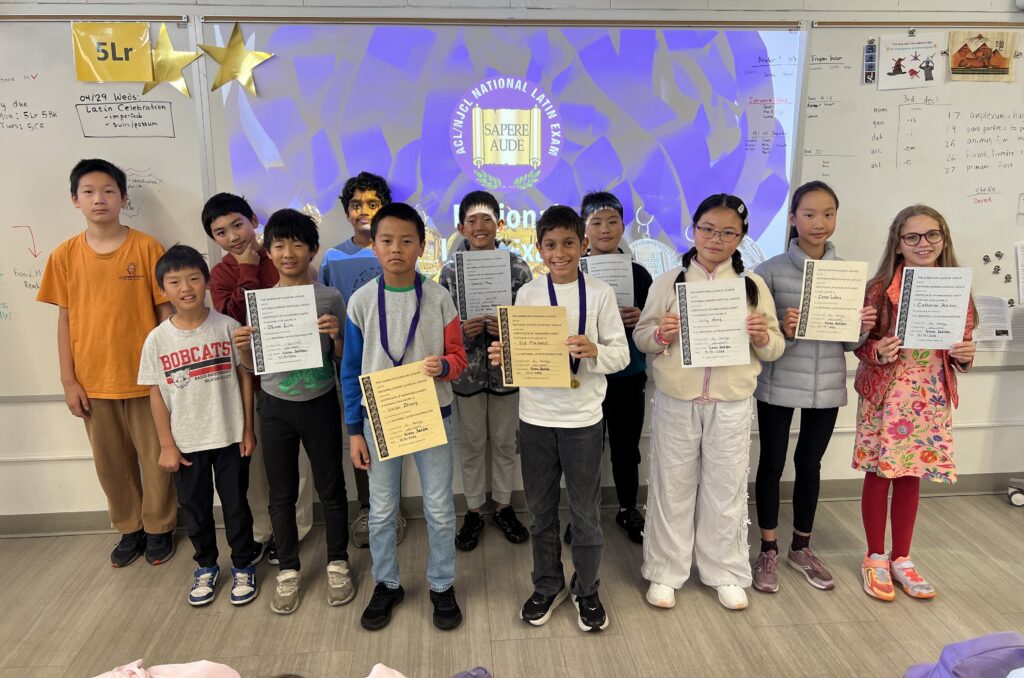
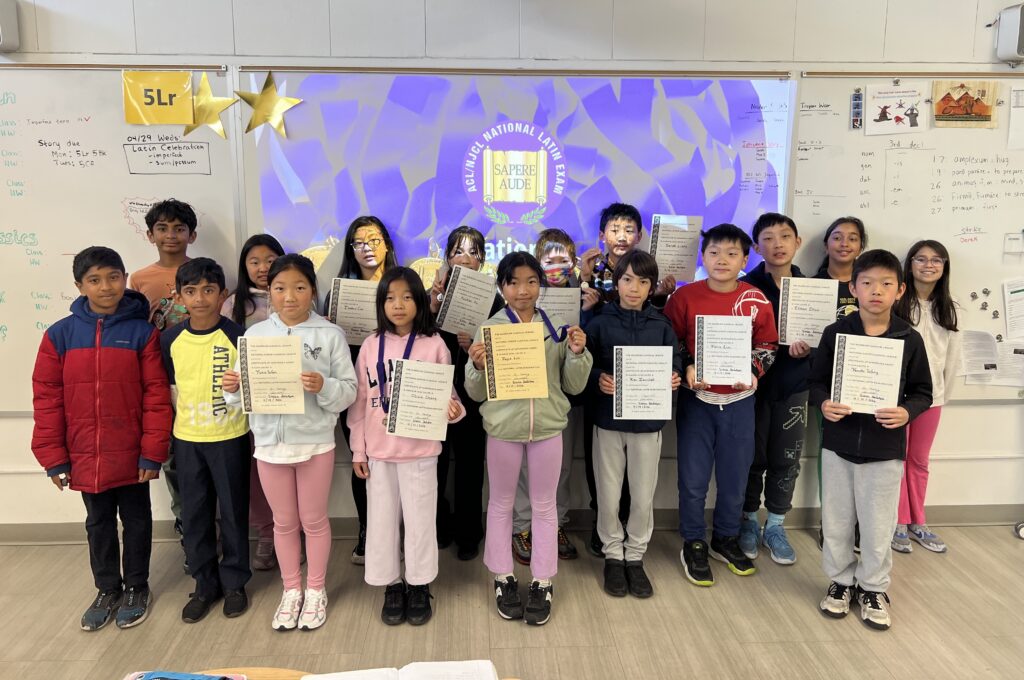
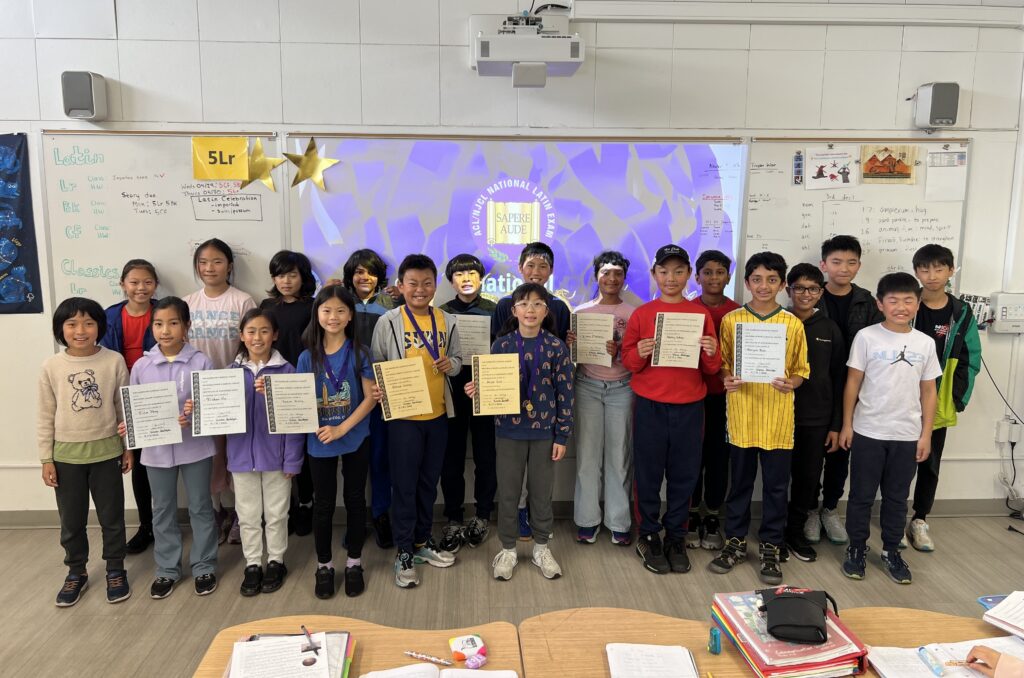
This March, our Grade 5 Latin students reached an exciting milestone as they participated in the National Latin Exam (NLE) for the very first time.

The National Latin Exam is a nationally recognized academic competition that invites students to demonstrate their knowledge of Latin language and culture. Covering areas such as vocabulary, grammar, mythology, history, and Roman life, the exam offers students a chance to apply what they have learned in the classroom while also seeing how they compare with peers across the country.

The exam consists of 40 multiple choice questions, with awards granted based on the number of correct answers. Students can earn distinctions ranging from Cum Laude to the prestigious Gold Medal and Summa Cum Laude recognition.


We would like to congratulate all of our Grade 5 participants for taking on this challenge and representing our school so thoughtfully. We are especially proud to recognize the following students who earned top honors:

Gold Medalists (Summa Cum Laude, 37+ correct):
Sid M.
Lucas Z.
Anya G.
Joyce L.
Ethan W.
Jasper S.

Silver Medalists (Maxima Cum Laude, 35–36 correct):
Niam S.
Alex W.
Lily W.
Yuxin X.
Avery X.
Derek L.
Yuchen H.
Olivia C.


In total, more than half of our participating students received awards, an impressive accomplishment. What makes this achievement even more remarkable is that our Grade 5 students are competing above the typical level. At many schools, students take this introductory exam in Grades 6 through 8, meaning our students are engaging with the material several years earlier. In fact, Grade 5 is not even a standard option for the exam, and had to be entered as “other.”

Reflecting on the experience, Latin teacher Mr. Salehzai shared, “The NLE is something very near and dear to my heart because it was the one time each year when I felt I could be proud of my own interests and skillset. And now, it feels like déjà vu seeing the same spark in our students that once shined in me when I myself took the NLE in high school. I’m extremely proud of our students not just for how well they performed, but also for how excited and supportive they were of each other during the whole process.”

This experience not only highlights the strength of our Latin program, but also reflects the curiosity, dedication, and enthusiasm of our students. By taking on this challenge early, they are building a strong foundation that will support continued success in the years ahead.

We look forward to seeing these students continue their Latin journey and take on the National Latin Exam again at the Upper School campus, striving for even greater accomplishments.

BASIS Independent Silicon Valley is a TK–Grade 12 private school, offering an internationally benchmarked liberal arts and sciences curriculum, with advanced STEM offerings. Considering joining the Bobcat community? To join our interest list for the next school year and receive admissions updates and more, please click here. 

Filed Under: Awards & Recognition, Latin, Lower School, Student Achievement

Gaining the Parent Perspective

April 23, 2026 by jogoldfarb Leave a Comment

On April 18th, current parents at BASIS Independent Brooklyn’s Lower School campus sat down with prospective families to share what life at the school is really like. Their message was clear and consistent: strong academics paired with personalized academic support, a genuine love of learning, meaningful school-family partnership, and a rich cultural and artistic environment are what define the experience here.

Read on for a recap of the conversation.

Strong Academics

For the families on the panel, academic strength was the top reason they chose BASIS Independent Brooklyn. Parents described an environment that raises the bar and trusts students to rise to the challenge given the proper support to do so, with one parent saying that the school treats children like “sponges” rather than underestimating what they are capable of doing in the classroom.

Parents cited examples from history and STEM classes, in particular a project where their PreK student learned about the body by constructing a whole “suit” of organs that they wore with things like plastic bags representing lungs and a paper towel roll for the esophagus. Several contrasted their experience here with prior schools that felt less challenging or lacked clear academic standards. One parent noted that BASIS Independent Brooklyn’s commitment to curriculum stood out even during remote learning. She described our school as one of the only schools that maintained a clear academic focus during the COVID-19 pandemic. Across the board, parents felt confident that their children were receiving meaningful, high-quality instruction.

Academic Growth Supported

Academic growth is supported through a culture of individualized help, anchored by the school’s Student Hours system. Teachers offer after-school sessions where students can review assignments or classwork with teachers in a low-pressure setting. One parent commented that Student Hours are not seen as negative at all, as was the case when she was growing up. It is a great system for getting students caught up or for those who need more review. One parent’s child progressed rapidly in writing through these sessions combined with home practice.

The panel reinforced how the culture around Student Hours is normal and inclusive, with most kids participating at some point. This approach helps students address gaps quickly and builds confidence in their learning.

It is also worth noting that in PreK through Grade 4, BASIS Independent Brooklyn classes have a unique two-teacher model, with two teachers in the classroom with deep knowledge of effective pedagogical techniques and expertise. These two teachers work together to guide students in making vital connections inside and outside the classroom, delivering lessons to elicit student engagement and inspire a joy of learning.

School Community and Partnership

Parents spoke warmly about the strength of the school-family partnership. Weekly Parent Fridays invite families into the classrooms, giving children the chance to show their grown-ups what they have been working on and their classroom. This boosts excitement and connection.

Outside of school, the community extends into social life. Birthday parties, informal gatherings, and school-organized events outside of school foster close relationships among parents.

Parents noted that the school is great about organizing special events outside of school, such as the Community Art event happening after the Open House. These events create a relaxed, less structured way for lasting friendships to form among both children and their parents and guardians.

Cultural and Artistic Programming

Parents were enthusiastic about the school’s hands-on cultural and artistic programming, describing it as both enriching and developmentally appropriate. Regular cultural celebrations encourage students to learn about different heritages through food, movement, music, and art.

One parent gave the example that this year’s music classes included Latin American styles taught by Mr. Peebles, who has a master’s degree in music as well as a degree in Hispanic Studies, adding unique value. Students performed Winter Concerts showcasing their new cultural dance skills, and that was wonderful.

Art classes introduce students to a range of techniques and foundational principles, and drama programs and music education contribute to a well-rounded school experience beyond core academics. Specials including Mandarin, early STEM, art, music, movement, and drama create a comprehensive enrichment environment.

Thank you to all our parent panelists for a wonderful conversation. Your candor and insights made for a truly enriching conversation, and the families in attendance were so glad to hear your perspectives.

————————

BASIS Independent Brooklyn is a PreK–Grade 12 private school, providing students with an internationally benchmarked liberal arts and sciences curriculum, with advanced STEM offerings. Considering joining the Bears community? To join our interest list for the next school year and receive admissions updates and more, please click here.

Filed Under: Admissions, Admissions Events, Community Values, Culture of Support, Featured, Lower School

Grade 3 at BASIS Independent Bellevue Takes Center Stage!

April 2, 2026 by emilyhughes Leave a Comment

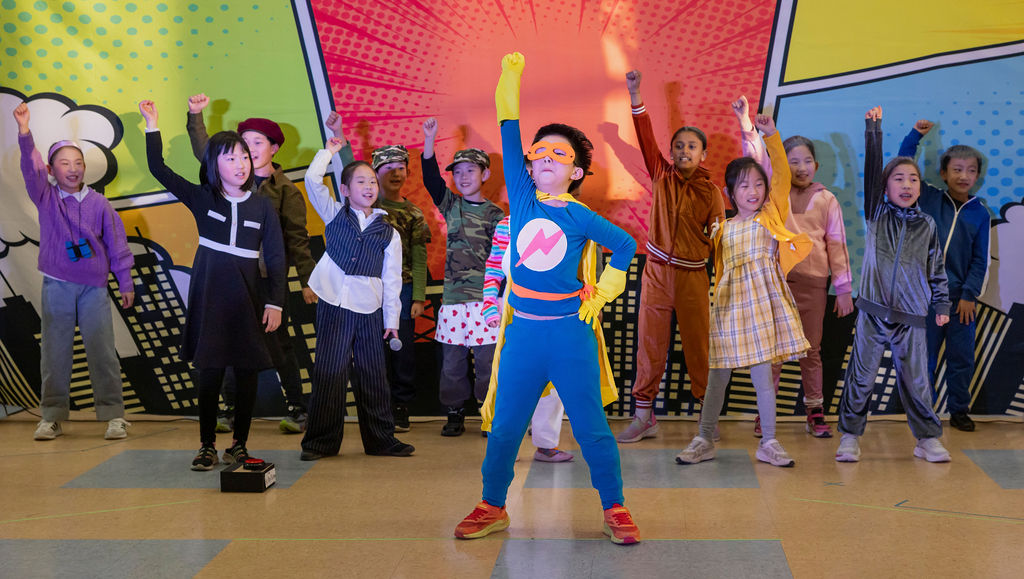
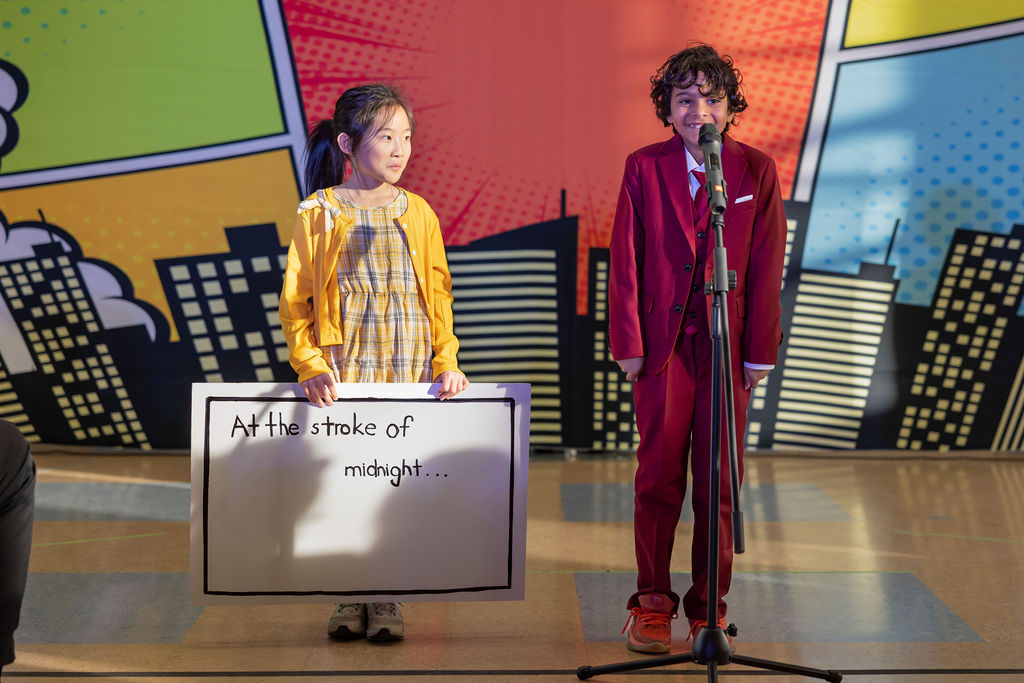
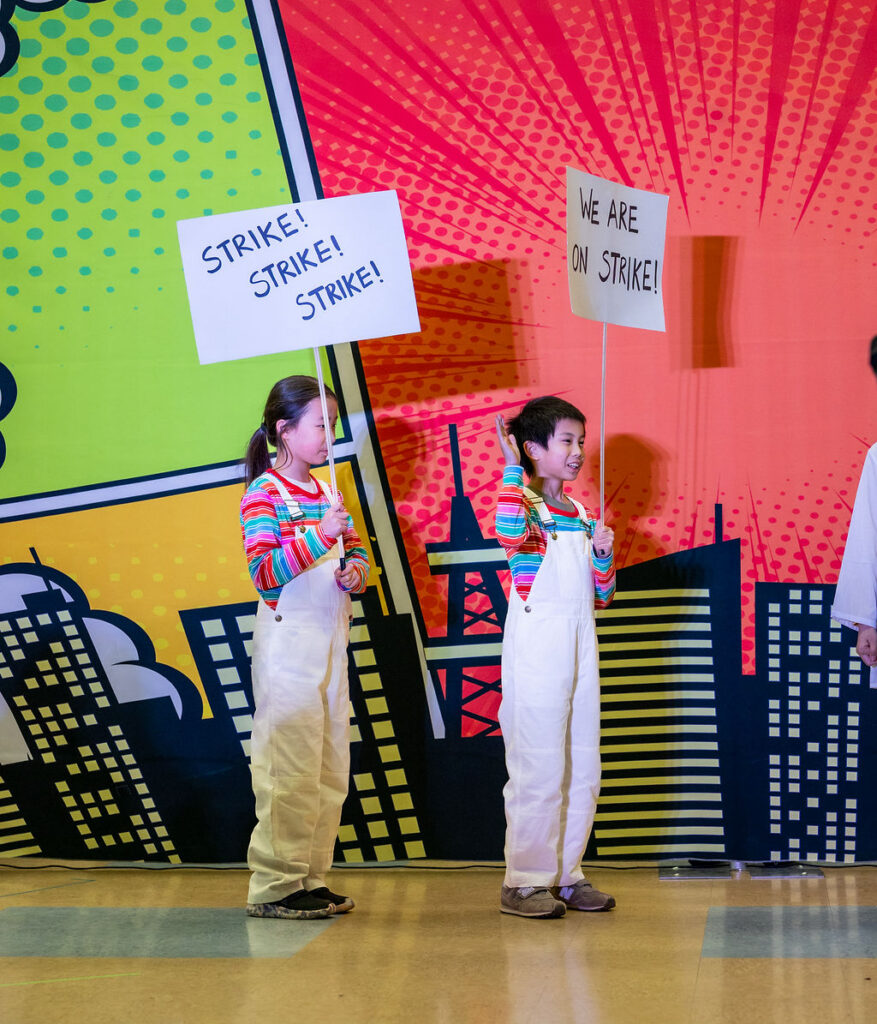
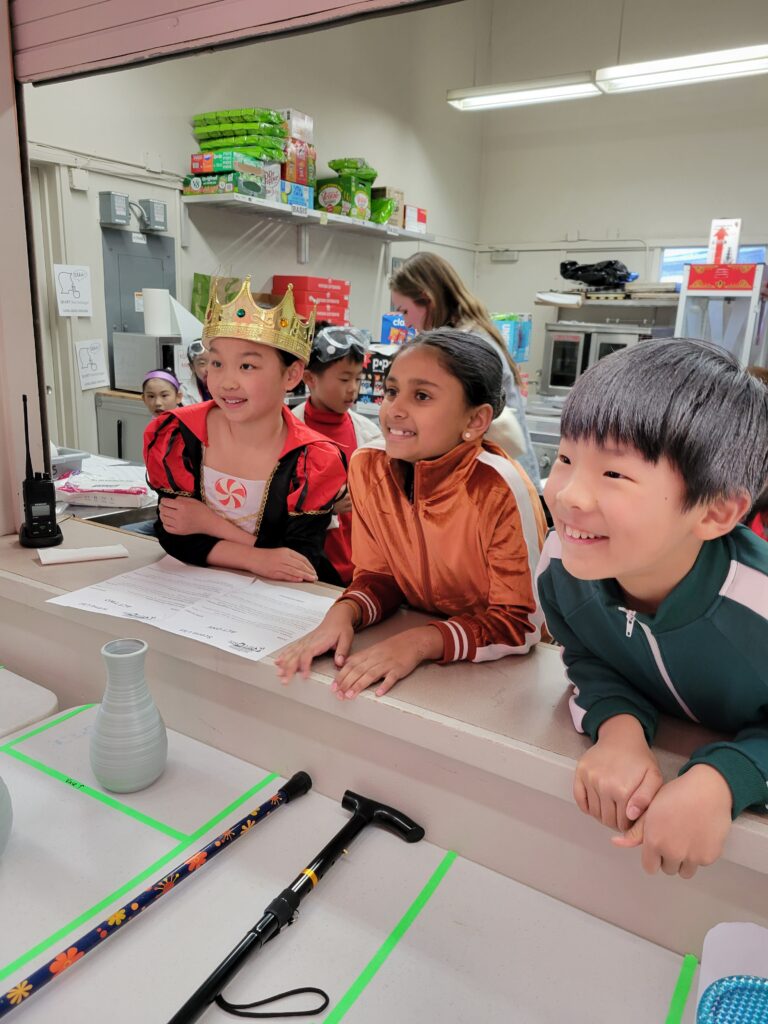
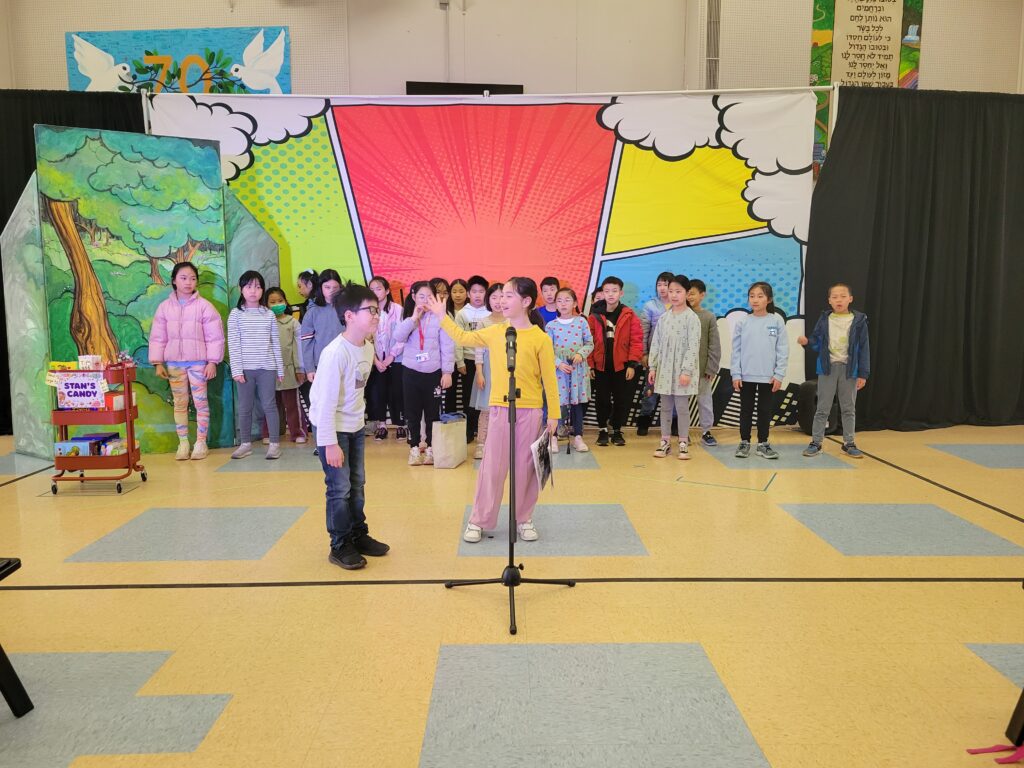
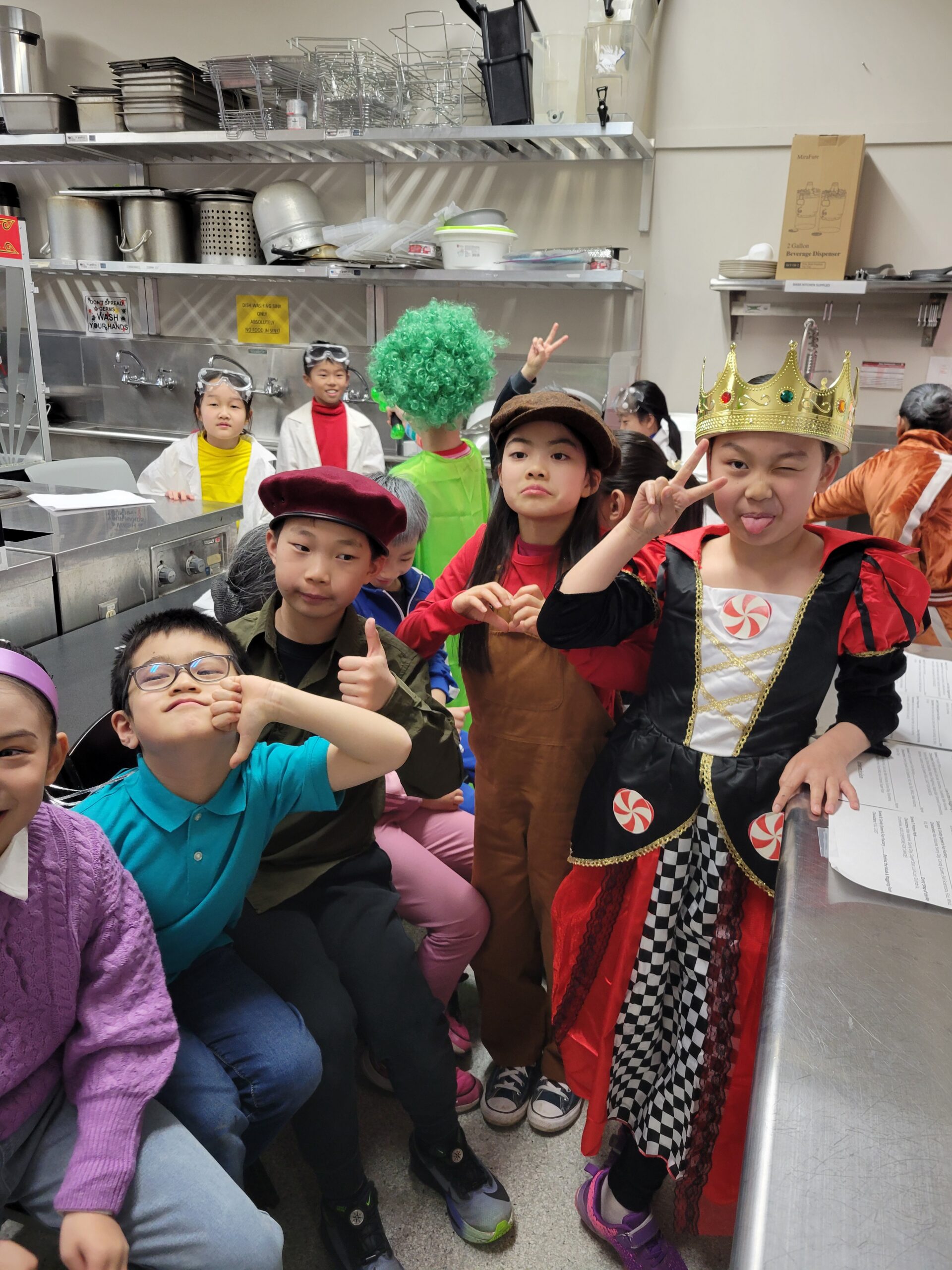
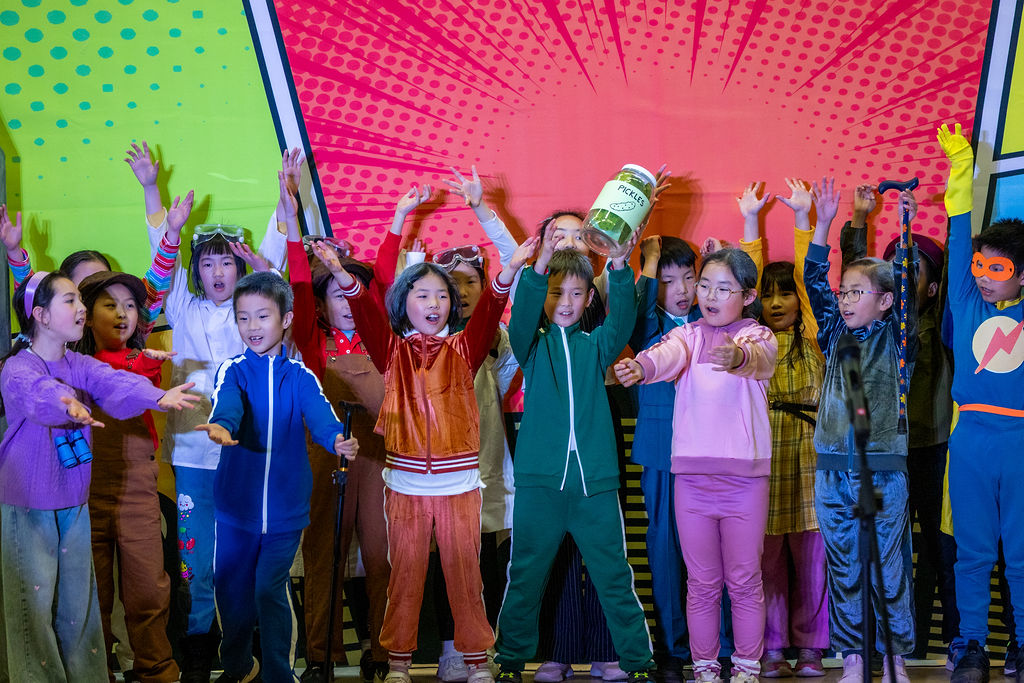
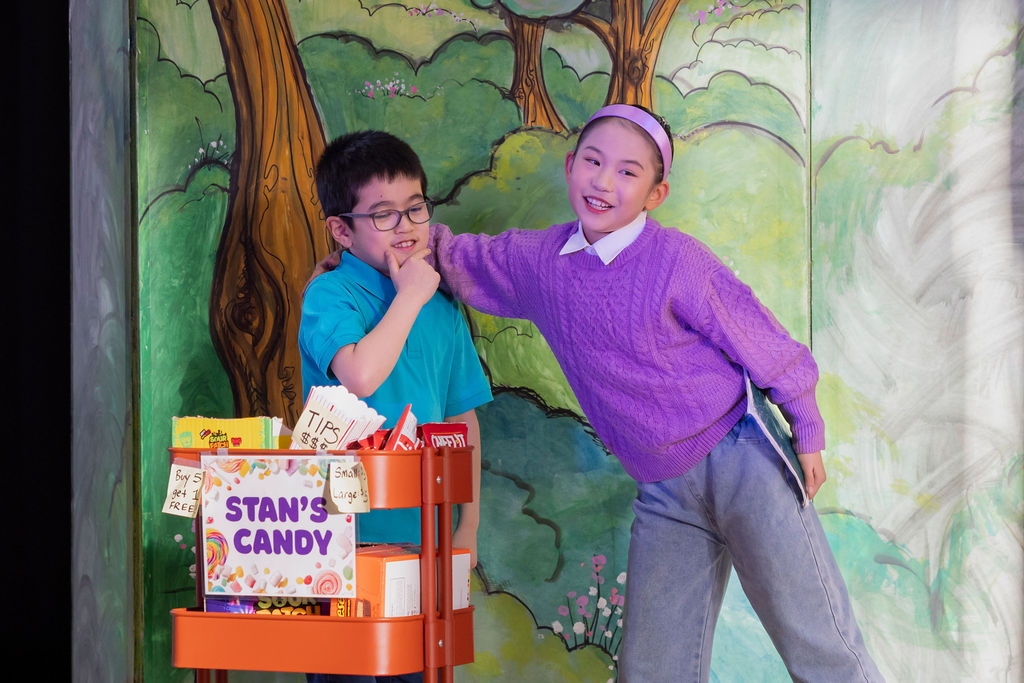
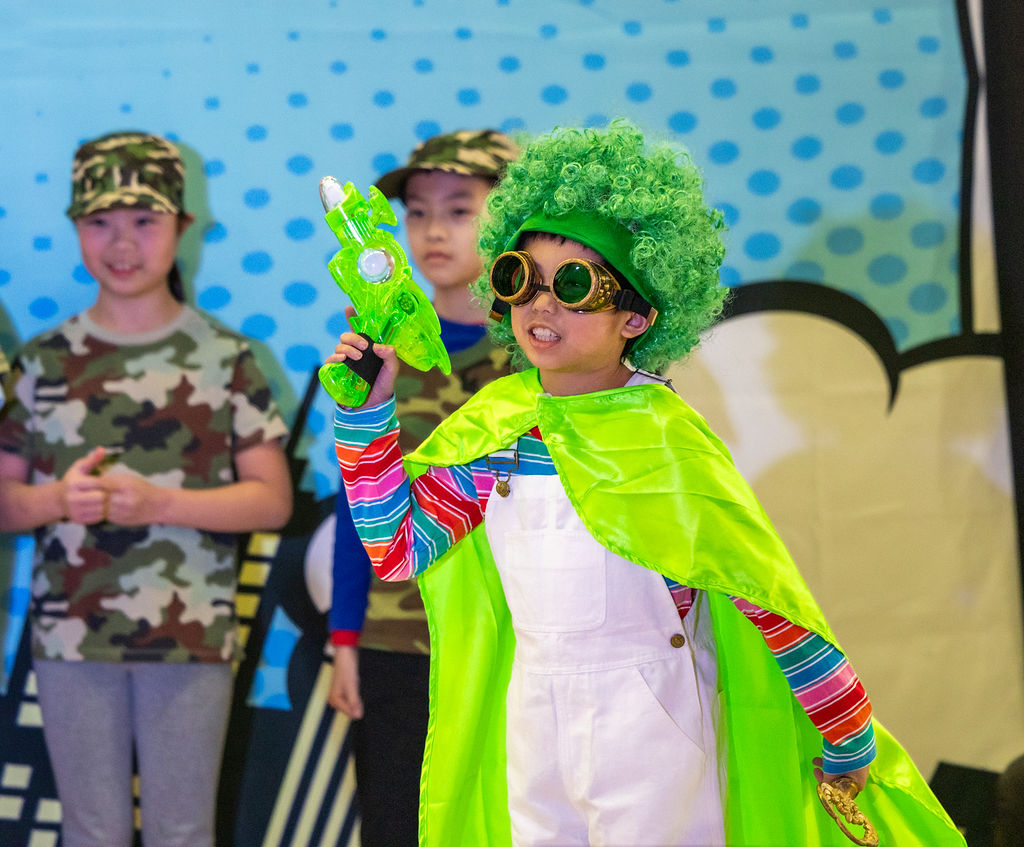
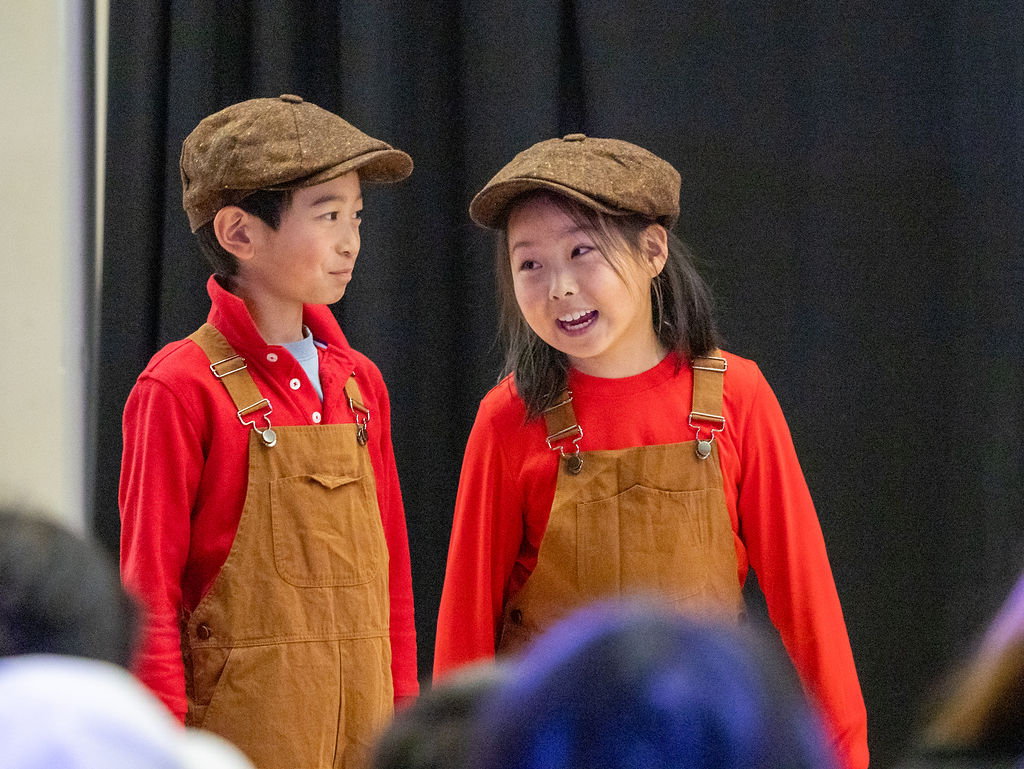
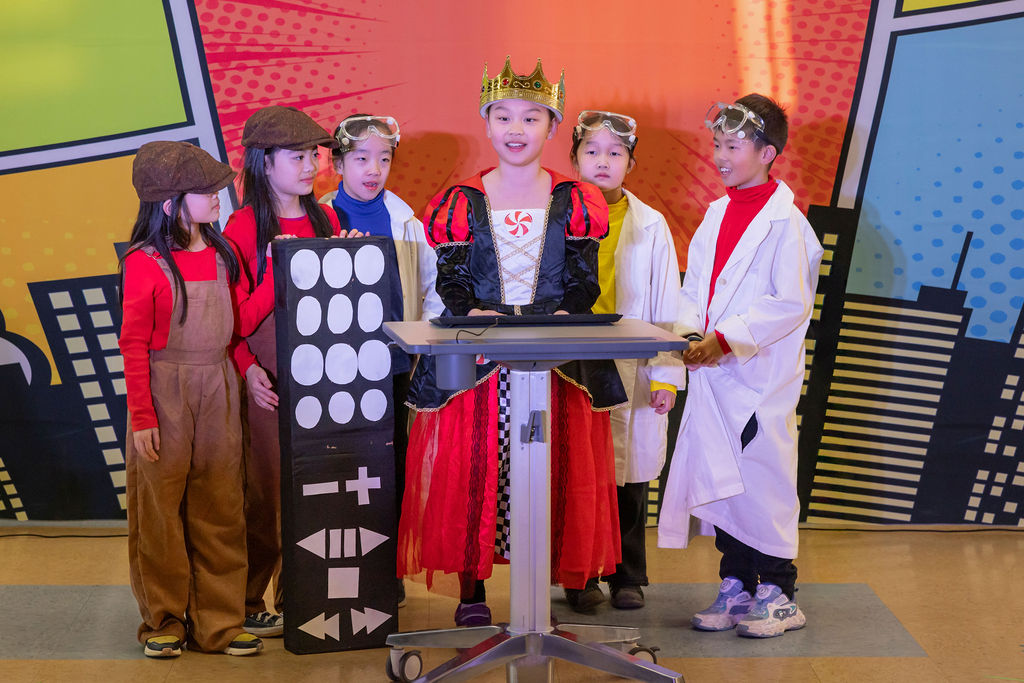
Last week, our grade 3 students took to the stage to bring the city of Megaville to life in our super-charged production of The Amazing Adventures of Super Stan—a wacky musical comedy that is one-half Marvel Comics and one-half Looney Tunes. The show was directed by our wonderful Drama Subject Expert Teacher, Mr. Brad.

The play stars, Stanley Marvel who has the most boring job in Megaville, but he’s happy to read his comics and dream his life away. That is, until it’s turned upside-down when he discovers that local hero, The Candy Queen, is actually a super villain determined to conquer the world! Thanks to a secret hero-making formula his grandma invented years ago, Stanley becomes Super Stan, a caped crusader fighting for truth, freedom, and justice with the strength to save the day (and open a really tricky jar of pickles!).


Behind The Scenes

In grade 3, the students spent the first month and a half of the school year working on fundamental skills like voice projection, stage directions, and the three tools of an actor: voice, body, and imagination, during their drama class. After the foundations were established the students were ready to audition for the musical in mid-October. When asked what the audition process was like, Mr. Brad shared, “As a director, selecting which actor will play which role can be a challenge. You want to make decisions that play to both the strengths the actors already possess, but also ones that will allow them opportunities to grow and learn new skills and step outside their comfort zones. I was very pleasantly surprised how many strong singers I had to choose from too!”

Each grade 3 class got to have their own cast and their own show for the musical. This also allowed for flexibility if a student was sick on the night of their show, their double in the other cast could step in, allowing a system for understudies who knew the show intimately. Thankfully, no one ended up being sick the week of the show.


Show Time!

Finally, March had arrived, the month of the show, and all of their preparation paid off with a show full of energy, laughter, and joy! While adding costumes, props, and set are all exciting stages of the rehearsal process, it is the final addition of the audience that brings it all together; there is no show without an audience to receive it. The casts were both a mix of excitement and nerves, which Mr. Brad reassured his students, was totally normal. Putting aside their fears, these actors bravely stepped onto the stage and gave the show their all.

When asked what his favorite part of the musical was, Mr. Brad shared, “One of the most special parts of this musical was how every single actor had an important role to play. Each student had a character name, lines to remember, and featured moments throughout the show—whether that meant delivering a goofy punchline, small group dances, taking part in comical fight sequences, or singing their own solos.”

During the show the two actors who played the lead of Stanley Marvel, Bryan and Shannon, particularly melted the hearts of the audiences with Stan’s eleven o’clock solo ballad Behind the Mask, where the character psyches himself up for the impending final battle, even though he has lost his powers. When asked what it was like to perform in front of an audience, Shannon shared, “At the start of the show I was feeling shy, but then I got so into the musical I forgot there were people watching me!”


Beyond the Stage

Watching these students support one another on stage and rise to each challenge showed just how much they had learned, not only about performing arts, but also other life skills like teamwork, focus, and perseverance. When mistakes happened, the actors had each other’s back; a line was dropped here and there, and the actors kept the show going. When one actor forgot a major prop, the actor playing the evil Candy Queen that night didn’t miss a beat, and she improvised a line ordering her minion to go and find it—brilliant! Some students who were so shy at the start of the year where confidently shouting their lines out with courage. While an entertaining show is certainly the goal, watching these young actors grow and learn is the most satisfying part of the process by far.

This production also showcased some wonderful collaboration across grade levels. Some highly creative grade 6 students helped design and build props for the show, adding extra imagination and personality to the world of Super Stan.

Congratulations to the cast and crew of The Amazing Adventures of Super Stan on a job well-done! Additionally we are so grateful for Mr. Brad and his hard work to make this show and blog possible. Bravo to all!


Filed Under: Department Spotlight, Fine Arts, Lower School, Primary Program, School Community, Student Learning, Uncategorized

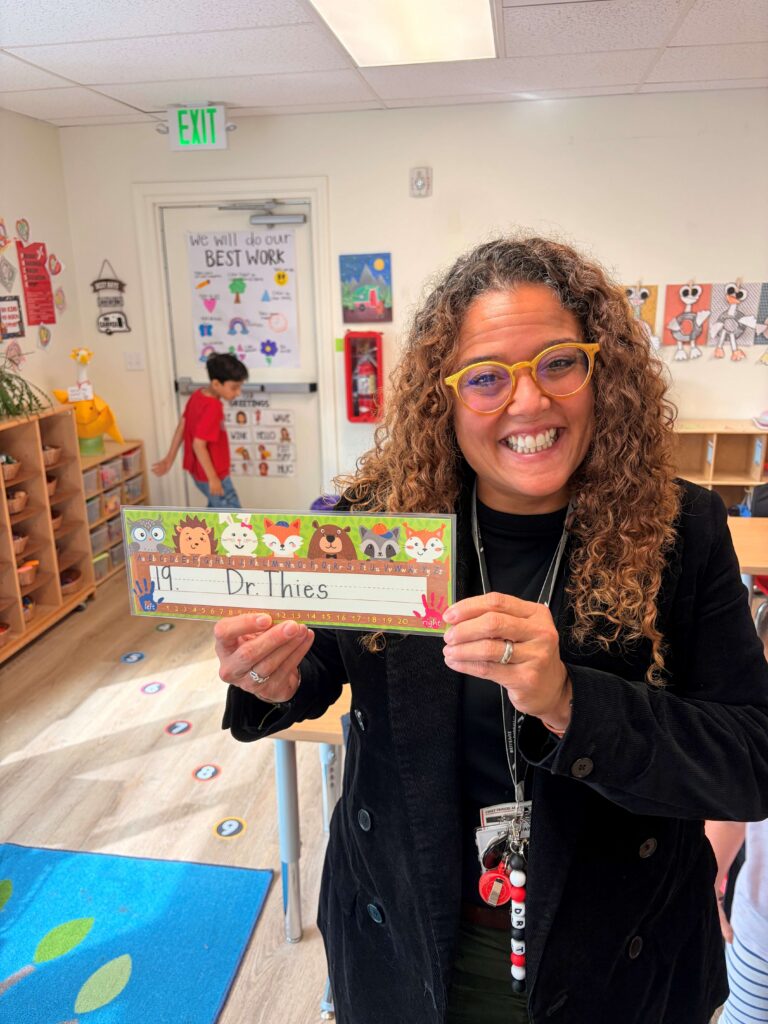
“Everything I Need to Know, I Learned from Kindergarten” – Head of School, Dr. Elizabeth Thies

April 1, 2026 by emilyhughes Leave a Comment

BASIS Independent Bellevue Head of School, Dr. Elizabeth Thies

My first experience with our Early Years program took place in Bangkok and it changed my life as an educator, specifically when it came to Kindergarten.  I have always valued the fact that we offer our teachers autonomy when it comes to the implementation of our curriculum.  But, I don’t think that I ever truly understood the value of this process until I watched learning come to life in a plethora of engaging ways for our Kindergarten students. 

Our curriculum is written in a way that allows us to build key literacy skills while also focusing on strong math foundations, making scientific discoveries, and learning about historical events.  We incorporate music, art, drama, and engineering as a way to help our students have hands-on experiences and engage different learning styles.  In Kindergarten our kids get to explore, play, pretend, and create in such meaningful ways.  But most of all, they get to have so much fun while doing it.

What I loved the most about this was how much I learned as a school leader.  I realized that the emphasis on fun in Kindergarten was only the beginning.  The idea that we could create real-world and meaningful scenarios to supplement the learning process was one that needed to be shared. Kindergarten is where your child’s education journey will begin with us and what a fun adventure it can be!

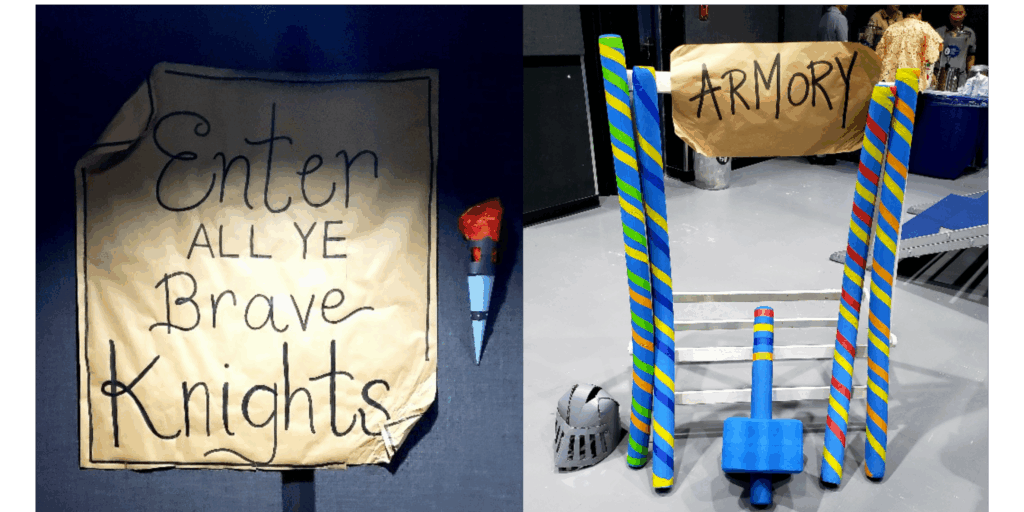
As the Head of School at BASIS International School Bangkok, I loved visiting our Kindergarten classrooms and partnering with those teachers to be creative in their approach to the learning process.  While studying medieval times as a part of their History unit, our Kindergarten students participated in a joust tournament.  Who knew that a history lesson could include skateboards and pool noodles in such a meaningful way!  Our Kindergarten students chose their own knight names, they had crests, and even celebrated victory with a family style feast afterwards.  (I feel like it should be noted that no Kinder knights were harmed in the implementation of the learning)

But the learning didn’t stop there.  As an additional part of this unit, our students built catapults in Engineering and tested them by working as teams to test their catapults and destroy an enemy castle.  I will note that this was the first time as a Head of School that I had to dodge marbles that were being propelled as I observed a classroom!    The hazard was worth the reward of watching our young learners be so actively involved in the learning process.

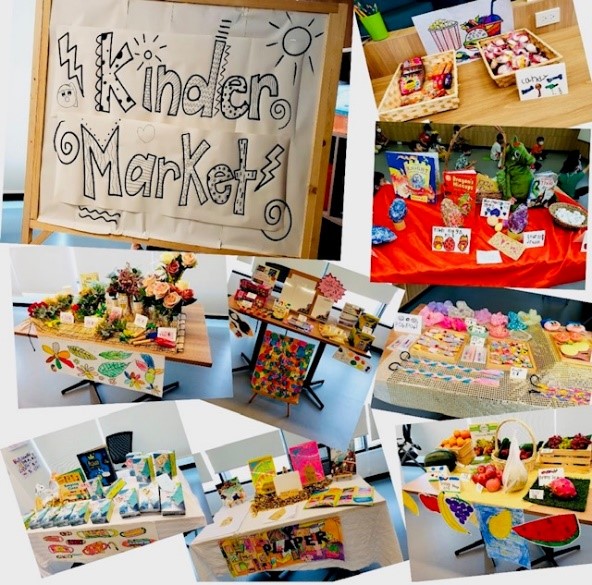
That same year, I got the opportunity to purchase one of my most prized possessions in the Kindergarten Market.  The “streets” of our school library came to life with a variety of vendors selling everything from snacks to rare items.  As a part of this market, our Kindergartners learned to put their math and language skills to work.  I quickly learned not to be fooled by their sweet and smiling faces as they told me that I got a “special deal” as the Head of School.  My experience left me asking the very important question, “What exactly is a fair market price for a genuine dragon egg?”   I was equally concerned when several of them simply avoided my questions about if and when it would hatch.  I am happy to report two things.  The first is that my students did an excellent job calculating the appropriate change, applying discounts, and working on their English speaking skills.  The second is that the same dragon egg still sits in my office (unhatched) as a reminder of how fun it is to be a part of the learning process alongside my students. 

Being a Head of School with a full Early Years Program made me a better school leader. Getting the opportunity to work alongside creative educators and see all of the ways that learning could come to life in fun and engaging ways allowed me to coach my staff and remind them of the importance of maintaining our rigor while never losing sight of the fact that students make the strongest connections to the material they are being taught when they are immersed in an experience that brings them joy.  My Kindergarten teaching team never missed an opportunity to make a connection, build learning skills, or stand out on our campus.  Even their Halloween costumes were exceptional!

Check out Dr. Thies in a beard!

But, the point of this is to highlight how much I love watching students enter our program and grow as individuals and learners.  This phenomenal teaching and active engagement that ensued served as a constant reminder of the importance of being creative in your approach and helping students build important character traits alongside strong foundational skills.  If only every day could feel as fun and rewarding as a day of learning in a BASIS Independent School Kindergarten classroom.  The lesson that I learned as a Head of School was that everything that I needed to know about building community and the learning process was being beautifully demonstrated in my Kindergarten classrooms. 

I am excited about the opportunities that my experience will create when it comes to adding a Kindergarten at BASIS Independent Bellevue.  One of the most exceptional things about our Kindergarten curriculum is that it gives our teachers room to explore imaginative ideas.  Our goal is to combine a child’s natural curiosity with learning outcomes that inspire interest and instill a love of learning. 

We want our students to be challenged so we create a learning environment that is exploratory in nature and allows students to arrive at natural conclusions on their own.  Children learn in a variety of ways and, therefore, it is important to create lessons that allow them to learn and explore.  I love watching my Thai students develop and grow over the course of the year and can’t wait to work with our future Kindergarten teachers to make learning just as meaningful and fun!

Check our Admissions Page for more details on how to apply for our inaugural Kindergarten year in Fall 2026!

Filed Under: Academics, Administration & Staff, Admissions, Department Spotlight, Early Learning Program, Head of School, Lower School, Student Learning

Sparking Imagination Across Campus: Creativity Challenges with Ms. Bhatnagar

March 21, 2026 by ezekielbracamonte Leave a Comment

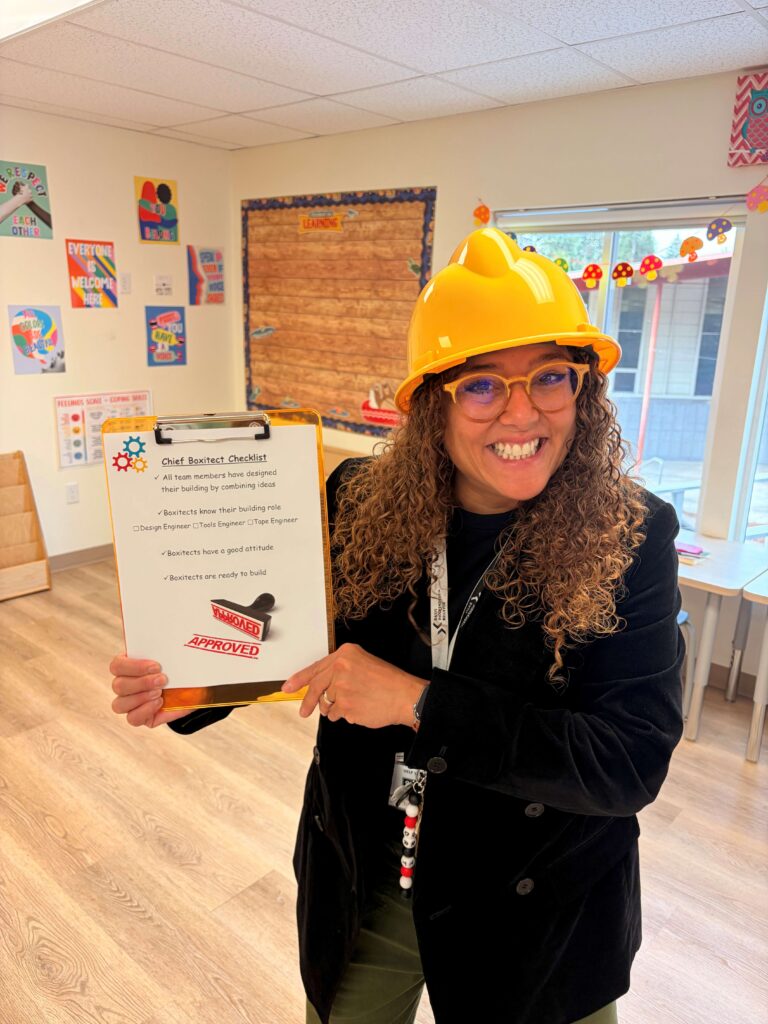
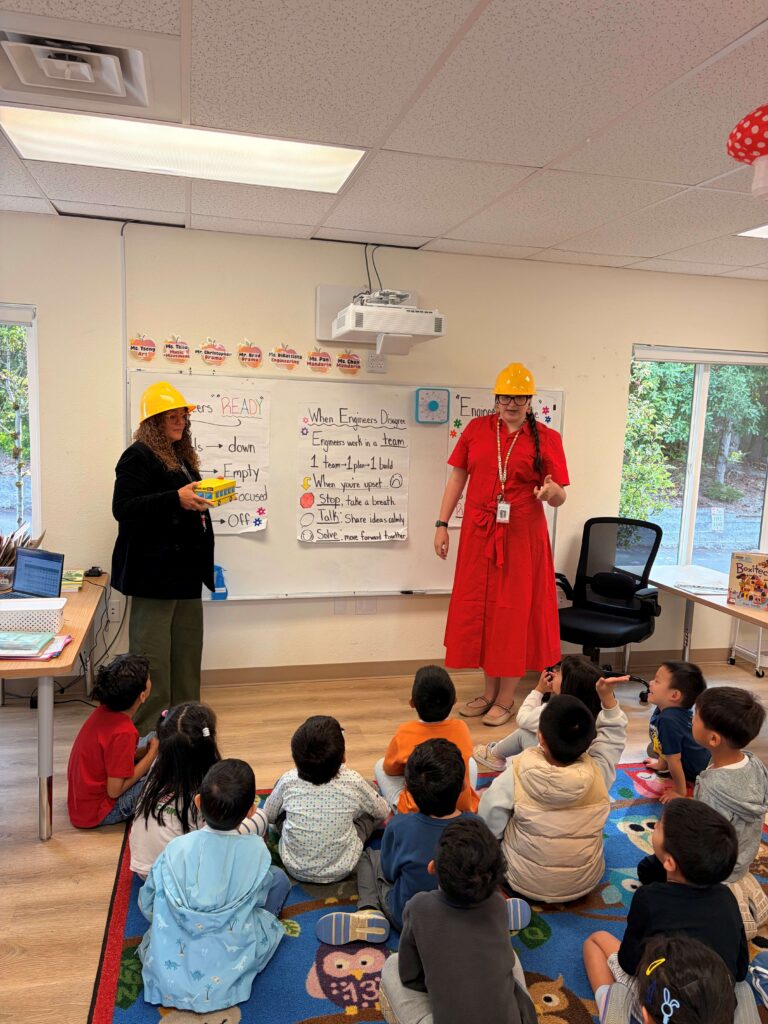
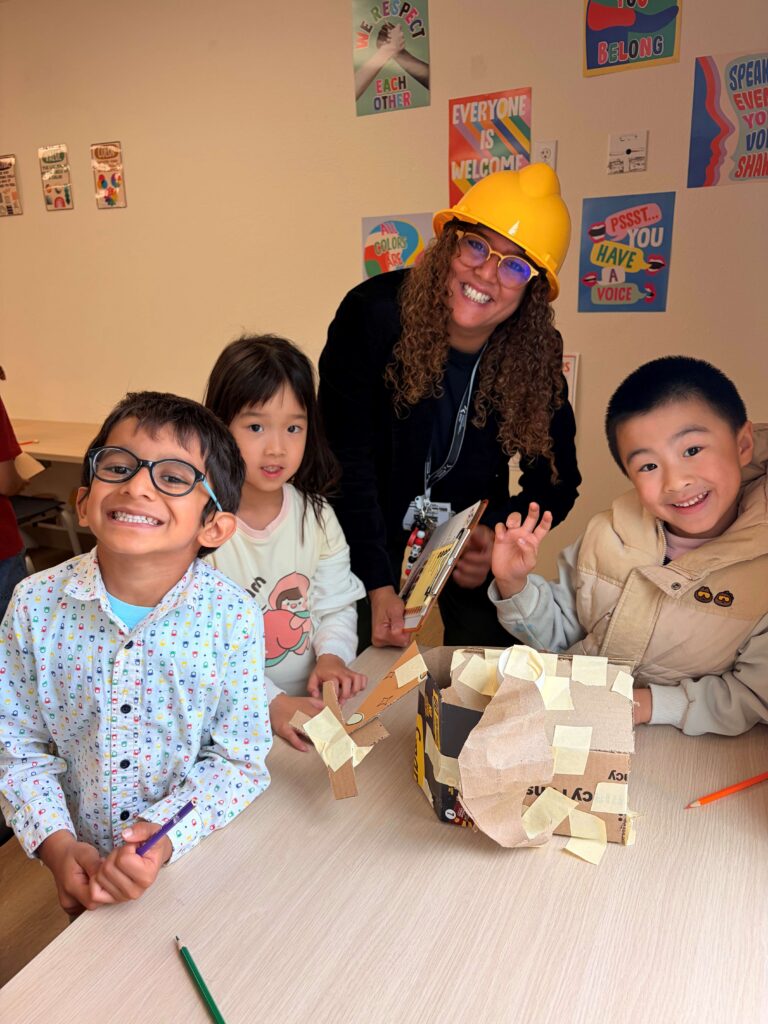
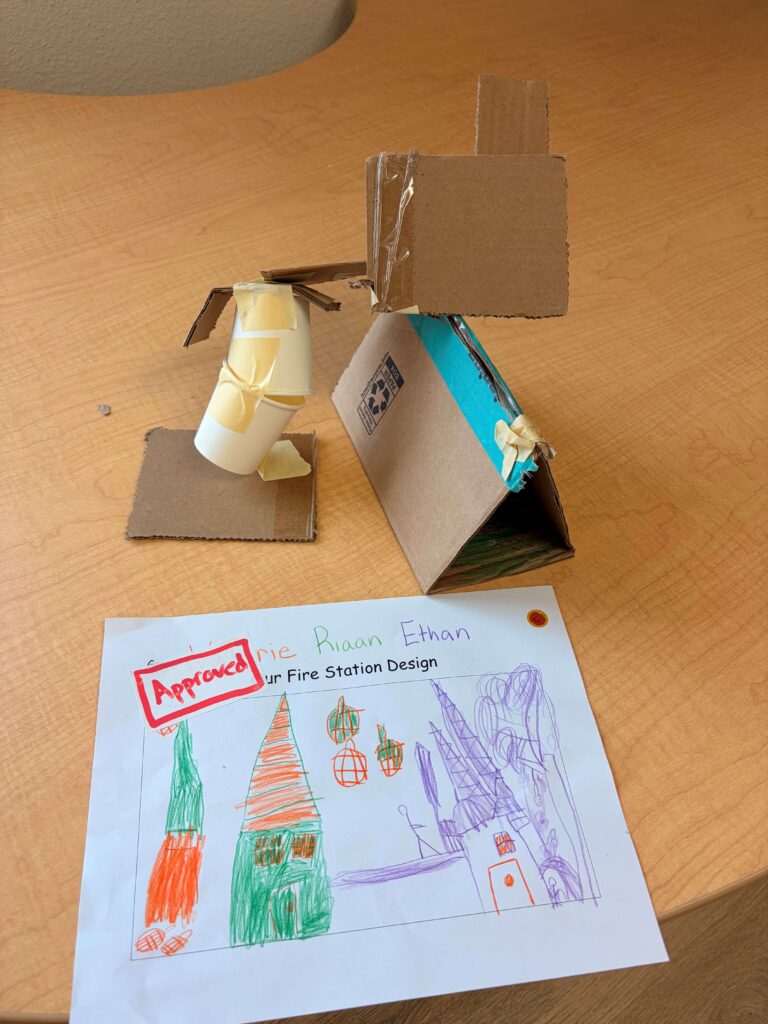
Fostering innovative thinkers is at the heart of our mission, and Ms. Bhatnagar’s Creativity Challenges give everyone on campus—students of all grades and even staff—the opportunity to explore, imagine, and solve problems in bold new ways. These challenges encourage participants to take intellectual risks, think creatively, and approach problems with curiosity and confidence.
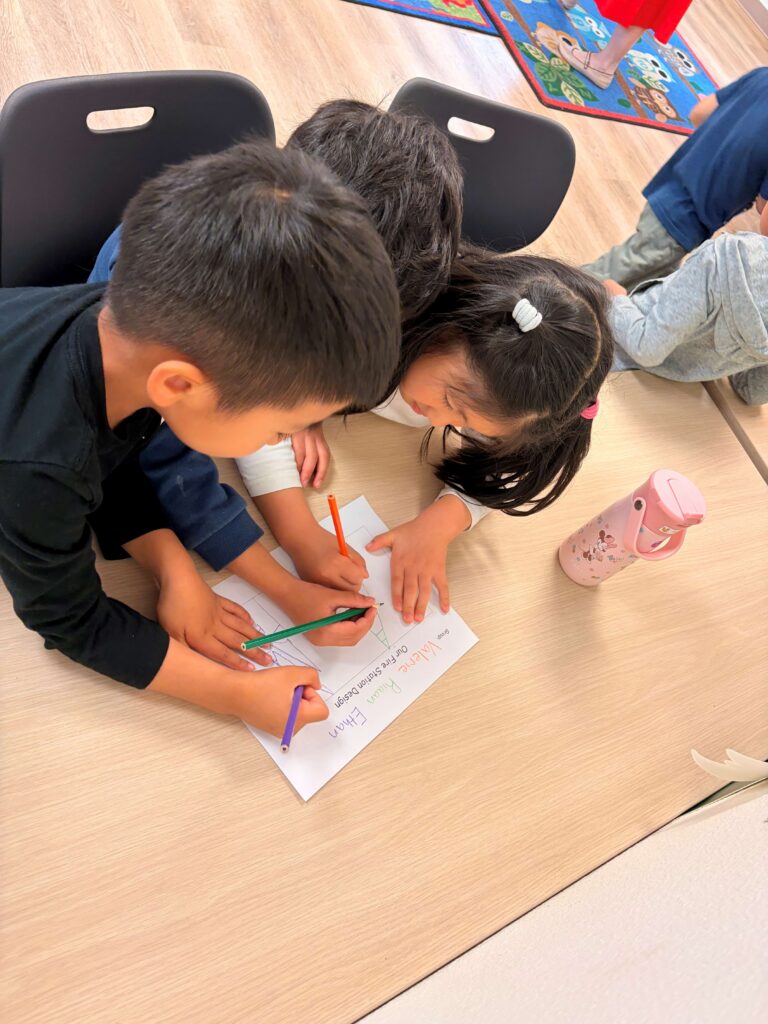
Creativity and problem-solving are essential skills for future STEM careers, and regularly participating in these challenges helps students and staff exercise their “creative muscles.” As Ms. Bhatnagar explains, “By implementing these challenges on a regular basis, students are able to build these skills for all academic subjects.”


What Are Creativity Challenges?

These short, high-impact exercises encourage divergent thinking, helping participants generate multiple unique ideas rather than searching for a single “right” answer. Typically lasting 5–20 minutes, they serve as warm-ups for larger STEM projects and foster creativity through the four key components: fluency, flexibility, originality, and elaboration.

Challenges are adapted for all ages. Younger students benefit from collaborative brainstorming and extra time, while older students are encouraged to develop multiple alternative ideas before finalizing their solutions. Read-aloud stories like Beautiful Oops by Barney Saltzberg help participants see mistakes as opportunities for growth—a lesson many have applied to their projects throughout the year.

The Monthly Creativity Challenge Contest

The Monthly Creativity Challenge Contest allows students and staff to showcase their creative problem-solving. Winning ideas are displayed to inspire future entries. One example of a creativity challenge was the “It’s Not a Heart!” activity, where participants were given what looked like the outline of half a heart and invited to transform it into something entirely different. Students and staff used their imagination to build creative drawings around the shape—anything but a heart. The results were impressive, with many truly inventive and thoughtful entries! Ms. Bhatnagar shares, “Last week, a couple of my Grade 4 students came to me during lunch break asking for more challenge sheets since they had a brand-new idea they hadn’t thought about before.”

Creating a Culture of Risk-Taking

Ms. Bhatnagar fosters a safe and supportive environment where mistakes are seen as part of learning. Through the Engineering Design Process, open-ended challenges, and student choice in materials, participants are encouraged to experiment and iterate. Collaborative learning and class norms emphasizing respectful curiosity create a judgment-free space where everyone feels comfortable sharing ideas. By valuing the thinking process as much as the final product, Ms. Bhatnagar empowers participants to take risks, try bold ideas, and grow as confident, creative problem-solvers.

Growth, Confidence, and Collaboration

Over the years, participants grow from shy, hesitant creators to confident innovators, developing critical thinking, collaboration skills, and the courage to embrace challenges. Creativity has spread beyond the classroom, sparking spontaneous conversations across campus and turning displays of student work into catalysts for curiosity and inspiration. This reflects Ms. Bhatnagar’s mission: to make creativity a normalized, daily conversation.

Long-Term Takeaways

Academically, creativity challenges strengthen problem-solving skills for all subjects and prepare our students for STEM careers. Personally, they cultivate creative confidence and adaptable thinking, helping participants approach challenges beyond the classroom with curiosity and courage. Success is measured not just by the final product but by exploration, experimentation, and the willingness to take intellectual risks.

Through Creativity Challenges, Ms. Bhatnagar is helping everyone on campus see that imagination grows with practice—and that every “oops” can become an opportunity to create something extraordinary.


BASIS Independent Silicon Valley is a TK–Grade 12 private school, offering an internationally benchmarked liberal arts and sciences curriculum, with advanced STEM offerings. Considering joining the Bobcat community? To join our interest list for the next school year and receive admissions updates and more, please click here. 

Filed Under: Culture of Support, Lower School, Primary Program, School Community, STEM, Student Learning

Summer Buzz: What to Expect for BASIS Independent Bellevue Summer 2026!

February 6, 2026 by emilyhughes Leave a Comment

As sunshine stretches a little longer into each day, excitement starts to bubble up across our Mountaineer community—summer is almost here! Once the school year comes to a close in June, students may say goodbye to regular classes until August, but the fun and learning doesn’t have to stop on campus. All summer long, BASIS Independent Bellevue will be buzzing with energy as we host a variety of engaging summer programs. 

Designed by our Auxiliary Department, Summer 2026 is packed with opportunities for students to explore passions, try something new, and make memories with friends along the way. Summer is the perfect season for creativity, curiosity, and discovery, and our programs are built to embrace all three. Whether students are creating, coding, collaborating, or staying active, our summer offerings reflect the vibrant interests of our community and promise something exciting for every camper. 


Day Camp

Day camps offer students an exciting blend of learning and play through flexible, theme-based programming. To reflect the wide range of interests within our community, the Auxiliary Department has designed a rotating schedule of weekly themes that bring each camp experience to life.  

Campers will explore different eras in Time Travel Trek, blast off to different planets in Space Explorers, connect with nature in Wild World Adventures, or tap into their superpowers in Superhero Academy.  Each day features activities aligned with the weekly theme, balanced with both indoor and outdoor fun. Every session wraps up with a celebratory Fun Friday, often highlighted by special guest experiences tied to the theme. Families are welcome to enroll campers in multiple weeks, giving students the chance to enjoy every adventure our campus has in store. 

Foam Party Fun!

Specialty Camps

Our specialty summer programs offer students a dynamic space to build friendships, explore new interests, and challenge themselves. From creative, hands-on activities to athletic options like Archery and Sports Menagerie, these camps reflect the diverse passions of the Mountaineer Community. Beyond summer fun, families can expect programs that support learning, social growth, and essential life skills, all while encouraging curiosity, confidence, and exploration at BASIS Independent Bellevue. 


Specialty Camp Focus

While our summer day camp is highlighted by fun explorative learning, we’d be remiss if we did not mention some of the other areas BASIS Independent Bellevue Summer Camps shine! We know while the school year may contain multitudes of differing subjects, BLV Summer strives to offer campers a wide range of intellectually stimulating courses. For example, our Latin Immersion Course and Latin Boot camp offer not only an introduction to the language, but also opportunities to further build upon information already learned.  

Children can also explore their creative side with one of our art focused specialty courses. Such as; DJ Camp that introduces campers to professional remixing software, helping them craft their own mixes while learning about audio editing and beat production. Jazz Camp offers instrumentalists the chance to refine their technique, explore improvisation, and collaborate in ensemble settings. Creative Writing Camp gives campers the opportunity to expand their writing skills and creative story telling. Or perhaps your child is interested in theatre then, Play Creation Theater Adventure could be the right camp for them, here campers get to explore the process of scription, designing, and preforming their own play!

Archery Camp
Middle School Chess
Minecraft Modders
Volleyball Skills Camp
Latin Boot Camp

Sign Up Today!

Spanning a wide range of interests, our summer programs keep the campus energized and engaged long after the school year ends. These experiences encourage students to explore new interests while developing valuable skills. To learn more, view our complete Summer 2026 Camp Brochure here and register below! For additional questions you can contact the organizing team at blv.summercamp@basisindependent.com.


Summer Camp Sign Ups

Filed Under: Clubs & Activities, Current Events, Department Spotlight, Early Learning Program, Extracurriculars, Fine Arts, Latin, Lower School, Outdoor, Primary Program, School Community, Sports & Athletics, STEM, Student Life, Summer Camp, Uncategorized

Leadership Spotlight: Lower School Dean of Students Dylan Burgett

January 27, 2026 by jogoldfarb Leave a Comment

Our Early Learning Program at BASIS Independent Brooklyn is designed to build foundational skills while nurturing a love of learning. From PreK and Kindergarten, then moving into our Primary Program in Grades 1-2 at our Lower School, we aim to create a balance between a child’s natural tendencies and intentional academic learning. Critical to supporting that balance is the work of our Student Affairs team.

Today, we are proud to feature our new Dean of Students at our Lower School, Dylan Burgett. Mr. Burgett moved from Florida to join our community, and he is excited to focus on student support and social-emotional growth during these formative early years. Mr. Burgett serves as the primary student support contact, supporting teachers to help students both individually and in group activities, such as Lunch Bunch meetups.

Mr. Burgett brings years of experience as both a school administrator and an educator. Most recently, he served as Dean of Students at Forest City Elementary School in Florida, where he focused on social-emotional development of students in collaboration with teachers and parents, student mentorship, and differentiation of instruction to suit different learning styles.

Before assuming the Dean of Students role, Mr. Burgett was in the classroom as a Gr. 4 lead teacher for two years, supporting students with diverse learning needs. He developed and implemented standards-aligned and data-informed curriculum to support student learning and growth. Dean Burgett graduated from the University of Central Florida with a degree in elementary education.

What is a typical day for you as Dean of Students at the Lower School?

A typical day for me is all about making sure students feel excited, supported, and engaged throughout the school day. I spend time moving through classrooms, checking in with students and teachers to see how their day is going, how they’re feeling, and what support they might need. That support can look different depending on the moment; it can vary from working one-on-one with a student during a math lesson to connecting with students in a more relaxed setting, like a relationship-building Lunch Bunch with them and their friends.

You just joined our school and moved to New York! Can you share where you were before and what you were doing before?

Prior to relocating to New York City, I served as the Dean of Students at a school of over 700 students in Orlando, Florida. Over the course of several years, I grew within the school community—beginning as a Gr. 4 teacher, then serving as the Gr. 4 team leader, and eventually transitioning into the role of Dean of Students, a position I held for multiple years. During this time, I worked closely with colleagues to create and support a variety of social clubs and curricular initiatives that enriched the student experience. I am truly excited about the opportunity to bring this experience, creativity, and passion for student engagement to BASIS Independent Brooklyn.

What drew you to BASIS Independent Brooklyn’s Lower School?

I was drawn to BASIS Independent Brooklyn Lower School for many reasons, particularly its commitment to not only exceptional academic growth but also the social-emotional development of every student. The school’s culture is truly outstanding—one that is positive, supportive, and deeply focused on helping each student succeed. This aligns closely with my own passion for fostering empathy, understanding, and respect, and for helping students carry these values with them throughout their lives.

You have been a big proponent of social-emotional learning and programming for students. Can you tell us some of the ways you hope to bring your expertise in the area to benefit students in these early years?

Social-emotional learning is a vital component of a child’s overall development. It supports students in understanding their own emotions, developing appropriate responses, and cultivating empathy for others. These skills are essential in helping children grow into well-rounded individuals and in reinforcing that a full range of emotions is both normal and healthy. Because navigating emotions can be challenging even in adulthood, introducing these skills early allows students to build strong emotional awareness and interpersonal skills that will benefit them throughout their lives.

Is there anything top of mind in the year ahead that excited you?

I am excited about the upcoming school and family events this school year. Events such as the Winter Olympics, Open Plays in the Bear Den, and World Fest provide meaningful opportunities to build community, and I have heard wonderful things about each of them. I am truly looking forward to being involved and supporting these events in any way possible. I am also continually impressed by the passion and dedication of the staff and faculty, who work intentionally to make each day impactful for students. The care, thoughtfulness, and preparation that go into both daily learning and special events are remarkable and further strengthen my enthusiasm for being part of this school community.

Dean Burget with our Gr. 2 students during their shadow day at the Upper School.

What is something families might not know about you that you want to share?

Something families might not know about me is that I’m passionate about carpentry and wakeboarding. I’ve built everything from fences and large-scale frames to dining room tables. I love the creativity and hands-on challenge it brings. Back when I lived in Florida, my free time was split between working on woodworking projects and wakeboarding on the lakes. I’m a big fan of being outdoors and in the water, so I’m especially excited to explore the beaches here in New York.

# # #

BASIS Independent Brooklyn is a PreK–Grade 12 private school, providing students with an internationally benchmarked liberal arts and sciences curriculum, with advanced STEM offerings. Considering joining the Bears community? To join our interest list for the next school year and receive admissions updates and more, please click here.

Filed Under: Administration & Staff, Culture of Support, Early Learning Program, Lower School, Meet School Leadership, Primary Program, Student Support

Rolling Admissions for Fall 2026: Everything Families Need to Know

January 22, 2026 by abisoyetaylor Leave a Comment

Rolling Admissions for Fall 2026 Opens January 24, 2026

Our Rolling Admissions cycle for Fall 2026 opens on Saturday, January 24, 2026. Families interested in joining our vibrant, academically focused community can begin submitting applications on that date. Below, you’ll find everything you need to navigate our admissions process successfully.

Rolling Admissions Timeline

Application Opens — January 24, 2026

  • Applications for all grade levels open on this date.

Application Deadline

  • Applications remain open until a grade reaches capacity. Once a grade closes, qualified applicants will be placed into a wait pool and reviewed as space becomes available.

Decision Notification

  • Families receive an admissions decision within 10 business days of completing their application. This provides a fast, transparent experience for families seeking timely enrollment options.

Commitment Deadline & Enrollment Details

Applying during Rolling Admissions is not immediately binding. To officially secure a seat, families must:

  • Submit a signed Enrollment Agreement
  • Pay a non‑refundable $1,750 deposit by the Commitment Deadline listed in their offer

How to Apply for Rolling Admissions

Starting your application is simple. Families can begin their Rolling Admissions process here. Our Admissions Team is available to support you at every step of the process.

Frequently Asked Questions (FAQs)

What is Rolling Admissions?

Rolling Admissions is an ongoing application process in which applications are reviewed as they are completed. Decisions are released on a rolling basis, typically within 10 business days.

Are all grade levels open during Rolling Admissions?

Yes. All grade levels remain open until they reach capacity. After that point, applicants are moved into a wait pool.

What counts as a “completed application”?

A completed application includes the online application form, and all required supplemental materials. Your admissions portal will display outstanding items.

How soon will we receive an admissions decision?

You will receive a decision within 10 business days after the application is complete.

Is applying during Rolling Admissions binding?

No. Applying is not binding. Only those who sign the Enrollment Agreement and pay the $1,750 deposit secure a seat.

What if a grade is already full when we apply?

Your student will be placed into a wait pool and considered if space becomes available.

Can current families apply for siblings?

Yes. Sibling applications are welcome and follow the same Rolling Admissions process. Space is not guaranteed, so early submission is recommended.

How long do families have to accept an offer?

Families must review their offer letter for the Commitment Deadline, then sign the Enrollment Agreement and submit the deposit by that date.

APPLY NOW

BASIS Independent Bothell is a PreK – Grade 12 private school, providing students with an internationally benchmarked liberal arts and sciences curriculum, with advanced STEM offerings. Considering joining the BASIS Independent Bothell community? To join our interest list for the next school year and receive admissions updates and more, please click here.

Filed Under: Admissions, Admissions Process, Early Learning Program, Featured, High School, Lower School, Middle School, Primary Program, School Community

Real Questions, Real Investigations: How BASIS Independent Fremont Students Develop Scientific Thinking Skills

January 22, 2026 by sarahpeterson Leave a Comment

Real scientists don’t start with textbooks. They start with questions about the world around them. At BASIS Independent Fremont (BIF), our Lower School students learn the same way: by investigating real phenomena, testing their ideas, and using evidence to support their conclusions. From engineering solutions to ancient problems to exploring why oil and vinegar refuse to mix, BIF students practice thinking like the scientists and engineers they may one day become.

Learning Through Real-World Investigation

At BIF, science education is phenomena-based, meaning students begin with observable events and real-world questions rather than memorization. Our approach develops three essential skills: active investigation (students doing, not just watching), scientific communication (reading, writing, and discussing like scientists do), and evidence-based reasoning (supporting conclusions with data).

This matters because these skills extend far beyond the science classroom. Whatever our students choose to become in life, they need to ask thoughtful questions, analyze information, and solve complex problems. Science at BIF is preparation for thinking critically about the world.

What Scientific Thinking Looks Like at BASIS Independent Fremont

Students Observe and Question

In Dr. Luo’s grade 4 science class, students recently tackled a deceptively simple question: why do oil and vinegar sometimes mix instead of separating into layers? “We started at the observable scale by having students mix oil and vinegar and notice that they don’t mix and instead form layers,” Dr. Luo explains. From that initial observation, students generated their own questions about what was happening at a molecular level—questions that would drive their entire investigation.

Similarly, in Mr. Kasper’s engineering class, the students face a historical challenge: How did ancient Rome transport fresh water to support its growing population? “Students are guided to ask essential questions such as: Why is this a problem? Who is being affected? What are the possible causes of the water shortage?” Mr. Kasper notes. “Students are encouraged to ask additional questions of their own, deepening their understanding of the challenge.”

Students Investigate and Test

Scientific thinking requires more than curiosity—it demands action. Dr. Luo’s students moved from observation to experimentation, testing various substances to see what would help oil and vinegar combine. “Students experimented with adding lecithin, flour, and cornstarch to oil and vinegar. They discovered that lecithin helps oil and vinegar mix by acting as an emulsifier.”

In engineering, Mr. Kasper’s students design and build prototypes of aqueducts, working within budgets and material constraints just as real engineers do. “During construction, they test their structures for strength and for their ability to successfully transport water,” he explains. “Testing is an ongoing process, and students carefully record not only how their prototypes perform, but also the results of each test and the improvements they believe will fix any issues.”

Students Read, Write, and Communicate Like Scientists

Scientific literacy is just as important as hands-on experimentation. Dr. Luo’s students didn’t just conduct experiments—they read scientific texts to deepen their understanding. “Students built their own online models and read texts like Handbook of Food Science and Solving Dissolving to learn about molecular structure and how molecules attract themselves and other molecules,” she shares.

Throughout their investigations, students document their findings in science journals, write lab reports, and present their conclusions to classmates. This mirrors how real scientists communicate their discoveries to the broader scientific community.

Students Use Evidence to Support Their Ideas

Perhaps most importantly, BIF students learn that good ideas must be backed by evidence. When Dr. Luo’s students concluded that lecithin acts as an emulsifier, they could point to specific experimental results and molecular models that supported their claim. They learned about emulsifiers’ special structure—one that can attach to both oil and vinegar molecules—through both reading and hands-on observation.

Mr. Kasper’s engineering students practice the same evidence-based thinking. “Each idea is discussed and evaluated based on the identified constraints and goals, such as efficiency, cost, available materials, and the ability to successfully transport water,” he explains. “Through this process, students learn that engineering is not about choosing the first idea, but about carefully comparing options to determine the best possible solution.”

Building Skills That Last

The sophistication of scientific thinking grows as students do. By grades 4 and 5, students are working with complex concepts like molecular structure and engineering design processes, but the foundation begins much earlier—with kindergarteners observing how materials change and grade 1 students exploring the natural world.

These investigations teach students to approach problems with confidence. They learn that failure is part of the process, that questions are more valuable than quick answers, and that evidence matters more than opinions. As Mr. Kasper notes, “This reflection reinforces the idea that engineering is iterative and that failure is an important part of learning and improvement.”
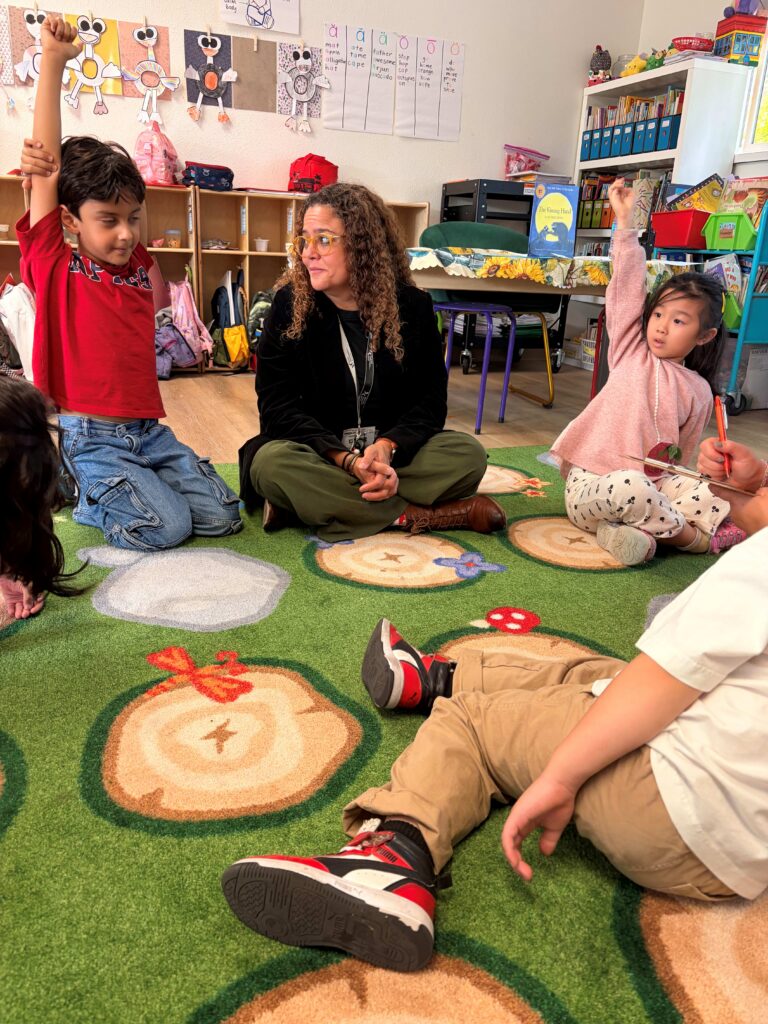
By the time BIF students reach Upper School, they’ve spent years practicing how to think, not just what to think. They carry forward skills they’ll use for life: asking thoughtful questions, designing investigations, using evidence to support ideas, and communicating findings clearly.

Science as a Way of Thinking

At BASIS Independent Fremont, science isn’t a subject students study. It’s a way of thinking to practice every day. From our youngest Bumblebees to our grade 5 students preparing for middle school, students learn to approach problems like scientists and engineers: with curiosity, creativity, and evidence.
Want to see scientific thinking in action? Schedule a campus tour to visit our Lower School classrooms and discover how BIF students are learning to investigate, question, and solve the problems that matter.

BASIS Independent Fremont is a TK – Grade 12 private school, providing students with an internationally benchmarked liberal arts and sciences curriculum, with advanced STEM offerings. Considering joining the BASIS Independent Fremont community? To join our interest list for the next school year and receive admissions updates and more, please click here.
Filed Under: Academics, Featured, Lower School, Science, STEM, Uncategorized

  • Page 1
  • Page 2
  • Page 3
  • Interim pages omitted …
  • Page 5
  • Go to Next Page »

© BASIS Independent Schools

  • Contact Us
  • Media Recognition
  • Careers
  • Privacy Policy
  • CA Privacy
  • Terms of Use

Headquartered in Campbell, California, Spring Education Group is majority-owned by investment funds administered by Primavera Holdings Limited, an investment firm owned by Chinese persons and principally based in Hong Kong with operations in the United States, China and Singapore.
Sitemap