
• Skip to primary navigation
  • Skip to main content

BASIS Independent Schools

BASIS Independent SchoolsBASIS Independent Schools
  • About
    • Why BASIS Independent Schools?
    • Mission & Philosophy
    • Diversity & Citizenship
    • History
  • Academics
    • Curriculum
    • Early Learning Program
    • Primary Program
    • Middle School Program
    • High School Program
    • The Senior Year
    • Summer Programs
    • International Student Program
  • Achievements
    • International Performance
    • College Admissions
    • Advanced Placement
    • National Merit
  • Find Your School
Inquire

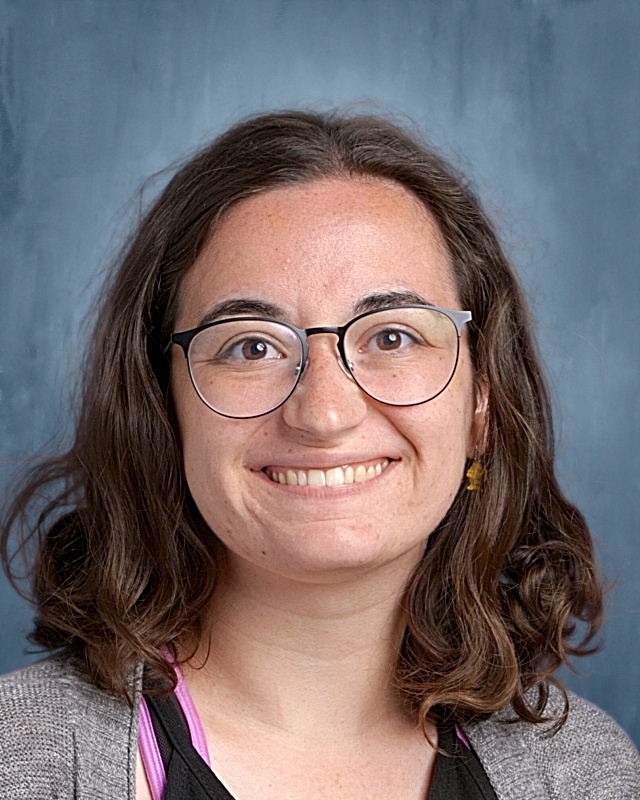
Meet Our New Subject Expert Teacher: Ms. Leah Atkins

Meet Our New Subject Expert Teacher: Ms. Leah Atkins

April 22, 2026 by nathanielyinger Leave a Comment

Ms. Atkins holds a master’s degree in Classics, specializing in the languages, cultures, and history of the ancient Mediterranean world. She is particularly fond of the Roman Empire, which has been her lifelong passion, and she can’t wait to introduce BASIS Independent Dublin students to her favorite Latin authors.

In addition to Latin, Ms. Atkins has a broad academic background. She studied ancient Greek as part of her master’s program, translating epic poems, religious texts, and slapstick comedy. Her bachelor’s degree is in history, and she is fascinated by the common humanity that people share across time and culture.

Are there any highlights you’d like to share about your teaching philosophy or approach?

My teaching approach emphasizes creativity and critical thinking. In Classics, my goal is for students to imagine history in fresh, complex ways, noticing the similarities between us and ancient people while also recognizing our significant differences. Students should expect to read and write quite a bit of historical fiction. They should also expect a variety of hands-on projects, such as grinding wheat and mummifying apples.

My approach to Latin is similarly focused on narrative, critical thinking, and historical reasoning. As the language of the ancient Roman Empire, Latin is the closest thing we have to a time machine because it allows students to understand ancient people on their own terms. Reading stories is the primary method of instruction, though I also include hands-on projects to visualize different aspects of Roman culture.

Latin education has traditionally focused on grammar — and I love grammar! However, I don’t simply give my students a textbook and expect them to regurgitate the rules. Instead, I prefer that students study a sentence as though it were a point of scientific data, then work backwards and investigate why, exactly, words are chosen, structured, and arranged in a particular way. This approach helps the students understand that grammar is meaningful, not an arbitrary collection of rules, and that every choice of word reveals something about the author.

After the first two years of Latin, students will have an advantage in many different academic and professional areas. As the origin of the modern Romance Languages, Latin is useful for studying Spanish, French, Italian, and Portuguese. Knowledge of Latin will also come in handy when learning medical terminology, legal jargon, and advanced English vocabulary. Finally, students will gain a broad understanding of European art and literature, which will enrich their lives no matter what career they pursue. Those who continue with Latin beyond the first two years will find these advantages multiplied even further as they explore advanced grammar, epic poetry, and ancient history.

What are some of the most rewarding parts of being a Subject Expert Teacher and working with BASIS Independent School students?

When I first began teaching at BASIS Independent Schools, I was consistently amazed at the students’ passion for learning. These are the type of kids who teach themselves pigpen cipher for fun and draw diagrams of Hannibal’s forces at Cannae. My students ask such thoughtful questions that I am always challenged to dig deeper into Latin and history.

Latin is a subject that I’d imagine can be daunting to students.  What advice do you give to students to help them succeed in your class?

Latin is a language – the fact that it’s ancient doesn’t make it more difficult than Spanish, Hindi, French, Mandarin, or any other language still spoken today. In fact, since Latin focuses on reading more than speaking, it may come more naturally to students who enjoy solving puzzles and express themselves best in writing.

To succeed in Latin, students should pay attention, take notes, do their homework, and take advantage of my office hours – the same good study habits that help in any class. However, learning a language does present some unique challenges. I recommend that students review vocabulary often. They should also make sure that they know how to conjugate verbs and decline nouns, which I explain in depth during class.

Are there any thoughts you’d like to share with families who are joining – or who are thinking of joining – the BASIS Independent Dublin community?

If you’re joining the BASIS Dublin community, then welcome! Meeting new students is one of my greatest joys every Fall and I can’t wait to see how we will all grow over the course of the year.

If you’re thinking about joining BASIS Dublin, then I would love to connect with you during one of our open house events! There, you can get a tour of the school, ask questions about our curriculum, and get a feeling for our school culture.

BASIS Independent Dublin is a Grades 5 – 12 private school, providing students with an internationally benchmarked liberal arts and sciences curriculum, with advanced STEM offerings. Considering joining the BASIS Independent Dublin community? To join our interest list for the next school year and receive admissions updates and more, please click here.
Filed Under: Faculty & Staff, High School, Middle School

Senior Project Spotlight: Patrick Z. Weeks 5 – 6

April 22, 2026 by mirandamartinez Leave a Comment

The Senior Project is an independent, student-led culmination of our high school experience. After three years of academic preparation, our seniors are ready to spend the last trimester of their high school careers applying the skills and knowledge they have gained to develop a project that is insightful, academically rigorous, and professional in nature. This year, we are proud to showcase a senior from one of our neighboring campuses, BASIS Independent Fremont, Patrick Z.

Week 5: Traffic Lights

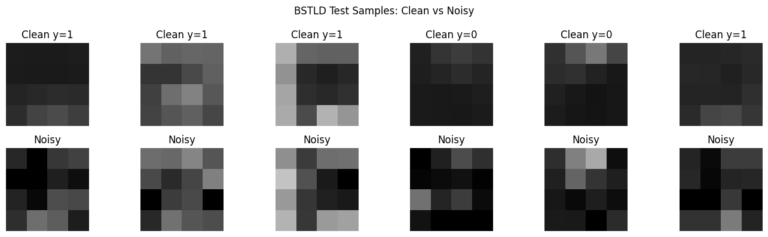
If you remember, last week concluded with me going back to the MNIST dataset after my disastrous attempt at working with the Fashion-MNIST dataset. I was talking about how I might consider working with traffic light datasets as something that might be more useful on a practical level. So, this week I’m glad to report that I did find a dataset that is more practical. The dataset is called the Bosch Small Traffic Lights Dataset, or BSTLD. This dataset is composed of many images of traffic lights taken by dashcams in real-world driving situations. I preprocessed these images the same way I did for the MNIST dataset, binarizing them and downscaling them to 4×4 resolution for the fair CNN and QNN. In doing this, I was able to successfully train all of my models as classifiers to determine whether an image was a red light or a green light. Unlike clothing items in the Fashion-MNIST dataset, there is now enough visual distinction in color, position and brightness distribution between red and green lights that even 16 pixels of resolution is enough to highlight this difference.

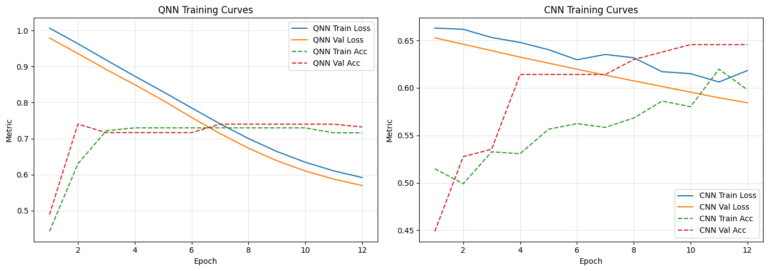
The results were quite exciting. After training all of my models on my new dataset, I was able to run noisy versions of my images of traffic lights through all of my models. The QNN was able to achieve better classification accuracy than my fair CNN in the classification of the noisy images. This is the first practical experiment in which I’ve been able to provide concrete proof of the quantum architecture’s advantage in the real world. On a separate note, this week I also tested out a different noise injection algorithm called Binarized Gaussian Noise. It basically works by forcing every pixel to snap to pure black or pure white instead of anything in between. This will not show in the noisy images that I have displayed below because the binarization happens only right before the QNN and fair CNN actually evaluate the images. This is different from my previous approach of Additive White Gaussian Noise (AWGN). Here is a graph showing how my QNN compares to my fair CNN in classification accuracy of noisy traffic light images.

To give you a better idea of what these models were actually looking at, here is a comparison of clean traffic light samples and their corresponding noisy samples after Binarized Gaussian Noise is applied. As you can see, some features that a classical model may have relied on are obscured in the noisy samples, which is why I hypothesized that this quantum model would handle them better.

I think this week has been a turning point for my entire project. After weeks of debugging, server migrations, and slow quantum simulations, I have finally tested my theory on some actual data that points towards answering my original research question. While the BSTLD results do not necessarily prove anything alone, I think combined with my previous experiments with Noisy MNIST, I am seeing patterns that point towards a definitive advantage for the quantum architecture. Next week, I will compile all of this data into my final paper. I will also continue to work on more experiments and variations of quantum circuits. I will see you then!

Week 6: Ctrl+Z on the ZX Gates

Last week, I had an amazing breakthrough on the traffic light dataset, so I had a lot of momentum going into this week. I had decided I was going to test different quantum circuit architectures to see if I could further improve the noise resistance of the QNN. I tried switching up the XX and ZZ entangling gates for other combinations like ZX, YY, and some other combinations I came across in some of the latest research on variational quantum circuits. I was hoping that different gate combinations could pick up on different correlations in the data, potentially further increasing the accuracy. Unfortunately, none of them really worked. Some of them did not converge at all. The loss simply plateaued right off the bat, and the model just started spitting out completely random predictions no matter what I did in terms of the learning rate or the number of entangling layers. One of them was working well for a little while but ultimately just started classifying every instance as the same class, which is called barren plateaus, where the gradients in the quantum circuits are so small that the model is essentially just stuck. I spent three days trying different combinations, watching training after training fail, which was really disappointing after last week’s high.

Rather than continuing to throw circuit designs against the wall and hoping one sticks, I’ve decided to refocus my efforts on really making significant headway on my research paper. I’ve already been putting together pieces of my paper over the past week or so, but this week I’ve had a chance to sit down and really flesh out my introduction section now that I have hard data for both my MNIST and BSTLD experiments. Writing out my ideas forced me to really think critically about all of my design choices, from why my original XX and ZZ gate combination worked while all my other attempts didn’t to why my 4×4 binarization threshold is important. I have to say, I’ve come to realize that while my design choices were probably good ones instinctively while I was writing my code, I really need to be able to justify those choices on paper. I’ve also had a chance to organize my accuracy and loss graphs, which has really given me a sense for the overall story my data is trying to tell. While my recent attempts at designing new circuits were unsuccessful, analyzing these runs for the paper has given me a much clearer direction for my next wave of testing. This is far from the end of my experimental phase. After Spring Break, I’ll be diving right back into a new series of targeted experiments using these fresh insights, while continuing to refine my paper in parallel. Stay tuned!

BASIS Independent Dublin is a Grades 6 – 12 private school, providing students with an internationally benchmarked liberal arts and sciences curriculum, with advanced STEM offerings. Considering joining the BASIS Independent Dublin community? To join our interest list for the next school year and receive admissions updates and more, please click here.
Filed Under: Uncategorized

Senior Project Spotlight: Aarohi G. Weeks 5 – 6

April 22, 2026 by mirandamartinez Leave a Comment

The Senior Project is an independent, student-led culmination of our high school experience. After three years of academic preparation, our seniors are ready to spend the last trimester of their high school careers applying the skills and knowledge they have gained to develop a project that is insightful, academically rigorous, and professional in nature. This year, we are proud to showcase a senior from one of our neighboring campuses, BASIS Independent Silicon Valley, Aarohi G.

Week 5: Seeing the Big Picture

By now, we’ve reached the end of my planned methodology for analyzing Same-Day and Automatic Voter Registration. And while these results contain some answers, they highlight important considerations and next steps that I’ll be investigating while moving forward with the variables I’m testing.

Visualizing Impact

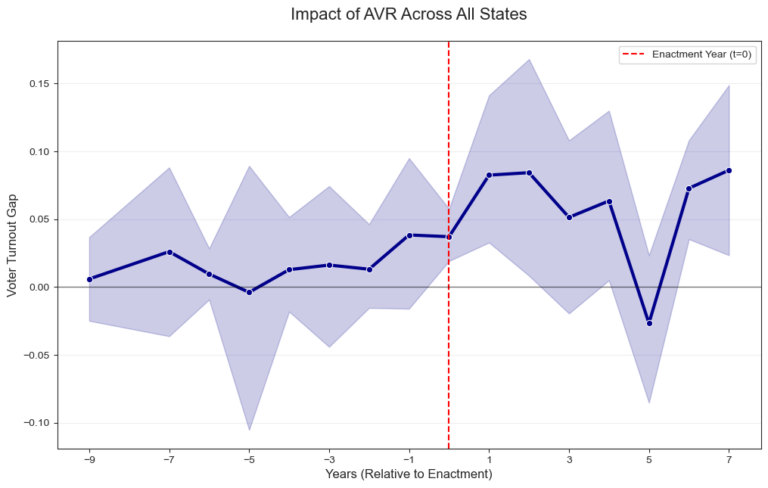
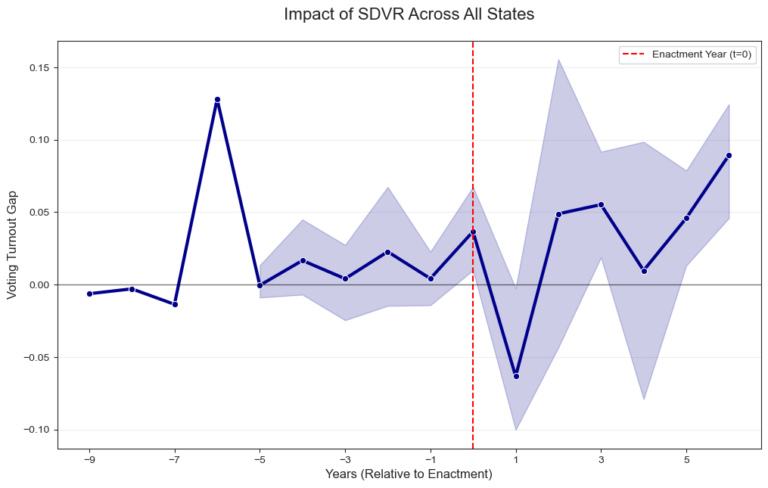
When researching the best ways to graph the true effects of both SDVR and AVR, I found event study plots as the best visualization.

The y-axis represents the gap in voter turnout between treated states (those with the legislation) and control states (those that never implemented it). If the legislation had an effect, the gap would increase, but whether that was in a positive or negative direction depends, as we discussed in greater detail last week.

All states are organized so that their different enactment years align into one relative event time, the red line drawn to divide the graph into “before legislation” and “after legislation” periods.

The shaded area is the confidence interval, a visualization of how precise points are, with narrower areas corresponding to higher precision.

Key Characteristics

In that section before the red line, we’re looking for low fluctuation close to the x-axis, because the treatment and control states should be fairly similar at this point.

Ideally, CI should be narrower to indicate that the information is reliable and more certain. Also, if it crosses 0, the data isn’t statistically significant.

The line’s positive slope means an increase in turnout, so combined with a CI above 0, the legislation can be proven to increase turnout.

AVR

Overall, the flatter line pre-enactment shows that the control and treatment states fluctuated similarly. But the wide CI shows an uncertainty about the results, perhaps due to a wide variety of behaviors in each state. And after the enactment, in the first 2 years and the 7th, the CI is clearly above 0 and the upward slope shows increase in turnout post AVR. The drop approaching year 5 shows some decreasing turnout, but crossing 0 makes the causation uncertain, pointing to other factors affecting turnout.

SDVR

Again, the line is fairly straight with a narrow CI, a good indication of closeness before SDVR. But afterwards, the overlaps of CI where it touches and crosses 0 makes the result not statistically significant. At year 3 and 5 onwards, turnout increases more conclusively.

Takeaways

First, I may identify states that fluctuate in extreme ways and remove them to narrow the CI.

Second, I’ll try to factor out the states that have poor control state matches; as discussed last week, some states’ distance scores with their “closest match” are too large to really be considered a good control, which could be throwing off the results.

Overall, this points me in the direction of finding more years of turnout data. Working in the timeframe of 2014 to 2024 could be making it harder to find true close matches between states (by using distances derived in a short period), and displaying unreliable trends over just a few years. Finding this older data has proven challenging, but may be necessary.

Week 6: Campus Community

What I’ve learned so far is that, when it comes to the final act of voting at the polls, location is everything. A lack of accessibility or transportation costs can deter too many interested individuals. Young individuals often cite inconvenient location as a barrier to voting (CIRCLE, 2019). And as the Fair Elections Center points out, college campus polling sites are an opportunity to fix this, yet in 2020, 74% of campuses did not have any in-person voting options.

In Week 6, I worked to study how the availability of on-campus polling sites impacted voter turnout. As I began, I realized how different it was from the Same-Day and Automatic Voter Registration legislation I studied beforehand. First, the National Conference of State Legislatures was my primary source for SDVR and AVR data, with well-organized start times for legislation and descriptions of their nuances, whether they changed over the years, and more. Finding exact start years for on-campus poll sites was much harder, and the process drew from multiple sources. Second, instead of comparing whole states to each other, I’m comparing similar colleges (one treatment and one control).

Methodology

While researching, I found fewer real papers on this subject, but to help me narrow down my method, I read what factors make a college most similar to each other. These factors include their type (public, private, community college, etc.), tuition cost, highest degree awarded, and student-faculty ratio. For the most part, I was able to find this data from a source called College Scorecard. Next, I began grouping similar colleges by clustering them, a method based in the same principles of calculating each point’s distance to each other.

As of now, I’ve determined similar colleges in the states without AVR or SDVR at any time (to control for the effects of those legislation). However, adding the data for when each college began on-campus polling was more of a manual process I was only able to do for a few states, and instead of a clear start date, the source gave a two year range (ex. between 2025 and 2026). Now, I’m trying to find a better solution to the issue and be able to draw comparisons for more colleges in more states.

BASIS Independent Dublin is a Grades 6 – 12 private school, providing students with an internationally benchmarked liberal arts and sciences curriculum, with advanced STEM offerings. Considering joining the BASIS Independent Dublin community? To join our interest list for the next school year and receive admissions updates and more, please click here.
Filed Under: Uncategorized

A Classroom Without Walls: BASIS Independent Fremont Seniors in the Galápagos

April 16, 2026 by sarahpeterson Leave a Comment

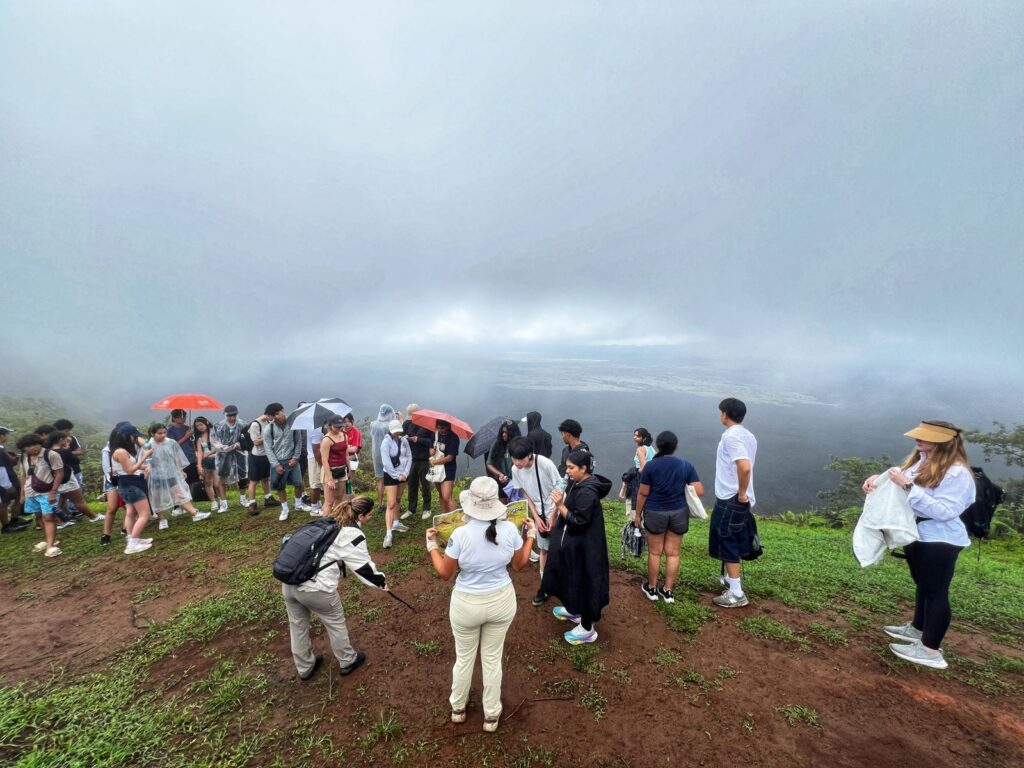
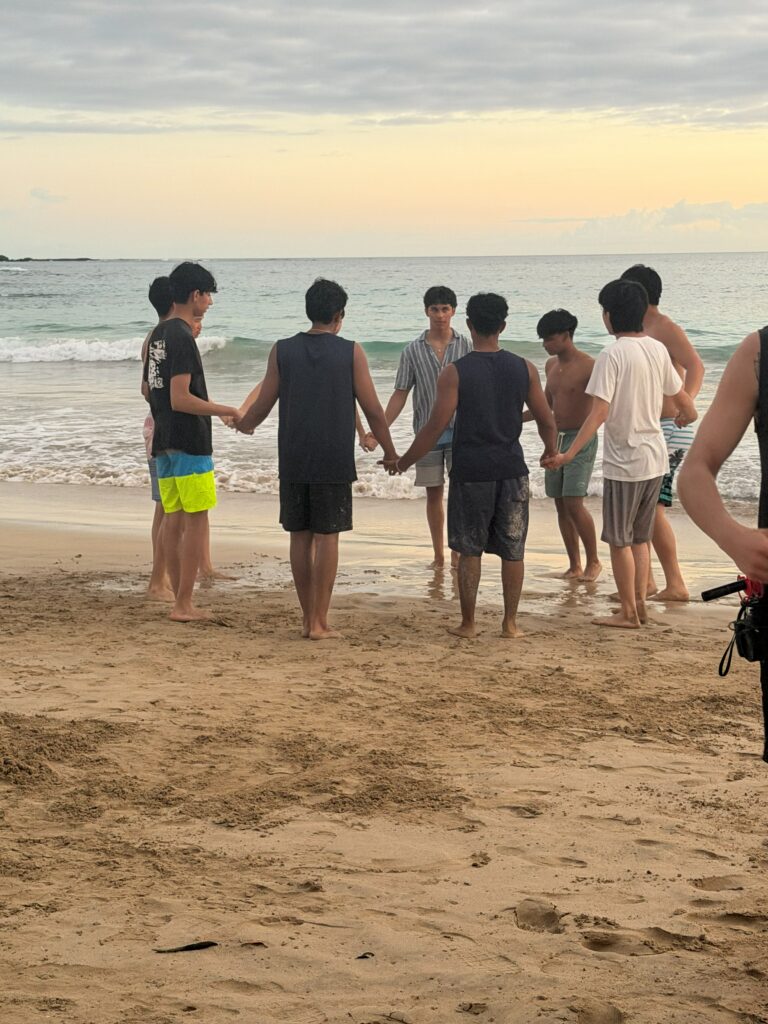
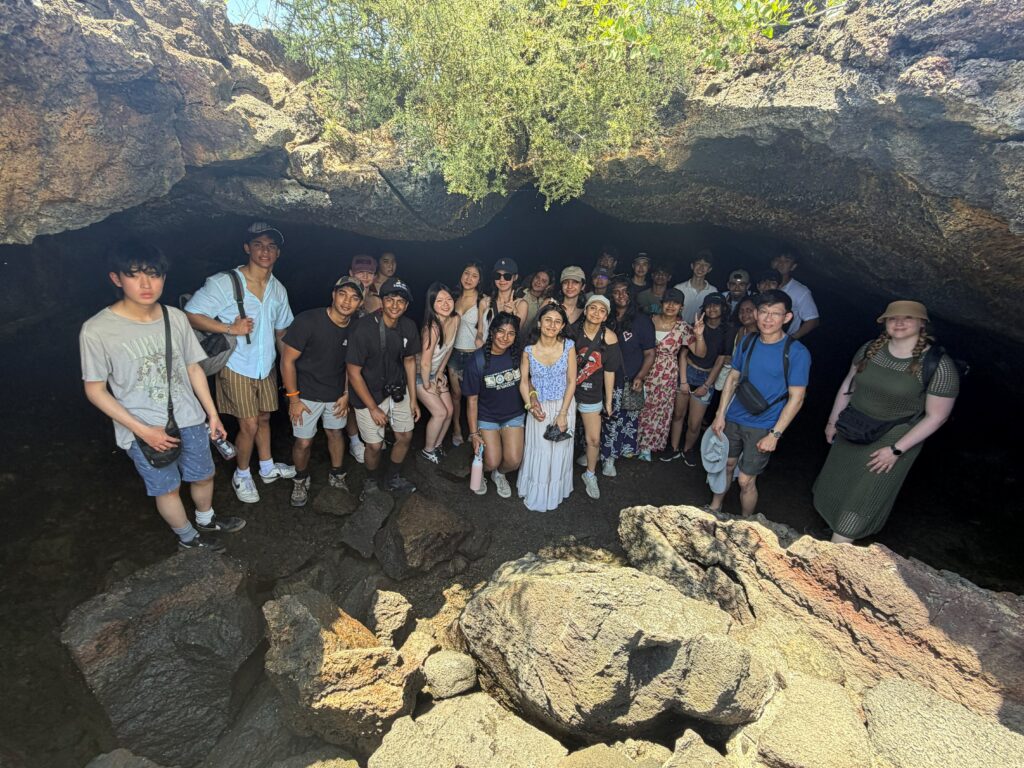
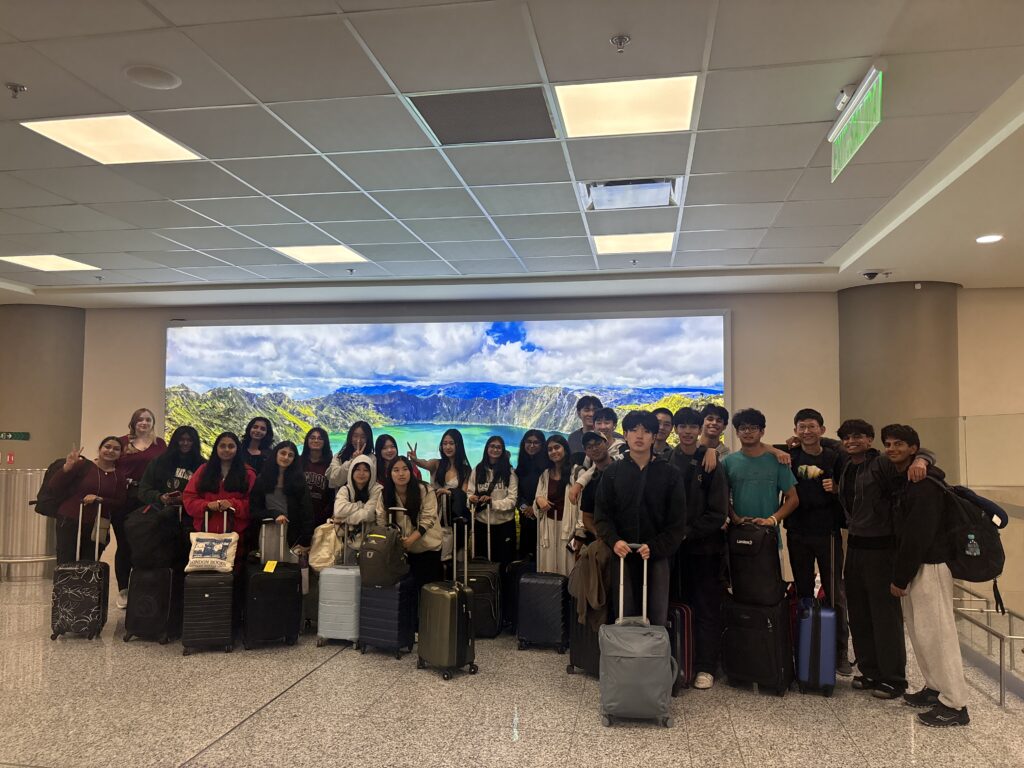
Some lessons can’t be taught in a classroom. In February, BASIS Independent Fremont’s Class of 2026 traveled to Ecuador and the Galápagos Islands to find out what they look like in the real world. Over nine days, our seniors explored Quito’s colonial history, hiked the rim of an active volcano, snorkeled alongside sea turtles and mantarays, and planted trees in a conservation reserve. They bargained at a 500-year-old market, danced salsa, and stood on the equator. We sat down with four of them to hear about it in their own words.

Before we dive in, see this once-in-a-lifetime journey through the eyes of the students and teachers who experienced it firsthand.

Showing Up for Something Bigger Than Themselves

Most school trips ask students to observe. This one asked them to participate.

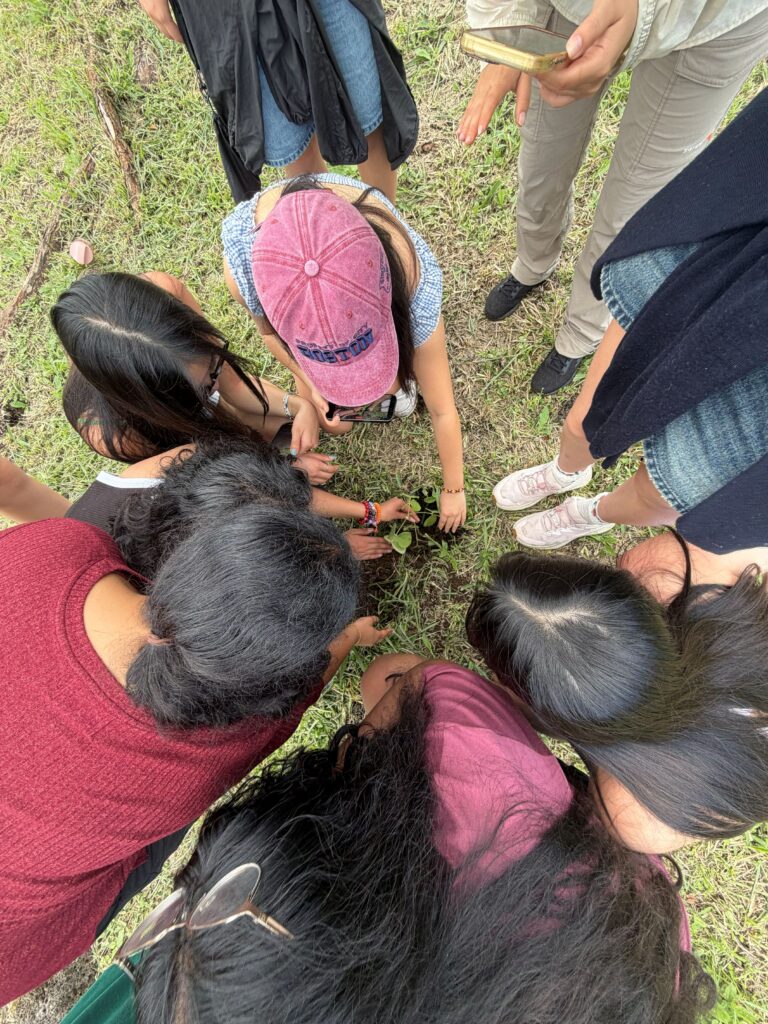
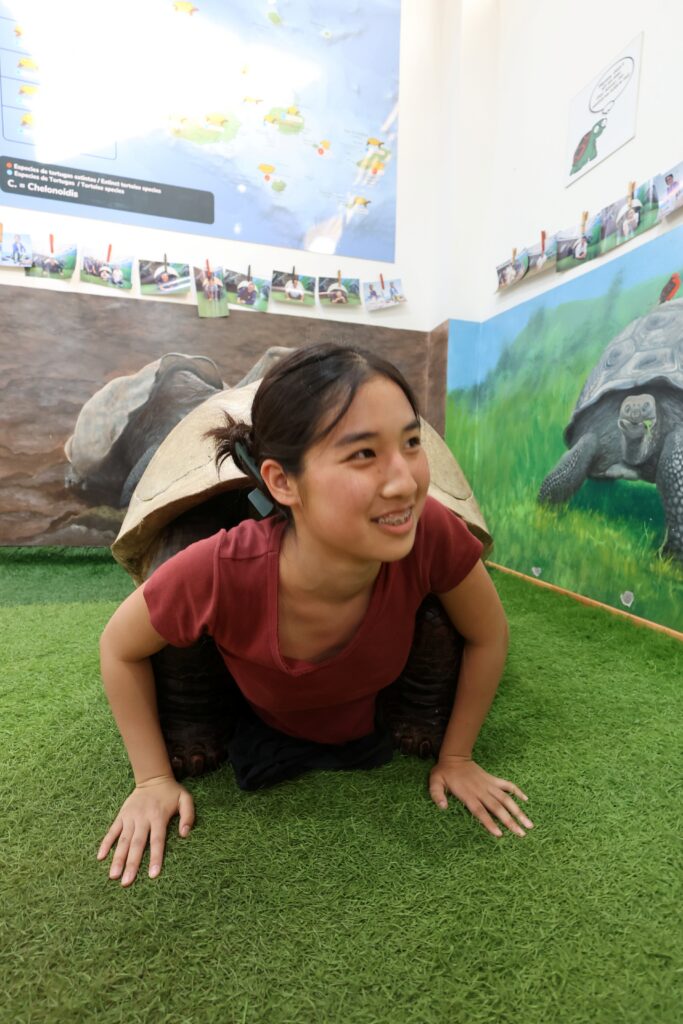
On their first full day in the Galápagos, the group traveled to Rancho Primicias on Santa Cruz Island — a private reserve home to giant tortoises and a hub for regional conservation. Before they had time to settle in, they were handed tools and put to work on a reforestation project, planting native species to help restore the islands’ fragile ecosystem. A visit to the Charles Darwin Research Station later in the week brought the stakes into sharper focus — and for many students, it reframed what it means to travel somewhere as carefully protected as the Galápagos. The islands, it turns out, require a kind of vigilance most visitors never think about. Diya D. described a moment that stopped her mid-flight:

“When we got on the plane to the Galápagos, they released some kind of spray to make sure none of the bacteria you carry from Quito reaches the islands. That’s something I never would have considered — that people themselves, and everything they bring, can be a threat. They mentioned reef-safe sunscreens, restrictions on what you could bring — things I never would have thought of. And you can see the result: how clean everything is, how nice the beaches are, how free the animals are.”  — Diya D.

It’s a perspective shift that’s easy to carry home. As Shayona P. put it, the Galápagos reframes what it means to be a visitor anywhere: “The locals are the animals. Being respectful to them and their home — that’s how I thought about conservation.” When you’ve seen what careful stewardship actually produces, it’s hard to think about any natural place the same way again.

Encountering the Unexpected

Students arrived in Ecuador with some idea of what they were getting into. The Galápagos, most of them knew, was special — a place they’d read about in textbooks, studied in biology class. What they didn’t fully anticipate was how different “knowing about” something would feel from actually being inside it.

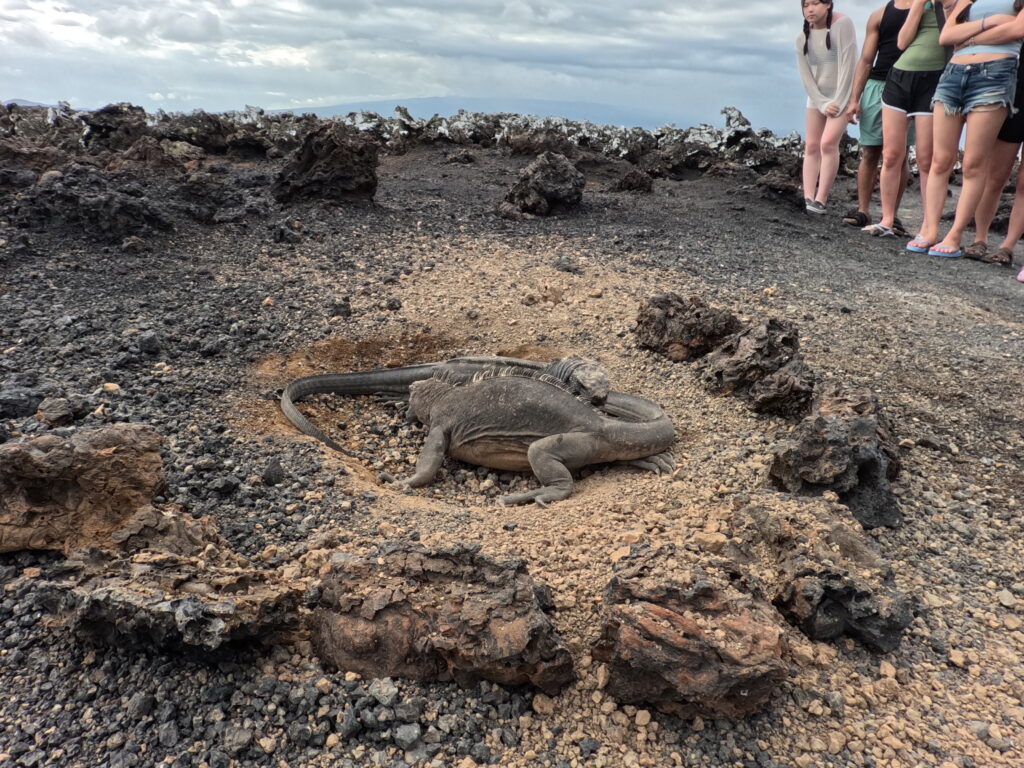
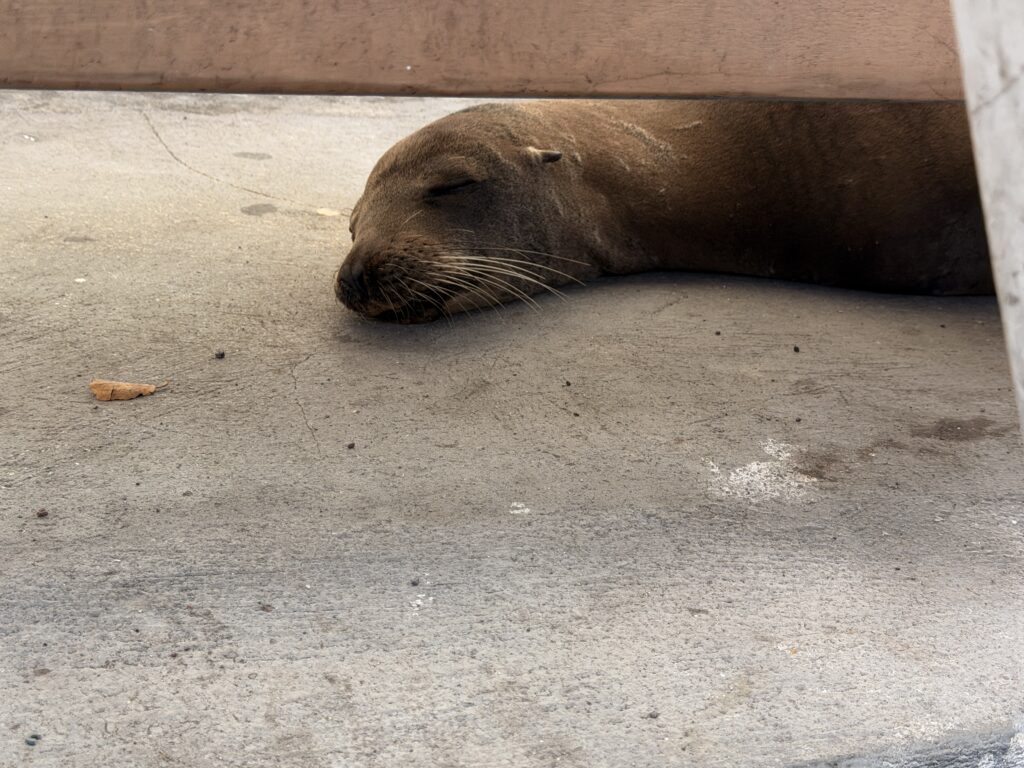
At Las Tintoreras on Isabela Island, students geared up for a snorkeling tour and found themselves sharing the water with tropical fish, sea turtles, sea lions, and — in a detail that surprises nearly everyone — Galápagos penguins, the only penguins found in the Northern Hemisphere. On land, the animals were equally unguarded; Paisli D. described arriving to find sea lions “lying on couches and being so immersed in our daily activities.” The Galápagos has a way of making you feel like the guest, not the other way around. Shayona P. noticed something beneath the surface that stayed with her long after she was back on dry land:

“In some of the other places I’ve snorkeled, there’s a lot of separation between species. But in the Galápagos, you’d swim from one end of an island to another and see a stingray, many different kinds of fish, a sea turtle — they all live in the same territory. Being able to share that space as a human makes you feel like you’re part of something so much bigger.”  — Shayona P.

But the surprises weren’t limited to the islands. In Quito, while walking through the city center, the group stumbled into a local carnival celebration — complete with strangers spraying foam and paint at anyone who walked by, including a group of BIF seniors who had absolutely no idea what was coming. “We all walked back onto the bus covered in foam and paint,” laughed Diya D. “It was fun and a little scary because we didn’t know what to expect, but looking back, those were aspects of the culture that we got to see and experience.” It ended up being one of the most talked-about moments of the whole trip — which says something about what travel can do when it catches you off guard.

Stepping Outside Their Comfort Zone

There were plenty of moments on this trip that asked something of students — physically, emotionally, and socially. Most of them showed up anyway.

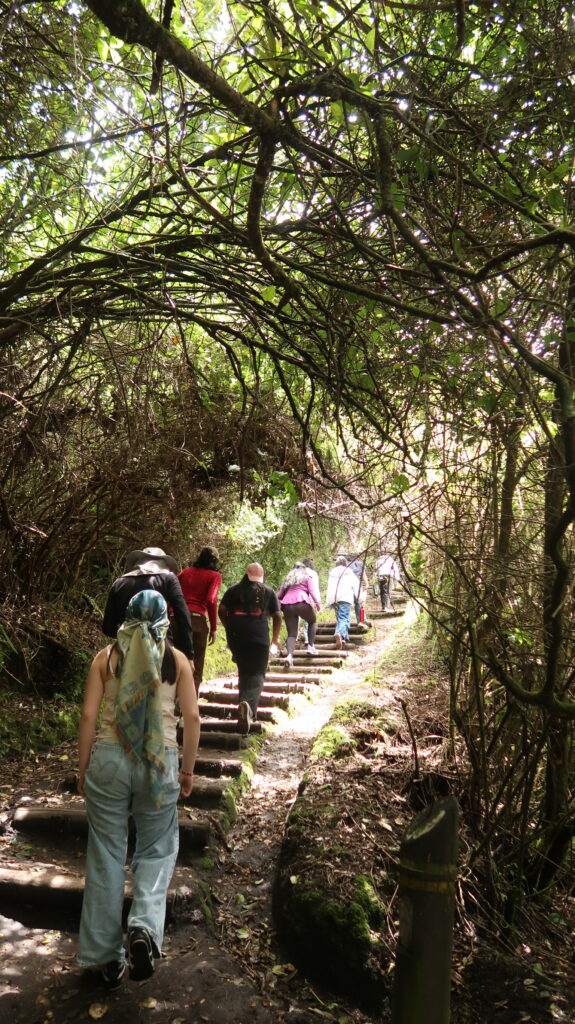
It started before the Galápagos even came into view. In Quito, at 9,350 feet above sea level, something as simple as walking uphill became a genuine challenge. Shayona P.  credits the energy of the group for getting her through it: “The constant shift between Quito and the Galápagos at sea level was definitely something we had to work around. But coming back, I felt really proud of myself that I was able to push through and still enjoy it.” On Isabela Island, the group hiked to the rim of Sierra Negra — one of the most active volcanoes in the Galápagos, with a crater six miles wide and 300 feet deep — before winding down the day with a salsa lesson on the beach. The trip had a way of keeping students off balance, in the best sense.

Not every stretch came from a volcano or a dance floor. Some of the most affecting moments were the quieter ones — the kind that ask for patience rather than endurance. Paisli D. found hers on the water, early in the morning before the rest of the world was awake:

“I felt really at peace on those morning boat rides traveling from one island to the next. I remember waking up really early before the sunrise and being able to see all the stars in the sky. It was so beautiful — the most stars I have ever seen!”  — Paisli D.

For Diya D., even the hardest moments — a power outage, restrictions on tap water, limited amenities — ended up in the win column. “There’s a fun to it,” she said. “When you’re with everybody, there’s this collective shared suffering, shared complaining. That’s kind of fun, honestly.” It’s the kind of thing you can only really feel when you’re far from home with people you trust.

What They’re Carrying Home

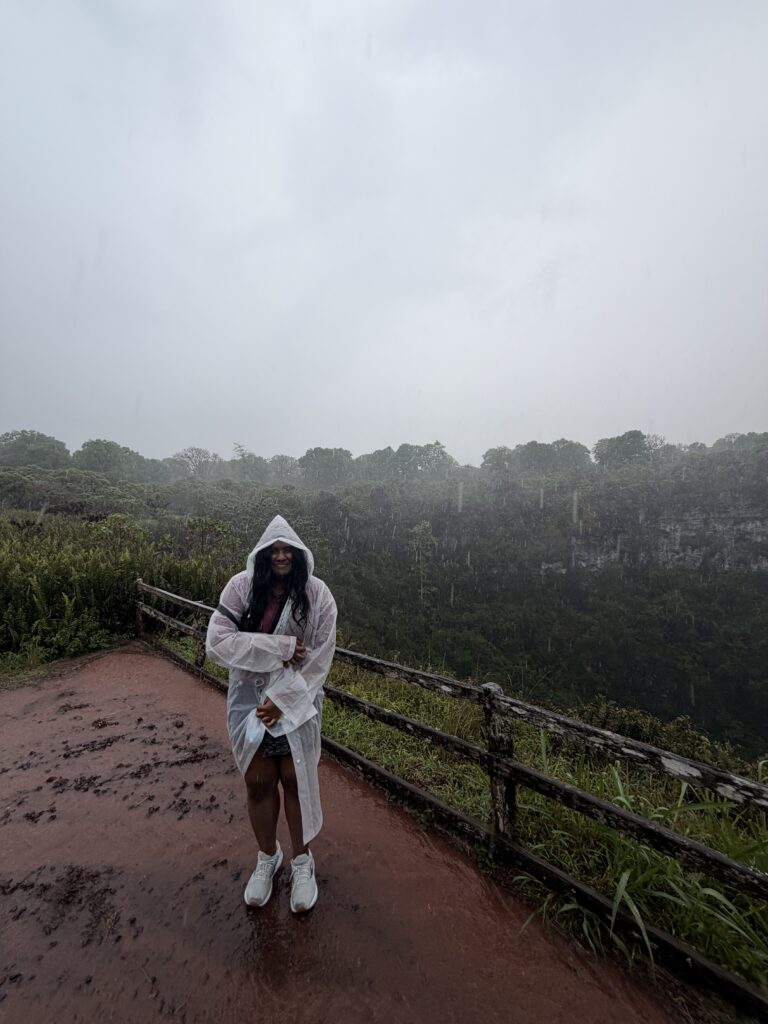
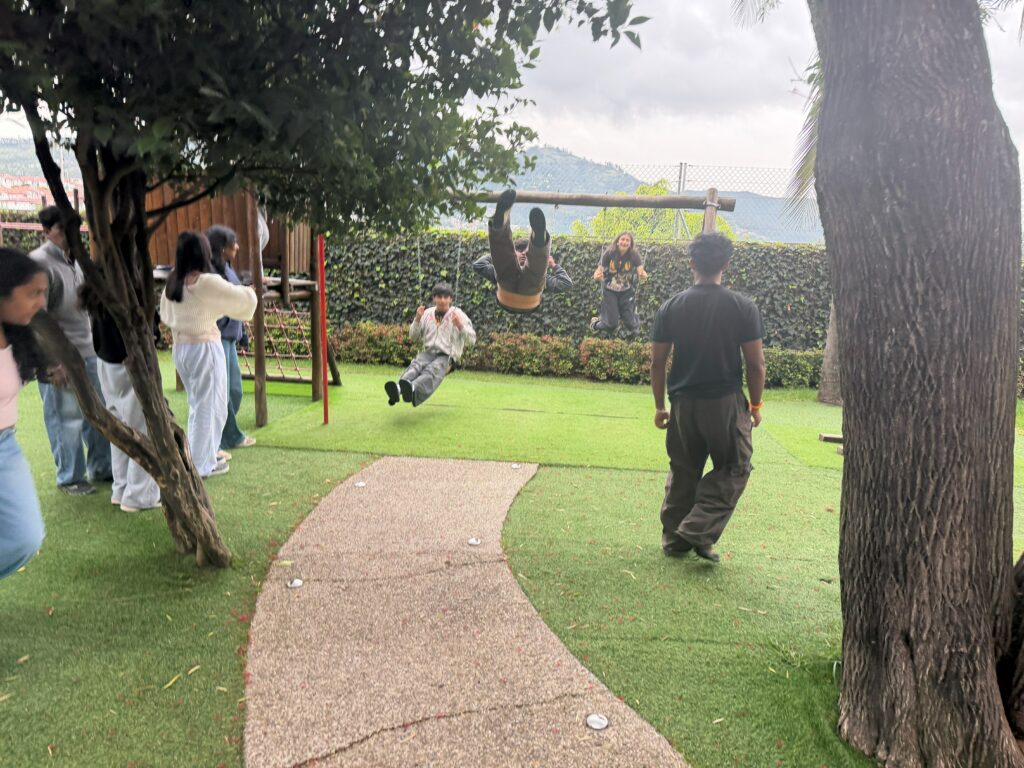
On the last evening in Quito, before the flight home, the group found a playground outside a pizza restaurant and spent an hour playing in the rain. It was the kind of moment that sneaks up on you — and for many students, it was when the weight of the trip finally landed. Nine days of volcanoes and sea turtles and strangers spraying foam in the street, and what broke through was a wet playground and the realization that these were the same people they’d been sitting next to in class for years, just seen differently.

That shift — from classmates to travel companions — turned out to be one of the trip’s quieter gifts. “When you’re in school, you see people from an academic standpoint,” reflected Diya D. “But when you go on a trip like this, you interact with people more broadly. It’s nice to have this before graduation, because you see people in a different light, and it gives you a more sentimental view when you graduate.” Shayona P. felt it too, standing on that playground in the rain: “It kind of hit me that I wasn’t going to see these people every day — people I’d seen for the last four years. Being outside of a school setting, spending that kind of time together — that was really cool.”

For anyone heading to the Senior Trip next year, Anuj P. has simple advice: “The trip is very fun and well worth it. Just make sure to have enthusiasm in all the activities.” It’s hard to argue with that.

Trips like this don’t happen by accident. At BASIS Independent Fremont, international travel is woven into the student experience — each journey designed to put students in unfamiliar places, ask something of them, and bring them home with a broader sense of the world and their place in it. The senior trip to the Galápagos is the culmination of that thread: the most ambitious, the most independent, and for many students, the most formative. What Diya, Shayona, Paisli, and Anuj described — the shifted perspectives, the deepened friendships, the quiet pride of having shown up for something hard — is exactly what we hope every BIF student carries with them long after graduation.

The Galápagos doesn’t let you stay a passive observer for long. Our seniors spent nine days there — not as tourists passing through, but as people who showed up, paid attention, and gave something back. Whether planting trees, swimming with sea turtles, or standing on the rim of an active volcano, BASIS Independent Fremont’s seniors left as participants — in the ecosystem, in the science, and in the story of one of the world’s most remarkable places. Some classrooms just don’t have walls.

Learn more about the senior experience at BASIS Independent Fremont here.

BASIS Independent Fremont is a TK – Grade 12 private school, providing students with an internationally benchmarked liberal arts and sciences curriculum, with advanced STEM offerings. Considering joining the BASIS Independent Fremont community? To join our interest list for the next school year and receive admissions updates and more, please click here.
Filed Under: Featured, Field Trips, Student Life, Uncategorized

Senior Project Spotlight: Patrick Z. Weeks 3 – 4

April 9, 2026 by mirandamartinez Leave a Comment

The Senior Project is an independent, student-led culmination of our high school experience. After three years of academic preparation, our seniors are ready to spend the last trimester of their high school careers applying the skills and knowledge they have gained to develop a project that is insightful, academically rigorous, and professional in nature. This year, we are proud to showcase a senior from one of our neighboring campuses, BASIS Independent Fremont, Patrick Z.

Week 3: My Qubits Can Count, Just Not to Ten

Last week, I hit a major computational roadblock. I had to wait half of an entire day for the quantum simulations to finish. Oftentimes, they did not even work. However, I found my breakthrough with Amazon SageMaker. While I spent the final part of last week struggling with Google Colab’s limitations, this week I decided to port my notebook to Amazon’s machine learning platform: SageMaker. This gave me greater access to more powerful computational abilities. I had been spending hours training models on Colab, but now I could train models in only a fraction of that time. I could experiment, tweak, and retrain much more quickly than before, which is necessary for model development. With SageMaker, I could finally achieve what had been my goal for weeks: training all three models and getting preliminary accuracy numbers on the board.

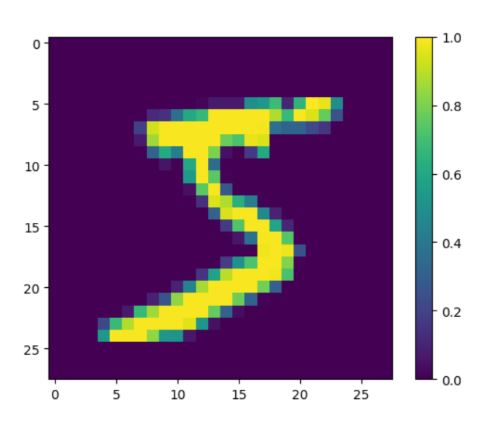
I ran initial training jobs on all three of my models using the clean MNIST dataset from Keras. For the first time, I had actual figures to refer to. The full-resolution CNN was the strongest out of the three models, and this was honestly expected because it had the full 28×28 pixel images. To give you an idea of what this looks like, here’s an example of the input the full CNN receives.

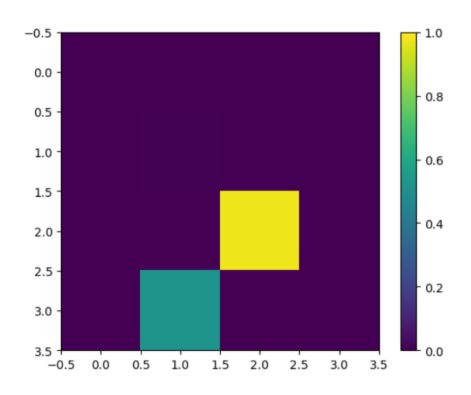
The fair CNN, my MLP running on the same 4×4 binarized input as the QNN, was less performant but still showed the ability of a simple classical neural network to squeeze a decent amount of data out of the compressed input. Here’s what the compressed input looks like.

The QNN also produced its first accuracy figures. While the accuracy was nowhere near as good as the full CNN’s, seeing the quantum circuit learning and improving its accuracy was still exciting. For the first time, my project was more like an actual experiment than a debugging exercise.

But then I got greedy. Feeling good about having working models, I wanted to try to push the limits. I tried to have the QNN classify all ten digits rather than just the simple subset the initial version was trained on. So, I reworked the output layer as well as the loss function and started the training. It was so painfully slow. While the new hardware Amazon SageMaker provides is great, every additional output class of the QNN means more parameters in the quantum circuit, more calculations using the parameter shift rule, and more simulated quantum operations. These simulated quantum operations stacked on top of one another and made the program extremely slow. I tried different learning rates and tweaked the number of entangling layers, but it was just too slow. By the time I realized the ten-class approach was not going to work, I had already wasted the better part of two days on it with very few results to show.

However, I am not discouraged by this setback because I believe that the preliminary results I achieved prior to the ten-digit experiment are promising. In the future, I’m planning to work on optimizing the quantum circuit architecture itself and exploring different combinations of quantum gates beyond just XX and ZZ. I want to see if reorganizing the quantum circuit can help increase the classification power of the same 16 qubits. Specifically, I aim to determine the sweet spot where I can confidently mitigate noise, which is the whole purpose of the project. Beyond that, I am also interested in exploring how the models can be applied to more meaningful datasets than just MNIST. While MNIST is a great benchmark, classifying handwritten digits does not fully capture the challenges of the noisy data that these systems would encounter in more practical applications, such as medical imaging and autonomous driving.

Week 4: The Dataset Dilemma

Last week ended on a pretty high note for me. After many days of frustration, I was finally able to get the ten-digit QNN classification working with Amazon SageMaker. I did this by optimizing batch sizes and being more aggressive with my learning rate schedule to make sure that my quantum circuit was able to converge before my patience gave in. Seeing all ten digit classes separate out in my predictions seemed like a small miracle to me. So, I was looking forward to continuing with more datasets in Week 4. But then, my datasets caused quite a lot of trouble.

After having MNIST in the bag, I was feeling quite confident with my project, so I decided to try to apply my project to some real-world problems beyond just recognizing handwritten digits. So, I decided to test my models out with something more challenging than MNIST. During the first half of this week, I was looking into using the Fashion MNIST dataset, which contains images of various clothing items such as shirts and shoes. I felt like replacing my MNIST data with this new, more complex set of visual data meant more.

The results were a disaster. The full CNN performed reasonably well with the Fashion-MNIST dataset and its full resolution images. However, the fair CNN and QNN plummeted. This was because compressing a t-shirt and a pullover into 16 pixels makes them almost indistinguishable. The loss of information was fine for the digit dataset but disastrous for clothing items with only subtle visual differences. My QNN was basically guessing.

I tried different binarization thresholds and only used visually distinct classes, such as distinguishing between shoes and bags. However, even these simple two-class problems were not reliable. After two days of failed experiments, I gave up and accepted that my 4×4 input resolution was a hard constraint dictated by the limits of quantum simulation. It was simply not capable of capturing enough information to classify more complex images. MNIST worked because of the simplicity of the digit images. Fashion-MNIST did not.

So, I made a decision. I’m temporarily abandoning the Fashion-MNIST dataset and going back to MNIST. But, I might search for some more datasets of traffic lights to experiment with. Looking back, my experiment was never about Fashion-MNIST anyways, it was more about determining whether quantum computing’s properties provide noise resilience. I can still do this experiment with sufficient rigor using other datasets.

Next week, I’m also ready for more in-depth noise injection. Stay tuned.

BASIS Independent Dublin is a Grades 6 – 12 private school, providing students with an internationally benchmarked liberal arts and sciences curriculum, with advanced STEM offerings. Considering joining the BASIS Independent Dublin community? To join our interest list for the next school year and receive admissions updates and more, please click here.
Filed Under: High School, Senior Projects

How BASIS Independent Manhattan Grade 7 Students Impressed NYC Art Educators

April 7, 2026 by christineklayman Leave a Comment

Recounted by Ms. Hill (Subject Expert Teacher, World History)

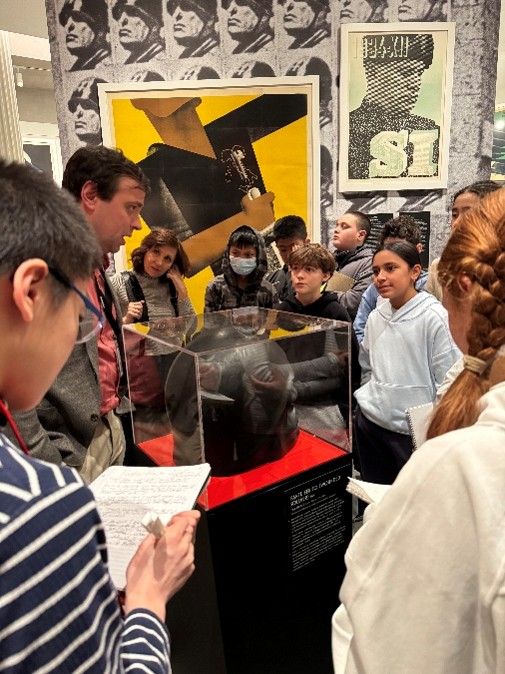
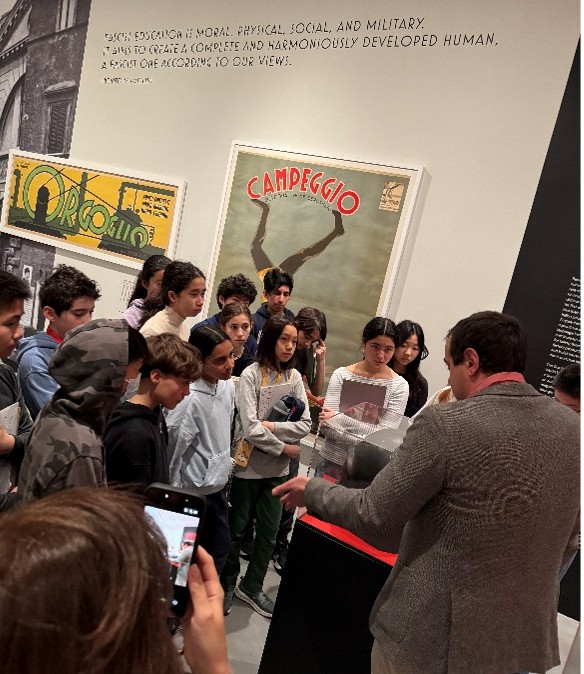
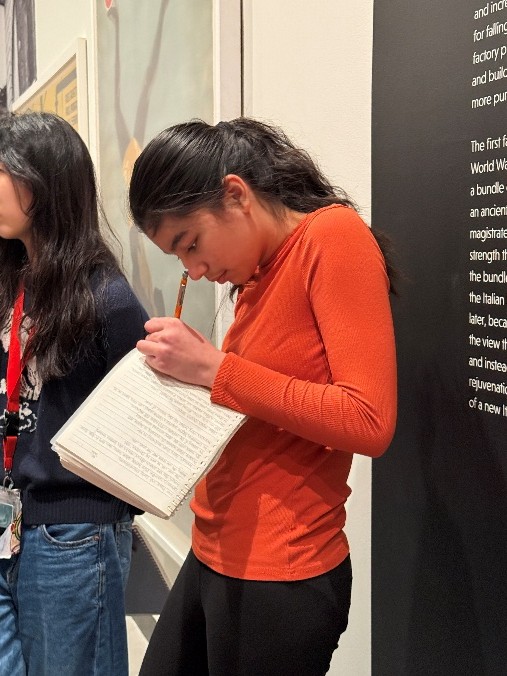
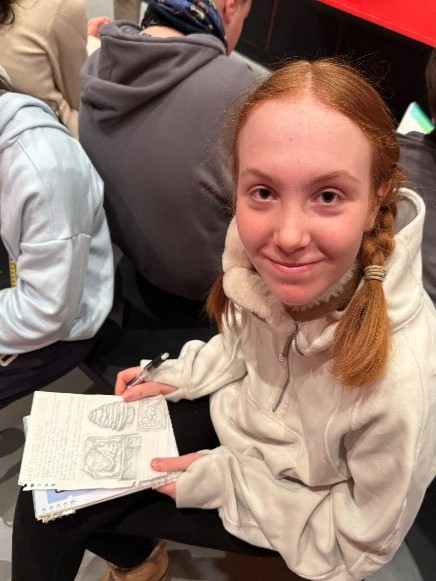
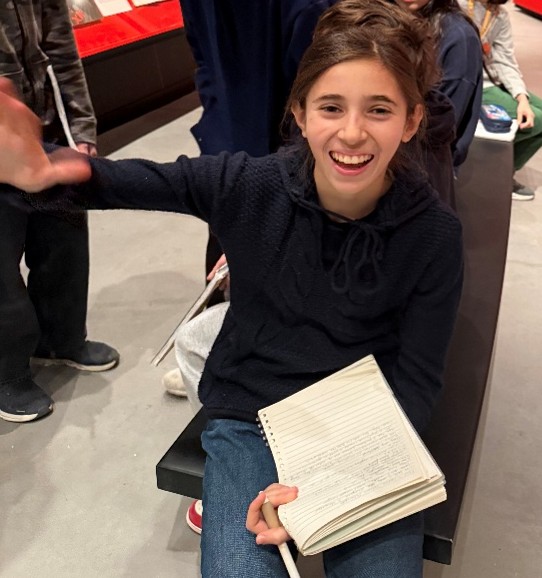
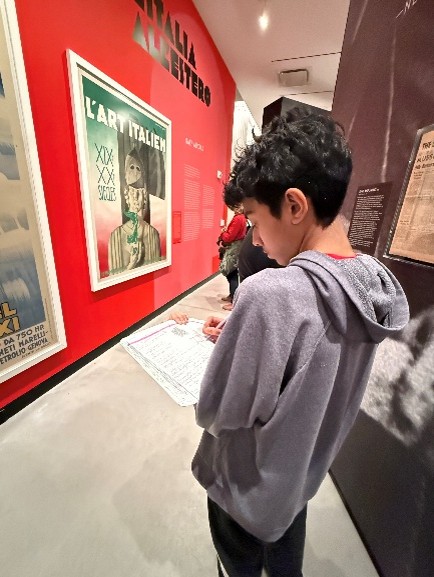
Our grade 7 students stepped out of the BASIS Independent Manhattan Upper School to take an eye-opening field trip to the nearby Poster House, America’s first—and only—museum dedicated entirely to posters. This interdisciplinary field trip to see “The Future Was Then: The Changing Face of Fascist Italy” helped students make connections between World History and visual art by seeing how Mussolini’s government designed posters that shaped Italian culture.

Identifying the Exhibition’s Key Focus

The exhibition featured 75 pieces from the Fondazione Massimo e Sonia Cirulli in Bologna that exposed the intersection of propaganda and art during Mussolini’s rule. The posters were visually stunning, with dramatic designs and vibrant colors that promoted a dangerous political ideology. Many students identified the strangeness of seeing something so artistic on the surface, yet how it was used with malicious intent.

Understanding Propaganda vs. Art

These middle school students were most taken by how much there was to learn from a single poster. Each one had a story to tell. Through deep analysis and thought, students identified the propaganda that the poster was intended to communicate.

By taking on the poster designers’ perspectives, the students weighed what choices they would need to make using just images, colors, and a few words to communicate a specific and complete message. Which colors should be used? How should the text be arranged? What emotions do the images evoke? A student favorite was the “creepy pasta baby,” which demonstrated the lie that Italy was flourishing economically and could support and feed such a vast population in its Empire.

Difficult Questions and Important Lessons

Our students took away from this field trip a key lesson that governments, activists, and companies have used posters to influence public opinion over time. After understanding that some posters encouraged people to buy chocolate with added ingredients to save money, or showed how chocolate and colonialism were connected, group discussions ensued about how even history can be used to change people’s minds.

With this newfound understanding, students are writing essays using propaganda posters from the exhibition. Their goal is to show how Fascism manipulated art and twisted history for its harmful ends.

Final Thoughts

Our grade 7 students found that a small museum can make a big impact, and our students made a lasting impact at the museum, too. The exhibition curator was so impressed by their knowledge, curiosity, and insights that he thought they were high school students in an AP class!

Experience Joyful Rigor Firsthand

Join us for our April Open Houses

We invite you to see our curriculum in action and meet our passionate educators:

Lower School (PreK–Gr. 5)
Saturday, April 25 at 10:00 AM
795 Columbus Ave. (UWS)

Upper School (Gr. 6–12)
Sunday, April 26 at 10:00 AM
556 W. 22nd St. (Chelsea)

Save Your Spot!

BASIS Independent Manhattan, a private school offering PreK through Grade 12, is based in Manhattan, New York. Students thrive alongside Subject Expert Teachers as they engage in a liberal arts program with STEM offerings. 

Filed Under: Academics, Field Trips, History, Middle School, Student Learning, Student Perspectives

Senior Project Spotlight: Aarohi G. Weeks 3 – 4

April 7, 2026 by mirandamartinez Leave a Comment

The Senior Project is an independent, student-led culmination of our high school experience. After three years of academic preparation, our seniors are ready to spend the last trimester of their high school careers applying the skills and knowledge they have gained to develop a project that is insightful, academically rigorous, and professional in nature. This year, we are proud to showcase a senior from one of our neighboring campuses, BASIS Independent Silicon Valley, Aarohi G.

Week 3: A Party Problem

This week, I prepare to replicate my methodology for the next legislative variable: Automatic Voter Registration, a policy with similar intentions to Same-Day Voter Registration, boosting voting and increasing accessibility. But before I seek these results, I aimed to research a major challenge to my findings and how I could correct for it.

Political Parties & The Youth Vote

Does the political party in charge influence efforts to appeal to the youth vote? The Democratic and Republican parties have historically prioritized it differently according to their reach with these age groups; In 2024, around two-thirds of 18-24 year-old voters aligned themselves to the Democratic Party, indicating a clear advantage gained by the youth vote for Democrats (Pew). As a result, great divides have formed on the opinions surrounding early voting or decreasing registration requirements. Where 84% of Democrats and Democratic-leaners agree with the concept of Automatic Voter Registration, only 38% of Republican and Republican-leaning responders agree (Pew, 2021).

So time and time again, we see legislation specifically catering to the youth vote and needs during elections. The Youth Voting Rights Act, sponsored by the Democratic Sen. Warren and Sen. Williams, exemplifies this as it proposes pre-registration and on-campus polling sites among other additions. And as Sen. Warren was quoted claiming Republicans responsible for voter suppression laws that “silence youth voices,” the issue of target demographic reflects in policy-making and both parties’ agendas.

Correcting This Influence

So how do I ensure that the changes I notice are from the laws themselves and their effects over time, not simply due to the political party in charge? First, the current method of comparing a treatment state to a control group helps, and can be improved by creating a treatment group of similar states as well. The treatment states would all have to adopt the policy simultaneously, offering a more limited view to compare my previous results to, rather than a new method to rely on.

As a secondary analysis after checking for the effects of legislation, I can additionally monitor campaign spending and how it is directed to young voters. In this way I can assess if it differs between parties, and identify periods of constant campaigning to use for my studies (rather than times with more fluctuation).

AVR Data Collection

Once again, I’ll be referring to the National Conference of State Legislatures for their data on the Automatic Voter Registration laws in each state. With each state implementing AVR in a much more recent range of the past 2 decades, comparing a treatment group to a control group is significantly more practical.

Week 4: Automatic Advantage

It’s time to discuss the second policy under review for impact on voter turnout: Automatic Voter Registration. Let’s get some context on the subject.

What is Automatic Voter Registration?
We’ve discussed how registration is often a barrier to voting, and AVR is just another way to streamline the process. It allows eligible voters can become registered when interacting with certain government agencies, like the DMV, and their information will pass on to election officials as necessary. 24 states and Washington D.C. have adopted this legislation in some form. The main two types are front-end opt-out and back-end opt-out.

Front-end opt-out: Whether the voter is asked to “continue” to register or “decline” to register, the choice is presented to them on a screen at the government agency.

Back-end opt-out: While interacting with said agency, the voter will provide all necessary registration information, later receiving a post-transaction mailer that they will be registered unless they respond and decline.

So, two different approaches, with the intention to reduce time costs and inform people on the official steps leading up to voting.

Current Literature
Like Same-Day Voter Registration, many credit this policy with diversifying a state’s voting population. In 2019, Oregon governor Katie Brown views the success of AVR as a direct factor in the increase of people of color registered to vote. And when it comes to the youth vote, a working paper from 2024 finds that the prescence of AVR increased voting turnout for those aged 18-24 by 3.2% (Christy, Hankins, et al.).

On the note of bureaucratic efficiency, the practice has been studied to reduce confusion and delays, both due to human error in paper forms, and also the fact that voter registration does not update when a voter moves (a fact many learn too late).

Progress
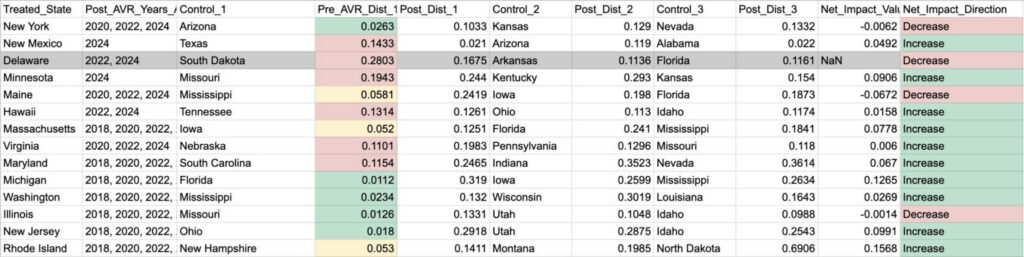
This week, I replicated my methodology from Week 2 used for SDVR, finding treatment states that adopted AVR in the 2014 to 2024 range and comparing them to their three control states. These control states were determined by their Euclidean distance — the smaller it is, the more similar their fluctuations in turnout were.

The color-coding below for the pre-AVR distance of the first control state means:

Green: Within 0 and 0.05 — a very strong match

Yellow: Within 0.05 and 0.1 — a fairly strong match

Red: Greater than or equal to 0.1 — a weak match

We know their distance, but not the direction, so to understand if their subsequent difference in path is positive or negative, I take the average turnout of treated state and the 3 control states to find their difference: the net impact value.

An increase in turnout (as shown in green) means their divergence is positive, and a decrease in turnout (red) means their divergence is negative.

Key Takeaways
First, some states have been ruled out for weak matches. As a potential solution, I’ll look for turnout data older than 2014 for a better range.

Second, AVR seems to overwhelmingly increase turnout rather than decrease, but it’s important to note that the decrease could either mean a real decrease in turnout, or a failure to keep pace with the control group. This should be further studied.

At the moment, I’m re-evaluating Delaware’s data to derive the net impact value.

I’m in the process of repeating this last step of finding the direction for SDVR, and will add it to next week’s update!

BASIS Independent Dublin is a Grades 6 – 12 private school, providing students with an internationally benchmarked liberal arts and sciences curriculum, with advanced STEM offerings. Considering joining the BASIS Independent Dublin community? To join our interest list for the next school year and receive admissions updates and more, please click here.
Filed Under: High School, Senior Projects

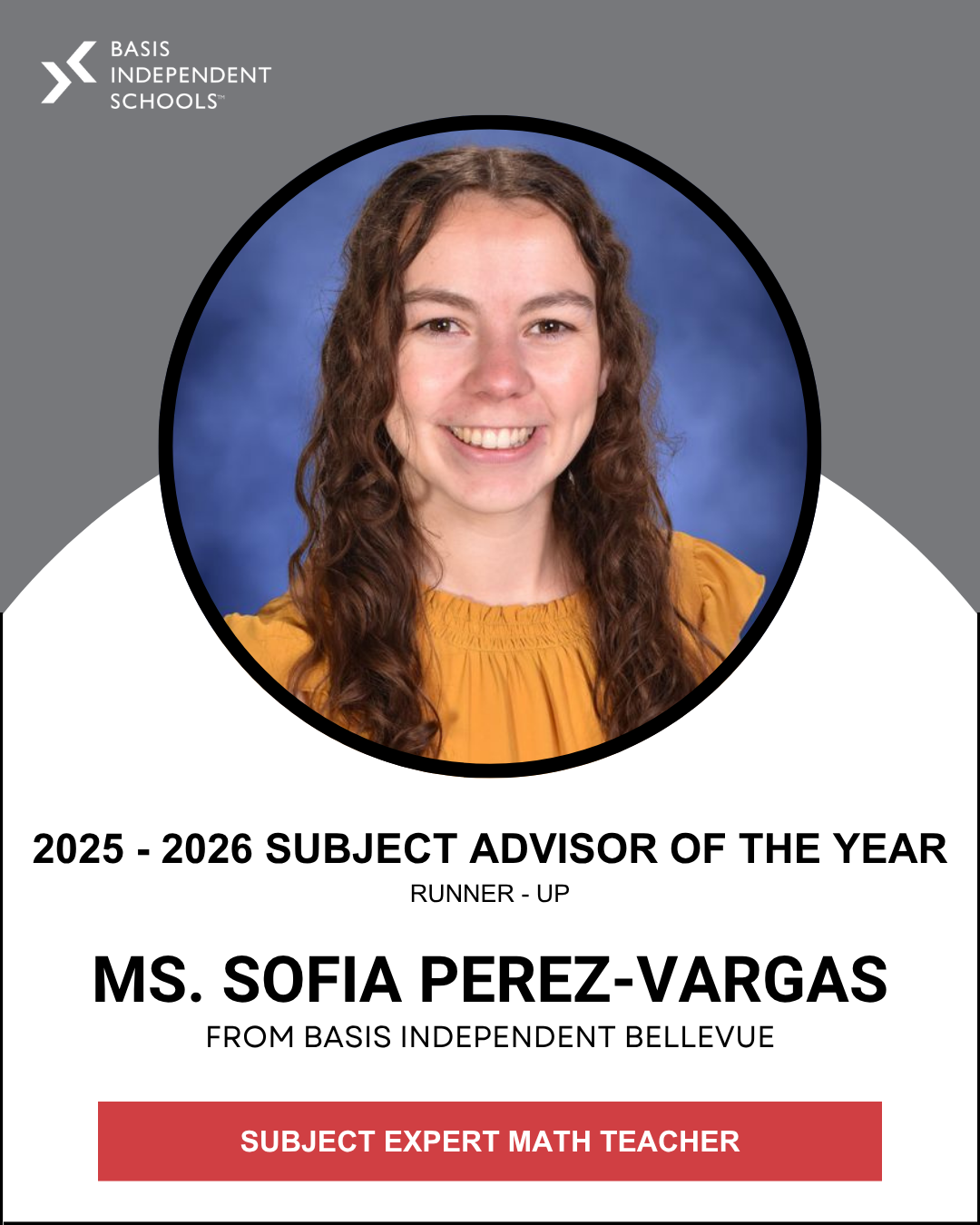
2025 – 2026 Subject Advisor of the Year

April 7, 2026 by mirandamartinez Leave a Comment

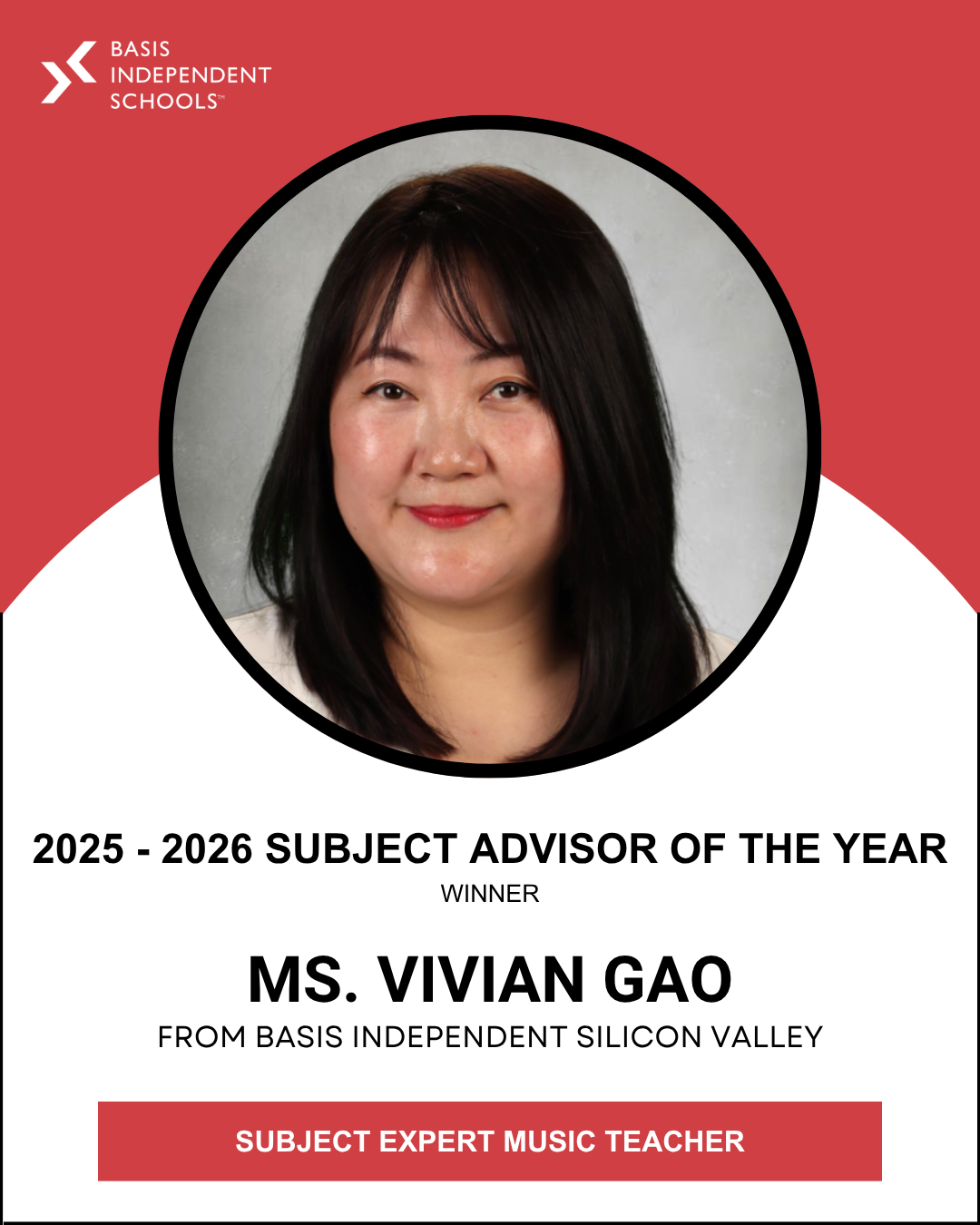
We extend heartfelt congratulations to our 2025 – 2026 Subject Advisor (SAD) of the Year, Ms. Vivian Gao, from BASIS Independent Silicon Valley Lower! Ms. Gao is the Subject Advisor for Music in PreK – Grade 5. 

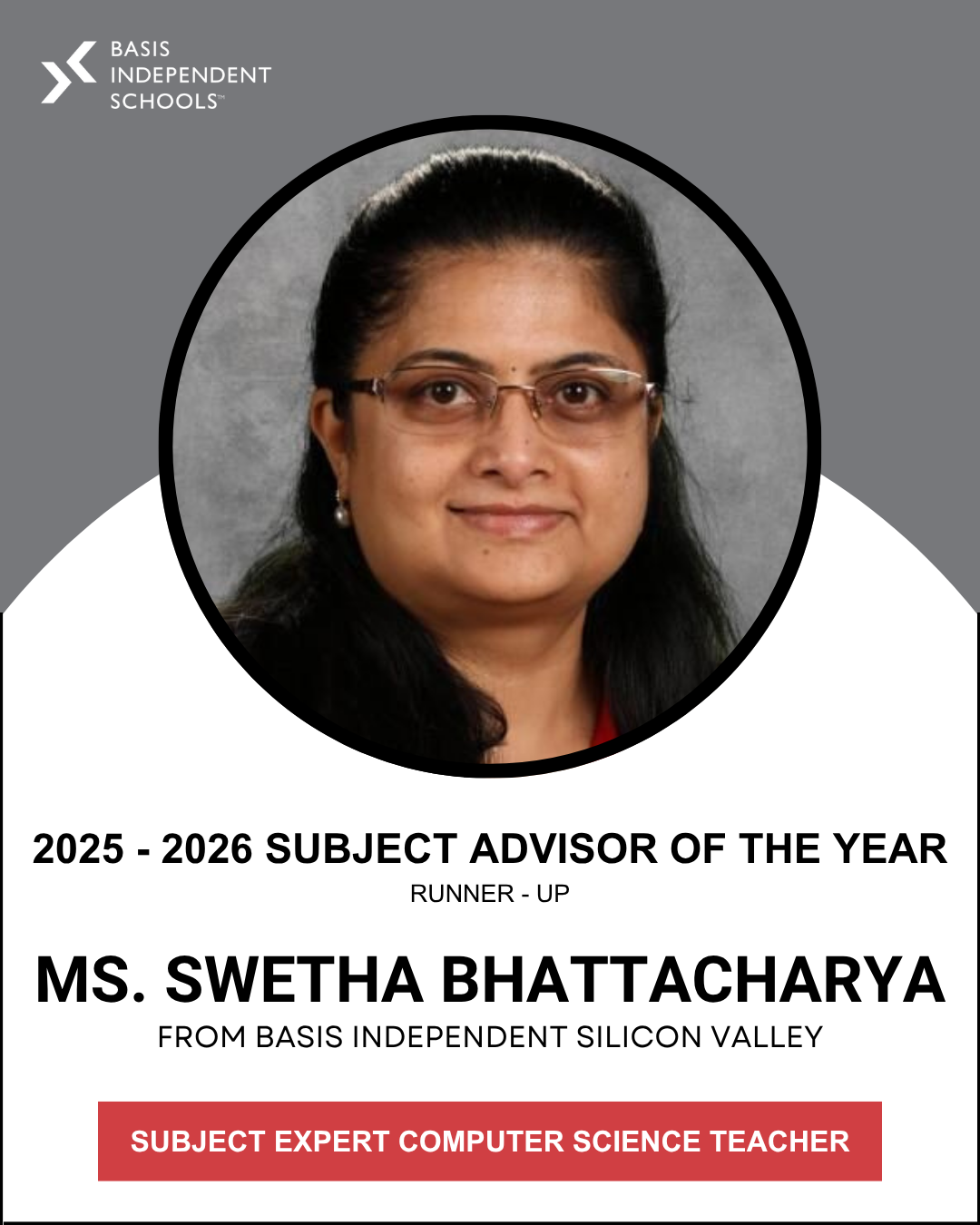
Congratulations, too, to our runners-up, Ms. Swetha Bhattacharya (Computer Science) from BASIS Independent Silicon Valley Upper, and Ms. Sofia Perez-Vargas (Pre-Algebra and Algebra & Geometry I), from BASIS Independent Bellevue!   

The SAD of the Year is a celebration and greater recognition of all the work our Subject Advisors (SADs) do, including providing template syllabi for our Subject Expert Teachers (SET), creating assessments, collaborating with other SETs across the BASIS Independent Schools network, and working incredibly hard to build subject mastery for each of our students.  

“Subject Advisors are a vital part of the BASIS Independent Schools academic model—they embody our reliance on and commitment to our Subject Expert Teachers’ expertise,” explained Ms. Linda Louis, BASIS Independent Schools Senior Director of Curriculum. “It is important to acknowledge the myriad ways they impact our network and to give teachers the opportunity to reflect on how much their work has been positively shaped by their SADs.”  

The Role of a Subject Advisor (SAD): Curriculum and Community  
BASIS Curriculum Schools have a Subject Advisor for each required course and some electives, all the way from STEM Discovery in PreK to Capstone courses for seniors. A SAD is first and foremost a classroom teacher; experienced BASIS Curriculum Schools Subject Expert Teachers apply to take on the SAD role and become extensions of the BASIS Curriculum Team. SADs are responsible for updating the curriculum and refining vertical alignment annually. This task involves looking beyond their classroom experiences, seeking input from teachers across the network of BASIS Independent and International Schools, incorporating insights from assessment data, and considering ongoing conversations in their fields.  

The Power of a Network, Amplified by Subject Advisors  
Throughout the year, SADs provide valuable guidance on the BASIS Curriculum and assessments and offer course-specific discussion prompts in frequent newsletters. In the forums SADs create, teachers can share their unique instructional approaches and request resources or assistance. SADs also host network-wide meetings over Zoom throughout the year to cultivate a community of colleagues, including a half-day of collaboration on the BASIS Independent Schools In-Service Day each fall. Their role in facilitating opportunities for professional growth and development ensures continuous improvement in the educational experience provided to students.  

Ms. Gao had the following to share about the role:  

“Being a Subject Advisor is meaningful to me because it allows me to support our Subject Expert Teachers while strengthening the connection between the BASIS Curriculum and classroom practice. I really value the opportunity to collaborate with educators and grow together to create meaningful learning experiences for our students.” 

Choosing the Subject Advisor of the Year  
Teachers across our network were asked to nominate their SAD in an anonymous, voluntary survey. The BASIS Curriculum Team reviewed all entries, carefully considering responses on several essential criteria, including thoughtful guidance on the BASIS Curriculum, sharing of high-quality resources, and facilitating professional learning communities among their colleagues. Teachers’ enthusiastic endorsements of their course’s Subject Advisor as the most supportive made it difficult to choose a winner, but nominations for Ms. Gao stood out. 

Writes one of Ms. Gao’s advisees: “I really appreciate Ms. Gao’s support as a SAD. She’s always approachable and offers practical and grounded guidance to support young learners. The strategies and resources she shares are clear and immediately usable. She also listens to teachers’ suggestions and collects our questions into key discussion points for our SAD meetings [these are Zoom calls for teachers of the same course throughout the BASIS Independent Schools network]. I really like her as my Subject Advisor!” 

“Working with Ms. Gao is a joy, and we feel incredibly fortunate to have her on the Curriculum Team as a SAD,” expressed Ms. Wen Yang, BASIS Independent Schools Professional Development Manager. “Whether she’s leading professional development workshops, reviewing teachers’ syllabi, or revising the Primary Program music curriculum, she brings a remarkable level of dedication and intention to everything she does. Her impact is especially evident in the way she supports our Subject Expert Teachers. From the thoughtful, high-quality newsletters she creates to the rich, differentiated resources and activities she shares, Ms. Gao consistently goes above and beyond. She also fosters meaningful collaboration through the well-organized and engaging SAD meetings she leads, helping our Subject Expert Teachers feel supported, inspired, and connected.”  

We are incredibly grateful to our exceptional Subject Advisors for their hard work and dedication. Congratulations on the completion of another school year!

Filed Under: Awards & Recognition, Faculty & Staff

Student Spotlight: Ishani D. Advances to the Scripps National Spelling Bee

April 2, 2026 by ezekielbracamonte Leave a Comment

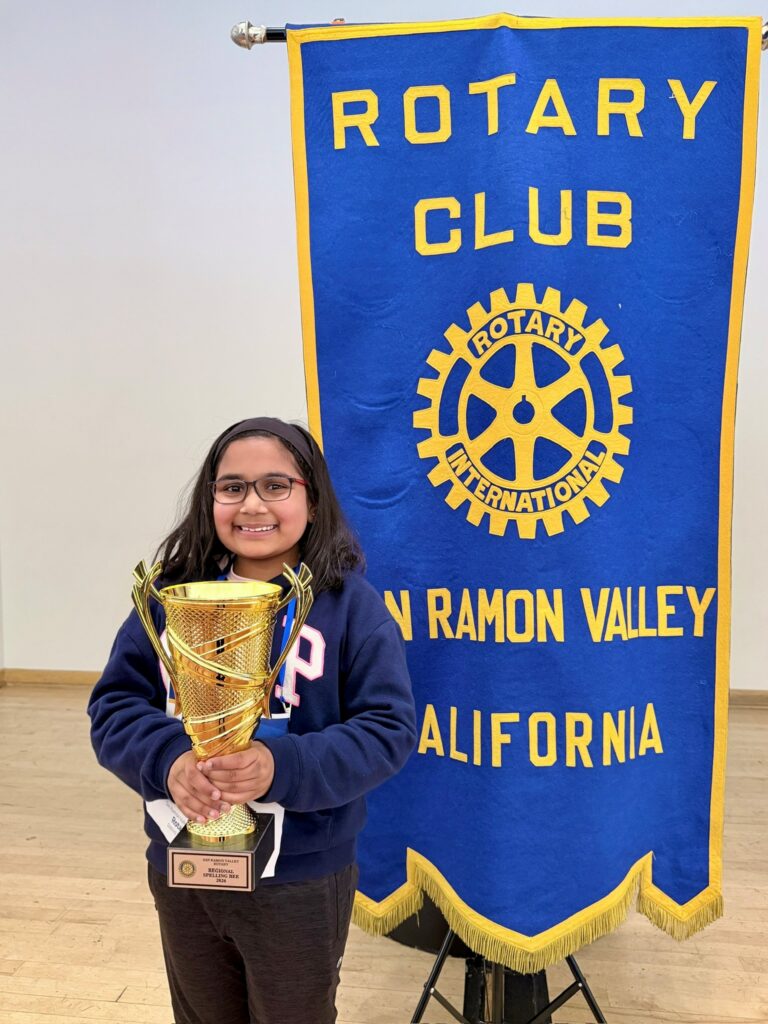
Ishani D. (Grade 6) recently competed in the Scripps Regional Spelling Bee on Sunday, March 29, where she placed among the top four students, qualifying for the Scripps National Spelling Bee in Washington, D.C. this May. The Bay Area regional is known for its high level of competition, bringing together top spellers from across the region.

Ishani has been building toward this achievement over several years, having participated in spelling competitions since Grade 4. Her preparation for the regional bee centered on the Words of the Champions list, a core resource for competitive spellers. Over time, she has developed a strong understanding of spelling patterns and word origins, which helps her approach unfamiliar words with greater confidence—an important skill in later rounds of competition.

“I am really excited that I was able to qualify for the Nationals. It is such a prestigious tournament! I will prepare hard and give it my best shot!”

Following the regional bee, Ishani described an initial sense of surprise at qualifying, which quickly shifted to excitement as she connected with other participants and families and began preparing for the next stage of competition.

In preparation for Nationals, Ishani is using the Merriam-Webster app as a primary study tool. Her plan includes daily practice of about an hour, along with longer study sessions on weekends. This consistent approach reflects the level of commitment typically required to compete at the national level.

“Our school could not be more proud of Ishani’s success at the Regional Spelling Bee. This impressive achievement is a testament to the hard work and dedication of our Bobcats. We look forward to cheering her on at Nationals.” — Mr. Henriquez, Associate Head of School

Ishani will represent the BISV community at the Scripps National Spelling Bee this May, joining top student spellers from across the country.

BASIS Independent Silicon Valley is a TK–Grade 12 private school, offering an internationally benchmarked liberal arts and sciences curriculum, with advanced STEM offerings. Considering joining the Bobcat community? To join our interest list for the next school year and receive admissions updates and more, please click here. 
Filed Under: Awards & Recognition, Competitions, Middle School, Student Spotlight

Grade 3 at BASIS Independent Bellevue Takes Center Stage!

April 2, 2026 by emilyhughes Leave a Comment

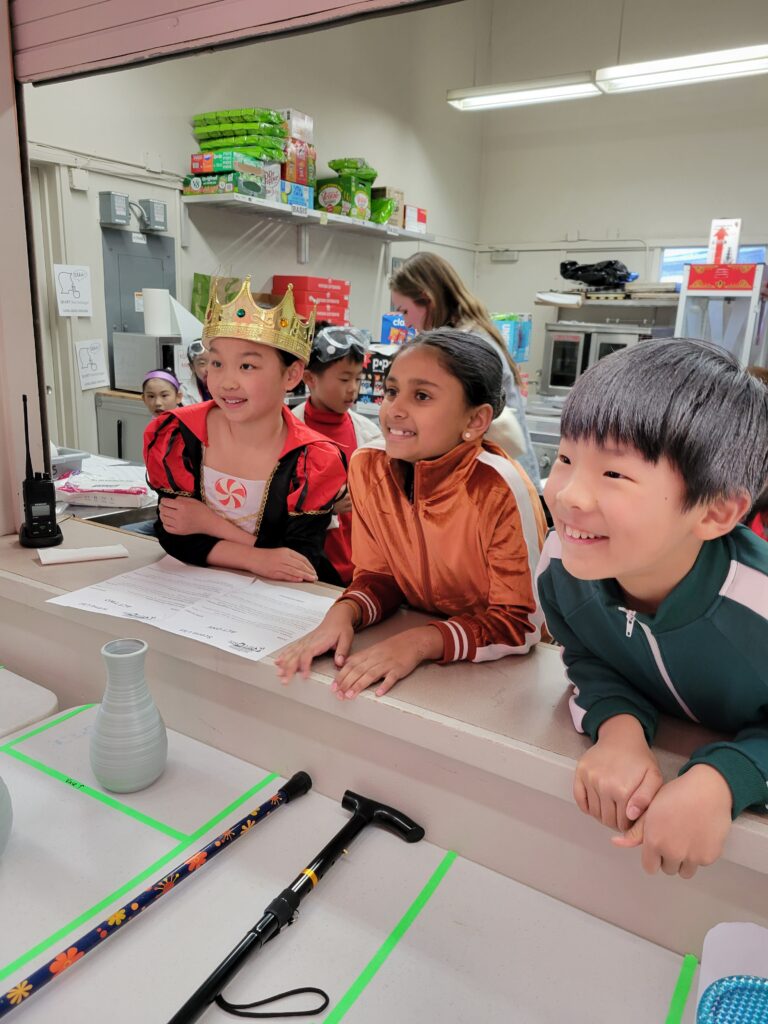
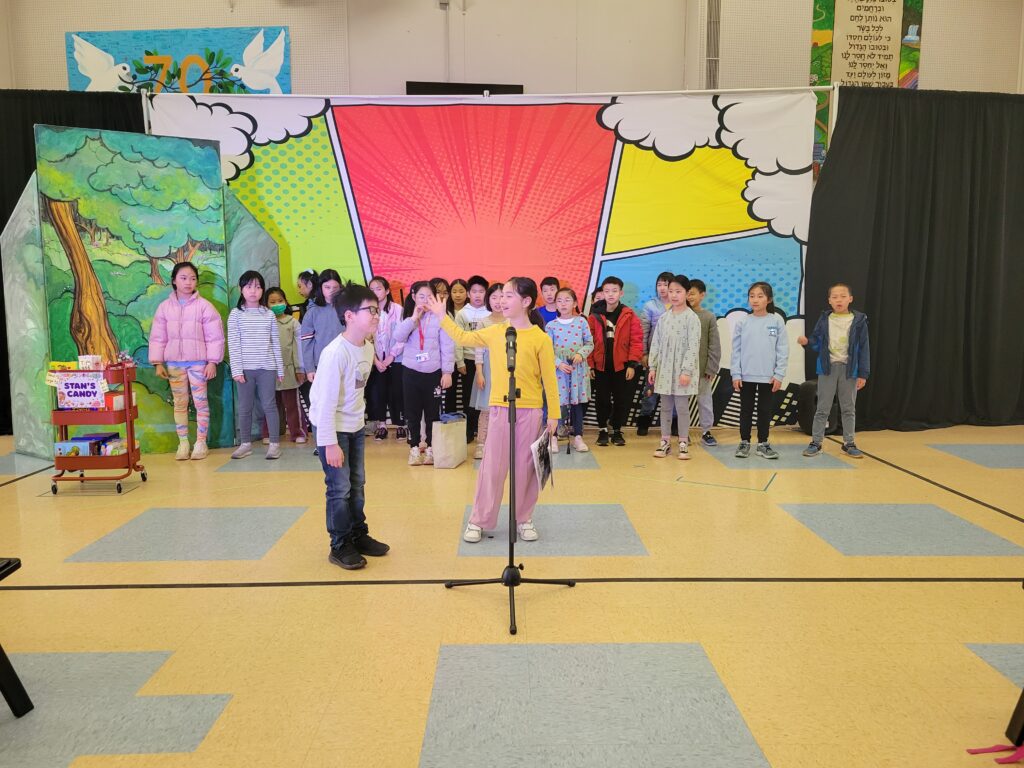
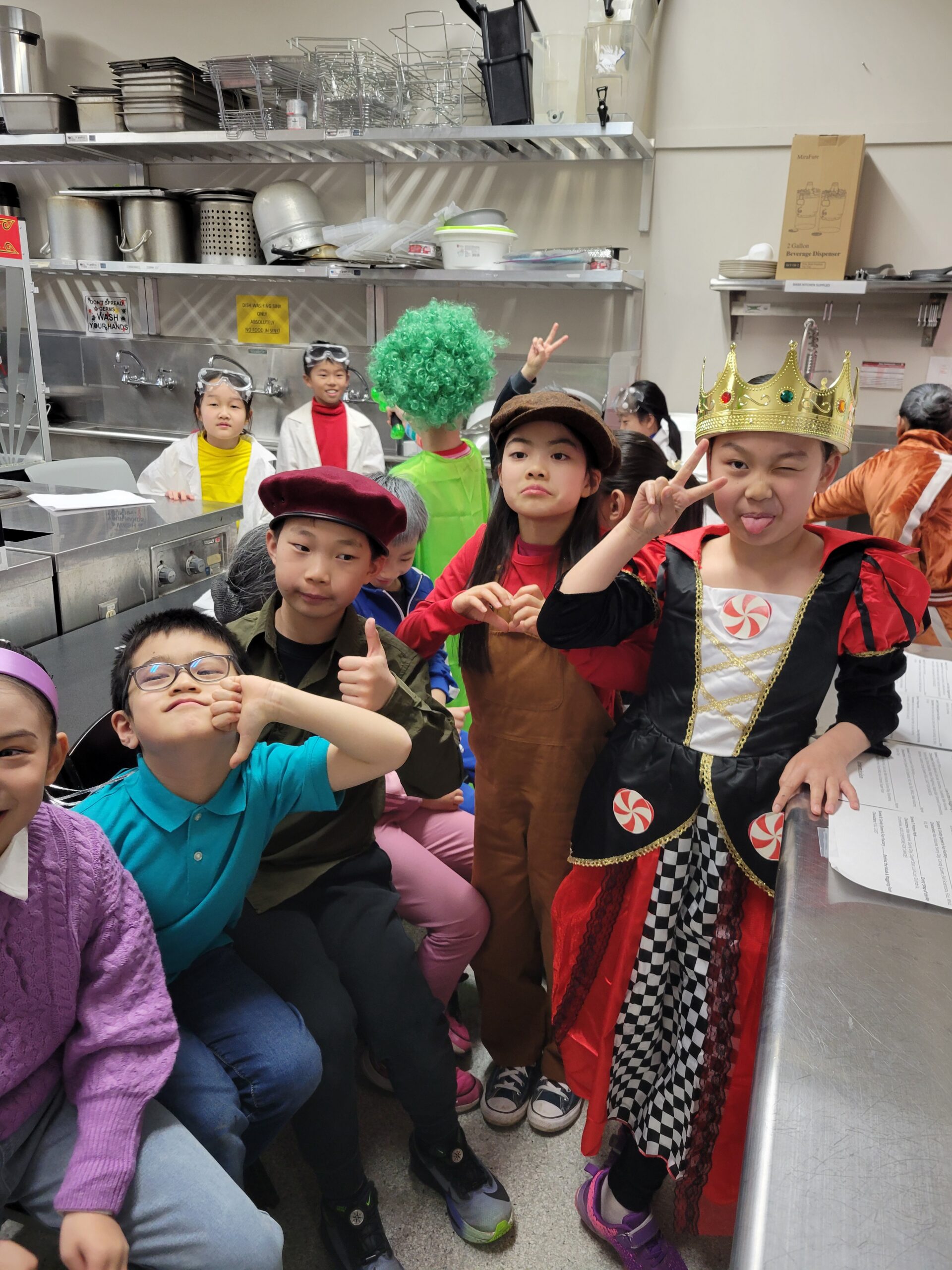
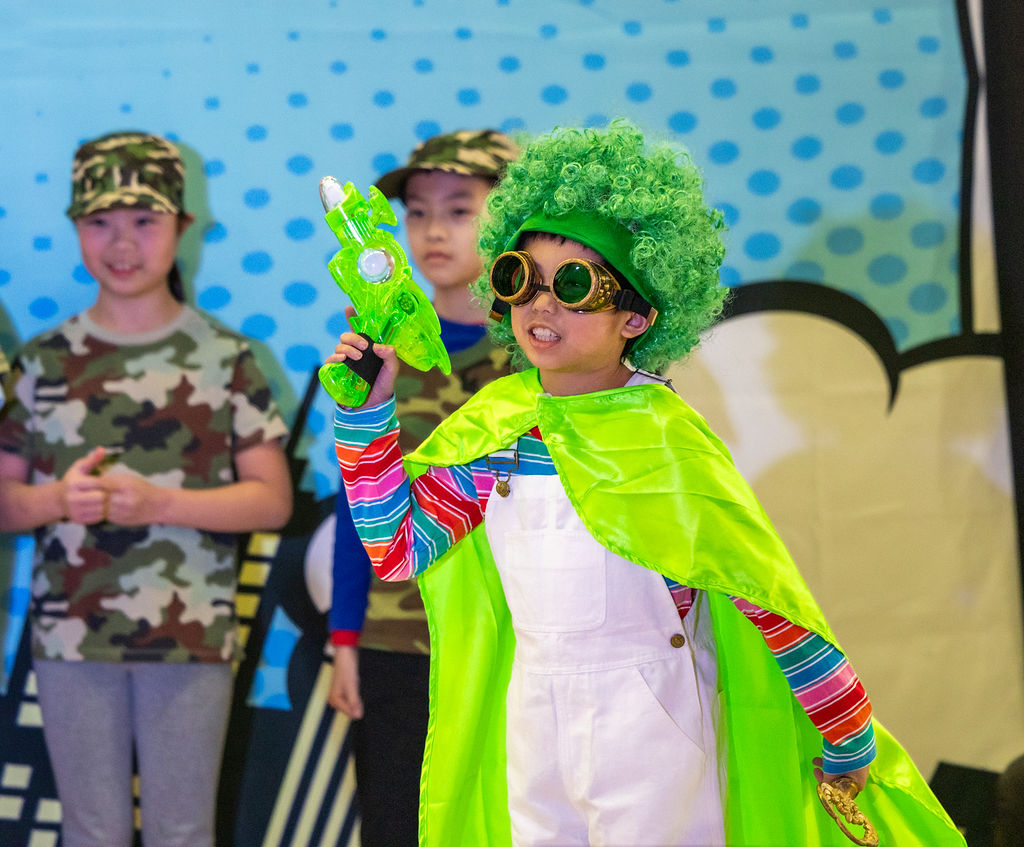
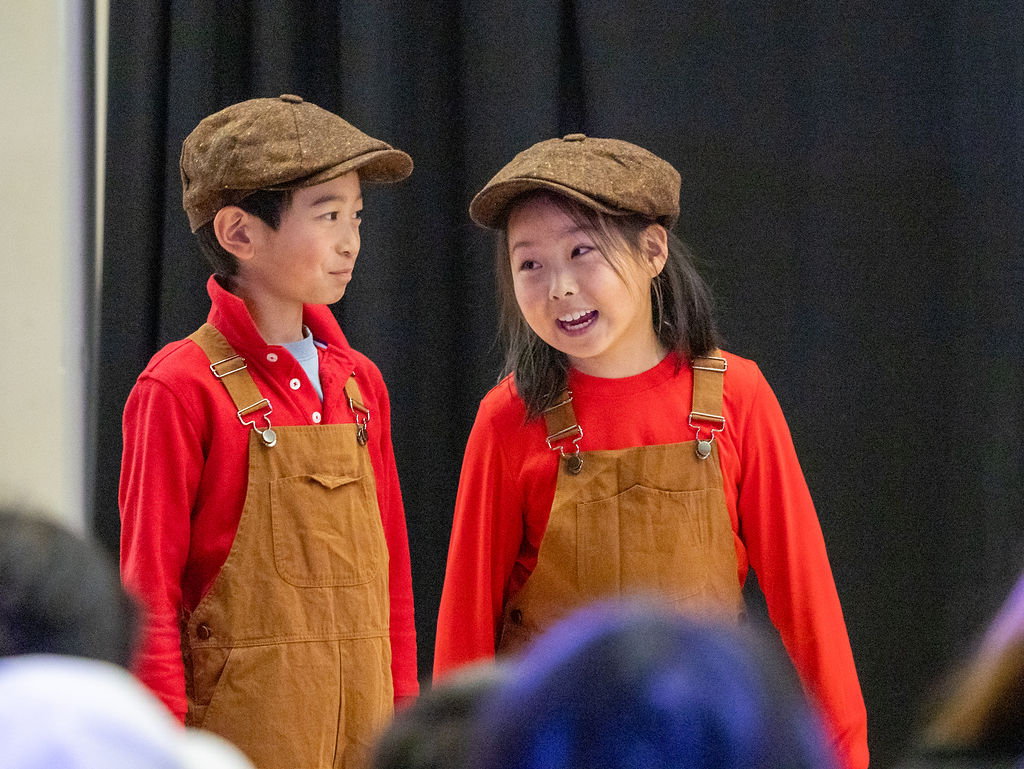
Last week, our grade 3 students took to the stage to bring the city of Megaville to life in our super-charged production of The Amazing Adventures of Super Stan—a wacky musical comedy that is one-half Marvel Comics and one-half Looney Tunes. The show was directed by our wonderful Drama Subject Expert Teacher, Mr. Brad.

The play stars, Stanley Marvel who has the most boring job in Megaville, but he’s happy to read his comics and dream his life away. That is, until it’s turned upside-down when he discovers that local hero, The Candy Queen, is actually a super villain determined to conquer the world! Thanks to a secret hero-making formula his grandma invented years ago, Stanley becomes Super Stan, a caped crusader fighting for truth, freedom, and justice with the strength to save the day (and open a really tricky jar of pickles!).


Behind The Scenes

In grade 3, the students spent the first month and a half of the school year working on fundamental skills like voice projection, stage directions, and the three tools of an actor: voice, body, and imagination, during their drama class. After the foundations were established the students were ready to audition for the musical in mid-October. When asked what the audition process was like, Mr. Brad shared, “As a director, selecting which actor will play which role can be a challenge. You want to make decisions that play to both the strengths the actors already possess, but also ones that will allow them opportunities to grow and learn new skills and step outside their comfort zones. I was very pleasantly surprised how many strong singers I had to choose from too!”

Each grade 3 class got to have their own cast and their own show for the musical. This also allowed for flexibility if a student was sick on the night of their show, their double in the other cast could step in, allowing a system for understudies who knew the show intimately. Thankfully, no one ended up being sick the week of the show.


Show Time!

Finally, March had arrived, the month of the show, and all of their preparation paid off with a show full of energy, laughter, and joy! While adding costumes, props, and set are all exciting stages of the rehearsal process, it is the final addition of the audience that brings it all together; there is no show without an audience to receive it. The casts were both a mix of excitement and nerves, which Mr. Brad reassured his students, was totally normal. Putting aside their fears, these actors bravely stepped onto the stage and gave the show their all.

When asked what his favorite part of the musical was, Mr. Brad shared, “One of the most special parts of this musical was how every single actor had an important role to play. Each student had a character name, lines to remember, and featured moments throughout the show—whether that meant delivering a goofy punchline, small group dances, taking part in comical fight sequences, or singing their own solos.”

During the show the two actors who played the lead of Stanley Marvel, Bryan and Shannon, particularly melted the hearts of the audiences with Stan’s eleven o’clock solo ballad Behind the Mask, where the character psyches himself up for the impending final battle, even though he has lost his powers. When asked what it was like to perform in front of an audience, Shannon shared, “At the start of the show I was feeling shy, but then I got so into the musical I forgot there were people watching me!”


Beyond the Stage

Watching these students support one another on stage and rise to each challenge showed just how much they had learned, not only about performing arts, but also other life skills like teamwork, focus, and perseverance. When mistakes happened, the actors had each other’s back; a line was dropped here and there, and the actors kept the show going. When one actor forgot a major prop, the actor playing the evil Candy Queen that night didn’t miss a beat, and she improvised a line ordering her minion to go and find it—brilliant! Some students who were so shy at the start of the year where confidently shouting their lines out with courage. While an entertaining show is certainly the goal, watching these young actors grow and learn is the most satisfying part of the process by far.

This production also showcased some wonderful collaboration across grade levels. Some highly creative grade 6 students helped design and build props for the show, adding extra imagination and personality to the world of Super Stan.

Congratulations to the cast and crew of The Amazing Adventures of Super Stan on a job well-done! Additionally we are so grateful for Mr. Brad and his hard work to make this show and blog possible. Bravo to all!


Filed Under: Department Spotlight, Fine Arts, Lower School, Primary Program, School Community, Student Learning, Uncategorized

  • Page 1
  • Page 2
  • Page 3
  • Interim pages omitted …
  • Page 43
  • Go to Next Page »

© BASIS Independent Schools

  • Contact Us
  • Media Recognition
  • Careers
  • Privacy Policy
  • CA Privacy
  • Terms of Use

Headquartered in Campbell, California, Spring Education Group is majority-owned by investment funds administered by Primavera Holdings Limited, an investment firm owned by Chinese persons and principally based in Hong Kong with operations in the United States, China and Singapore.

Sitemap