• Skip to primary navigation
  • Skip to main content

BASIS Independent Schools

BASIS Independent SchoolsBASIS Independent Schools
  • About
    • Why BASIS Independent Schools?
    • Diversity & Citizenship
    • History
  • Academics
    • Curriculum
    • Early Learning Program
    • Primary Program
    • Middle School Program
    • High School Program
    • The Senior Year
    • Summer Programs
    • International Student Program
  • Achievements
    • International Performance
    • College Admissions
    • Advanced Placement
    • National Merit
  • Find Your School
Inquire

Awards & Recognition

Senior Project Spotlight: Arry J. – Horizontal Gene Transfer in Microalgae for Wastewater Treatment

June 26, 2025 by alexlevin Leave a Comment

At BASIS Independent Manhattan, senior year culminates in a transformative experience that prepares students for the independence and rigor of college academics. Seniors benefit from a daily college counseling class that supports every aspect of the application process—from building college lists to making final decisions. Throughout the year, students take a range of advanced courses, including AP classes and Capstone courses that allow them to explore subjects in greater depth. In the final trimester, students shift their focus to either the Senior Project or AP Research track—immersive, student-driven experiences that reflect their passions and equip them for success beyond high school.

The Senior Project Experience 

The BASIS Independent Manhattan Senior Project challenges students to move beyond the classroom and apply their knowledge to real-world topics. In their final trimester, students conduct independent research, collaborating with an internal faculty advisor and an external mentor. They develop a unique project that reflects their interests and career aspirations. Students blog regularly about their progress and conclude with a presentation to the school community. 

Alternatively, students enrolled in the AP Capstone program take on a two-year research commitment, starting with AP Seminar in Grade 11 and culminating in AP Research in Grade 12. These students conduct original investigations, collect and analyze data, and present their findings in a format similar to a university thesis. This pathway hones advanced research skills, critical thinking, effective communication, and scholarly inquiry. 

Senior Spotlight: Arry J. 

Arry J. (Class of 2025) embodies the spirit of independent inquiry. His AP Research project, “Exploring the Potential for Horizontal Gene Transfer to Enhance Microalgal Efficiency in Wastewater Treatment,” dove into the world of environmental biotechnology. Arry’s work focused on increasing microalgal cell wall permeability to improve gene transfer from bacteria, potentially leading to breakthroughs in sustainable wastewater treatment. 

Despite limited lab access, Arry demonstrated creativity and determination. He transformed his kitchen into a functional workspace and improvised with household tools to conduct microbiological experiments. His project reflects not only scientific ambition but also the core outcomes of our program: resilience, critical thinking, and problem-solving. 

Reflecting on the experience, Arry shared, “The biggest surprise for me was realizing how little I knew about the topic. I always thought of myself as pretty biology-oriented. I chose my topic based on biology; however, as I conducted more research, I realized that every subject has numerous small niches, and you have to dive deep to understand most aspects. This is what surprised me because I didn’t realize just how complicated every little thing is.” 

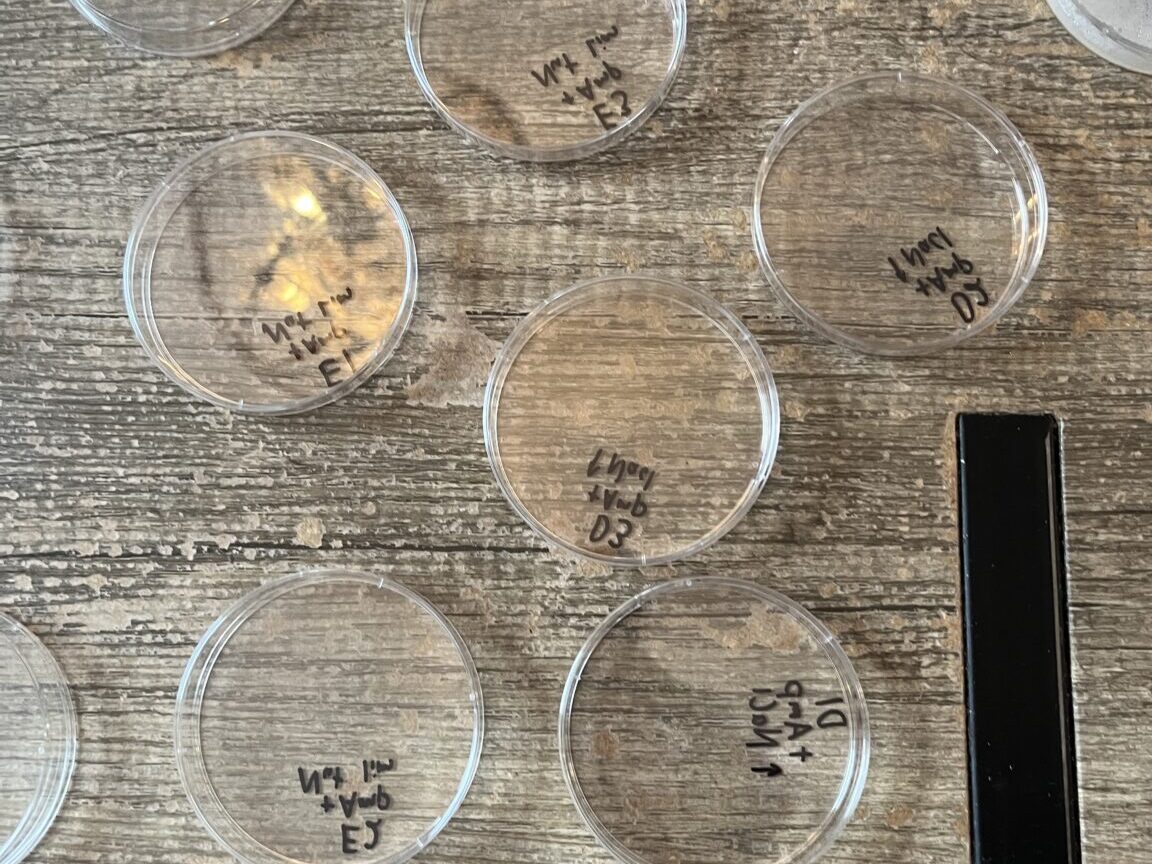
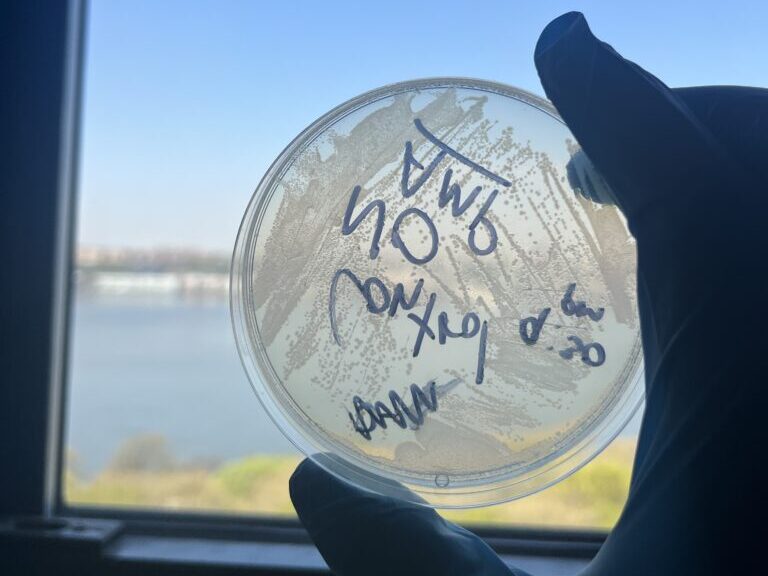
He also recalled the satisfaction of scientific success after initial setbacks: “When doing my project, I ordered everything to my house, and was growing a safe strain of E. coli in my bedroom. My first trial didn’t work. There was no growth on any of the plates. However, I then repeated the entire process, refining some steps and conducting additional research. The second time, it worked! By work, I mean I genetically engineered E. coli to glow in the dark, and it glowed in the dark. I thought that was cool and pretty incredible… and I’m proud of my work.” 

Real Science, Real Impact 

Arry’s project is a powerful example of what BASIS Independent Manhattan students are capable of: research that combines intellectual passion with real-world relevance.  His weeks of late-night incubation checks, improvised lab equipment, and glowing bacterial colonies prove him to be a capable student and a budding scientist. Through the AP Research program, Arry developed a deeper understanding of microbiology along with resilience, resourcefulness, and the analytical skills needed to thrive in college and beyond. 

Preparing Students for the Future 

Whether through an AP Research or Senior Project, our students take ownership of their learning, preparing them for higher education and real-world impact. These projects foster academic independence, deepen subject matter expertise, and give students a platform to explore professional interests before graduation. 

Arry’s work—like that of his peers—reinforces how the high school at BASIS Independent Manhattan can be a launching point for meaningful, original contributions to today’s most pressing challenges. This fall, after being accepted into 11 of the nation’s top 25 universities, Arry will bring that same spirit of inquiry and impact to the University of California, Berkeley.

Curious to Learn More? 

Explore Arry’s full blog and follow the work of other BASIS Independent Manhattan seniors here: Senior Projects at BASIS Independent Manhattan. 

Filed Under: Academics, Awards & Recognition, College Preparation & The Senior Year, High School, Senior Projects, Student Achievement

BASIS Independent McLean Debate Team Takes National Win!

May 28, 2025 by aixuanwang Leave a Comment

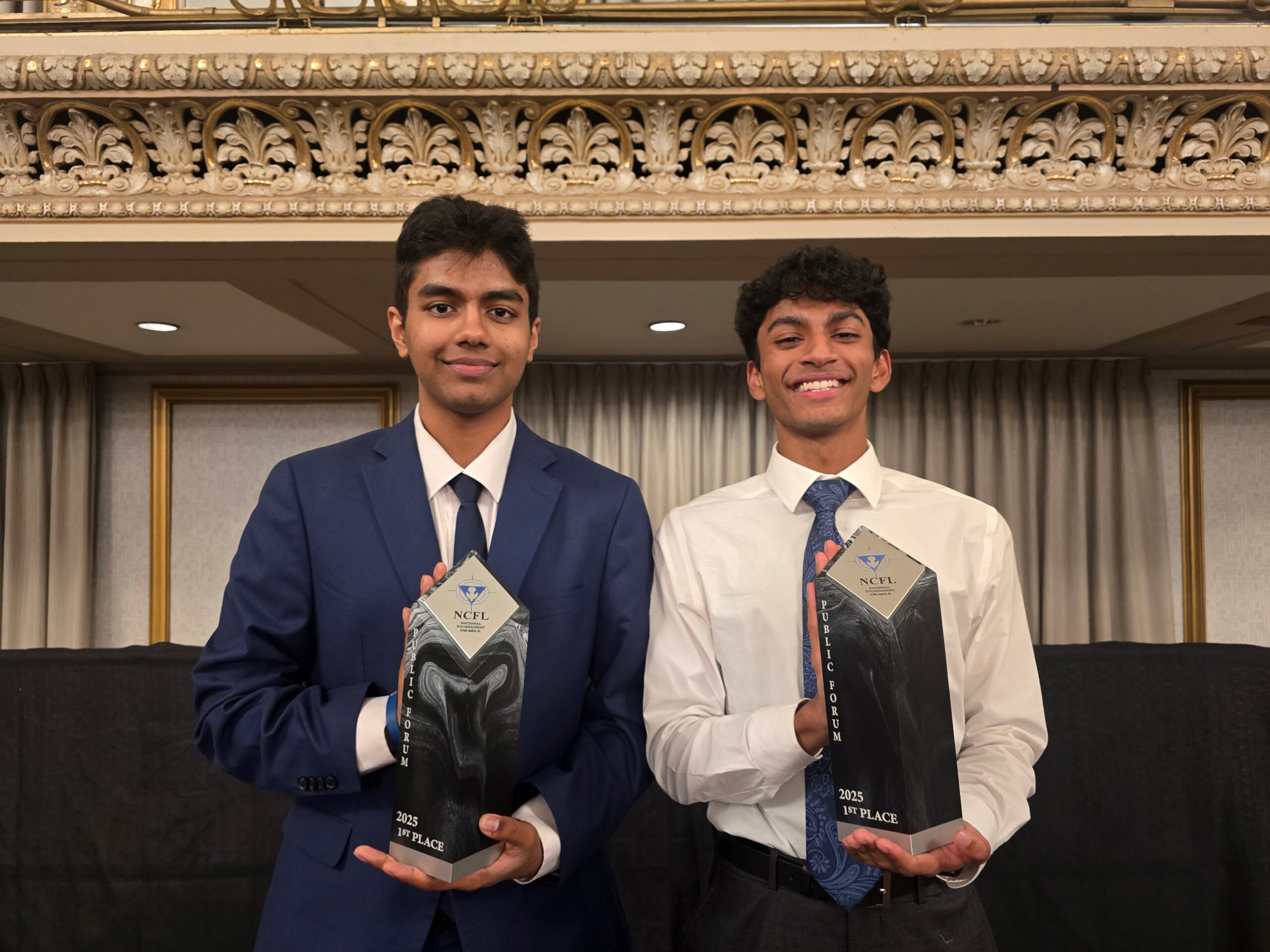
We are thrilled to announce that Sachin L. ’25 and Saaketh V. ’25 have won the National Championship in Public Forum Debate at the NCFL (National Catholic Forensic League) Nationals! This past weekend, hundreds of teams from across the country gathered in Chicago to present their well-prepared arguments before their opponents and judges. After months of researching, analyzing data, investigating sources, and refining their debate skills, these two students triumphed, securing the championship title!

Their win is an excellent demonstration of how our students can excel with hard work and relentless commitment to success.

Left: Saaketh V. ’25 | Right: Sachin L. ’25

About the Competition

The National Catholic Forensic League (NCFL) Nationals brings together the nation’s top debate teams. To qualify, teams must excel in local preliminary tournaments and win their respective Metrofinals. Competing in the Arlington Varsity Division, which represents Northern Virginia, BIM’s Debate Team advanced from a pool of 65 registered teams in the preliminary tournament, earning eight advancement spots to face off against 15 other schools in the second stage. Our team triumphed in the Washington-Arlington Catholic Forensic League Metrofinals in March, securing their place in the national competition.

Among these top debaters, Sachin and Saaketh achieved impressive results: 4 wins, 0 losses, and 2 split decisions over the course of 6 rounds, earning 10 ballots out of 12 and securing their seats to represent BIM at the nationals.

Metrofinals Winners | From left to right:
Richard P. ’28 & Yalini K. ’26 – First Place, Junior Varsity Division
Sachin L. ’25 & Saaketh V. ’25 – First Place, Varsity Division

Teamwork and Commitment

The success of our Debate Team is built on perseverance and a commitment to excellence. Sachin and Saaketh’s achievement reflects not only their four years of experience since joining the team, but also the effectiveness of the rigorous training and consistent practice they have undergone.

At the start of each year, the club focuses on helping new members develop the foundational skills they need. Following this, the team adheres to a fast-paced routine:

  • Week 1: Practice building a background on the topic and begin researching.
  • Week 2: Share findings with club members and collaborate on formulating the best arguments for each side.
  • Weeks 3–4: Engage in practice debates on both sides and evaluate how the arguments hold up against an opponent.

Debate tournaments are highly intense and demanding, but through these weekly practices, our students prepared themselves with the resources, skills, and experience needed to succeed. While victory in debate may seem like a specialized achievement, the ability to quickly process and organize research and present it effectively in real-time is a skill that will benefit them well beyond high school.


The EPIC Spirit

At BASIS Independent McLean, our community is defined by four EPIC traits: Empathy, Perseverance, Integrity, and Curiosity. Our Debate Team exemplifies the trait of Perseverance. Sachin and Saaketh have been debating for four years since joining the club, and their victory is not only a testament to their talent but also to the values we instill in our students. Through hard work, dedication, and a commitment to excellence, they have proven that the potential for BIM students is limitless.


What’s Next

With the national championship under their belt, Sachin and Saaketh’s journey doesn’t end here. The Debate Team will continue to thrive with renewed vigor and systematic training next school year, and we can’t wait to see what they will achieve next. Stay tuned for more updates on their future accomplishments! Go Hawks!

From left to right: Saaketh V. ’25, Sachin L. ’25, and Mr. Biemesderfer (Debate Team Advisor)

Filed Under: Awards & Recognition, Clubs & Activities, Competitions, High School, Student Spotlight

Meet the Winner of the 2024 Fellows Scholarship for Excellence in Senior Projects! 

May 27, 2025 by msnyder Leave a Comment

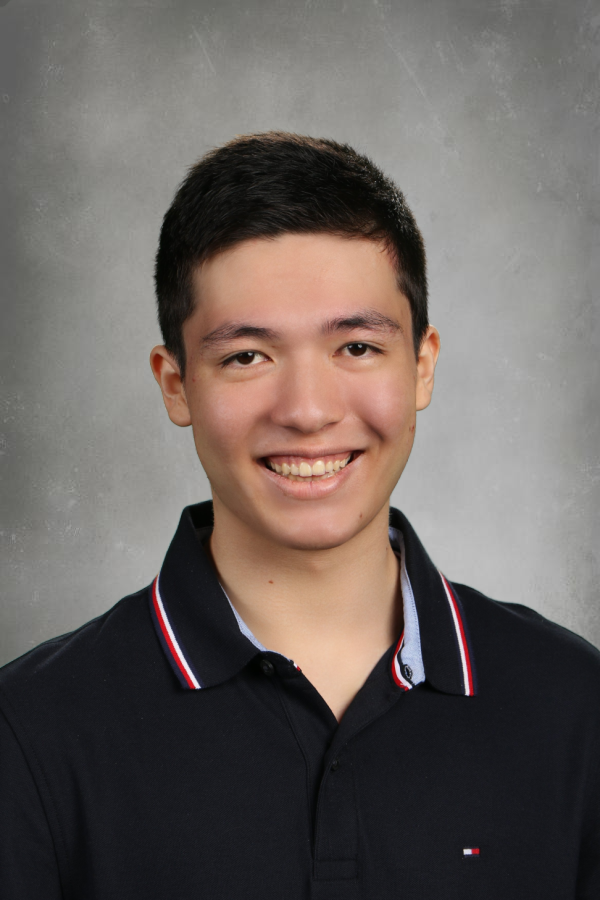
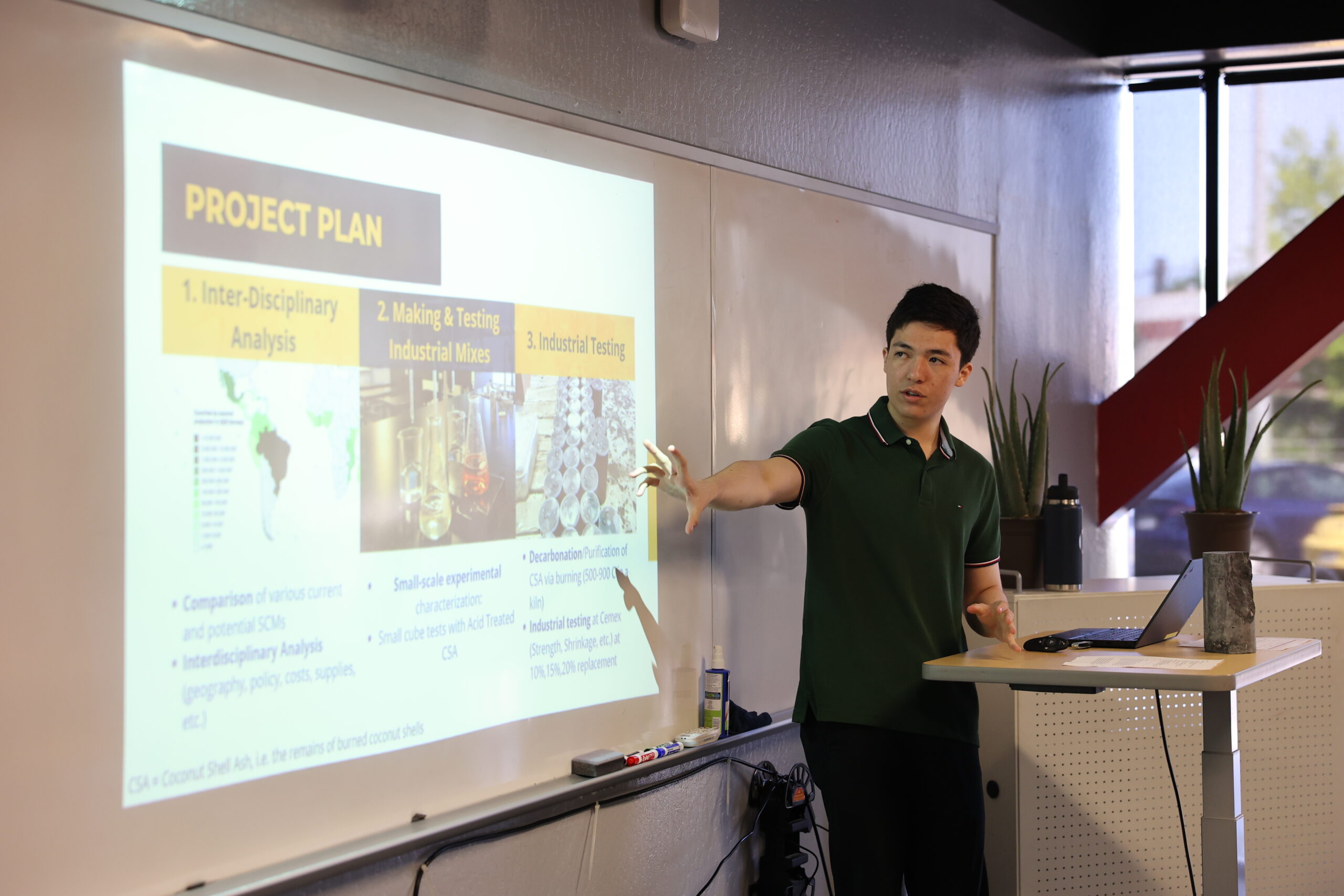
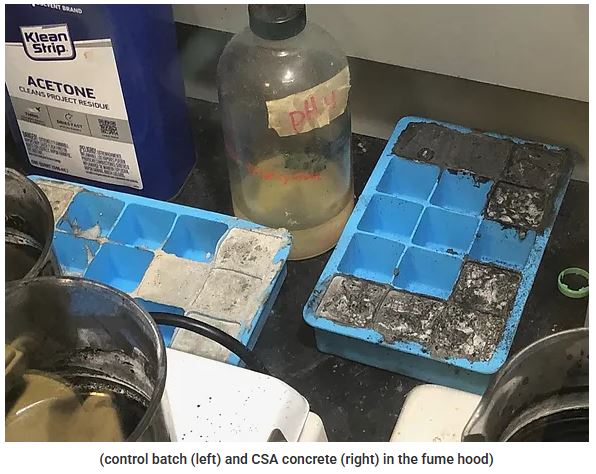
To kick off a new year of Senior Projects, we are sharing a conversation with the inspiring winner of the 2024 Fellows Scholarship, a $10,000 prize awarded to one project per year. Max Polosky, a Class of 2024 graduate of BASIS Independent Silicon Valley (BISV) and current Northwestern University student, impressed our committee with his project titled “Industry-Standard Characterization of Coconut Shell Ash’s Viability as a Supplementary Cementitious Material to Reduce CO2 Emissions”

The Senior Project is an independent, student-led culmination of our high school experience. After three years of academic preparation, our seniors are ready to spend the last trimester of their high school careers applying the skills and knowledge they have gained to develop a project that is insightful, academically rigorous, and professional in nature. 

Our seniors start by designing a research question that is often centered on a subject they are passionate about or curious about. Then they embark on a journey to answer it, documenting and analyzing their findings as they go. They partner with both an internal and external advisor to support and guide their research. Students may choose to conduct their research in the form of internships or experimental research at university research labs, field work abroad, or research conducted remotely from home. From explorations into new-age technology to cutting-edge medical advancements to social justice, the Senior Project offers students the opportunity to channel their innate curiosity. This experience readies them for the type of self-direction and self-discipline expected in an undergraduate and graduate setting. 

Max sat down with Mr. Michael Mandeville, Curriculum Development Specialist for BASIS Independent Schools, to discuss his revolutionary project, his BISV experience, and the impact of his research. 

Mr. Mandeville: Welcome Max, thank you for taking the time to speak with me today. And first off, I want to say congratulations again! And I heard that you found out about winning the Fellows Scholarship the same day that you found out you scored a 5 on AP Calculus. Is that right? 

Max P: Yep, it was a great day for me and my parents. 

Mr. Mandeville: Well, congratulations, that is fantastic. Reading your blog was really amazing, and one of the things that stood out to me was the inspiration of growing up internationally and seeing these big construction projects in the cities where you lived. You also mentioned having a head start on your Senior Project, because you’ve been interested in sustainable concrete for a few years now. With these inspirations spanning back to childhood, my first question is: Did you have other ideas for your Senior project, or did you go into senior year knowing that this was the project you wanted to focus on? 

Max P: I was always pretty interested in architecture and design. Since middle school, I’ve always enjoyed drawing buildings. So that got me interested in civil engineering and building materials. I had been doing some research about concrete since at least the summer before grade 12, and doing experiments whose results didn’t turn out exactly as I wanted them to– there were mysteries in the air. I did have some other ideas for things I could do, because there were interdisciplinary concepts I was interested in. But I learned a lot from the two chemistry Capstone courses I took in my senior year, and it related to my major, Environmental Science. By Trimester 3, I felt prepared for my project, so I definitely wanted to get back in there and continue working on what I had started. 

Mr. Mandeville: And you wrote about your involvement with the Aspiring Scholars Directed Research Program (ASDRP), which you joined in grade 10. How did that come about, and is that where you remember this project beginning for you? 

Max P: I would say that there are multiple ways to view the beginning of my project, but ASDRP was where I got into concrete specifically. I had been doing summer camps and various structured programs forever. And I felt like I wanted to do something more self-driven, more independent, instead of just, going to camp and doing what I was told to. Actually, that year I was accepted into one of the Stanford summer camps as well, along with ASDRP. And I don’t know if it was the correct decision, but it was the decision that I wanted to do research, you know, something more independent.  

I went in not really knowing what to expect, because I didn’t really have experience with this level of research, and I thought it was just a college thing. But they did a good job of introducing resources and advisors with different areas of interest. And, so then I found the person who would become my external Senior Project Advisor through that process. 

Mr. Mandeville: Do you have any advice for students who are interested in getting involved in something like that? 

Max P: There are really all kinds of options, of course, and I think I tried, or I participated in many of the different options. There are more and more of these different kinds of programs that connect you with industry professionals or professors who are willing to help high schoolers. I’ve also seen a lot of different high school and even middle school research journals. Of course, you have to apply to those. And then the other option, which I also did was doing independent research, which is more flexible because you can cater to your own interest, but it also depends on what you want to do. 

Of course, if you’re doing something like math or computer science-related, something that doesn’t need physical equipment as much, it’s probably easier to do that kind of thing remotely or at school. Doing a physical project like mine independently is a bit more difficult. I was cold calling, emailing a whole bunch of different organizations like professors at Santa Clara University, that kind of thing. Actually, I had a good number of replies. I was able to talk to some professors and learn some cool things, but couldn’t find anyone with the time and equipment to help. And then I ended up as a desperate attempt just visiting CEMEX, which has a facility like 15 minutes from our house, and we just kind of walked in there one day. It was kind of weird because they had trucks moving around, they were pouring stuff everywhere, and there was a sign that said “Restricted Area” so I wasn’t even sure if we could go in there. But my dad was like, “We have to at least try.” So, we went in and said we have this project that we want to do, and we need test equipment and someone to help out. And they actually connected us with the people I am still working with for my Senior Project. And it just kind of worked out like that. So, if you’re doing independent research, I guess there’s a lot more reaching out in that kind of thing, but a lot more flexibility as well. My recommendation is to be prepared for rejection, but also be prepared to learn a lot. Be flexible and eventually you find opportunities. 

Mr. Mandeville: And that leads me to my next question, because that’s another thing that stood out to me in your blog was the initiative that you took and the cold calling. That is an experience that I think even adults can struggle with, and I think that can be a major block for people, because you’re really putting yourself out there. And you mentioned hearing “No” a lot, or you’re finding a lot of dead ends out there. So, for students who may be facing a similar thing in their Senior Project, or any project, how did you deal with that? Was there ever a point where you thought, “Man, this is not working?”. 

Max P: The first thing that probably anyone would tell you about Senior Projects or research projects in general is to leave more time to start early, definitely. Don’t think, “Oh I have a whole senior year to do this.” It’s good to start thinking about it beforehand. Start taking stock of your interests early on, and then you can at least start getting in contact with people who have expertise and can advise you. Of course, everyone is busy, and also, they have their own things in their life, they’re working on, and they’re researching. So, of course, it’s going to be difficult. 

In that aspect, my dad really helped out a lot there, because he’s always really willing to go and talk to random people. That really encouraged me to also go out there and talk to people. No one’s going to be condescending and purposefully unhelpful or mean. So often, which actually happened to me with the CEMEX, is that people will suggest things and kind of get you on the right path over time. So, you may start out confused, not knowing where to look, but eventually, you’ll start to zero in on what you need to look for. So, you have to keep going at it. 

Listen to what the people you’re talking to are saying and see if there’s something that’s related. They’ll suggest things that are maybe similar if there’s nothing exactly the same as what you want at first. Nothing’s ever going to be as you want it. It’s important to have that flexibility to change your plan. As always, I guess that’s the name of the game in research, right? If everything went just really simply down the path, where would the fun be? 

Mr. Mandeville: And on the note of plans, did you have your BASIS Independent faculty Senior Project advisor in mind from the beginning? What was important to you in choosing the internal advisor for your project? 

Max P. Yes, I had a general idea that I wanted somebody with whom I had classes with before and had a connection with, ideally. Just because you know how that teacher operates, and they also know you and so it’s easier to get started with a collaboration, if you’ve already collaborated in the classroom environment before. 

So, I started there. And then the project being chemistry, and environmental based, I was looking in that region. I was lucky enough to be able to take two Capstones my senior year, Inorganic Chemistry with Dr. Bozidarevic (affectionally known at BISV as “Dr. B”), and also the Industrial Chemistry course with Dr. Davies. 

Dr. B and I interacted very closely in Inorganic Chemistry, because it was a class of six people that year. It turned out to be a really good thing, because, we already understood each other, we joked around every now and then. I think on my senior project presentation, I was introduced as the biggest complainer Dr. B ever had, but also someone who would turn up and get 100 on all the tests anyway. So, you know, we had this kind of banter and closeness from that class. I guess in general, just because of circumstance, a lot of the options will kind of get narrowed down already. And then it’s just going for whose specialty aligns. And actually Dr. B. did suggest that I talk to Dr. Davies every now and then just for some advice, because she had the industry experience with concrete already. So yeah, all the teachers have different kinds of expertise and backgrounds. And some of them might even have interests that you didn’t even know about. It’s just about asking them, just like looking at research in college, it’s okay to talk to different teachers. You don’t have to limit yourself to one immediately. Because of course, they also want a project that kind of fits with how they work. So, it’s never a bad thing to talk to different advisors and kind of weigh your options. 

Mr. Mandeville: That’s great. And in your project, you faced a lot of challenges. Was there an aspect that you found most challenging or most frustrating as you were going through it? 

Max P: Yeah, with concrete, it just takes time, because concrete turns hard, technically, after 24 hours, it’s hard to the touch. But the curing process literally never ends. The hydration and environmental interactions and chemical changes within the concrete mixture pretty much continue forever. And that’s a big thing in the concrete industry: a lifetime analysis of concrete and how it changes from one day, 10 days, two weeks, years, that kind of thing. And so that was a really big thing, I had to get my schedule written out really early on for when I was going to do the tests. And then when I could get the results from that test, and inform another different test I was going to do. Because the curing time of concrete from the standard, one to 28 days, or even 56 days, that’s half the senior project time of the third trimester. And so, just waiting for that was definitely a challenge. I remember, I was actually doing tests a day before the presentation, and making graphs and results to put on my presentation the night before. But that the long curing times also gave me a lot of time in between, so I could work on the more interdisciplinary aspects with doing my research online. So, it was a challenge, but it was also something I used to my advantage. 

Mr. Mandeville: And speaking of the time that it required, I’m curious to know—if you had a full year to work on it or more time to develop it. What aspect of the project would you have wanted to explore more? 

Max P: I guess, technically, I did get even more than a year to work on it. But, of course, there’s always time constraints. If I had more time, I’d like to look at my project over a longer period, because concrete does tend to change even more over time. I think this time, my tests were 28 days, but you know, 56 days and beyond, would be great. And also analyzing the carbon dioxide reabsorption of the of the concrete variation I made over months or even years, although I think there are ways to use like a special kind of carbonation chamber, kind of like a soda water machine to concentrate the carbon dioxide in the air, therefore, more quickly showing the reabsorption potential of the concrete. 

That would be something I would like to do. Because recently, I was looking at professors at my university, Northwestern, and seeing if there’s any related labs going on, related to concrete, and I was talking to one of the retired professors actually, and they were telling me about this work they were doing with biochar and carbon reabsorption. And how adding a little bit of certain materials can dramatically increase this carbon reabsorption, therefore, making the lifetime emissions of that concrete much lower. And biochar is burnt organic material, which is similar to what I was using. So, I would be interested to see if the carbon reabsorption would be affected by adding what I’m using as well. 

And then, another thing was that there are just a ton of different mysteries that popped up, especially near the end with the tests I was doing in the school lab, where there was unexpected, chemicals precipitating out when I was doing the acid tests, depending on the concentration and that kind of thing. And I hadn’t really had the time to analyze what was happening there. But, of course, there is potential there for being able to separate out the carbon from the useful chemicals we want. So that’s definitely an exciting thing to look at, especially because most of the different kind of biomaterial based supplementary cementitious materials that exist right now to replace cement require some sort of burning to reduce carbon content, and that limits their carbon effectiveness to a certain point. So being able to isolate the chemicals we want from the carbon without burning, of course, would be a super big innovation. So that’s something worth looking into as well. 

Mr. Mandeville: Reading your blog was very engaging—you have all of this technical knowledge, and yet you were able to relate it to familiar things and meet your audience where they were. Did that come naturally to you? Or was that something you worked with advisors as you wrote it? 

Max P: I guess it’s kind of an environmental science, environmental advocacy skill. I’ve been working with adults and children in the community for the last few years, with a nonprofit organization that I founded. Because of course, climate change, recycling, all these other things can be really complicated for someone who’s busy, or someone who’s young. And so it’s important to communicate these complex ideas, which are also very interdisciplinary. Making things concise and also easy to remember is one of the key jobs of doing environmental advocacy. 

I gave a lot of presentations, at various charity concerts, at my old elementary school, and you don’t really have forever to go into all the details. But getting the message across and getting some key data points across is the most important to do. And so, I’ve had a lot of experience distilling the essence of what I want to talk about, and so that came into form when I was making my presentation, just because, my environmental advocacy experience, and also having done so many of these kinds of presentations before about concrete as well. I’ve done at least two poster sessions, two online presentations, and also just spoke to a lot of people about it. From that I was kind of able to gauge what people understand more, what people don’t understand, and then go forward with that, and create something concise, but also meaningful. 

Mr. Mandeville: We talked about some of the challenges you face. Alternatively, what were your favorite aspects of it? Was there a favorite part of the project? 

I mean, of course I love my entire project, because it is my project. It’s kind of a part of me. But I guess, there were some special events that were within my project like getting to go to the various concrete facilities, cement facilities, to see the people and look at the tests being done. I remember, it was actually the summer before my senior project, but I remember my first time going to CEMEX quality control lab—kind of an industrial laboratory in Livermore, which was quite a long drive, but going there we deposited the coconut shell ash. 

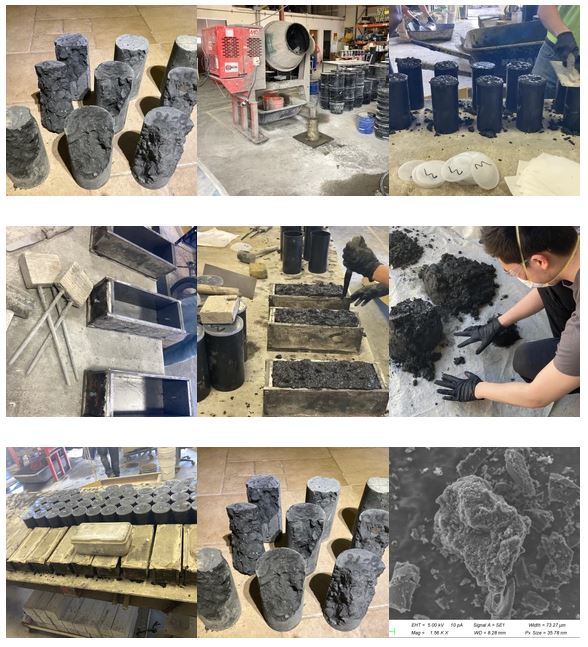
They had a whole system already devised for testing this kind of thing, because the concrete industry has been around for so long, and it’s gained this really good efficiency. So, they had a whole team there. And the morning we went back, they got started at 7:30 AM helping to make the mixes. I think they made 36 different-sized cylinders plus some shrinkage mold tests. They made a whole bunch of those of three different variations of the concrete in, I want to say like half an hour, but they worked amazingly, as a team, getting all these different tests done on the fresh concrete while also making it. And also, following the rigorous procedures that the industry has. And it was really amazing to see how the industry actually works, and the efficiency that’s required, because I was also making my own concrete mixes later, during Senior Project at school. And it would take me two to three hours to do one ice cube tray worth of concrete. It really amazes me how good they are at what they do. And then of course, I also got to go to the Forterra Lab and they also had a bunch of cool things going on, because they’re more on the experimental side with the sustainable concrete. And they have a bunch of cool pictures on the walls of micro scale images of the types of concrete they’re making. And they also have a bunch of cool machinery. And because it was a smaller scale, I got to get involved, putting some small concrete cubes in one of their compression test machines. I guess I didn’t get to go many times, just because, you know, concrete takes a long time to cure, but it was always a treat, going to see how things actually work and how the professionals do it. 

Mr. Mandeville: Another thing that really stood out to me was how you highlighted so many interdisciplinary aspects of your project. You tied a lot of that to your experience at BISV. Could you give a few of those aspects?  You talked about the chemistry, the physics, the economics, the geography. 

Max P: Yes, so with BISV, I really enjoyed being able to take high-level, advanced courses in all these different aspects. And I think looking back on it, I really enjoyed having that course load. And also, having some of the choices between the different sciences and the different histories. I guess one thing that was especially on my mind while I was doing the interdisciplinary part of the project was Mr. Meyerowitz’s Colonial and Post-Colonial course. In that class, we talked a lot about the political balances that exist in the world in the past and present. And then also, during our debates, we were free to look at all different aspects of certain issues. I sometimes raised the environmental aspect, and it made it so there was more freedom to explore, like project-style, what you personally wanted to look at. 

And with that, I also got a lot of research experience in literature review regarding politics and economics. With those skills, I knew I wanted to use them in my project to look at the economic and geographic concepts. And I could have gone even more in-depth. But then that would probably be multiple different projects at that point. But that was definitely one thing I was keeping in mind. Of course, AP Environmental Science is also just a very interdisciplinary topic in general. There are all kinds of different things going on there, every unit, something new to look at that’s still connected to all the other units as well. So, you know, I was keeping all of these different things in mind. But I feel like in most of the classes I had, there were opportunities for projects where you could kind of tailor it to your own thing. So, I actually already had ideas in my mind from these classes, because I had actually done environmental related interdisciplinary work relating to the class content already. So, that made my job easier, connecting the different dots. 

Mr. Mandeville: I know that sometimes seniors are excited about a project and ultimately choose not to do a project out of a fear of failure—fear that it’s not going to turn out the way they want it to. What advice would you share with those students?  

Max P: I think I heard this a lot during my college application process, and people say this all the time. You know, as you’re going off to college, you kind of have to take the opportunities, you craft the experience. 

My project, you could view it as a “failure” because I didn’t create this all-new concrete that everyone wants. But even so, I think Senior Projects are more about the experience of higher academia, the culmination of knowledge. And so, it’s mostly a good chance to show off what you’ve learned and show off also your individual interests.  

There were so many different passions there. And everybody ended up getting super involved in their own project, of course, because it’s what they want to do. So, what I’d say is, failure is a part of learning. I failed a lot. But I’d say, failing is probably more fun than just succeeding. I mean, if everyone just succeeded all the time, there would be no learning. So, just sticking to it and also showing off what you know is really important for Senior Projects. And definitely thinking about it beforehand also helps alleviate those anxieties. 

Mr. Mandeville: Definitely. Max, thank you so much for taking the time to talk with me. I really appreciate it. Is there anything else you want to share before we cut off? 

Max P: I guess I’ve got to stand up for concrete still. I think people should be more interested in these things in general, which may seem boring from the outside. I talked about this in my last blog post. Just these things that may not have fancy names like quantum or AI. Of course, those are important, but coming back to Earth and dealing with nitty-gritty issues that can help with environmental problems, especially in the short term to meet our climate goals, is really important. More research efforts should definitely be put into these areas. Integrating these with newer technologies like AI prediction is the way forward. It’s always interdisciplinary, combining things. That’s very important because everything’s connected at the end of the day. 

Filed Under: Academics, Alumni, Awards & Recognition, College Preparation & The Senior Year, Senior Projects

BASIS Independent Silicon Valley DECA 2024–25: A Year of Growth, Achievement, and Global Recognition

May 7, 2025 by ezekielbracamonte Leave a Comment

The 2024–25 school year was a standout one for BASIS Independent Silicon Valley’s DECA Chapter.

But what is DECA? DECA is an international student organization that prepares emerging leaders and entrepreneurs in marketing, finance, hospitality, and management. Through competitions, leadership opportunities, and business-based challenges, DECA equips high school students with critical thinking, public speaking, and problem-solving skills that extend far beyond the classroom.

At BISV, DECA is more than just a club—it is a dynamic community where students from Grades 9–12 explore their interests in business, develop confidence, and compete on stages as big as the international arena. Guided by advisors Ms. Jaymie Silva and Ms. Elizabeth Leybold, our students embraced every opportunity this year to grow as professionals, collaborators, and changemakers.

Here’s a look back at an incredible year filled with learning, leadership, and lasting impact.


Fall: Foundations and First Steps

The school year kicked off with DECA recruitment and chapter meetings, where returning members and newcomers alike dived into the year’s opportunities. Students chose their competitive events—ranging from business role plays to full-length marketing plans—and began sharpening their presentation and problem-solving skills. Chapter officers, trained by Ms. Silva and Ms. Leybold, led workshops and prep sessions, helping peers build confidence and mastery of key concepts.


January: SVCDC and a Strong Start

In January, BISV DECA attended its first competition of the season—the Silicon Valley Career Development Conference (SVCDC). Held the weekend of January 10, this regional event drew student competitors from across Northern California. BISV’s showing was nothing short of exceptional.

Our students brought home over 20 medals and more than 15 trophies, awarded across both the Mini and Grand Awards sessions. A total of 23 students earned top-three finishes in role plays or exam scores, receiving white, red, or blue DECA medallions. Additionally, 14 BISV students placed Top 3 Overall in their events, earning what the students call their prized “DECA glass”—personalized trophies that celebrate outstanding performance.

“Our students put in so much effort preparing for this competition,” said Ms. Jaymie Silva, DECA advisor. “From after-school practices to polishing presentations and role plays, they brought their best—and it showed. We’re incredibly proud of their professionalism, creativity, and determination.”


March: State-Level Success at SCDC

In March, BISV DECA competed in the State Career Development Conference (SCDC)—California’s largest DECA event of the year. Thousands of students from across the state gathered to compete in business-focused events, present marketing strategies, and showcase entrepreneurial thinking. The competition was tough, but BISV students rose to the occasion once again.

We are proud to share that nine BISV students qualified for the International Career Development Conference (ICDC), the highest level of DECA competition. These students represented our chapter and California on the global stage in April, joining more than 26,000 students from around the world.

“Our students continue to impress us with their dedication and professionalism,” said DECA advisor Ms. Elizabeth Leybold. “SCDC is a huge milestone in the DECA journey, and qualifying for ICDC is a true testament to their hard work.”


April: Going Global at ICDC

The DECA International Career Development Conference (ICDC) is the culmination of the DECA year. More than 26,000 high school students, teacher advisors, business professionals, and alumni gathered for several days of competition. These members qualify based on superior performance at the district and association levels. Over 1,000 business professionals serve as expert judges to evaluate DECA members’ mastery of key business and leadership concepts.

It is not only extremely difficult to qualify for ICDC, but even more challenging to make a name for oneself on the international stage. However, several BISV students rose to the occasion, placing among the top competitors in the world.

Please join us in congratulating our international finalists:

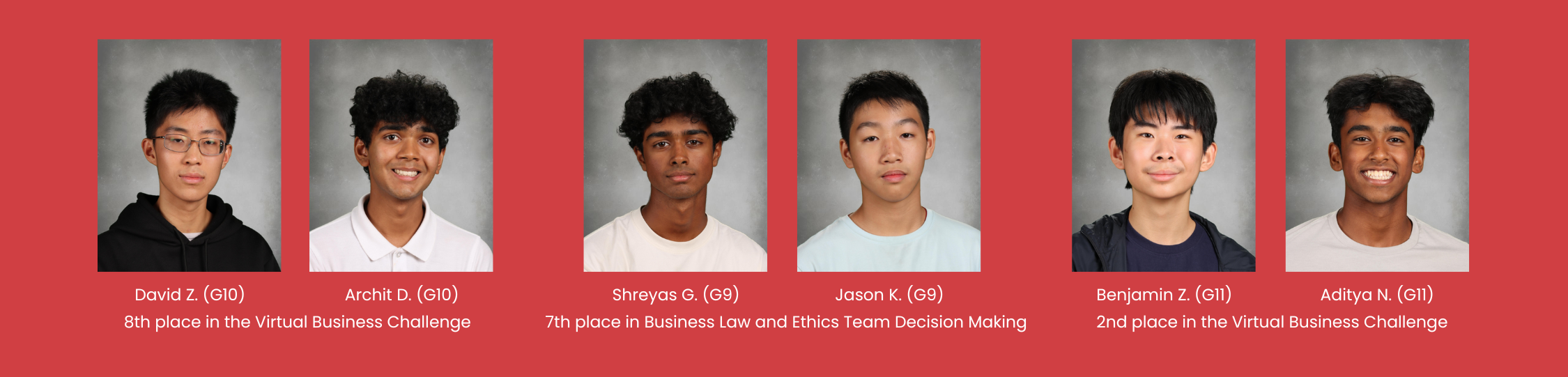
Team David Z. and Archit D. – 8th place in the Virtual Business Challenge

Team Shreyas G. and Jason K. – 7th place in Business Law and Ethics Team Decision Making

Team Benjamin Z. and Aditya N. – 2nd place in the Virtual Business Challenge

These students demonstrated exceptional performance and represented BISV with integrity, professionalism, and skill. Congratulations to all our ICDC qualifiers and finalists!

Year-Round: More Than Just Competition

Throughout the year, BISV DECA members were involved in chapter activities, leadership training, and community outreach. From service projects to life-skills workshops, the chapter built a culture of collaboration and integrity. With the support of Ms. Silva and Ms. Leybold, students learned not only how to win competitions—but how to lead with confidence and purpose.


Looking Ahead

As the BISV DECA Chapter continues to grow, so does its impact. Students gain real-world experience, build professional networks, and step boldly into leadership roles. With strong performances at SVCDC and SCDC—and standout results at ICDC—the future is bright for BISV DECA.

DECA offers students the chance to develop business skills, explore career interests, compete on local and global stages, and join a fun, supportive community. Whether you’re interested in entrepreneurship, public speaking, marketing, or leadership, DECA is a place to grow your confidence and prepare for the future.

If you’re interested in joining for the upcoming year, be sure to check the Fall Enrichment Guide for the 2025–26 school year, which will be released in late summer before school starts, or reach out to Ms. Jaymie Silva or Ms. Elizabeth Leybold for more information.


BASIS Independent Silicon Valley is a TK – Grade 12 private school, providing students with an internationally benchmarked liberal arts and sciences curriculum, with advanced STEM offerings. Considering joining the Bobcat community? To join our interest list for the next school year and receive admissions updates and more, please click here. 

Filed Under: Awards & Recognition, Clubs & Activities, Competitions, Extracurriculars, Student Achievement

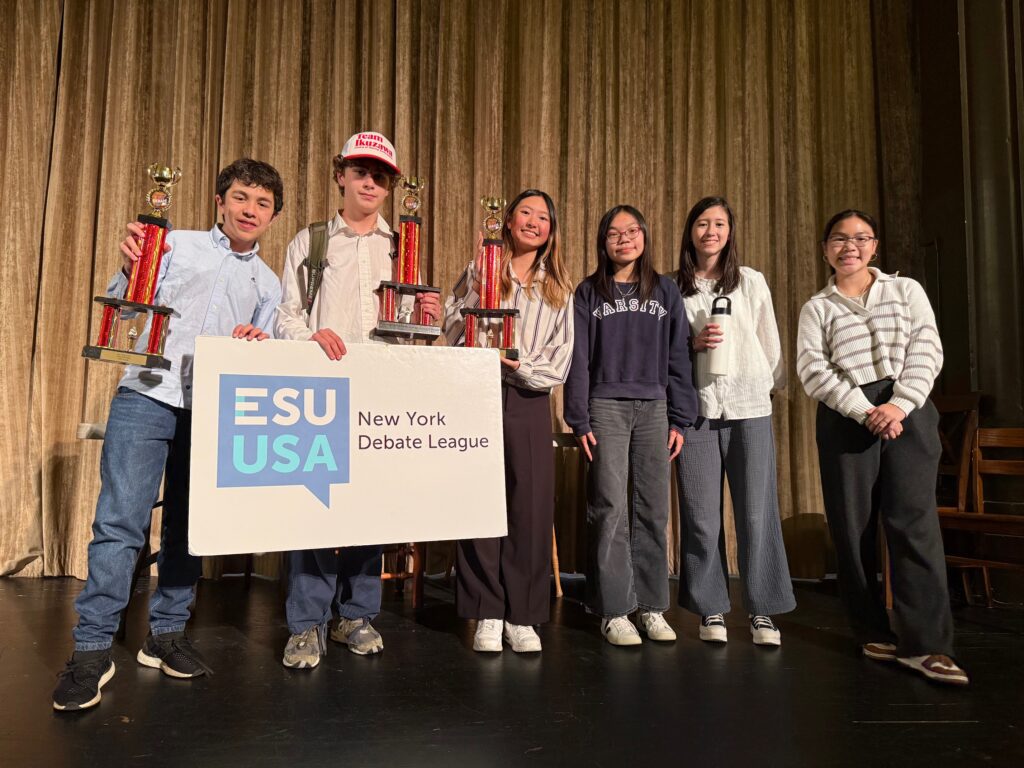
BASIS Independent Manhattan Debate Team: 2-Time Champions of the New York Debate League

May 1, 2025 by christineklayman Leave a Comment

by Samantha Corsello (Auxiliary Programs Coordinator, Upper School)

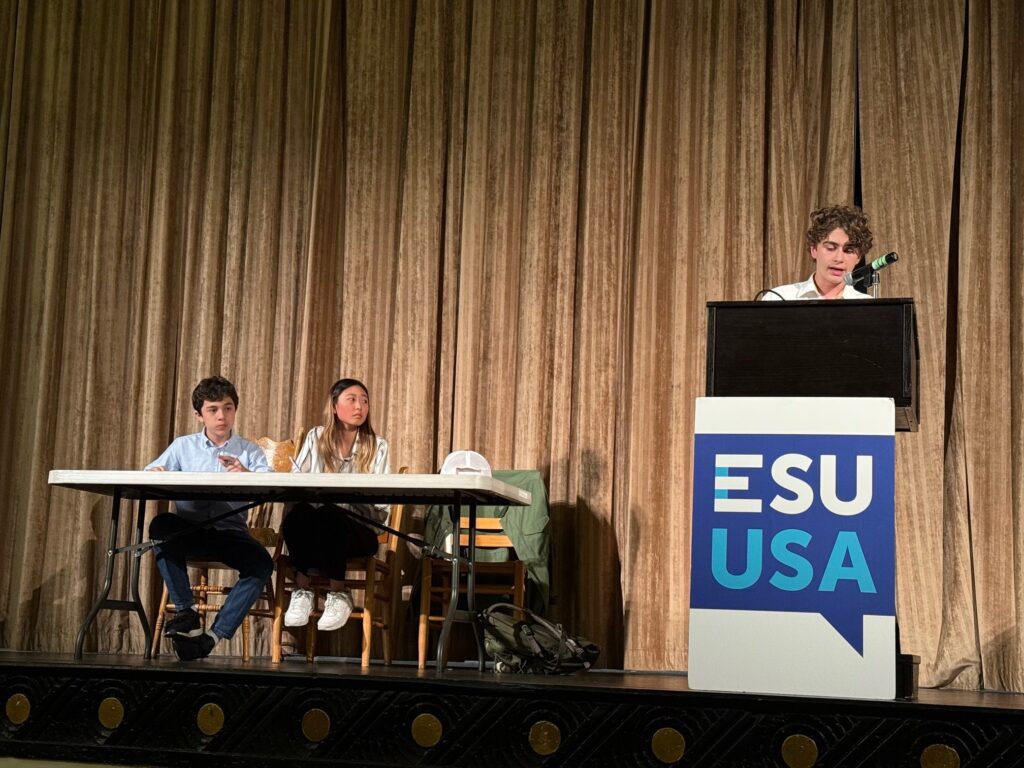
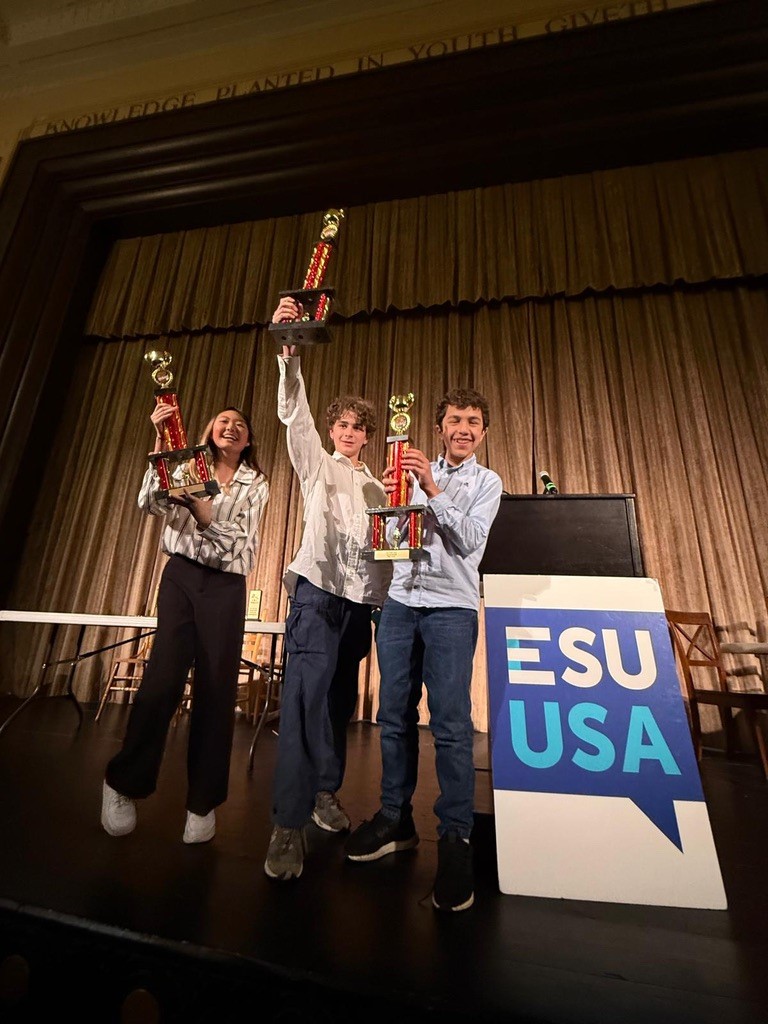
We are thrilled and proud to announce that our BASIS Independent Manhattan Debate Team has once again claimed victory at the ESU New York Debate League Championship!

This is the second consecutive year that our Wildcats have earned this prestigious Middle School Parliamentary Debate title, and it is entirely thanks to their relentless dedication, tireless preparation, and deep passion for Speech and Debate.

On Saturday, April 26, the ESU NYDL Middle School Parliamentary Debate Championship took place at Tuckahoe Middle School, where our BASIS Independent Manhattan Debate Team competed. These remarkable students poured hours of time and energy into building compelling cases, refining rhetorical techniques, and sharpening their critical thinking.

A special shout-out goes to Itamar K. (grade 8), who was named Top Speaker of the Tournament at the New York Debate League Championship. His powerful and eloquent closing argument on the topic of Facial Recognition Technology in Public Spaces brought the auditorium at Tuckahoe School to its feet. Which helped carry our team to a 4-1 victory overall in the Championship round.

“It was a matter of practice and predicting what our opponents would say. Speaking on the fly and knowing myself and believing in what I had to say. Making something memorable for the last year of middle school was important. It made me feel really great, like all of our efforts paid off.” – Itamar K., Debate Team Member

speech and debate championship 1st place award middle school

His teammates, Cosmo K. (grade 8) and Rhea Y. (grade 8), key members of the BASIS Independent Manhattan Debate Team, also delivered incredible speeches that impressed both the judges and the crowd at the debate tournament. Their poignant arguments, precise rebuttals, and clear articulation of policy impact helped secure the top team ranking. I asked them how they felt toward the end of the day in the Championship round after arguing all day against various opponents all day.

“We were all running on adrenaline at that point; there was a coin toss that decided the topic choice, and we lost the coin toss. But we were confident with both sides of the argument (Facial Recognition Technology in Public Spaces) and went with what we knew.” — Cosmo, Debate Team Member

Behind Every Champion is a Support Team

This debate tournament victory is not just a win for our debate team—it’s a testament to the power of teamwork, educational debate, and community. Our Wildcats were incredibly fortunate to have their families, other debate team peers, and coaches Mr. Lucas Iverson and Mr. Seth Spiegel. We extend our sincere gratitude for their tireless work and unwavering commitment to the students’ growth and progress.

“Familiarizing yourself and practicing debating the topics at hand is what helps the most with preparedness. Every class, we did tons of research, and we even dedicated time outside of class to make sure we were ready for Saturday.” — Rhea, Debate Team Member

middle school debate team tournament championship 1st place award

As we wrap up this exciting chapter, we couldn’t be prouder of our Wildcats and everything they’ve accomplished. This win is a direct reflection of the countless hours of preparation, the courage to speak up, and the teamwork that brought it all together. Our BASIS Independent Manhattan Debate Team has once again shown what’s possible when passion meets perseverance in student debate competition. Congratulations to Itamar, Cosmo, Rhea, and the entire support network behind them. The future is bright, and we’re already looking forward to what’s next!

The future is bright, and we’re already looking forward to what’s next! As these talented middle school debaters prepare to transition to high school, we are incredibly excited to see their continued development and the impact they will undoubtedly make in a growing BASIS Independent Manhattan upper school debate program.


Want to be part of a successful team?

Learn more about our BASIS Independent Manhattan program, curriculum, and extracurricular activities.

Contact Admissions

Filed Under: Awards & Recognition, Clubs & Activities, Competitions, Extracurriculars, Middle School, Student Achievement

2024 – 2025 Subject Advisor of the Year

April 16, 2025 by msnyder Leave a Comment

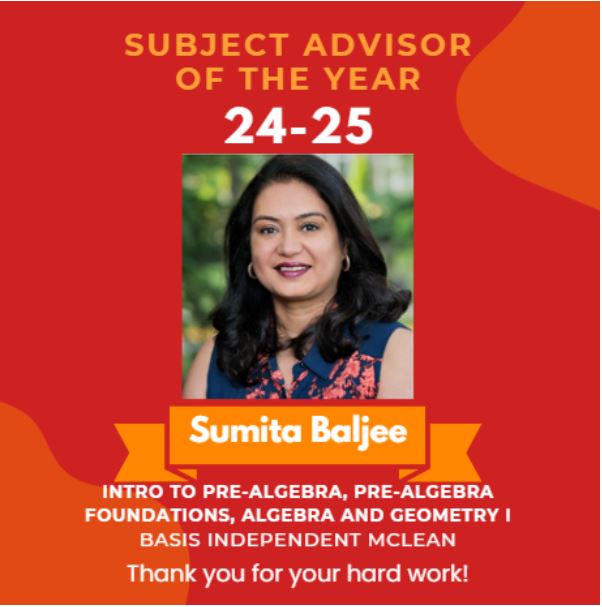
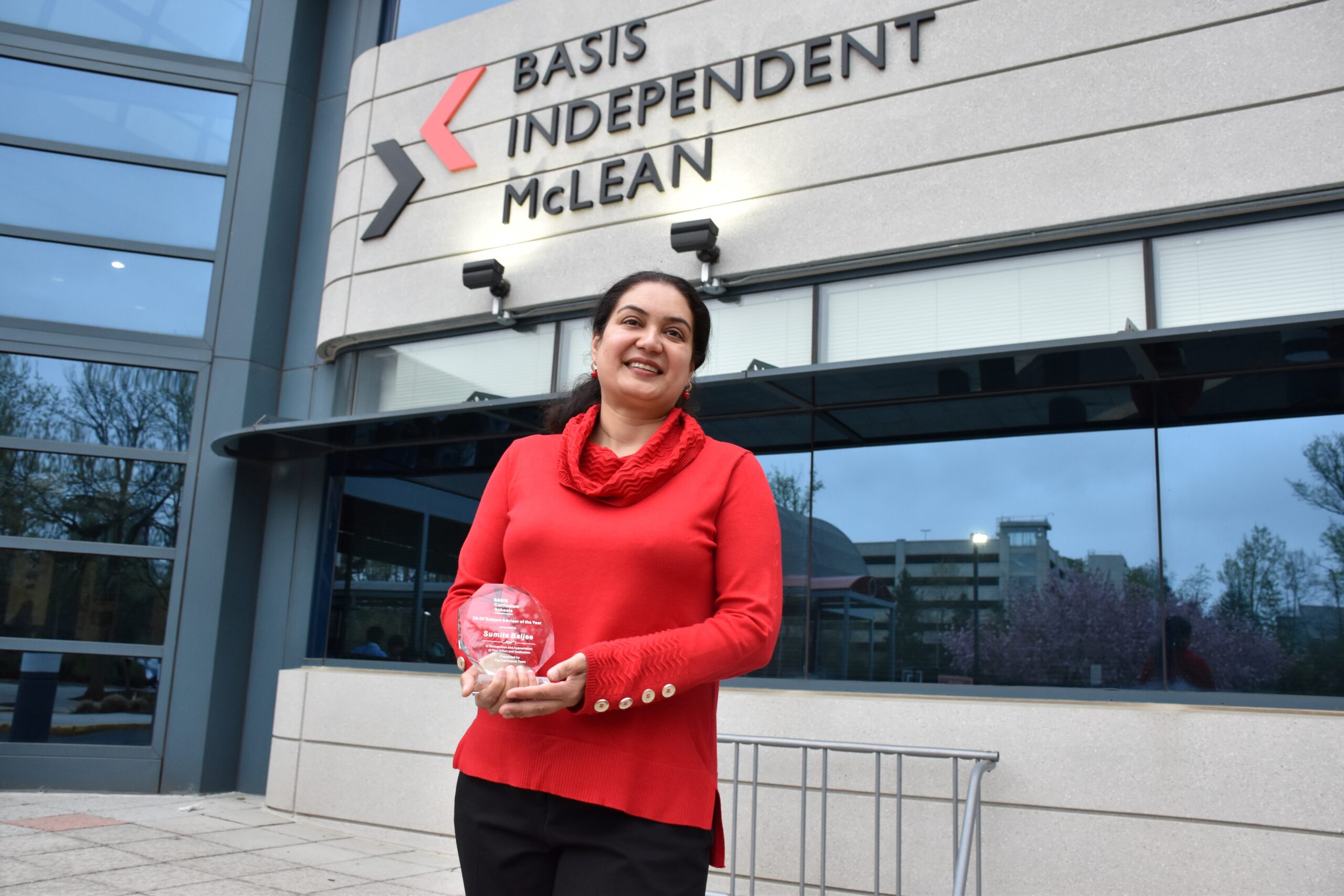
We extend heartfelt congratulations to our 2024 – 2025 Subject Advisor (SAD) of the Year, Ms. Sumita Balijee, from BASIS Independent McLean! 

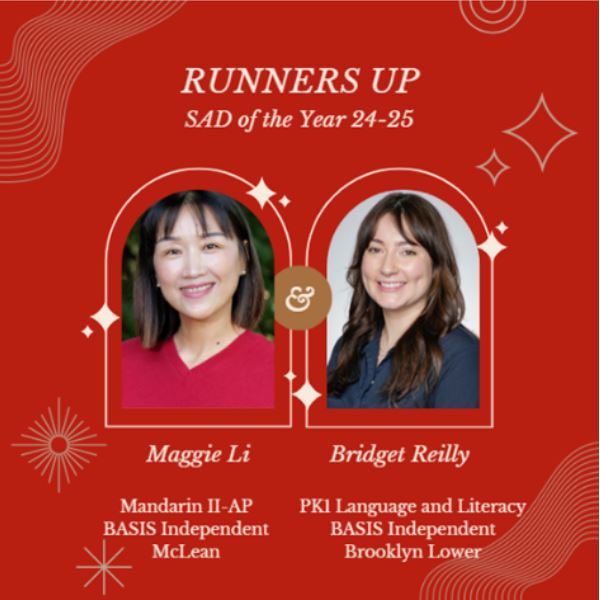
Congratulations, too, to our runners-up, Ms. Bridget Reilly (PK1 Language and Literacy), from BASIS Independent Brooklyn, and Ms. Maggie Li (Mandarin II-AP) from BASIS Independent McLean! 

The SAD of the Year is a celebration and greater recognition of all the work our Subject Advisors (SADs) do, including providing template syllabi for teachers, creating assessments, collaborating with SETs across the BASIS Independent School network, and working incredibly hard to build subject mastery for each of our students. 

“Subject Advisors are wonderful at what they do,” expressed Ms. Linda Louis, Senior Director of the BASIS Curriculum. “It is important to acknowledge the myriad ways they impact our network and to give teachers the opportunity to reflect on how much their work has been positively shaped by their SADs.” 

The role of a Subject Advisor (SAD): curriculum and community 
BASIS Curriculum Schools have a Subject Advisor for each required course and some electives, all the way from STEM Discovery in PreK to Capstone courses for seniors. A SAD is first and foremost a classroom teacher; experienced BASIS Curriculum Schools teachers apply to take on the SAD role and become extensions of the BASIS Curriculum Team. SADs are responsible for updating the curriculum and refining vertical alignment annually. This task involves looking beyond their classroom experiences, seeking input from teachers across the network of BASIS Independent and International Schools, incorporating insights from assessment data, and considering ongoing conversations in their fields. 

The power of a network, leveraged by Subject Advisors 
Throughout the year, SADs prompt discussion among teachers of their course(s) and provide valuable guidance to teachers in monthly forums. Teachers can share advice on pedagogy, assessments, and classroom activities, and request resources or assistance. SADs also host network-wide meetings over Zoom throughout the year to cultivate a community of colleagues. Their role in shaping learning outcomes and facilitating opportunities for professional growth and development ensures continuous improvement in the educational experience provided to students. 

How SADs are nominated 
Teachers across our network were asked to nominate their SAD in an anonymous, voluntary survey. The BASIS Curriculum Team reviewed all entries, carefully considering responses on several critical topics from academic support to community-building and more. Testimonials from advisees about how enthusiastic, helpful, and knowledgeable their SADs are made the decision to choose the winners extremely difficult! 

Writes one of Ms. Balijee’s advisees: “She has been a SAD for several years and has always been extremely dedicated to this role. I would love to see her be recognized for all of her contributions. I know she has spent hours and hours poring over the CCDs and other curriculum documents and always reviews everything with the finest-tooth comb possible to ensure they are correct in both content and formatting. She has worked with the other math SADs to align the curriculum across courses. She was instrumental in the network’s adoption of the SAVVAS books and resources, and so many have relied on her guidance with how to use the online platform and its resources. With this, she has been a thoughtful partner for the other math SADs and some teachers who have struggled with the integration of the Geometry book in the middle school math sequence. During summer institutes, she has been a fountain of ideas and resources for teachers. If you need any other evidence of her commitment to the role, just take a look at one of her newsletters. You won’t find a more beautifully formatted and user-friendly resource!” 

“We feel so fortunate to have Ms. Balijee on the Curriculum Team as a SAD,” expressed Ms. Wen Yang, Professional Development Manager. “From curriculum revision, syllabi review, to network-level exam creation and participation on advisory panels, she does everything with dedication and precision. She is also deeply committed to supporting teachers, demonstrated by the thoughtful and high-quality content she provides in her newsletters, rich and differentiated resources and activities she created and shared with teachers, and the well-organized SAD meetings and PD workshops she led throughout the years.” 

We are incredibly grateful to our exceptional Subject Advisors for their hard work and dedication. Congratulations on the completion of another school year! 

Filed Under: Awards & Recognition, Culture of Support, Faculty & Staff

Nine BASIS Independent Schools Seniors Named Presidential Scholar Candidates

March 27, 2025 by msnyder Leave a Comment

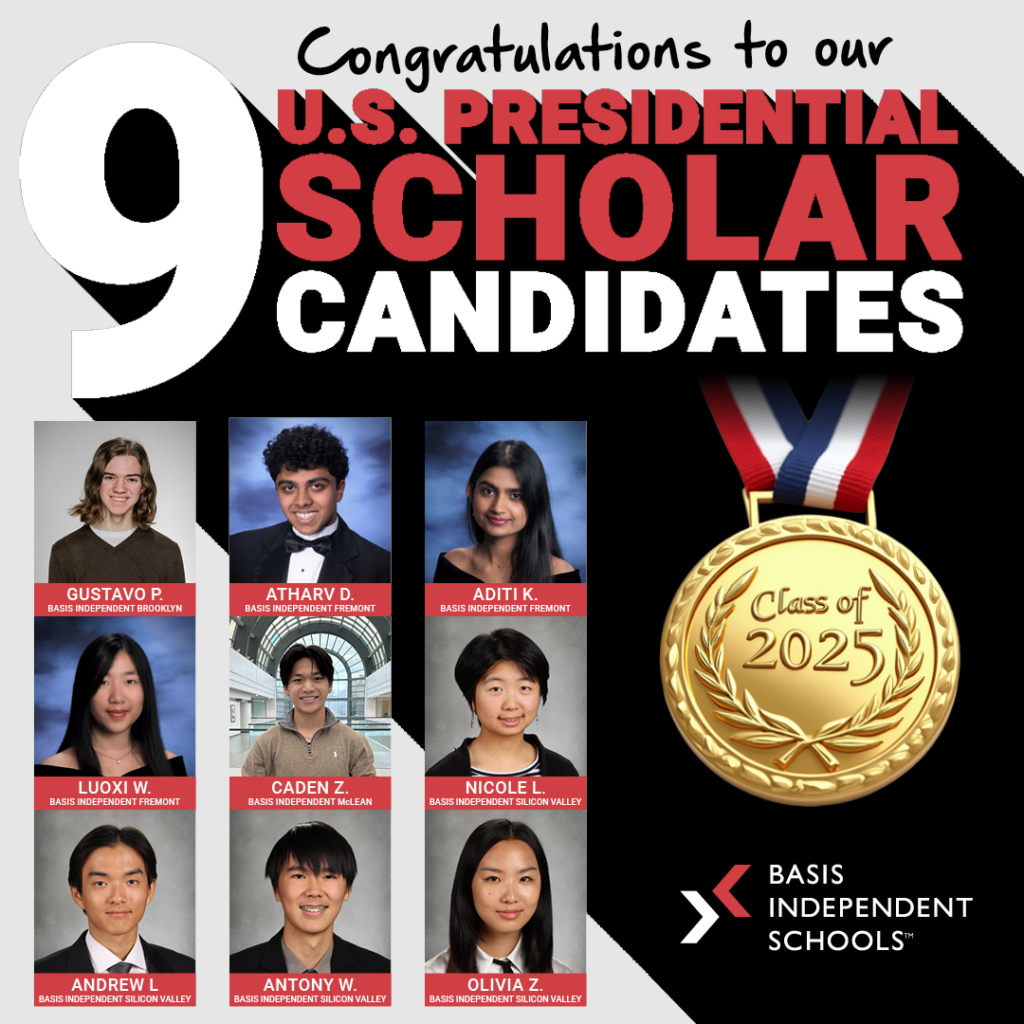
External recognition reinforces the accomplishments BASIS Independent School educators see each day inside their classrooms. Today, we are incredibly proud to share the news that nine seniors across our network of schools have been recognized as 2025 U.S. Presidential Scholars candidates. The Presidential Scholars Program was established in 1964 to recognize and honor some of our nation’s most distinguished graduating high school seniors. 

Each year approximately 4,000 candidates across the country are selected based on outstanding performance on the SAT and ACT assessments. This distinction not only showcases students’ exceptional abilities but also highlights the advanced, globally benchmarked BASIS Curriculum that helped foster their critical thinking, problem-solving, and deep content mastery. 

Presidential Scholar Candidates Named Across BASIS Independent Schools:

BASIS Independent Brooklyn – Gustavo P. 

BASIS Independent Fremont – Atharv D., Aditi K., Luoxi W.

BASIS Independent McLean – Caden Z.

BASIS Independent Silicon Valley – Nicole L., Andrew L., Antony W., Olivia Z.

All candidates will now be reviewed based on their academic achievement, personal characteristics, leadership, and service activities. Candidate essays are also reviewed and factor into the selection. Approximately 650 candidates are named semifinalists and forwarded to the Commission for further review. In April, up to 161 U.S Presidential Scholars are selected and honored for their accomplishments.

In the more than 60 years since the United States Presidential Scholars Program was established, approximately 8,000 U.S. Presidential Scholars have been named based on demonstrated leadership, scholarship, and contribution to school and community.

The BASIS Independent Schools Legacy

At BASIS Independent Schools, we empower students to push boundaries and achieve their highest potential. Our challenging curriculum, expert educators, and dynamic learning culture ensure that students cultivate their interests and are set up for success in college and beyond.

Congratulations to all of our 2025 Presidential Scholar Candidates! You are an inspiration to us. We look forward to celebrating your continued success as you move ahead to the next stage of your academic journey.

Stay tuned for more updates as we celebrate these exceptional scholars and their accomplishments!

See what sets our students apart—explore our High School Program today!

BASIS Independent Schools provides students with an internationally benchmarked liberal arts and sciences curriculum, with advanced STEM offerings. To join our interest list for the next school year and receive admissions updates and more, please click here. 
Filed Under: Awards & Recognition, High School, Student Achievement

Exceptional Achievement: Nearly 1 in 4 Seniors Named National Merit Finalists!

March 12, 2025 by msnyder Leave a Comment

At BASIS Independent Schools, we take immense pride in our students’ dedication to academic excellence. This year, we are thrilled to announce that an impressive 44 seniors have been recognized as 2025 National Merit Scholarship Finalists, a prestigious honor that reflects their hard work, intellectual curiosity, and commitment to success.

Our students’ outstanding performance on the PSAT/NMSQT has earned them a place among the nation’s top academic achievers. This distinction not only showcases their exceptional abilities but also highlights the advanced, globally benchmarked BASIS Curriculum that fosters critical thinking, problem-solving, and deep content mastery.

A Remarkable Achievement Across Our Schools

  • BASIS Independent Silicon Valley: 25 National Merit Finalists
  • BASIS Independent Fremont: 13 National Merit Finalists
  • BASIS Independent McLean: 4 National Merit Finalists
  • BASIS Independent Brooklyn: 2 National Merit Finalists

What This Recognition Means

The National Merit Scholarship Program is one of the most prestigious academic competitions in the United States. Finalists are selected based on their exceptional PSAT/NMSQT scores, academic performance, leadership qualities, and extracurricular achievements. These students now advance to compete for prestigious National Merit Scholarships, a testament to their dedication and perseverance.

The BASIS Independent Schools Legacy

At BASIS Independent Schools, we cultivate a learning environment that empowers students to push boundaries and achieve their highest potential. Our challenging curriculum, expert educators, and dynamic learning culture ensure that students are well-prepared for success in college and beyond.

We extend our heartfelt congratulations to all of our 2025 National Merit Scholarship Finalists! Your hard work and passion for learning inspire us all. We look forward to seeing your continued success as you take the next steps in your academic journey.

Stay tuned for more updates as we celebrate these exceptional scholars and their accomplishments!

See what sets our students apart—explore our High School Program today!

BASIS Independent Schools provides students with an internationally benchmarked liberal arts and sciences curriculum, with advanced STEM offerings. To join our interest list for the next school year and receive admissions updates and more, please click here. 
Filed Under: Awards & Recognition, National Merit

2024 – 2025 Startups at Spring Competition: Wellness in the Workplace

March 4, 2025 by msnyder Leave a Comment

Thinking of a creative and unique business idea is a challenge for even the globe’s most talented and proven business professionals. Give that same challenge to a group of high school students all attending exceptional schools, and the results are sure to impress. How could students in grades 9 – 12 create a start-up idea, product, or service from inception to implementation? One that would also impress a panel of judges made up of industry professionals? That’s what a group of educators seek to discover at the yearly Startups at Spring Competition.  

The competition is open to high school students attending a Spring Education Group school and focuses on a specific type of business start-up. This year’s theme was “Wellness in the Workplace” and it allowed the students to think outside of the box and present their ideas, first to their local school, and then one team from each school was selected and invited to attend a network-wide competition. Students then made the same presentation but, instead of it being in front of their peers and school administration, it was in front of industry professionals.  

The professionals judge the competition on the feasibility and profitability of each idea presented. Judges listened to see if the teams explained their business idea clearly, was it unique, and implemented the year’s theme. Beyond those basic judging expectations, they also sought to see if the team understood and addressed the financial challenges of starting a business, did they effectively present their market strategy, and could they answer confidently improvisational questions regarding their “pitch”.  

Ms. Jaymie Silva, BASIS Independent Schools Subject Expert Teacher and organizer of the competition said, “I was so impressed with the level of maturity in this year’s presentations. Our theme was wellness, and we had students speaking on subjects related to health, safety, and well-being at levels far beyond their teenage years. It really makes me hopeful that they will be able to bring some of these ideas to fruition in the future.” 

The top three teams are awarded prize money to be donated to a charity of their choice.  

Third Place: Team Wanderphyll
(awarded $2,000)

Team Members: Akhil G. (Grade 9) and Jacob L. (Grade 9) 

School: BASIS Independent Silicon Valley 

Startup: Wanderphyll: Explore the Wanderphyll World of Nature 

Selected Charity: World Wildlife Fund  

Pitch: Stress and laziness from schools and offices have caused people to stop going outside. People would rather spend their free time on their phones or watching TV.  Mental health issues like depression increase alongside with pressure and stress from work and constant screen time and lack of exercise. Going outside to nature restores people’s mental well-being and reduces depression and anxiety in most people. 

Wanderphyll is a mobile app that incentivizes going outdoors by turning it into a passive game. 

Team Take Away 
“The entire Startups at Spring experience has been a wonderful learning opportunity; allowing us to experience the full process of fleshing out an idea into a detailed framework for a startup. It was a fun experience and we enjoyed watching the other presentations and we’re glad that it was also able to make a positive impact in the form of a donation to a charity. Additionally, we’d like to thank the organizers, especially Ms. Silva, and the judges for making the whole competition possible.”

To view their entire presentation, click here.  

Second Place: Team SipSense
(awarded $3,000)

Team Members: Rishik P. (Grade 10) and Aarya V. (Grade 11) 

School: BASIS Independent McLean 

Startup: SipSense: Have a Sense of What You’re Sipping 

Selected Charity: US-India Solidarity Mission 

Pitch: 11 million women in the U.S. have been assaulted or worse as a result of involuntary consumption of drugs through drinks. More than 80% of women have reported an imminent need for safer pubs, bars, and restaurants.

The solution? A drug sensor system that is accurate, reuseable, discrete, and is connected to a multi-functional app.

Team Take Away 
“Developing our startup idea and building a prototype was a truly unique and inspiring journey. It expanded our vision of what’s possible—from further product development and manufacturing to real-world application. Throughout this competition, we discovered our ability to create innovative solutions that address genuine needs in modern society. We extend our heartfelt thanks to Mr. Wright and Mr. Biemesderfer for helping refine our pitch deck to its best possible version. Above all, this experience taught us that many of today’s societal challenges remain inadequately addressed, and there is a critical demand for creative, effective solutions.”

To view their entire presentation, click here. 

First Place: Team OurIBD
(awarded $5,000)

Team Members: Zoe A. (Grade 9) 

School: Laurel Springs 

Startup: Our IBD: AI Powered Gut Health Tracking – From Toilet to Data, Instantly 

Selected Charity: Crohn’s & Colitis Foundation 

Pitch: 10 million plus are diagnosed with inflammatory (IBD) globally. 80% struggle with tracking symptoms accurately and current solutions are invasive, expensive, and unreliable. Patients are forced to guess, leading to frequent ER visits and worsening health.  

The solution is an AI-powered, non-invasive stool monitoring device.   

Team Take Away 
“Winning 1st place at the Startups at Spring Competition isn’t just an award—it’s validation that an idea born from my own struggles has the power to help others. I started OurIBD because I knew firsthand how frustrating and exhausting it is to manage IBD with delayed test results, invasive procedures, and unreliable tracking methods. What began as a personal project—a way to automate symptom tracking and detect inflammation through AI—has grown into something real, impactful, and now, recognized.

Pitching my startup, seeing industry leaders believe in what I’m building was a moment I’ll never forget. It reinforced that this isn’t just a personal solution—it’s something that can truly change lives. I’m incredibly honored, not just for the recognition, but for the chance to take this further, refine my prototype, and push toward making this available to real patients. And to give back, I’m honored to be donating my $5,000 prize to the Crohn’s & Colitis Foundation—an organization that has supported my family and I since diagnosis, and helps millions of others just like myself.”

To view their entire presentation, click here. 

iuluilui

Expert Judging Panel

Mr. John Forte is the CEO and President of VT-ARC, responsible for guiding strategic growth in applied research and development with the intent of strengthening national security, driving societal impact, and improving the human condition. In this capacity he also oversees 5 Innovation Centers for the Air and Space Force, drawing together government, industry and academia to advance research and accelerate innovation. 

Prior to VT-ARC, Mr. Forte served as one of the US Air and Space Force’s 5 science and technology executives (EPAs), responsible for advising the command, control, communications and networking needs of the warfighter and the Department of Defense. He was charged with creating forward leaning and innovative ecosystems focusing upon the toughest challenges across multiple operating domains. During this time Mr. Forte also served as an advisor on the Defense Science Board for critical infrastructure resilience. 

Mr. Forte served nearly 10 years as a senior leader within the Johns Hopkins University Applied Physics Laboratory (JHU/APL). His culminating assignment was as the Executive for the Homeland Protection Mission Area, directing the development and implementation of technologies and solutions to protect the United States against a variety of asymmetric threats. While at JHU, he founded and served as the Interim Director of JHU’s Institute for Assured Autonomy, a center of excellence charged with driving safety, security, and reliability into the future autonomous world. 

Mr. Forte served in numerous senior leadership positions within the public and private sectors, including the Morgan Franklin Corporation, MITRE, and as the Chief Scientist for the White House Communications Agency. He also served as a communications officer in the US Army, assigned to multiple airborne and special operations units and deploying in support of operations in Bosnia, Kosovo and Iraq. 

Mr. Forte earned a BSEE from the University of Tulsa and an MSEE from George Washington University with a focus in Communications and Networks. He also completed Executive Programs at the Harvard Kennedy School on Cybersecurity: The Intersection of Policy and Technology; as well as on National and International Security. 

Mr. Amrit Saxena is the Founder & CEO of SaxeCap, an AI transformation and private equity investment firm, that conducts AI-levered buyouts and transforms enterprises with AI & automation technology.  Additionally, he has successfully founded & sold two AI companies (Stella.ai, Fancy That) and is an active angel investor in data, AI, and enterprise software companies in the Silicon Valley, investing in 300+ early stage technology companies (including being an early investor in companies like OpenAI, Anthropic, Figure, Perplexity, SpaceX, Palantir, etc.).  

Prior to SaxeCap, Amrit founded and scaled Stella, a talent sourcing AI company, to over 150 large enterprise clients (including 10% of the Fortune 500), leading technology (data science, product, engineering, etc.) and operations (pre-sales, client integrations, etc.). Stella was sold to Cornell Capital and Trilantic Capital Partners in a $1B+ private equity transaction in 2021. Additionally, Amrit founded, scaled, and sold Fancy That, a retail AI company, to Palantir (NYSE: PLTR) in 2015.  Between his two AI startups, Amrit has experience buying a company, selling two companies, and scaling teams from 0 to 50+ people. Amrit previously worked at Bain & Company, Groupon, AmEx, and e2e Analytics and taught and researched AI at Stanford & MIT.

He received his B.S. in Computer Science with a concentration in Artificial Intelligence and M.S. in Management Science & Engineering with a concentration in Operations Research, both from Stanford University with Distinction. Additionally, he has garnered numerous accolades, including being awarded 7 U.S. patents (relating to AI and optimization), a three time finalist in the United States of America Mathematical Olympiad (USAMO), winner of the American Mathematics Competition (AMC), finalist in the United States Physics Olympiad (USAPhO), Congressional Award Gold Medalist, Research Science Institute (RSI) Scholar, American Regions Math League (ARML) winner, and was selected for the President’s Award for Academic Excellence and the Tau Beta Pi Engineering Honors Society while at Stanford. 

Mr. Ken Snyder serves as the Executive Director of the Shingo Institute and as a Senior Lecturer in the department of Marketing, Strategy, Leadership, and Entrepreneurship (MSLE) of the Jon M. Huntsman School of Business at Utah State University. He has regularly taught the business planning course in the Entrepreneurship program. 

Mr. Snyder earned an MBA from the Harvard Graduate School of Business in 1980 with an emphasis in international business. Immediately after graduation, Mr. Snyder joined a Japanese electronics manufacturing company and led the startup of its U.S. affiliate company as plant manager, CFO, and later president of that company. 

Mr. Snyder then raised money to launch a venture startup company which ultimately was unsuccessful. Mr. Snyder then led a corporate-backed startup company, Progressive Impressions International (PII) in Bloomington, Illinois. Following this successful startup, Mr. Snyder then led a corporate venture capital fund within Taylor Corporation. 

Before joining the Huntsman School, Mr. Snyder was president of Marketing Communication Inc., an operating division of Taylor Corporation, where he directed a group of six companies while growing revenues from $25 million to over $80 million. He joined the Jon M. Huntsman School of Business in 2008. 

Filed Under: Awards & Recognition, Community Events, Competitions, Student Achievement

National Junior Honor Society at BASIS Independent Bellevue

January 21, 2025 by mirandamartinez Leave a Comment

The National Junior Honor Society (NJHS) plays an integral role in building up the students in our Middle School Program as young leaders. As one of the premier student organizations in the nation, NJHS empowers members to contribute meaningfully to their communities while excelling academically. This year, our NJHS chapter has been busier than ever as our school continues to grow. 


Character, Citizenship, Leadership, Scholarship, and Service. 

The National Junior Honor Society (NJHS) pillars—character, citizenship, leadership, scholarship, and service—align with BLV’s mission to foster well-rounded students. NJHS encourages students to pursue academic projects and take the lead on initiatives that benefit their community. In grade 10, students transition to the National Honor Society (NHS), which introduces additional requirements to further their growth. This progression reflects BLV’s commitment to teaching foundational skills and guiding students toward confidently reaching higher levels of achievement. 

The number of members fluctuates yearly depending on the number of applicants. The admittance process is rigorous, and students must re-apply annually.  Students need to have earned high marks in school, complete the application questions which show examples of how they work to achieve the pillar characteristics, and write an essay based on the chosen topic. Once they have submitted their application, it is looked over by the Chapter Head and by the faculty committee which is made up of teachers from our school. 

Currently, our chapter has 30 students, each doing their best to stay committed to upholding NJHS’s principles. Becoming a member of NJHS at BASIS Independent Bellevue is an honor and a responsibility. Membership requires ongoing dedication. Students must maintain strong academic standing, contribute 15 volunteer hours, and participate in NJHS activities. Students have done many creative projects such as cleaning up parks and leading informational lessons at libraries. These expectations and activities of NJHS ensure that members remain engaged and committed to their personal growth and community impact.  


NJHS at BASIS Independent Bellevue: This Year so Far  

At the beginning of the school year, students who had been accepted into the BASIS Independent Bellevue NJHS chapter joined the organization during our Induction Ceremony. During this event, select students read passages relating to the five pillars. Students then took their NJHS oath and received their certificate from Head of School, Dr. Thies.   


In the months of November and December, BASIS Independent Bellevue hosted a food drive in partnership with Renewal Food Bank. During this time, NJHS students had the opportunity to volunteer with counting, storing, and organizing the food and hygiene products that were donated. At the end of the food drive, NJHS students went to deliver the food to the bank and received a tour to learn more about the food bank process and the communities impacted by the donations. 


Lending support to our on campus community is also a passion for many of our NJHS students. For example, four grade 8 students from NJHS are currently working on a student-led project. To help support their peers in grades 6 through 8 who are taking their Pre-Comprehensive exams at the end of January, they have partnered with the primary students to create encouraging notes. The primary students wrote personal messages of support which the grade 8 students then attached to folded origami cranes that they had hand-crafted.

As our learning community grows further, NJHS is becoming a force that strengthens our student body. Through their dedication to service, leadership, and character, NJHS members set an example for their peers.  

Filed Under: Academics, Awards & Recognition, Clubs & Activities, Honors, Middle School, School Community

  • « Go to Previous Page
  • Page 1
  • Page 2
  • Page 3
  • Page 4
  • Page 5
  • Page 6
  • Page 7
  • Go to Next Page »

© BASIS Independent Schools

  • Contact Us
  • Media Recognition
  • Careers
  • Privacy Policy
  • CA Privacy
  • Terms of Use

Headquartered in Campbell, California, Spring Education Group is majority-owned by investment funds administered by Primavera Holdings Limited, an investment firm owned by Chinese persons and principally based in Hong Kong with operations in the United States, China and Singapore.

Sitemap