
• Skip to primary navigation
  • Skip to main content

BASIS Independent Schools

BASIS Independent SchoolsBASIS Independent Schools
  • About
    • Why BASIS Independent Schools?
    • Mission & Philosophy
    • Diversity & Citizenship
    • History
  • Academics
    • Curriculum
    • Early Learning Program
    • Primary Program
    • Middle School Program
    • High School Program
    • The Senior Year
    • Summer Programs
    • International Student Program
  • Achievements
    • International Performance
    • College Admissions
    • Advanced Placement
    • National Merit
  • Find Your School
Inquire

Student Spotlight: Ishani D. Advances to the Scripps National Spelling Bee

Student Spotlight: Ishani D. Advances to the Scripps National Spelling Bee

April 2, 2026 by ezekielbracamonte Leave a Comment

Ishani D. (Grade 6) recently competed in the Scripps Regional Spelling Bee on Sunday, March 29, where she placed among the top four students, qualifying for the Scripps National Spelling Bee in Washington, D.C. this May. The Bay Area regional is known for its high level of competition, bringing together top spellers from across the region.

Ishani has been building toward this achievement over several years, having participated in spelling competitions since Grade 4. Her preparation for the regional bee centered on the Words of the Champions list, a core resource for competitive spellers. Over time, she has developed a strong understanding of spelling patterns and word origins, which helps her approach unfamiliar words with greater confidence—an important skill in later rounds of competition.
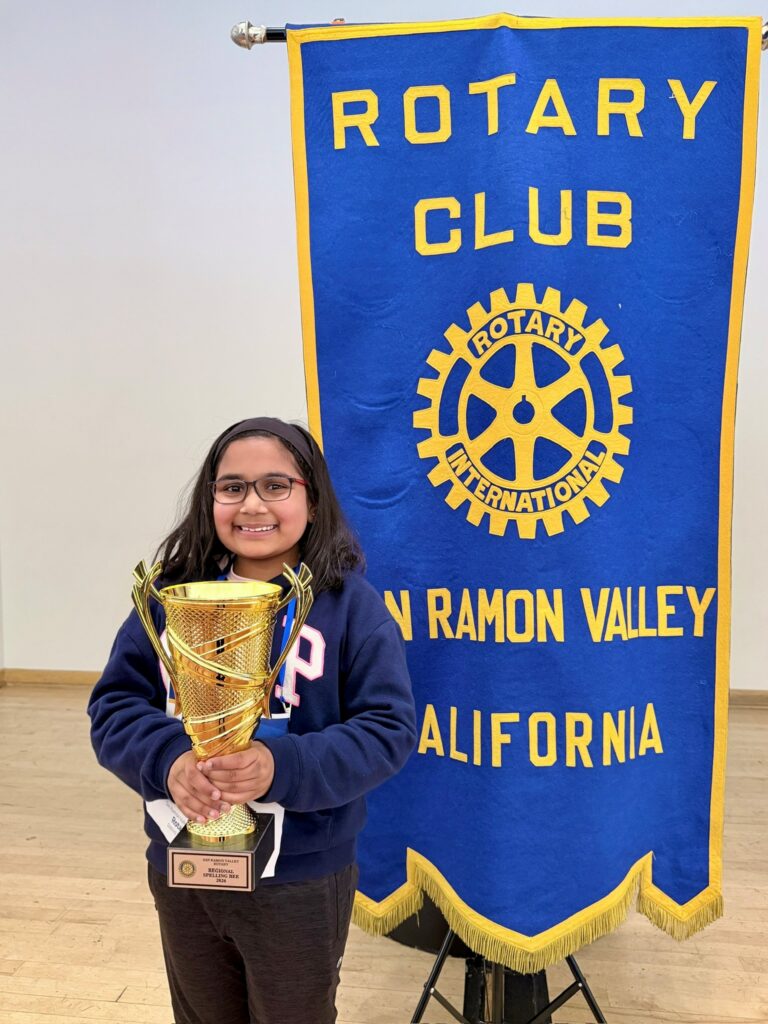
“I am really excited that I was able to qualify for the Nationals. It is such a prestigious tournament! I will prepare hard and give it my best shot!”

Following the regional bee, Ishani described an initial sense of surprise at qualifying, which quickly shifted to excitement as she connected with other participants and families and began preparing for the next stage of competition.

In preparation for Nationals, Ishani is using the Merriam-Webster app as a primary study tool. Her plan includes daily practice of about an hour, along with longer study sessions on weekends. This consistent approach reflects the level of commitment typically required to compete at the national level.

“Our school could not be more proud of Ishani’s success at the Regional Spelling Bee. This impressive achievement is a testament to the hard work and dedication of our Bobcats. We look forward to cheering her on at Nationals.” — Mr. Henriquez, Associate Head of School

Ishani will represent the BISV community at the Scripps National Spelling Bee this May, joining top student spellers from across the country.

BASIS Independent Silicon Valley is a TK–Grade 12 private school, offering an internationally benchmarked liberal arts and sciences curriculum, with advanced STEM offerings. Considering joining the Bobcat community? To join our interest list for the next school year and receive admissions updates and more, please click here. 
Filed Under: Awards & Recognition, Competitions, Middle School, Student Spotlight

Grade 3 at BASIS Independent Bellevue Takes Center Stage!

April 2, 2026 by emilyhughes Leave a Comment

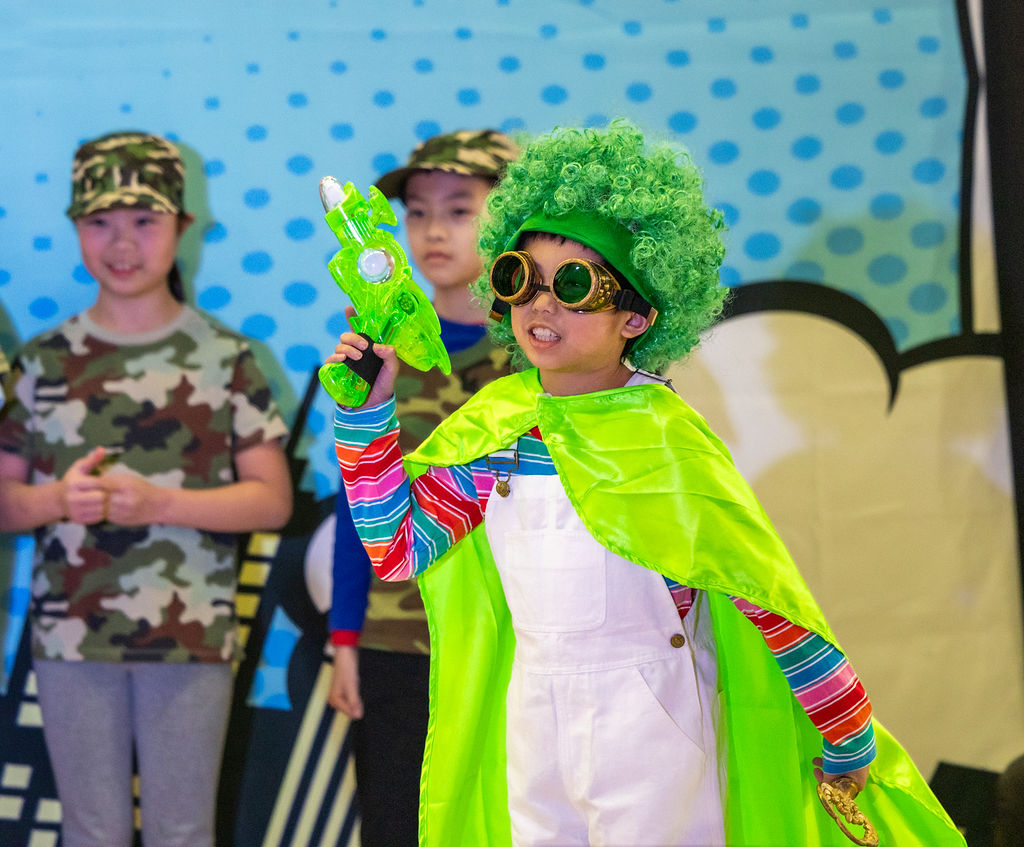
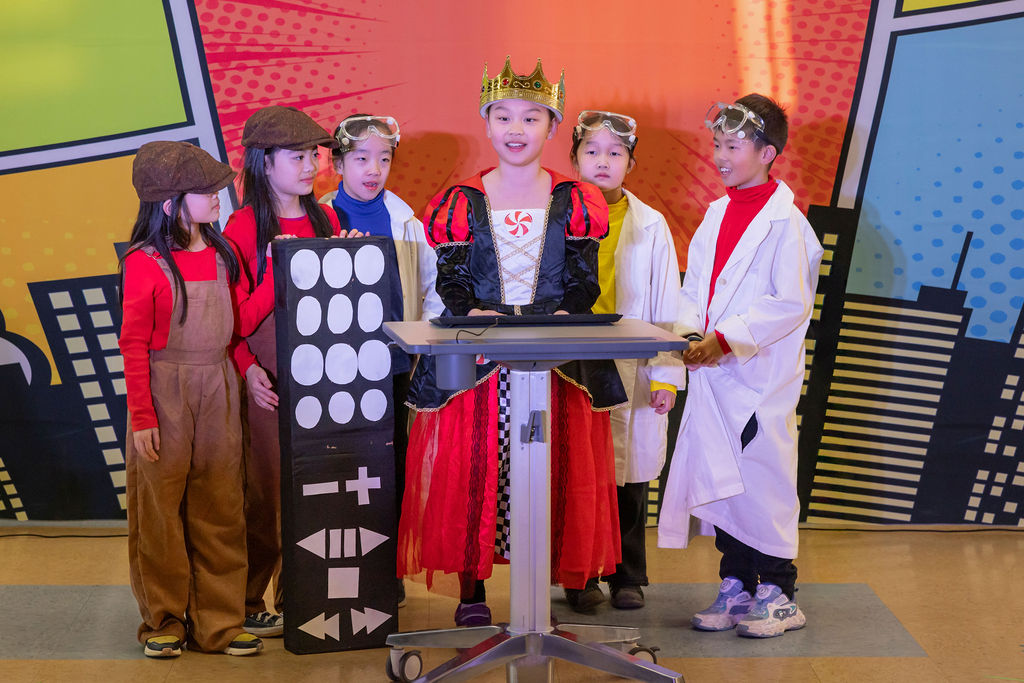
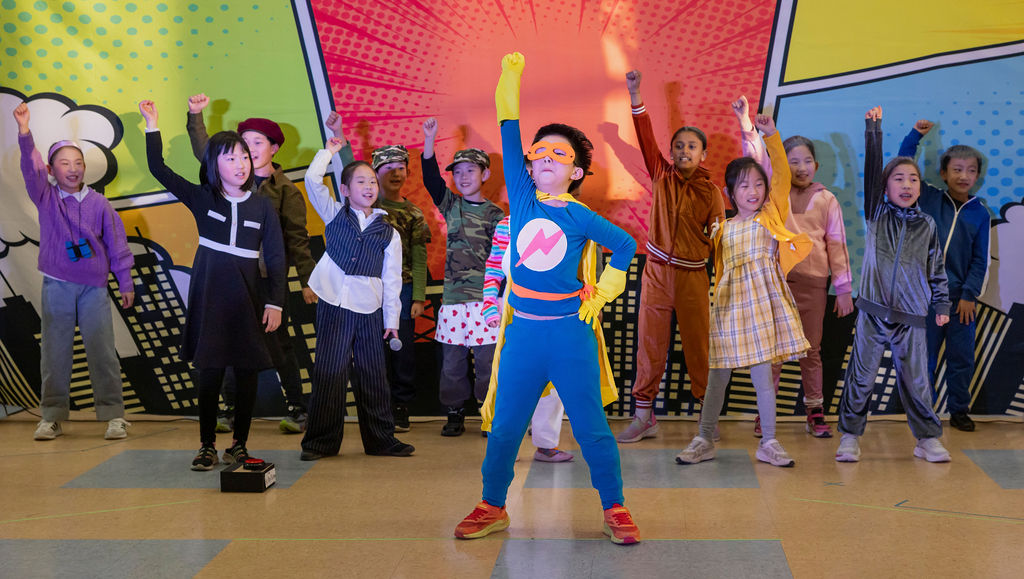
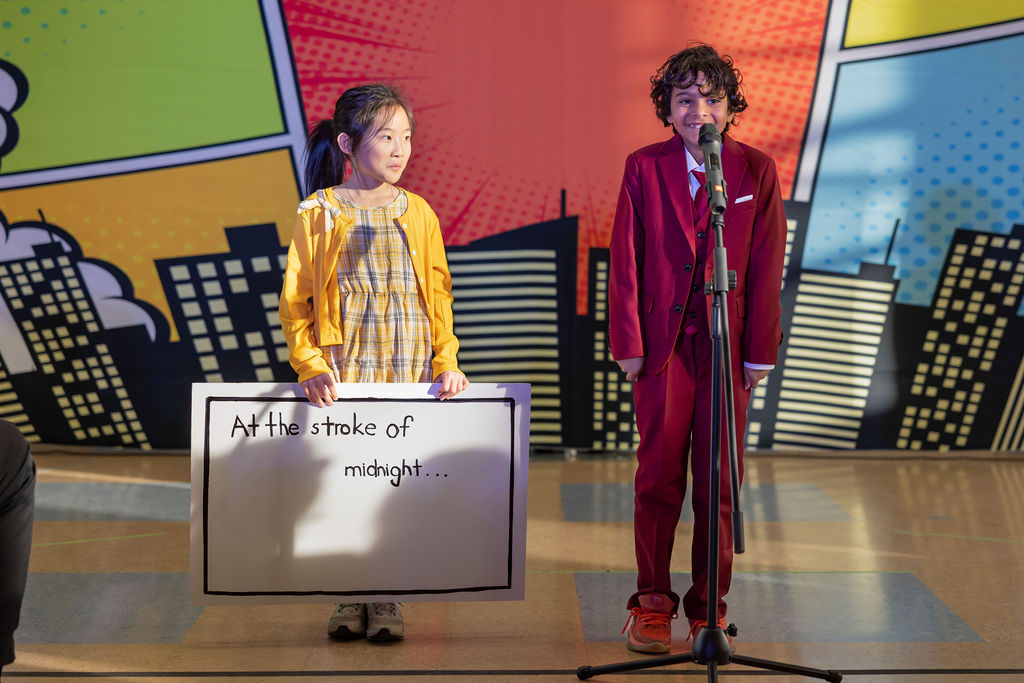
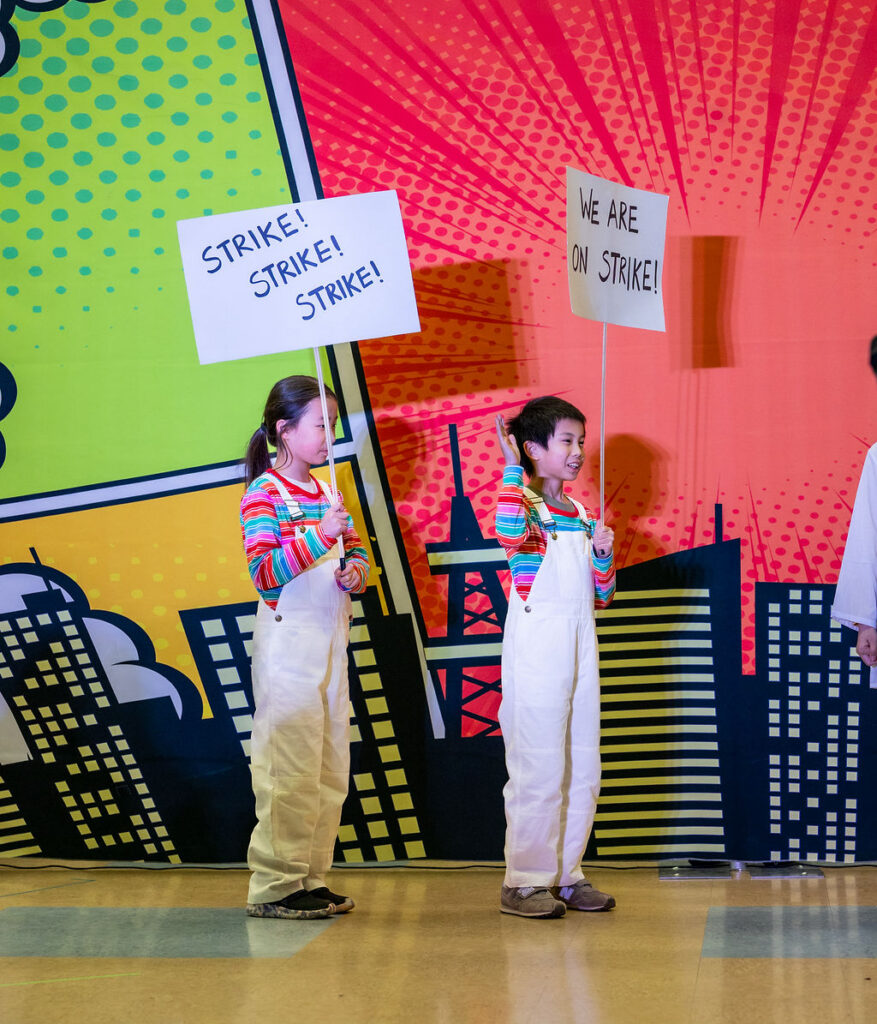
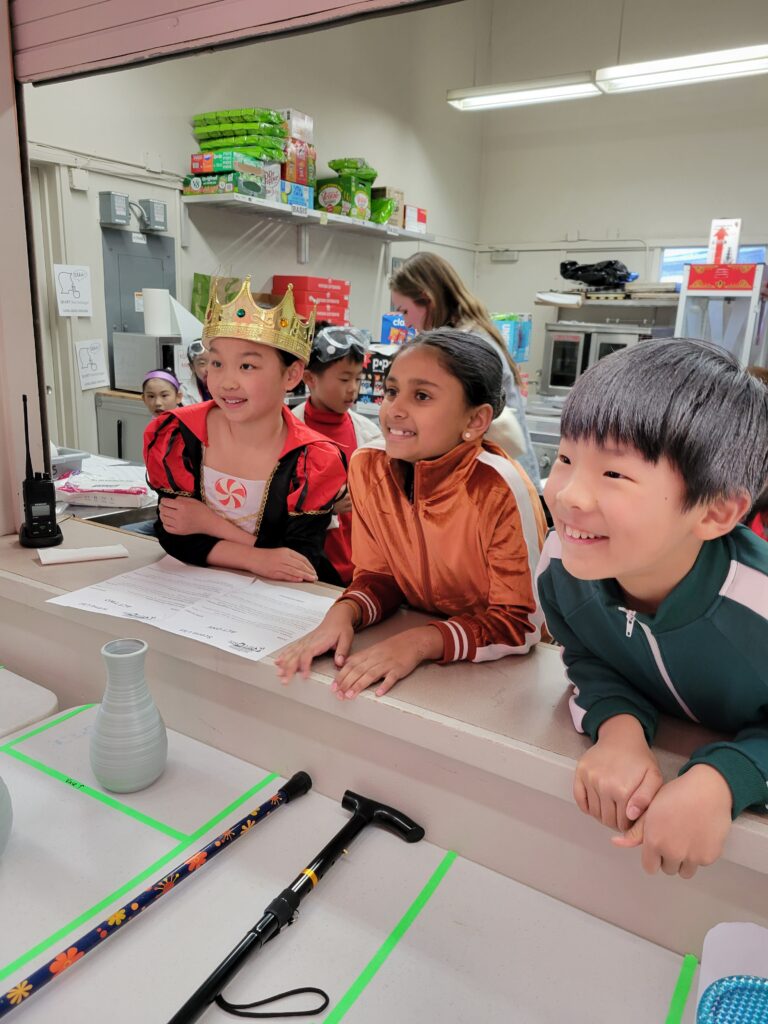
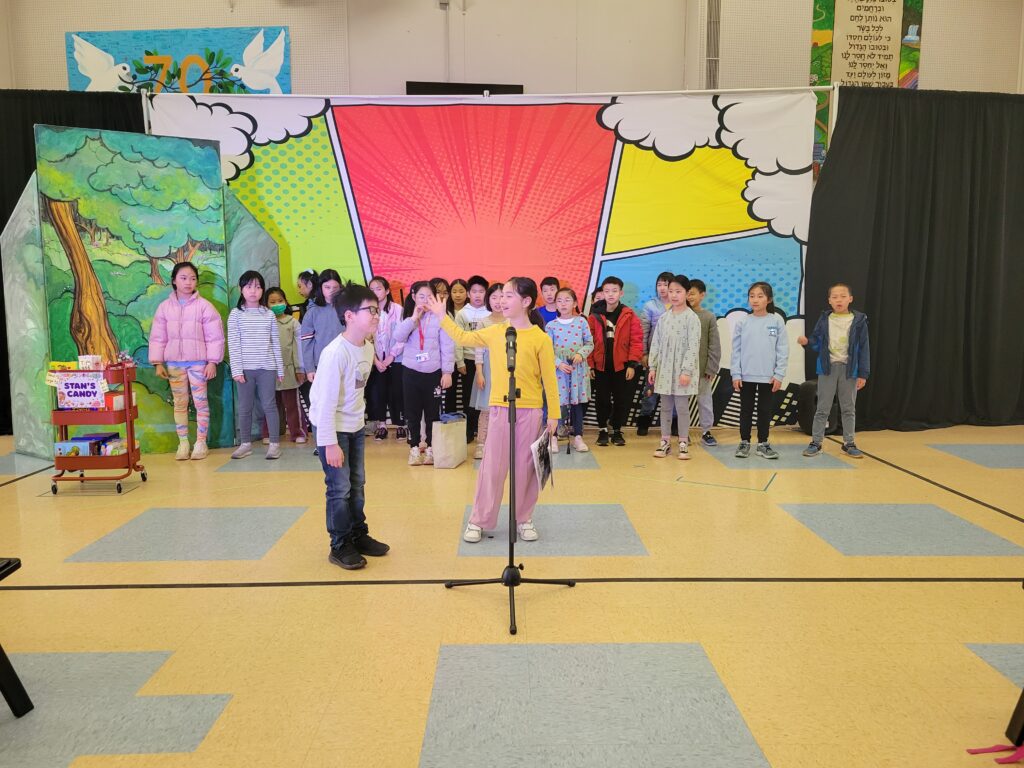
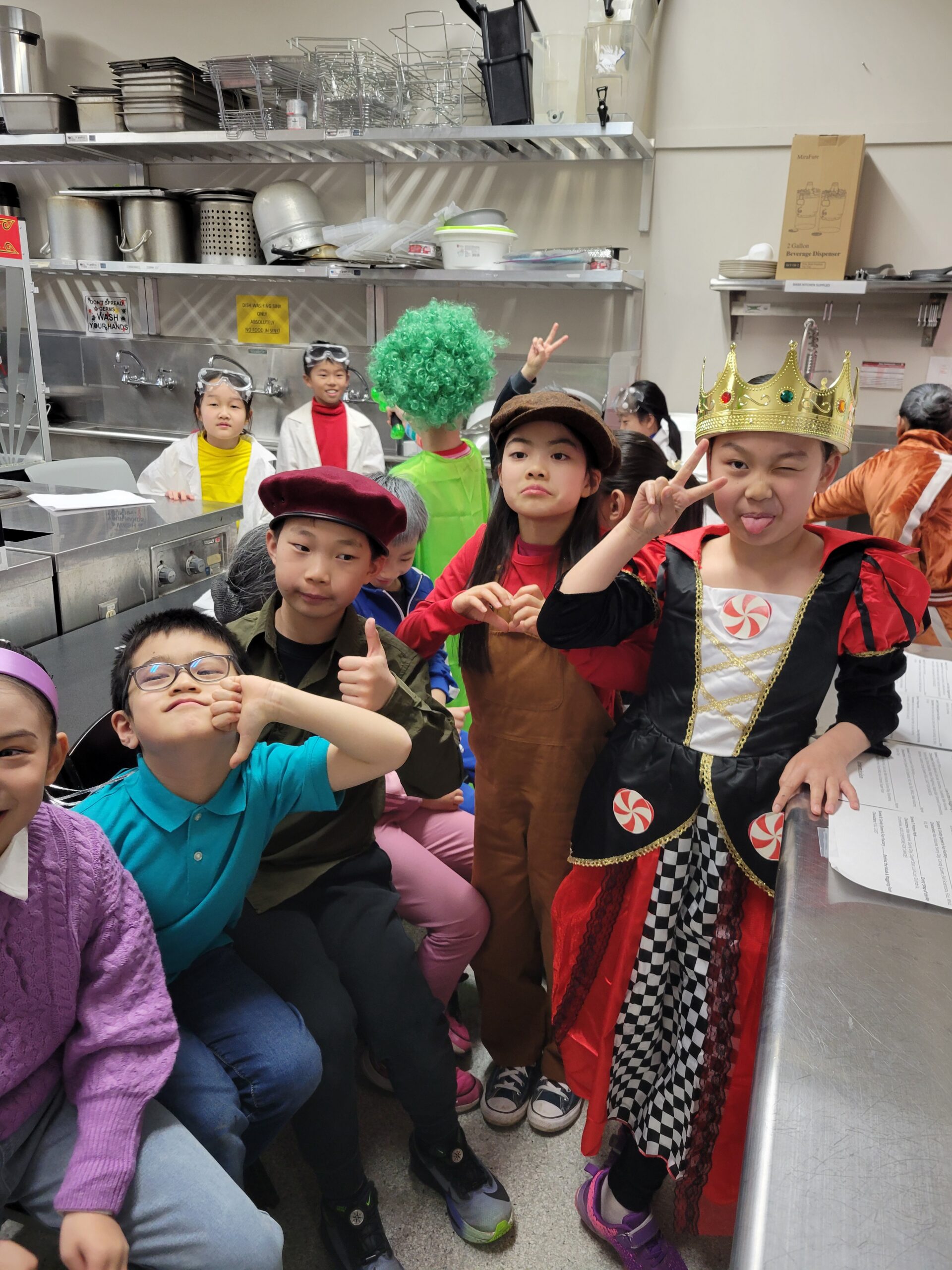
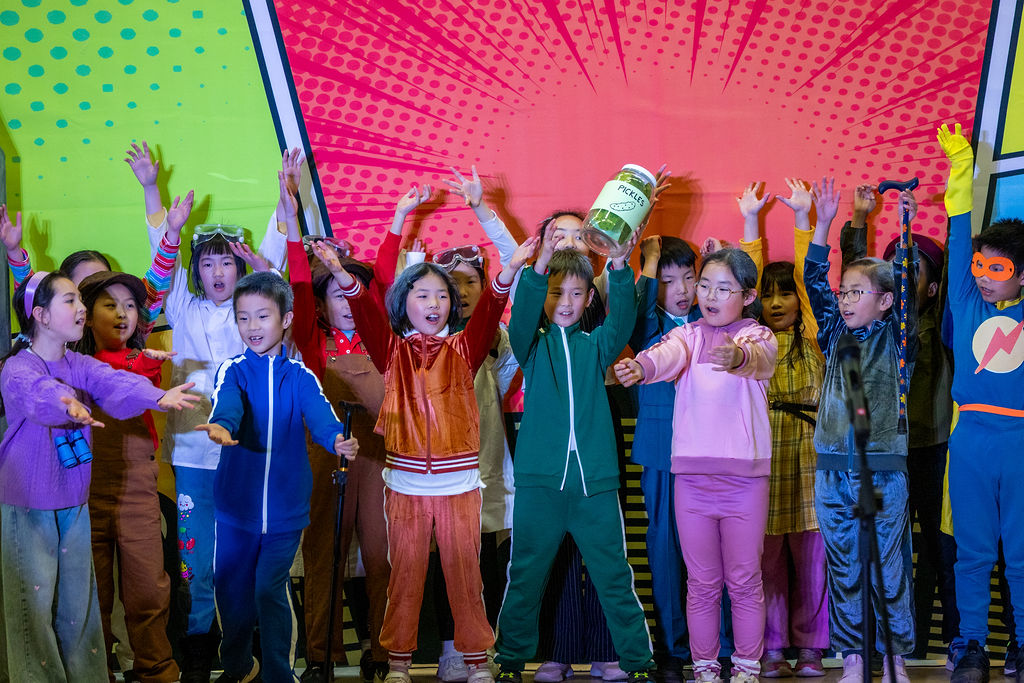
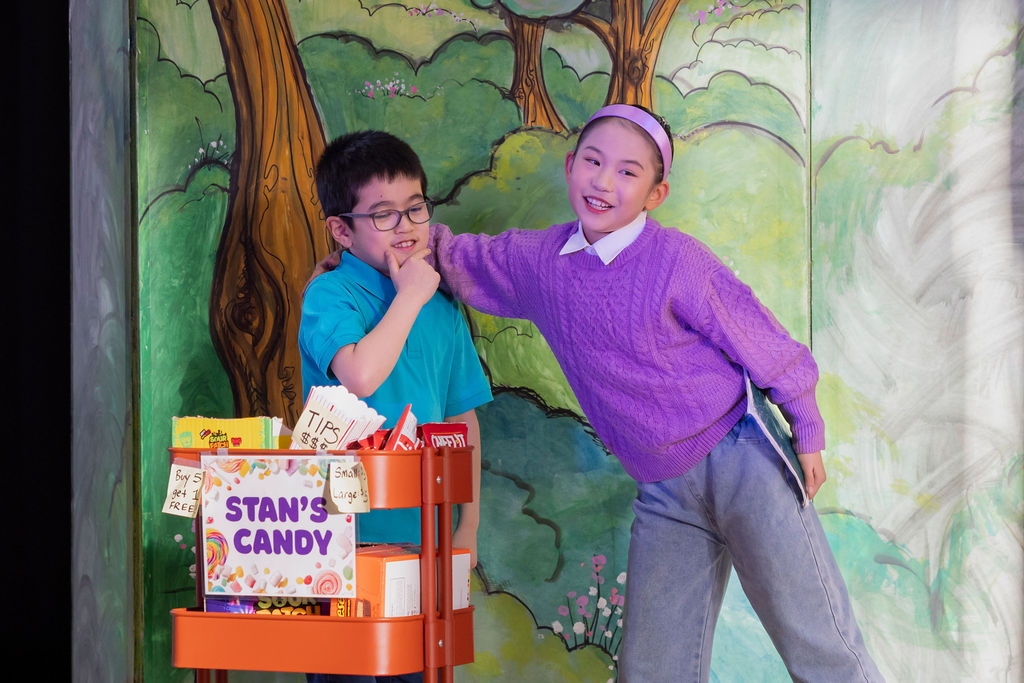
Last week, our grade 3 students took to the stage to bring the city of Megaville to life in our super-charged production of The Amazing Adventures of Super Stan—a wacky musical comedy that is one-half Marvel Comics and one-half Looney Tunes. The show was directed by our wonderful Drama Subject Expert Teacher, Mr. Brad.

The play stars, Stanley Marvel who has the most boring job in Megaville, but he’s happy to read his comics and dream his life away. That is, until it’s turned upside-down when he discovers that local hero, The Candy Queen, is actually a super villain determined to conquer the world! Thanks to a secret hero-making formula his grandma invented years ago, Stanley becomes Super Stan, a caped crusader fighting for truth, freedom, and justice with the strength to save the day (and open a really tricky jar of pickles!).


Behind The Scenes

In grade 3, the students spent the first month and a half of the school year working on fundamental skills like voice projection, stage directions, and the three tools of an actor: voice, body, and imagination, during their drama class. After the foundations were established the students were ready to audition for the musical in mid-October. When asked what the audition process was like, Mr. Brad shared, “As a director, selecting which actor will play which role can be a challenge. You want to make decisions that play to both the strengths the actors already possess, but also ones that will allow them opportunities to grow and learn new skills and step outside their comfort zones. I was very pleasantly surprised how many strong singers I had to choose from too!”

Each grade 3 class got to have their own cast and their own show for the musical. This also allowed for flexibility if a student was sick on the night of their show, their double in the other cast could step in, allowing a system for understudies who knew the show intimately. Thankfully, no one ended up being sick the week of the show.


Show Time!

Finally, March had arrived, the month of the show, and all of their preparation paid off with a show full of energy, laughter, and joy! While adding costumes, props, and set are all exciting stages of the rehearsal process, it is the final addition of the audience that brings it all together; there is no show without an audience to receive it. The casts were both a mix of excitement and nerves, which Mr. Brad reassured his students, was totally normal. Putting aside their fears, these actors bravely stepped onto the stage and gave the show their all.

When asked what his favorite part of the musical was, Mr. Brad shared, “One of the most special parts of this musical was how every single actor had an important role to play. Each student had a character name, lines to remember, and featured moments throughout the show—whether that meant delivering a goofy punchline, small group dances, taking part in comical fight sequences, or singing their own solos.”

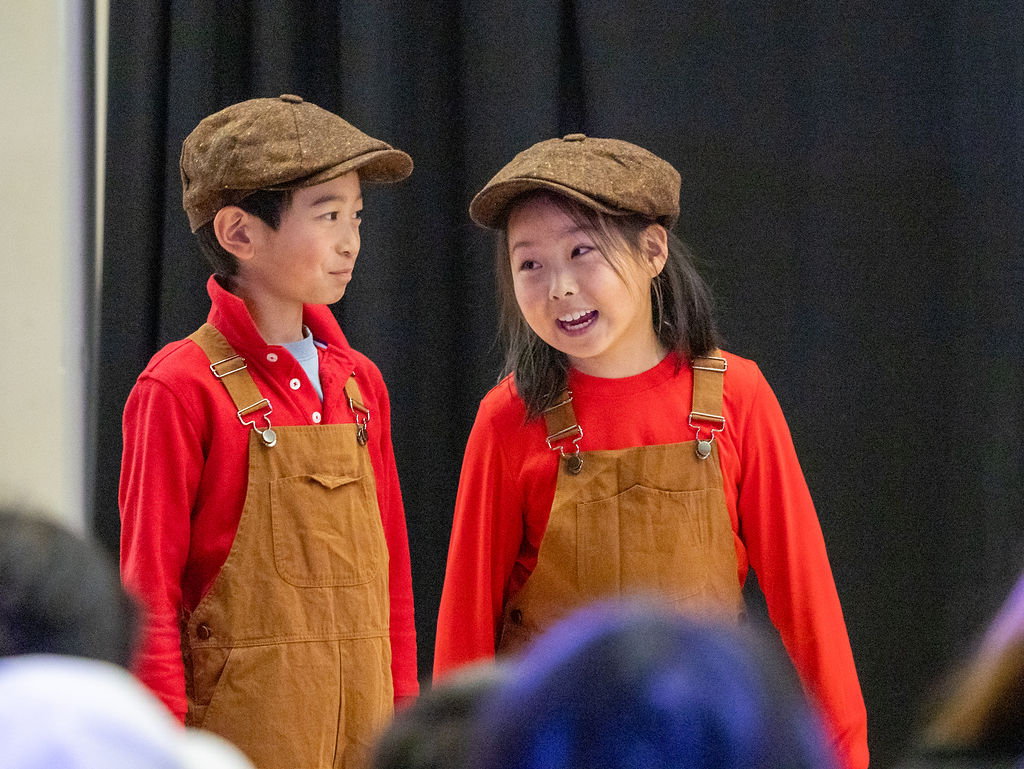
During the show the two actors who played the lead of Stanley Marvel, Bryan and Shannon, particularly melted the hearts of the audiences with Stan’s eleven o’clock solo ballad Behind the Mask, where the character psyches himself up for the impending final battle, even though he has lost his powers. When asked what it was like to perform in front of an audience, Shannon shared, “At the start of the show I was feeling shy, but then I got so into the musical I forgot there were people watching me!”


Beyond the Stage

Watching these students support one another on stage and rise to each challenge showed just how much they had learned, not only about performing arts, but also other life skills like teamwork, focus, and perseverance. When mistakes happened, the actors had each other’s back; a line was dropped here and there, and the actors kept the show going. When one actor forgot a major prop, the actor playing the evil Candy Queen that night didn’t miss a beat, and she improvised a line ordering her minion to go and find it—brilliant! Some students who were so shy at the start of the year where confidently shouting their lines out with courage. While an entertaining show is certainly the goal, watching these young actors grow and learn is the most satisfying part of the process by far.

This production also showcased some wonderful collaboration across grade levels. Some highly creative grade 6 students helped design and build props for the show, adding extra imagination and personality to the world of Super Stan.

Congratulations to the cast and crew of The Amazing Adventures of Super Stan on a job well-done! Additionally we are so grateful for Mr. Brad and his hard work to make this show and blog possible. Bravo to all!


Filed Under: Department Spotlight, Fine Arts, Lower School, Primary Program, School Community, Student Learning, Uncategorized

“Everything I Need to Know, I Learned from Kindergarten” – Head of School, Dr. Elizabeth Thies

April 1, 2026 by emilyhughes Leave a Comment

BASIS Independent Bellevue Head of School, Dr. Elizabeth Thies

My first experience with our Early Years program took place in Bangkok and it changed my life as an educator, specifically when it came to Kindergarten.  I have always valued the fact that we offer our teachers autonomy when it comes to the implementation of our curriculum.  But, I don’t think that I ever truly understood the value of this process until I watched learning come to life in a plethora of engaging ways for our Kindergarten students. 

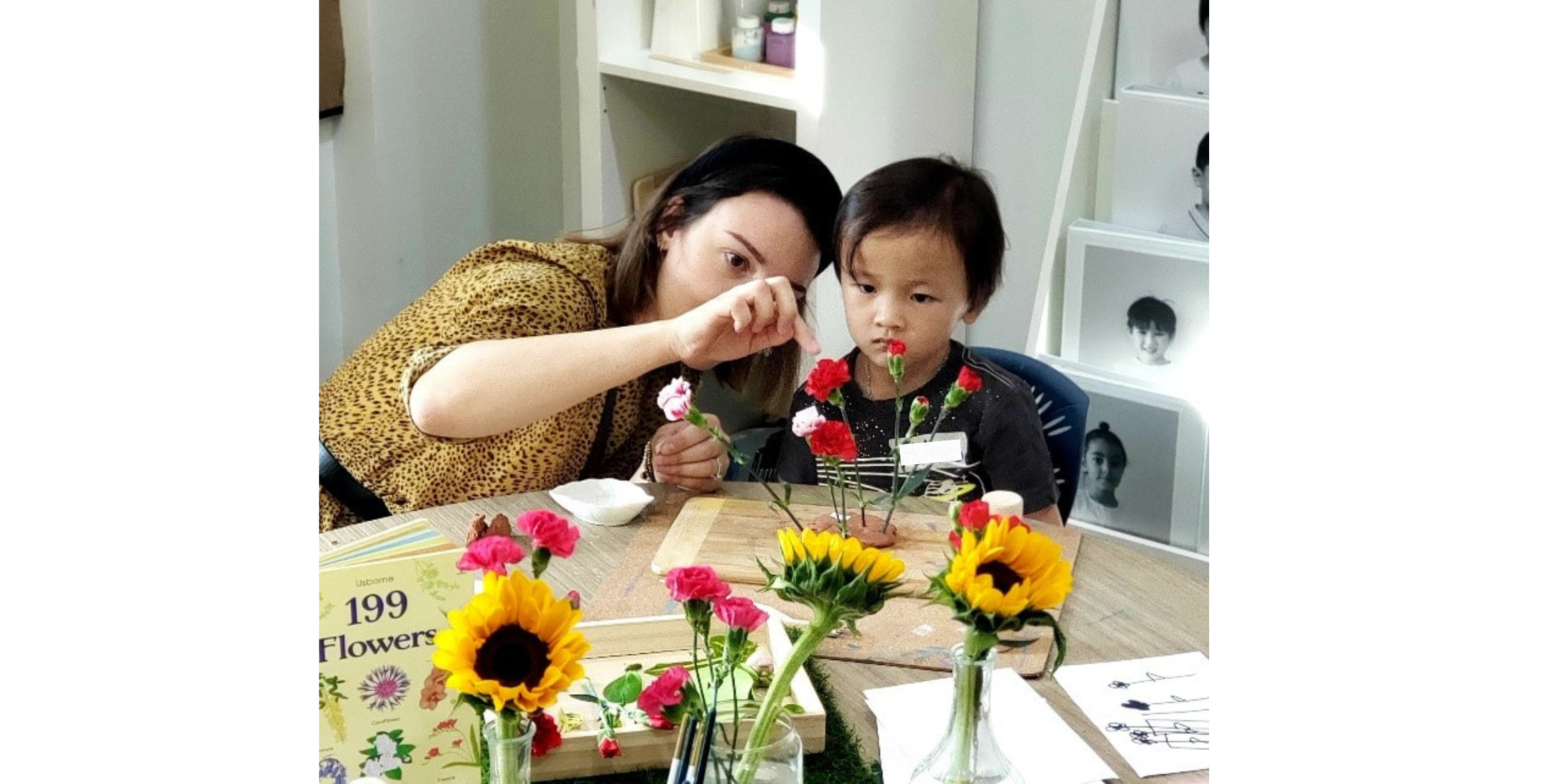
Our curriculum is written in a way that allows us to build key literacy skills while also focusing on strong math foundations, making scientific discoveries, and learning about historical events.  We incorporate music, art, drama, and engineering as a way to help our students have hands-on experiences and engage different learning styles.  In Kindergarten our kids get to explore, play, pretend, and create in such meaningful ways.  But most of all, they get to have so much fun while doing it.

What I loved the most about this was how much I learned as a school leader.  I realized that the emphasis on fun in Kindergarten was only the beginning.  The idea that we could create real-world and meaningful scenarios to supplement the learning process was one that needed to be shared. Kindergarten is where your child’s education journey will begin with us and what a fun adventure it can be!

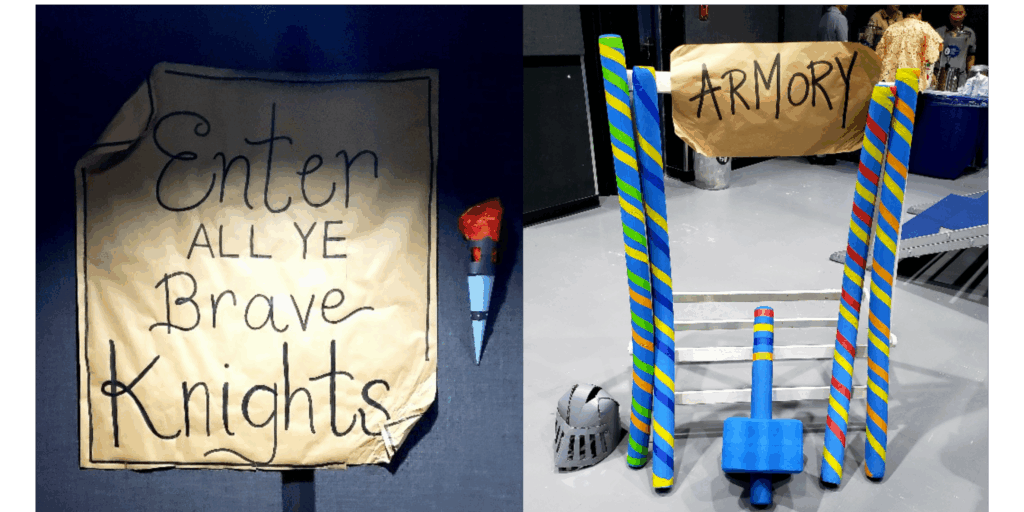
As the Head of School at BASIS International School Bangkok, I loved visiting our Kindergarten classrooms and partnering with those teachers to be creative in their approach to the learning process.  While studying medieval times as a part of their History unit, our Kindergarten students participated in a joust tournament.  Who knew that a history lesson could include skateboards and pool noodles in such a meaningful way!  Our Kindergarten students chose their own knight names, they had crests, and even celebrated victory with a family style feast afterwards.  (I feel like it should be noted that no Kinder knights were harmed in the implementation of the learning)

But the learning didn’t stop there.  As an additional part of this unit, our students built catapults in Engineering and tested them by working as teams to test their catapults and destroy an enemy castle.  I will note that this was the first time as a Head of School that I had to dodge marbles that were being propelled as I observed a classroom!    The hazard was worth the reward of watching our young learners be so actively involved in the learning process.

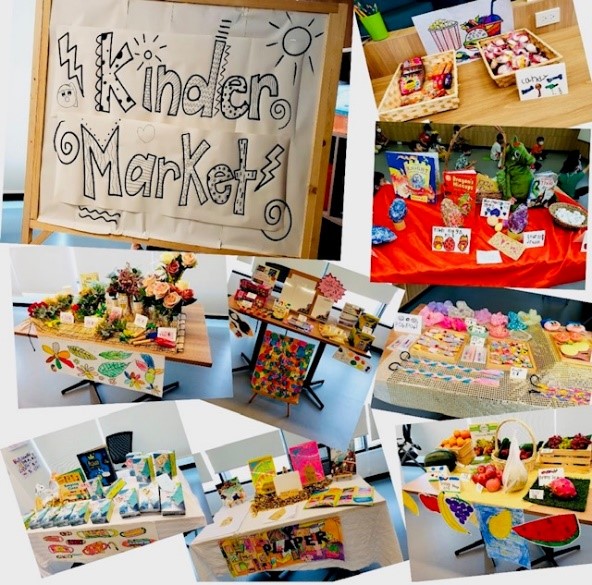
That same year, I got the opportunity to purchase one of my most prized possessions in the Kindergarten Market.  The “streets” of our school library came to life with a variety of vendors selling everything from snacks to rare items.  As a part of this market, our Kindergartners learned to put their math and language skills to work.  I quickly learned not to be fooled by their sweet and smiling faces as they told me that I got a “special deal” as the Head of School.  My experience left me asking the very important question, “What exactly is a fair market price for a genuine dragon egg?”   I was equally concerned when several of them simply avoided my questions about if and when it would hatch.  I am happy to report two things.  The first is that my students did an excellent job calculating the appropriate change, applying discounts, and working on their English speaking skills.  The second is that the same dragon egg still sits in my office (unhatched) as a reminder of how fun it is to be a part of the learning process alongside my students. 

Being a Head of School with a full Early Years Program made me a better school leader. Getting the opportunity to work alongside creative educators and see all of the ways that learning could come to life in fun and engaging ways allowed me to coach my staff and remind them of the importance of maintaining our rigor while never losing sight of the fact that students make the strongest connections to the material they are being taught when they are immersed in an experience that brings them joy.  My Kindergarten teaching team never missed an opportunity to make a connection, build learning skills, or stand out on our campus.  Even their Halloween costumes were exceptional!

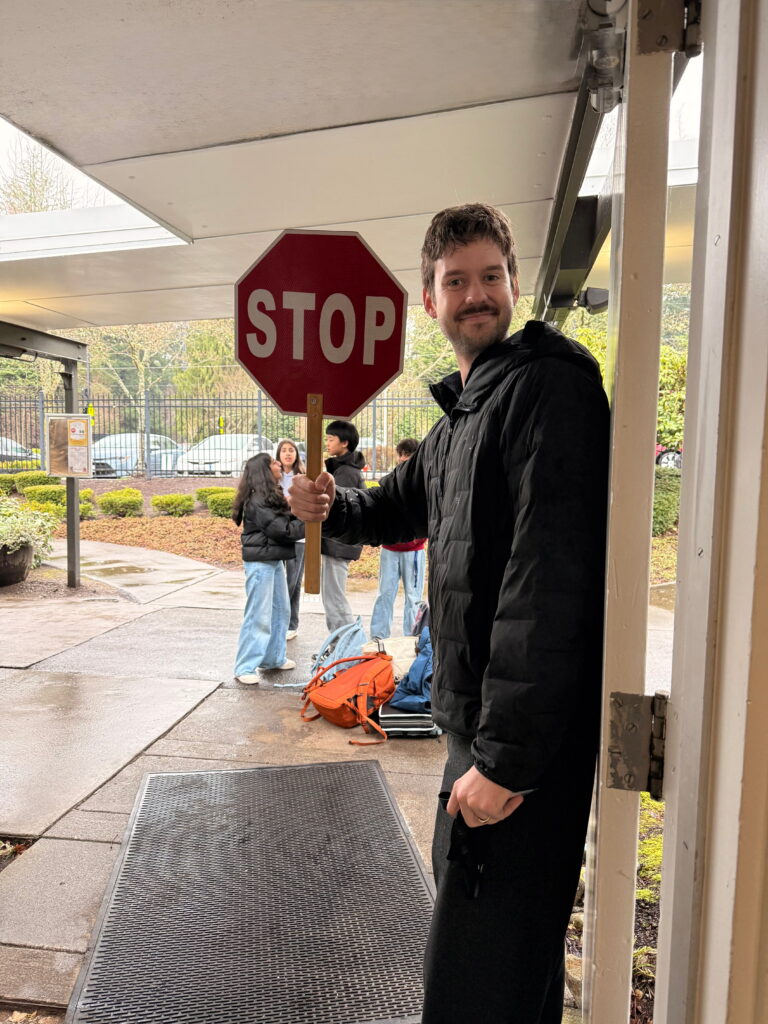
Check out Dr. Thies in a beard!

But, the point of this is to highlight how much I love watching students enter our program and grow as individuals and learners.  This phenomenal teaching and active engagement that ensued served as a constant reminder of the importance of being creative in your approach and helping students build important character traits alongside strong foundational skills.  If only every day could feel as fun and rewarding as a day of learning in a BASIS Independent School Kindergarten classroom.  The lesson that I learned as a Head of School was that everything that I needed to know about building community and the learning process was being beautifully demonstrated in my Kindergarten classrooms. 

I am excited about the opportunities that my experience will create when it comes to adding a Kindergarten at BASIS Independent Bellevue.  One of the most exceptional things about our Kindergarten curriculum is that it gives our teachers room to explore imaginative ideas.  Our goal is to combine a child’s natural curiosity with learning outcomes that inspire interest and instill a love of learning. 

We want our students to be challenged so we create a learning environment that is exploratory in nature and allows students to arrive at natural conclusions on their own.  Children learn in a variety of ways and, therefore, it is important to create lessons that allow them to learn and explore.  I love watching my Thai students develop and grow over the course of the year and can’t wait to work with our future Kindergarten teachers to make learning just as meaningful and fun!

Check our Admissions Page for more details on how to apply for our inaugural Kindergarten year in Fall 2026!

Filed Under: Academics, Administration & Staff, Admissions, Department Spotlight, Early Learning Program, Head of School, Lower School, Student Learning

Founding Subject Expert Teacher Spotlight – Mr. Tyler

March 27, 2026 by jaydahsherman Leave a Comment

In Fall of 2022 our school opened it’s doors for the very first time at the direction of our wonderful Head of School, Dr. Thies. What was just a vision grew quickly into a vibrant learning community. In the first year we welcomed students in grades 2–7, as well as a group of dedicated founding Subject Expert Teachers. They turned empty classrooms into spaces filled with curiosity and growth. What began that year was not only just a school, but a community that these educators would build from the ground up. Let’s take a walk down memory lane with one of our founding Subject Expert Teachers, Mr. Tyler!


Introducing Mr. Tyler

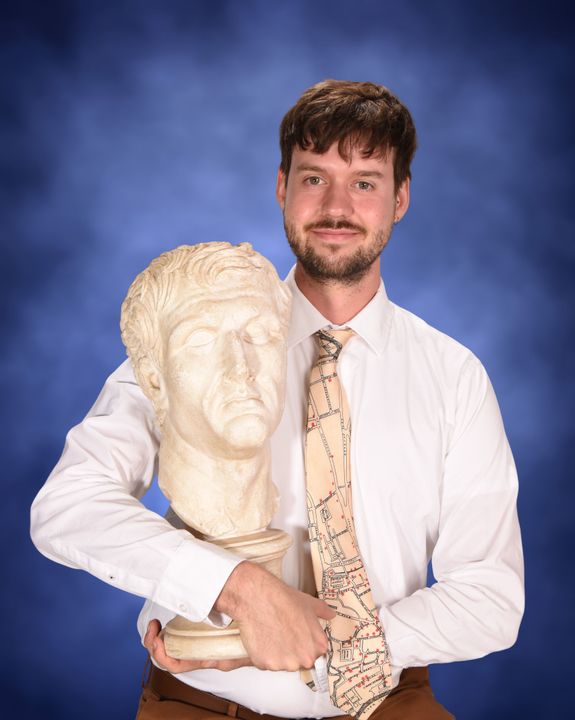
Mr. Tyler is one of our incredible Subject Expert History Teachers here at BASIS Independent Bellevue. He currently teaches all AP Courses in our History Department. When he moved to the greater Seattle area, he had just finished up his fifth year of teaching and was halfway through a Master’s program in gifted education. He became familiar with BASIS Curriculum Schools during his time as a teacher in Arizona. At this time in his career, he was at a place where he knew where he wanted to be in education. When he learned that BASIS Independent Schools was opening its first school in Washington, he knew instantly that he wanted to apply and felt the timing was perfect. He had always felt that the philosophy behind BASIS Independent Schools aligned with his beliefs and goals as an educator. When the opportunity presented itself, he took the position without hesitation. He was bound to be a Mountaineer!


The Founding Year

Mr. Tyler described the first day as dynamic. There was an opening assembly where the students met their teachers and were given an introduction to their new school. He candidly stated that when he looked into the crowd of students and parents, he was imagining all the names he’d have to remember. It was an overwhelming feeling, but he knew this year was going to be greatly rewarding. While the students were eager to meet their teachers, their teachers were just as eager to meet them. The giddiness remained for some time over the next couple weeks, as everyone got their footing.

Mr. Tyler described his first cohort of students as surprising. Their ability to think deeper and persevere through challenges shocked him. A distinct memory he recalls from his first year was during a unit on the Americans’ involvement in the Philippines after the Spanish War. He assigned his grade 7 class a college-level article with some quite advanced questions. He shared how they were able to not only keep up with the content, but also added new perspectives and deep inquiry. Throughout the year he often spent a lot of time trying to make his content more challenging. The students had a great ability to complete and conquer work that was beyond what most would expect. He began to realize that these students were different, their affinity for learning was evident. The complex perspectives and nuance of history was welcomed by the students.

Along with new students coming in that year, came a passionate group of educators. Although they’d met weeks before school began, adding all the moving parts really brought them together. At BASIS Independent Bellevue, the Subject Expert Teachers were set up for success from the beginning. Mr. Tyler described the founding group of Subject Expert Teachers as a “Truly great team committed to excellence and creating a environment where everyone would succeed”. That first year fortified the strong connections that make this school great. Mr. Tyler expressed how he not only gained new coworkers that year but also lifelong friends.


Life In The History Department

The History Department at BASIS Independent Bellevue is one we take pride and joy in. The history curriculum is spiraled, from Kindergarten through grade 12, every skill taught before is relevant and crucial to the year following. Our History Department is always asking how does each skill build into the next? There is a clear continuum of skills that are developed as students progress through the BASIS Curriculum. This methodology is intentional to ensure our students success in challenging AP courses and beyond. They are able to think critically because of practice and support from previous lessons years in advance.

Now, of course, none of this would be possible without a strong team behind it, which Mr. Tyler has expressed is his favorite part of the History Department – his colleagues. He works alongside our other wonderful Subject Expert History Teachers, Ms. Rieger and Mr. De Monnin. He feels that they are a great team with similar beliefs and goals. They align in intention and the outcomes of their courses. They meet formally once a trimester, but also have many informal meetings and general day to day discourse. Those meetings include looking at current student successes, lesson planning and talking about their experiences with each different cohort. A short-term aspiration the History Department wants to meet is creating a clearly aligned framework of a students first to last history class and a roadmap to what success looks like along the way. Beyond working together, they are also great friends.

Since the first cohort of grade 9 students joined us, Mr. Tyler has worked diligently to curate an AP program that our students greatly enjoy. He shared that the AP History Program is the thing he is most proud of building. He claims to be a “nerd” for anything and everything AP. Our students share his passion in the AP Program. One of our students, who Mr. Tyler has had since the founding year, describes him as:

“Mr. Tyler is a dedicated and passionate teacher. As a student I find him very knowledgeable. I have really enjoyed being in his class. He immerses his students into the history and creates a great experience.” – Lucas F. Grade 10

Mr. Tyler’s favorite class to teach is AP Government and Politics, particularly the topic of political socialization. He shared how students fall into different parts of the political spectrum, but often don’t think about where those beliefs derive from. When teaching this topic it opens up a lot of conversation and introspection for students. He feels it is very formative for them in discovering who they are and how they have developed their own beliefs. This unit is often the first time students question, “What am I absorbing? What life experiences have shaped my world?” Students get to pause, reflect, and look back. He loves this subject because he gets to watch students have eye-opening moments. He feels it is important to have a solid “Why” behind your belief system.


Thank You, Mr. Tyler

Joining a school in it’s founding year presents it’s own unique challenges. We appreciate our founding Subject Expert Teachers and their confidence in creating the school we know today. Mr. Tyler has been a vital part of that. We look forward to seeing all the amazing things that will surely follow as our school continues to grow!

BASIS Independent Bellevue is a Kindergarten – Grade 12 private school, providing students with an internationally benchmarked liberal arts and sciences curriculum, with advanced STEM offerings. Considering joining the BASIS Independent Bellevue community? To join our interest list for the next school year and receive admissions updates and more, please click here.
Filed Under: Academics, Administration & Staff, AP Scholars, Culture of Support, Department Spotlight, Faculty & Staff, High School, History, Middle School, Student Learning, Uncategorized

Senior Project Spotlight: Patrick Z. Weeks 1 – 2

March 26, 2026 by mirandamartinez Leave a Comment

The Senior Project is an independent, student-led culmination of our high school experience. After three years of academic preparation, our seniors are ready to spend the last trimester of their high school careers applying the skills and knowledge they have gained to develop a project that is insightful, academically rigorous, and professional in nature. This year, we are proud to showcase a senior from one of our neighboring campuses, BASIS Independent Fremont, Patrick Z.

Week 0: It’s a Bit… It’s a Qubit… It’s a Computational Cage Math!

Hi everyone! My name is Patrick Zhou, and welcome to the very first entry of my Senior Project blog. Over the next few months, I invite you to join me as I dive into the complex and often invisible war between classical computing and the emerging frontier of quantum mechanics. My project, formally titled Comparative Analysis of Error Mitigation for Quantum Systems and Artificial Neural Networks under Additive White Gaussian Noise, is a bit of a mouthful, but the core mission is actually quite simple: I want to find out if a quantum brain is sturdier than a classical one when the world gets messy.

My journey into this high-tech rabbit hole didn’t actually start with a love for physics, but rather through a study of cybersecurity and encryption. It was during a high school class on qubits that I had a sudden, slightly frightening realization: quantum algorithms have the theoretical power to render our existing security measures obsolete. That fear quickly turned into fascination. I needed to understand the future of computation before it arrived, which led me to a summer research program at UCSB where I coded my first quantum circuits using Python and Qiskit. Now, I am systematically expanding that experience to answer a burning question about how these systems handle noise.

In the context of machine learning, noise isn’t just loud sounds; it’s static, corruption, and interference that ruins data. Think of a grainy photo taken in low light or a fuzzy MRI scan. Classical Convolutional Neural Networks (CNNs), the kind of AI currently running on your phone, are great at reading clean data, but they often stumble when the picture gets blurry. My project pits these classical networks against a Quantum Neural Network (QNN). The theory is that quantum properties like superposition (being in two states at once) and entanglement (where parts of the system are linked across space) might allow the QNN to see the big picture better than a classical computer, making it more robust against errors.

To test this, I am designing a computational cage match. I will be building three distinct models: a standard high-resolution CNN, a fair low-resolution CNN, and a hybrid QNN. I will first train all three on the famous MNIST dataset, essentially the Hello World of machine learning consisting of handwritten digits, and then bombard them with Additive White Gaussian Noise. By forcing both the classical and quantum models to look at low-quality, pixelated inputs, I aim to level the playing field. This ensures that if the quantum model wins, it’s not because it had superior data, but because its architecture is genuinely smarter at filling in the gaps.

This matters because the real world is rarely noise-free. From autonomous vehicles driving through rain to financial algorithms parsing corrupted data, we need AI that doesn’t break when conditions aren’t perfect. If my research shows that QNNs are naturally more resilient to noise, it could validate the theoretical benefits of quantum computing for industries like healthcare and defense. I have a long road of coding in Google Colab ahead of me, complete with the challenges of simulating quantum hardware on classical machines, but I am ready to see if the future of AI really is quantum. Stay tuned for the results!

Week 1: Building the Quantum and Classical Models

This week, the theoretical planning phase ended and the real construction began. I spent the bulk of my time in Google Colab building the three neural network models that will eventually go head-to-head, and I quickly learned that designing an experiment on paper is a very different beast from wiring it up in code.

The first model I tackled was the full-resolution CNN, which is the heavyweight of this experiment. This is a LeNet-style Convolutional Neural Network that takes in the full 28×28 pixel MNIST images, meaning it gets to see every detail of each handwritten digit. I built it with two convolutional layers, pooling layers to compress the spatial information, and dropout layers to prevent overfitting, which is essentially when a model memorizes the training data instead of actually learning patterns. Getting this one up and running was the smoothest part of the week because classical CNNs are extremely well-documented and the TensorFlow library makes the architecture almost plug-and-play. Think of this model as the student who gets to read the textbook with perfect lighting and a magnifying glass; it has every advantage in terms of input quality, and it will serve as my performance ceiling.

The second model, the fair CNN, was where things got more conceptually interesting. This is a much simpler Multi-Layer Perceptron with just one hidden layer, and the critical twist is that it only receives 4×4 pixel binarized images, the exact same degraded input that the quantum model will see. I talked in my last post about how previous studies comparing QNNs and CNNs often gave the classical model a full high-definition image while the quantum model worked with a pixelated thumbnail, which is hardly a fair fight. This fair CNN is my solution to that problem. By stripping the classical model down to the same resolution, I am isolating the variable of architecture itself. If the quantum model outperforms this one, it won’t be because of an unfair data advantage; it will be because the quantum design is genuinely better at extracting meaning from limited information.

The third and most challenging model is the QNN, the hybrid quantum-classical network that sits at the heart of this entire experiment. Building it required me to dive into TensorFlow Quantum, which is a framework that lets you design quantum circuits and integrate them into a standard machine learning pipeline. The idea is to take each 4×4 binarized image and encode it onto 16 qubits, where each pixel maps to one qubit. From there, a Parameterized Quantum Circuit uses XX and ZZ entangling gates to create correlations between the qubits, theoretically allowing the model to capture global patterns in the data that a classical network might miss. If superposition lets each qubit exist in multiple states at once and entanglement links those states together, then in theory this circuit should be able to see relationships across the entire image simultaneously rather than scanning it piece by piece. In practice, however, setting up the circuit encoding and making sure the data pipeline correctly binarizes and maps each image to the quantum layer took a significant chunk of my week and a lot of debugging.

The biggest challenge I ran into this week was honestly just the sheer difference in workflow between classical and quantum model building. With the classical CNNs, errors were usually straightforward: a mismatched tensor shape here, a wrong activation function there. With the QNN, debugging felt like navigating in the dark because the abstraction layer between the quantum circuit and the classical optimizer made it harder to pinpoint where things were going wrong. I also had a minor scare when I realized how long even a simple quantum simulation takes on a classical machine, which is a reminder that I am not running on an actual quantum computer but rather simulating one, and that simulation cost grows fast. This is why the 4×4 input size is non-negotiable; scaling up to 28×28 would require 784 qubits and an astronomical runtime that my laptop and Google Colab would simply refuse to handle.

Looking ahead to next week, my goal is to finalize the architecture of all three models and begin the training phase on the clean MNIST dataset. I plan to train each model for 10 epochs and start logging the baseline accuracy and loss metrics before any noise is introduced. If all goes well, by the end of next week I will have three trained models sitting in my notebook, ready to be thrown into the noisy gauntlet. Stay tuned for the results, and wish my qubits luck.

Week 2: The Speed Wall

Last week I finished constructing all three models and was eager to jump straight into the training phase. My plan was to start with the QNN first since it is the most complex and unpredictable of the three, get it working well, and then breeze through the two classical CNNs afterward. That plan sounded great on paper. In practice, the quantum model decided to humble me.

When I first attempted to train the QNN on the full 10-digit MNIST classification task, the accuracy was, to put it politely, rough. The model was struggling to meaningfully distinguish between all ten digit classes when each image is compressed down to a 4×4 binarized grid mapped onto 16 qubits. The loss curves were not converging the way I needed them to, and the predictions felt almost random for several of the digit classes. This was not entirely shocking given how much information is lost when you crush a handwritten digit into 16 binary pixels, but it still meant I could not just accept the results and move on. I started experimenting with adjustments to the circuit, tweaking the number of entangling layers, adjusting the learning rate, and modifying how the Parameter Shift Rule interacts with the optimizer to update the quantum circuit’s trainable parameters.

Here is where the real problem hit. Every single one of those adjustments requires retraining the model from scratch, and each training run on the QNN is agonizingly slow. The fundamental issue is that I am simulating a quantum computer on classical hardware, so every quantum gate operation, every state vector update, and every gradient calculation has to be brute-forced through classical linear algebra. A single epoch takes orders of magnitude longer than it would for either CNN. When I was just building and testing the circuit with small batches during Week 1, the slowness was manageable. Now that I am trying to iterate rapidly on a real training set, each failed experiment costs me hours of waiting. I would tweak a hyperparameter, start a run, watch a progress bar crawl, and then discover the change did not help. That debugging loop I described last week is exponentially more painful when every attempt takes half a day to evaluate.

Because of this bottleneck, I have not yet trained the two classical CNNs either. There is no point in collecting their baseline numbers until I have a QNN that actually works well enough to make the comparison meaningful, and I cannot get the QNN to that point when every iteration takes this long. The solution I am currently pursuing is procuring access to a faster server. Google Colab, even with GPU acceleration, is not cutting it for the volume of quantum simulation I need. I have been working on getting access to a more powerful machine that can handle the computational overhead more efficiently, compressing those multi-hour runs into something manageable so I can actually iterate at a reasonable pace.

Despite the frustration, this week has been a grounding reminder of why the quantum computing field is pouring billions into building real quantum hardware. Simulating even 16 qubits at scale already pushes classical machines to their limits. Next week, I am hoping to have the new server set up so I can break through this wall and finally get all three models trained on clean data. Stay tuned.

BASIS Independent Dublin is a Grades 6 – 12 private school, providing students with an internationally benchmarked liberal arts and sciences curriculum, with advanced STEM offerings. Considering joining the BASIS Independent Dublin community? To join our interest list for the next school year and receive admissions updates and more, please click here.
Filed Under: High School, Senior Projects

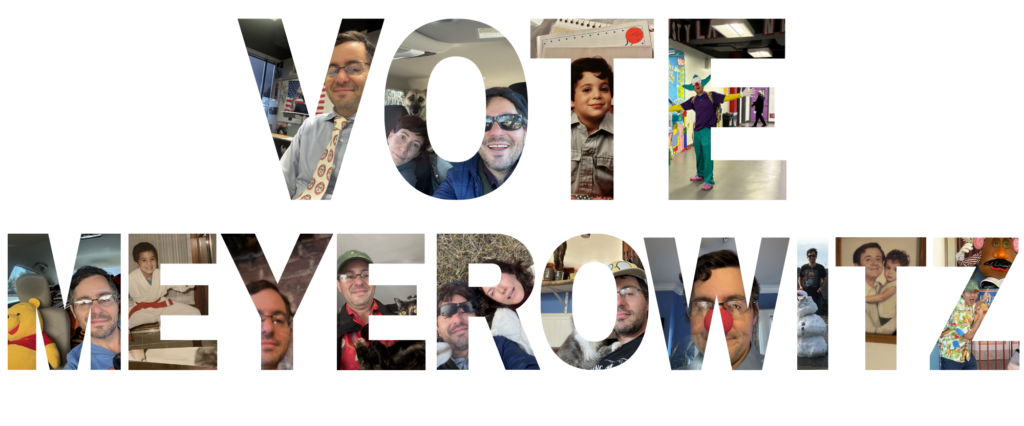
Vote for Mr. Meyerowitz: America’s Favorite Teacher Competition

March 25, 2026 by ezekielbracamonte Leave a Comment

We are proud to share that BISV’s own Mr. Meyerowitz is competing in America’s Favorite Teacher competition. This is a special opportunity to recognize his impact in the classroom and beyond, and we invite our entire community to rally behind him and show their support by voting.

Mr. Meyerowitz brings history, literature, and philosophy to life in his classroom, encouraging students to think critically and engage thoughtfully with the world around them. While the competition is centered on “America’s Favorite Teacher,” he sees it as an opportunity to highlight the collective achievements of our students and faculty and to celebrate the impact of education.

“This opportunity seems pretty amazing since it’s about showing off, building community, and celebrating educators,” he shared. “My real goal in all of this is to highlight our collective accomplishments in the Humanities… and promote literacy of every kind.”

Through his classes and beyond, Mr. Meyerowitz fosters curiosity, discussion, and a genuine love of learning. As part of this experience, he has also launched a YouTube series, Passing Period, where he answers questions from students and alumni on topics across the Humanities—continuing conversations outside the classroom in an engaging and accessible way

The stakes of the competition are exciting for our entire school community. The winning teacher receives an assembly with Bill Nye, a feature in Reader’s Digest, and $25,000—funds Mr. Meyerowitz has already earmarked toward a future library initiative at BISV.

Voting began in mid-March and continues through several rounds this spring, with competitors advancing from the Top 20 through Finals. Each round resets votes and allows one vote every 24 hours, so be sure to vote as often as you can. The final round takes place May 15–21, and the winner will be announced on or around June 5, 2026.

While he humbly notes that this is ultimately a community-driven competition, we know the impact he has made in and out of the classroom is worth celebrating. This is a chance to come together as a school community—students, families, faculty, staff, and alumni—to show our support.

How to Support

  • Vote here: https://americasfavteacher.org/2026/bryan-meyerowitz
  • You can vote once every 24 hours
  • Share the link with your networks to help spread the word!

Every vote makes a difference. Let’s rally behind Mr. Meyerowitz and showcase the strength, spirit, and connection of the BISV community.


BASIS Independent Silicon Valley is a TK–Grade 12 private school, offering an internationally benchmarked liberal arts and sciences curriculum, with advanced STEM offerings. Considering joining the Bobcat community? To join our interest list for the next school year and receive admissions updates and more, please click here. 
Filed Under: Competitions, Faculty & Staff, Humanities

Senior Project Spotlight: Aarohi G. Weeks 1 – 2

March 24, 2026 by mirandamartinez Leave a Comment

The Senior Project is an independent, student-led culmination of our high school experience. After three years of academic preparation, our seniors are ready to spend the last trimester of their high school careers applying the skills and knowledge they have gained to develop a project that is insightful, academically rigorous, and professional in nature. This year, we are proud to showcase a senior from one of our neighboring campuses, BASIS Independent Silicon Valley, Aarohi G.

Week 1 – The Beginning

Hi everyone! My name is Aarohi, and I’m excited to delve into the nuanced topic of civic engagement, how state governments can influence and encourage it, and my first week’s progress on this journey.

Background
From passionately researching and delivering politically-focused speeches to feeling a sense of helplessness watching the news, I noticed a unique combination of interest and inaction that characterizes my experience with civics. For years, I observed this same perspective in my peers and corroborated it with the common statistics that surrounded me; I knew well that the 18 to 24 age demographic of voters historically has had the lowest turnout, with a little over half voting in the 2020 election. As a result, young people are often perceived as apathetic to political concerns; however, CIRCLE at Tufts hopes to discredit these beliefs, indicating through research that an uneven civic education and other barriers to participation are major contributors to these trends.

I realized then that, to navigate this complex issue, I must understand how the government can extend a hand to these age groups and inspire increased participation.

Which brings me to my research question: how can state governments engage young voters (18-24 year-olds) and high schoolers in sustained civic participation through programs and legislation?

Method
To investigate this, I’ll draw from available datasets and analyze them across two stages: the first studying the impact on voter turnout, and the second researching non-voting methods of participation.

Stage 1
In this stage, I’ll assess the impact of Same-Day Voter Registration, where people can register and vote on Election Day; Automatic Voter Registration, where eligible individuals are automatically registered when interacting with government agencies such as the DMV; access to polling sites on college campuses; and the ability to pre-register to vote. To study this, I will conduct a difference-in-differences analysis of states within groups that have similar levels of fluctuation in their voter turnout rate over time. With this similarity, I’ll be able to clearly determine how, as one or more states incorporate a new policy, their voter turnout trends shift or diverge.

Stage 2
Second, to measure interest among the nonvoting population, this project will explore the impact of optional engagement and volunteering opportunities such as being a member of a Youth Advisory Council, or abiding by a mandatory civics education requirement in high school. I’ll quantify engagement as the frequency of voluntary petition-signing or submission of public comment–a direct communication to government agencies about proposed regulations or policies.

Stage 3
Finally, to augment the analysis with qualitative data, I will study existing interviews with local officials, students, and young voters, then conduct new ones.

Thus, this project will provide a comprehensive and refined list of improved strategies that can aid states with low engagement and truly include the youth in civic issues.

Week 1
To kick off the first stage, I’ve gathered voter turnout data from KFF, an independent information organization. I compiled the information on voter turnout of 18-24 year olds as a share of their voting population in every national and midterm election from 2014 to 2024. Then, I calculated the coefficient of variation for each state’s turnout over this period of time, categorizing them as Low, Medium, and High Volatility states. Within these categories, I aimed to find the best matches by determining the similarities of these states’ trends to each other through calculating their Euclidean Distance to each other. With these two metrics, I organized the most similar states in groups of three. In the next steps, I’ll be assessing any differences in behavior after the introduction of Same-Day Voter Registration.

Week 2 – Same-Day Success?

Last week, we discussed Stage 1 of my methodology, where I assess the impact of legislation on voter turnout. In pursuing this goal, I start by comparing states’ turnout trends to each other before and after one adopts the policy of Same Day Voter Registration (SDVR).

What is Same Day Voter Registration?
While registration to vote is a requirement to participate with a deadline before Election Day, SDVR allows eligible voters to register and cast their ballot on the same day. Whether that’s only during Election Day, the early voting period alone, or both, depends on the state. As of October, 2024, twenty-three states and Washington D.C have adopted this legislation across a several decades-long timeframe; Wyoming, Washington, and Wisconsin implemented it in the 1970s, while Colorado and Idaho did in 2022 and 2023 respectively.

Current Literature
Same Day Voter Registration has historically elicited mixed reactions. Proponents applaud it for accommodating voters who face accessibility barriers, such as transportation or scheduling costs, and those who wish to get involved very close to the election. Others share concerns about administrative disarray and increases in uninformed or rushed decision-making on the voters’ parts.

Studies on the subject point to hopeful results, where SDVR successfully encourages voter participation. In a study by Grumbach and Hill, published in the Chicago Journals, young voters (aged 18-24) suffer from the usual registration rules since they move frequently yet do not interact with government agencies regularly to update registration information. And according to their Differences-in-differences analysis, SDVR increases turnout among young voters by 3.1 to 7.3 percentage points.

Week 2
Entering the week with this context, I aimed to identify states that would implement Same Day Voter Registration within my range of 2014 to 2024, since my voter turnout data encompasses this time frame. Then, I identify three control states whose voter turnout rates fluctuate similarly before SDVR was implemented, and finally, compare the level of change in their voter turnout afterwards.

Eight states had adopted this policy within my required timeline: New York, Virginia, Nevada, New Mexico, Maryland, Michigan, Utah, and Washington.

Using the strategy tested and refined in Week 1, I grouped similar control states by first calculating their coefficient of variation to categorize them as Low, Medium, and High Volatility states. Within these groups, I found the Euclidean distance of their data to each other, identifying the top 3 best matches to the state with SDVR.

Finally, I calculated the Euclidean distance post-enactment of Same Day Voter Registration, to measure divergence by the increase in the distance value.

This increase occurred for nearly every state in comparison to each of the three control states, with the exceptions of: Virginia to its first and third closest control, and New York to its second and third closest controls.

BASIS Independent Dublin is a Grades 6 – 12 private school, providing students with an internationally benchmarked liberal arts and sciences curriculum, with advanced STEM offerings. Considering joining the BASIS Independent Dublin community? To join our interest list for the next school year and receive admissions updates and more, please click here.
Filed Under: High School, Senior Projects

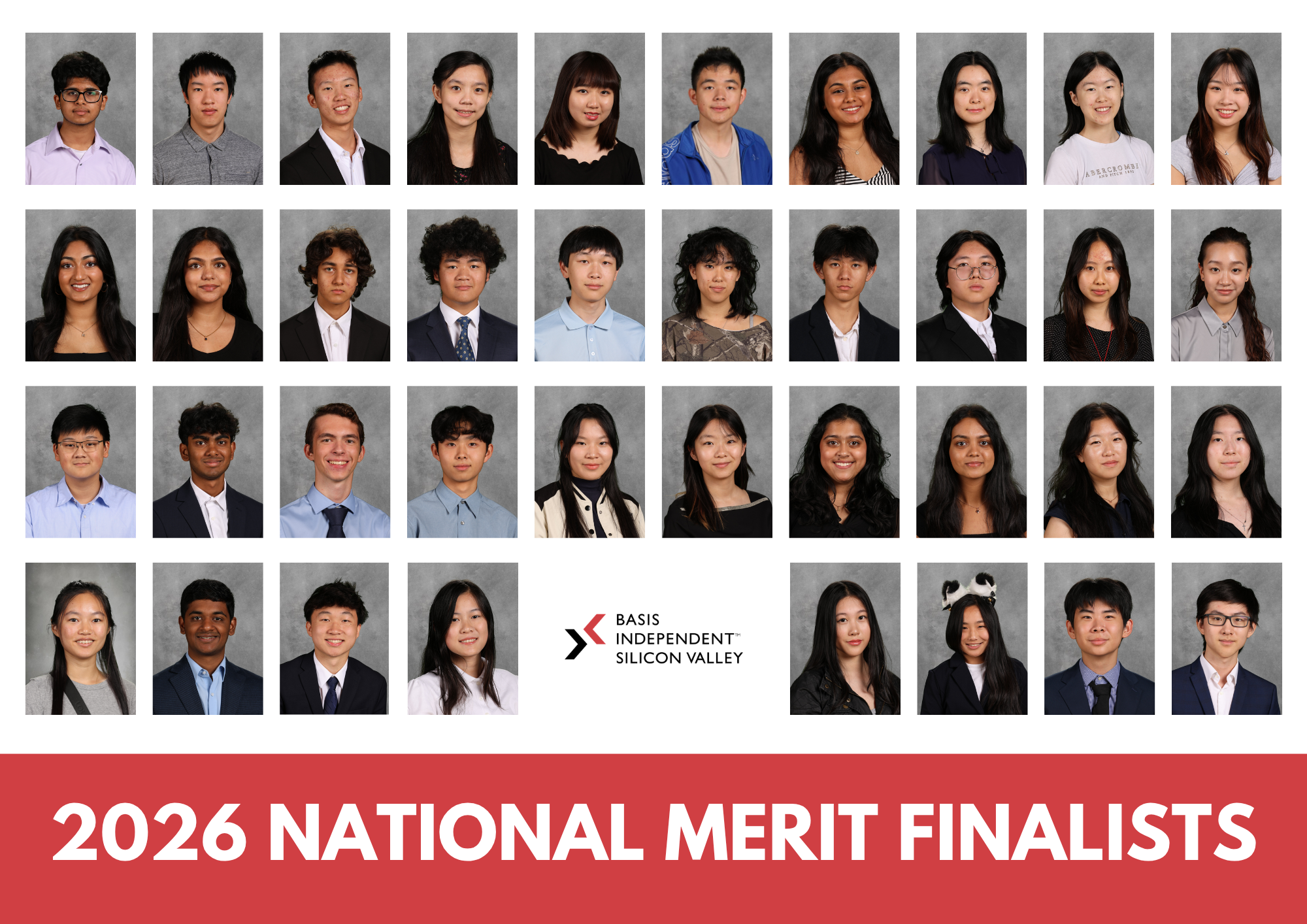
38 BASIS Independent Silicon Valley Seniors Named 2026 National Merit Finalists

March 23, 2026 by ezekielbracamonte Leave a Comment

We are proud to celebrate an exceptional milestone for our senior class: 38 of our students have been named National Merit Finalists, placing them among the top academic performers in the nation. This achievement reflects their talent, dedication, intellectual curiosity, and commitment to excellence both inside and outside the classroom.

The National Merit Scholarship Program is one of the most prestigious academic competitions in the United States. Starting with the PSAT/NMSQT in junior year, students must demonstrate academic excellence, leadership, extracurricular involvement, and personal achievement to advance from Semifinalist to Finalist—a distinction earned by only about 15,000 students nationwide.

Our Finalists exemplify engaged scholarship and leadership. They have challenged themselves with rigorous coursework, contributed to school life, and pursued their passions with purpose. Their success is a testament to their perseverance and the supportive, challenging community at BASIS Independent Silicon Valley, where curiosity, critical thinking, and excellence are cultivated every day.

As Finalists, these students are now considered for National Merit Scholarships, awarded by the organization, corporations, and colleges. While not all will receive a scholarship, reaching this stage is a significant honor and opens doors to future opportunities.

We extend our heartfelt congratulations to all 38 of our National Merit Finalists. We are incredibly proud of their accomplishments and excited to see the impact they will continue to make.

2026 National Merit Finalists:

Aaditya B.

Peter C.

Xiangtuo C.

Anna D.

Eileen G.

Maximilian G.

Aanya G.

Ellen H.

Chloe H.

Grace H.

Nishka J.

Arshiya K.

Manant K.

Aaron H. L.

Albert S. L.

Angela L.

Junren L.

Leo L.

Weiping L.

Maggie L.

Alexander M.

Arjun M.

Nikola M.

Nelson N.

Helen P.

Xinyue R.

Archita S.

Manasi S.

Yifan S.

Caroline T.

Lily T.

Aryan T.

Richard W.

Yujie W.

Maggie X.

Catherine Y.

Yiyang Z.

Lawrence Z.


BASIS Independent Silicon Valley is a TK–Grade 12 private school, offering an internationally benchmarked liberal arts and sciences curriculum, with advanced STEM offerings. Considering joining the Bobcat community? To join our interest list for the next school year and receive admissions updates and more, please click here. 
Filed Under: Academics, Awards & Recognition, Featured, National Merit, Student Achievement

2026 Scholastic Arts and Writing Awards

March 23, 2026 by jogoldfarb Leave a Comment

For the past 10 years, BASIS Independent Brooklyn students have consistently earned significant recognition in the prestigious Scholastic Arts and Writing Awards, which is one of the longest-running and most celebrated competitions for creative youth in the country. Each year, we take pride in honoring our winners, and this year is no exception.

Starting with writing, our sophomore Yohtaro S. ’28 took home a 2026 Scholastic Arts and Writing Gold Medal in Journalism for his article The City on My Shoulders, reflecting on his visit to Hiroshima with his grandfather. He originally published in our student news site, The Grizzly.

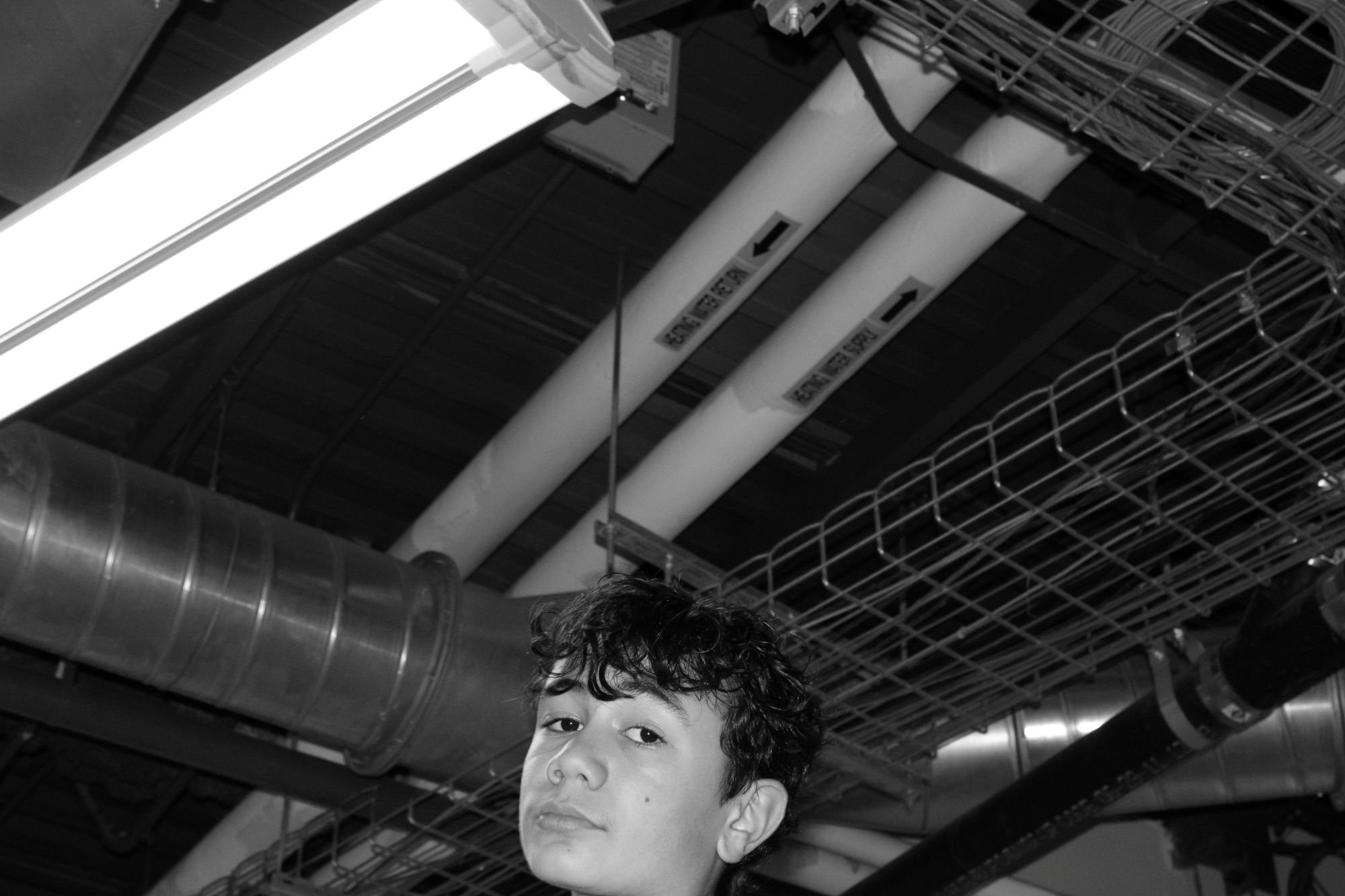
Shifting to the Visual Arts, our Visual Arts and Photography teacher, Mr. Opirhory, wanted to help us honor the students recognized for their exceptional work. His commentary on the honored Photography follows.

Inke F. ’30 – “One Way Street” – 2026 Gold Medal

Inke’s photo “One Way Street” captures the essence of life.  It frames a unique perspective of text, power lines, and a chaotic movement of direction, which is both literal and metaphorical.  Inke has a great eye and a classic photographic sense.

William J. ’30 – “Lloyd” – 2026 Gold Medal

William’s “Lloyd” is an odd masterpiece.  It defies traditional composition, yet feels perfect.  His use of leading lines and indifference to the rule of thirds shows a creative approach that cannot be quantified, but somehow is filled with a story, both comedic and dark.  William will surely make work in the future that pushes the boundaries of traditional techniques in the best way possible.

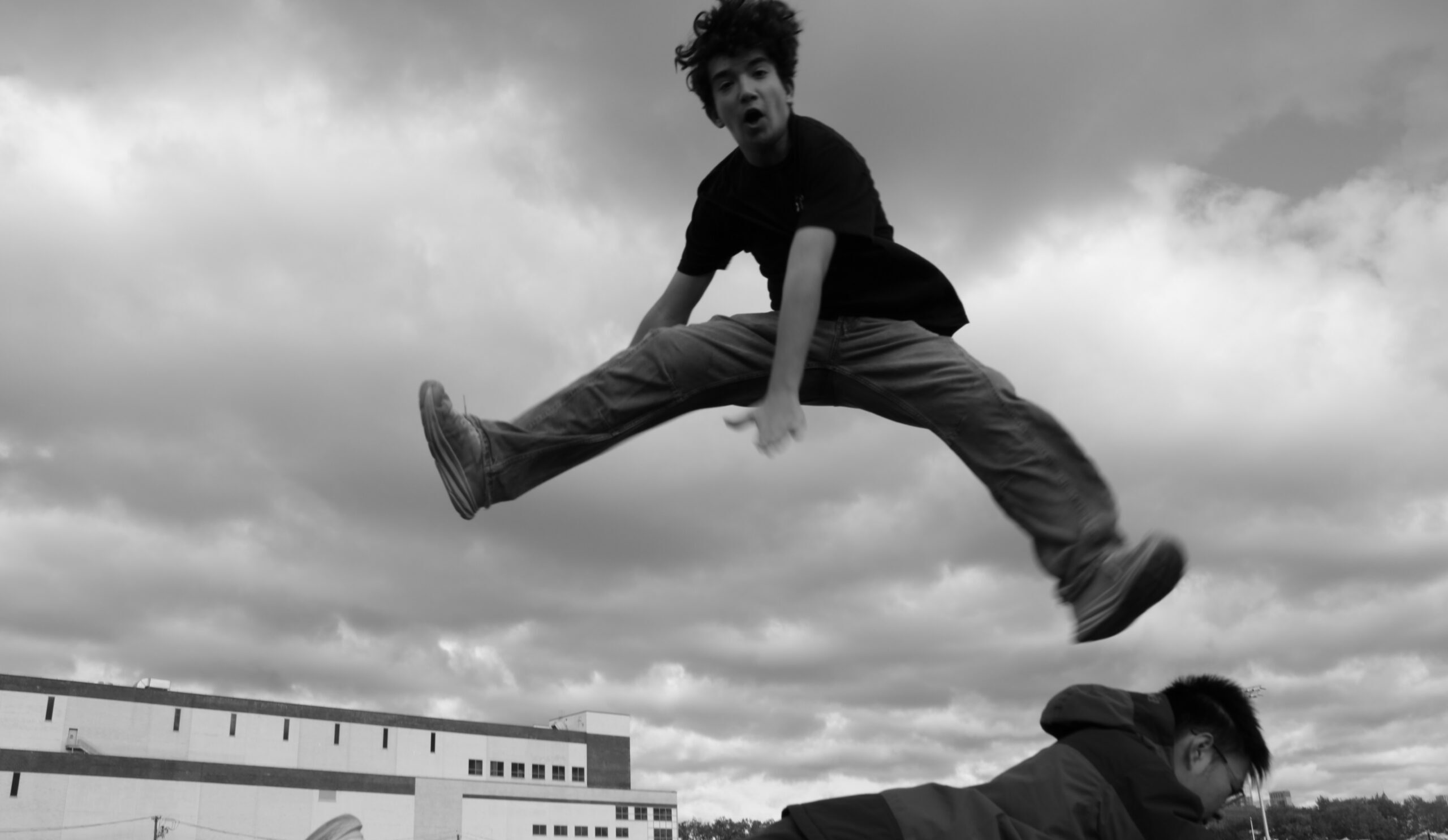
Eli M. ’28 – “One Small Step for Man, One Giant Leap” – 2026 Gold Medal

Eli’s “One Small Step for Man, One Giant Leap for Ben” is Epic.  It flaunts the joy of youth and action.  As “Ben” floats through the air, we see him leave the ground below, even if only for a moment.  Eli is a wonderful student and artist who exhibits clarity and confidence in his work.

Claudia S. ’30 – “City Walks” – 2026 Gold Medal

The perfection of Claudia’s photo, “City Walks,” is stunning.  She had used all available tools to frame One World Trade as a stark reminder.  Surrounded by old buildings with their archaic fire escapes and pointing up into the blank sky, the picture reminds us of the turbulent past and a boundless future.  All things are possible.  Claudia is one of those unique individuals who can rise to any occasion.  She is a prominent participant in class who is unafraid to take on anything and perfect it with tried-and-true approaches.

Therese D. ’30 – “A Tall Church” – 2026 Silver Medal

Therese’s “A Tall Church” carries the weight of our world.  It depicts a tall church, as the title states, but the contrast of light, perspective, and the meeting of the land and sky at a pivotal Gothic structure brings it all home.  It cannot be denied that empathy and collaboration are the foundation for the success humans have developed on Earth.  Therese’s wisdom is seen in most of what she does.  She is soft spoken, yet consistent in her skills.  She is a wonderful photographer who doesn’t seem to lose sight of the bigger picture.

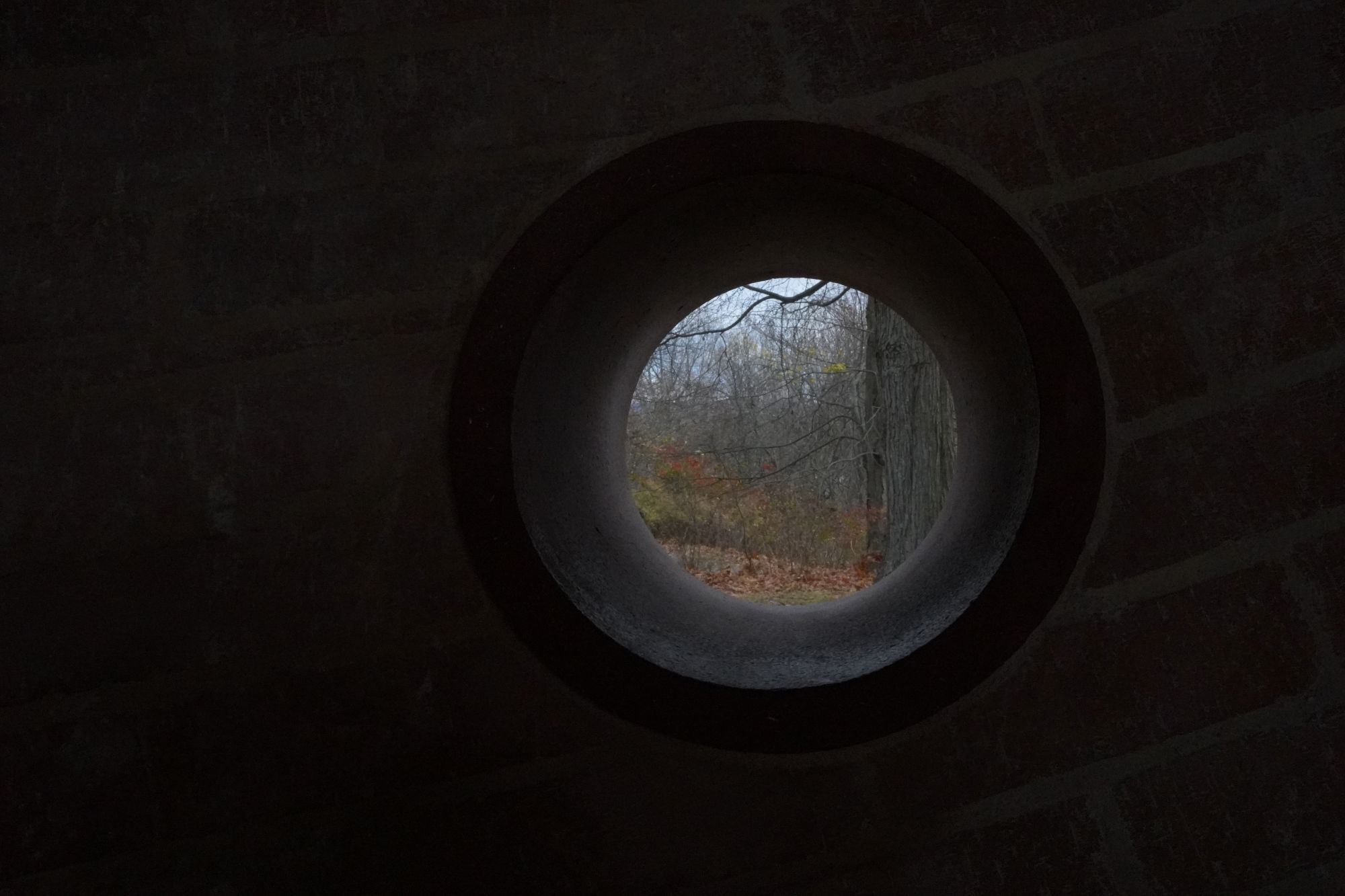
Blake S. ’30 – “Life’s Centered Perspective” – 2026 Silver Medal

Blake’s “Life’s Centered Perspective” is an example of intelligent storytelling.  This photo was taken in a landscape surrounded by nature, yet Blake chose to barely show it.  By sub-framing the land with an imposing shadow of a structure, we realize how much we need the natural world.  The circular window amplifies this with a shape that universally represents continuity.  Blake is an amazing artist who always brings a positive demeanor and joy with her.  Yet oddly, she often photographs dark scenes.

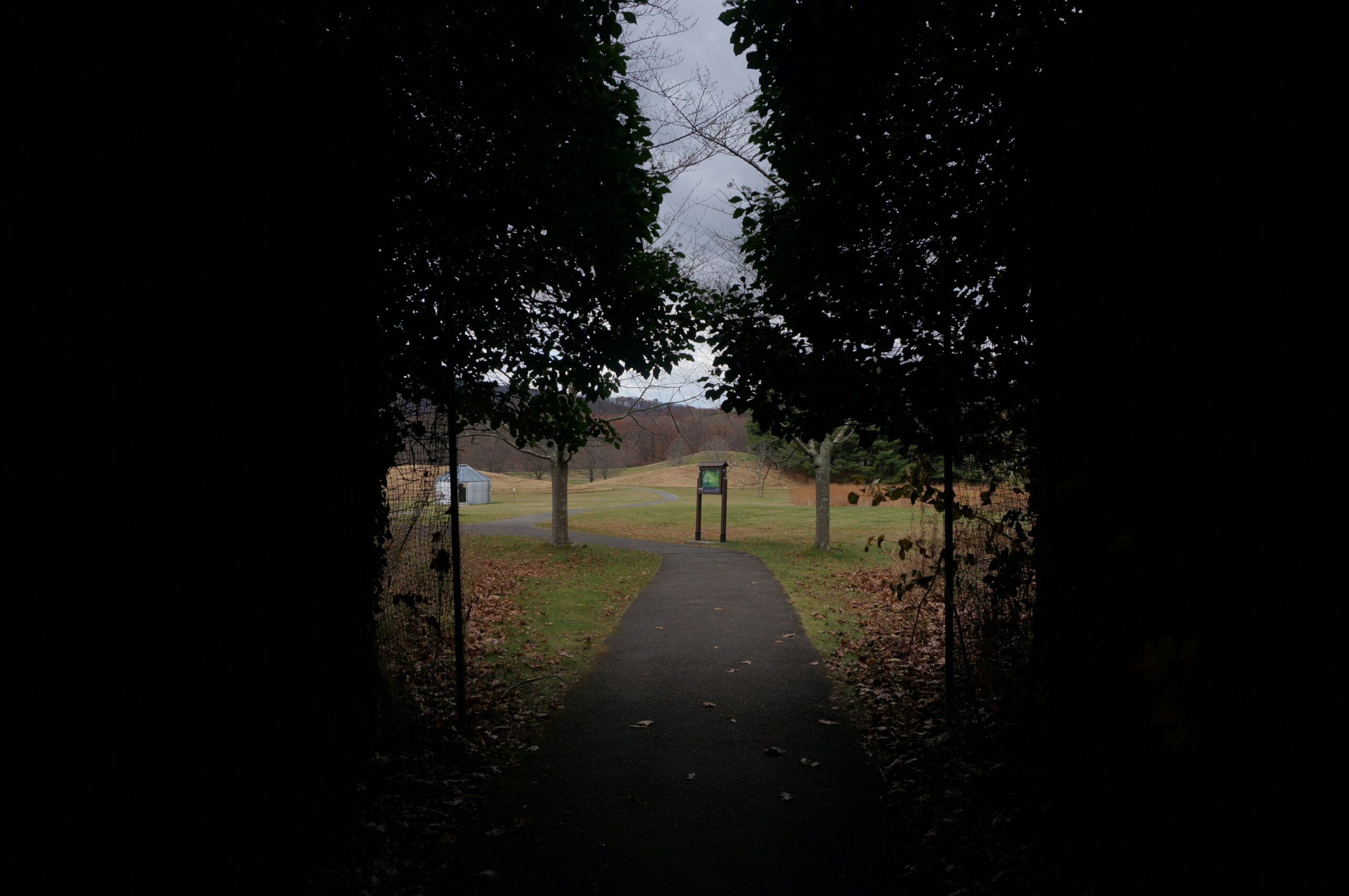
Dalya B. ’30 – “Into the Light” – 2026 Honorable Mention

Dalya’s “Into the Light” is a wonderful metaphor for passage and perspective.  Surrounded by the shadows, she frames a path and a map.  As the eye moves into the picture, we see there is more to a journey than the current state.  Dalya is a force of nature.  She has an exceptional eye and an admirable confidence.

Elsie M. ’30 – “Construction Men” – 2026 Honorable Mention

Elsie’s “Construction Men” is a masterwork of simplicity.  We see a construction worker, high above us on shaky scaffolding, working to build something he will not reap the rewards of.  The image is a celebration of those who toil endlessly without distinction and make the greatest contributions.  Elsie is a diamond; she creates work that shines a light on many aspects of life.  

Congratulations to our many photography winners! We are incredibly proud of our artistic Bears, and look forward to their work at our upcoming Spring Fine Arts Festival in April!

# # #

BASIS Independent Brooklyn is a PreK– Grade 12 private school, providing students with an internationally benchmarked liberal arts and sciences curriculum, with advanced STEM offerings. Considering joining the Bears community? To join our interest list for the next school year and receive admissions updates and more, please click here. 
Filed Under: Awards & Recognition, Featured, Student Achievement, Visual Arts

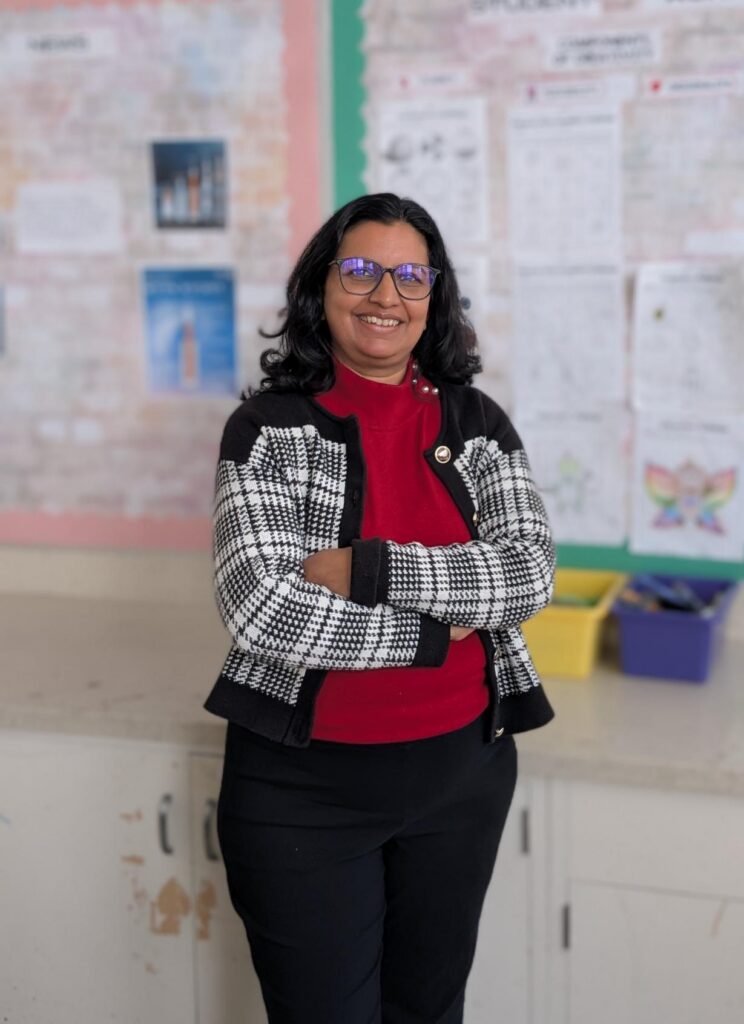
Sparking Imagination Across Campus: Creativity Challenges with Ms. Bhatnagar

March 21, 2026 by ezekielbracamonte Leave a Comment

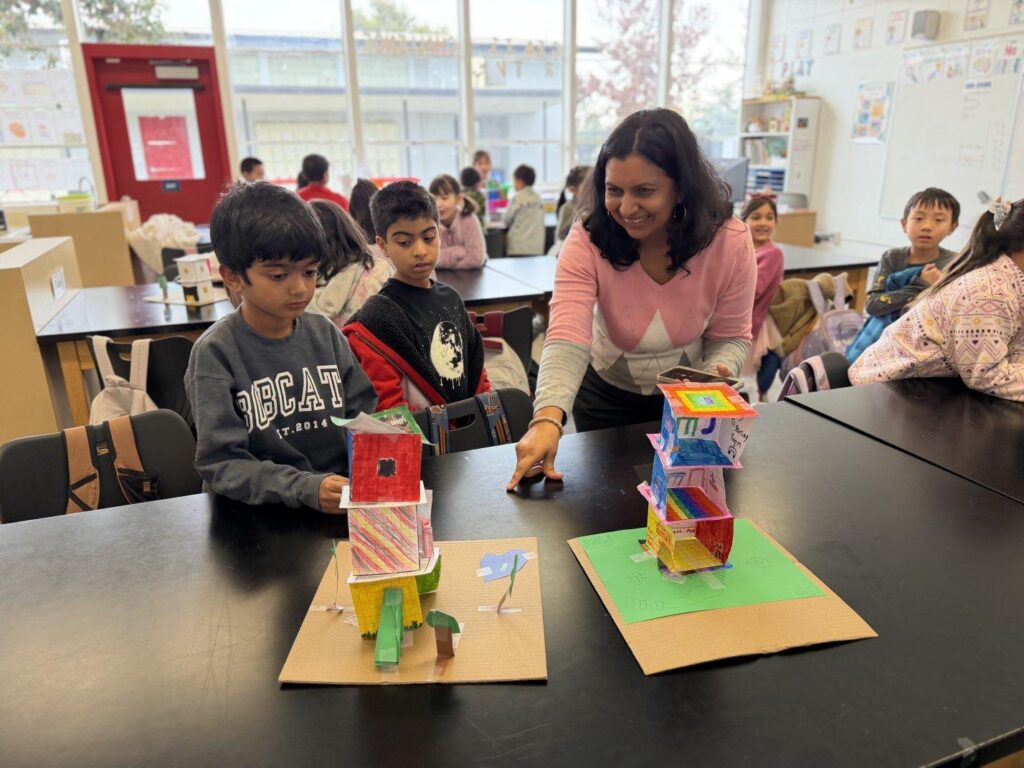
Fostering innovative thinkers is at the heart of our mission, and Ms. Bhatnagar’s Creativity Challenges give everyone on campus—students of all grades and even staff—the opportunity to explore, imagine, and solve problems in bold new ways. These challenges encourage participants to take intellectual risks, think creatively, and approach problems with curiosity and confidence.

Creativity and problem-solving are essential skills for future STEM careers, and regularly participating in these challenges helps students and staff exercise their “creative muscles.” As Ms. Bhatnagar explains, “By implementing these challenges on a regular basis, students are able to build these skills for all academic subjects.”


What Are Creativity Challenges?

These short, high-impact exercises encourage divergent thinking, helping participants generate multiple unique ideas rather than searching for a single “right” answer. Typically lasting 5–20 minutes, they serve as warm-ups for larger STEM projects and foster creativity through the four key components: fluency, flexibility, originality, and elaboration.

Challenges are adapted for all ages. Younger students benefit from collaborative brainstorming and extra time, while older students are encouraged to develop multiple alternative ideas before finalizing their solutions. Read-aloud stories like Beautiful Oops by Barney Saltzberg help participants see mistakes as opportunities for growth—a lesson many have applied to their projects throughout the year.

The Monthly Creativity Challenge Contest

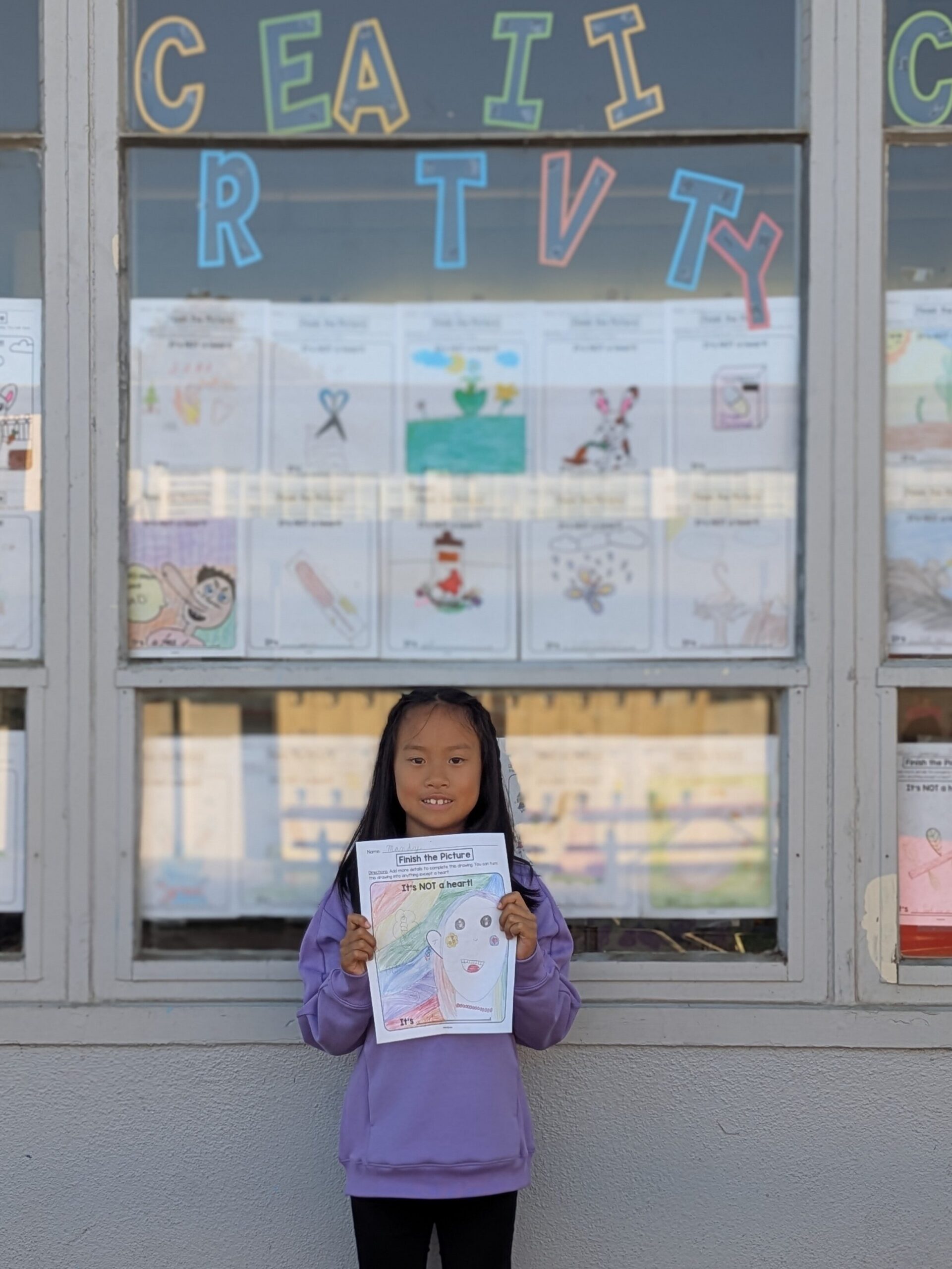
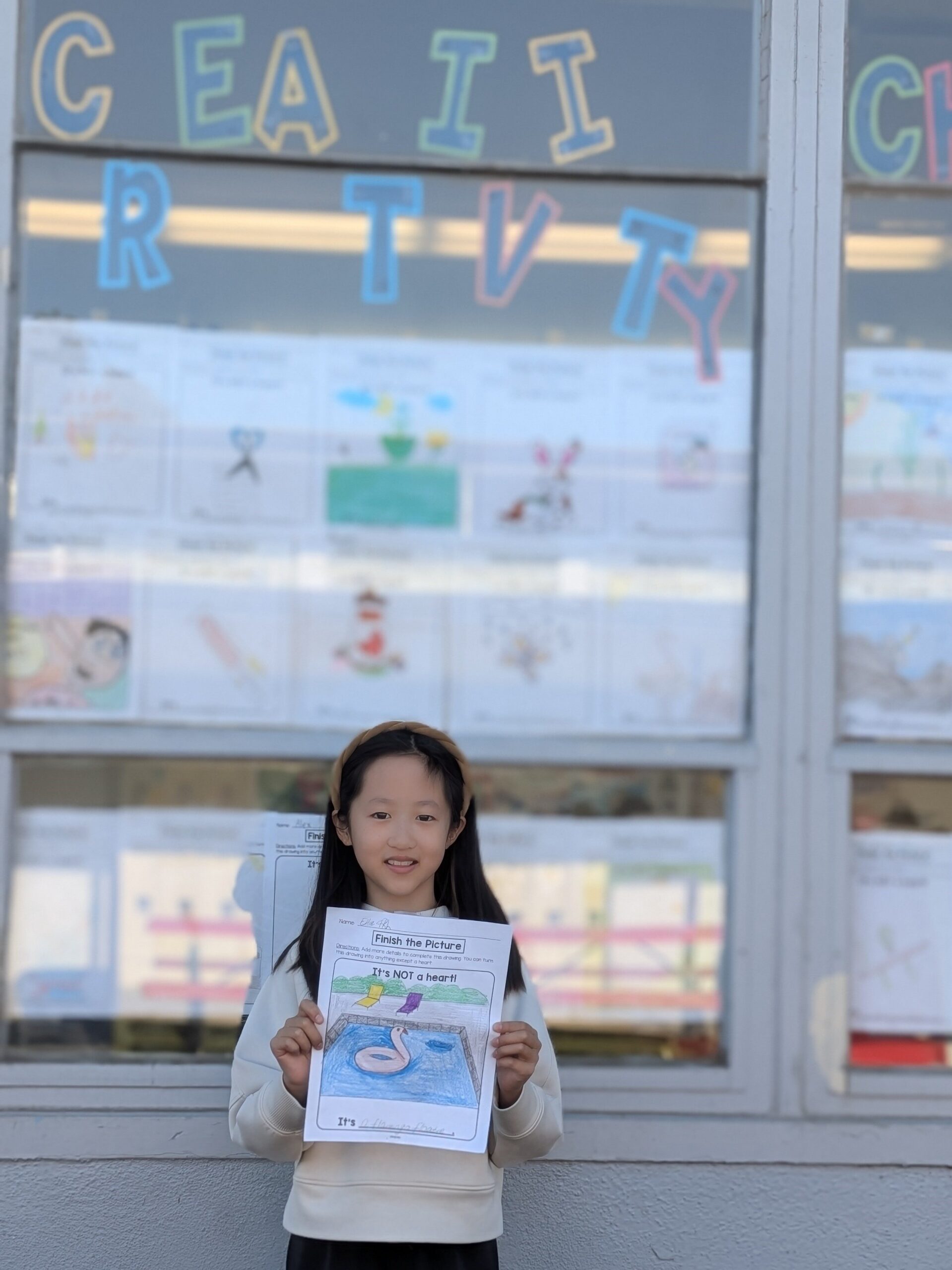
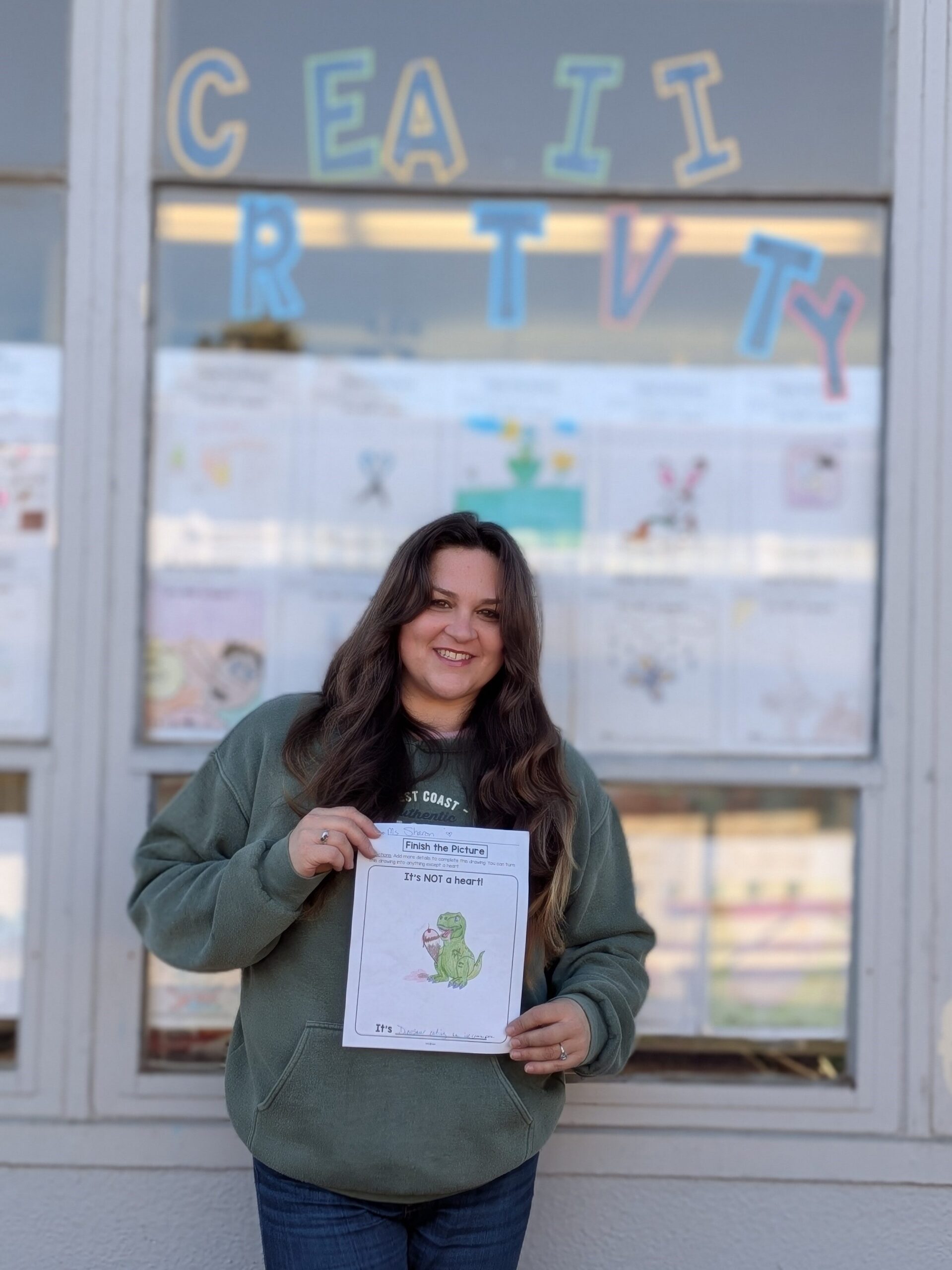
The Monthly Creativity Challenge Contest allows students and staff to showcase their creative problem-solving. Winning ideas are displayed to inspire future entries. One example of a creativity challenge was the “It’s Not a Heart!” activity, where participants were given what looked like the outline of half a heart and invited to transform it into something entirely different. Students and staff used their imagination to build creative drawings around the shape—anything but a heart. The results were impressive, with many truly inventive and thoughtful entries! Ms. Bhatnagar shares, “Last week, a couple of my Grade 4 students came to me during lunch break asking for more challenge sheets since they had a brand-new idea they hadn’t thought about before.”

Creating a Culture of Risk-Taking

Ms. Bhatnagar fosters a safe and supportive environment where mistakes are seen as part of learning. Through the Engineering Design Process, open-ended challenges, and student choice in materials, participants are encouraged to experiment and iterate. Collaborative learning and class norms emphasizing respectful curiosity create a judgment-free space where everyone feels comfortable sharing ideas. By valuing the thinking process as much as the final product, Ms. Bhatnagar empowers participants to take risks, try bold ideas, and grow as confident, creative problem-solvers.

Growth, Confidence, and Collaboration

Over the years, participants grow from shy, hesitant creators to confident innovators, developing critical thinking, collaboration skills, and the courage to embrace challenges. Creativity has spread beyond the classroom, sparking spontaneous conversations across campus and turning displays of student work into catalysts for curiosity and inspiration. This reflects Ms. Bhatnagar’s mission: to make creativity a normalized, daily conversation.

Long-Term Takeaways

Academically, creativity challenges strengthen problem-solving skills for all subjects and prepare our students for STEM careers. Personally, they cultivate creative confidence and adaptable thinking, helping participants approach challenges beyond the classroom with curiosity and courage. Success is measured not just by the final product but by exploration, experimentation, and the willingness to take intellectual risks.

Through Creativity Challenges, Ms. Bhatnagar is helping everyone on campus see that imagination grows with practice—and that every “oops” can become an opportunity to create something extraordinary.


BASIS Independent Silicon Valley is a TK–Grade 12 private school, offering an internationally benchmarked liberal arts and sciences curriculum, with advanced STEM offerings. Considering joining the Bobcat community? To join our interest list for the next school year and receive admissions updates and more, please click here. 
Filed Under: Culture of Support, Lower School, Primary Program, School Community, STEM, Student Learning

  • Page 1
  • Page 2
  • Page 3
  • Interim pages omitted …
  • Page 42
  • Go to Next Page »

© BASIS Independent Schools

  • Contact Us
  • Media Recognition
  • Careers
  • Privacy Policy
  • CA Privacy
  • Terms of Use

Headquartered in Campbell, California, Spring Education Group is majority-owned by investment funds administered by Primavera Holdings Limited, an investment firm owned by Chinese persons and principally based in Hong Kong with operations in the United States, China and Singapore.

Sitemap