
• Skip to primary navigation
  • Skip to main content

BASIS Independent Schools

BASIS Independent SchoolsBASIS Independent Schools
  • About
    • Why BASIS Independent Schools?
    • Mission & Philosophy
    • Diversity & Citizenship
    • History
  • Academics
    • Curriculum
    • Early Learning Program
    • Primary Program
    • Middle School Program
    • High School Program
    • The Senior Year
    • Summer Programs
    • International Student Program
  • Achievements
    • International Performance
    • College Admissions
    • Advanced Placement
    • National Merit
  • Find Your School
Inquire

Uncategorized

A Day in the Life: Geo Y., Grade 8

December 3, 2025 by sarahpeterson Leave a Comment

BASIS Independent Fremont Upper School is where academic rigor meets opportunity. Grade 8 students take high school-level courses, lead campus initiatives, and explore everything from artificial intelligence to creative fiction. It’s a balance of academic depth and personal exploration—and no two students’ schedules look quite the same. To show you what that looks like in practice, we followed Geo through his day.

Meet Geo
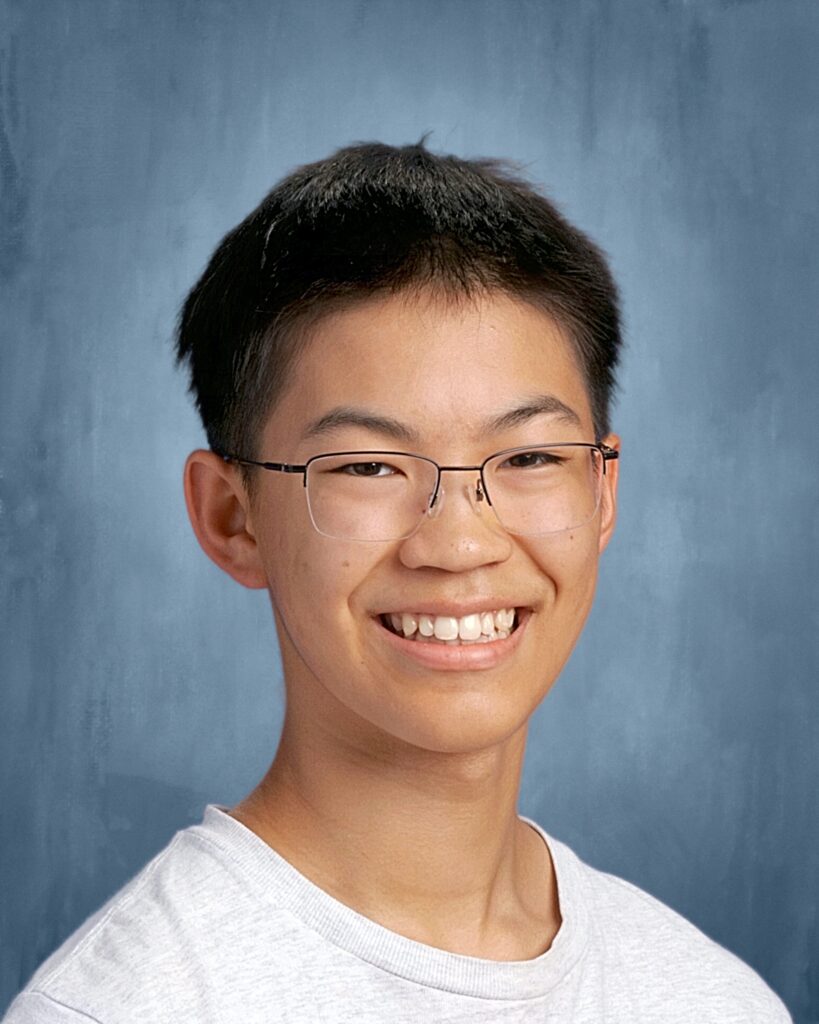
Geo has been at BIF since grade 4, when he transferred from another private school in the area. Now in grade 8, he moves through a day that includes Pre-Calculus, high school Honors English, and Creative Writing, while also serving on the National Junior Honor Society and participating in Journalism, AI, and Robotics clubs. Outside of school, he’s a gamer (currently into Hollow Knight, though Minecraft dominated for years) and takes coding and Chinese classes to deepen his technical and linguistic skills.

How does he balance it all with a rigorous course load? Geo admits there’s the typical teenage struggle with procrastination, but when it’s time to buckle down, it’s manageable. “It’s like have fun and have time to do things, and then make time to do coursework.”

What makes grade 8 distinctive is how students like Geo begin to take ownership of their learning—choosing electives that reflect their interests, using Office Hours strategically for the subjects that need attention, and pursuing after-school clubs that align with their passions. The academics are demanding, but the opportunities to explore are equally rich.

Let’s follow Geo through a typical day to see what grade 8 at BIF really looks like in action.


Period 1 (8:25-9:10): Pre-Calculus AB with Mr. Sharma

Geo’s day begins with Pre-Calculus AB, a course that provides in-depth coverage of major functions, including polynomial, exponential, and trigonometric functions, before moving into matrices, discrete mathematics, and statistics. The course concludes with an introduction to calculus concepts—limits, derivatives, and integrals—preparing students for AP Calculus and beyond.

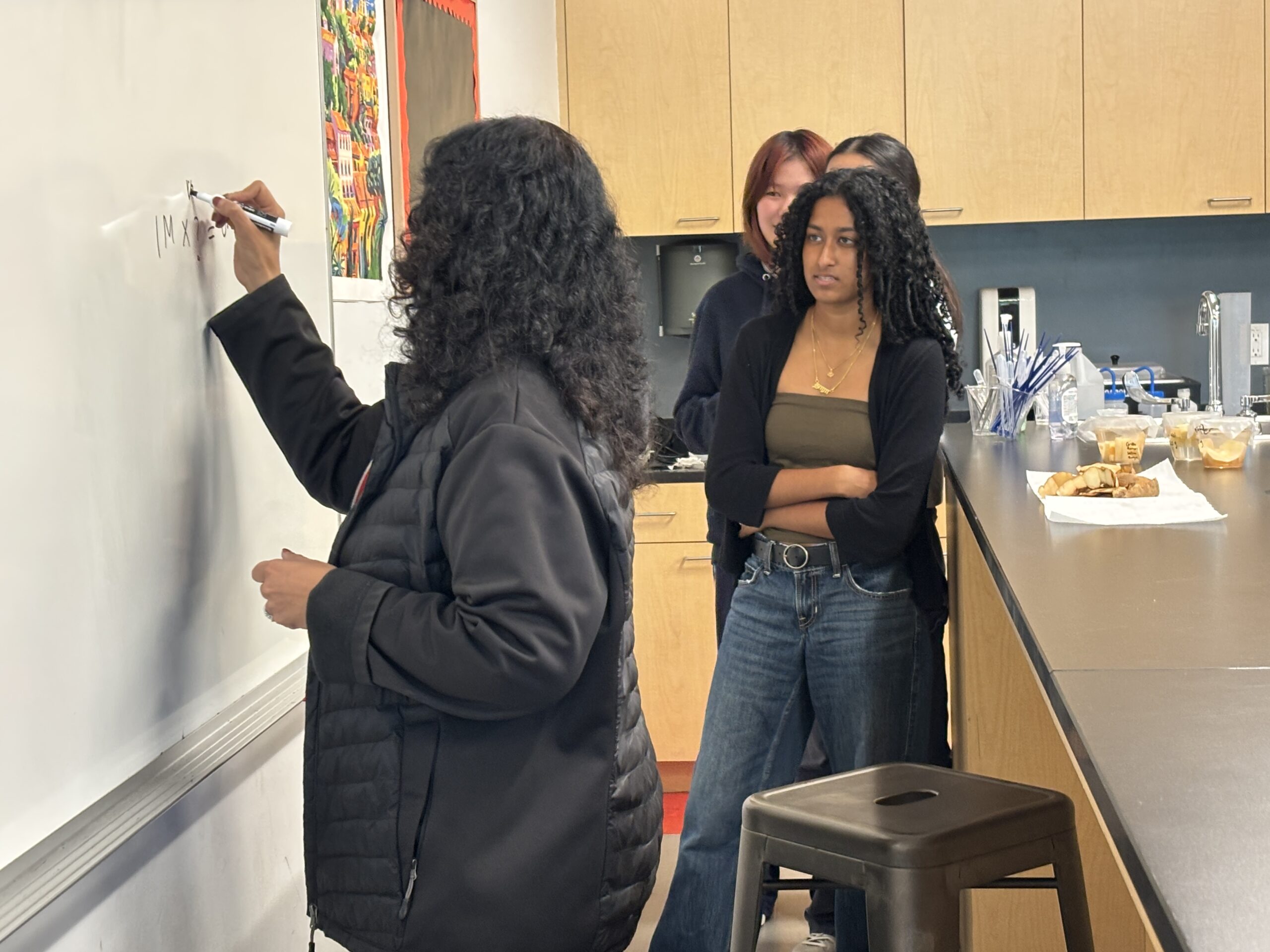
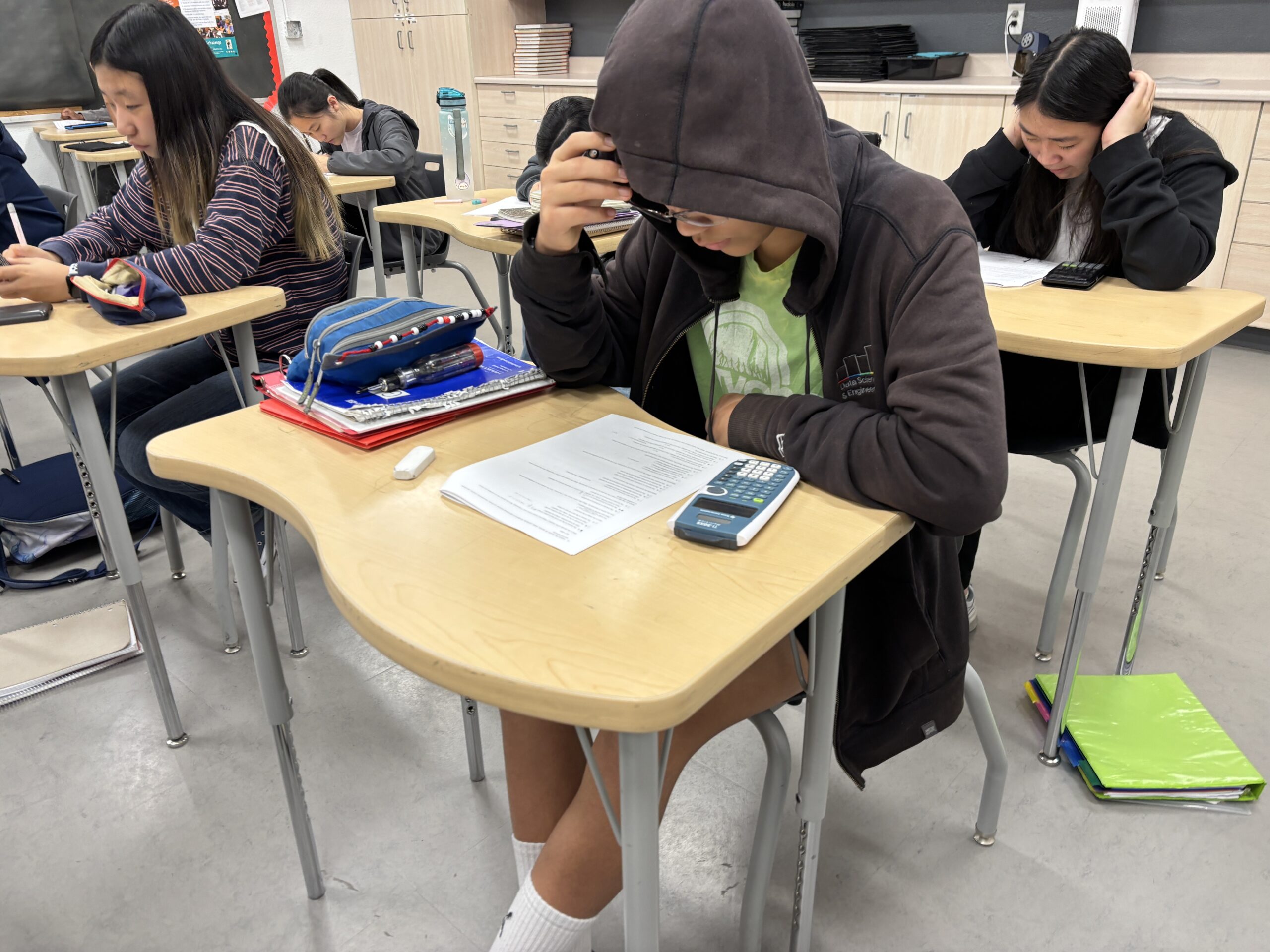
Today is test day. Students are being assessed on trigonometric functions, covering right triangles, the properties of the six trigonometric functions, application problems, and inverse trigonometric functions. It’s a rigorous start to the morning, but exactly the kind of mathematical foundation that prepares BIF students for high school and college-level work.
Academic Enrichment (9:15-9:25)

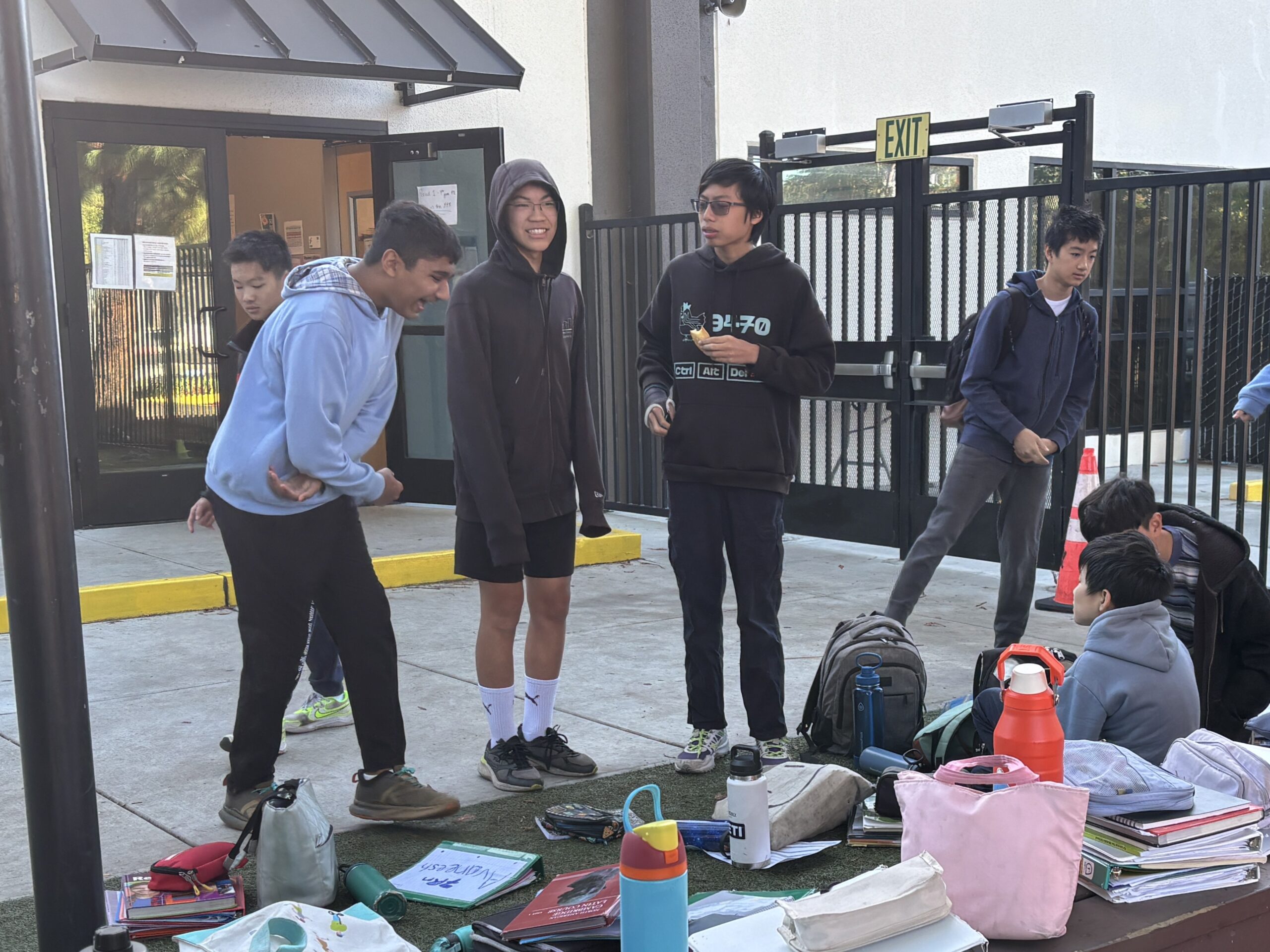
After his math test, Geo heads outside to the Quad with friends. This brief period, monitored by teachers and the Student Affairs team, gives students time to reset before diving into the rest of their day.
Period 2 (9:30-10:15): French IB with Madame Laquidara

French IB builds on introductory language study, developing listening, speaking, reading, and writing skills with a focus on effective communication. Students explore French and Francophone cultures, learning about family life, daily routines, and cultural traditions practiced throughout the French-speaking world.

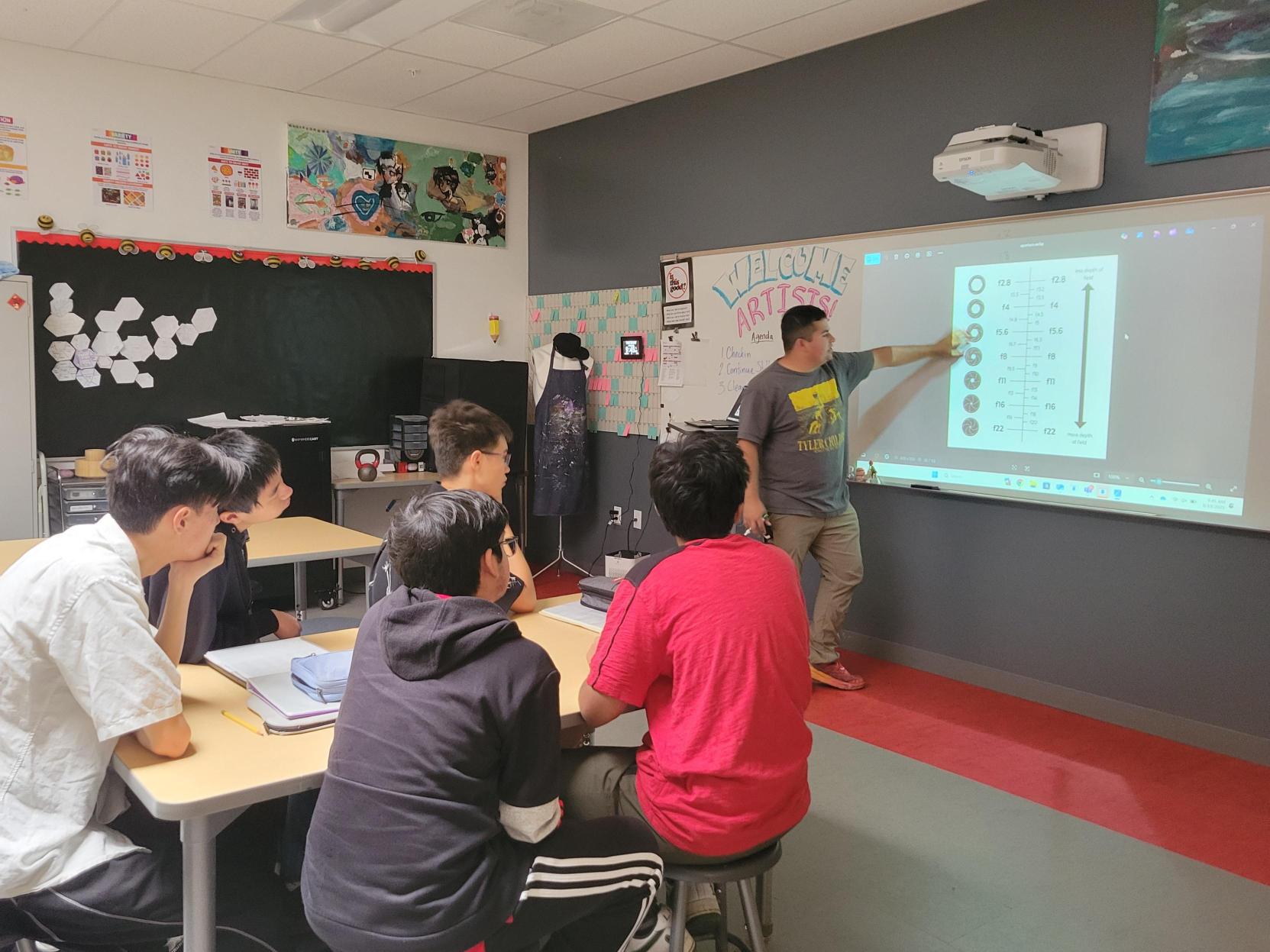
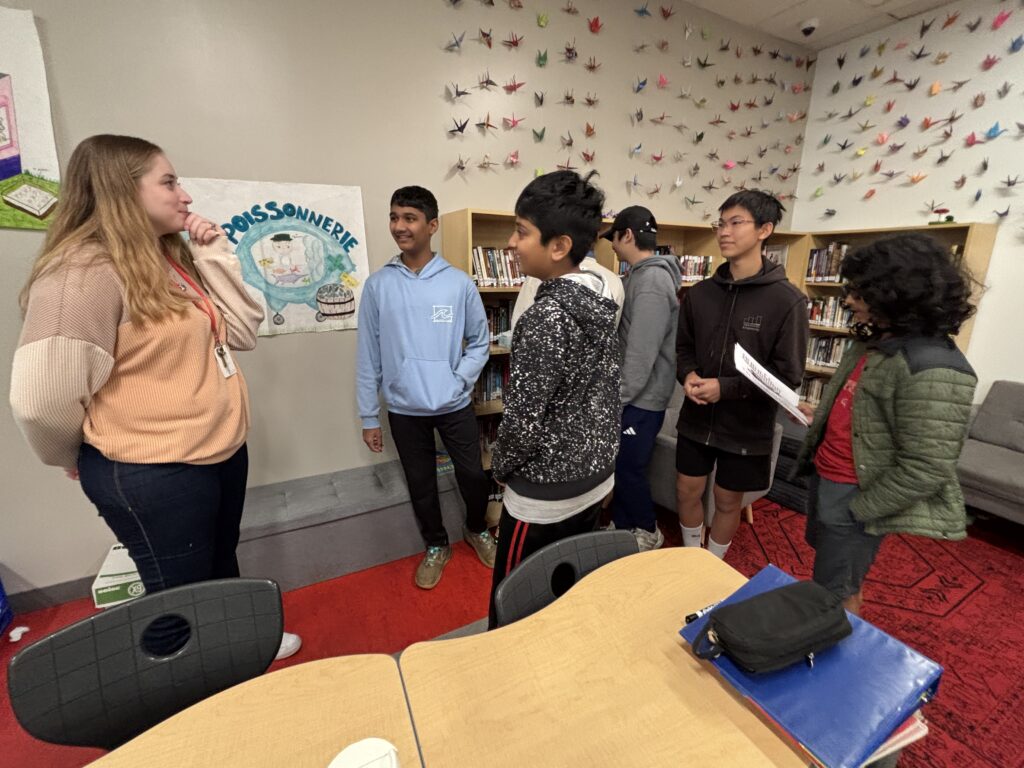
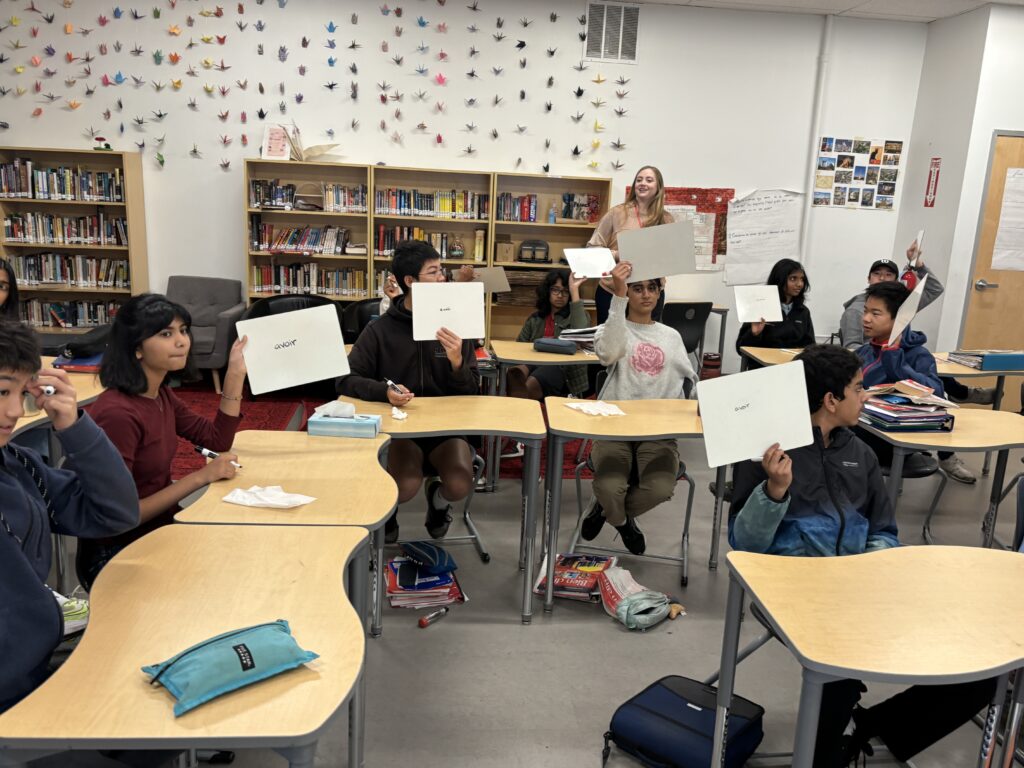
Class begins with a pop quiz on which verbs are conjugated with être. Afterwards, students break into small groups for a creative project—writing songs in French set to well-known tunes. Geo’s group chose a Christmas classic to get into the holiday spirit, blending language learning with seasonal fun.
Period 3 (10:20-11:05): PE & Health 8 with Mr. Pappas

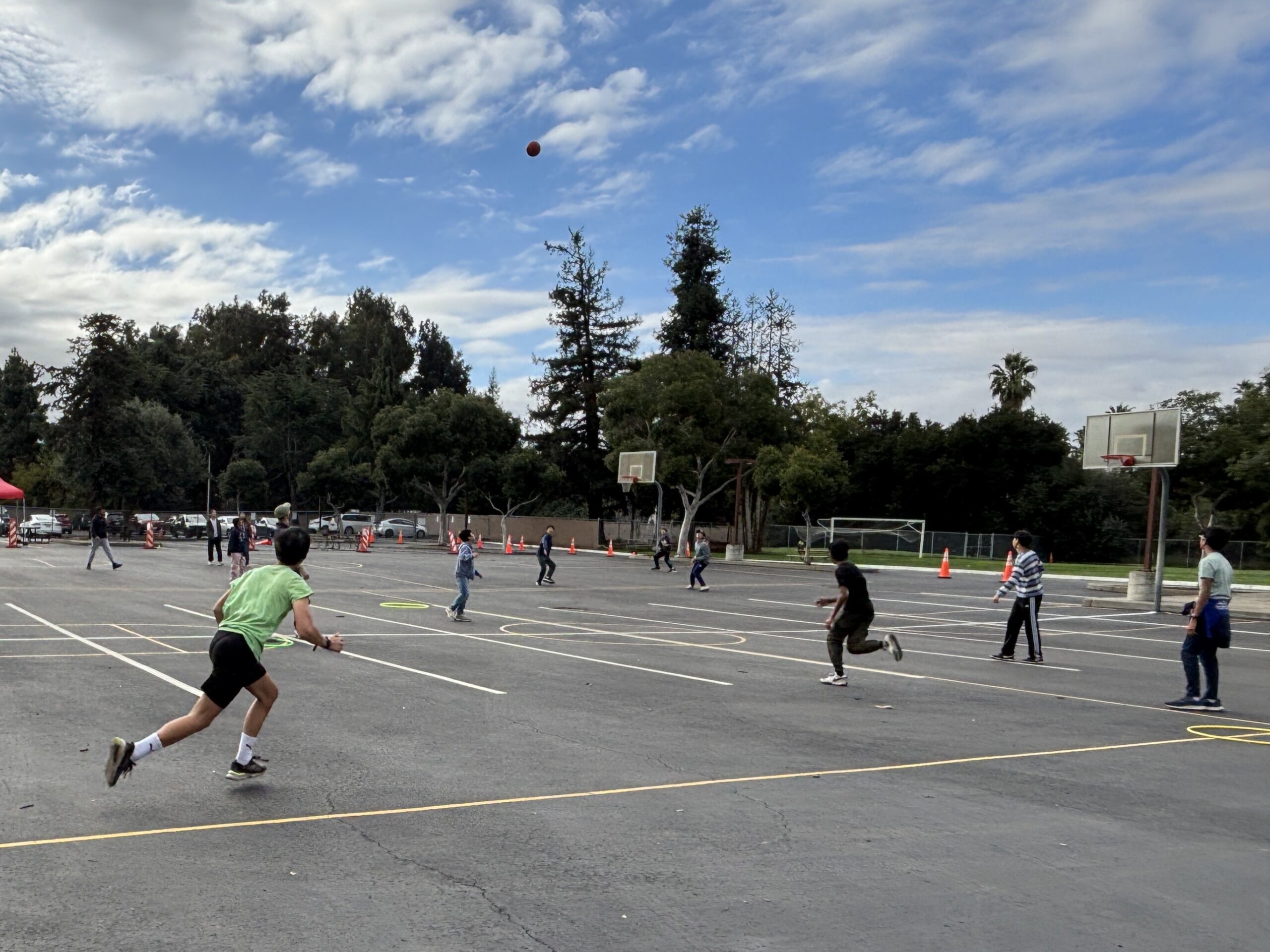
PE & Health for grade 8 teaches specific skills through sports while emphasizing teamwork, fair play, and sportsmanship. The course also covers essential health topics, including nutrition, CPR, anatomy, and physiology, providing students with knowledge for lifelong wellness.

After stretches and warm-ups, students play kickball—a chance to move, compete, and practice the collaborative skills they’re developing across all their classes.
Period 4 (11:10-11:55): Lunch

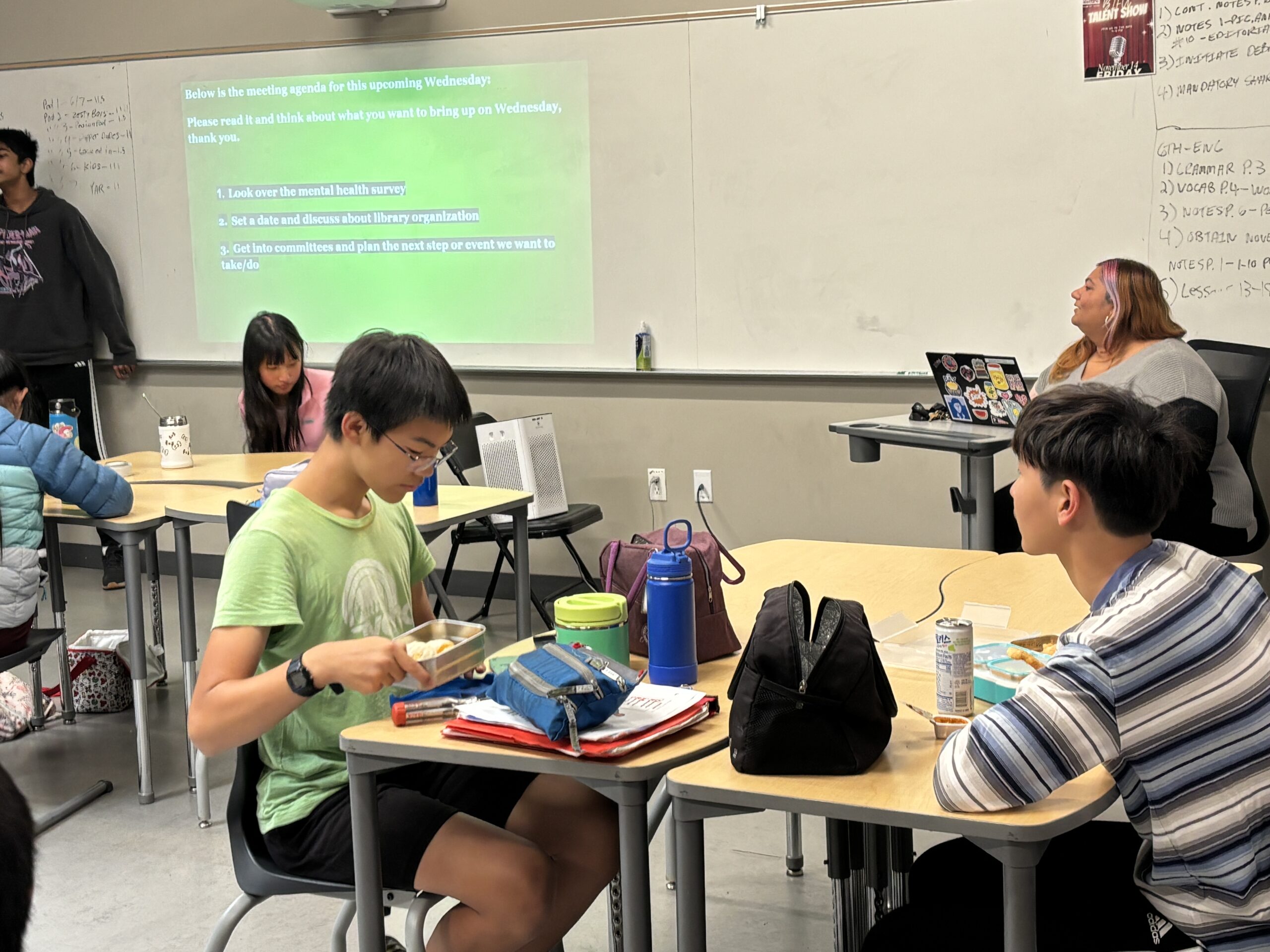
Geo brings his packed lunch to a National Junior Honor Society meeting. The first ten minutes give students time to eat and catch up, then the group moves through their agenda—reviewing mental health surveys they distributed to students, planning upcoming library organization efforts, and breaking into committees to discuss next steps for their initiatives.

Geo serves on the Peer-to-Peer Tutoring Committee, which organizes weekly tutoring opportunities for middle school students. It’s leadership in action—students identifying needs in their community and creating solutions.
Period 5 (12:00-12:45): English 8 with Ms. Hotaling

English 8 is equivalent to a high school honors program, preparing students for eventual passage of both AP English Literature and AP English Language exams. Students broaden their exposure to different genres while learning to produce thoughtful, well-argued analyses with pieces that are both soundly constructed and powerfully phrased.

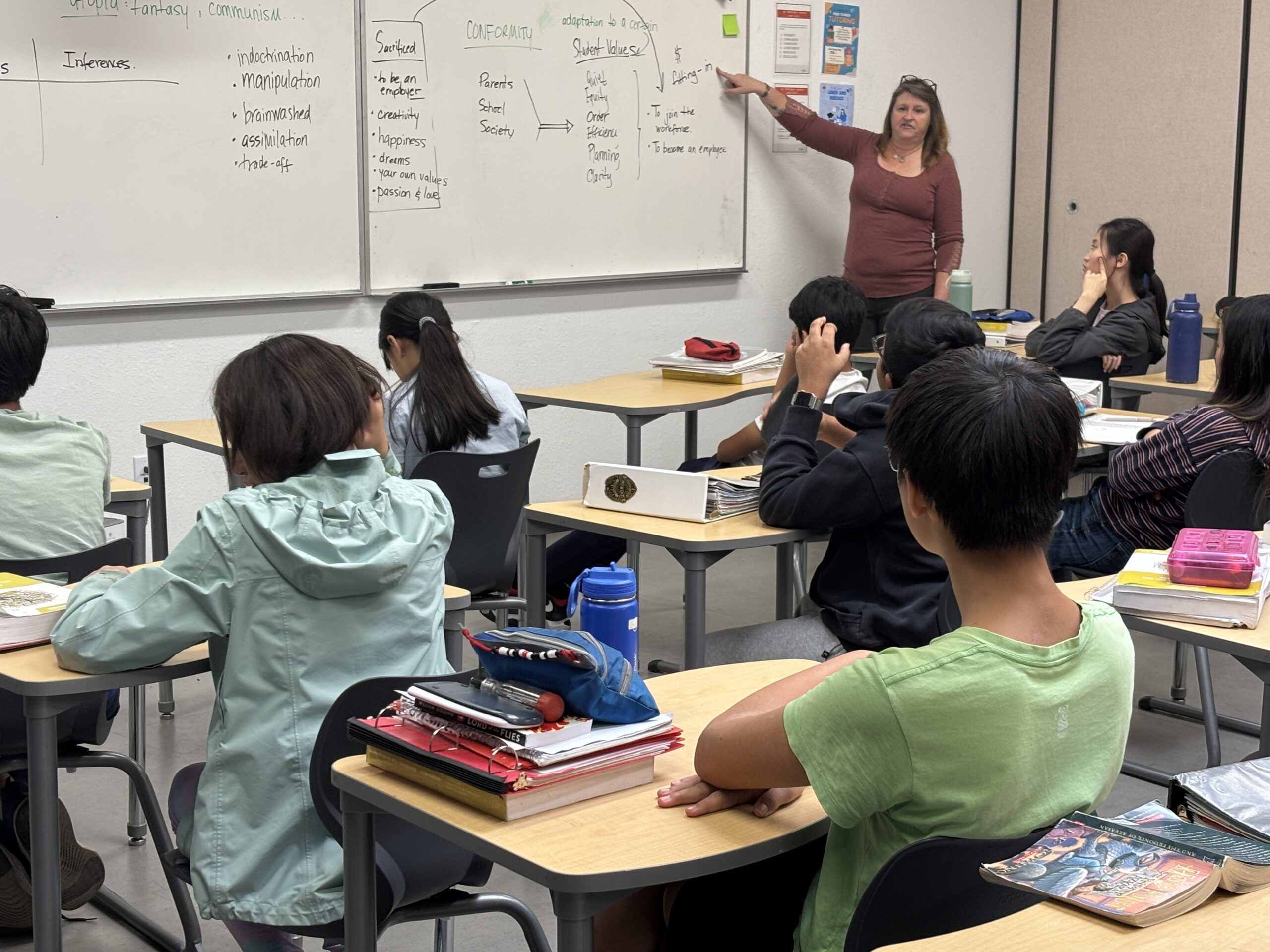
Today, students identify values and discuss how these help societies function smoothly, relating the conversation to their reading of “Lord of the Flies”. It’s the kind of thematic analysis that connects literature to larger questions about human nature and social structures.
Period 6 (12:50-1:35): Physics 8 with Mr. Smith

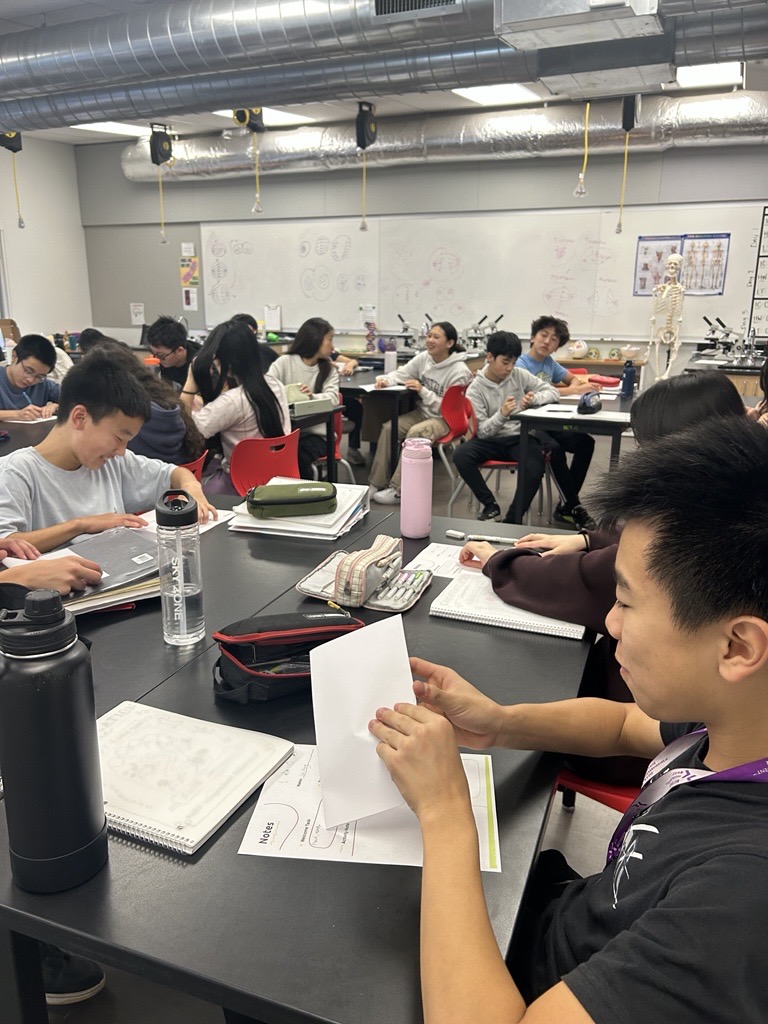
Physics 8 builds understanding of the physical world both conceptually and mathematically, expanding concepts to real-world situations and introducing two-dimensional problems for the first time. Students develop the ability to pose scientific arguments and present evidence to support claims across topics, including kinematics, forces, energy, momentum, optics, electricity, and magnetism.

Today, students prepare for their upcoming unit test on Forces—reviewing concepts and working through practice problems that will demonstrate their mastery of the material.

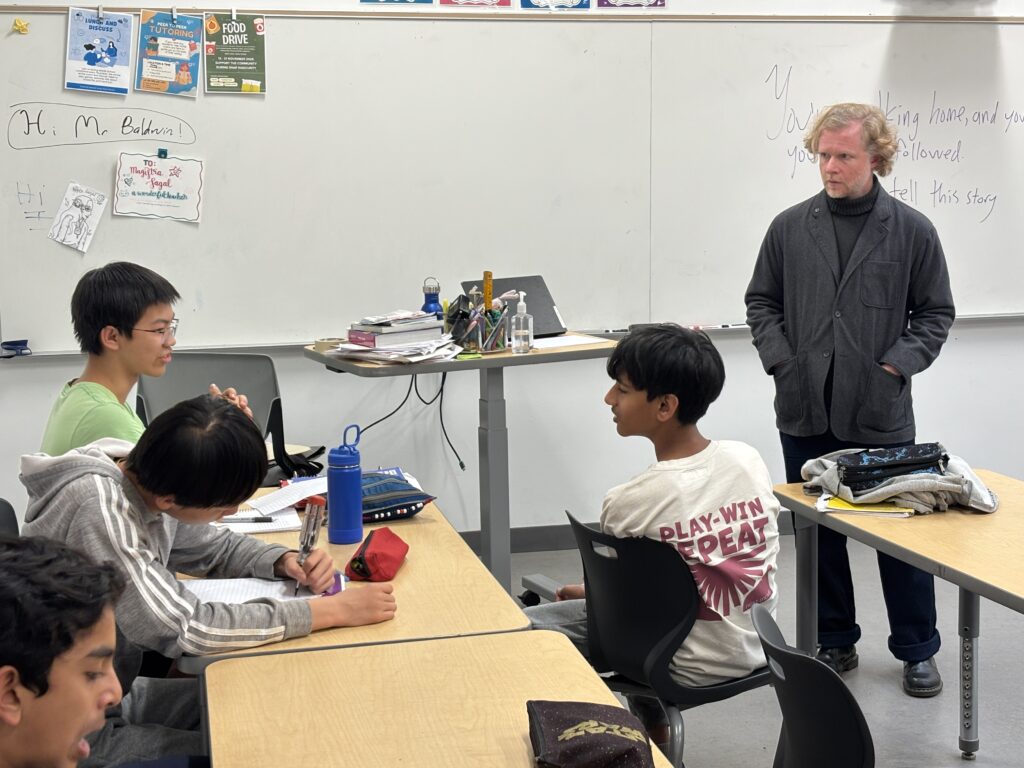
Period 7 (1:40-2:25): Creative Writing with Mr. Bradshaw

Creative Writing introduces students to prose and poetry, focusing on scene, characterization, plotting, point of view, and dialogue. Students read work from classic and contemporary writers, study craft essays, and critique one another’s original writing.

Today’s prompt: “You’re walking home, and you think you’re being followed. Tell this story.” Students dive into their narratives, building tension and developing their storytelling skills. “I really like writing, especially fiction,” Geo says. “It’s a really fun thing to do, to build a world.”

Period 8 (2:30-3:15): U.S. History with Mr. Loero

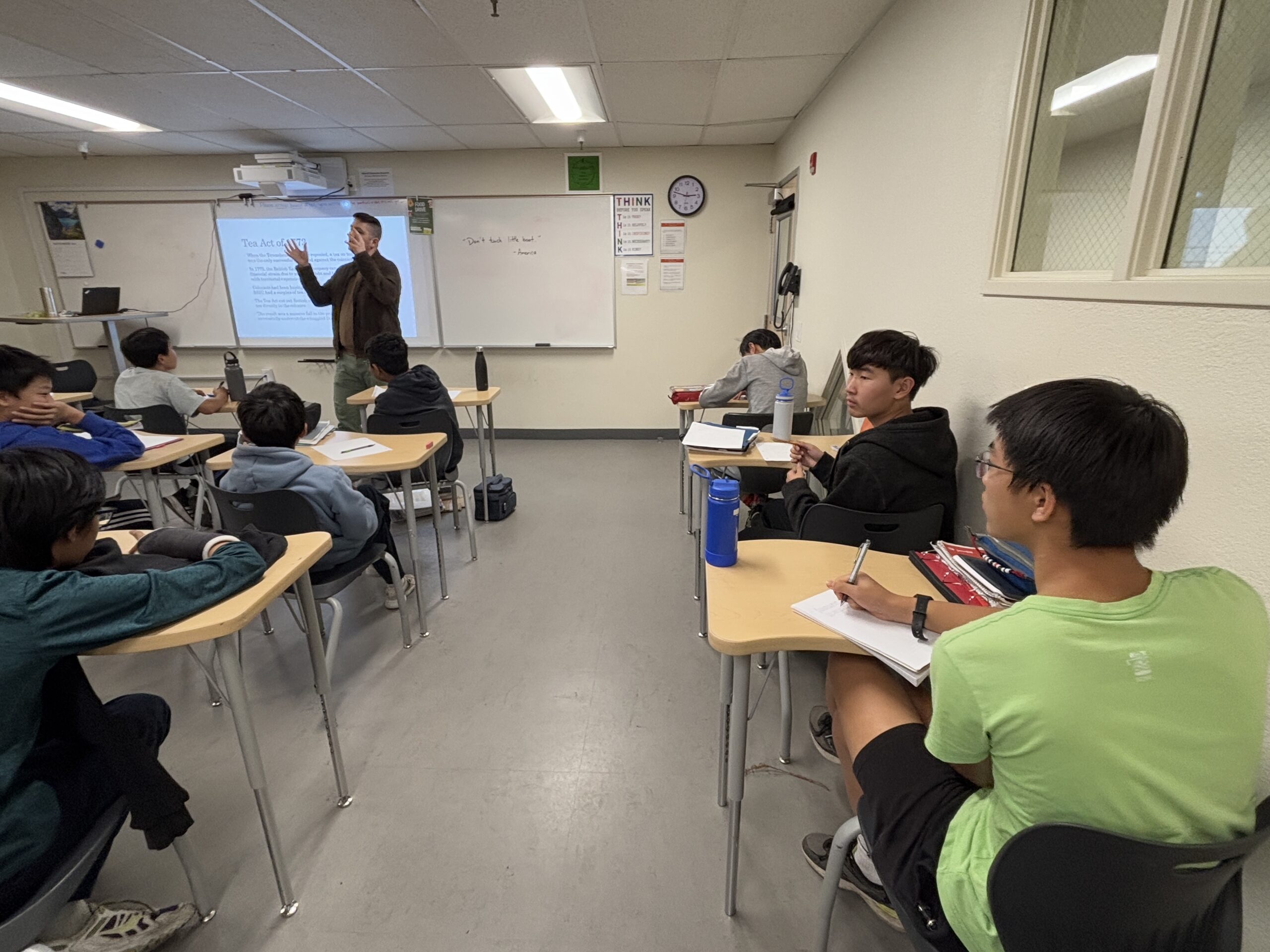
U.S. History investigates American history from the Pre-Columbian Era through the turn of the 20th century, designed both thematically and chronologically. The course emphasizes historical thinking skills as students analyze primary and secondary sources, evaluate causes and effects, and examine change and continuity over time to craft historically defensible claims about the past.

Today’s topic: the Tea Act of 1773. Students discuss the political and economic tensions that contributed to colonial resistance, connecting individual events to the larger narrative of the American Revolution.
Office Hours (3:20-4:00)

Most days, Geo uses Office Hours strategically based on what he needs. “It really depends,” he explains. “Sometimes it’s French, sometimes it’s math, sometimes it’s coding. Sometimes I go to Mr. Sharma’s to get work done. It really ranges depending on what homework I have. Usually, it’s time to get coursework done. Sometimes, though, I use him for explanations.”

It’s this flexibility that makes Office Hours valuable—students can seek one-on-one help when they’re stuck, work through challenging assignments with teacher guidance, or dig deeper into subjects they’re passionate about. For Geo, it’s about meeting his needs in the moment, whether that’s tackling a tricky pre-calculus problem or clarifying French grammar.


When the final bell rings, Geo’s day continues with the clubs that fuel his interests beyond the classroom.

Journalism Club has Geo writing articles for the student newspaper, “The Yellow Pages”. His current piece explores the holiday spirit at BIF. “I think that has taught me a lot of valuable experience,” he notes—developing both writing skills and the ability to capture the school community’s voice.

Robotics Club brings theory into physical form. Students have been building, testing, and driving a moving robot—applying engineering principles, problem-solving collaboratively, and iterating their designs based on real-world performance.

AI Club takes students on a deep dive into how artificial intelligence actually works—and it’s a lot of lines of code. “It’s very interesting to see the functions and how it all works,” Geo says. “It’s very interesting and very intriguing, though it does get a little complicated at times.” The complexity doesn’t deter him; it draws him deeper into understanding the technology shaping the future.
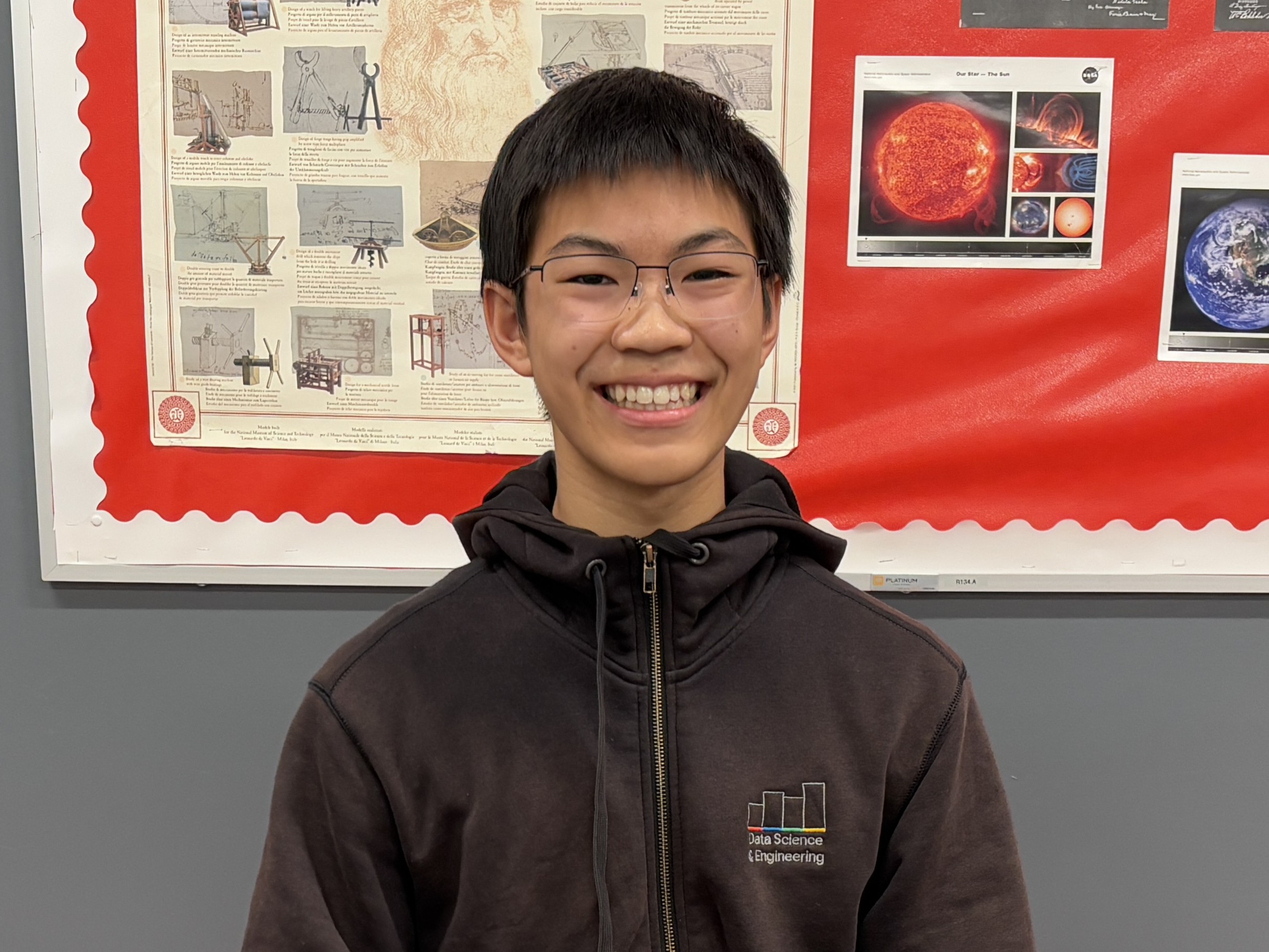
From Pre-Calculus to Creative Writing, from NJHS leadership to hands-on robotics, Geo’s day showcases what’s possible when rigorous academics meet genuine opportunities for exploration. His advice to other students? “I would say join the clubs that seem the most fun for you, but also have a balance of education.” It’s a demanding schedule, yes—but one that prepares students not just for high school, but for thinking critically, creating boldly, and pursuing their passions with purpose.

Curious about what your student’s day could look like at BIF? We’d love to show you around. Click here to schedule a tour, attend an upcoming open house, or reach out to our admissions team to learn more about BASIS Independent Fremont Upper School.

BASIS Independent Fremont is a TK – Grade 12 private school, providing students with an internationally benchmarked liberal arts and sciences curriculum, with advanced STEM offerings. Considering joining the BASIS Independent Fremont community? To join our interest list for the next school year and receive admissions updates and more, please click here.

Filed Under: Academics, Clubs & Activities, Extracurriculars, Middle School, Student Life, Student Spotlight, Uncategorized

Day of Service + Celebrating A Culture of Service

December 2, 2025 by jogoldfarb Leave a Comment

Service is a core value at BASIS Independent Brooklyn. We regularly ask our community to contribute positively, not just to our school but also to the broader community with acts of service. Faculty and administration encourage students to ask how they can help and to seek opportunities to provide needed support in age-appropriate ways. They also challenge our older students to lead with action and purpose, to advocate for and strengthen our community.

Right before Thanksgiving Break, our entire High School participated in the 5th Annual Day of Service, working with five local non-profits the morning of Tuesday, November 25th. Students were given options of service projects to participate in, and this Giving Tuesday, we wanted to feature the organizations that partnered with us on that day, as well as in recent programs and drives. Each organization’s website is linked below to make it easy to find out more about their great work and donate directly to them.

DAY OF SERVICE PARTNERS

JASA

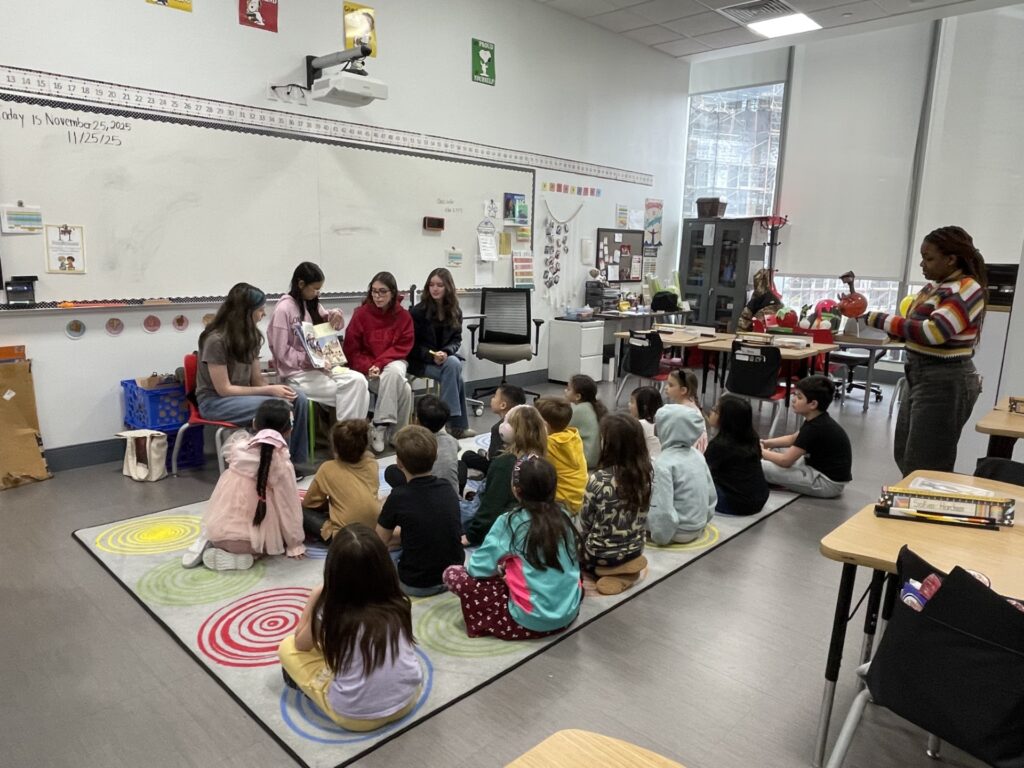
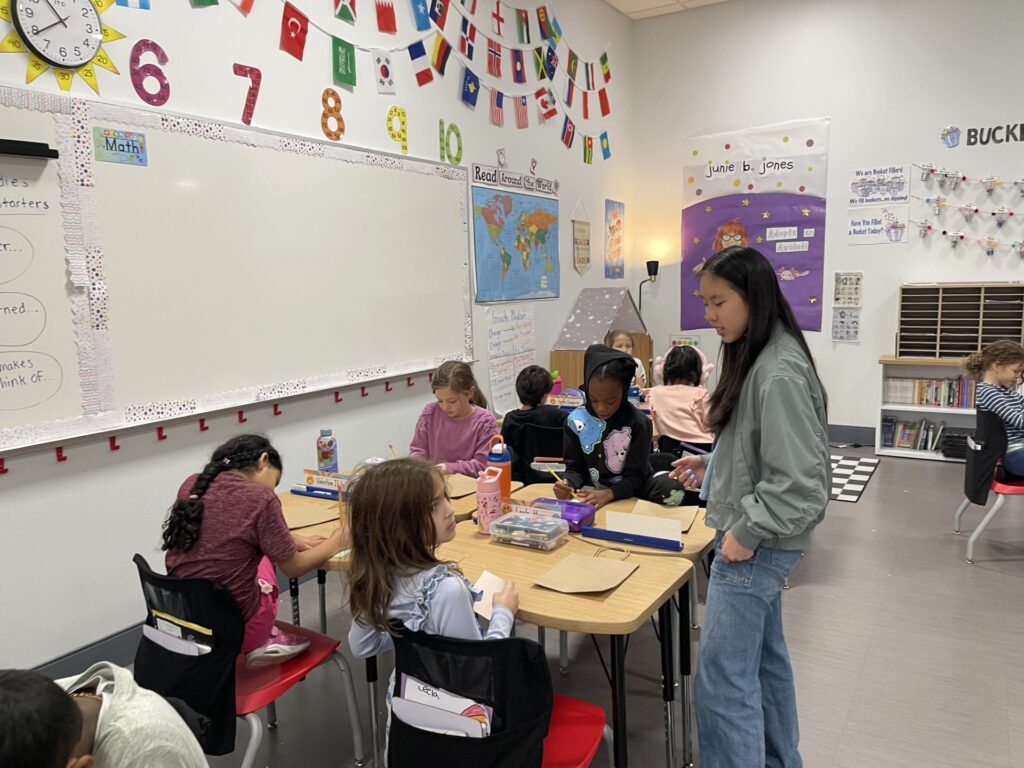
  • High School students traveled to our Lower School campus, held discussions with our youngest Cubs about the importance of service, and assembled 70 toiletry kits for recently unhoused seniors now in one of JASA’s assisted living centers.

PortSide New York

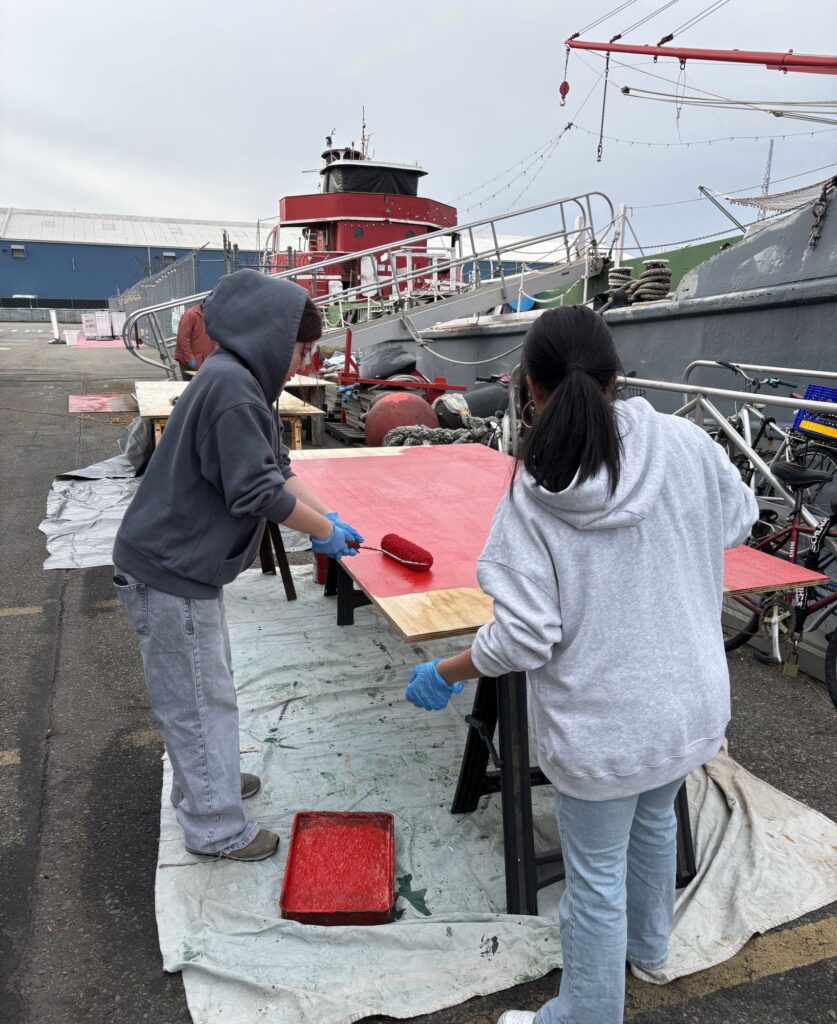
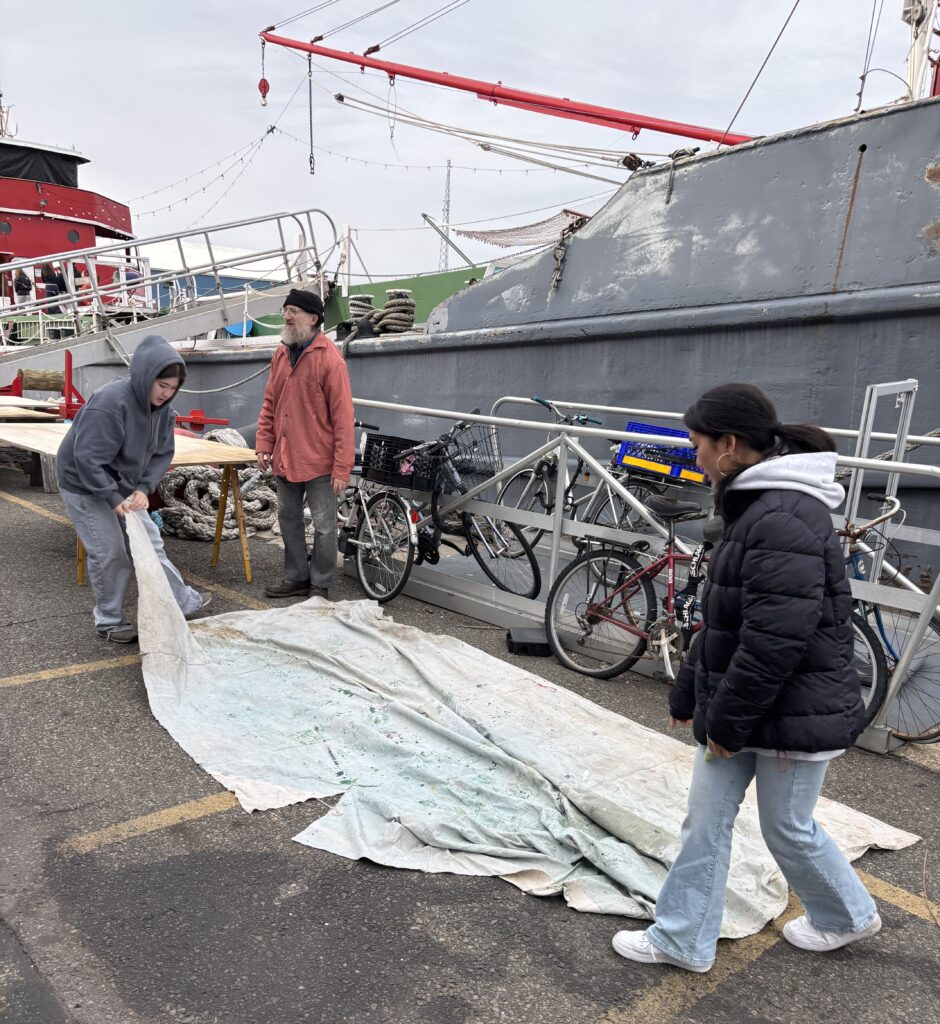
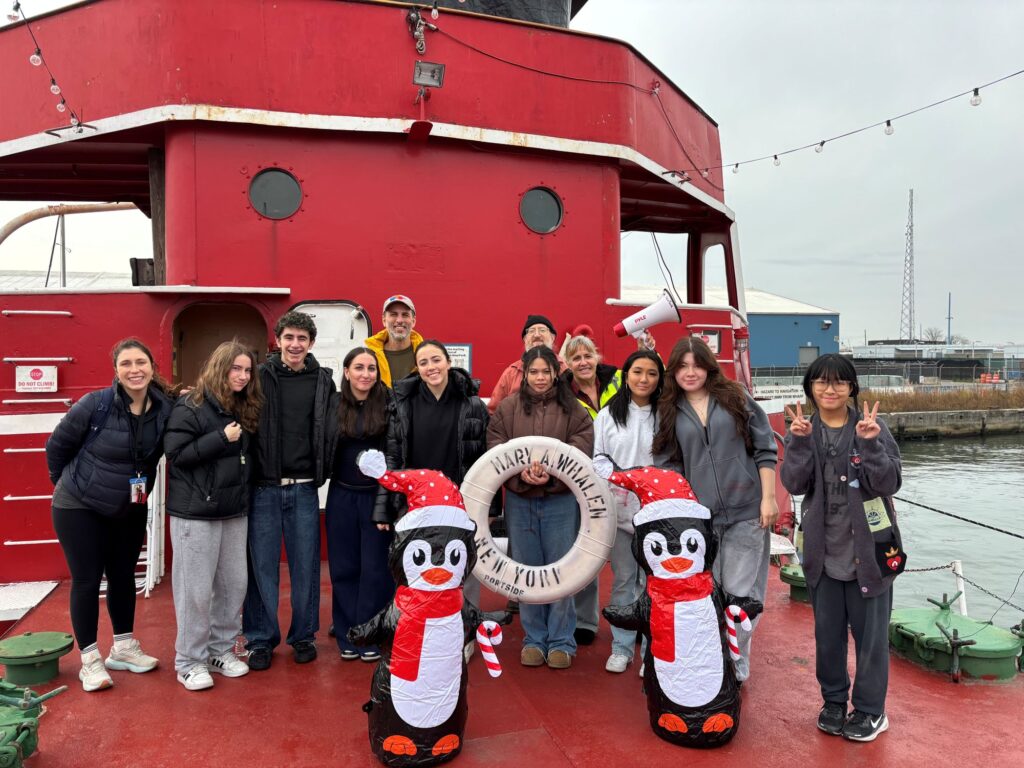
  • Our students painted three signs, refilled the bases of educational signs, and set up holiday decorations aboard the Mary A. Whelan ship, a model for NYC’s waterfront future via advocacy and direct service.

Partnerships for Parks

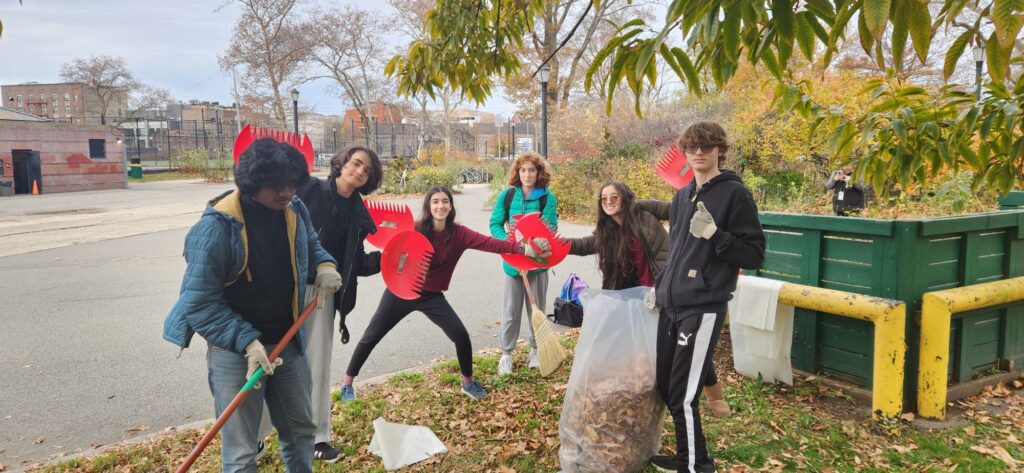
  • Our students collected 100 bags of leaves and litter at Coffey Park in Red Hook.

Sean Casey Animal Rescue

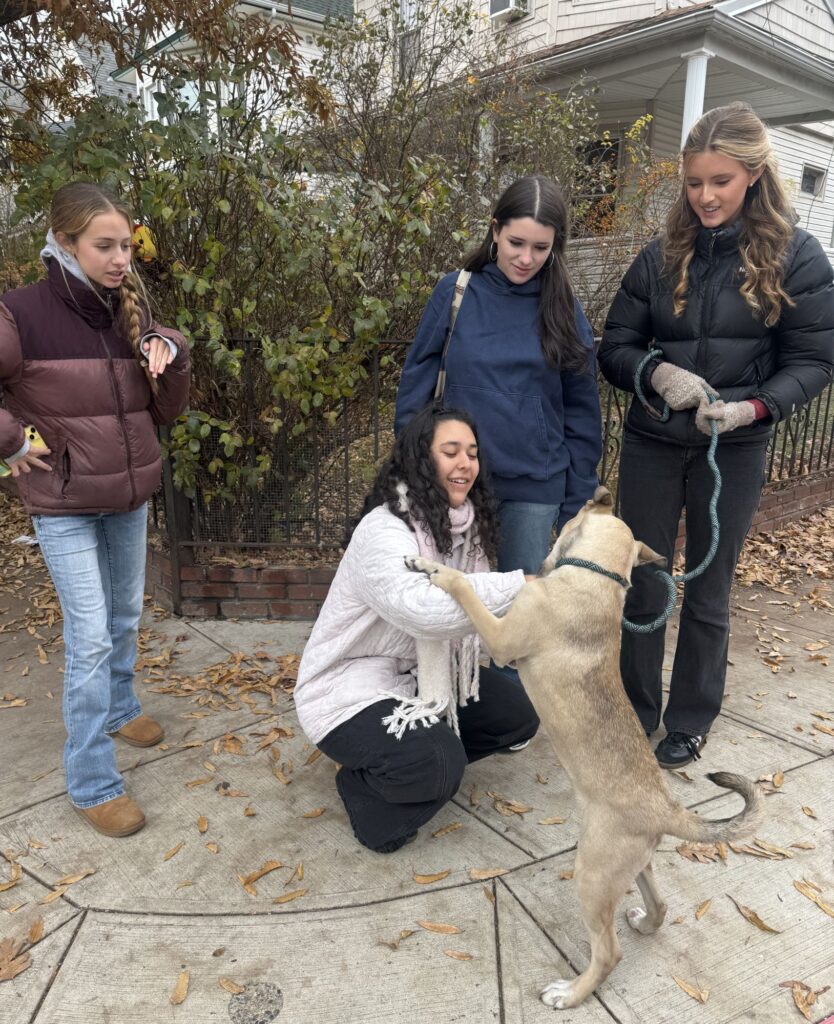
  • Our students walked dogs housed at the Sean Casey Animal Rescue. They spent the morning learning about the Sean Casey Animal Rescue, which is an animal-welfare group that finds homes for dogs, cats, birds, and rabbits based nearby in Brooklyn.

Letters Against Isolation

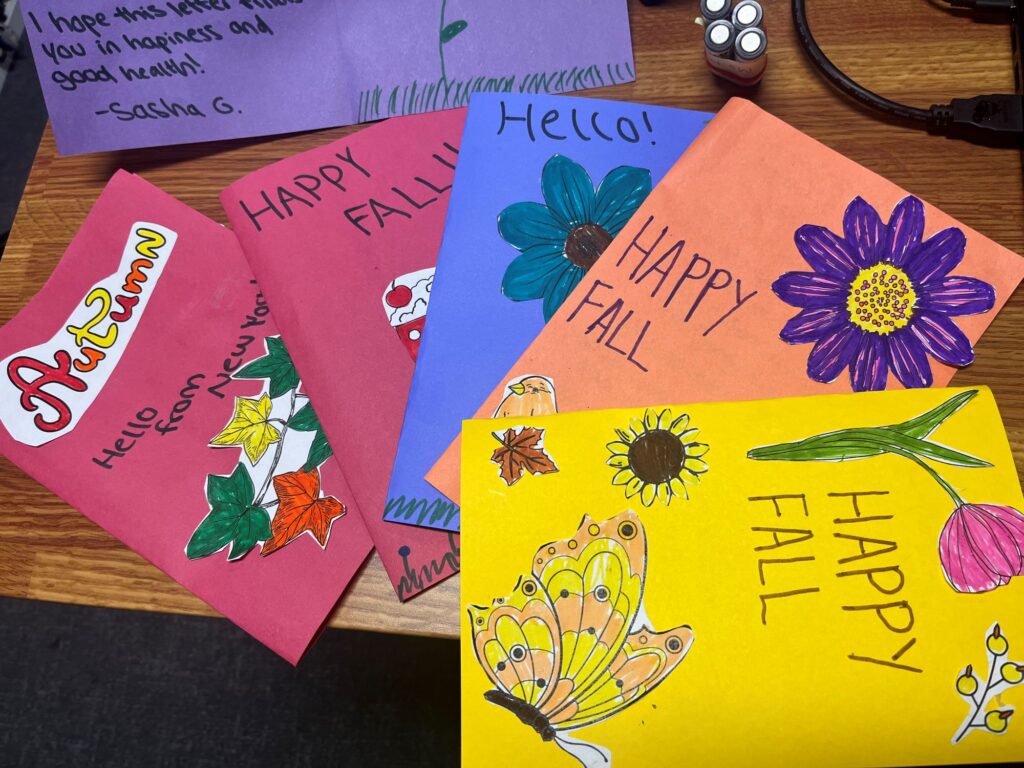
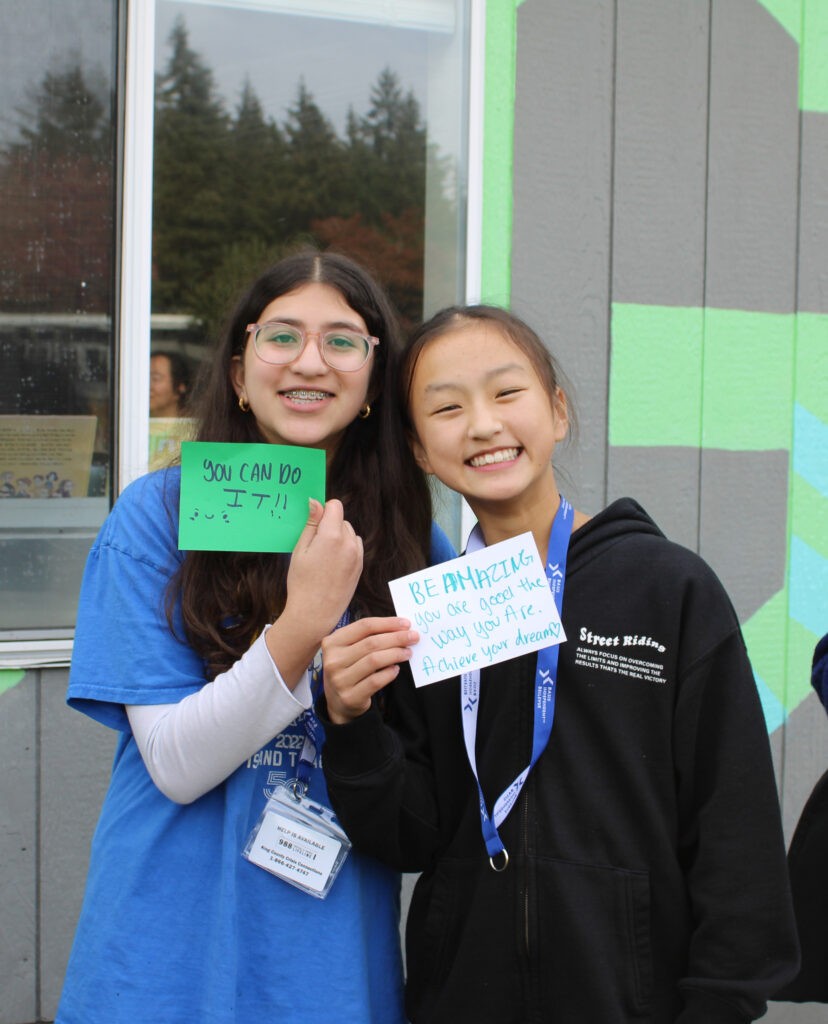
  • Students assisted teachers and administrators with tasks to organize and beautify our school, and students wrote more than 75 cards for Letters Against Isolation to send to seniors for encouragement and support.

ONGOING SERVICE PROGRAM + DRIVES

Red Hook Art Project (RHAP)

  • Currently, two High School students volunteer to teach weekly guitar and chess with the inspiring students at Red Hook Art Project. We have had an amazing partnership through the years that has involved specific drives as well as homework help.
  • Our National Honor Society recently collected hundreds of donations for RHAP’s Thanksgiving Food Drive and direct donations to their catered meal fund.

LifeStory Club

  • High School Students in our National Honor Society recently held a session to write birthday cards in several languages for homebound seniors brought together through this fantastic organization, focused on building community among seniors across New York City.

Heights and Hills

  • Before Thanksgiving Break, students in Gr. 3-5 made more than 300 cards for Heights and Hills to include in the Thanksgiving meals they delivered to homebound seniors across Brooklyn.

Camp Friendship Food Pantry

  • Our High School students regularly volunteer at the weekend Food Pantry, which serves 350 people weekly from Gowanus/Park Slope/Sunset Park. The number of families has grown substantially this year.
  • BASIS Independent Brooklyn families raised $450 for the Camp Friendship School Supply Drive this summer.

The Alex House Project

  • Our Toy Drive is now underway for The Alex House Project, which empowers young parents in Brooklyn with resources, support, and housing solutions. Deadline for donations is December 10th. Please consider supporting this effort. Toys can be dropped off at the Front Office of either campus.

Heart of Dinner

  • One of our Gr. 11 students worked with Mandarin teachers across Gr. 1-11 to decorate more than 400 bags for Heart of Dinner’s meal delivery to Asian seniors in NYC during the Thanksgiving season.

On top of these programs, our National Honor Society and National Junior Honor Society members volunteer hundreds of hours at various organizations each semester. We are proud of the students we educate at our school, and they give us hope for the future. Cultivating a core value of service is an important part of education, and we are proud to play our part in giving back to underserved communities right around our school as well as in the broader New York City area.

# # #

BASIS Independent Brooklyn is a PreK–Grade 12 private school, providing students with an internationally benchmarked liberal arts and sciences curriculum, with advanced STEM offerings. Considering joining the Bears community? To join our interest list for the next school year and receive admissions updates and more, please click here.
Filed Under: Community Events, Community Values, High School, Leadership, School Community, Uncategorized

Extending Love of the Arts at Home: Creating A Home Art & Makerspace for Your Children

November 21, 2025 by jogoldfarb Leave a Comment

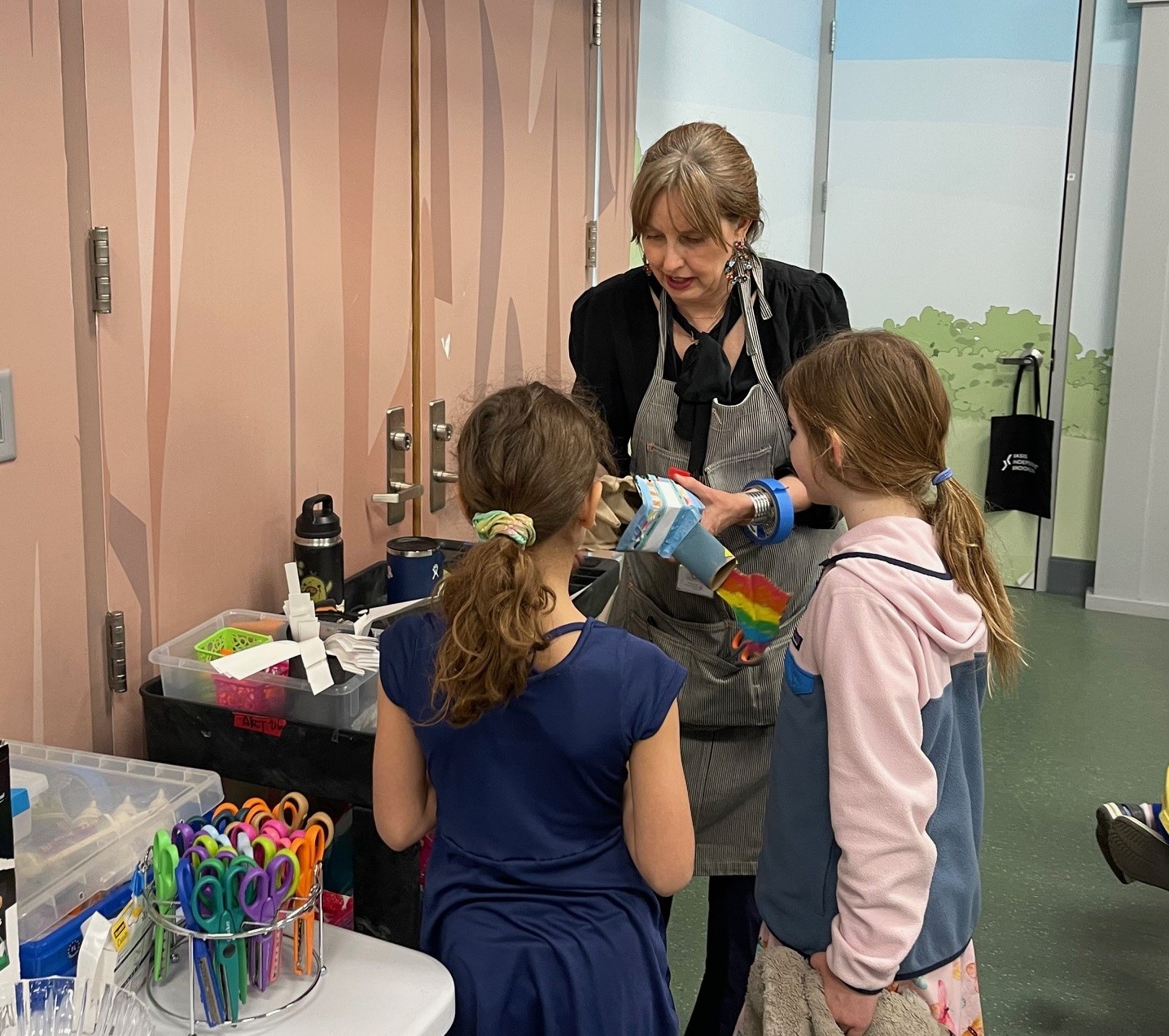
At our Lower School Coffee with School Leadership meeting in November, Visual Arts and Engineering teacher Ms. Nicole Porter delved into ways families can set up an art and makerspace at home. Her advice can help inspire our Lower School families to think of ways of setting up creative spaces that can engage students well into winter break and beyond.

“The number one question I am consistently asked in my meetings with families is how to nurture a love of art and creativity at home without letting art supplies and artwork take over,” shared Ms. Porter, who has led Visual Arts and Engineering as a Subject Expert Teacher at our Lower School campus for more than three years. Previously, Ms. Porter was an Early Education Teacher leading one of our PreK elements.

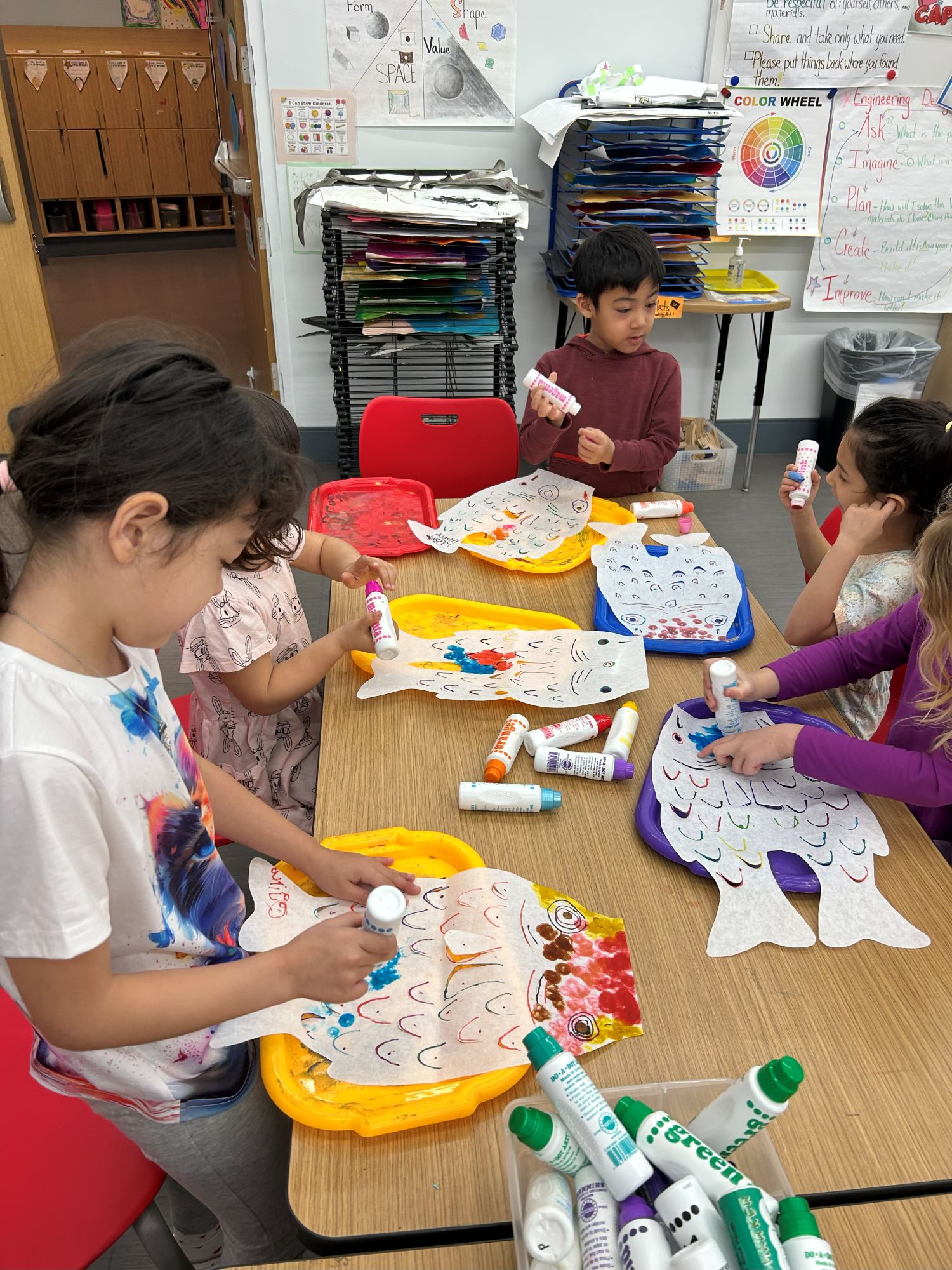
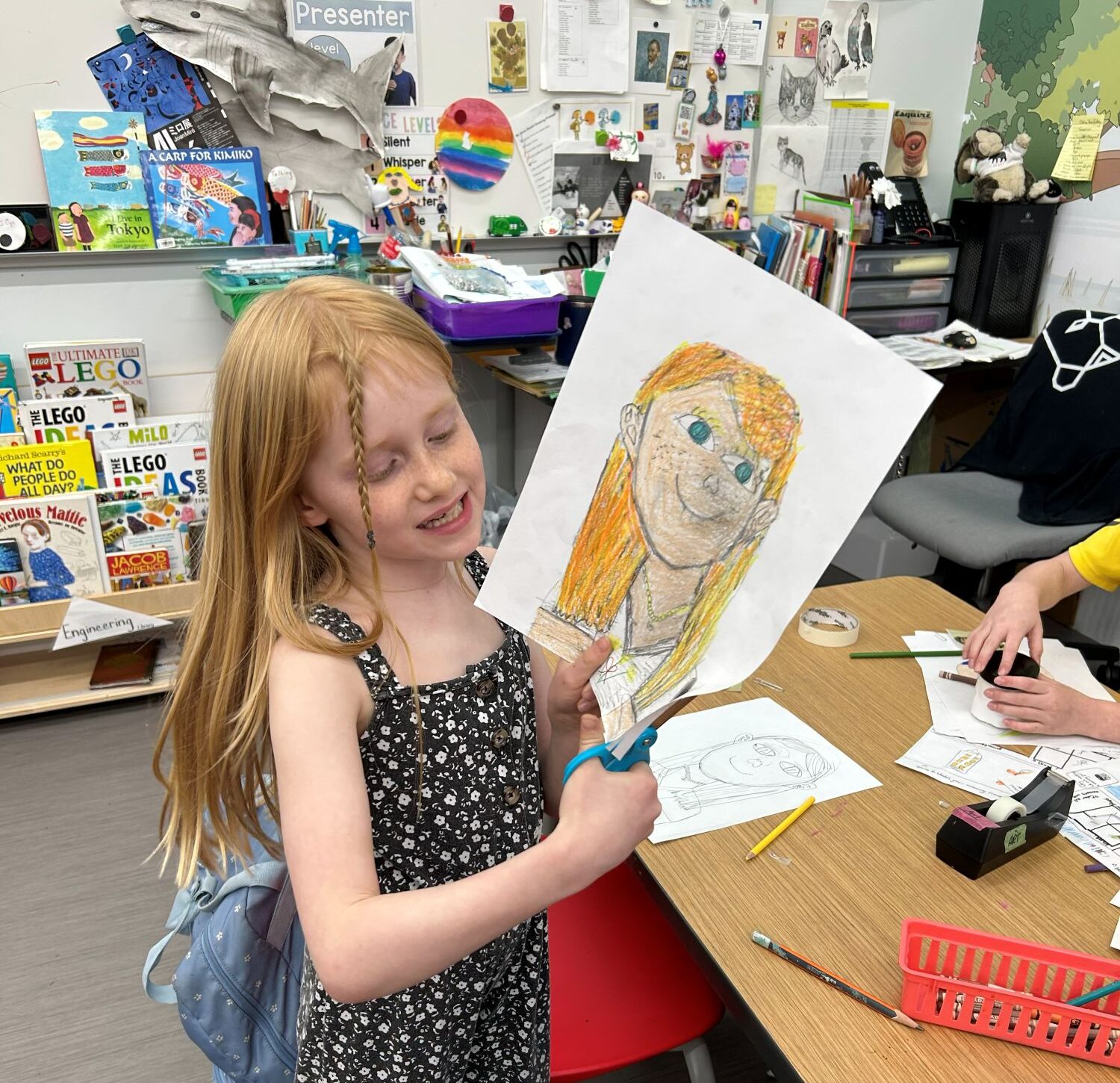
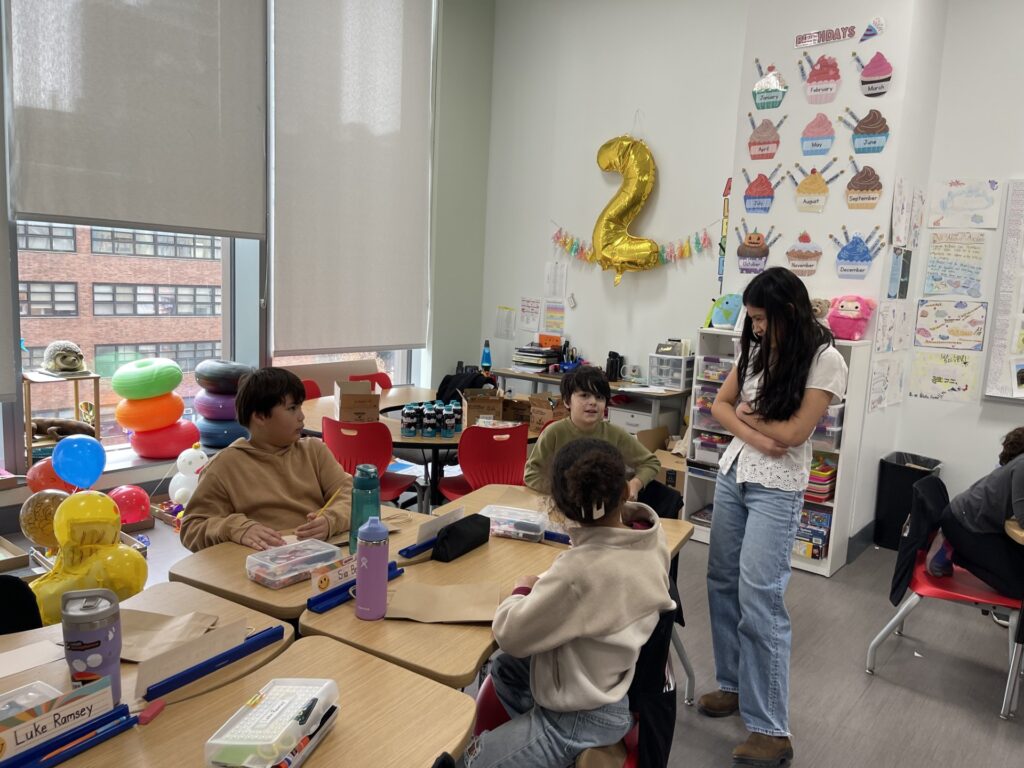
“Parents want to know how they can encourage the creativity and imagination we see in the classroom at home,” shared Ms. Porter. “In the Lower School Art Studio, students have access to multiple art materials and recycled items to utilize as they create from their imagination. Identifying a space for artmaking at home where children have materials at arm’s reach will inspire children to freely create at home. This can be as simple as a mat to set out at the dining room table and a caddy of supplies, or even a rolling cart, that your child can help to organize and maintain.”

Living in New York City presents unique challenges for families wanting to create creative spaces for their children. Establishing a dedicated area for artistic expression and creativity is invaluable for your child’s development, and it is well worth the effort. Here’s how to create an effective art and makerspace at home for your Pre-K to Grade 2 child based on Ms. Porter’s expert guidance.

Finding Your Space

Even in compact NYC living spaces, carving out a creative corner is possible. Consider some of the following ideas:

  • Repurposing part of a dining table with a washable tablecloth that kids can use for drawing and painting
  • Setting up a small table in a corner of your child’s bedroom dedicated to art and crafts
  • Setting up a rolling cart full of supplies that can be moved as needed
  • Creating a “maker bin”
    • This is a box containing some materials to upcycle: toilet paper and paper towel tubes, interesting paper, scissors, tape, glue, and some crafty notions: googly eyes, rhinestones, and stickers. Also, add in some tempera Kwik Sticks or a few markers that can be carried to whatever space is available. This is very similar to what is used at school and quite manageable in any apartment or home.

Consistency of location helps establish the routine of creative work, even if the space isn’t permanent.

Setting Up with Organization

In smaller living spaces, organization becomes crucial:

  • Consider using vertical storage with wall-mounted organizers or pegboards
  • Label containers clearly with words and pictures for young learners
  • Separate “self-serve” materials from “ask first” supplies that are messier
    • For example, tempera paint sticks may be a good “self-serve” option for your child, while liquid tempera paints are an “ask-first” item that requires more guidance to set up and to clean up.
  • Consider transparent containers so children can see what’s available
  • Pens and pencils sorted into cool and warm color cups will help children to explore color choices
  • Review and model expectations for using individual art materials at home
  • Start with just a few materials and gradually add more to the art space
  • Establish a rotation system to keep the space fresh without overwhelming

“Self-serve” ideas – with set guidelines, children can use independently:

  • Tempera Paint sticks like Kwik Sticks
  • Washable markers and colored pencils *(separated by warm and cool colors)
  • Black markers for outlining
  • Pencils
  • Scissors
  • Glue stick
  • Copy, Mixed Media Drawing 60# plus, and construction paper
  • Found materials from family adventures for collage, etc.
  • Sticky rhinestones and other treasures
  • Colorful craft and washi tape rolls
  • Stickers: dot stickers in assorted colors are fun and versatile

More possible “self-serve” items:

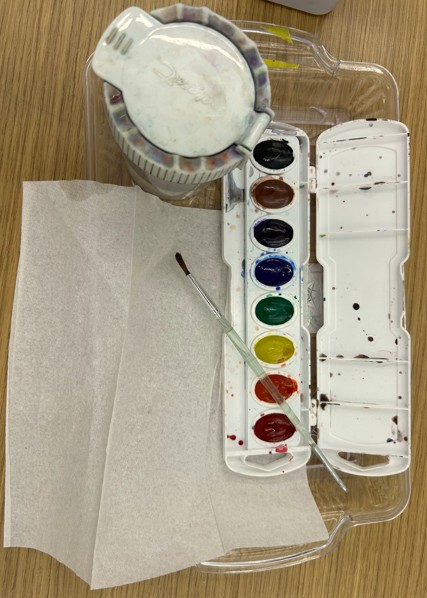
  • Watercolor paint set with a spill-free water cup and 3-4 quality brushes of different sizes
  • Tissues to blot paint
  • Model magic or clay
  • Rubber stamps

“Ask-first” ideas:

  • Paints
  • Strong craft glues
  • Clay
  • The list is endless…

City-Specific Material Collection Ideas

New York City offers unique opportunities for gathering creative materials:

  • Collect fallen leaves and found materials from family adventures
  • Gather interesting papers from packaging the neighborhood and stores
  • Visit your local art supply shop for some amazing supply options
    • Pro Tip: Stagger giving supplies to your child, so children have time to explore and learn to use different art materials. This will also keep your child interested, creating and minimizing the potential for a mess. Less is more when you are creating a materials setup that your child will be using “self-serve.” The goal is for your child to freely take, use, clean up, and return materials.

Creating Cleanup Systems That Work in Small Spaces

The goal here is to facilitate independent painting at home by establishing a routine for cleaning brushes and mixing paints that will maintain your child’s pallet of color while they paint. With a clean brush the dark colors will not cover the brighter colors that you child may desire to paint a sun or the sky. Children can create the colorful work they intend to and still enjoy the excitement of mixing new colors! In school, our motto for painting is: Swish, Wipe, Blot. This reminds artist to clean their brush between paint colors.

In homes where space is at a premium:

  • Use washable art smocks to protect clothing
  • Create visual set-up cleanup charts with photos for painting
  • Designate an area to mix paint colors so your child maintains their color palette in the paint box
  • Designate a drying area for wet artwork
    • It is best to dry paint and wet work flat, if possible, so it does not run and drip. A small wooden drying rack is versatile for materials and paper storage as well.  
  • Establish simple routines and verbal reminders to help keep materials fresh and organized
    • These are a few verbal reminders we use in Art class:
      • Artists of all ages often work on multiple projects at onceIn class,
      we say: “I put things back where I found them, as I found them.”When painting,
      • remember to ‘Swish-Wipe and Blot’ the brush between colors
      • “Snap that cap” (for markers)
  • Consider using washable materials when possible

Displaying Art in NYC Apartments

The artwork created by students should be displayed for students to take pride in what they create and inspire creative displays at home. Here are some ways to do this without student art from taking over your house:

  • Create monthly or seasonal art notebooks of like sized papers with a construction paper cover. Hold it together with 3 binder clips as used at school. This is a great way to keep project together, and it also makes them easy to store
  • Use magnetic strips on the refrigerator or a metal board
  • Install a clothesline with clips along a wall
  • Dedicate a small wall space as a rotating gallery
  • Take photos of three-dimensional creations before disassembling

Ms. Porter loves to talk about any and all ideas—even brainstorming with parents. She is the proud parent of two children who grew up in Brooklyn, so she knows the benefit of creating a vibrant art and makerspace that works within your home.

BASIS Independent Brooklyn is a PreK–Grade 12 private school, providing students with an internationally benchmarked liberal arts and sciences curriculum, with advanced STEM offerings. Considering joining the Bears community? To join our interest list for the next school year and receive admissions updates and more, please click here.
Filed Under: Early Learning Program, Faculty & Staff, Fine Arts, Lower School, School Community, Uncategorized, Visual Arts

Nurturing Hearts and Minds: How Social-Emotional Learning Shapes Students at BASIS Independent Bellevue

November 21, 2025 by emilyhughes Leave a Comment

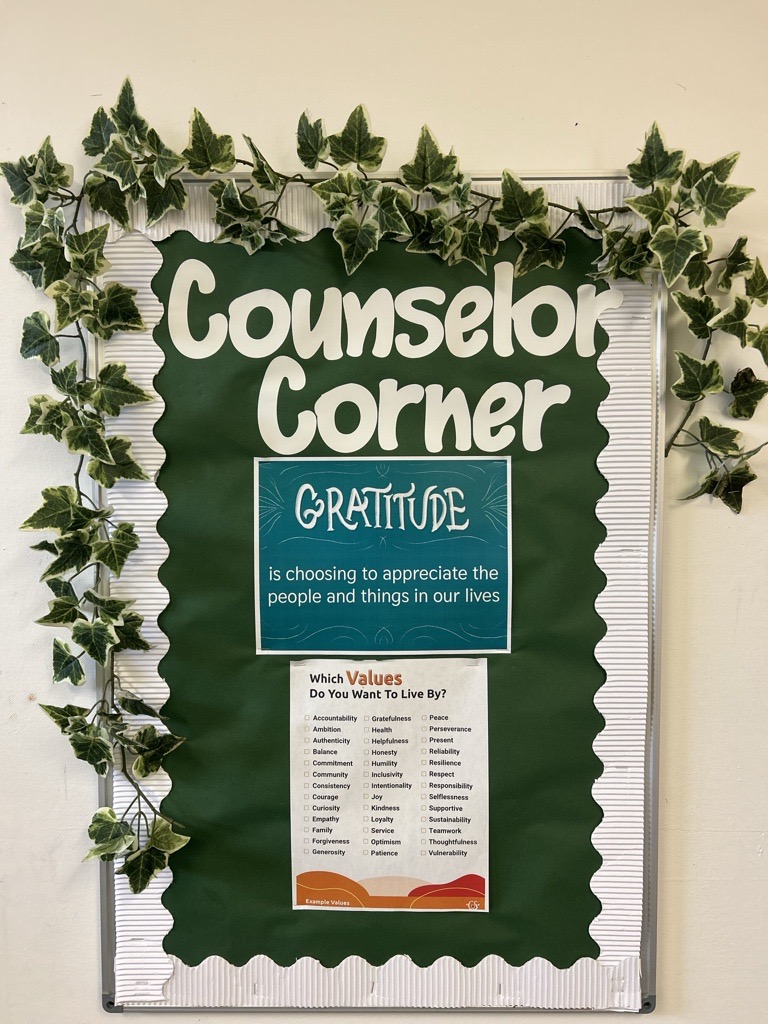
At BASIS Independent Bellevue, we believe that academic excellence and emotional intelligence go hand in hand. While our students are challenged daily to think critically, solve complex problems, and explore advanced subjects, we also recognize that success is more than a grade report. That is why social-emotional learning (SEL) is an essential part of our educational philosophy.

Through school-wide initiatives, campus events, and counseling resources, we intentionally cultivate a school culture that helps students develop skills that prepare them to become effective and compassionate future leaders.


What Is Social-Emotional Learning (SEL)?

Social-emotional learning is the process through which people acquire and apply the knowledge, skills, and attitudes to:

  • Understand and manage emotions
  • Set and achieve positive goals
  • Feel and show empathy for others
  • Establish and maintain positive relationships
  • Make responsible decisions

These competencies—outlined by organizations like CASEL (Collaborative for Academic, Social, and Emotional Learning)—form the foundation for emotional well-being and effective learning. SEL is not an “extra” in education; it’s the connective tissue that helps students thrive holistically.


Why SEL Matters

Today’s students navigate a world that is fast-paced and constantly evolving. While preparing students to rise to these challenges with their academics is vital, it can only be possible with the skills acquired during social-emotional learning. In fact, research consistently shows that SEL leads to improved academic outcomes, stronger relationships, and better long-term well-being (CASEL, 2023).

At BASIS Independent Bellevue, we see SEL as a way to help students:

  • Build Confidence: By learning self-management and goal-setting, students gain the courage to take on challenges and learn from setbacks.
  • Foster Empathy: Understanding perspectives different from their own creates more inclusive and caring classrooms.
  • Strengthen Resilience: When students learn how to navigate emotions, they are better equipped to handle stress, transitions, and the natural ups and downs in childhood.

School-Wide Initiatives: PurposeFull People and CharacterStrong

To make SEL meaningful and scaffolded across grade levels, BASIS Independent Bellevue implements two research-based programs: PurposeFull People and CharacterStrong.

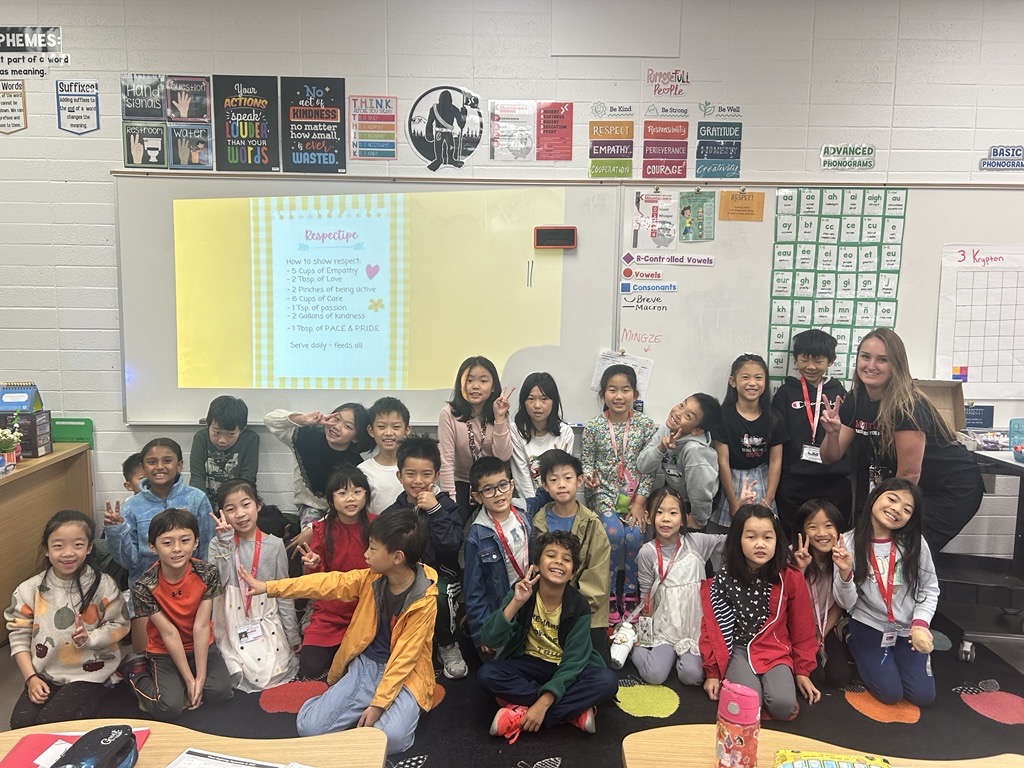
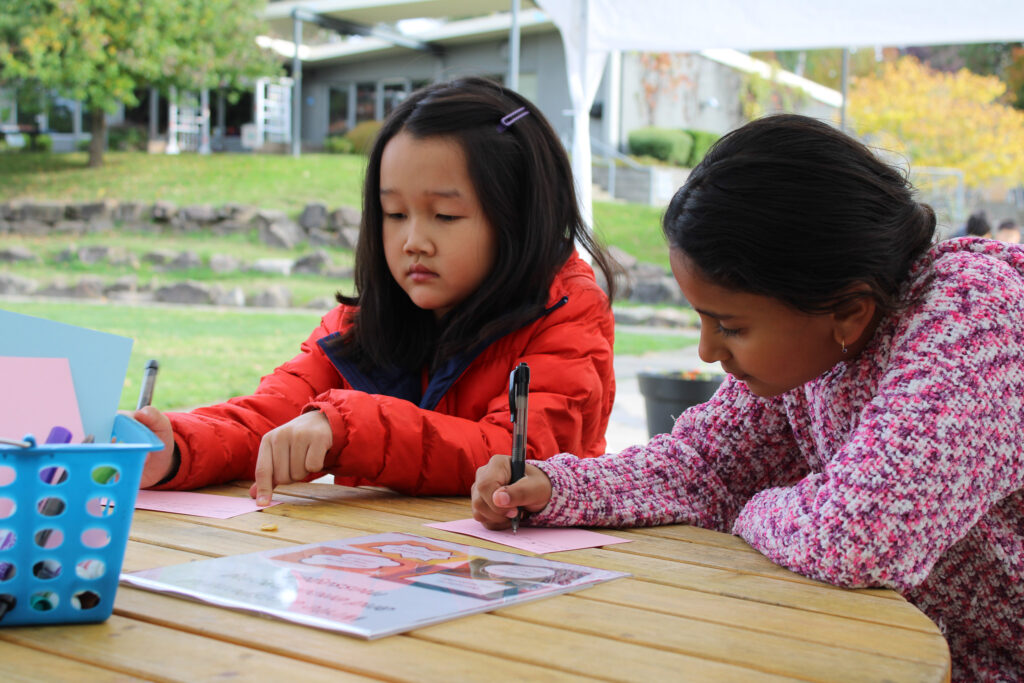
PurposeFull People, designed for younger learners, introduces foundational social and emotional skills in age-appropriate, engaging ways. Lessons and classroom activities help students explore monthly themes like responsibility, respect, cooperation, and gratitude. Students learn to name their emotions, communicate effectively, and practice empathy—all skills that create a strong foundation for holistic success. This program is delivered daily during a dedicated social-emotional learning time by our Learning Expert Teachers.

For our middle and high school students, CharacterStrong focuses on developing character and leadership through intentional practice. Weekly lessons are delivered by our Academic Enrichment teachers during a dedicated time called Mountaineer Monday. These lessons emphasize skills vital to being a Mountaineer at BASIS Independent Bellevue, such as kindness, patience, honesty, and perseverance. While our campus is united each month on the focused theme across all grade-spans, our older students take this learning to a deeper level. Rather than treating character as a one-time topic, CharacterStrong integrates these values into the rhythm of life as a young person. Setting goals for the future, discovering passions, and building resilience are central to the learning process.

Together, these programs ensure that every student, from our youngest learners to our middle schoolers, is guided through a consistent SEL framework that grows with them.


SEL in Action at BASIS Independent Bellevue

While we value setting aside intentional time to learn these skills, we recognize that SEL is not confined to a single class period—it is integrated into the daily life of our school. Our educators intentionally model the skills that we want students to develop. You will also see SEL at work when students collaborate on group projects, lead class discussions, or persevere through challenging assignments.

Beyond that, community-building events further help students connect their learning to a larger purpose—understanding how their actions affect others and how they can contribute positively to their community. The Food Drive benefitting our local Renewal Food Bank is an example of how students can put our theme of Gratitude into action during the month of November. Throughout the school year, the Student Affairs team promotes social-emotional learning through exciting and engaging campus events, such as Unity Week and Kindness Week. They also positively reinforce our school’s core values of Perseverance, Active, Community, and Empathy (P.A.C.E.) through weekly announcements and student recognition.


School Counseling Resources

Many students gain the necessary and lifelong social-emotional skills through our campus-wide learning opportunities. However, not every student is the same, which is why we recognize the importance of meeting each student where they are at. Through school counseling services, students who would benefit from additional support can feel empowered to overcome obstacles in their educational journey.

An engaging and collaborative support resource we offer for students is small group counseling. During weekly meetings, students build important skills together while increasing feelings of belonging and community. For more individualized support, students can participate in school counseling meetings aimed at helping them have more effective education and relationships within the school community. Possible counseling topics are coping with changes, transition, self-esteem, friendship and relationship issues, study skills, stress management, fears or worries, conflict resolution, social skills, adjustment to school, and more. It is common for young people to face a number of these challenges, and we are committed to helping them through difficult times.


Family Partnership

When students learn how to manage their emotions, show empathy, and act with integrity, they become not only better learners but also better friends, teammates, and leaders. These are the attributes that will serve them well both in and out of school settings. This is why partnerships with parents and caregivers is vital to the work we do at BASIS Independent Bellevue.

We prioritize sending home newsletters and conversation topics for families based upon the focused theme of the month. By following along, parents can have well-informed discussions with their student as we work together to nurture these essential skills. Parents can also tune into quarterly webinars to learn more about relevant topics related to social, emotional, and mental health.


A Foundation for Lifelong Success

At BASIS Independent Bellevue, our mission extends beyond preparing students for academic achievement—it is about nurturing thoughtful, compassionate individuals who are ready to make a positive impact in the world.

By empowering students to understand themselves and others, we give them the tools to build meaningful lives rooted in purpose and connection.


References:

Making the case for SEL. Collaborative for Academic, Social, and Emotional Learning (CASEL). (2023, June 1). https://casel.org/fundamentals-of-sel/how-can-you-make-the-case-for-sel/

Filed Under: Community Events, Community Values, Culture of Support, Early Learning Program, High School, Lower School, Middle School, Primary Program, School Community, Student Life, Student Support, Uncategorized

A Day in the Life: Grade 7

November 4, 2025 by mirandamartinez Leave a Comment

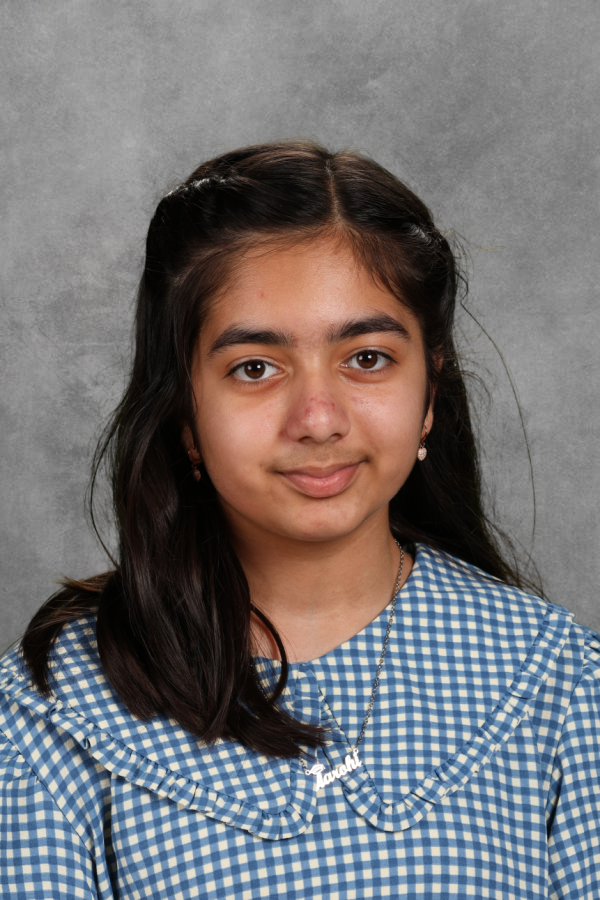
Meet Aarohi!

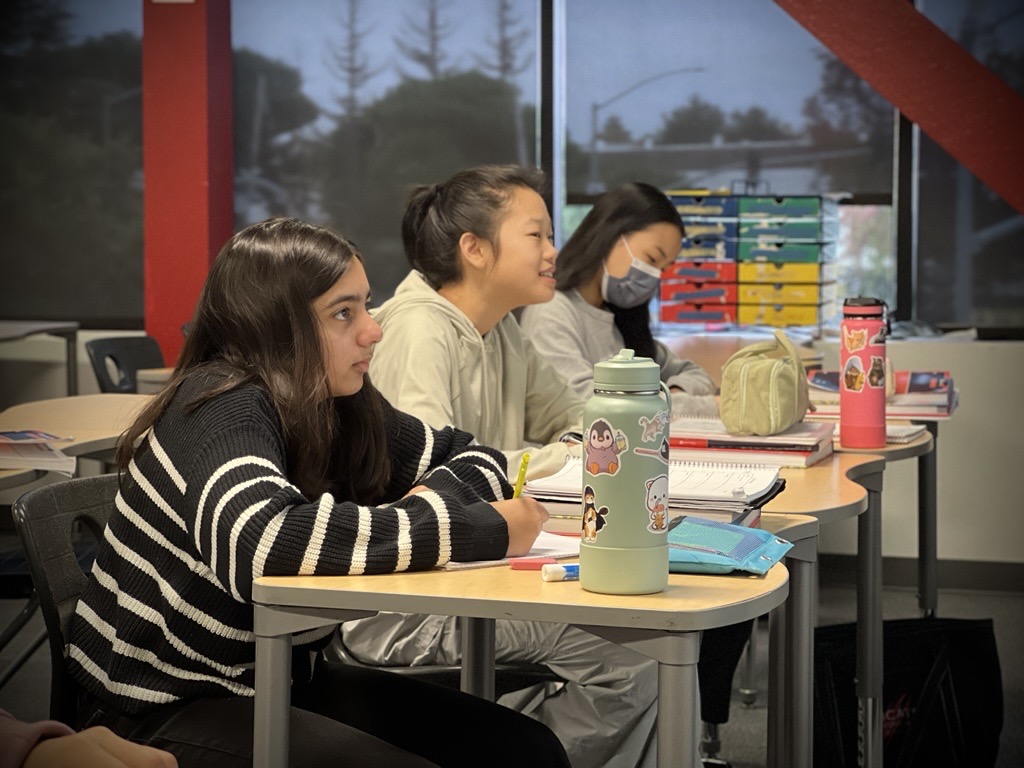
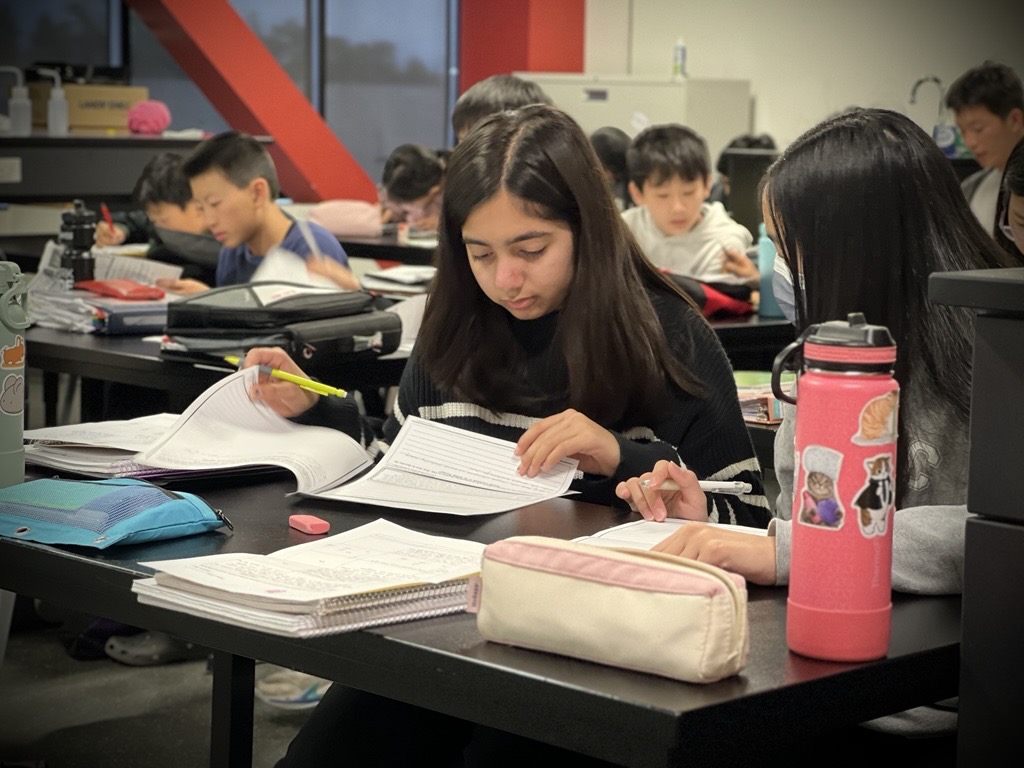
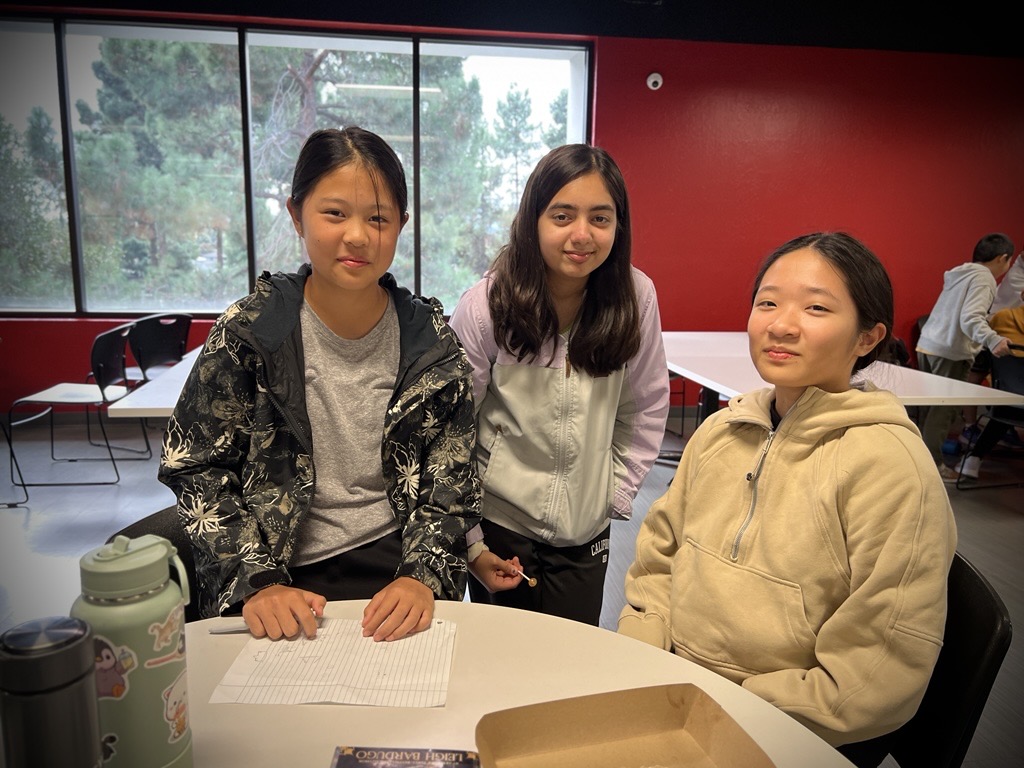
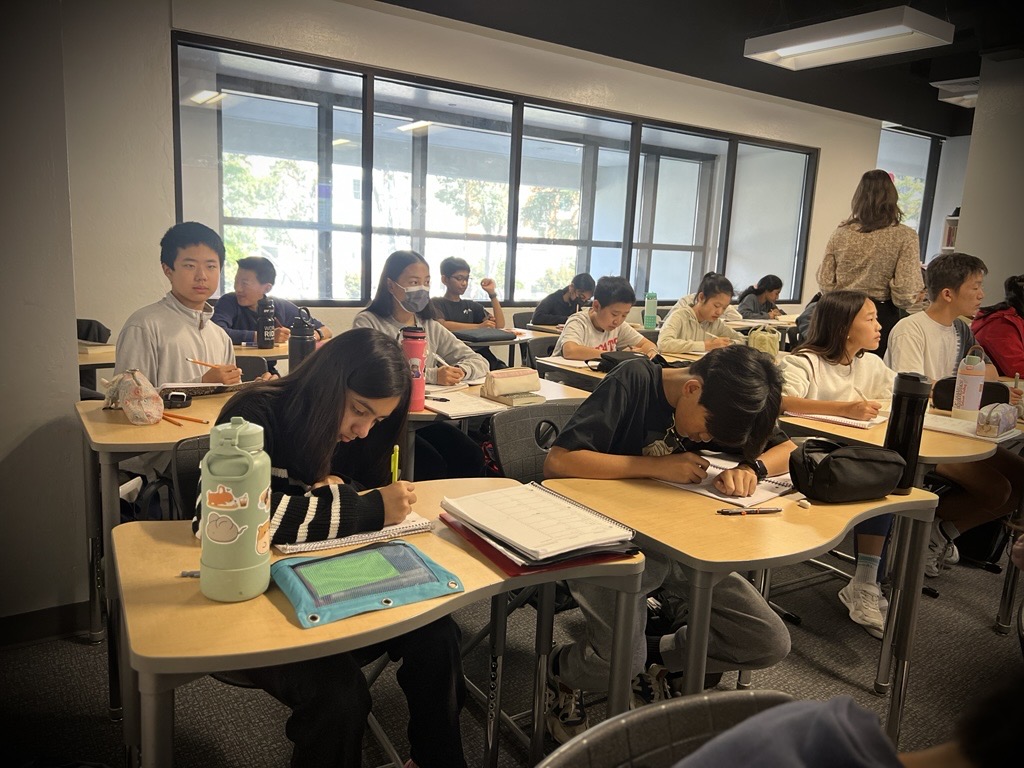
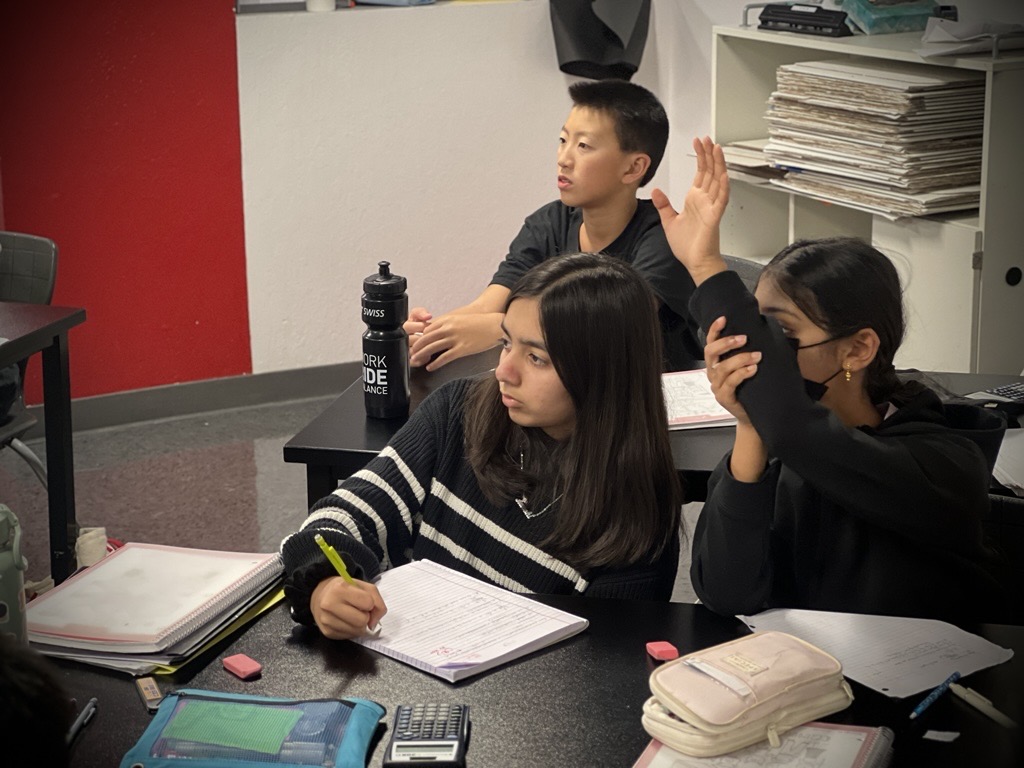
Aarohi A. is a Grade 7 student at BASIS Independent Silicon Valley who approaches each day with curiosity, creativity, and a love of learning. She enjoys exploring new ideas, connecting with friends, and challenging herself academically. We had the chance to shadow Aarohi and see what a typical school day looks like, from her first class to the last.

All BASIS Independent Schools utilize the BASIS Curriculum, an internationally benchmarked program designed to challenge students while equipping them with the skills, knowledge, and support they need to excel academically, think critically, and succeed in high school, college, and beyond. Continuously refined by curriculum experts, it ensures students like Aarohi are supported in every subject and fully prepared for the academic challenges ahead.

Period 1 | 8:25 AM – 9:10 AM | French I A

Aarohi starts her day in French class, developing listening, speaking, reading, and writing skills while building cultural awareness. Students engage in conversations and practice grammar and vocabulary to communicate effectively in real-world situations. Aarohi enjoys the energy of morning classes and starting her day with something creative and interactive.

Grade 6 students take Latin as their World Language, and beginning in Grade 7, they have the opportunity to choose between French, Latin, Mandarin, and Spanish.

Period 2 | 9:15 AM – 10:10 AM | World History & Geography II + Homeroom

History is Aarohi’s favorite subject, and it’s easy to see why. During World History & Geography II, she explores the histories of Africa, Asia, Europe, the Americas, and Oceania from 1450 to today. “I’ve enjoyed the National History Day project we just kicked off this week,” she shared. “We’ll be creating presentations based on this year’s theme, and I’m hopeful about the possibility of advancing to the competition.” The last 10 minutes of the period are dedicated to homeroom, where students catch up on announcements and connect with classmates.

Period 3 | 10:15 AM – 11:00 AM | Algebra & Geometry II

In Algebra & Geometry II, Aarohi tackles equations and problem-solving exercises that build her mathematical reasoning. She enjoys collaborating with peers and exploring creative ways to solve challenging problems.

*Grade 7 students take either Algebra and Geometry I, II, or Pre-Calculus as their math course.

Period 4 | 11:05 AM – 11:50 AM | Lunch

Aarohi’s favorite part of the day is lunch. “It’s the perfect time to relax and connect with friends from different classes before the afternoon sessions begin,” she said. Her lunch breaks are never dull — she and her friends often play Truth or Dare or, on more adventurous days, “simulate the Hunger Games in a style similar to Dungeons and Dragons!”

Period 5 | 11:55 AM – 12:40 PM | English 7

In English class, Aarohi strengthens her reading, writing, and critical thinking skills. She explores poetry, novels, speeches, and other texts while analyzing literary devices and practicing advanced vocabulary. Outside of class, Aarohi enjoys writing poems and short stories — and one of her biggest goals is to publish her own book or an anthology someday.

Period 6 | 12:45 PM – 1:30 PM | Elective MS: Computer Science II

In Computer Science, Aarohi develops her computational thinking through text-based programming projects. She learns about algorithms, web technologies, and game development while designing her own unique projects that encourage creativity and problem-solving. She’s also part of the school’s Robotics and Algorithm Problem Solving and Data Structures clubs, where she enjoys applying what she learns in class to real-world challenges.

*Grade 7 elective options can include Band/Orchestra, Computer Science, Creative Writing, Introduction to Engineering, Piano, Stagecraft, and Visual Arts

Period 7 | 1:35 PM – 2:20 PM | Physics 7

In Physics, Aarohi explores motion, forces, energy, momentum, and waves. She applies math to real-world scenarios, conducts experiments, and learns how physical laws govern the world around her.

Period 8 | 2:25 PM – 3:10 PM | Biology 7

Aarohi ends her academic day in Biology, studying the diversity of life from cells to ecosystems. She investigates natural selection, classification of organisms, and interactions between living things and their environments. During class, a group of Aarohi and her classmates were working on a biology simulation game, which made learning the concepts interactive and fun.

Office Hours | 3:15 PM – 4:00 PM

Teachers hold Office Hours throughout the week, providing flexible one-on-one or small-group support. During this time, students can ask questions, review challenging material, or dive deeper into subjects that interest them. This extra support helps students strengthen their understanding, build confidence, and stay on track with their learning.


In Middle School, students take three separate science classes: Biology, Chemistry, and Physics. On the day we shadowed Aarohi, she had Biology and Physics, while Chemistry is scheduled on other days of the week. Health and PE & Sports are also held on select days throughout the week. Taking science as three distinct courses allows students to focus on each discipline in depth, make connections across concepts, and build a strong foundation for high school science.

Beyond her academic life, Aarohi enjoys playing tennis and piano and takes pride in her leadership roles on campus. “This year, I’m proud of two particular accomplishments: speaking as a Student Ambassador at the Middle School Curriculum Night and being selected for this Student Spotlight,” she said. When asked what she loves most about being a BASIS Independent Silicon Valley student, she shared, “The amazing teachers and the supportive environment created by the staff.”

Looking ahead, Aarohi hopes to continue nurturing her creativity through writing and says her best advice for younger students is: “Study hard and do what you know you’re going to like and excel at!”

BASIS Independent Dublin is a Grades 6 – 12 private school, providing students with an internationally benchmarked liberal arts and sciences curriculum, with advanced STEM offerings. Considering joining the BASIS Independent Dublin community? To join our interest list for the next school year and receive admissions updates and more, please click here.
Filed Under: Academics, Student Life, Uncategorized

Parent Perspectives Shared at Our Fall Open House

November 3, 2025 by jogoldfarb Leave a Comment

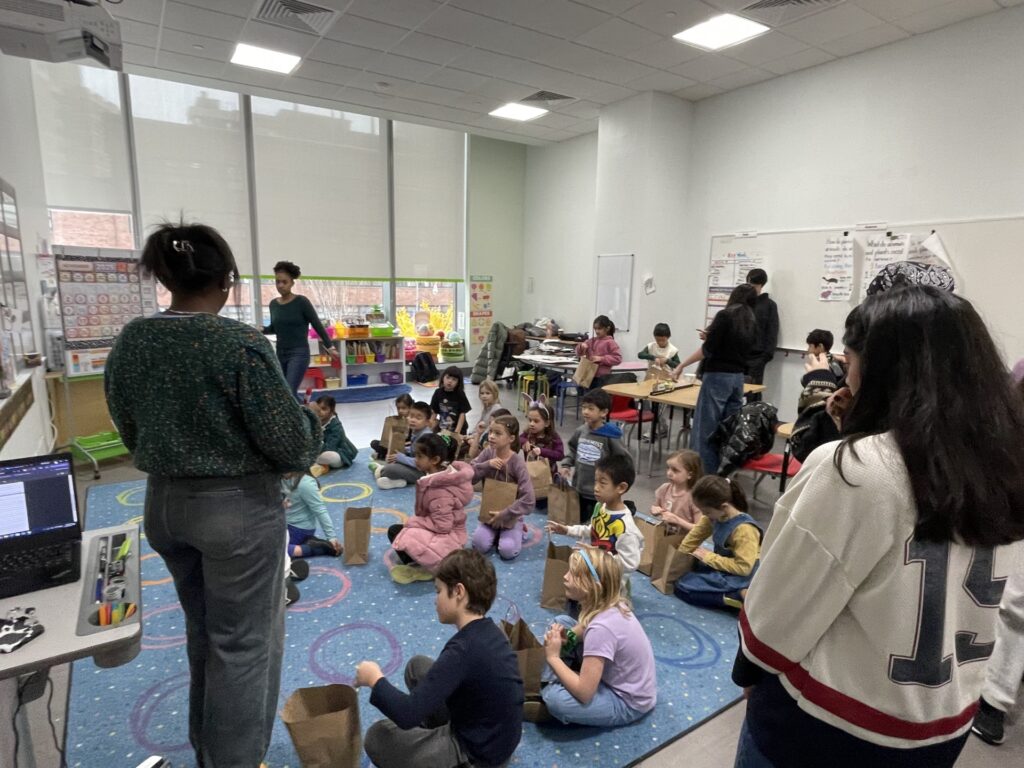
At BASIS Independent Brooklyn’s recent Open House, several parents spoke on a panel about what drew them to our school and what stands out most based on their years in our community. We wanted to capture the conversation to help others understand what makes our school stand apart. Many thanks to all our parents for sharing their experiences!

Paul C. (Dad to Jasper in Gr. 10)

We were talking to one of my wife’s aunts, who lives in Arizona, and she told us that they’re building a BASIS [Independent] School in Brooklyn, and she told us that we needed to do whatever we could to get our kid into it. She’s an educator in Arizona, so she was very familiar with the BASIS Curriculum. That’s why we came to the school and took the tour, and it was so inspirational. Literally, my wife was crying because it just felt like this is what we’re looking for.

This school has a reputation for being a really challenging school. However, the truth is, in our experience – and it’s been about 10 years now – that BASIS [Independent Brooklyn] is going to make your kid a better student, no matter what their capabilities are. That’s what’s most important.

The other thing that I loved in this whole process and journey, are the relationships that my son has developed with the teachers along the way. They talk about classes; they talk about movies and more. He’s leaned into a lot of different and varying interests here. I think that is possible when you are at a school that has a smaller student body. The school and the teachers You’re able to have a more meaningful relationship with the students and nurture their interests.

Seema S. (Mom to Sonia in Gr. 6):

My daughter, Sonia, started here in third grade, so this is her fourth year at Basis. Our family is very happy with Basis.  When we started looking at schools, we were looking at different public and private schools. My husband was very keen on BASIS Independent Brooklyn. He’s an engineer by background. So, he was looking for a rigorous STEM education. I was a little bit skeptical because I wanted a more well-rounded, and I thought BASIS [Independent Brooklyn] might be too STEM-heavy.

 We’ve been really impressed with the breadth of the curriculum.   For example, Basis offers classes in creative writing, philosophy, drama, music, and choir. The administration has been building out its sports program as well. In fourth grade, the kids put on a school play – Alice in Wonderland, and it was amazing. It was so impressive. The students even designed the props, and the acting was great. My daughter loves her creative writing class. So, I think it’s a very well-rounded education.

Ralf S. (Dad to Frankie in Gr. 5 and Alba in Gr. 7):

I’m the very lucky father of two daughters here at BASIS Independent Brooklyn. Frankie is a fifth grader, and it’s her eighth year at the school. Alba is a seventh grader, and it’s her tenth year at BASIS Independent Brooklyn. We came to the school for many of the same reasons as the other parents mentioned. In 2014, there was a newspaper article about a new school in Brooklyn with a world-class learning culture and high-level education that combines that with the joy of learning. It sounded great on paper because that’s a virtuous circle: The more they learn, the more they enjoy learning, the more they learn. It’s just this positive upwards spiral, and that’s definitely been proven to be so over the past 10 years.

Let me just pick a couple of specific reasons why we love the school.

One, my daughters learn a lot overall, but they also learn how to learn. And that’s almost more important to me than any specific subject matter. For example, they learn about time management and organizational skills. It is so important that they learn how to organize themselves, how to communicate, and how to deal with “struggle”. These kids have the skills to learn.

Second, we love that the school normalizes failure. I actually think BASIS [Independent Brooklyn] is a super nurturing school. If you look up the word nurturing in the dictionary, it says that it means “to help somebody develop and succeed.” And that’s exactly what the school and the teachers do.

As mentioned, one example is to normalize failure. For example, in science, let’s say you have a project to build a bridge, you build your project while working with your team. Then let’s say the bridge doesn’t hold the weight that you wanted it to hold. Okay, that’s fine. You deal with it. You talk to your classmates. You talk to teachers, you go to student hours, and you just try again. It’s okay to fail. And then you pick yourself up and try again.

In my opinion, one of the most important things to succeed in life is developing resilience and grit and never giving up. And BASIS [Independent Brooklyn] kids have an abundance of that because they’ve just learned this throughout their classes. I think it’s much better to have these experiences and to learn skills dealing with failure now rather than when you’re going into college.

Rajashree C. (Mom to Leandra in Gr. 5):

My daughter has been at BASIS [Independent Brooklyn] from Kindergarten. Now she is in fifth grade, so we are entering middle school. We have a lot of respect for how they manage the transition from primary to middle school. This year, we’re really navigating what it means to not have what they call a Learning Expert Teacher. Students navigate classes of their own, move from one class to another. A couple of weeks ago I came in for the Meet the Teacher Night, and sometimes I’m surprised by all my daughter learning. I went home, and I asked her, “Do you feel like this is okay?” And she responds very confidently, “Yeah, it’s fine.” And this is how it’s been. It’s been an evolution.

Whatever level your students are at, based on my experience, BASIS [Independent Brooklyn] will help your students grow and be more responsible for their own journey and their own sort of pathways. That’s what’s been most interesting to me – how Leandra has grown.

=================

Thank you to our parents for sharing their experiences with prospective families, and thank you for the honor and privilege of educating your children!

BASIS Independent Brooklyn is a PreK–Grade 12 private school, providing students with an internationally benchmarked liberal arts and sciences curriculum, with advanced STEM offerings. Considering joining the Bears community? To join our interest list for the next school year and receive admissions updates and more, please click here.
Filed Under: Academics, Admissions Events, Community Values, Culture of Support, Fine Arts, Humanities, STEM, Student Learning, Uncategorized

Rigorous Curriculum, Personalized Support: How We Help Every Student Thrive

October 31, 2025 by sarahpeterson Leave a Comment

When prospective families learn about our spiraling curriculum—where students typically work one year ahead of traditional schools and high schoolers manage 3-5 AP courses simultaneously—we often hear the same question: “Will my child be able to handle this?”

It’s a valid question, especially for families considering transferring from public school programs. But here’s what makes our approach different: academic rigor doesn’t mean leaving students to sink or swim. Our commitment to challenge goes hand in hand with an equally strong commitment to educating the whole student and providing individualized support.

Meeting Students Where They Are

Every student’s academic journey is unique. Some arrive ready to sprint ahead, while others need time to build confidence in new areas. That’s why we’ve designed comprehensive support systems that ensure each student receives exactly what they need to progress and thrive.

Throughout the school year, we use internal testing data to gain a clear picture of where each student stands. This information doesn’t just sit in a file—it drives action. Our educators use these insights to identify students who would benefit from our Enrichment and Intervention programs, creating a responsive learning environment that adapts to each child’s needs.

Enrichment: Challenging Students to Reach Higher

For students who are ready for additional challenges, our Enrichment Program provides opportunities to dive deeper and think bigger. At the Lower School, these students work with their teachers and our Specialist Expert Teacher on advanced individual or group projects that go beyond the standard curriculum.

These aren’t just “extra” assignments—they’re carefully designed experiences that integrate higher-order thinking skills like analysis, creation, and evaluation. Students apply their knowledge in new and innovative ways through hands-on activities that make learning come alive.

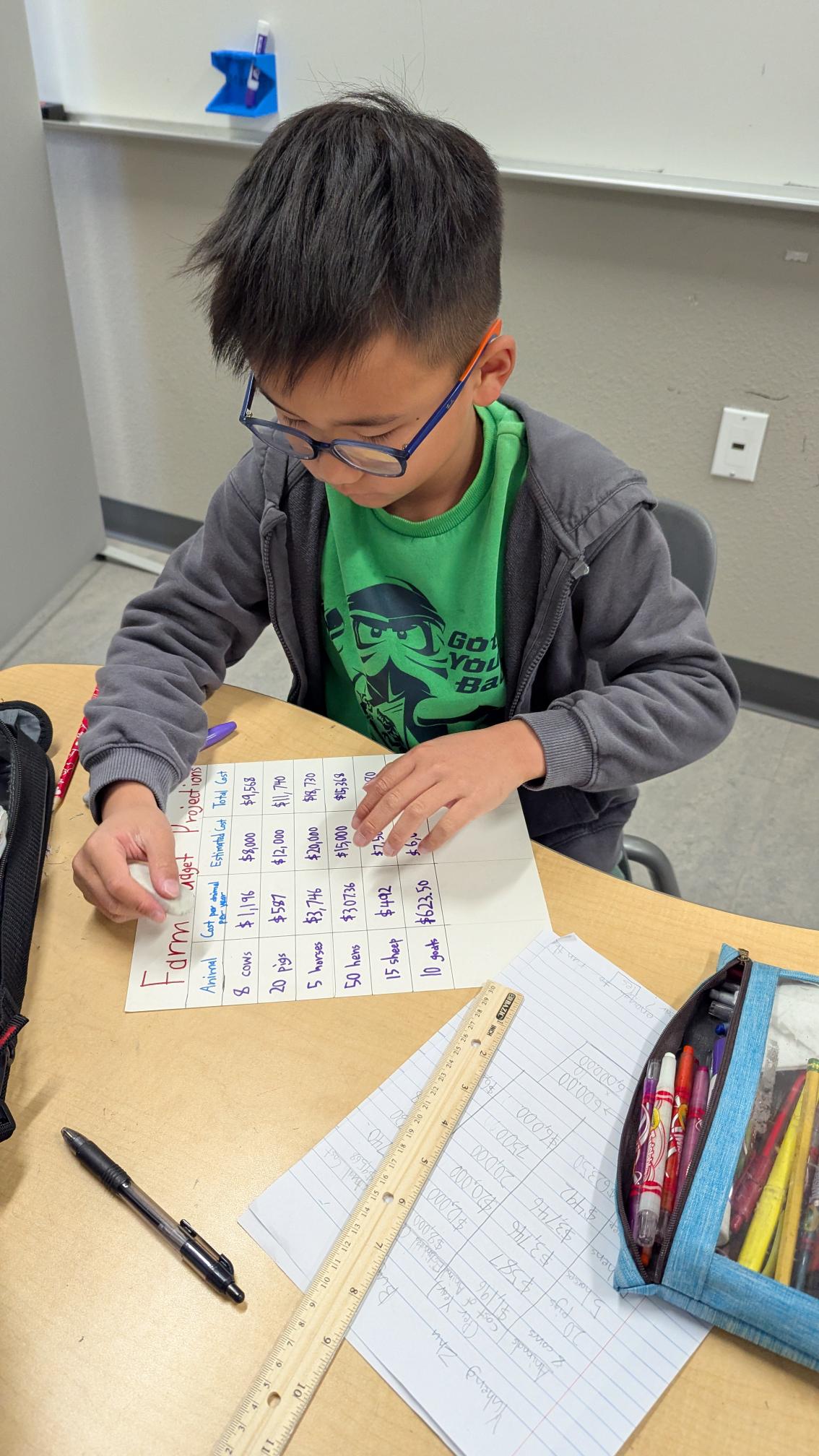
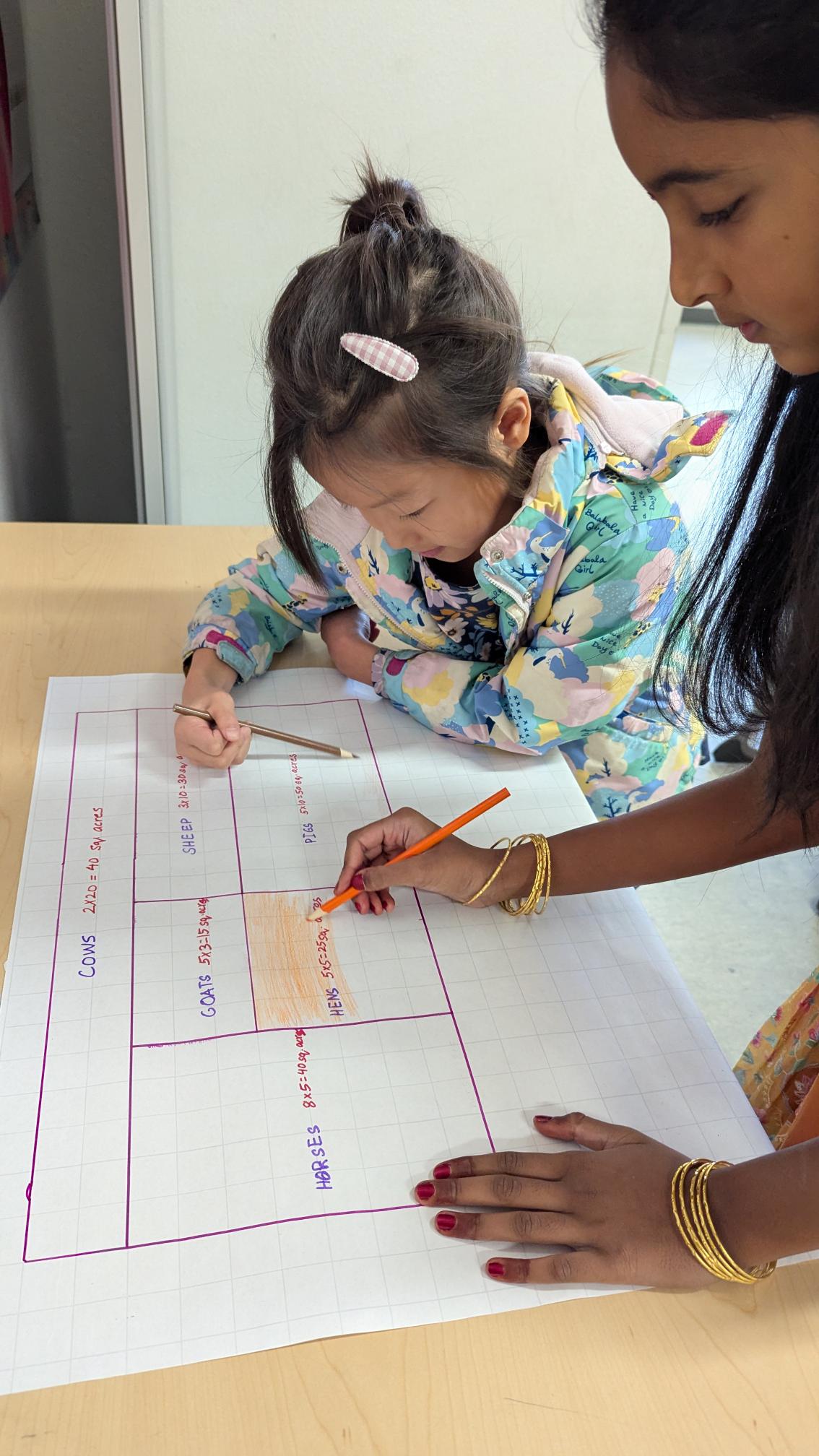
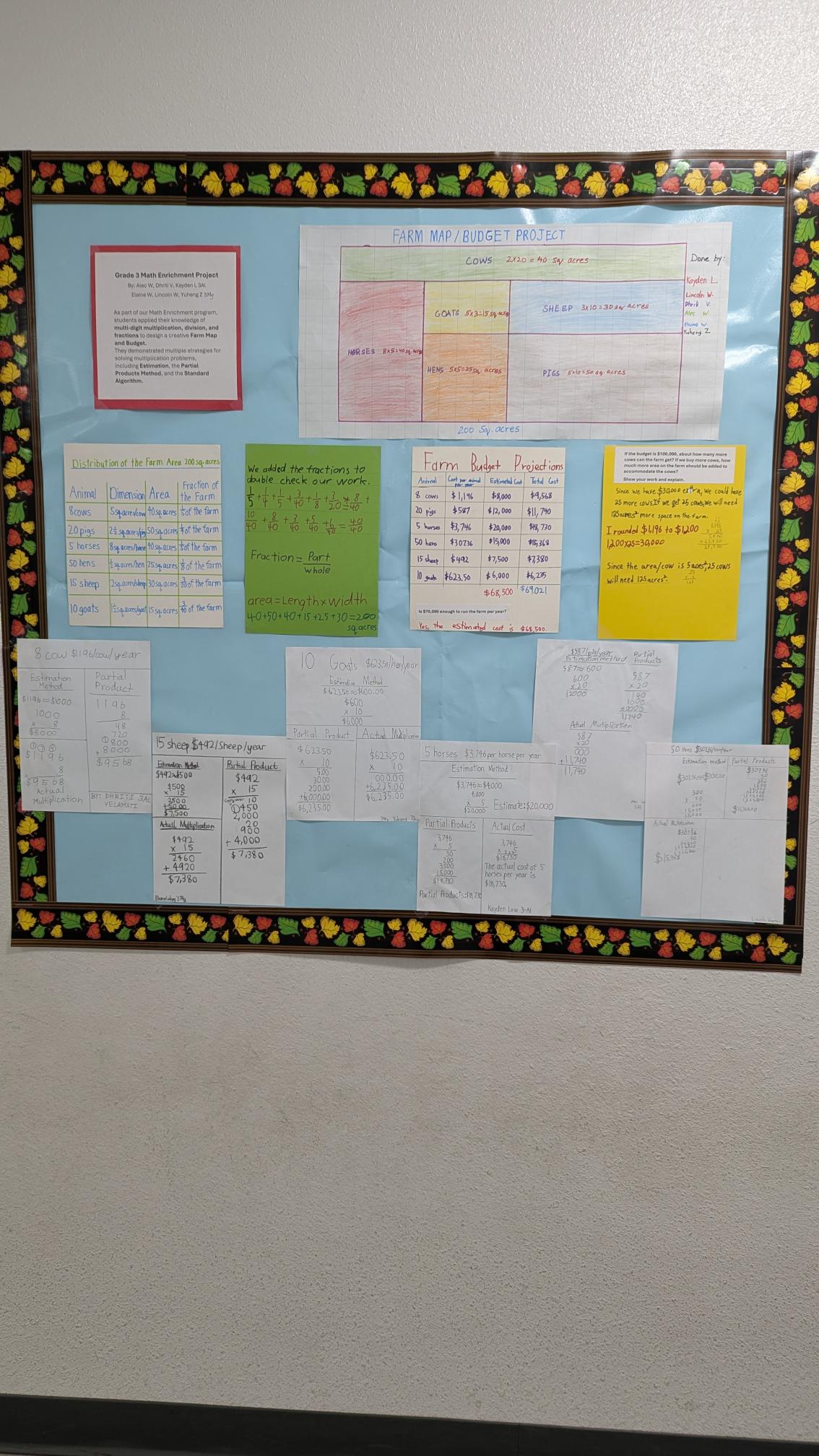
Take, for example, a project currently underway with third graders. Our Specialist Expert Teacher, Ms. Bhora, is working with students who have mastered multiplication by arrays. Rather than simply moving on to the next concept, these students are designing farms with differently sized animal pens—a real-world application that brings multiple mathematical concepts together.

“The students and I are having a wonderful time creating a Farm Map and Budget while applying multi-digit multiplication using estimation, partial product method, standard algorithm, and fractions,” Ms. Bhora explains. “So far, the students have designed a farm map featuring six different farm animals. They calculated how much area each animal will need, the fraction of the farm’s total area per animal, and added the fractions to double-check their work. They have now started working on the budgeting portion. I gave them the annual cost of raising an animal. They need to calculate the total cost per animal and estimate whether a given amount will be enough to run the farm each year. The kids and I are having a lot of fun doing this enrichment project.”

This is enrichment in action—taking mastered skills and applying them in engaging, complex scenarios that prepare students for real-world problem-solving.

Intervention: Providing Support When Students Need It

Just as some students need additional challenges, others benefit from extra support in certain subjects or content areas. Our Intervention Program ensures that no student falls through the cracks.

When a student is identified for intervention support, they don’t work with just one teacher—they work with a whole team. This includes their Learning Expert Teacher, Subject Expert Teacher, Specialist Expert Teacher, Dean of Students, and Director of Student Affairs. Together, this team creates an individualized plan tailored to address the student’s specific needs.

These customized plans might include support with organization and project management skills, in-class assistance to ensure understanding of new concepts, or one-on-one and small group sessions with our Specialist Expert Teacher at the Lower School or Director of Student Affairs at the Upper School.

What’s crucial is that this isn’t a “set it and forget it” approach. The team continuously tracks the student’s progress, adjusting the plan as needed to ensure it’s having the desired outcome and the student is moving forward.

Student Office Hours: Support on Demand

Beyond our structured programs, teachers at both our Lower and Upper School campuses offer Student Office Hours throughout the week. This open-door approach gives students the flexibility to seek help when they need it.

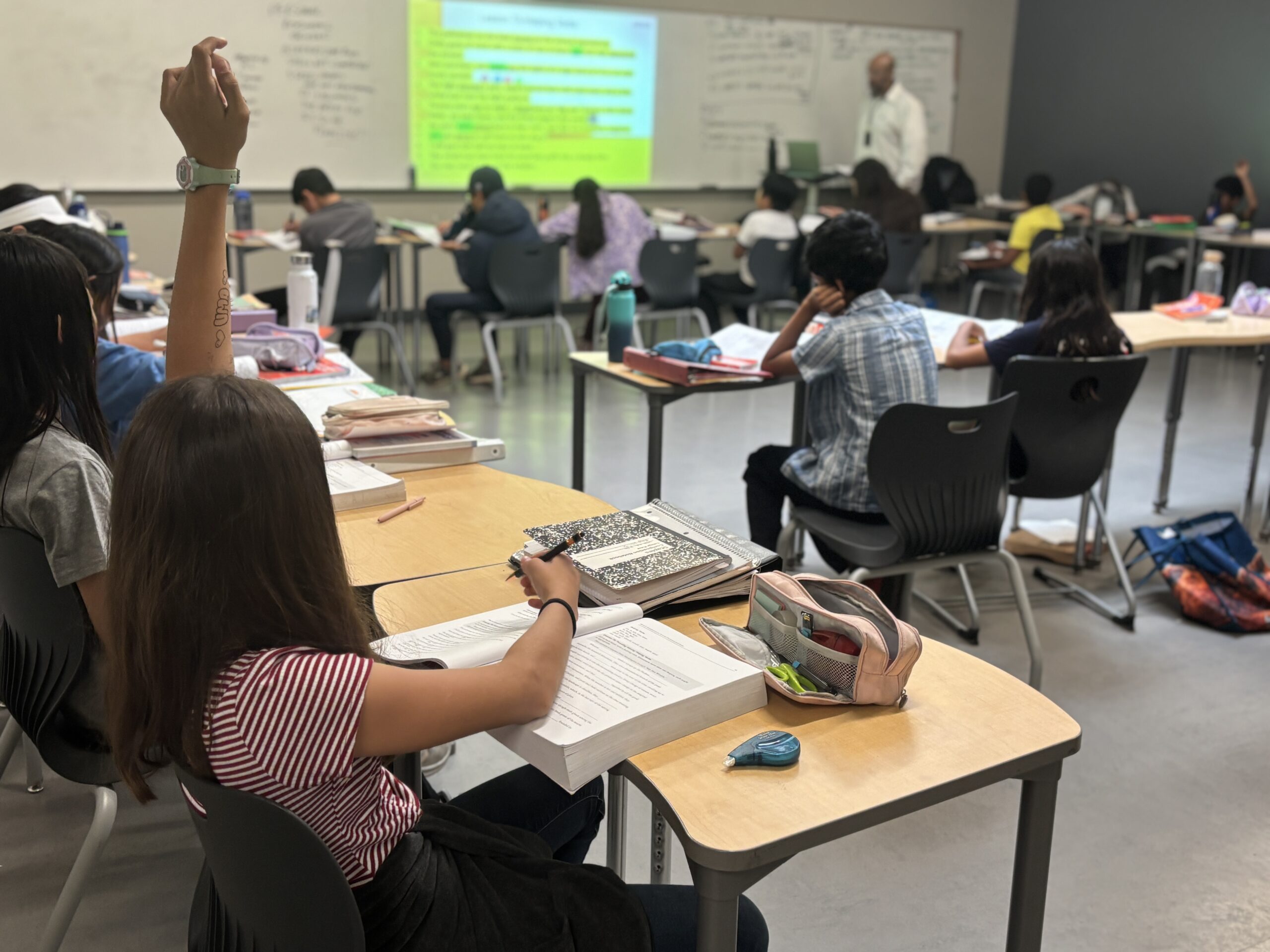
During these sessions, students can work with teachers one-on-one or in small groups. Some use this time to ask clarifying questions, while others work through challenging assignments with guidance. Still others seek additional challenges to deepen their understanding of subjects they’re passionate about.

This accessibility sends a powerful message to students: asking for help is encouraged, not stigmatized. Seeking challenges is celebrated. Your teachers are your partners in learning.

The Bottom Line

Yes, our curriculum is rigorous. Yes, we challenge students to reach higher than they might in traditional settings. We recognize that challenge without support isn’t education—it’s just stress.

Our approach ensures that every student—whether they need an extra push forward or a helping hand along the way—receives the personalized attention they need to succeed. Academic excellence isn’t about pushing every student through the same program at the same pace. It’s about helping each student discover what they’re capable of achieving when they have the right support system behind them.

That’s the difference between rigor and rigidity, and it’s what allows our students to not just survive our challenging curriculum, but to truly thrive within it.

Ready to see how personalized support and academic rigor work together? Schedule a campus tour to experience our learning environment firsthand and discuss how we can help your child thrive.

BASIS Independent Fremont is a TK – Grade 12 private school, providing students with an internationally benchmarked liberal arts and sciences curriculum, with advanced STEM offerings. Considering joining the BASIS Independent Fremont community? To join our interest list for the next school year and receive admissions updates and more, please click here.
Filed Under: Academics, Student Learning, Uncategorized

A Day in the Life: Uma V., Grade 6

October 16, 2025 by sarahpeterson Leave a Comment

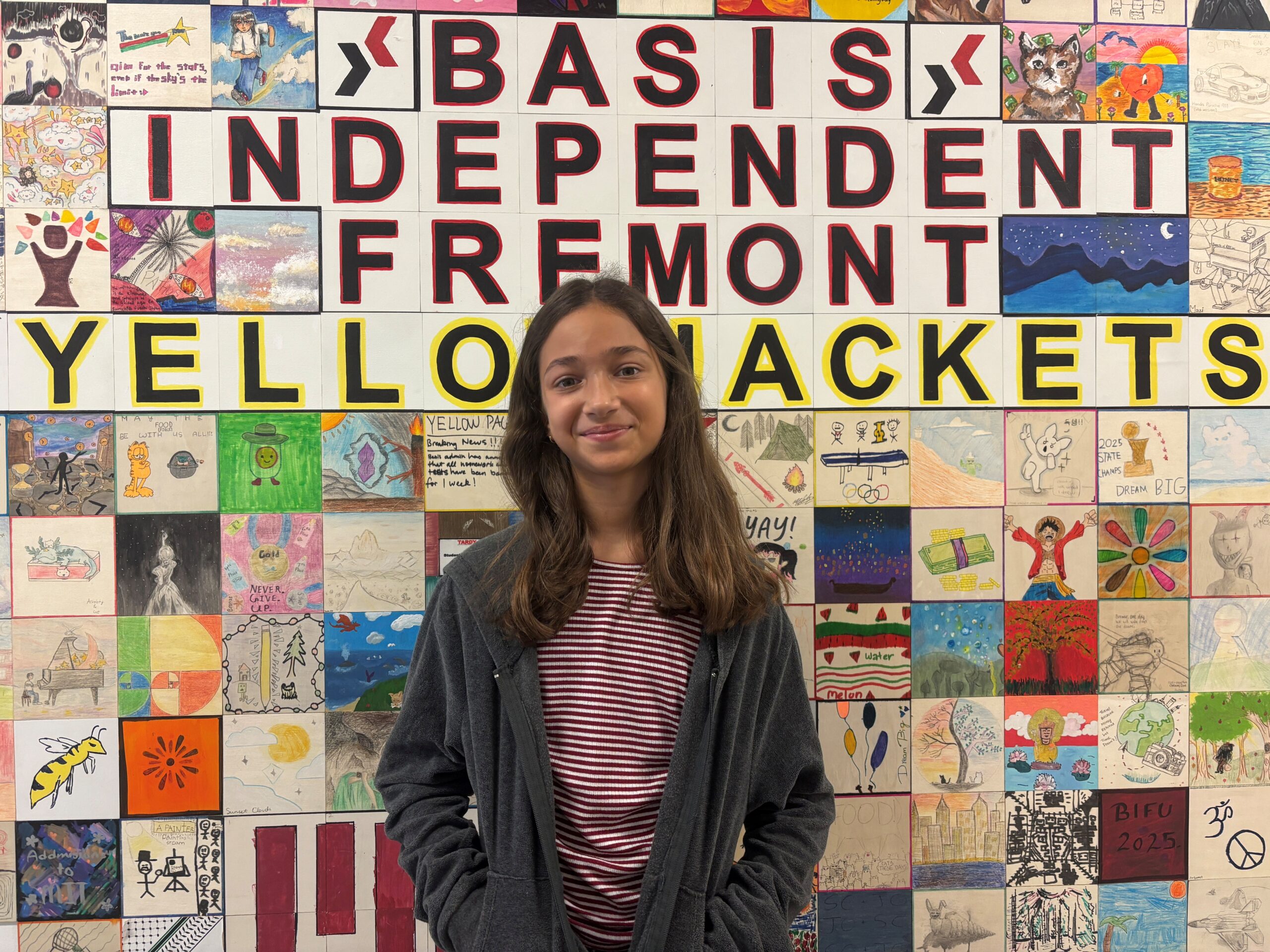
What does a typical day look like for a grade 6 student at BASIS Independent Fremont (BIF)? We followed Uma through her day to find out—and to hear how she navigated the transition from her previous private school to BIF’s rigorous academic environment.

Meet Uma

Uma joined BASIS Independent Fremont in grade 5 after moving from another private school in the area. Like many students who join in middle school, she had questions about what the transition would be like—and whether she’d find her place in a new academic community.

Today, Uma is thriving. Outside the classroom, she balances swimming (breaststroke is her specialty), soccer, piano, and will soon add fencing to her roster. She loves spending time outdoors and has built strong friendships across campus.

But the beginning of her journey looked different. “At first, I did not want to come to BIF. I didn’t want to leave my old school,” Uma remembers honestly. The first day felt overwhelming—until a classmate extended a hand. “This girl came up to me and said, ‘Hey, I’m Sunny. Do you want to sit with me at lunch tomorrow?’ I was just kind of keeping my head down the whole day, but then all of a sudden someone in my class just came up to me.”

That moment changed everything. “Actually, quickly, I really liked it. I met different people, some were from my old school, and I was able to make new friends.”

The academic adjustment took focus and effort. “Classes were obviously harder than in my old school. I struggled a little bit, but I got up to speed after about a month. My teachers were good, and they helped me, and there were Office Hours. Office Hours really help.” With the right support systems in place, Uma found her footing—and then some.

Her advice to families considering BIF? “It seems hard at first to change schools, but you know, BIF has a lot of really nice people. The teachers are kind, they’re supportive, and I’ve really enjoyed my time here.”

So what does a day in grade 6 actually look like? Let’s walk through Uma’s schedule—from Latin translation to physics experiments—and see how the combination of challenging coursework and strong support systems helps students like Uma succeed.


Period 1 (8:25–9:10 AM): Latin IB with Mr. Baldwin

Uma’s day begins with Latin, where students build vocabulary, grammar, and translation skills while exploring life in the Roman Empire. Through Latin texts and historical sources, they investigate how different people—citizens, immigrants, enslaved individuals, and women—lived and contributed to Roman society.

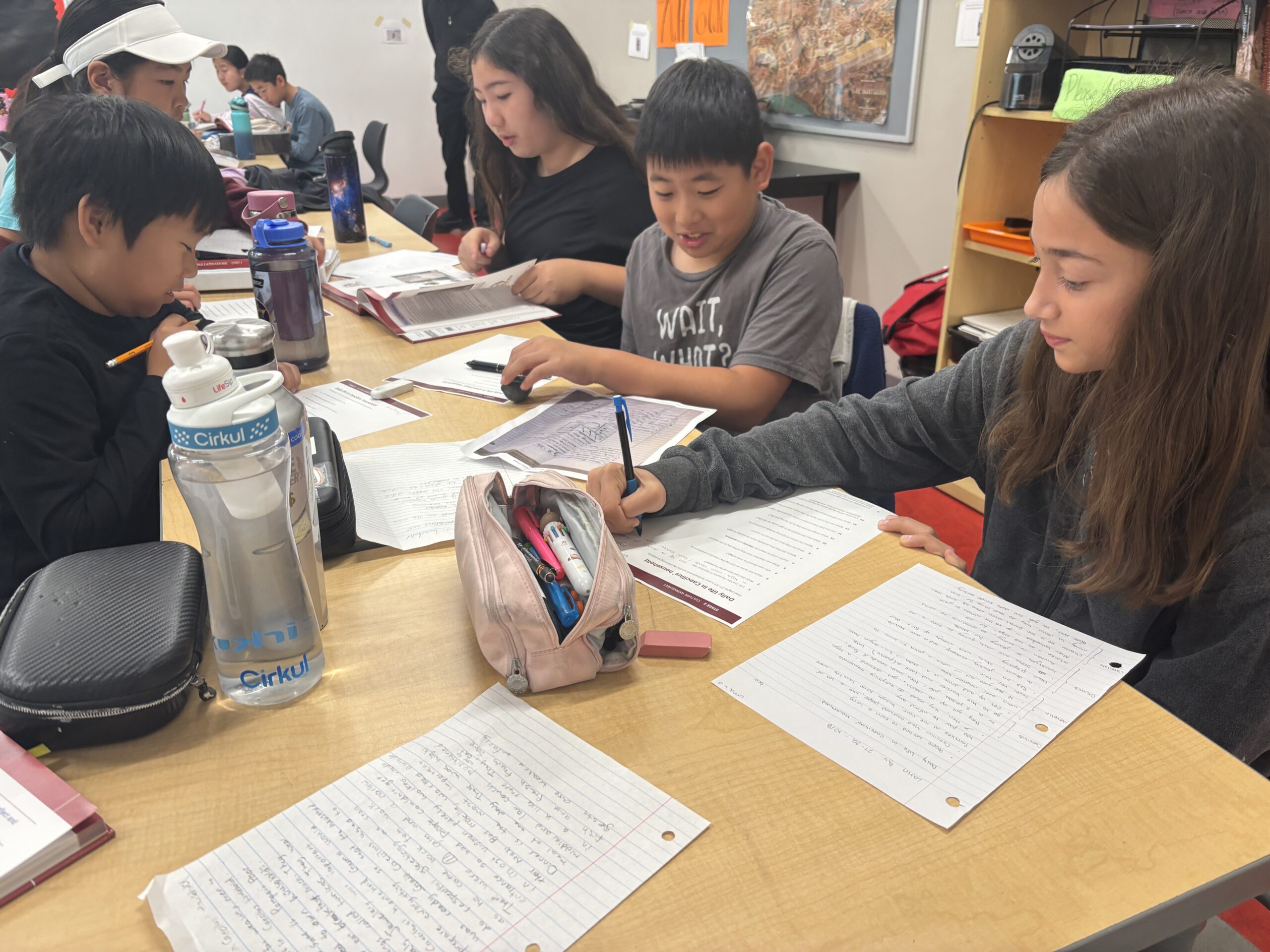
Today, students worked in their “Legions”—collaborative small groups—to answer comprehension questions before sharing insights with the class.

Academic Enrichment (9:15–9:25 AM)

This brief period gives students time to prepare for their day—finishing assignments, studying for tests, connecting with friends, or simply taking a mental break. Academic Enrichment is held outdoors in our Quad and is monitored by a combination of teachers and administrators, specifically our Student Affairs team, ensuring students have a safe and supportive environment to start their morning.

Period 2 (9:30–10:15 AM): PE & Sports 6 with Mr. Mosley

Physical education for grade 6 emphasizes communication, perseverance, and learning to respond constructively to both success and setbacks. Students explore the FITT principle and develop healthy habits that extend far beyond middle school. FITT stands for Frequency (how often), Intensity (how hard), Time (how long), and Type (what kind).

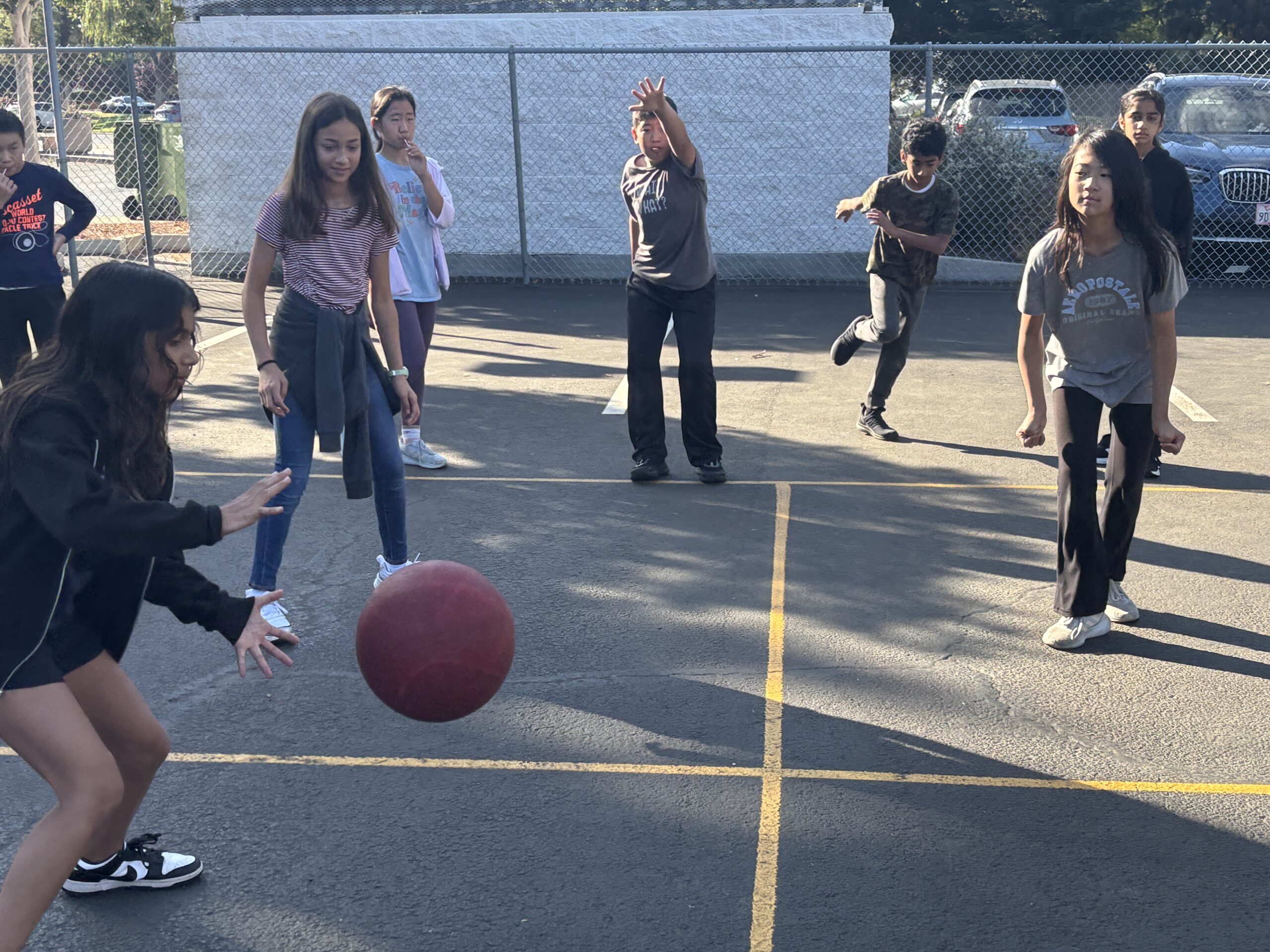
This week introduced flag football, with students learning gameplay fundamentals and building teamwork skills on the field.

Period 3 (10:20–11:05 AM): Pre-Algebra with Ms. Yaru

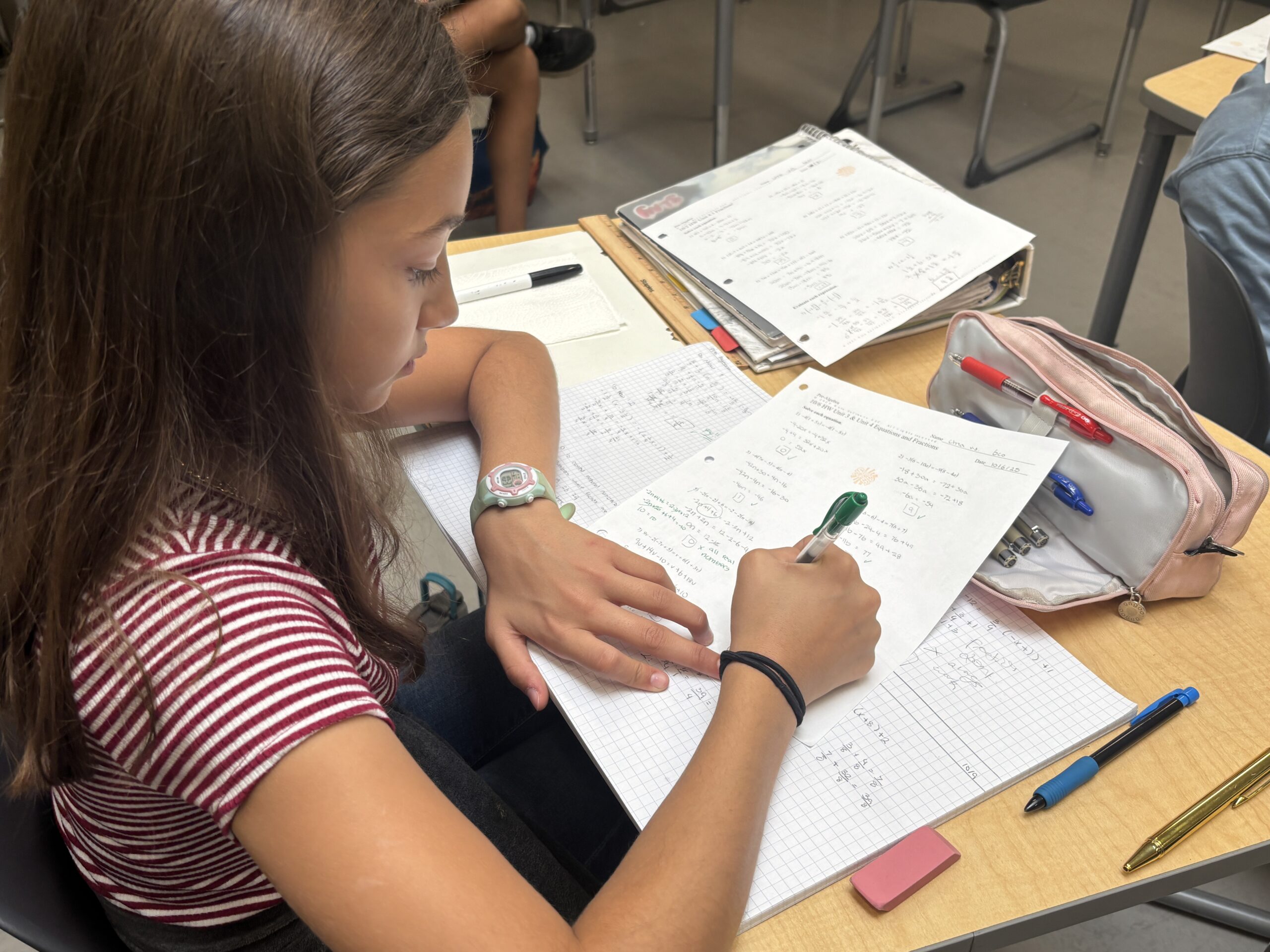
Pre-Algebra bridges arithmetic and higher-level mathematics, preparing students for Algebra I and Geometry. The curriculum covers essential concepts, including fractions, decimals, proportions, algebraic expressions, scientific notation, and real-world problem solving.

Today, students worked through algebraic equations—and Uma has discovered something unexpected. “My favorite class is Math. I never thought I’d say that, but Ms. Yaru makes it nice and easy. I like the way she teaches.”

*Grade 6 students take either Pre-Algebra or Algebra I and Geometry as their math course.

Period 4 (11:10–11:55 AM): Lunch

BIF offers a hot lunch service that caters from several local restaurants, providing multiple menu options from each. The restaurants rotate throughout the year, giving students variety in their daily choices.

During lunch, Uma plays four-square with friends. The competitive game sometimes brings intense moments, but she’s developed perspective. “I think I’ve just gotten a little bit more mature since coming to BIF. I’ve learned how to deal with situations and just go on with it.”

Period 5 (12:00–12:45 PM): Middle School Art with Teacher Danae

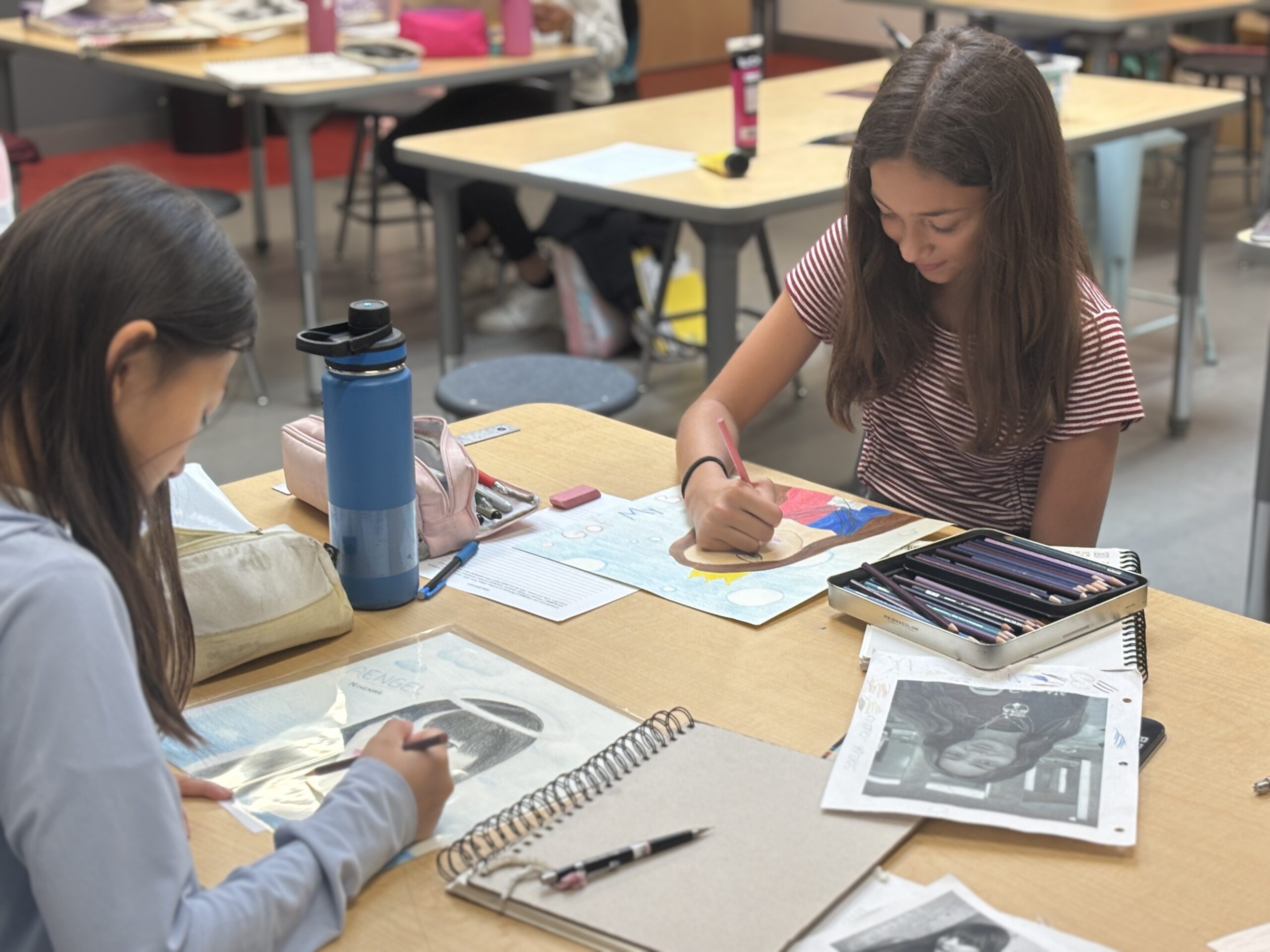
Students in grade 6 select a fine arts elective. Uma’s is Art. In this elective, students develop 2-D and 3-D art-making skills through traditional and contemporary techniques. The course emphasizes individual expression, historical perspective, and art as communication, with projects inspired by both contemporary and historical artists.

Students are completing their Album Cover Portraits, creating transformative works based on reference photos of subjects meaningful to them. Uma’s portrait features her older sister.

Period 6 (12:50–1:35 PM): English 6 with Mr. Gailliard

English 6 develops lifelong communication skills through five core components: conventions, reading, writing, scholarship, and reasoning. Students strengthen their command of grammar and punctuation while building critical thinking abilities and foundational research skills that support learning across all disciplines.

Today’s focus was on identifying helping verbs—fundamental building blocks of effective writing.

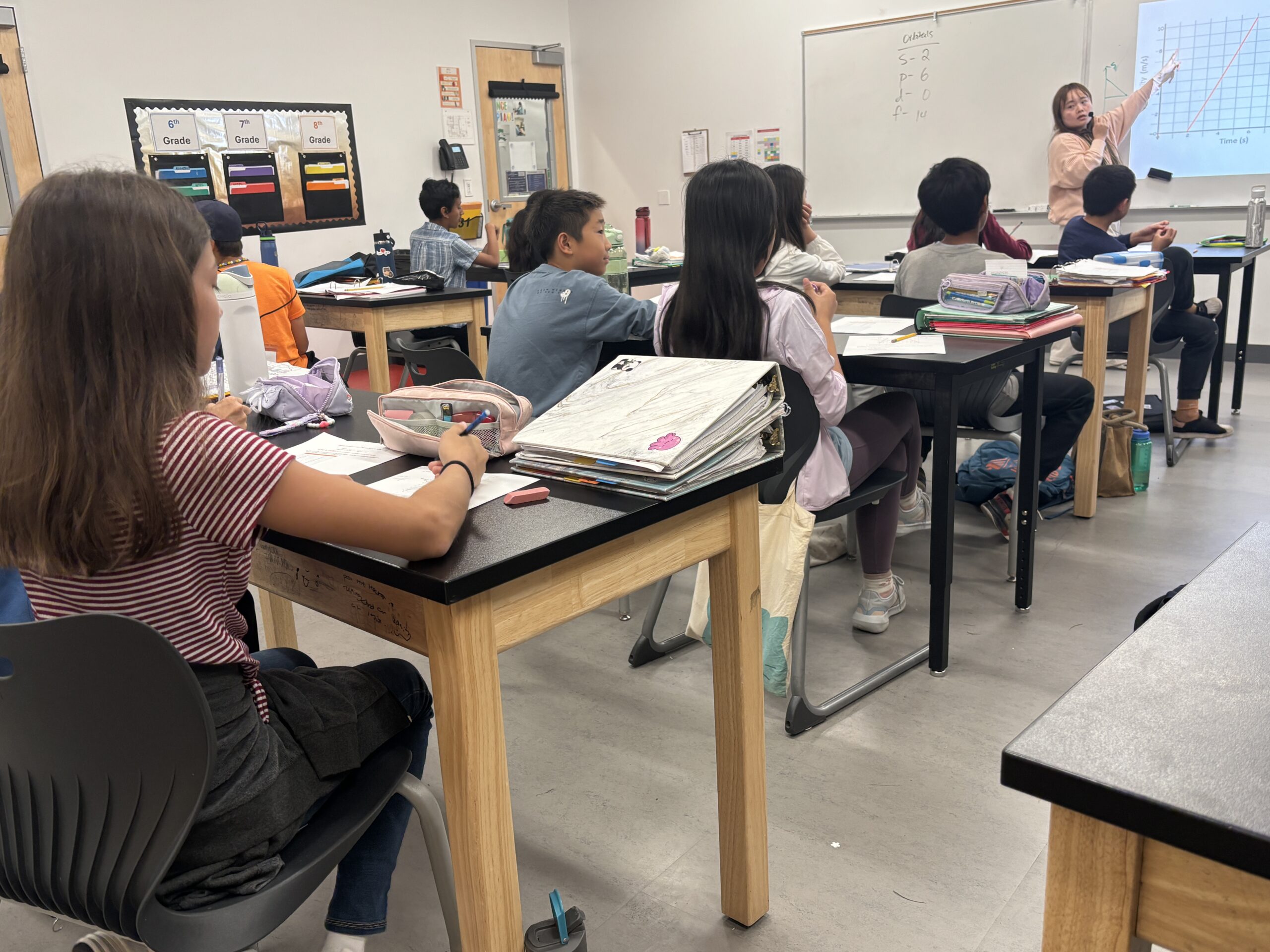
Period 7 (1:40–2:25 PM): Physics 6 with Ms. Yaru

Physics introduces students to the language that describes the physical world around them. Through core topics including motion, forces, energy, and electricity, students learn to apply mathematics to physical relationships. Hands-on demonstrations and laboratory sessions help students investigate everyday physics—from how bicycles work to what happens inside a battery.

Today, students learned to calculate speed using the gradient of a distance-time graph, connecting mathematical concepts to physical motion.

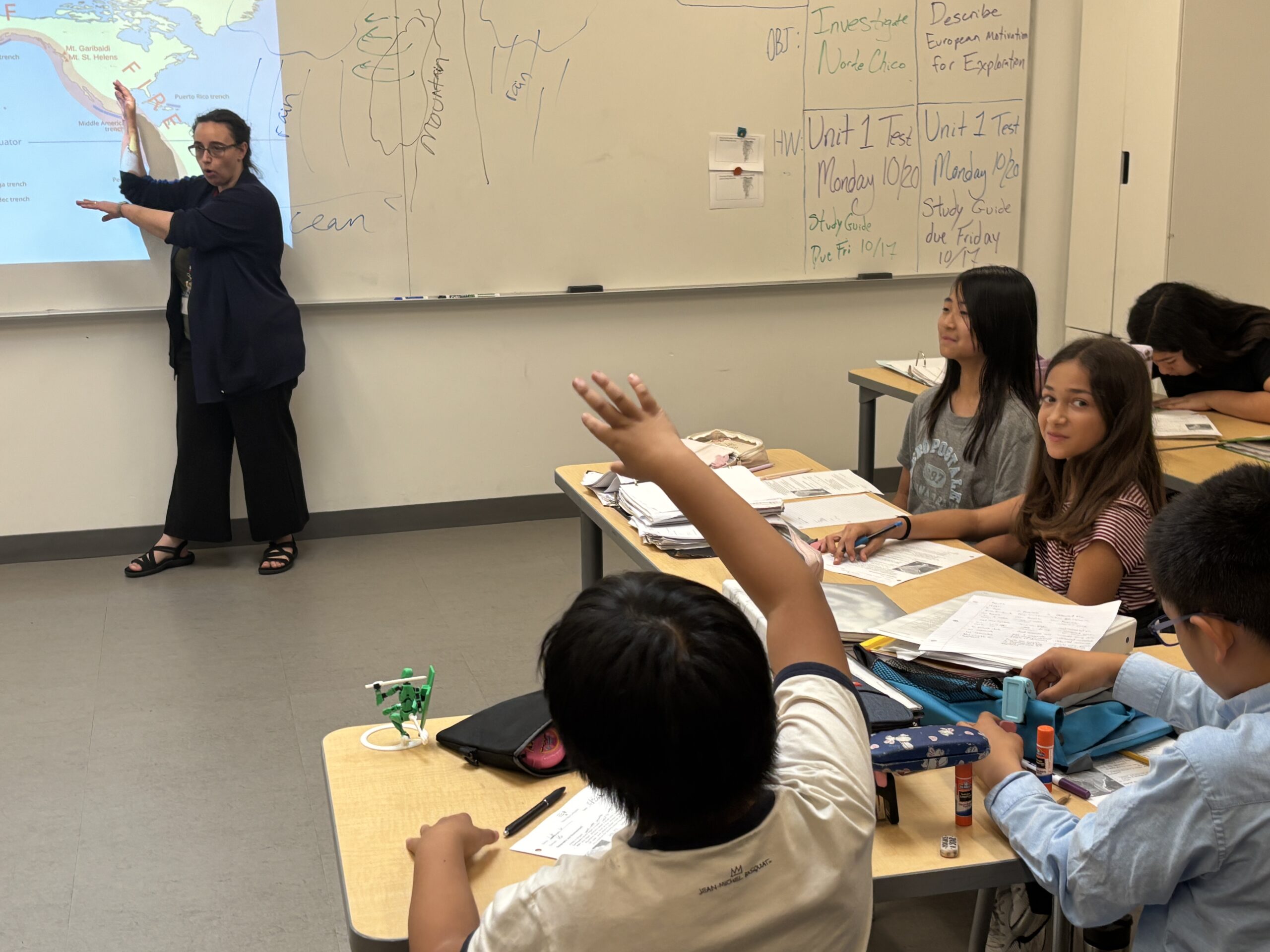
Period 8 (2:30–3:15 PM): World History & Geography I with Ms. Sagal

This course traces global human history from the Paleolithic Era through the Renaissance, examining major events and civilizations across Africa, Europe, Asia, Oceania, and the Americas. Students develop historical thinking skills—comparing civilizations, analyzing causes and effects, and constructing arguments from primary and secondary sources.

Today’s lesson explored the social and political characteristics of the Norte Chico civilization, one of the earliest complex societies in the Americas.

Office Hours (3:20–4:00 PM)

Teachers hold Office Hours throughout the week, for both students and parents, offering flexible one-on-one and small group support. Students use this time to ask clarifying questions, work through challenging material, or explore subjects more deeply. One day each week, grade 6 students enjoy unstructured outdoor time during this period.

While today is an outdoor day, Uma typically spends Office Hours with Ms. Yaru, working on math. “I did not want to do Office Hours at first, but this year, I’ve gone to all the math office hours, and it’s really helped me. I was not good at math before, but now I think I’m doing pretty well.”


After school, Uma heads to swim practice to work on her breaststroke technique, soccer training, or piano lessons. With fencing starting soon, she’s adding another dimension to her already active schedule—proof that rigorous academics and rich extracurricular experiences go hand in hand at BIF.

Learn more about our Middle School Program here.

BASIS Independent Fremont is a TK – Grade 12 private school, providing students with an internationally benchmarked liberal arts and sciences curriculum, with advanced STEM offerings. Considering joining the BASIS Independent Fremont community? To join our interest list for the next school year and receive admissions updates and more, please click here.
Filed Under: Academics, Middle School, Student Learning, Student Life, Student Perspectives, Student Spotlight, Uncategorized

Meet Our Teachers: Featured Educators from Our Community

September 25, 2025 by sarahpeterson Leave a Comment

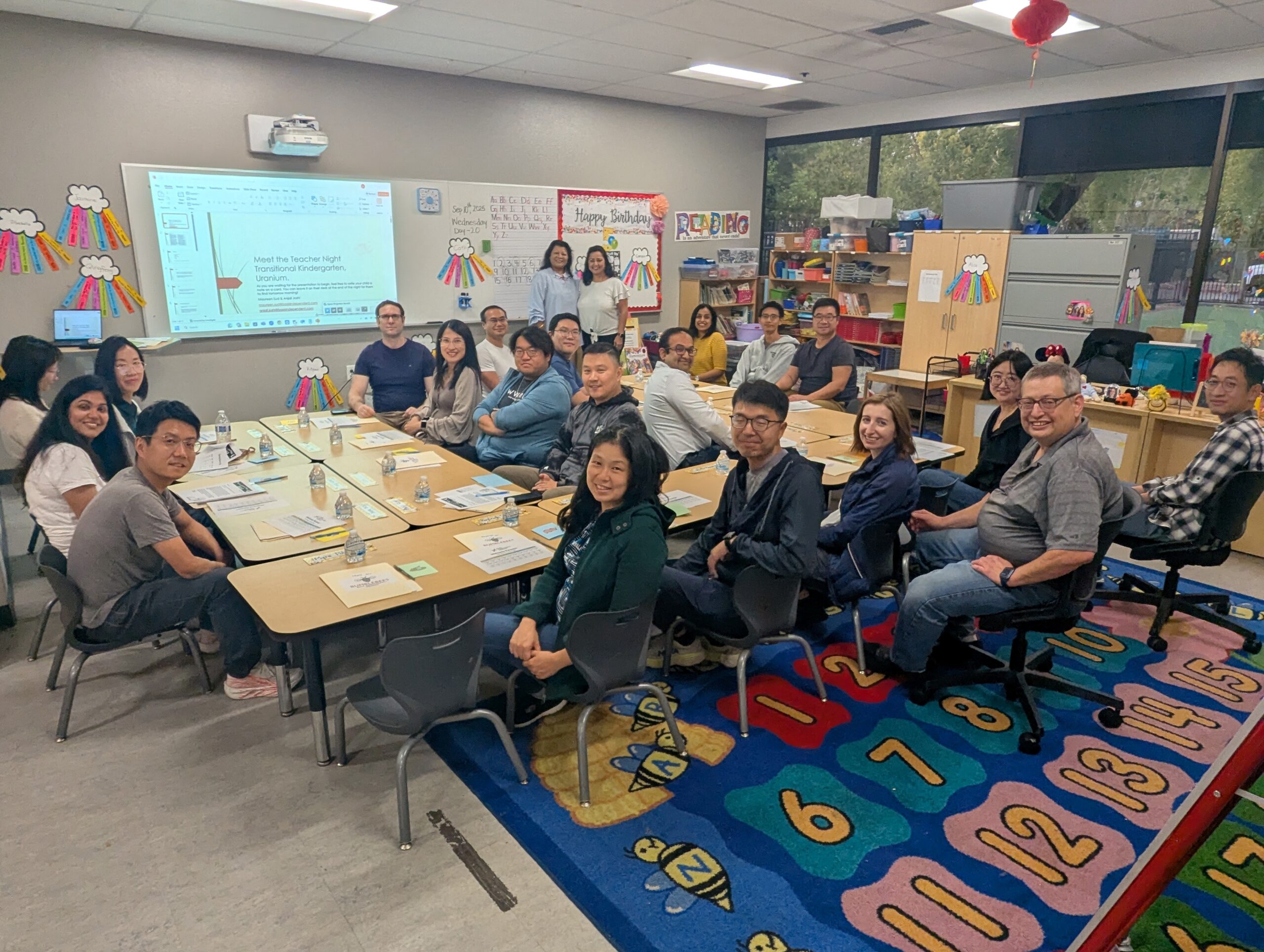
This month, our annual Meet the Teacher Night brought BASIS Independent Fremont families together to explore our campus and gain valuable insights into the learning environment that shapes their children’s educational experience. Our teachers opened their classroom doors wide, sharing their passion for education and giving parents that coveted “inside scoop” on what makes learning at BASIS Independent Fremont so special. While Meet the Teacher Night gave a taste of what’s in store, we wanted to take this opportunity to dive deeper and introduce you to three of our exceptional teachers who are making a tremendous impact on our students’ lives.


Getting to Know Our Incredible Educators

Mr. Kasper: Engineering Wonder and Curiosity

Our beloved Engineering Subject Expert Teacher for grades TK–4, Mr. Kasper, has been a cornerstone of our school community for years. His passion for education was cultivated during 17 years of teaching in South Korea, where he discovered his true calling working with elementary students.

What makes Mr. Kasper truly special is his infectious curiosity—the same quality he loves nurturing in his students. “I love teaching because every question from a curious child and every spark of creativity in their work reminds me that learning is not just about answers—it’s about the joy of discovery,” he shares.

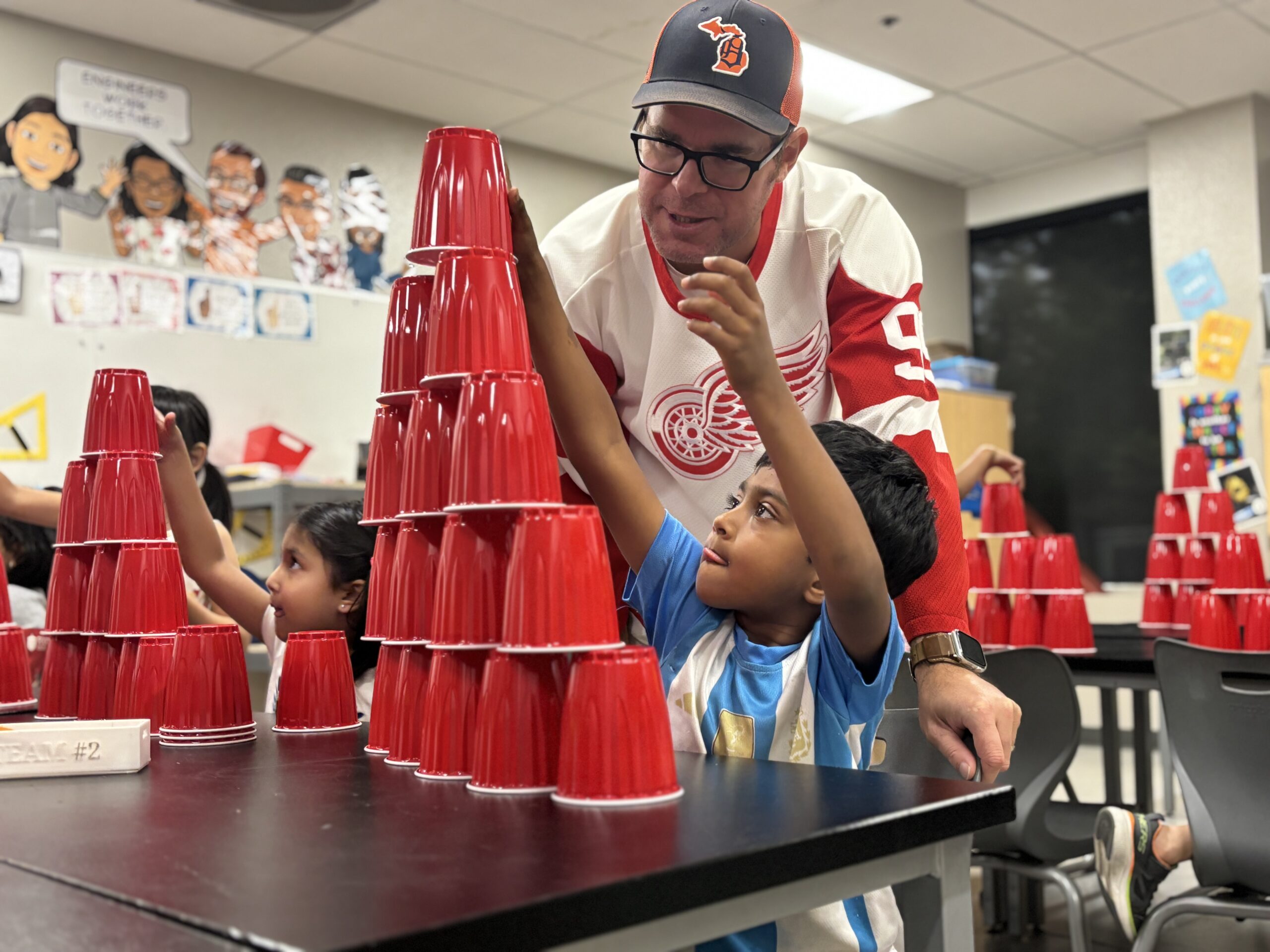
In his Engineering classes, students dive into the Engineering Design Process, tackling age-appropriate projects that seamlessly blend math, science, and technology. Through hands-on, real-world challenges, our young engineers learn how to solve problems with tangible benefits while developing crucial STEM literacy skills.

Ms. Bhora: Individualized Excellence in Our New Role

This year, we’re thrilled to introduce Ms. Bhora in her new position as our Specialist Expert Teacher—a role we created specifically to enhance individualized instruction across subjects. After serving as an exceptional Grade 3 Learning Expert Teacher, Ms. Bhora was the natural choice for this important position.

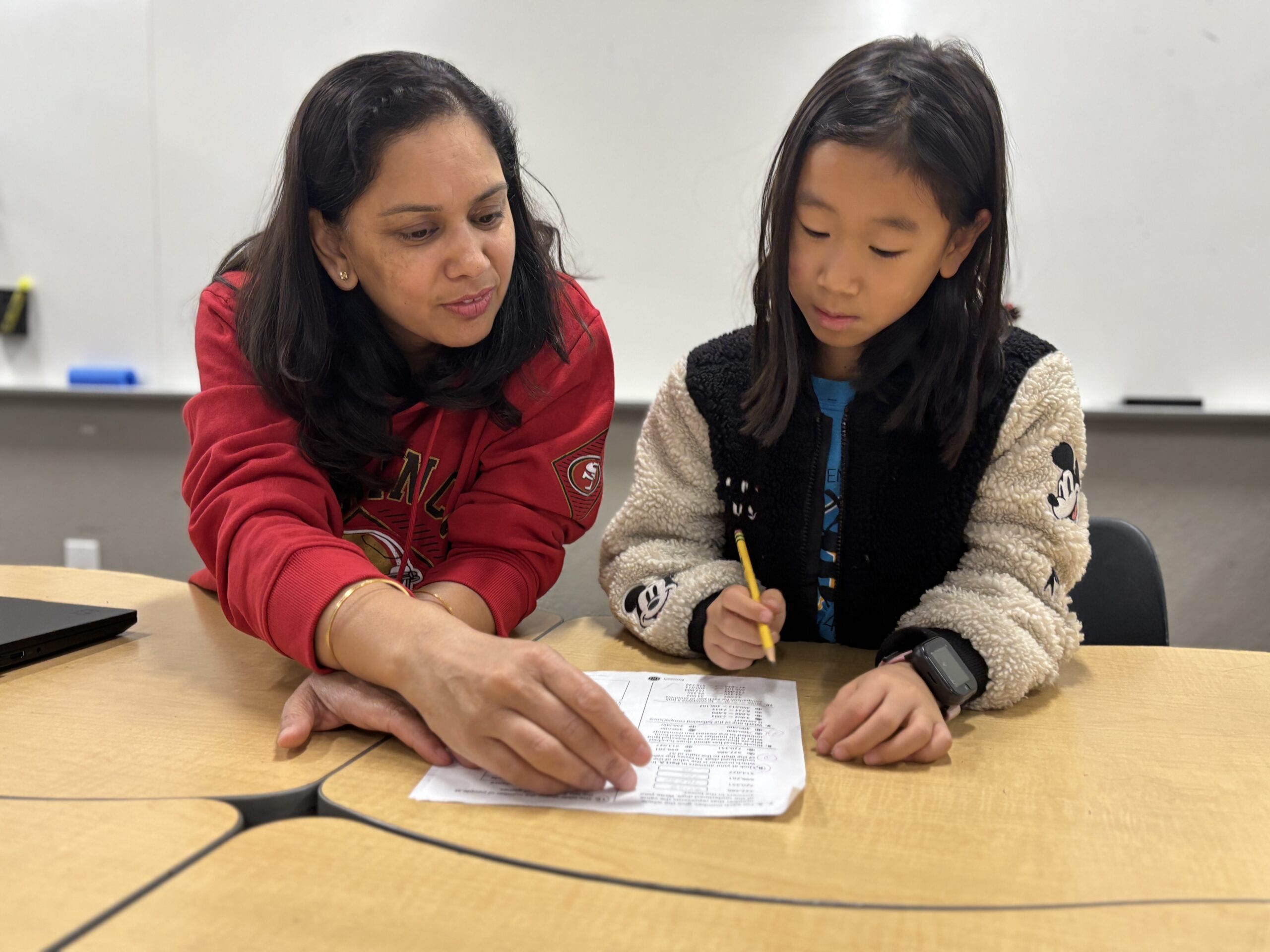
With over 13 years of teaching experience and five years as part of our BASIS Independent Fremont family, Ms. Bhora brings a wealth of expertise to her new role, focusing on academic enrichment in math and English, intervention programs, and support for our Learning Expert Teachers.

“The beautiful thing about working one-on-one is that every student’s path looks different. My job is to help them discover their own way to reach their goals,” Ms. Bhora explains, perfectly capturing the essence of personalized learning.

Ms. Bhora’s approach creates exactly what she believes children need most: a safe, loving, nurturing, and challenging environment where every student can thrive.

Ms. Vicky: Bringing Mandarin to Life

New to our campus this year, Ms. Vicky joins us as one of our Mandarin Subject Expert Teachers, bringing over 20 years of experience in language education and an infectious passion for making Mandarin accessible and exciting.

Born and raised in Taiwan, with educational roots in New Zealand and nearly two decades of experience in the U.S., Ms. Vicky brings a truly global perspective to her classroom. Her expertise spans from preschool through 9th grade, and she’s even the co-founder of the “Fun Learning Mandarin” YouTube channel.

“Starting somewhere new is always an adventure, but the enthusiasm I see from students here makes me confident we’re going to build something amazing together,” Ms. Vicky shares with the optimism that defines her teaching approach.

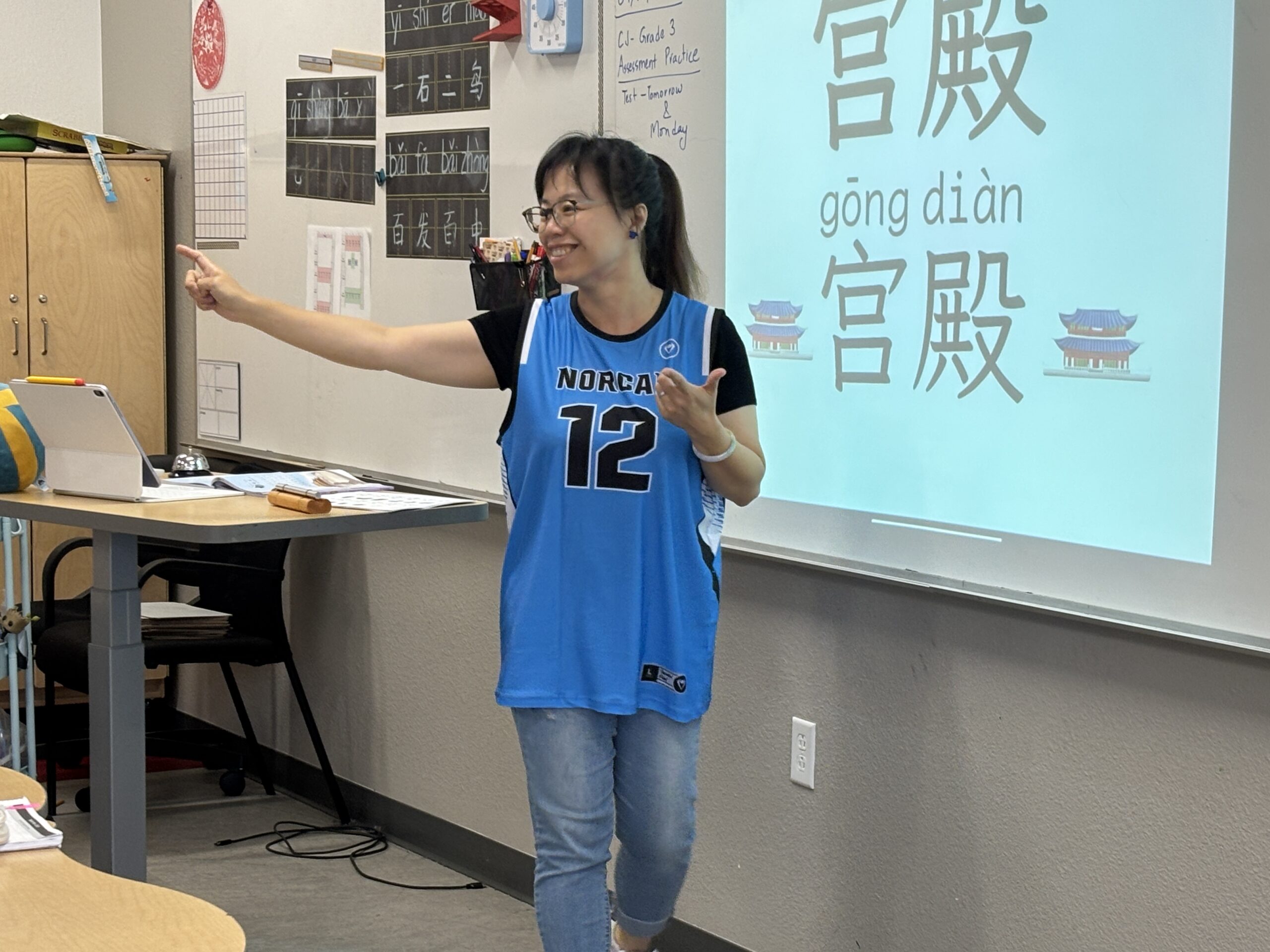
Through songs, stories, games, and hands-on activities, Ms. Vicky creates an immersive Mandarin experience that connects students not just to language skills but to the rich culture and customs of Mandarin-speaking regions.


Our Meet the Teacher Night was just the beginning of what promises to be an extraordinary year of learning, discovery, and growth. These three educators, along with all our incredible teachers, are ready to inspire, challenge, and support every student on their unique educational journey.

Here’s to a year filled with curious questions, creative sparks, and amazing discoveries!

Learn more about our world-class educators here.

BASIS Independent Fremont is a TK – Grade 12 private school, providing students with an internationally benchmarked liberal arts and sciences curriculum, with advanced STEM offerings. Considering joining the BASIS Independent Fremont community? To join our interest list for the next school year and receive admissions updates and more, please click here.
Filed Under: Academics, Community Events, Faculty & Staff, Lower School, Uncategorized

BASIS Independent Fremont Students Excel in National Merit Scholarship Program

September 24, 2025 by sarahpeterson Leave a Comment

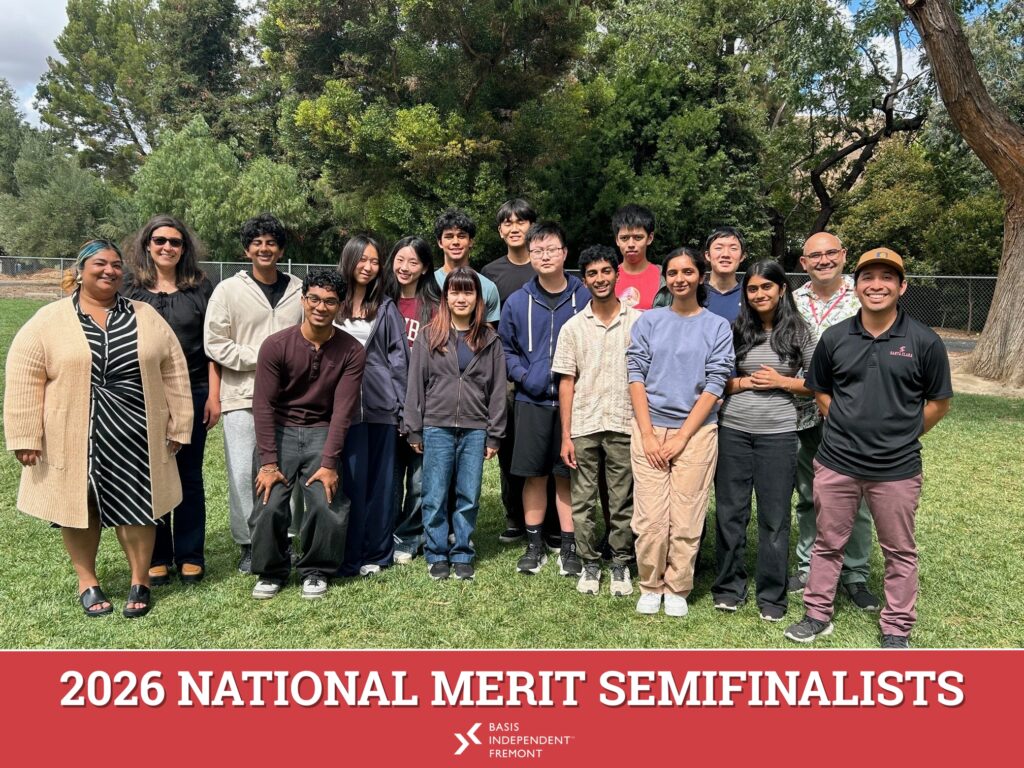
We are thrilled to announce that BASIS Independent Fremont has achieved outstanding results in the 71st annual National Merit Scholarship Program. The National Merit Scholarship Corporation (NMSC) has recognized 29 of our talented Class of 2026 students — 13 as Semifinalists and 16 as Commended Scholars. This exceptional achievement means that nearly two-thirds (63%) of our 46-member senior class has earned recognition from the National Merit Scholarship Corporation, highlighting the academic excellence that characterizes our school community.

Our 13 Semifinalists will continue in the competition for some 6,930 National Merit Scholarships worth nearly $26 million that will be offered next spring:

Aarna K.
Aaron “Josh” P.
Ailsa W.
Akash S.
Alex L.
Annika H.
Jessie L.
Kai L.
Neev J.
Neha N.
Samuel Y.
Shreyas J.
Zixi N.

Over 1.3 million juniors in about 20,000 high schools entered the 2026 National Merit Scholarship Program by taking the 2024 Preliminary SAT/National Merit Scholarship Qualifying Test (PSAT/NMSQT®), which served as an initial screen of program entrants. The nationwide pool of Semifinalists, representing less than one percent of U.S. high school seniors, includes the highest-scoring entrants in each state. The number of Semifinalists in a state is proportional to the state’s percentage of the national total of graduating seniors.

“I’m so inspired by our National Merit Semifinalists and Commended Scholars,” said Ms. Abodouma, Head of School at BASIS Independent Fremont. “Their achievement speaks to their hard work, curiosity, and love of learning. It also reflects the supportive and collaborative community we have built together at our school.”

Our Semifinalists now face an exciting next step in the scholarship process. To advance to Finalist status, each student will work with a school official to complete a comprehensive application that showcases their academic achievements, leadership experiences, and community involvement. This application includes submitting their complete academic transcript, writing a personal essay, and providing evidence of their continued academic excellence through standardized test scores. School officials will also provide endorsements highlighting each student’s character and potential.

The journey ahead is competitive but promising. Most Semifinalists successfully advance to become Finalists, with notifications coming in February. From there, scholarship recipients will be selected based on their demonstrated academic ability, leadership potential, and readiness for challenging college coursework.

This achievement represents years of hard work, intellectual curiosity, and academic dedication from our students. We celebrate not only these 29 recognized scholars but the entire Class of 2026, whose collective commitment to learning creates the vibrant academic environment that makes such success possible. Congratulations to all our Yellow Jackets on this outstanding accomplishment!

Curious about the National Merit results across our network of BASIS Independent Schools? Click here to learn more.

BASIS Independent Fremont is a TK – Grade 12 private school, providing students with an internationally benchmarked liberal arts and sciences curriculum, with advanced STEM offerings. Considering joining the BASIS Independent Fremont community? To join our interest list for the next school year and receive admissions updates and more, please click here.
Filed Under: Awards & Recognition, Competitions, Honors, National Merit, Student Achievement, Student Spotlight, Uncategorized

  • « Go to Previous Page
  • Page 1
  • Page 2
  • Page 3
  • Page 4
  • Page 5
  • Page 6
  • Go to Next Page »

© BASIS Independent Schools

  • Contact Us
  • Media Recognition
  • Careers
  • Privacy Policy
  • CA Privacy
  • Terms of Use

Headquartered in Campbell, California, Spring Education Group is majority-owned by investment funds administered by Primavera Holdings Limited, an investment firm owned by Chinese persons and principally based in Hong Kong with operations in the United States, China and Singapore.
Sitemap