• Skip to primary navigation
  • Skip to main content

BASIS Independent Schools

BASIS Independent SchoolsBASIS Independent Schools
  • About
    • Why BASIS Independent Schools?
    • Mission & Philosophy
    • Diversity & Citizenship
    • History
  • Academics
    • Curriculum
    • Early Learning Program
    • Primary Program
    • Middle School Program
    • High School Program
    • The Senior Year
    • Summer Programs
    • International Student Program
  • Achievements
    • International Performance
    • College Admissions
    • Advanced Placement
    • National Merit
  • Find Your School
Inquire

Awards & Recognition

From Silicon Valley to the Big Apple, nearly 1 in 3 of our students is a National Merit Semifinalist

September 15, 2025 by ekugler Leave a Comment

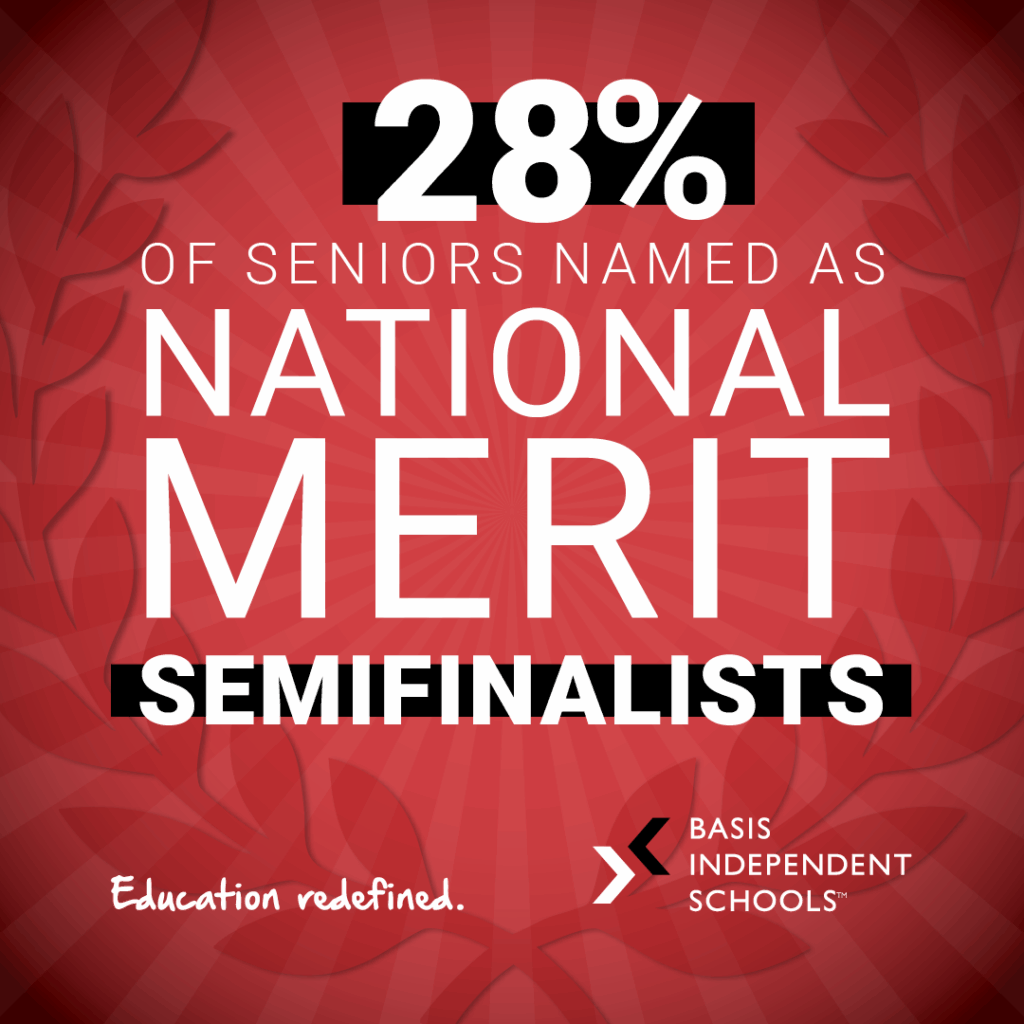
Students at BASIS Independent Schools have set a new record this year, with 65 seniors from the Class of 2026 named Semifinalists in the 2026 National Merit Scholarship Program. This achievement represents nearly one-third of the combined graduating class across our five high schools in California, New York, and Virginia—up from 25% last year.

These exceptionally talented high school seniors now have the chance to advance in the competition for approximately 6,930 National Merit Scholarships, collectively worth nearly $26 million. National Merit Finalists will be announced in the spring of 2026.
This success highlights the strength of the BASIS Independent Schools program—where the rigorous, well-rounded BASIS Curriculum is brought to life by passionate Subject Expert Teachers who challenge and inspire students daily. From coast-to-coast, our student’s achievements underscore the depth of preparation, intellectual curiosity, and academic excellence that define a BASIS Independent Schools education.

Learn more about BASIS Independent Schools by joining our interest list today!

High school juniors entered the 2026 National Merit Scholarship Program by taking the 2024 Preliminary SAT/National Merit Scholarship Qualifying Test (PSAT/NMSQT®), which served as an initial screen of program entrants. The nationwide pool of Semifinalists, representing less than one percent of U.S. high school seniors, includes the highest-scoring entrants in each state. 
Filed Under: Awards & Recognition, Featured, National Merit Tagged With: early learning

A Legacy of Excellence: 1 out of 4 Seniors Honored as 2025 National Merit Scholar Semifinalists

September 9, 2025 by msnyder Leave a Comment

One out of every four of our seniors across the BASIS Independent Schools network have been named National Merit Scholar Semifinalists! The impressive achievements across our high school campuses in California, New York, and Virginia underscore our institution’s academic standards, comprehensive approach to education, and excellence in student outcomes.

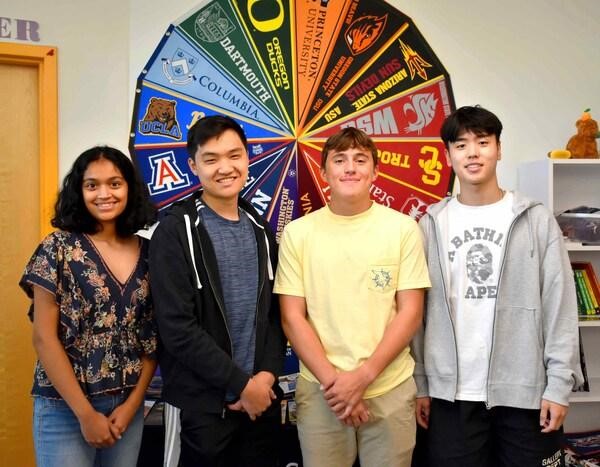
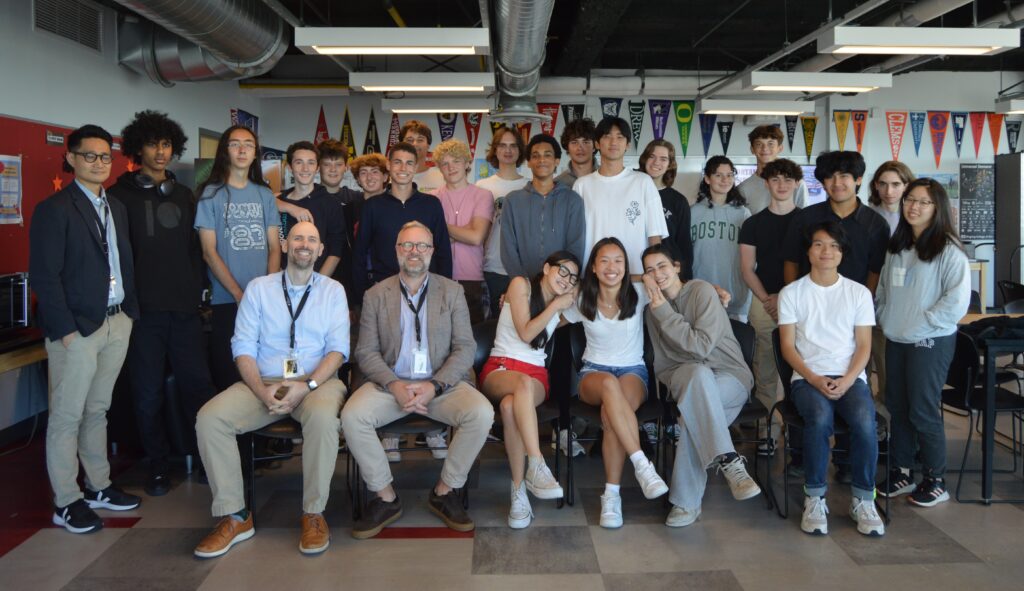
Four students from BASIS Independent in McLean, Natasha A., Ian P., Vincenzo T., and Gavin W. were selected as National Merit Scholar Semifinalists

The National Merit Scholarship Corporation (NMSC) recognized a total of 46 students from BASIS Independent Schools as semifinals! These exceptionally talented high school seniors now have the chance to advance in the competition for approximately 6,870 National Merit Scholarships, collectively worth nearly $26 million, which will be awarded next spring.

At BASIS Independent Schools, we ignite student potential with an internationally inspired curriculum, passionate educators, and countless opportunities for growth both inside and outside the classroom. Our students’ success not only highlights their exceptional talent and hard work but also serves as a testament to the supportive and enriching academic environment we cultivate. Toby Walker, Vice President of BASIS Independent Schools expressed, “These outstanding results are a reflection of the incredibly talented student body at BASIS Independent Schools as well as the planning, instruction, and inspiration provided by their Subject Expert Teachers each and every day.”

As we celebrate this incredible accomplishment, we remain committed to shaping the leaders, innovators, and thinkers of tomorrow. Congratulations to our National Merit Scholar Semifinalists — your achievements inspire us all!

Learn more about BASIS Independent Schools by joining our interest list today!

High school juniors entered the 2025 National Merit Scholarship Program by taking the 2023 Preliminary SAT/National Merit Scholarship Qualifying Test (PSAT/NMSQT®), which served as an initial screen of program entrants. The nationwide pool of Semifinalists, representing less than one percent of U.S. high school seniors, includes the highest-scoring entrants in each state. 
Filed Under: Academics, Awards & Recognition, National Merit, Results, Student Achievement

2024-2025 Year-in-Review: BASIS Independent Brooklyn

August 31, 2025 by jogoldfarb Leave a Comment

Dear Families and Staff,

The summer months bring reflection that offers a vital pause—a time to transform our hindsight into foresight. Today, we celebrate the extraordinary achievements of our students in our annual reflection, and we honor or Class of 2025 graduates from BASIS Independent Brooklyn as they embark on their university journeys.

Academic excellence unites every corner of our school. We harness data from across our BASIS Independent Schools network not just to measure progress, but also to illuminate paths forward. This is how we master both the art and science of education—turning insight into inspiration and potential into achievement.

This past school year, nearly 70% of our students earned the AP Scholar designation (scoring a 3 or higher on at least three AP Exams). This impressive result is consistent with year-over-year scores, showcasing our program’s strength. Also, in high school, we celebrated our National Merit Scholarship Finalists, Maxwell H. and Gustavo P., and we proudly celebrated three Commended Scholars: James R., Maxim S., and Ryan T. ’25.

We cheered on Gustavo P. ’25 for being named a Presidential Scholarship candidate, joining a total of nine seniors named to the distinction across our network. At the end of the year, we were thrilled to learn that Maxim S. ’25 won the Fellows Scholarship for the best Senior Project across our network. The award is an honor in and of itself and comes with a $10,000 scholarship to college.

Let’s also take a moment to reflect on our seventh graduating senior class! More than 60% of students were offered seats at universities in the top 30-ranked national and international institutions. Today, we can share that our students will matriculate at the following universities and colleges (listed by U.S. News rankings for national universities, liberal arts colleges, and then international universities):

  • Stanford University (2), Duke University, Northwestern University, Cornell University (3), Washington University in St. Louis, University of North Carolina Chapel Hill, University of Southern California, New York University, University of California-Irvine, Boston University, Rutgers University, University of Maryland, Purdue University (2), Northeastern University, American University, Rochester Institute of Technology, Hamilton College, Haverford College, and McGill University (2).
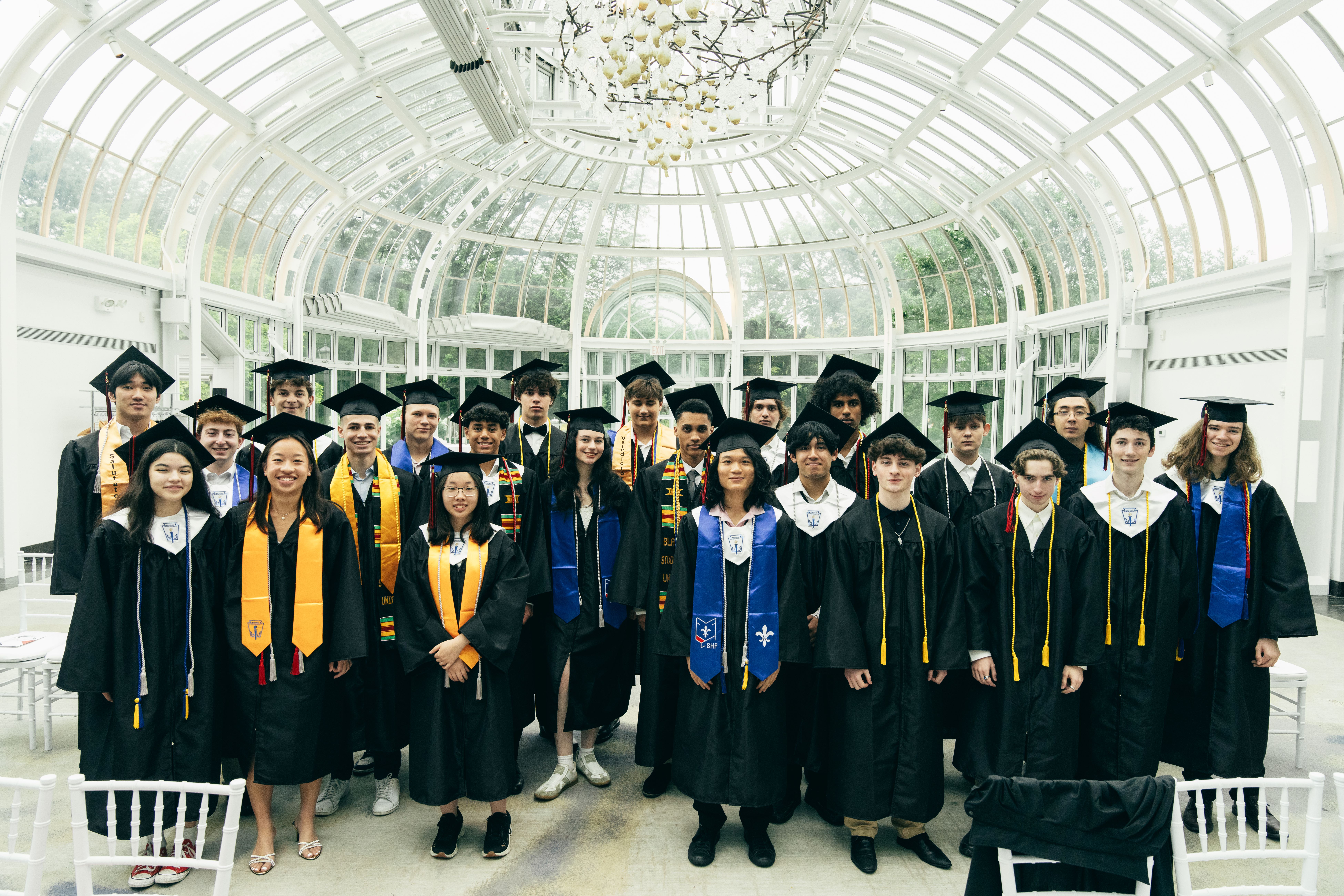
Our Class of 2025 posed with Mr. Harmon, Mr. Brauch, and Mr. Yoon during the start of school last year.

Celebrating Accomplishments

Throughout the 2024-2025 school year, one thing remained the same—student accomplishments across all grades reaffirmed the vision to hold ourselves to the highest standards. Our educators took pride in providing structure and stability to support content mastery. 

Our students excelled in their studies, and their accomplishments outside the classroom made us incredibly proud. An overview of 2024–2025 student accolades and significant developments follows.

Fine Arts

  • Scholastic Arts and Writing Competition: Eight of Mr. Opirhory’s Digital Photography students were honored in the 2025 awards. Students were recognized with the following regional awards: 3 Gold Keys, 3 Silver Keys, and 2 Honorable Mentions in photography.
  • Our Upper School Choir was invited to perform at Radio City Music Hall before the Christmas Spectacular once again!
  • Band student Nicole J. ’28 received an “Outstanding” ranking by the New York State School Music Association (NYSSMA) for her solo flute audition, performing Sicilienne, Op. 78 by Gabriel Faure at Level 6, the highest degree of difficulty.
  • Choir student Katha A. ’30 received an “Outstanding” ranking by the New York State School Music Association (NYSSMA) for her rendition of “Somewhere Over the Rainbow.”
  • Our Spring Musical, Shrek, was a rave hit. Upper School drama performances in elective classes were a wonderful celebration of creativity all year long.
  • Our entire Fine Arts team at the Lower and Upper School hosted wonderful festivals before Winter Break and at the end of the school year.  
Scholastic Arts Gold Key Winning Photo “Old and New” by Henry B. ‘28

Chess/Social Sciences/Languages

  • Our Bears won the 3rd-place team in the very competitive U1400 division at the Chess Super Nationals! Our K—Gr. 6 U100 team came in 9th place, and Gr. 3 Milo S. went undefeated with 6 points to medal for second place in K—Gr. 3 Championships. There were many, many other chess accolades throughout the year.
  • Our Bears earned 6th place in the 2025 All-Girls National Chess Championships in Chicago.
  • Our inaugural DECA Club headed to the NY State Competition in Rochester, making our school proud.
  • On the National Latin Exam, our students were decorated with honors: 6 students received Gold Summa Cum Laude, 9 students received Silver Maxima Cum Laude, 12 students received Magna Cum Laude, 13 students received Cum Laude recognition, and one Blue Certificate of Merit for the School.
  • Nearly all the students in Mr. Bedes’ High School French classes sat for and passed the French DELF (certification) A1, A2, or B1 exams through L’Alliance NY.
  • Mr. Bedes was proud to induct 16 members into our newly established French Honor Society.
  • In the Chinese Bridge Competition, Gr. 4 Scottie F. won 3rd place in the Eastern Region. Two of our Gr. 3 students, Isabelle L. and Bathazar R., also received recognition!
French Honor Society Induction Ceremony

Math/Science

  • Our school won the New York State Tests of Engineering Aptitude, Mathematics, and Science (TEAMS) competition for High School. Thank you to Physics teacher and coach Josh Winter for continuing to grow the team.
  • Our High School Robotics team Ori-Gen went to the Super Qualifier round of the FIRST Robotics Challenge after winning the Inspire Award 3rd place regionally. It was their first year of competition, and we look forward to another great year ahead.
  • Once again, a large group of students sat for the MATH KANGAROO assessment for younger grades across both our campuses and comprised one of the largest groups yet to receive accolades from the organization.
  • NOETIC Math accolades poured in with national winners across several grades across both of our campuses!
Our High School Science Team won 1st place in the New York State TEAMS competition!

Sports

  • Our Varsity Boys and Middle School Girls Tennis teams won the inaugural CPSAL Tennis Championships!
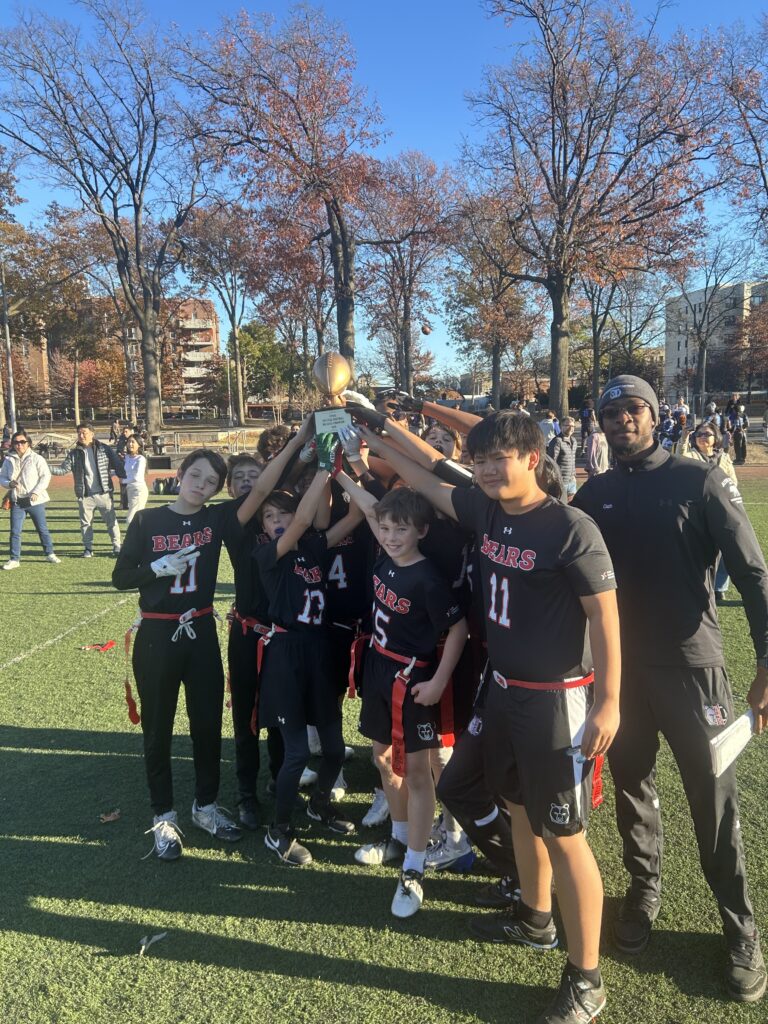
  • Our Middle School Flag Football team won the CPSAL League Championships after an incredible season. Go Bears!!!
  • Our Gr. 4-5 Co-ed Soccer Team won the CONSAT Championships. We are proud of our young student-athletes!
  • Our Middle School Boys won the CPSAL Indoor Track Championship, and our Middle School Girls came in 3rd! High School Student Talia L. took first place in the Varsity Girls 1 mile and 800m.
  • CPSAL Boys and Girls Cross Country Team: Our Bears had a great season, and the High School Boys team took home 2nd Place, High School Girls placed 3rd overall, and Middle School Boys placed 3rd overall.
  • Our High School Flag Football and High School Boys Soccer teams made it to the league semi-finals
  • CSAA Varsity and JV School Volleyball Team, as well as High School Flag Boys Flag Football, made it to the league playoffs.
  • Our Varsity Girls Soccer Team had its first season, winning 2nd place in the CPSAL Spring Classic Tournament.
Middle School Flag Football Champs!

Community Involvement

  • This year, our high school team arranged a Fourth Annual Day of Service in the fall to bring our community together and make a difference locally with nonprofits around Red Hook.
  • Our National Honor and National Junior Honor Society students dedicated more than 2,000 hours to service projects this year!
  • Our Lower and Upper school community donated hundreds of coats, scarves, hats, and more to our local Coat Drive in the fall.
  • Our community created more than 200 Thanksgiving cards for Heights and Hills to deliver with their Thanksgiving meals to seniors.
  • Students in our High School Program conducted a Red Hook Clean Up before Earth Day. They picked up 169 pounds of trash around the neighborhood.


These awards and examples of community involvement are an amazing testament to the school and the power of the curriculum and teachers. Most importantly, they are an incredible representation of our creative, diverse, driven scholars. It is important to us that as a school we prioritize opportunity, finding opportunities for students to showcase their skills, define their interests, and pursue their passions. 

Looking Ahead

Without community, academic success is temporary and limited. We have made significant growth as a community this year, and it is our priority to support and grow in the year ahead under the guiding principles of BEARS–Belonging, Excellence, Accountability, Respect, and Service. Cultivating mutual respect and trust is key for our school after eleven years in Brooklyn.

Teachers continue to express to us that they love this school because they are allowed to teach the subjects they know best, the way they know best. They are allowed to share their passion for their subjects with their students, and this builds engagement. We are excited to bring new faculty into the fold and continue supporting veteran teachers returning to our campus.

As we close our thoughts on the year, we want to salute our Class of 2025 for shaping our sense of community and traditions at our school. What we want to ask from our alumni and parents is to help provide professional advice and even connect our students after they graduate to internships and opportunities as part of our expanded mentorship program.

Overall, we want our students to look back, feel a great sense of pride in their school, and share in the school’s success that they helped create. We have much to celebrate, and we are in an exciting position after eleven years of educating students in Brooklyn. We truly look forward to the year ahead!

BASIS Independent Brooklyn is a PreK–Grade 12 private school, providing students with an internationally benchmarked liberal arts and sciences curriculum, with advanced STEM offerings. Considering joining the Bears community? To join our interest list for the next school year, please click here.  

Filed Under: Awards & Recognition, Clubs & Activities, College Acceptances, Community Events, Competitions, Fine Arts, French, High School, Honors, Humanities, Latin, Lower School, Middle School, National Merit, School Community, Science, Senior Projects, Student Achievement

Unlocking Potential: A Glimpse into Extracurricular Life at BASIS Independent Manhattan

August 12, 2025 by christineklayman Leave a Comment

At BASIS Independent Manhattan, we believe that the best education is enhanced by extracurricular activities. Beyond the classroom, our extensive array of clubs, activities, and athletics plays a crucial role in fostering well-rounded individuals. Through exploring their passions, our students develop new skills and cultivate leadership in a supportive environment. As a PreK-Grade 12 private school in NYC, with our Lower School serving PreK-Grade 5 on the Upper West Side and our Upper School serving grades 6-12 in Chelsea, we offer diverse opportunities tailored to every age and interest.

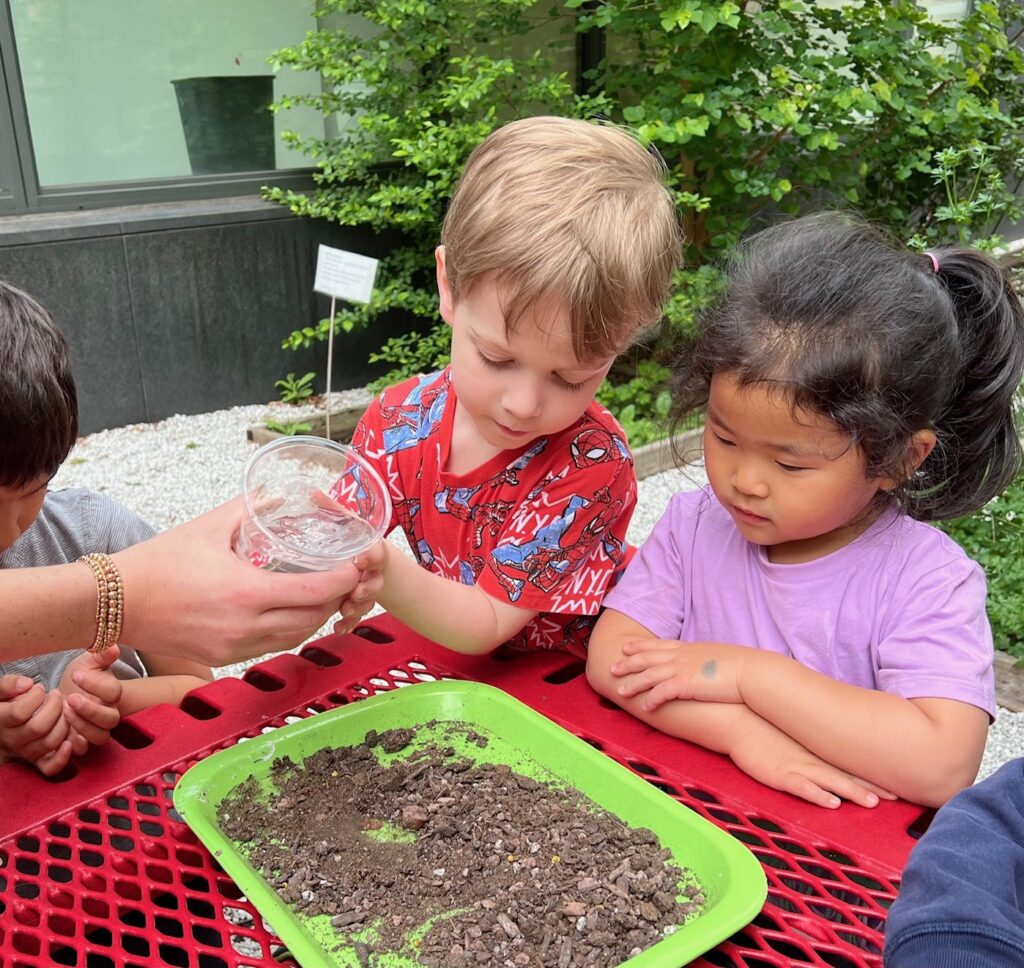
two prek students participate in gardening club outside by pouring water on a tray of dirt

Read on to learn more about our exciting after-school activities, clubs, and sports, designed to enhance the academic journey and build a stronger sense of self. For an in-depth look at our full program offerings, please visit our dedicated pages for Clubs & Activities and Sports & Athletics.

Lower School Extracurriculars:

Cultivating Early Passions (PreK-Grade 5)

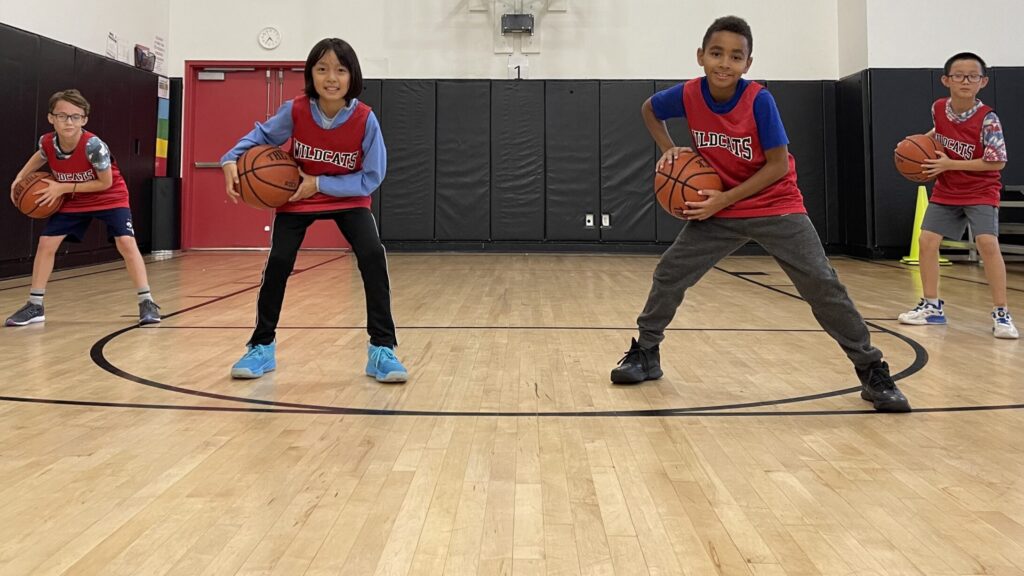
four lower school boy students stand in basketball poses wearing their wildcat jerseys

On the Upper West Side, our Lower School students choose from a selection of after-school programming to pursue their interests in sports, art, music, science, technology, and more! We continuously expand our offerings, aiming to inspire broad participation among our young Wildcats.

Some of our super-popular clubs that return year-after-year include:

  • Basketball
  • Cheer-Gymnastics
  • Chess
  • Drama (Putting on a fully staged musical production)
  • Piano
  • Soccer
  • Speech & Debate
  • Tech & Lighting (for the Drama Club’s musical)
  • Tennis
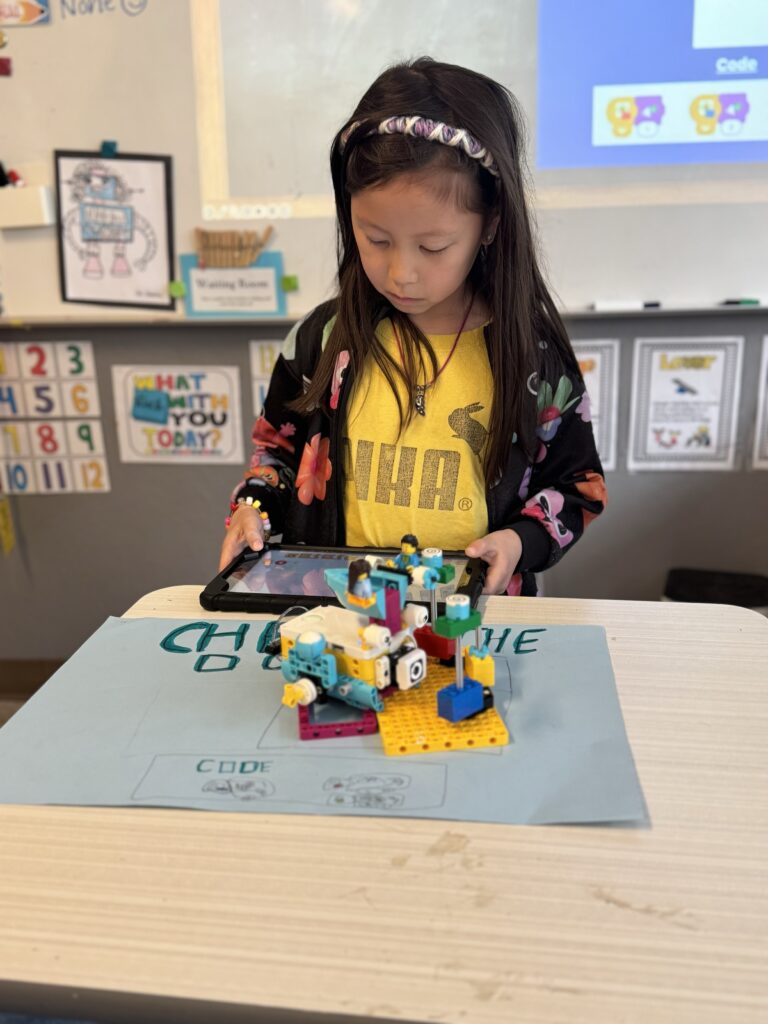
engineering and robotics club building lego robots
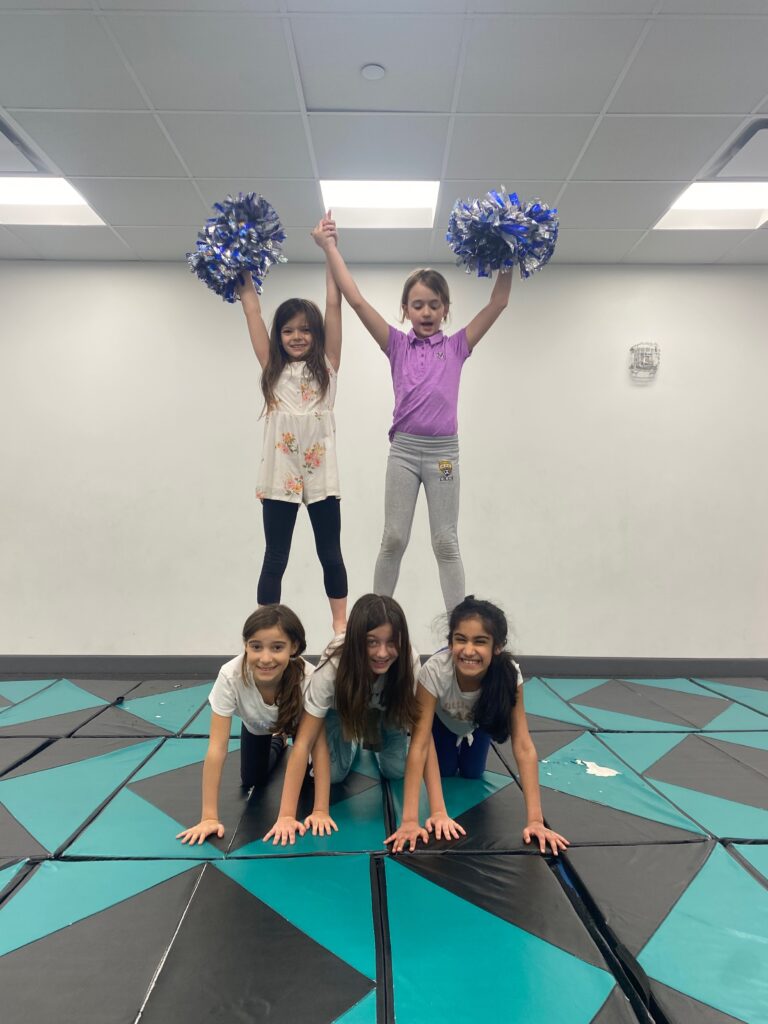
girl students make cheer gymnastics pyramid with pompoms
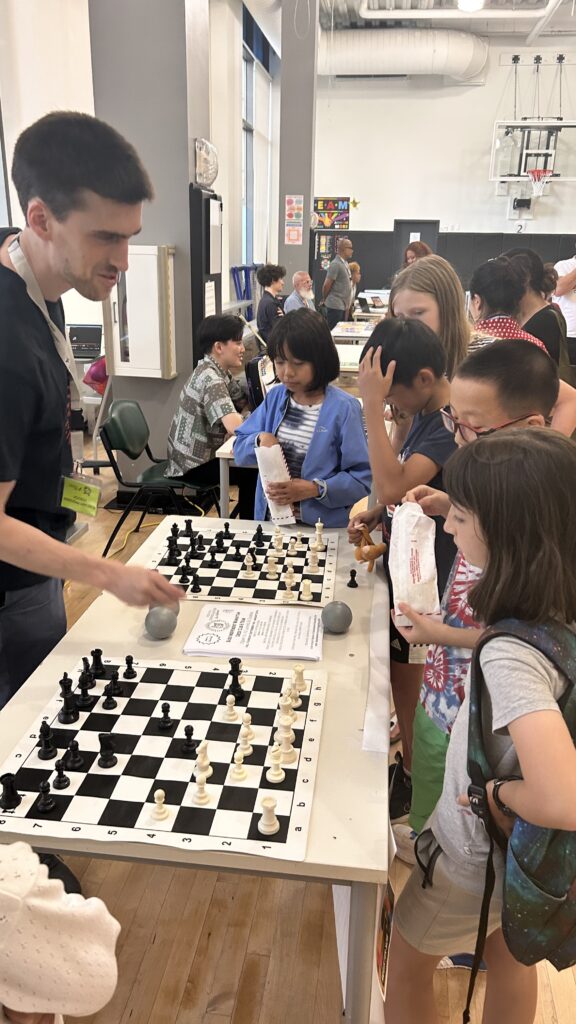
chess teacher shows students chess board on a table
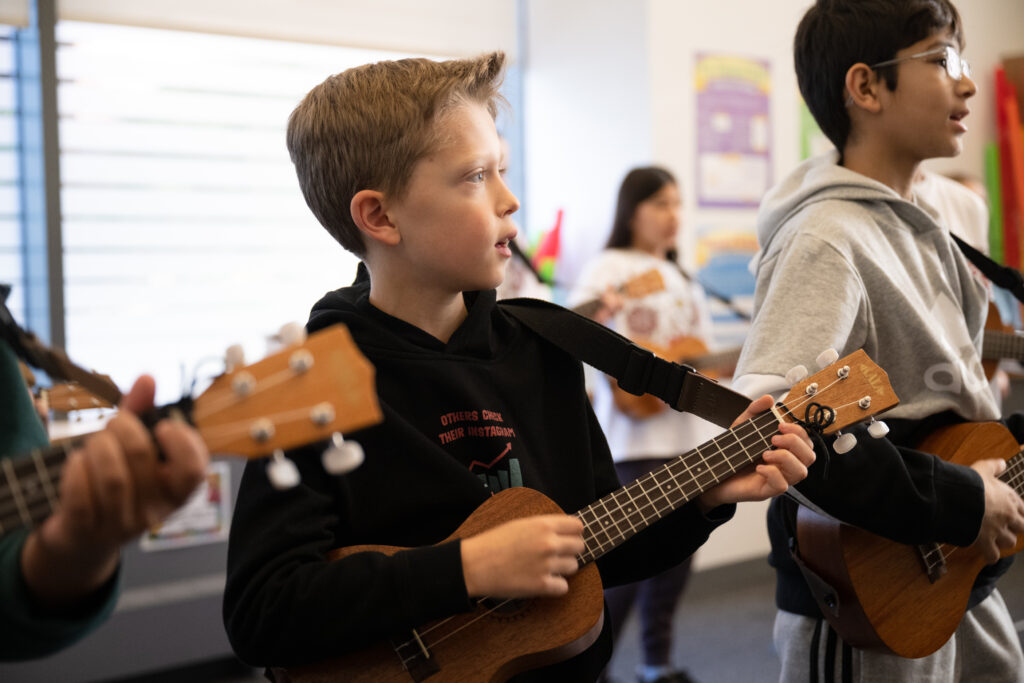
students playing ukulele for music lessons
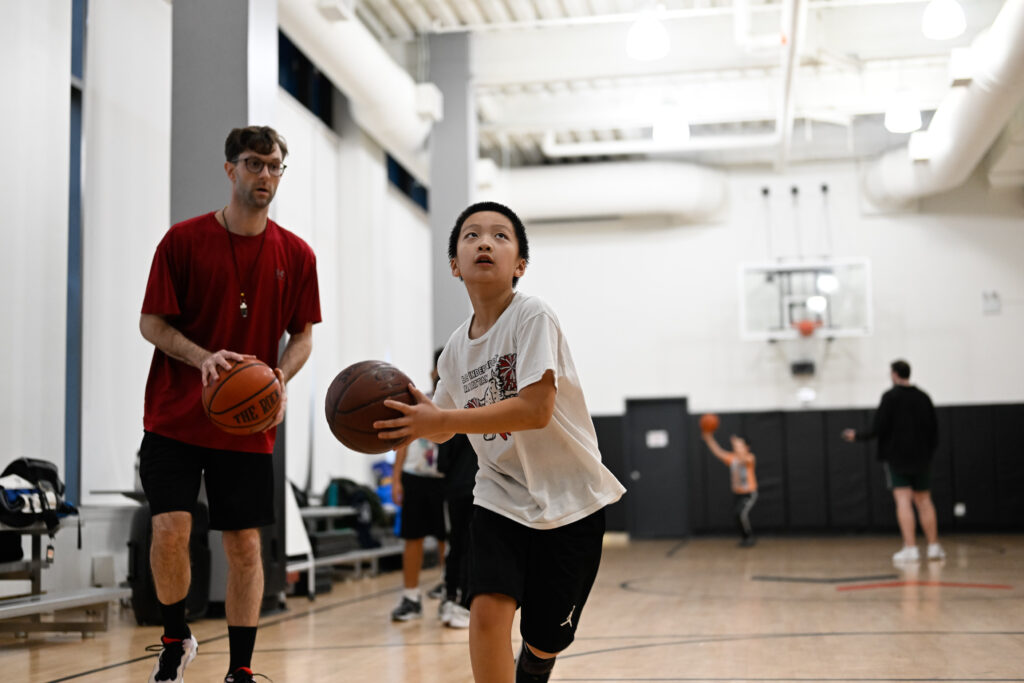
boy student shooting a basketball layup with coach instruction

We also have the best teachers, who are not only expert educators and passionate about the subjects they teach, but they also run after-school programs. These teacher-led clubs are some of our most popular! While building strong teacher-student relationships, participants have unique opportunities for exploration in:

  • Drama
  • Clay World
  • Comic Book Writing
  • Fashion & Photography
  • Figure Drawing
  • Gardening
  • Pokémon
  • Set & Costume Design (for the Drama Club’s musical)

The primary goal behind our Lower School’s extracurricular design is to foster curiosity, skill-building, creativity, and exposure to new areas beyond the classroom. We also actively curate our programs to meet the majority of requests from our families, based on our annual surveys.

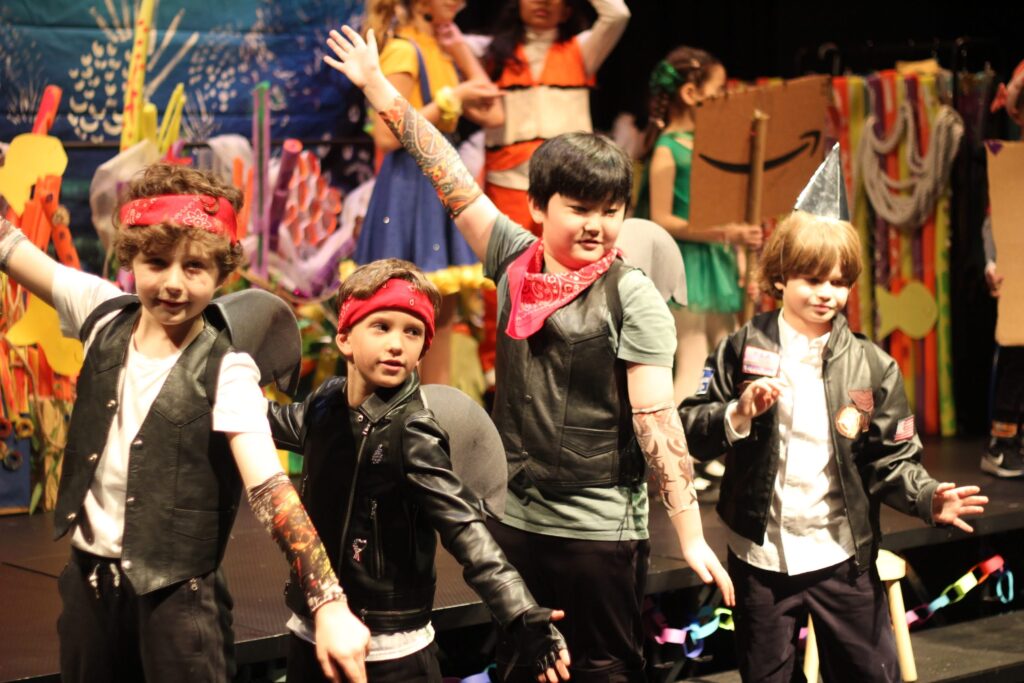
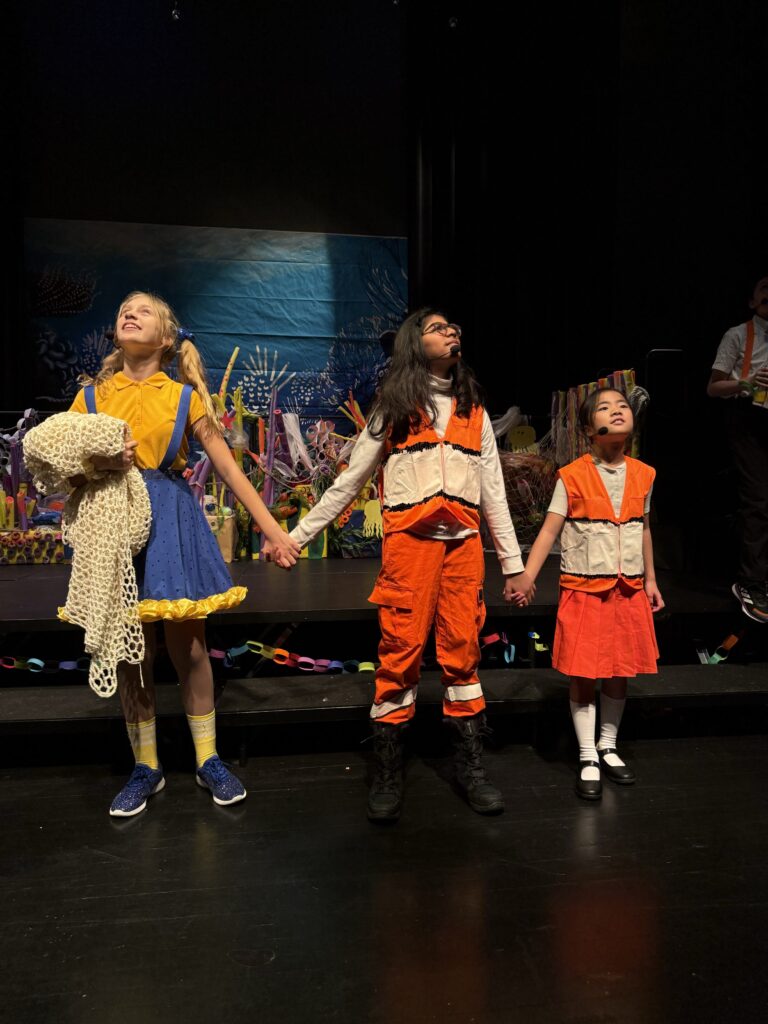
students as the sharks hold a pose perform drama club musical finding nemo
the three student leads of finding nemo sing the finale

Success & Highlights:

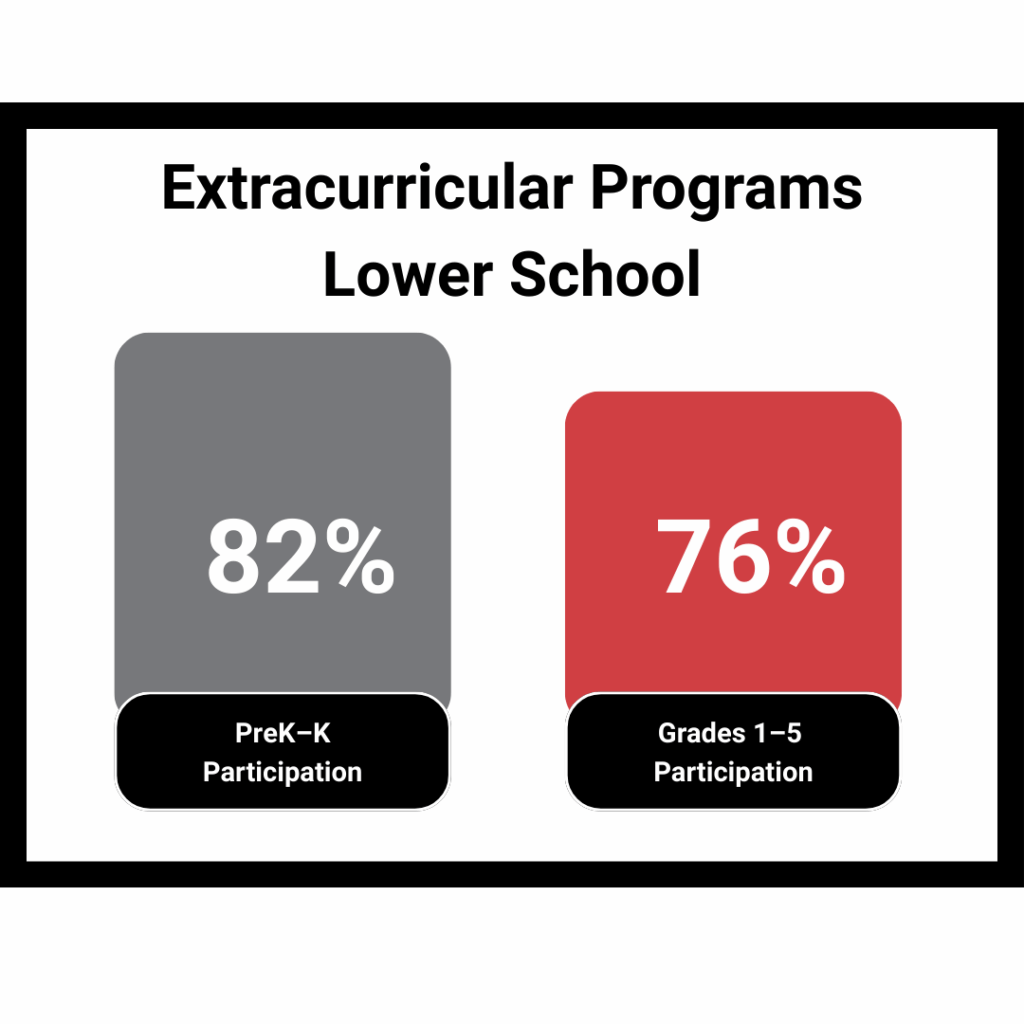
Last year, we saw 82% of our PreK–K students and 76% of our grade 1–5 students engage in these enriching programs, a testament to their appeal and impact. A notable success we are particularly proud of is the Lower School Drama Club, which consistently sells out its shows and fosters cross-club collaboration. We are also proud of our popular Tennis and Piano clubs, which always have a full roster of students.

bar chart showing participation percentages for lower school students
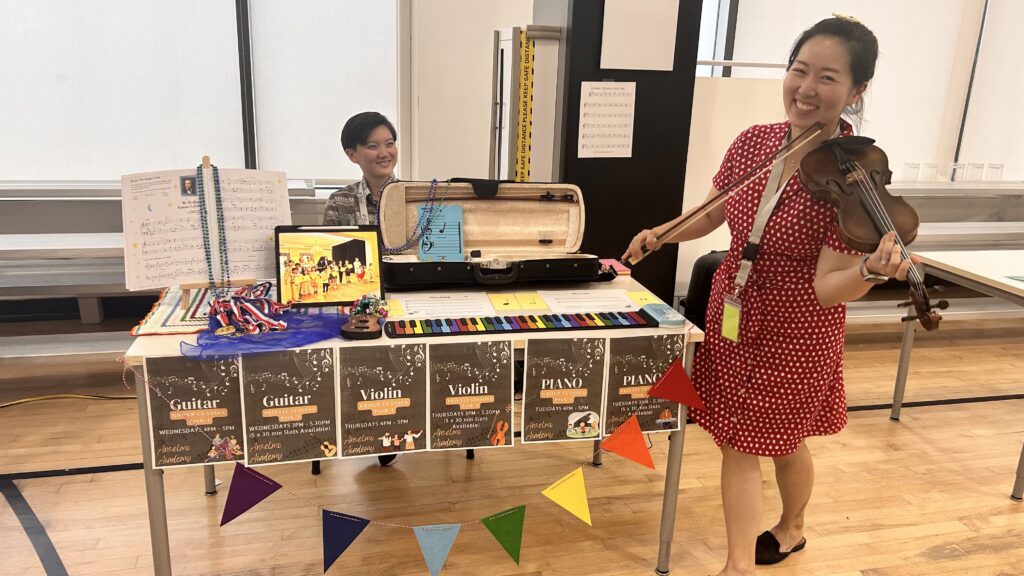
woman with violin in front of a table of musical materials at the extracurricular fair

Upper School Extracurriculars & Sports

Deepening Engagement (Grades 6–12 )

At our Chelsea campus, the Upper School Extracurriculars provide unparalleled opportunities for students to develop a stronger sense of self through a multitude of after-school activities. Approximately 47% of all Upper School students are actively involved in an extracurricular activity, reflecting a strong culture of student engagement beyond the classroom.

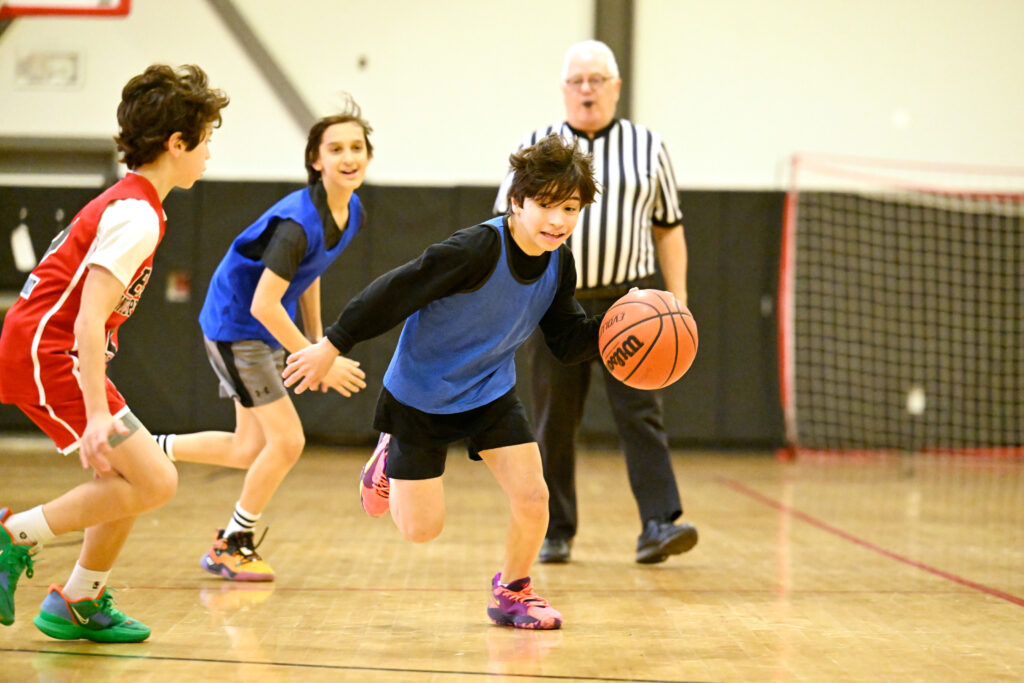
two middle school boys playing basketball and running with an opposing player encroaching and a referee in the background

Popular and returning clubs include:

  • Drama (Putting on a fully staged musical production)
  • Dungeons & Dragons
  • Engineering & Robotics
  • Journalism (Wildcat Weekly News)
  • Math Support & Competition Prep
  • Money Smart
  • Ping Pong
  • Speech & Debate

This year marks a dynamic period of growth for our Upper School extracurricular landscape, with the launch of a new journalism club, led by one of our beloved English teachers. We are also excited about the continued momentum of our new high school speech and debate program.

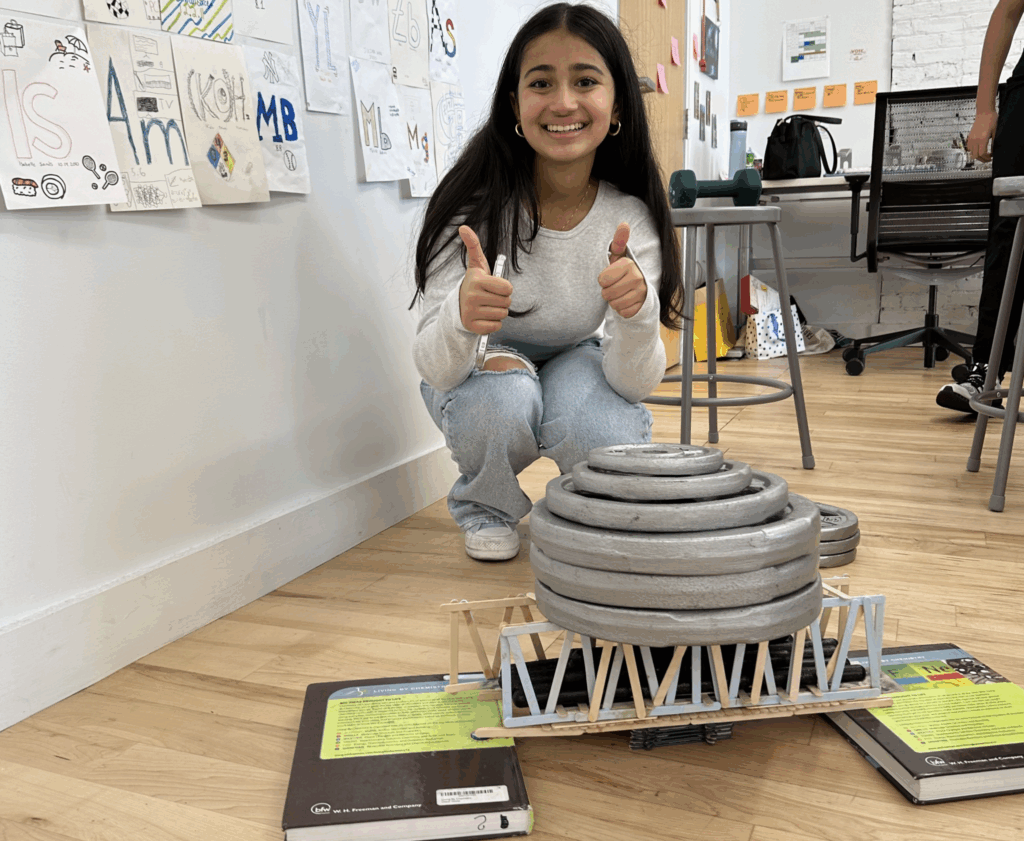
a female student gives two thumbs up after testing the bearing weight her bridge could hold in engineering club. she built it with popsicle sticks and stacked six metal weights on top

Success & Highlights:

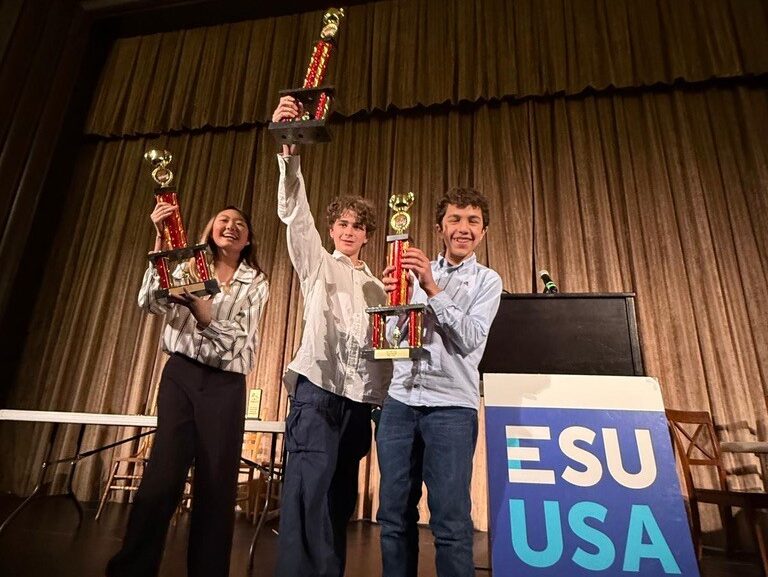
One of our most exciting success stories comes from our debate team, which began as a middle school club and won the championship two years in a row. Building on that momentum, the team has now transitioned into an Upper School club, expanding its scope and ambition. This year, they are preparing to travel to prestigious institutions such as Columbia.

three middle school students hold up their championship trophies at the ESU USA speech and debate tournament in new york city

Competitive Athletics:

Building Teamwork and Discipline

Our middle and high school student-athletes participate in a robust lineup of competitive sports. This year’s offerings include High School Boys Soccer, High School Girls Volleyball, Middle School Girls Volleyball, and Middle School Basketball.

Philosophy:

Our growing competitive athletics program centers on developing the whole student through sport. We aim to foster:

    • sportsmanship,
    • teamwork, and
  • a competitive spirit that pushes students to strive for excellence while embracing both victory and defeat as opportunities for growth.
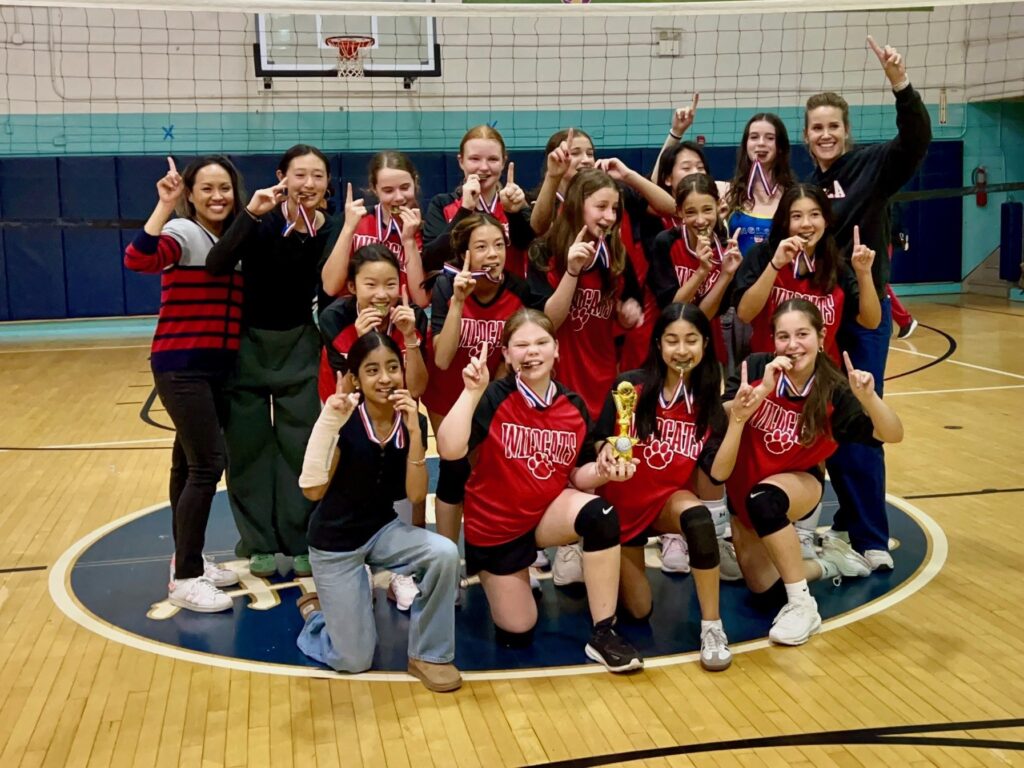
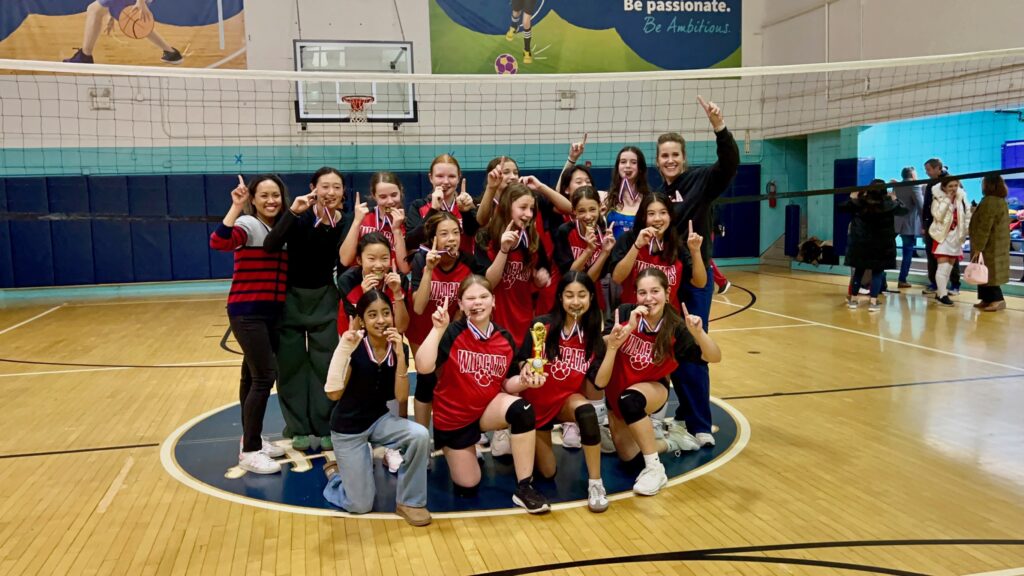
the middle school girls vollebyall team poses with their championship trophy, holding up the number one with their fingers, and biting their medals like olympians

Program Expansion:

Our athletics/sports offerings are experiencing exciting growth, particularly in volleyball and soccer.

  • After the middle school volleyball team secured a championship win last fall, enthusiasm for the sport has continued to build, leading to the launch of a brand-new high school volleyball team this fall.
    • Additionally, our high school soccer program is kicking off its inaugural season this year by joining a new competitive league.

Cultivating Well-Rounded Wildcats

At BASIS Independent Manhattan, our extracurricular and athletic programs are integral to our mission of educating students to the highest international standards. They are designed to complement our rigorous academic curriculum, fostering collaboration, critical thinking, and a sense of community. We encourage both prospective and current families to explore these incredible opportunities.

We invite you to celebrate another season of growth, discovery, and excellence!

Join our interest list, get in touch with our Admissions team, or attend an event.

Learn more

Filed Under: Awards & Recognition, Clubs & Activities, Competitions, Early Learning Program, Extracurriculars, Faculty & Staff, Lower School, Middle School, School Community, Sports & Athletics, Student Life

Leading by Example: Associate Head of Upper School Honored as a Rising Star in Education

July 11, 2025 by christineklayman Leave a Comment

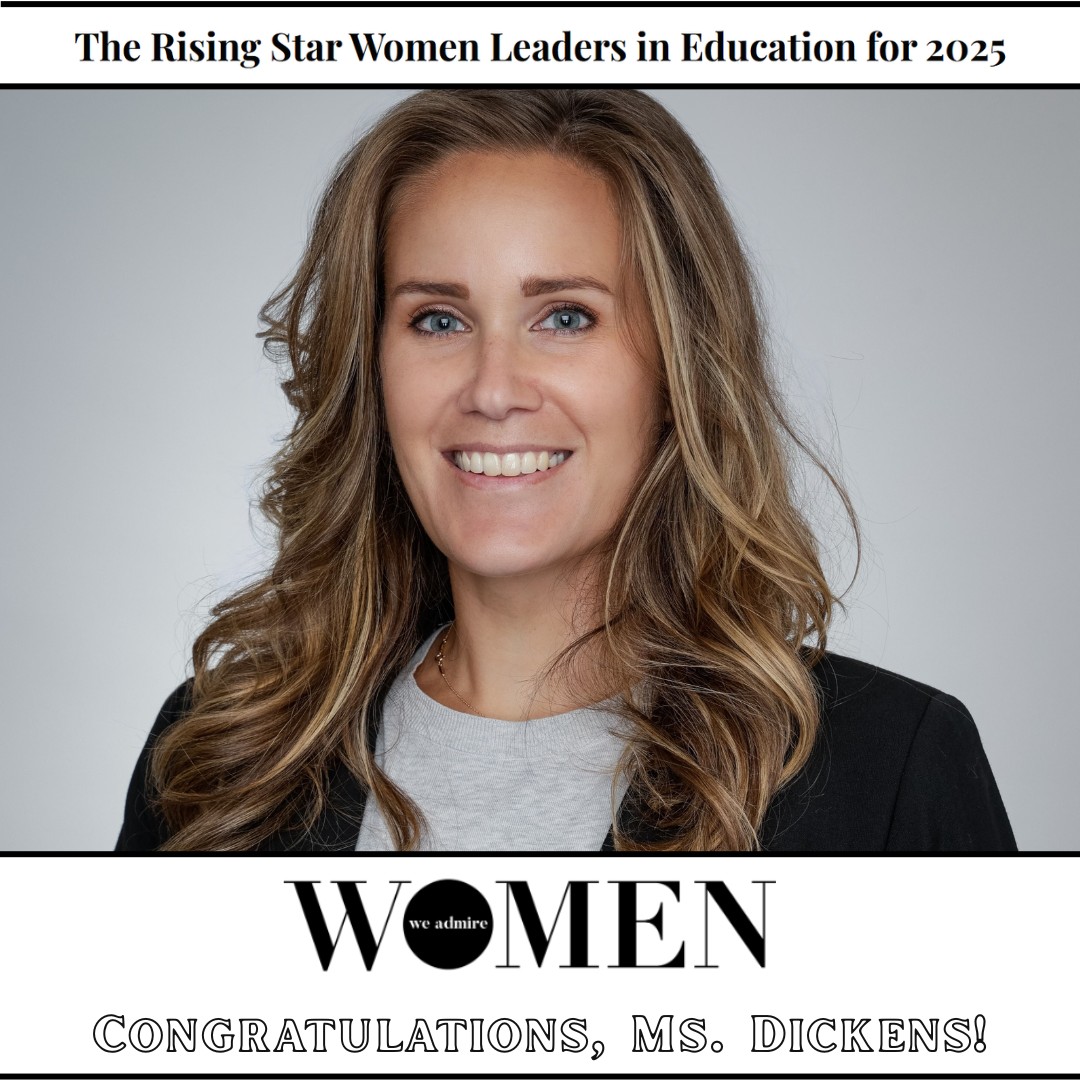
At BASIS Independent Manhattan, we believe that inspired leadership fuels inspired learning. We are proud to celebrate our Associate Head of Upper School (grades 6–12, Ms. Jennifer Dickens, who has been recognized as one of The Rising Star Women Leaders in Education for 2025 by Women We Admire. This national recognition celebrates women shaping the future of education through innovation, collaboration, and vision—qualities Ms. Dickens embodies every day at our NYC private school.

Ms. Dickens joined our school community as a history teacher, where she quickly distinguished herself not only for her dynamic classroom instruction but for her unwavering commitment to students’ growth and well-being. As she moved into administrative leadership, she carried with her a deep understanding of what it means to be both an educator and a mentor.

“I am so proud that Ms. Dickens’ leadership is not only being recognized internally, but externally,” said Ms. LaNette Hodge, Head of School. “She has a rare gift for inspiring those around her to be their very best, whether they are students in her classroom or colleagues across our campus.”

Her impact is evident in every corner of our school. Whether she is leading professional development sessions on effective classroom management inspired by Teach Like a Champion, organizing icebreakers to build camaraderie among faculty, or simply recognizing a teacher’s effort with a thoughtful shout-out or a surprise treat in the staff lounge, Ms. Dickens has created a culture where every member of our community feels valued and supported.

Ms. Friederike Williams, Dean of Students for our Upper School and a longtime colleague of Ms. Dickens, shared:

“I had the privilege of teaching alongside Ms. Dickens, and I believe she made me a better teacher. I benefited from her expertise and insight while she was my teacher mentor, especially by acquiring new methods for lesson planning structure. She also showed me how reflection on this process would help me find the best way to present content for my students.”

Ms. Dickens is not only a leader in her field but also an innovator. In November, she will attend a national education conference and present her insights in a session, “From Chalkboards to Chatbots: Rethinking AI in Middle Level Education.” Her work explores how artificial intelligence can be leveraged to empower students, personalize learning, and prepare young people for a world that is rapidly evolving.

This award from Women We Admire reinforces what our community already knows: that Ms. Dickens is a dedicated and visionary leader. She reminds us that true leadership is not about titles or accolades—it is about showing up for others, listening with empathy, and never losing sight of why we do this work in the first place.

Please join us in congratulating Ms. Dickens on this well-deserved honor. We are excited to watch her continue to lead, inspire, and redefine what is possible in education.

Get to know our leadership team and faculty!

Discover our well-rounded, high-achieving BASIS Curriculum and the student experience at a virtual info session or Admissions event.

Learn More

Filed Under: Administration & Staff, Awards & Recognition, Community Values, Culture of Support, Faculty & Staff, High School, Leadership, Meet School Leadership, Middle School

Class of 2025: Graduation Reflections

July 10, 2025 by jogoldfarb Leave a Comment

On June 18th, family, faculty, and students of BASIS Independent Brooklyn gathered together at the Palm House in the Brooklyn Botanic Garden to celebrate the accomplishments of our Class of 2025. Our twenty-four graduates are now poised to continue their academic careers in top colleges and universities across the country.

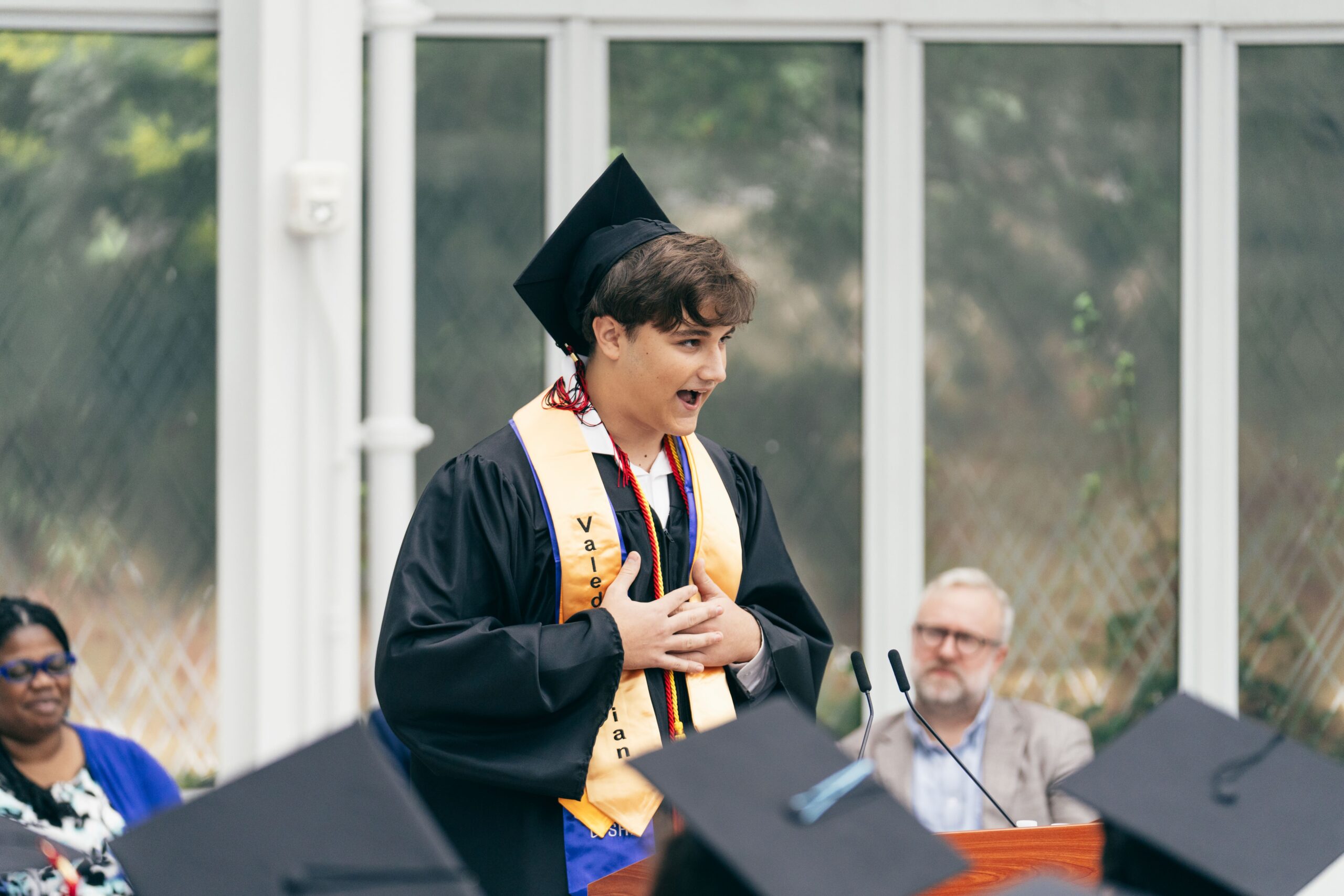
During the ceremony, Valedictorian Maxim S. expertly captured their time together as a class and inspired his fellow graduates to look ahead to all that is in store for them. We wanted to share his speech with our community since his words reflected the joy and honor at the heart of the celebration.

Address by Class of 2025 Valedictorian Maxim S.

Hello everyone, and thank you all for coming to celebrate this long-awaited achievement. It is an honor to stand on this stage as valedictorian—an honor I couldn’t have achieved without the unwavering support of my teachers, administrators, and, of course, my family.

Mom, Dad, Grandma, Grandpa, Aunt—thank you for not only giving me the opportunities to succeed, but for being there through all my highs and lows. And a special thank you to my brother as well—although he’s not here today, I truly cannot imagine how dull life would have been without your company, snarky humor, and competitiveness.

For most of us, today marks the long-awaited moment of liberation. The words AP, College Board, and Advisory are finally behind us. No more watching AP Classroom videos at 2x speed, hiding from Advisory teachers in the Senior Lounge, or complaining to our teachers about unnecessary post-AP assignments. I’ll admit, I certainly felt that sense of freedom at Senior Send-Off—more excited about what’s to come than nostalgic for what had passed.

But over the course of this last trimester—with more free time and fewer deadlines—I’ve had space to reflect and genuinely appreciate what BASIS [Independent Brooklyn] as given us.

Like many of you, I joined this school in its early days. When my family moved to the United States in the middle of my 2nd-grade year, I was nervous. I didn’t know how I’d fit in, or whether my differences would set me apart. But BASIS [Independent Brooklyn] did something remarkable—it welcomed me with open arms. It embraced the things that made me unique and gave me the space to grow into who I am today.

This small community—quirky, intense, tight-knit—has encouraged us to be ourselves. Class presentations and projects gave us the creative liberty to explore our topics of interest deeper. And because our class was so small, we had no choice but to listen to each other—to hear perspectives we might have tuned out in a more traditional high school. That closeness made us not just classmates, but collaborators, confidants, and, in many cases, lifelong friends.

We felt this school was small enough to create the changes we wanted—and so we did. We argued our case for better grades after tests we thought were unfair, started clubs where we saw gaps in the extracurricular catalog, and pitched in to support both the BASIS [Independent] and Red Hook communities. Sure, some of our efforts didn’t succeed—like the infamous Puerto Rico trip—but every attempt taught us how to advocate for ourselves, speak up, and shape the environment around us.

Through these four years, there were obviously moments when I wasn’t always the most prideful about our school. I sometimes compared our experience to the more “traditional” high schools we see in movies, and wondered what we were missing. But now, I see just how special our journey has been. We weren’t just students here. We were contributors to something still being built, persevering through academic rigor to help leave a mark on the expanding BASIS [Independent Brooklyn] community. And because of that, we didn’t just grow—we helped shape the school that shaped us.

So to the Class of 2025: As we turn the page and begin the next chapter, let’s not forget the laughter, the lessons, and the late nights that brought us to this stage. Let’s carry forward the values BASIS [Independent Brooklyn] has instilled in us—the courage to be ourselves, the willingness to listen, and the strength to grow. So let’s not wait for the world to change—let us be the ones who change it.

Congratulations, Class of 2025.  And in the words of Fabrizio Romano: Here we go!


Thank you to Maxim and our entire Class of 2025 for leaving their mark on our school community! We will be cheering you on these next few months during the transition to college.

BASIS Independent Brooklyn is a PreK–Grade 12 private school, providing students with an internationally benchmarked liberal arts and sciences curriculum, with advanced STEM offerings. Considering joining the Bears community? To join our interest list for the next school year and receive admissions updates and more, please click here. 

Filed Under: Awards & Recognition, Community Events, Community Values, High School, School Community, Student Achievement, Student Perspectives, Student Spotlight

Celebrating Young Authors: BASIS Independent Fremont’s 3rd Annual Creative Writing Competition

July 1, 2025 by sarahpeterson Leave a Comment

At BASIS Independent Fremont, we believe in nurturing creativity just as much as academic excellence. A highlight of student life at our Lower School is the Creative Writing Competition, now in its third year.  This year, we’re especially excited to showcase the voices behind the stories—literally. Each of our winning authors recorded a reading of their work, bringing their characters and historical journeys to life in their own words.

Open to all students in grades 4 and 5, the contest offers young writers an opportunity to share their voices, hone their craft, and be recognized for their storytelling talents. The prompt invited students to imagine a time traveler who experiences a historical event or moment in time, and how that experience changes them. Students responded with a wide range of creative, heartfelt, and thought-provoking stories.

Entries were judged by a panel that included Upper School English teachers, high school Creative Writing students, and local author Krystaelynne Sanders Diggs. Ms. Diggs—a published author, speaker, and advocate for children’s voices in literature—brought her expertise and passion for storytelling to the judging process.

We are proud to introduce the three winners of this year’s contest, each honored in a specific award category. Read on to meet each writer, discover what made their story stand out, and hear them share their work aloud in the videos below. From strong character arcs to inventive ideas and beautifully descriptive language, these young writers impressed us all—and we think they’ll impress you, too.

Best Character Development: Arya S. (Grade 5) – “In Memory of Papouli“

Arya impressed the judges with a compelling protagonist whose emotional growth unfolds beautifully over the course of “In Memory of Papouli”. Her ability to build a believable and dynamic character stood out in a field of strong contenders.

Watch Arya read her story below:

Most Original: Arjun M. (Grade 4) – “The Old Way Forward – A Time Traveler’s Tale“

Arjun’s story, “The Old Way Forward – A Time Traveler’s Tale”, took a wonderfully imaginative approach to the prompt, offering a fresh twist on time travel that surprised and delighted our judges. His creativity and risk-taking paid off in a story that felt entirely his own.

Watch Arjun read his story below:

Most Descriptive: Yunxi X. (Grade 4) – “Through the Tube of Time“

With vivid language and detailed imagery, Yunxi transported readers into the heart of “Through the Tube of Time”. Her descriptions made scenes come alive, immersing the reader in every sound, smell, and sight.

Watch Yunxi read her story below:

BASIS Independent Fremont’s Creative Writing Competition is just one of the many ways our Humanities Program fosters a love of storytelling and self-expression. Arya, Arjun, and Yunxi’s work showcases the creativity, imagination, and talent that thrive in our classrooms. We hope their accomplishments inspire others to find their voice and explore their own creative journeys at BASIS Independent Fremont and beyond.

Curious about how BASIS Independent Fremont supports students’ academic and creative growth?

Connect with a member of our admissions team to learn more.

BASIS Independent Fremont is a TK – Grade 12 private school, providing students with an internationally benchmarked liberal arts and sciences curriculum, with advanced STEM offerings. Considering joining the BASIS Independent Fremont community? To join our interest list for the next school year and receive admissions updates and more, please click here.

Filed Under: Awards & Recognition, Competitions, Humanities, Lower School, Student Achievement, Student Life, Student Spotlight, Uncategorized

Senior Project Spotlight: Arry J. – Horizontal Gene Transfer in Microalgae for Wastewater Treatment

June 26, 2025 by alexlevin Leave a Comment

At BASIS Independent Manhattan, senior year culminates in a transformative experience that prepares students for the independence and rigor of college academics. Seniors benefit from a daily college counseling class that supports every aspect of the application process—from building college lists to making final decisions. Throughout the year, students take a range of advanced courses, including AP classes and Capstone courses that allow them to explore subjects in greater depth. In the final trimester, students shift their focus to either the Senior Project or AP Research track—immersive, student-driven experiences that reflect their passions and equip them for success beyond high school.

The Senior Project Experience 

The BASIS Independent Manhattan Senior Project challenges students to move beyond the classroom and apply their knowledge to real-world topics. In their final trimester, students conduct independent research, collaborating with an internal faculty advisor and an external mentor. They develop a unique project that reflects their interests and career aspirations. Students blog regularly about their progress and conclude with a presentation to the school community. 

Alternatively, students enrolled in the AP Capstone program take on a two-year research commitment, starting with AP Seminar in Grade 11 and culminating in AP Research in Grade 12. These students conduct original investigations, collect and analyze data, and present their findings in a format similar to a university thesis. This pathway hones advanced research skills, critical thinking, effective communication, and scholarly inquiry. 

Senior Spotlight: Arry J. 

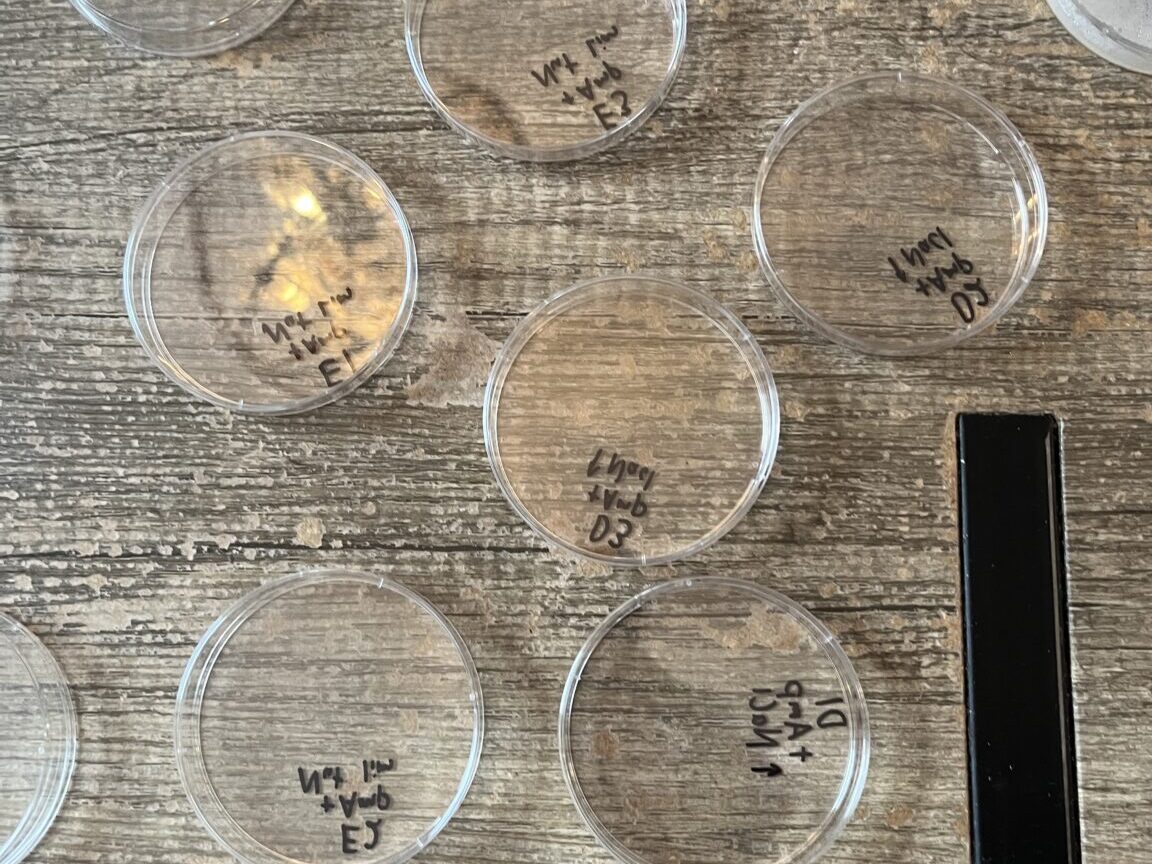
Arry J. (Class of 2025) embodies the spirit of independent inquiry. His AP Research project, “Exploring the Potential for Horizontal Gene Transfer to Enhance Microalgal Efficiency in Wastewater Treatment,” dove into the world of environmental biotechnology. Arry’s work focused on increasing microalgal cell wall permeability to improve gene transfer from bacteria, potentially leading to breakthroughs in sustainable wastewater treatment. 

Despite limited lab access, Arry demonstrated creativity and determination. He transformed his kitchen into a functional workspace and improvised with household tools to conduct microbiological experiments. His project reflects not only scientific ambition but also the core outcomes of our program: resilience, critical thinking, and problem-solving. 

Reflecting on the experience, Arry shared, “The biggest surprise for me was realizing how little I knew about the topic. I always thought of myself as pretty biology-oriented. I chose my topic based on biology; however, as I conducted more research, I realized that every subject has numerous small niches, and you have to dive deep to understand most aspects. This is what surprised me because I didn’t realize just how complicated every little thing is.” 

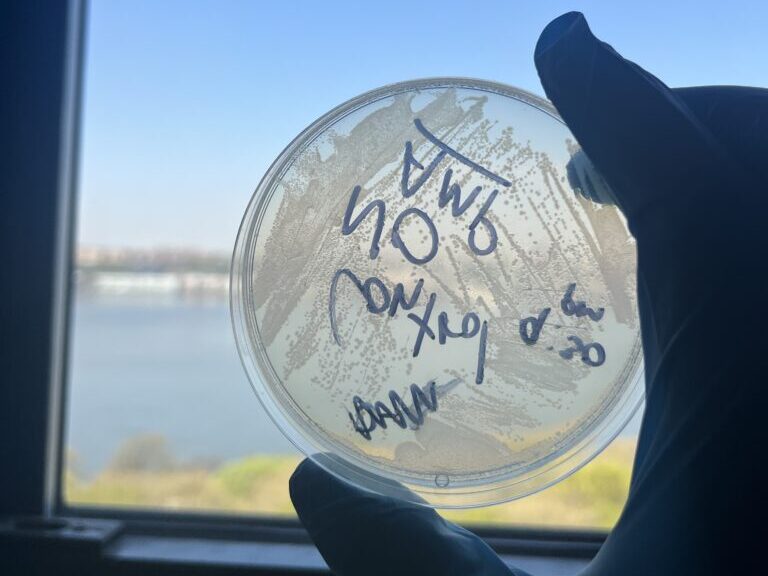
He also recalled the satisfaction of scientific success after initial setbacks: “When doing my project, I ordered everything to my house, and was growing a safe strain of E. coli in my bedroom. My first trial didn’t work. There was no growth on any of the plates. However, I then repeated the entire process, refining some steps and conducting additional research. The second time, it worked! By work, I mean I genetically engineered E. coli to glow in the dark, and it glowed in the dark. I thought that was cool and pretty incredible… and I’m proud of my work.” 

Real Science, Real Impact 

Arry’s project is a powerful example of what BASIS Independent Manhattan students are capable of: research that combines intellectual passion with real-world relevance.  His weeks of late-night incubation checks, improvised lab equipment, and glowing bacterial colonies prove him to be a capable student and a budding scientist. Through the AP Research program, Arry developed a deeper understanding of microbiology along with resilience, resourcefulness, and the analytical skills needed to thrive in college and beyond. 

Preparing Students for the Future 

Whether through an AP Research or Senior Project, our students take ownership of their learning, preparing them for higher education and real-world impact. These projects foster academic independence, deepen subject matter expertise, and give students a platform to explore professional interests before graduation. 

Arry’s work—like that of his peers—reinforces how the high school at BASIS Independent Manhattan can be a launching point for meaningful, original contributions to today’s most pressing challenges. This fall, after being accepted into 11 of the nation’s top 25 universities, Arry will bring that same spirit of inquiry and impact to the University of California, Berkeley.

Curious to Learn More? 

Explore Arry’s full blog and follow the work of other BASIS Independent Manhattan seniors here: Senior Projects at BASIS Independent Manhattan. 

Filed Under: Academics, Awards & Recognition, College Preparation & The Senior Year, High School, Senior Projects, Student Achievement

BASIS Independent McLean Debate Team Takes National Win!

May 28, 2025 by aixuanwang Leave a Comment

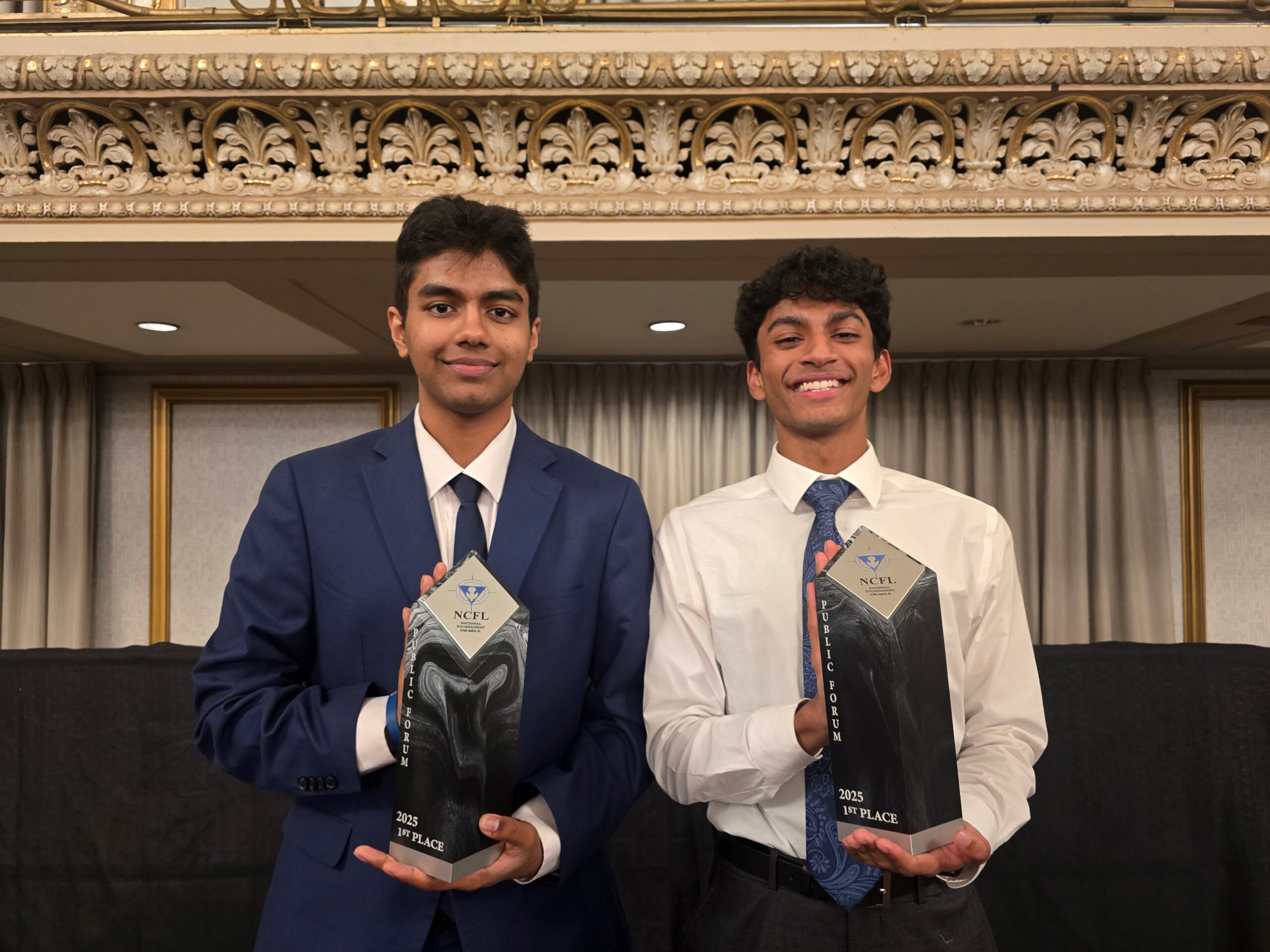
We are thrilled to announce that Sachin L. ’25 and Saaketh V. ’25 have won the National Championship in Public Forum Debate at the NCFL (National Catholic Forensic League) Nationals! This past weekend, hundreds of teams from across the country gathered in Chicago to present their well-prepared arguments before their opponents and judges. After months of researching, analyzing data, investigating sources, and refining their debate skills, these two students triumphed, securing the championship title!

Their win is an excellent demonstration of how our students can excel with hard work and relentless commitment to success.

Left: Saaketh V. ’25 | Right: Sachin L. ’25

About the Competition

The National Catholic Forensic League (NCFL) Nationals brings together the nation’s top debate teams. To qualify, teams must excel in local preliminary tournaments and win their respective Metrofinals. Competing in the Arlington Varsity Division, which represents Northern Virginia, BIM’s Debate Team advanced from a pool of 65 registered teams in the preliminary tournament, earning eight advancement spots to face off against 15 other schools in the second stage. Our team triumphed in the Washington-Arlington Catholic Forensic League Metrofinals in March, securing their place in the national competition.

Among these top debaters, Sachin and Saaketh achieved impressive results: 4 wins, 0 losses, and 2 split decisions over the course of 6 rounds, earning 10 ballots out of 12 and securing their seats to represent BIM at the nationals.

Metrofinals Winners | From left to right:
Richard P. ’28 & Yalini K. ’26 – First Place, Junior Varsity Division
Sachin L. ’25 & Saaketh V. ’25 – First Place, Varsity Division

Teamwork and Commitment

The success of our Debate Team is built on perseverance and a commitment to excellence. Sachin and Saaketh’s achievement reflects not only their four years of experience since joining the team, but also the effectiveness of the rigorous training and consistent practice they have undergone.

At the start of each year, the club focuses on helping new members develop the foundational skills they need. Following this, the team adheres to a fast-paced routine:

  • Week 1: Practice building a background on the topic and begin researching.
  • Week 2: Share findings with club members and collaborate on formulating the best arguments for each side.
  • Weeks 3–4: Engage in practice debates on both sides and evaluate how the arguments hold up against an opponent.

Debate tournaments are highly intense and demanding, but through these weekly practices, our students prepared themselves with the resources, skills, and experience needed to succeed. While victory in debate may seem like a specialized achievement, the ability to quickly process and organize research and present it effectively in real-time is a skill that will benefit them well beyond high school.


The EPIC Spirit

At BASIS Independent McLean, our community is defined by four EPIC traits: Empathy, Perseverance, Integrity, and Curiosity. Our Debate Team exemplifies the trait of Perseverance. Sachin and Saaketh have been debating for four years since joining the club, and their victory is not only a testament to their talent but also to the values we instill in our students. Through hard work, dedication, and a commitment to excellence, they have proven that the potential for BIM students is limitless.


What’s Next

With the national championship under their belt, Sachin and Saaketh’s journey doesn’t end here. The Debate Team will continue to thrive with renewed vigor and systematic training next school year, and we can’t wait to see what they will achieve next. Stay tuned for more updates on their future accomplishments! Go Hawks!

From left to right: Saaketh V. ’25, Sachin L. ’25, and Mr. Biemesderfer (Debate Team Advisor)

Filed Under: Awards & Recognition, Clubs & Activities, Competitions, High School, Student Spotlight

Meet the Winner of the 2024 Fellows Scholarship for Excellence in Senior Projects! 

May 27, 2025 by msnyder Leave a Comment

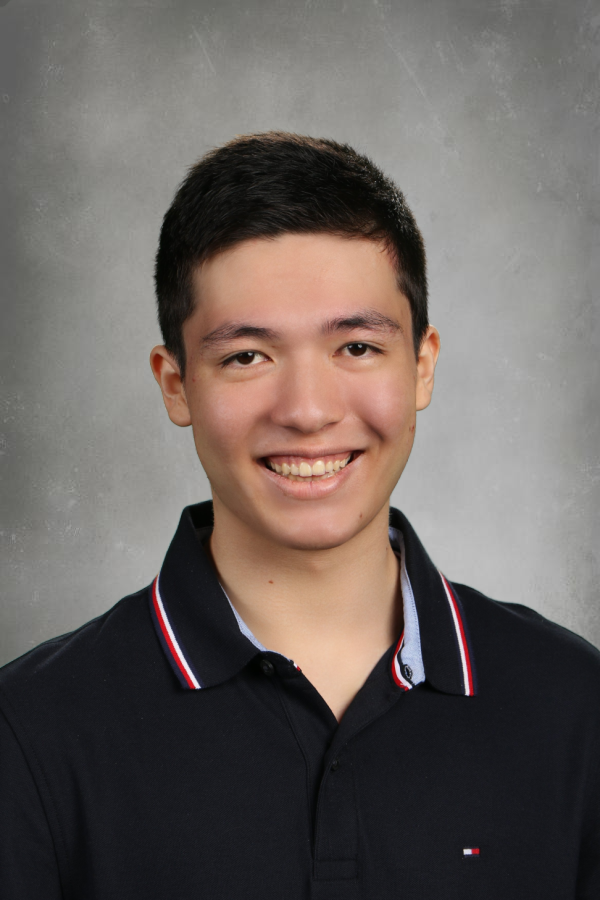
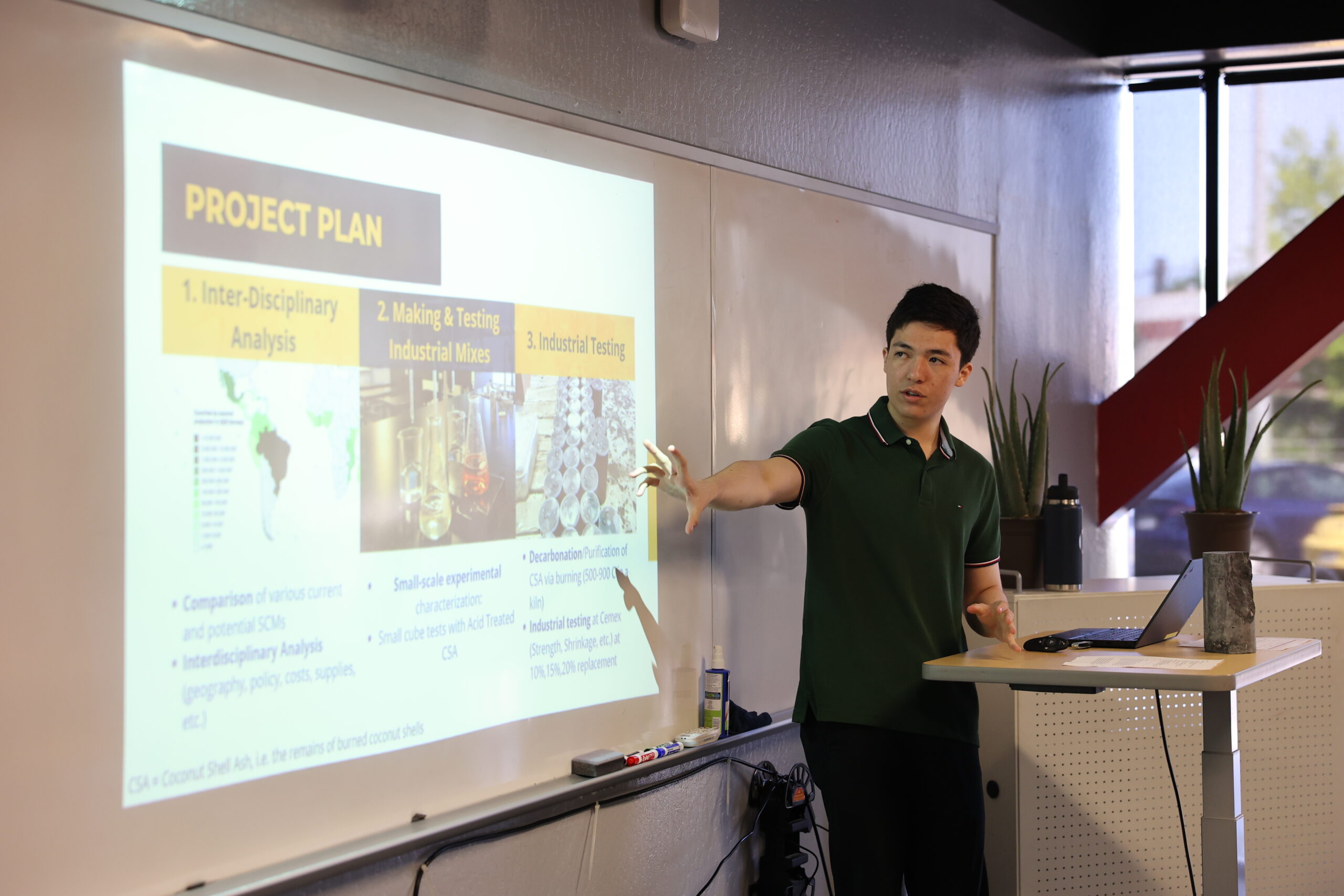
To kick off a new year of Senior Projects, we are sharing a conversation with the inspiring winner of the 2024 Fellows Scholarship, a $10,000 prize awarded to one project per year. Max Polosky, a Class of 2024 graduate of BASIS Independent Silicon Valley (BISV) and current Northwestern University student, impressed our committee with his project titled “Industry-Standard Characterization of Coconut Shell Ash’s Viability as a Supplementary Cementitious Material to Reduce CO2 Emissions”

The Senior Project is an independent, student-led culmination of our high school experience. After three years of academic preparation, our seniors are ready to spend the last trimester of their high school careers applying the skills and knowledge they have gained to develop a project that is insightful, academically rigorous, and professional in nature. 

Our seniors start by designing a research question that is often centered on a subject they are passionate about or curious about. Then they embark on a journey to answer it, documenting and analyzing their findings as they go. They partner with both an internal and external advisor to support and guide their research. Students may choose to conduct their research in the form of internships or experimental research at university research labs, field work abroad, or research conducted remotely from home. From explorations into new-age technology to cutting-edge medical advancements to social justice, the Senior Project offers students the opportunity to channel their innate curiosity. This experience readies them for the type of self-direction and self-discipline expected in an undergraduate and graduate setting. 

Max sat down with Mr. Michael Mandeville, Curriculum Development Specialist for BASIS Independent Schools, to discuss his revolutionary project, his BISV experience, and the impact of his research. 

Mr. Mandeville: Welcome Max, thank you for taking the time to speak with me today. And first off, I want to say congratulations again! And I heard that you found out about winning the Fellows Scholarship the same day that you found out you scored a 5 on AP Calculus. Is that right? 

Max P: Yep, it was a great day for me and my parents. 

Mr. Mandeville: Well, congratulations, that is fantastic. Reading your blog was really amazing, and one of the things that stood out to me was the inspiration of growing up internationally and seeing these big construction projects in the cities where you lived. You also mentioned having a head start on your Senior Project, because you’ve been interested in sustainable concrete for a few years now. With these inspirations spanning back to childhood, my first question is: Did you have other ideas for your Senior project, or did you go into senior year knowing that this was the project you wanted to focus on? 

Max P: I was always pretty interested in architecture and design. Since middle school, I’ve always enjoyed drawing buildings. So that got me interested in civil engineering and building materials. I had been doing some research about concrete since at least the summer before grade 12, and doing experiments whose results didn’t turn out exactly as I wanted them to– there were mysteries in the air. I did have some other ideas for things I could do, because there were interdisciplinary concepts I was interested in. But I learned a lot from the two chemistry Capstone courses I took in my senior year, and it related to my major, Environmental Science. By Trimester 3, I felt prepared for my project, so I definitely wanted to get back in there and continue working on what I had started. 

Mr. Mandeville: And you wrote about your involvement with the Aspiring Scholars Directed Research Program (ASDRP), which you joined in grade 10. How did that come about, and is that where you remember this project beginning for you? 

Max P: I would say that there are multiple ways to view the beginning of my project, but ASDRP was where I got into concrete specifically. I had been doing summer camps and various structured programs forever. And I felt like I wanted to do something more self-driven, more independent, instead of just, going to camp and doing what I was told to. Actually, that year I was accepted into one of the Stanford summer camps as well, along with ASDRP. And I don’t know if it was the correct decision, but it was the decision that I wanted to do research, you know, something more independent.  

I went in not really knowing what to expect, because I didn’t really have experience with this level of research, and I thought it was just a college thing. But they did a good job of introducing resources and advisors with different areas of interest. And, so then I found the person who would become my external Senior Project Advisor through that process. 

Mr. Mandeville: Do you have any advice for students who are interested in getting involved in something like that? 

Max P: There are really all kinds of options, of course, and I think I tried, or I participated in many of the different options. There are more and more of these different kinds of programs that connect you with industry professionals or professors who are willing to help high schoolers. I’ve also seen a lot of different high school and even middle school research journals. Of course, you have to apply to those. And then the other option, which I also did was doing independent research, which is more flexible because you can cater to your own interest, but it also depends on what you want to do. 

Of course, if you’re doing something like math or computer science-related, something that doesn’t need physical equipment as much, it’s probably easier to do that kind of thing remotely or at school. Doing a physical project like mine independently is a bit more difficult. I was cold calling, emailing a whole bunch of different organizations like professors at Santa Clara University, that kind of thing. Actually, I had a good number of replies. I was able to talk to some professors and learn some cool things, but couldn’t find anyone with the time and equipment to help. And then I ended up as a desperate attempt just visiting CEMEX, which has a facility like 15 minutes from our house, and we just kind of walked in there one day. It was kind of weird because they had trucks moving around, they were pouring stuff everywhere, and there was a sign that said “Restricted Area” so I wasn’t even sure if we could go in there. But my dad was like, “We have to at least try.” So, we went in and said we have this project that we want to do, and we need test equipment and someone to help out. And they actually connected us with the people I am still working with for my Senior Project. And it just kind of worked out like that. So, if you’re doing independent research, I guess there’s a lot more reaching out in that kind of thing, but a lot more flexibility as well. My recommendation is to be prepared for rejection, but also be prepared to learn a lot. Be flexible and eventually you find opportunities. 

Mr. Mandeville: And that leads me to my next question, because that’s another thing that stood out to me in your blog was the initiative that you took and the cold calling. That is an experience that I think even adults can struggle with, and I think that can be a major block for people, because you’re really putting yourself out there. And you mentioned hearing “No” a lot, or you’re finding a lot of dead ends out there. So, for students who may be facing a similar thing in their Senior Project, or any project, how did you deal with that? Was there ever a point where you thought, “Man, this is not working?”. 

Max P: The first thing that probably anyone would tell you about Senior Projects or research projects in general is to leave more time to start early, definitely. Don’t think, “Oh I have a whole senior year to do this.” It’s good to start thinking about it beforehand. Start taking stock of your interests early on, and then you can at least start getting in contact with people who have expertise and can advise you. Of course, everyone is busy, and also, they have their own things in their life, they’re working on, and they’re researching. So, of course, it’s going to be difficult. 

In that aspect, my dad really helped out a lot there, because he’s always really willing to go and talk to random people. That really encouraged me to also go out there and talk to people. No one’s going to be condescending and purposefully unhelpful or mean. So often, which actually happened to me with the CEMEX, is that people will suggest things and kind of get you on the right path over time. So, you may start out confused, not knowing where to look, but eventually, you’ll start to zero in on what you need to look for. So, you have to keep going at it. 

Listen to what the people you’re talking to are saying and see if there’s something that’s related. They’ll suggest things that are maybe similar if there’s nothing exactly the same as what you want at first. Nothing’s ever going to be as you want it. It’s important to have that flexibility to change your plan. As always, I guess that’s the name of the game in research, right? If everything went just really simply down the path, where would the fun be? 

Mr. Mandeville: And on the note of plans, did you have your BASIS Independent faculty Senior Project advisor in mind from the beginning? What was important to you in choosing the internal advisor for your project? 

Max P. Yes, I had a general idea that I wanted somebody with whom I had classes with before and had a connection with, ideally. Just because you know how that teacher operates, and they also know you and so it’s easier to get started with a collaboration, if you’ve already collaborated in the classroom environment before. 

So, I started there. And then the project being chemistry, and environmental based, I was looking in that region. I was lucky enough to be able to take two Capstones my senior year, Inorganic Chemistry with Dr. Bozidarevic (affectionally known at BISV as “Dr. B”), and also the Industrial Chemistry course with Dr. Davies. 

Dr. B and I interacted very closely in Inorganic Chemistry, because it was a class of six people that year. It turned out to be a really good thing, because, we already understood each other, we joked around every now and then. I think on my senior project presentation, I was introduced as the biggest complainer Dr. B ever had, but also someone who would turn up and get 100 on all the tests anyway. So, you know, we had this kind of banter and closeness from that class. I guess in general, just because of circumstance, a lot of the options will kind of get narrowed down already. And then it’s just going for whose specialty aligns. And actually Dr. B. did suggest that I talk to Dr. Davies every now and then just for some advice, because she had the industry experience with concrete already. So yeah, all the teachers have different kinds of expertise and backgrounds. And some of them might even have interests that you didn’t even know about. It’s just about asking them, just like looking at research in college, it’s okay to talk to different teachers. You don’t have to limit yourself to one immediately. Because of course, they also want a project that kind of fits with how they work. So, it’s never a bad thing to talk to different advisors and kind of weigh your options. 

Mr. Mandeville: That’s great. And in your project, you faced a lot of challenges. Was there an aspect that you found most challenging or most frustrating as you were going through it? 

Max P: Yeah, with concrete, it just takes time, because concrete turns hard, technically, after 24 hours, it’s hard to the touch. But the curing process literally never ends. The hydration and environmental interactions and chemical changes within the concrete mixture pretty much continue forever. And that’s a big thing in the concrete industry: a lifetime analysis of concrete and how it changes from one day, 10 days, two weeks, years, that kind of thing. And so that was a really big thing, I had to get my schedule written out really early on for when I was going to do the tests. And then when I could get the results from that test, and inform another different test I was going to do. Because the curing time of concrete from the standard, one to 28 days, or even 56 days, that’s half the senior project time of the third trimester. And so, just waiting for that was definitely a challenge. I remember, I was actually doing tests a day before the presentation, and making graphs and results to put on my presentation the night before. But that the long curing times also gave me a lot of time in between, so I could work on the more interdisciplinary aspects with doing my research online. So, it was a challenge, but it was also something I used to my advantage. 

Mr. Mandeville: And speaking of the time that it required, I’m curious to know—if you had a full year to work on it or more time to develop it. What aspect of the project would you have wanted to explore more? 

Max P: I guess, technically, I did get even more than a year to work on it. But, of course, there’s always time constraints. If I had more time, I’d like to look at my project over a longer period, because concrete does tend to change even more over time. I think this time, my tests were 28 days, but you know, 56 days and beyond, would be great. And also analyzing the carbon dioxide reabsorption of the of the concrete variation I made over months or even years, although I think there are ways to use like a special kind of carbonation chamber, kind of like a soda water machine to concentrate the carbon dioxide in the air, therefore, more quickly showing the reabsorption potential of the concrete. 
That would be something I would like to do. Because recently, I was looking at professors at my university, Northwestern, and seeing if there’s any related labs going on, related to concrete, and I was talking to one of the retired professors actually, and they were telling me about this work they were doing with biochar and carbon reabsorption. And how adding a little bit of certain materials can dramatically increase this carbon reabsorption, therefore, making the lifetime emissions of that concrete much lower. And biochar is burnt organic material, which is similar to what I was using. So, I would be interested to see if the carbon reabsorption would be affected by adding what I’m using as well. 

And then, another thing was that there are just a ton of different mysteries that popped up, especially near the end with the tests I was doing in the school lab, where there was unexpected, chemicals precipitating out when I was doing the acid tests, depending on the concentration and that kind of thing. And I hadn’t really had the time to analyze what was happening there. But, of course, there is potential there for being able to separate out the carbon from the useful chemicals we want. So that’s definitely an exciting thing to look at, especially because most of the different kind of biomaterial based supplementary cementitious materials that exist right now to replace cement require some sort of burning to reduce carbon content, and that limits their carbon effectiveness to a certain point. So being able to isolate the chemicals we want from the carbon without burning, of course, would be a super big innovation. So that’s something worth looking into as well. 
Mr. Mandeville: Reading your blog was very engaging—you have all of this technical knowledge, and yet you were able to relate it to familiar things and meet your audience where they were. Did that come naturally to you? Or was that something you worked with advisors as you wrote it? 

Max P: I guess it’s kind of an environmental science, environmental advocacy skill. I’ve been working with adults and children in the community for the last few years, with a nonprofit organization that I founded. Because of course, climate change, recycling, all these other things can be really complicated for someone who’s busy, or someone who’s young. And so it’s important to communicate these complex ideas, which are also very interdisciplinary. Making things concise and also easy to remember is one of the key jobs of doing environmental advocacy. 

I gave a lot of presentations, at various charity concerts, at my old elementary school, and you don’t really have forever to go into all the details. But getting the message across and getting some key data points across is the most important to do. And so, I’ve had a lot of experience distilling the essence of what I want to talk about, and so that came into form when I was making my presentation, just because, my environmental advocacy experience, and also having done so many of these kinds of presentations before about concrete as well. I’ve done at least two poster sessions, two online presentations, and also just spoke to a lot of people about it. From that I was kind of able to gauge what people understand more, what people don’t understand, and then go forward with that, and create something concise, but also meaningful. 

Mr. Mandeville: We talked about some of the challenges you face. Alternatively, what were your favorite aspects of it? Was there a favorite part of the project? 

I mean, of course I love my entire project, because it is my project. It’s kind of a part of me. But I guess, there were some special events that were within my project like getting to go to the various concrete facilities, cement facilities, to see the people and look at the tests being done. I remember, it was actually the summer before my senior project, but I remember my first time going to CEMEX quality control lab—kind of an industrial laboratory in Livermore, which was quite a long drive, but going there we deposited the coconut shell ash. 

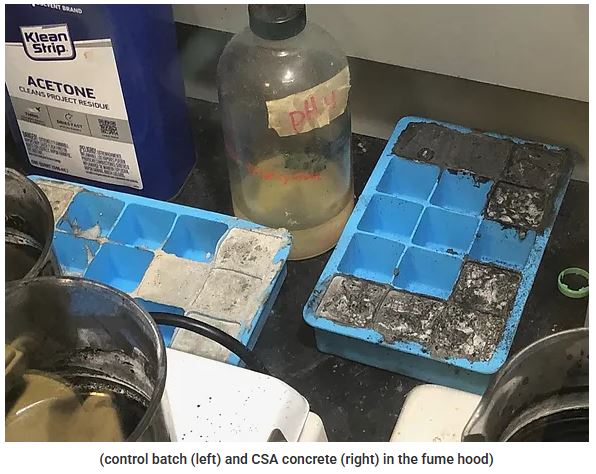
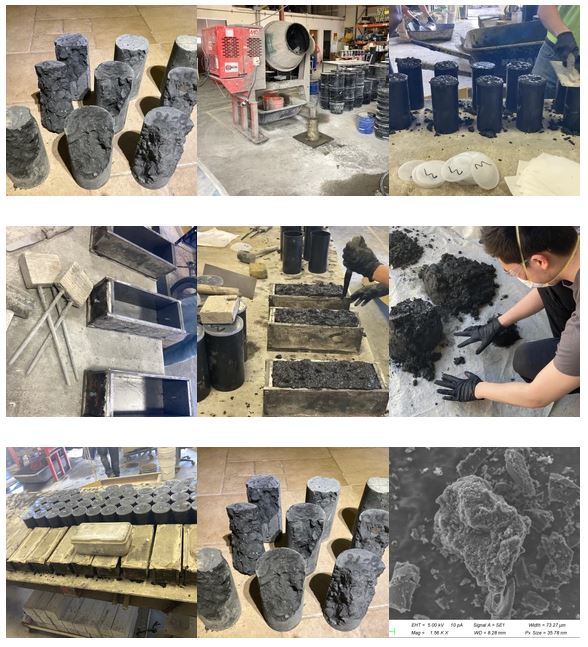
They had a whole system already devised for testing this kind of thing, because the concrete industry has been around for so long, and it’s gained this really good efficiency. So, they had a whole team there. And the morning we went back, they got started at 7:30 AM helping to make the mixes. I think they made 36 different-sized cylinders plus some shrinkage mold tests. They made a whole bunch of those of three different variations of the concrete in, I want to say like half an hour, but they worked amazingly, as a team, getting all these different tests done on the fresh concrete while also making it. And also, following the rigorous procedures that the industry has. And it was really amazing to see how the industry actually works, and the efficiency that’s required, because I was also making my own concrete mixes later, during Senior Project at school. And it would take me two to three hours to do one ice cube tray worth of concrete. It really amazes me how good they are at what they do. And then of course, I also got to go to the Forterra Lab and they also had a bunch of cool things going on, because they’re more on the experimental side with the sustainable concrete. And they have a bunch of cool pictures on the walls of micro scale images of the types of concrete they’re making. And they also have a bunch of cool machinery. And because it was a smaller scale, I got to get involved, putting some small concrete cubes in one of their compression test machines. I guess I didn’t get to go many times, just because, you know, concrete takes a long time to cure, but it was always a treat, going to see how things actually work and how the professionals do it. 

Mr. Mandeville: Another thing that really stood out to me was how you highlighted so many interdisciplinary aspects of your project. You tied a lot of that to your experience at BISV. Could you give a few of those aspects?  You talked about the chemistry, the physics, the economics, the geography. 

Max P: Yes, so with BISV, I really enjoyed being able to take high-level, advanced courses in all these different aspects. And I think looking back on it, I really enjoyed having that course load. And also, having some of the choices between the different sciences and the different histories. I guess one thing that was especially on my mind while I was doing the interdisciplinary part of the project was Mr. Meyerowitz’s Colonial and Post-Colonial course. In that class, we talked a lot about the political balances that exist in the world in the past and present. And then also, during our debates, we were free to look at all different aspects of certain issues. I sometimes raised the environmental aspect, and it made it so there was more freedom to explore, like project-style, what you personally wanted to look at. 

And with that, I also got a lot of research experience in literature review regarding politics and economics. With those skills, I knew I wanted to use them in my project to look at the economic and geographic concepts. And I could have gone even more in-depth. But then that would probably be multiple different projects at that point. But that was definitely one thing I was keeping in mind. Of course, AP Environmental Science is also just a very interdisciplinary topic in general. There are all kinds of different things going on there, every unit, something new to look at that’s still connected to all the other units as well. So, you know, I was keeping all of these different things in mind. But I feel like in most of the classes I had, there were opportunities for projects where you could kind of tailor it to your own thing. So, I actually already had ideas in my mind from these classes, because I had actually done environmental related interdisciplinary work relating to the class content already. So, that made my job easier, connecting the different dots. 

Mr. Mandeville: I know that sometimes seniors are excited about a project and ultimately choose not to do a project out of a fear of failure—fear that it’s not going to turn out the way they want it to. What advice would you share with those students?  

Max P: I think I heard this a lot during my college application process, and people say this all the time. You know, as you’re going off to college, you kind of have to take the opportunities, you craft the experience. 

My project, you could view it as a “failure” because I didn’t create this all-new concrete that everyone wants. But even so, I think Senior Projects are more about the experience of higher academia, the culmination of knowledge. And so, it’s mostly a good chance to show off what you’ve learned and show off also your individual interests.  

There were so many different passions there. And everybody ended up getting super involved in their own project, of course, because it’s what they want to do. So, what I’d say is, failure is a part of learning. I failed a lot. But I’d say, failing is probably more fun than just succeeding. I mean, if everyone just succeeded all the time, there would be no learning. So, just sticking to it and also showing off what you know is really important for Senior Projects. And definitely thinking about it beforehand also helps alleviate those anxieties. 

Mr. Mandeville: Definitely. Max, thank you so much for taking the time to talk with me. I really appreciate it. Is there anything else you want to share before we cut off? 

Max P: I guess I’ve got to stand up for concrete still. I think people should be more interested in these things in general, which may seem boring from the outside. I talked about this in my last blog post. Just these things that may not have fancy names like quantum or AI. Of course, those are important, but coming back to Earth and dealing with nitty-gritty issues that can help with environmental problems, especially in the short term to meet our climate goals, is really important. More research efforts should definitely be put into these areas. Integrating these with newer technologies like AI prediction is the way forward. It’s always interdisciplinary, combining things. That’s very important because everything’s connected at the end of the day. 

Filed Under: Academics, Alumni, Awards & Recognition, College Preparation & The Senior Year, Senior Projects

  • « Go to Previous Page
  • Page 1
  • Page 2
  • Page 3
  • Page 4
  • Page 5
  • Go to Next Page »

© BASIS Independent Schools

  • Contact Us
  • Media Recognition
  • Careers
  • Privacy Policy
  • CA Privacy
  • Terms of Use

Headquartered in Campbell, California, Spring Education Group is majority-owned by investment funds administered by Primavera Holdings Limited, an investment firm owned by Chinese persons and principally based in Hong Kong with operations in the United States, China and Singapore.

Sitemap