• Skip to primary navigation
  • Skip to main content

BASIS Independent Schools

BASIS Independent SchoolsBASIS Independent Schools
  • About
    • Why BASIS Independent Schools?
    • Mission & Philosophy
    • Diversity & Citizenship
    • History
  • Academics
    • Curriculum
    • Early Learning Program
    • Primary Program
    • Middle School Program
    • High School Program
    • The Senior Year
    • Summer Programs
    • International Student Program
  • Achievements
    • International Performance
    • College Admissions
    • Advanced Placement
    • National Merit
  • Find Your School
Inquire

Electives

Celebrating Women in STEM: Bellevue’s Subject Expert Engineering Teacher

March 12, 2026 by emilyhughes Leave a Comment

March is Women’s History month and BASIS Independent Bellevue is celebrating in a variety of ways, including donating to a local women’s shelter, making a Mae Jemison inspired craft, and a presentation from one of our Subject Expert Science Teachers about the history of women in STEM. In order to celebrate the importance of women in STEM, we collaborated with Ms. DiBattista, a Engineering Subject Expert Teacher, to share about her passion for engineering that was sparked as a child and continues to remain strong today as she inspires the next generation of engineers!


Background

When I was a small girl, my dream was to become an inventor. I can vividly remember carrying my manila folder around with me, that was filled with designs that ranged from bubble powered cars to amazing rollercoasters! If you saw me as a young child, you could bet that I would have this manila folder with me. As I let my imagination soar, little did I know I was engaging in the engineering design process long before I knew how engineering would change my life. I will never forget the day my parents gifted me my first Lego set. It was a part of the Lego Architecture collection featuring the London Bridge. My first Lego set sparked my interest in civil engineering, which continues to be an area of passion for me.  

As I grew older, I decided to attend the University of Central Florida, where I received my certification in K-6 Education. I knew that I wanted to work with kids in education, but I hadn’t yet made the connection of incorporating my passion in design with teaching. Initially, I taught math and science to grade 5 students as an intern. I then continued as a permanent teacher at the same school. My Supervising Teacher, who later became my colleague, inspired me to figure out what kind of teacher I wanted to be. I often admired how she combined fun activities and problem-solving with good classroom management. I could see students thriving in this environment and knew I wanted to be the kind of teacher that created a similar environment for my future students. At that school, I was also the Club Supervisor for the Coding Club and the Chess Club, which included students in grades 2–5. Both clubs gave me experience working with students on how to solve problems. Seeing students have so much joy in creating projects to solve problems got me wondering if there was a teaching role where I could put this process into action.

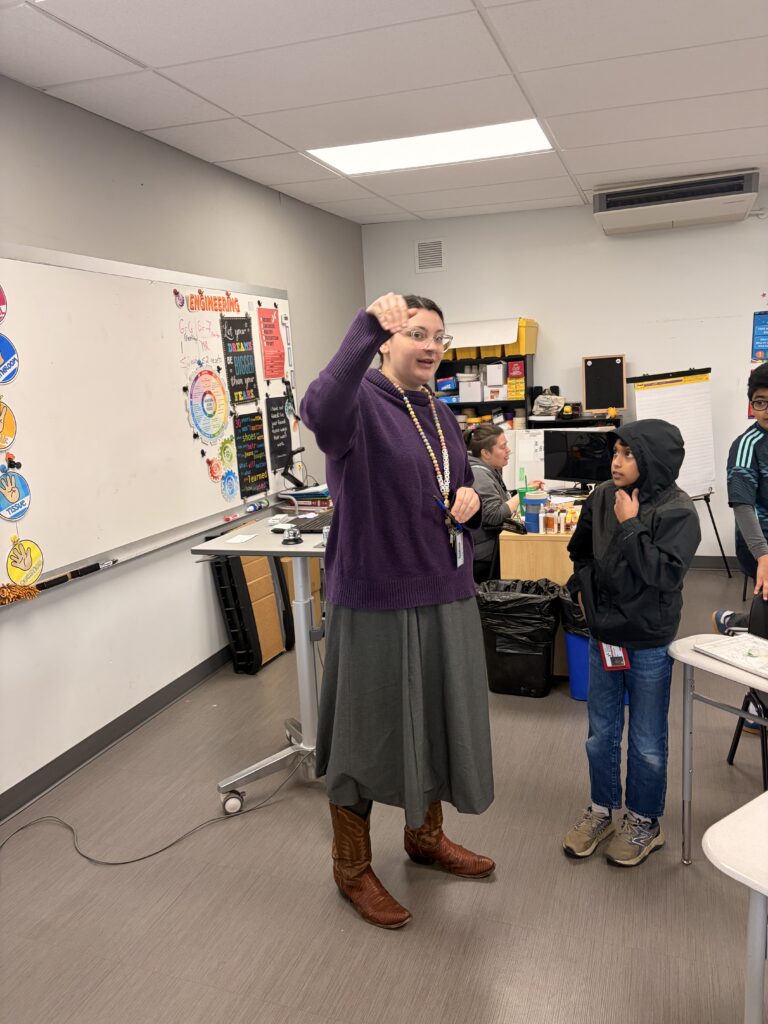
Discussing design ideas.
Students recording testing results.

Engineering at BASIS Independent Bellevue

In my search for Engineering and STEM-based teaching positions, I soon found BASIS Independent Bellevue and was instantly drawn to the BASIS Curriculum, which emphasized the foundational skills of problem-solving, critical thinking, and collaboration through the Engineering and Design Process. Last summer I had the pleasure of teaching Girls Rock Math, a STEAM-based summer camp for girls at BASIS Independent Bellevue. Following the summer camp, when the opportunity arose to teach grade 3 and 4 students Engineering at Bellevue, I instantly jumped at the opportunity. I was eager to be in a teaching role where I could share my love of problem solving and creativity with children who could match my excitement for engineering. I felt this teaching role created the space for me to be the teacher I dreamed of being back when I was an intern. As the Subject Expert Engineering Teacher at BASIS Independent Bellevue, I get to incorporate my passion for design that I had as a young child, along with my training in education.

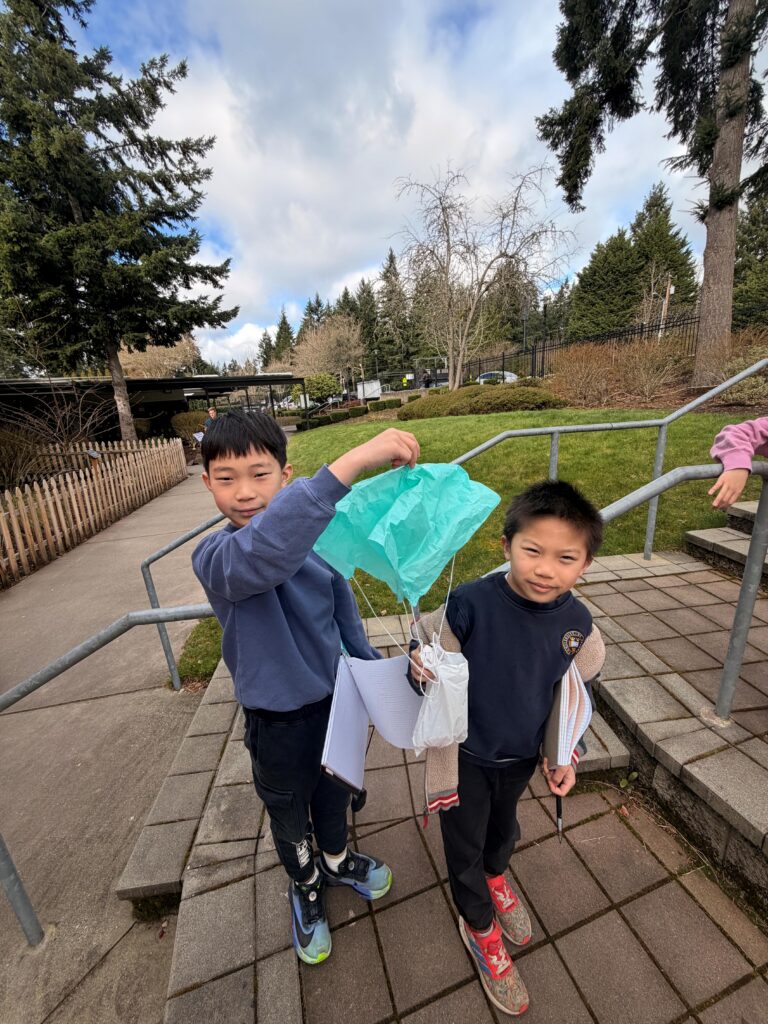
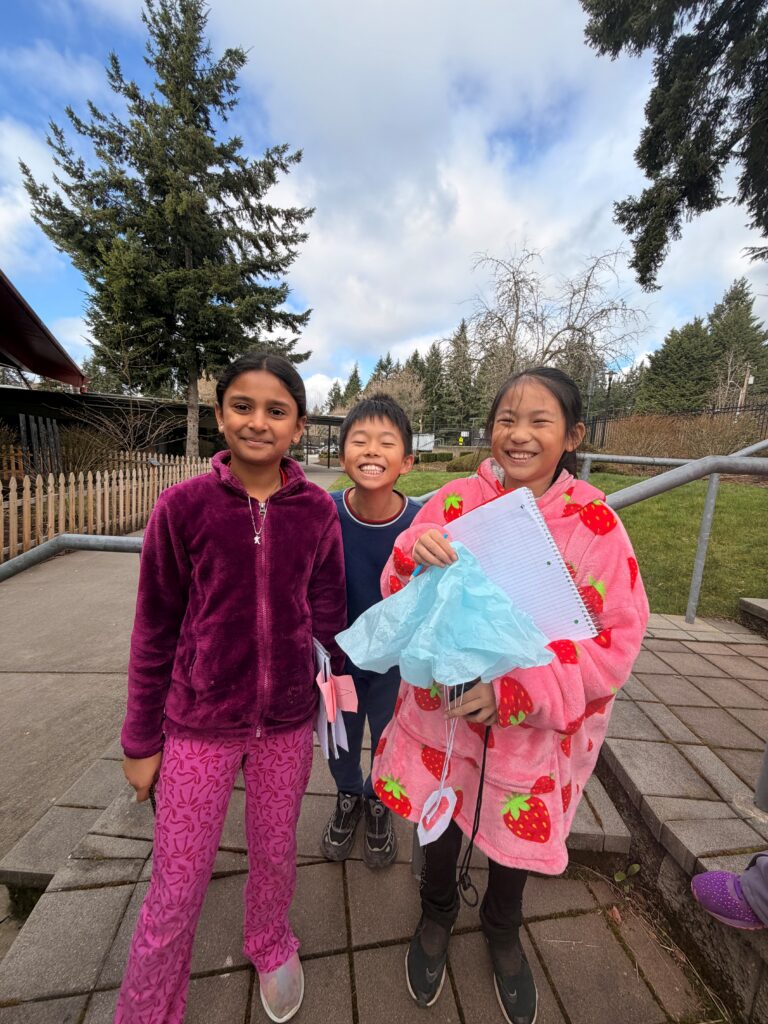
Proud parachute inventors!
Testing parachute designs.

Everything I do in my class centers around the Engineering and Design Process. The Engineering and Design Process consists of seven steps: Ask, Imagine, Plan, Create, Test, Improve, and Communicate. My favorite part of the Engineering and Design Process is the testing phase, because students get to see their projects come to life! Students can see whether projects are successful or need improvements in real time. The Engineering and Design process is not only helpful within our engineering class but can be applied in all aspects of life. Breaking a problem down into steps helps teach our students to form a plan when facing any issue. It also teaches them that most ideas don’t work the way we might imagine on the first try. Working through the Engineering and Design Process helps create student resilience and team communication to solve problems. 
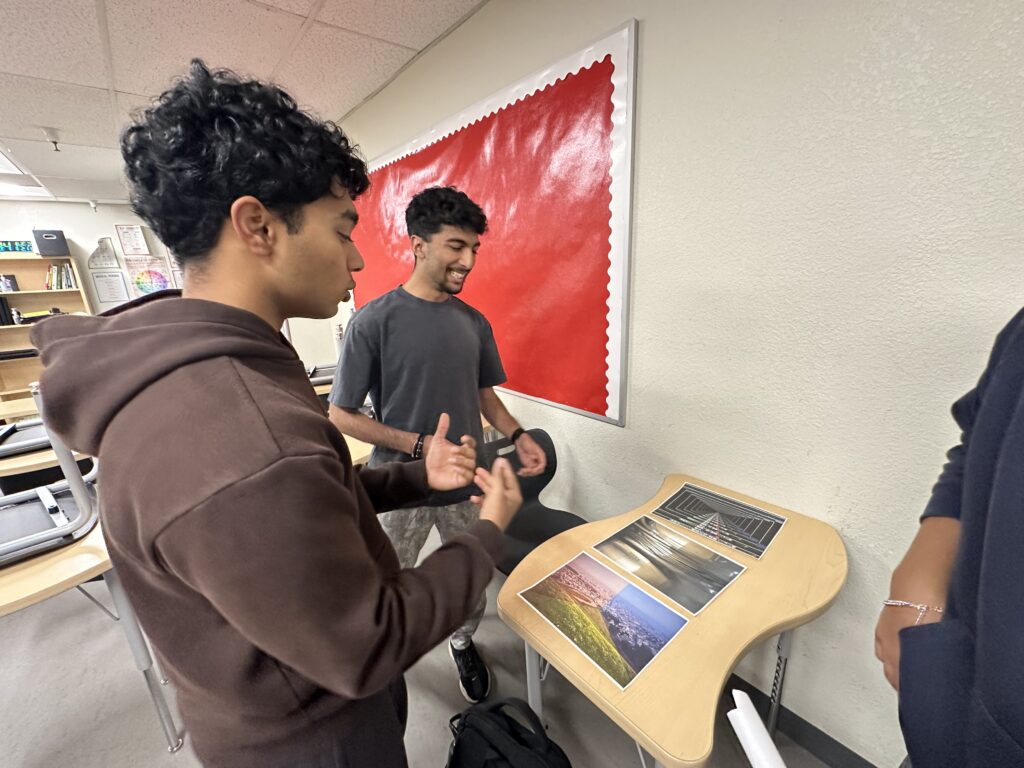
Students improving a bridge design.
Testing a parachute!
Students communicate their findings.

A Project in Action

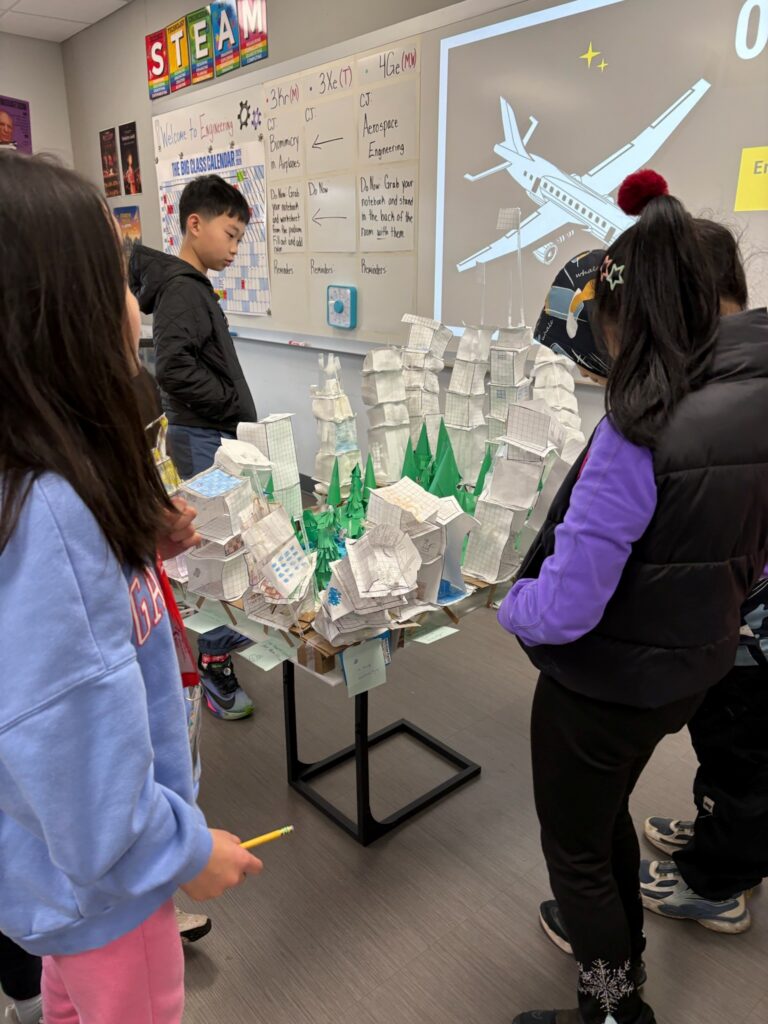
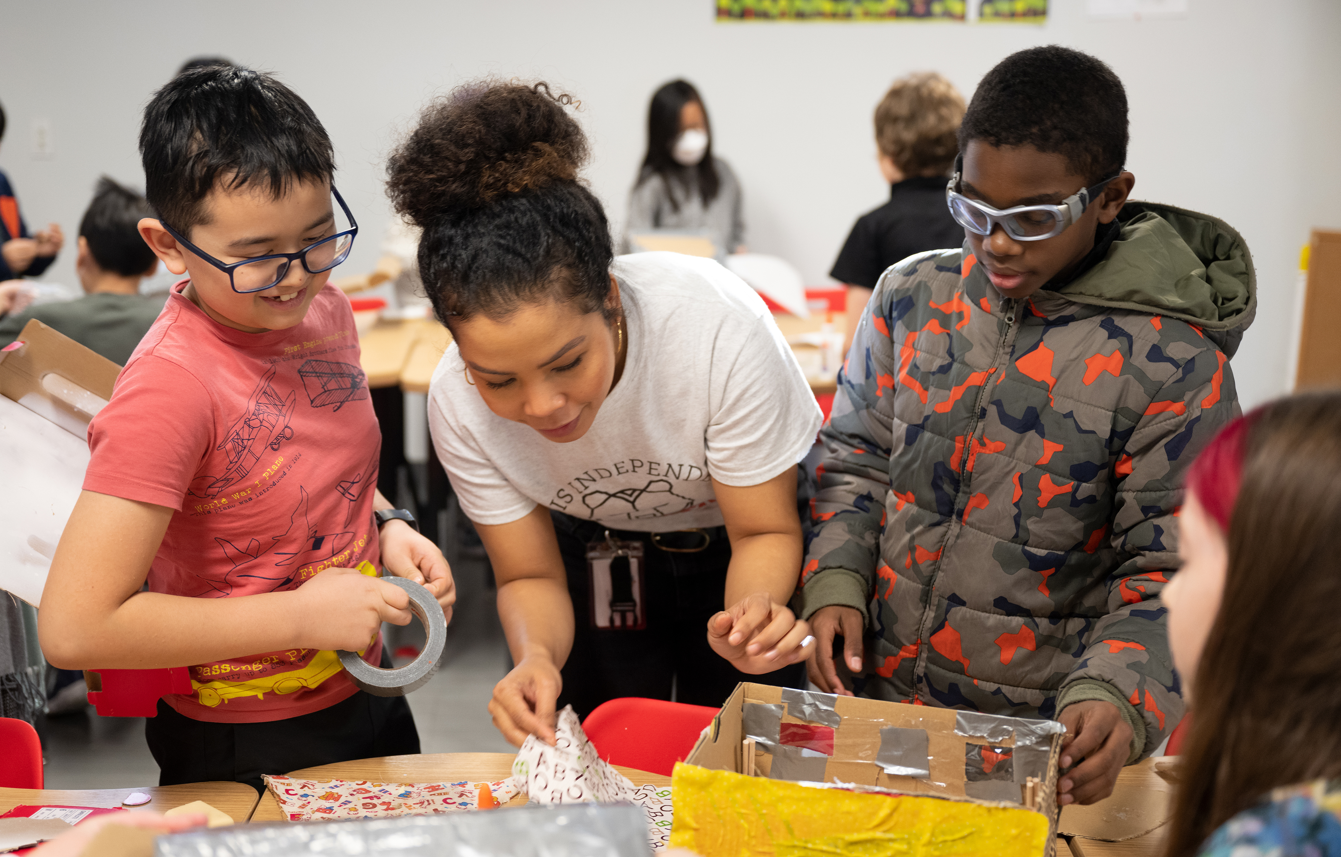
Throughout the course of this year students have engaged with many projects, but my favorite project so far has been designing a paper skyscraper city with grade 3 students. This project introduced students to Urban Planning Engineering and was focused on students learning how to incorporate green spaces, sustainable engineering processes, and best practices for merging the built environment with the natural environment. The kids created a whole city block that included skyscrapers and a central green space. They designed the buildings with visible interiors, so everyone could see who lived inside. Students also made small versions of themselves that they placed around the buildings. The students were thrilled with the process of creating a miniature version of themselves to put in their model. I was delighted to find an alien stuck in one of the park trees, which further confirms my theory that BASIS Independent Bellevue students are out of this world! 

Skyscraper City designed by grade 3 students.

Looking Ahead

As I continue to build the Engineering Program at BASIS Independent Bellevue, I want to create more opportunities for students to showcase their models and engineering work within the school community. Students take great pride in the projects they create, and I would love to find more ways to highlight their accomplishments beyond our classroom. I am also eager to be able to work with primary students next year, as we expand and have Kindergarten–grade 2 students on campus. I can’t wait to work with primary students and start nurturing their foundational skills of problem-solving, critical thinking, and collaboration from a young age.

Thinking back on the trajectory of my career, I am extremely grateful that my path has led me to be the Subject Expert Engineering Teacher at BASIS Independent Bellevue. When I see a young girl in my class ecstatic about her parachute design, I am instantly taken back to being the girl with the manila folder filled with my creative designs. I am humbled to now be in a position to nurture students’ sparks of creativity and empower them to explore the possibilities of Engineering in their future!

BASIS Independent Bellevue is a Kindergarten – Grade 12 private school, providing students with an internationally benchmarked liberal arts and sciences curriculum, with advanced STEM offerings. Considering joining the BASIS Independent Bellevue community? To join our interest list for the next school year and receive admissions updates and more, please click here.

Filed Under: Academics, Administration & Staff, Community Values, Department Spotlight, Electives, Faculty & Staff, Student Learning, Uncategorized
Going Deeper: Inside the Senior Capstone Experience

February 25, 2026 by sarahpeterson Leave a Comment

Every year, our seniors reach a remarkable milestone. By the time they arrive at their final year at BASIS Independent Fremont, most have already completed their Advanced Placement® (AP®) requirements and are ready for something different—something more. That’s where Capstone courses come in.

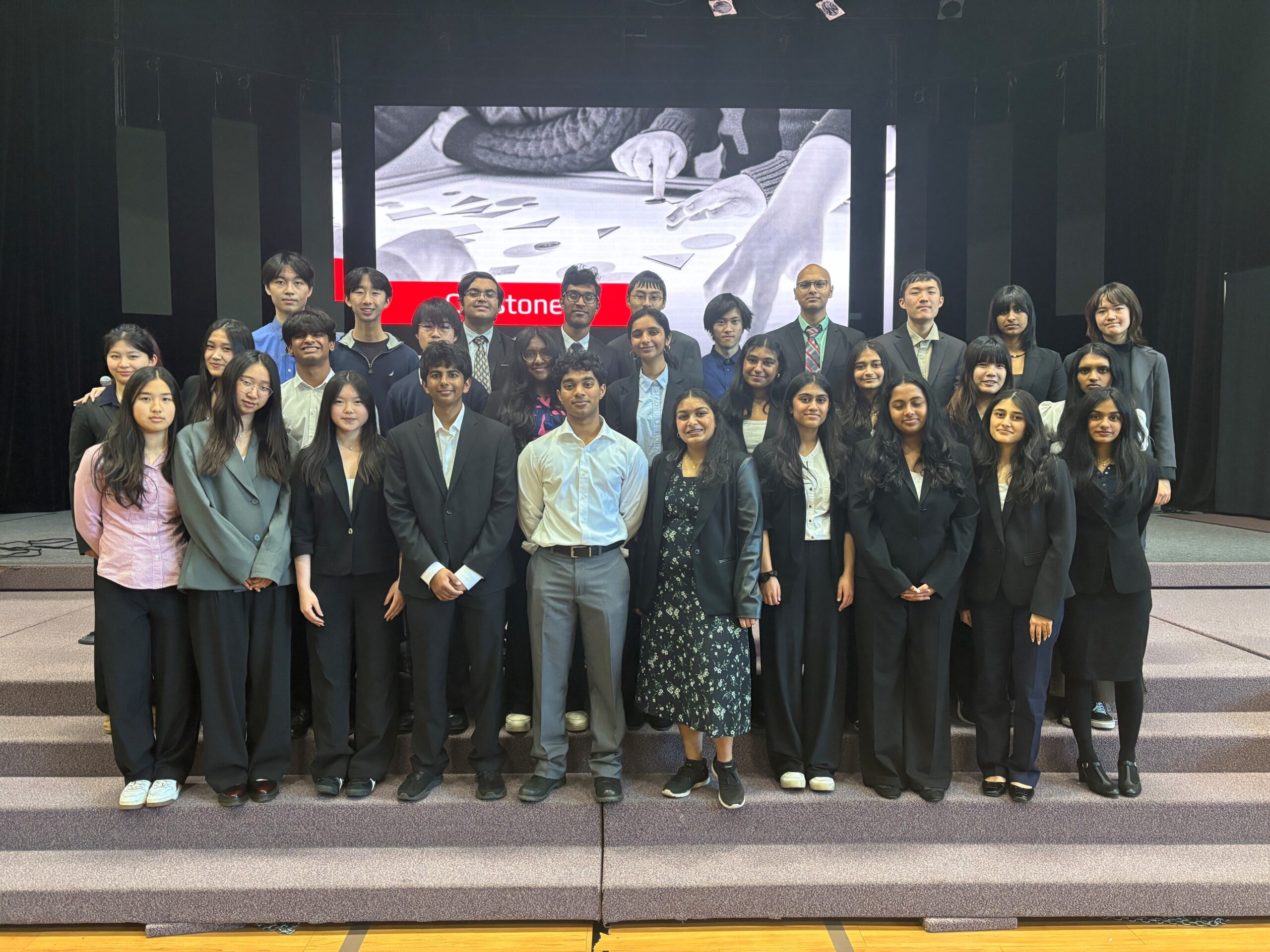
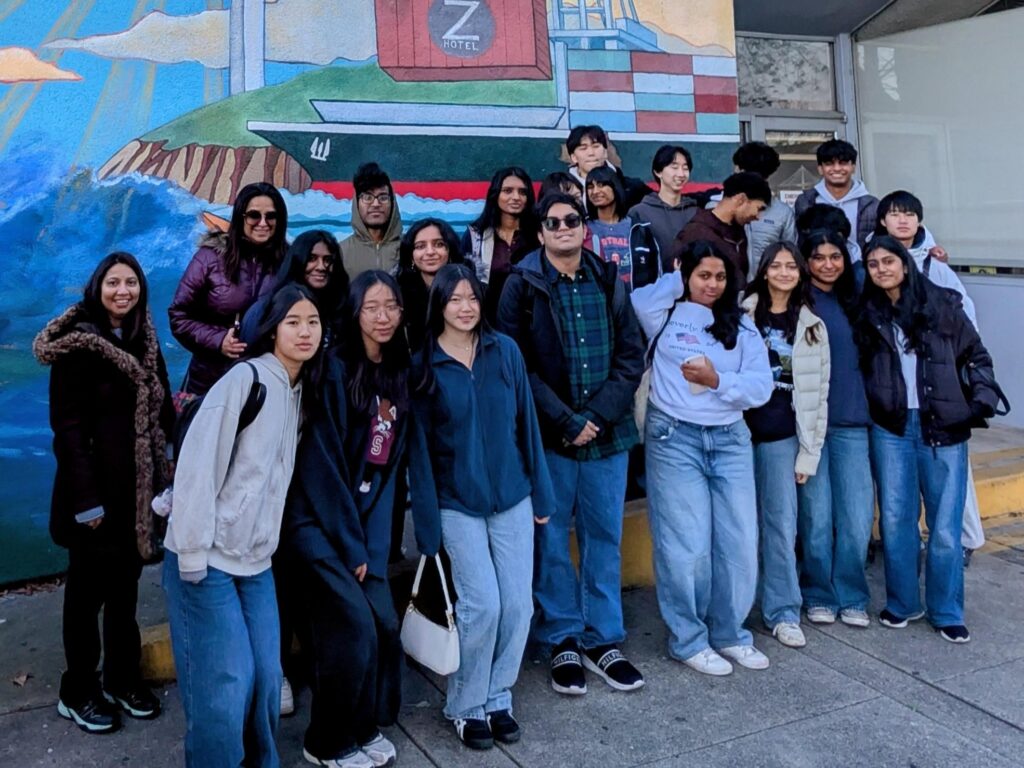
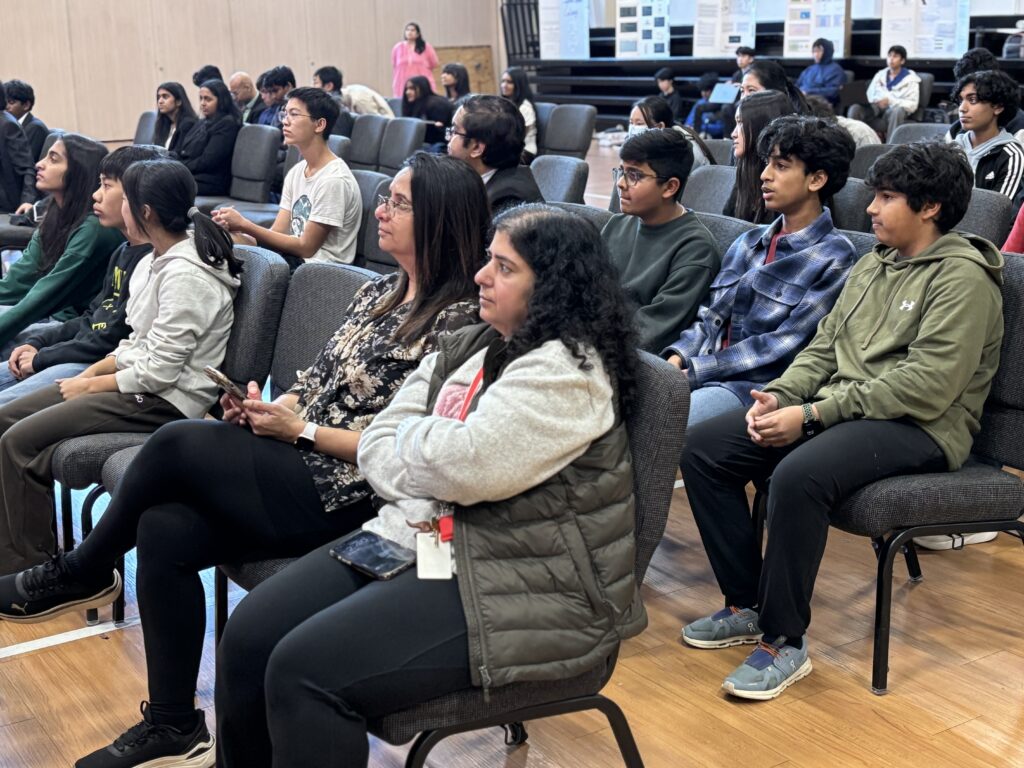
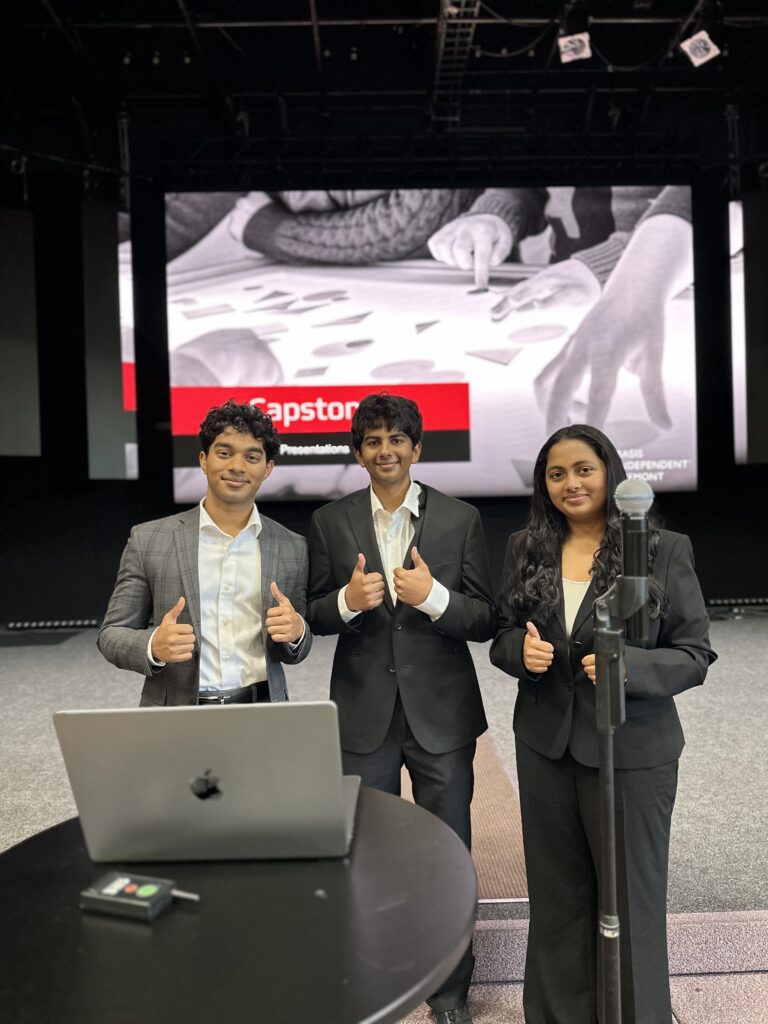
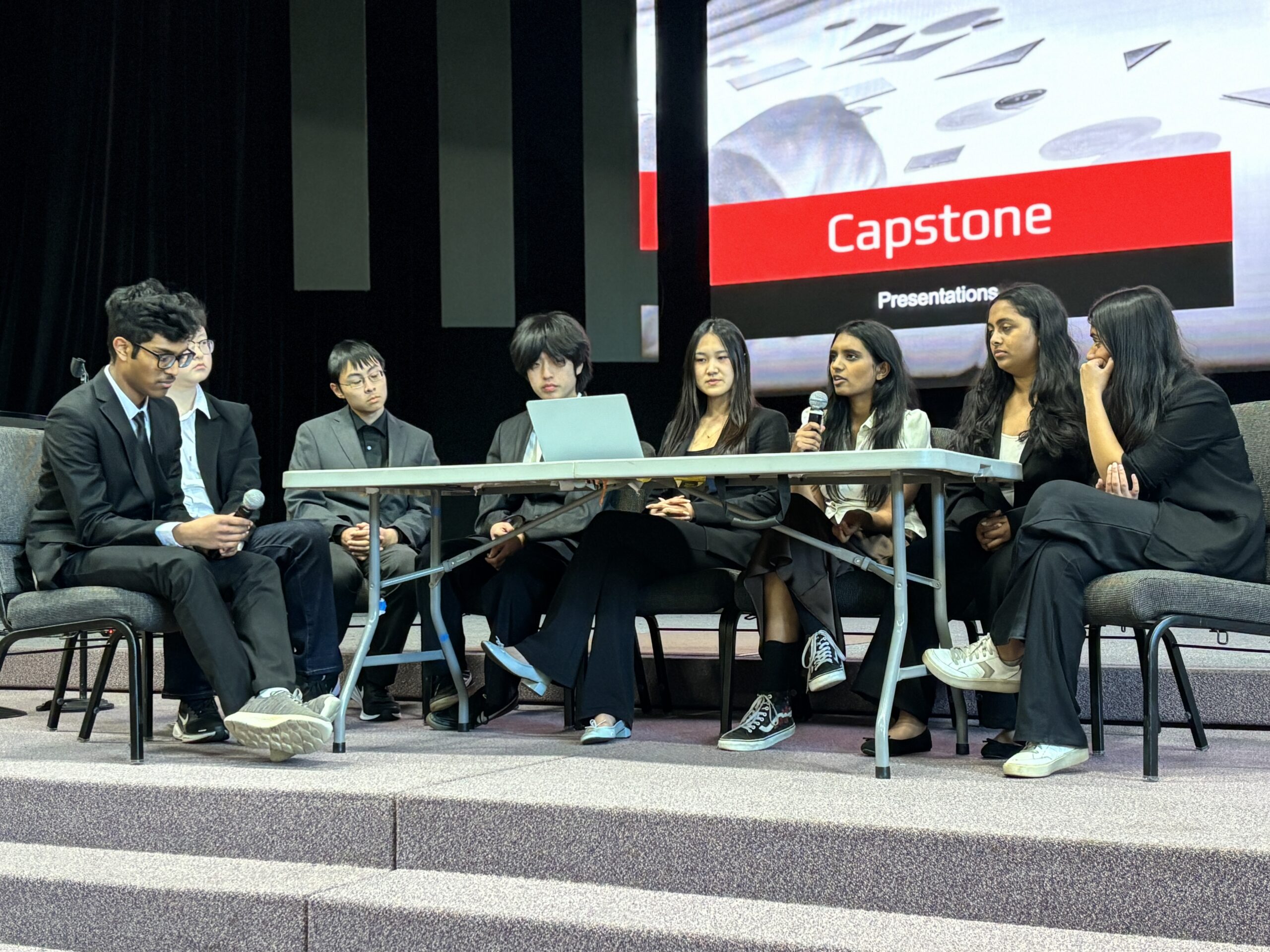
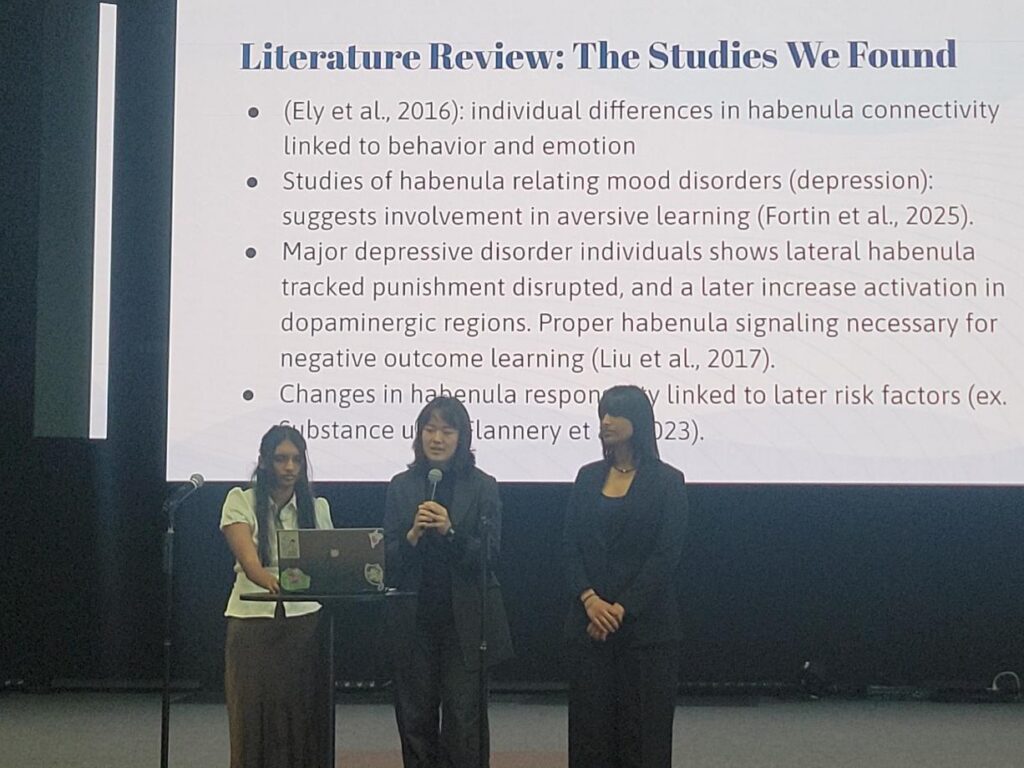
On February 5, 2026, families, faculty, and fellow students gathered for the 2026 Senior Capstone Symposium, a showcase of the original research, engineering projects, financial analyses, and literary explorations that our Class of 2026 has been working on all year. It was, in a word, exceptional.

But to fully appreciate what made that day so special, it helps to understand what Capstone courses are—and why they represent one of the most distinctive elements of a BASIS Independent Fremont education.


What Are Capstone Courses?

The senior year at BASIS Independent Fremont is designed to be a bridge from traditional high school learning to the kind of independent, applied thinking students will encounter in college and beyond. At the heart of that experience are Capstone courses.

Capstone courses are teacher-created, college-level classes that go beyond the breadth of a typical AP course. Where AP courses are built to cover essential content across a wide field, Capstone courses are designed to go deep. They are original courses tied to our teachers’ own academic passions and expertise, and they shift the style of learning itself—from traditional classroom instruction toward the seminar-based and lab-based formats students will encounter in college.

This year, BASIS Independent Fremont offered an impressive range of 14 Capstone courses:

Art PortfolioAuthor’s Study
Corporate FinanceData Structures and Algorithms
Drug Discovery & DevelopmentEngineered Systems
Linear AlgebraLinguistics
Literary AnimalsMicrobiology
Multivariable & Vector CalculusNeuroscience
Optics and BiophysicsStorytelling Through Sound

Inside the Courses: Teacher Spotlights

What makes Capstone courses so distinctive? We spoke with three of the faculty members behind this year’s courses to find out.

Corporate Finance

In many ways, Corporate Finance is a natural Capstone to the business pathway at BASIS Independent Fremont. Mr. Ong already teaches AP Economics and courses in entrepreneurship, but he saw a gap: students needed exposure to the decision-making tools and frameworks actually used by financial professionals.

“There is significant interest in business and entrepreneurship at BIF, and I proposed this Capstone as a necessary foundational course for students who are interested in pursuing careers in business management, marketing, finance, and entrepreneurship. I also feel strongly that all students should be financially literate and have a basic understanding of the workings of corporations, the economy, and the financial system in order to effectively function in our modern world.”
— Mr. Ong, Corporate Finance

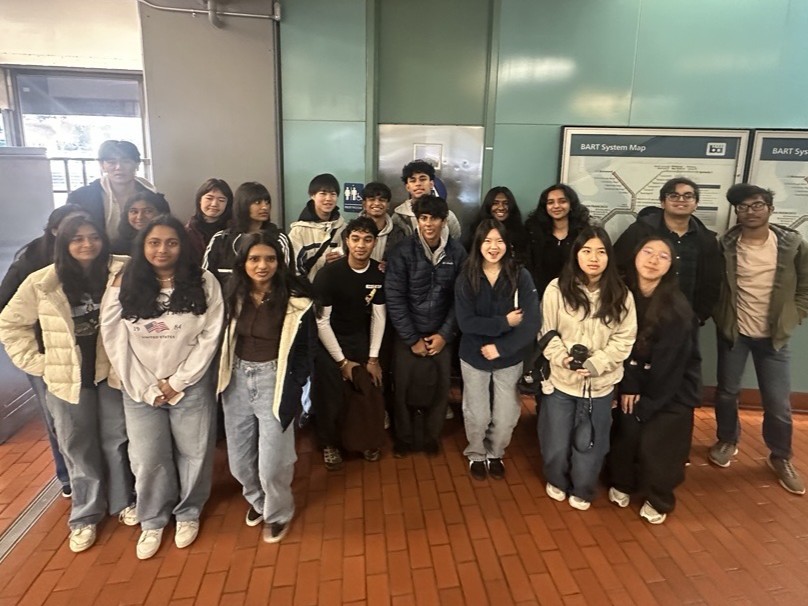
The course is deliberately practical. Students don’t just learn theory—they apply strategic financial frameworks to real-world scenarios. This year, the class even took a field trip to the San Francisco Financial District, giving students a ground-level look at the institutions and organizations they’d been studying.

Data Structures & Algorithms

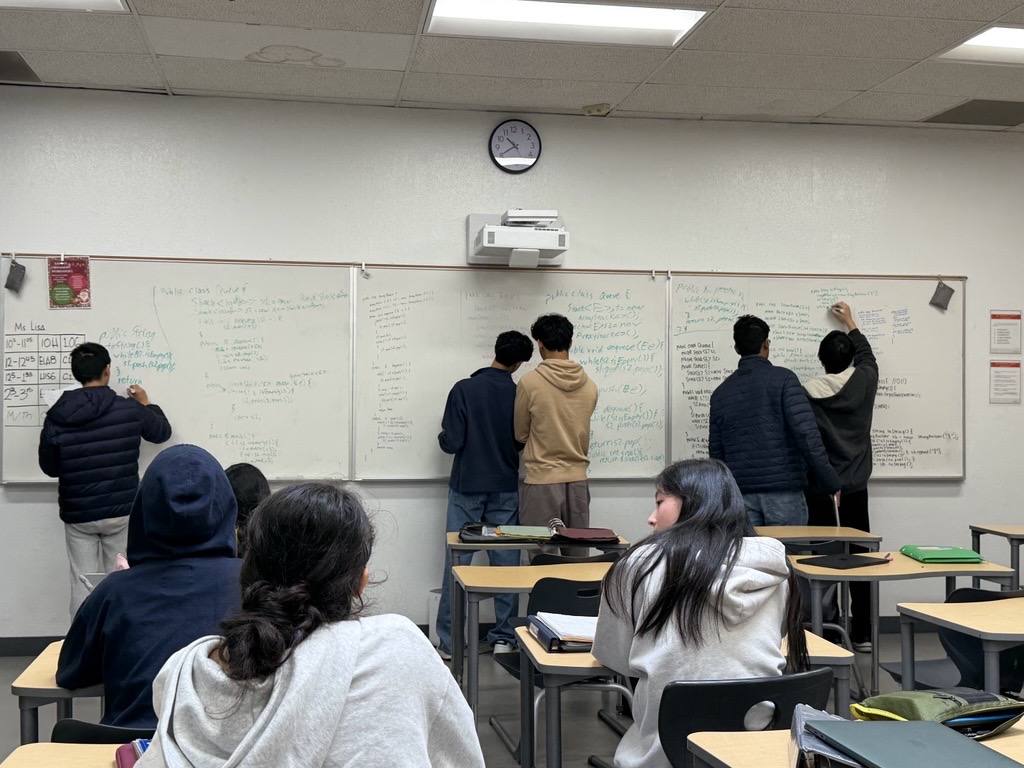
For students who have completed AP Computer Science, Data Structures and Algorithms (DSA) is the natural next frontier. Ms. Shahin describes it as equivalent to a college-level introductory DSA course—the kind of material students at top universities encounter in their first or second year.

“DSA is a cornerstone for computer science education. By learning how data can be organized in different ways, students learn to tackle various problem-solving scenarios—from linked lists to arrays, from search engines to AI. It’s an important stepping stone for all computer science fields.”
— Ms. Shahin, Data Structures & Algorithms

What makes this course particularly exciting, Ms. Shahin notes, is the rapid pace of change in the field—and her students’ readiness to meet it. “With rapidly changing technology these days, helping them understand the actual process better, and sometimes also learning from their discoveries, is fun.” Alumni from the course have gone on to study computer science at MIT, CMU, Caltech, Cambridge, UC San Diego, and UC Berkeley.

Multivariable & Vector Calculus

Dr. Chaudhri’s Multivariable & Vector Calculus course pushes students well past the limits of AP Calculus into content typically covered in a university freshman or sophomore year. It’s one of several advanced math and science courses he has developed over the years, each reflecting a different dimension of higher-level mathematics and science.

“The Capstone classes cater to knowledge beyond what is covered in an AP class. They offer more depth and more breadth in a specific field of study at an undergraduate freshman/sophomore level—these serve as introductory bridges to a more advanced curriculum at college.”
— Dr. Chaudhri, Multivariable & Vector Calculus

The courses aren’t just academically advanced—they’re experiential. Past classes have included field trips to venues like the Exploratorium in San Francisco, where students engaged hands-on with scientific experiments that brought the course’s big questions down to earth.

Dr. Chaudhri’s courses also reflect a collaborative spirit—some have even come directly from student requests, a reminder that at BASIS Independent Fremont, the curriculum is a living thing, shaped by the curiosity of the students who inhabit it.


The 2026 Senior Capstone Symposium

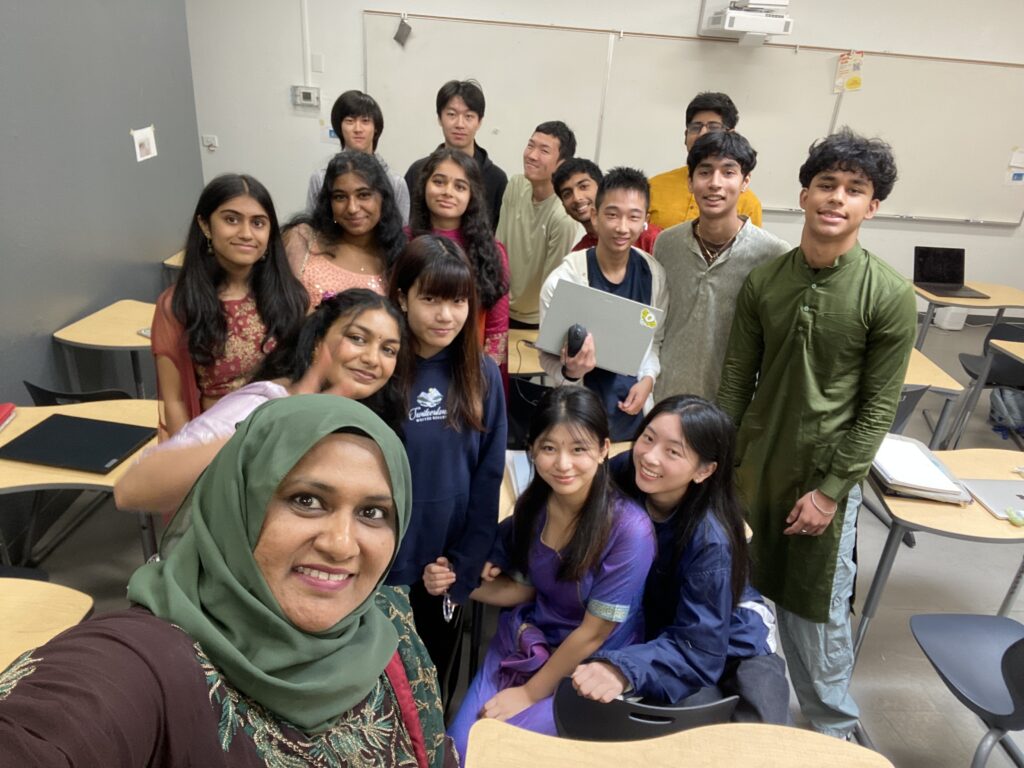
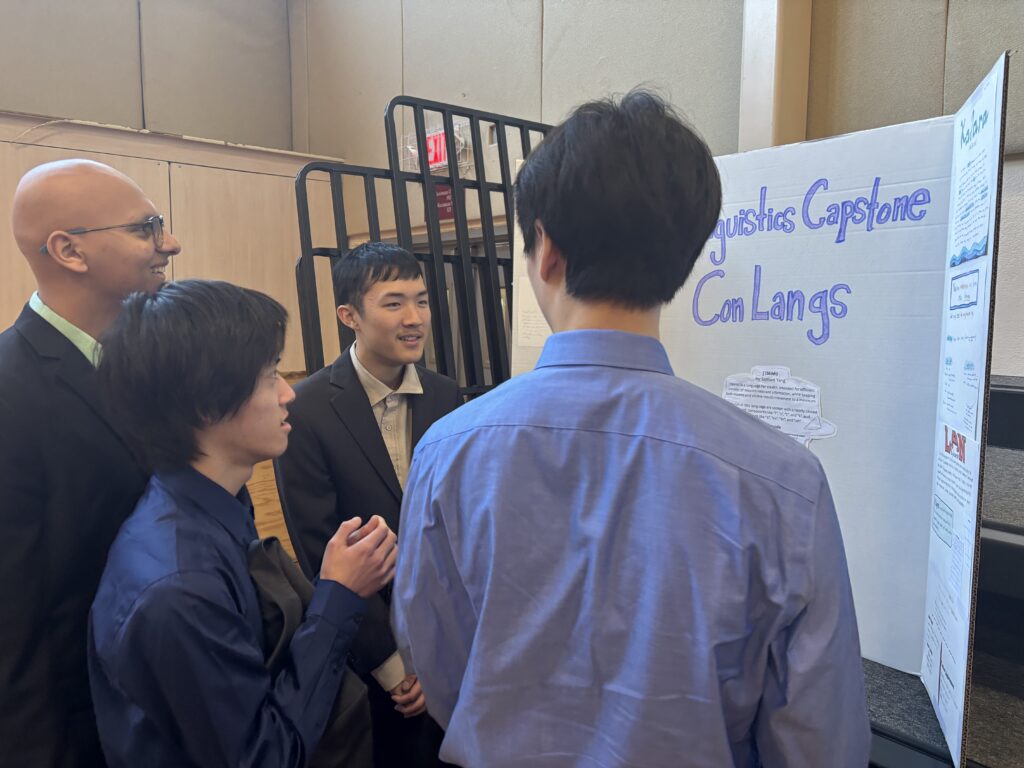
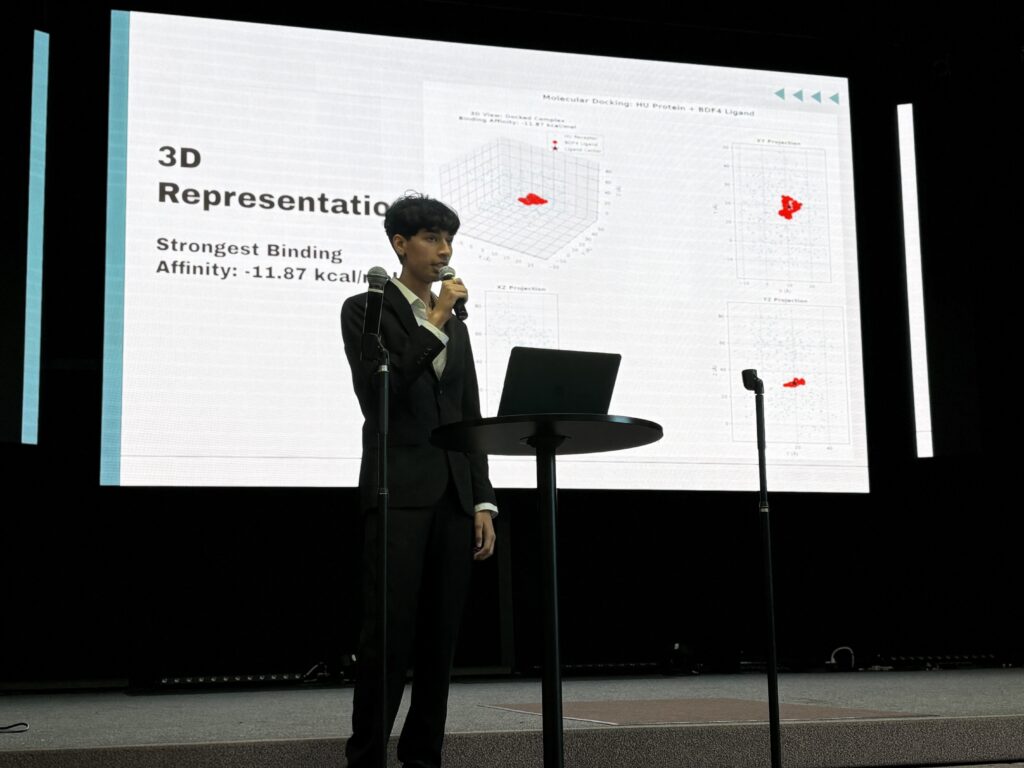
On the morning of February 5, the BASIS Independent Fremont campus transformed into a showcase of some of the most ambitious student work we’ve seen. Eight of this year’s Capstone courses were represented—Neuroscience, Data Structures & Algorithms, Corporate Finance, Engineered Systems, Linguistics, Art Portfolio, Microbiology, and Author’s Study—and the range of work on display was a testament to the ambition and intellectual range of our seniors.

Project Highlights

The breadth of projects on display made it clear that there is no single mold for a Capstone experience. Here is just a sampling of what was showcased:

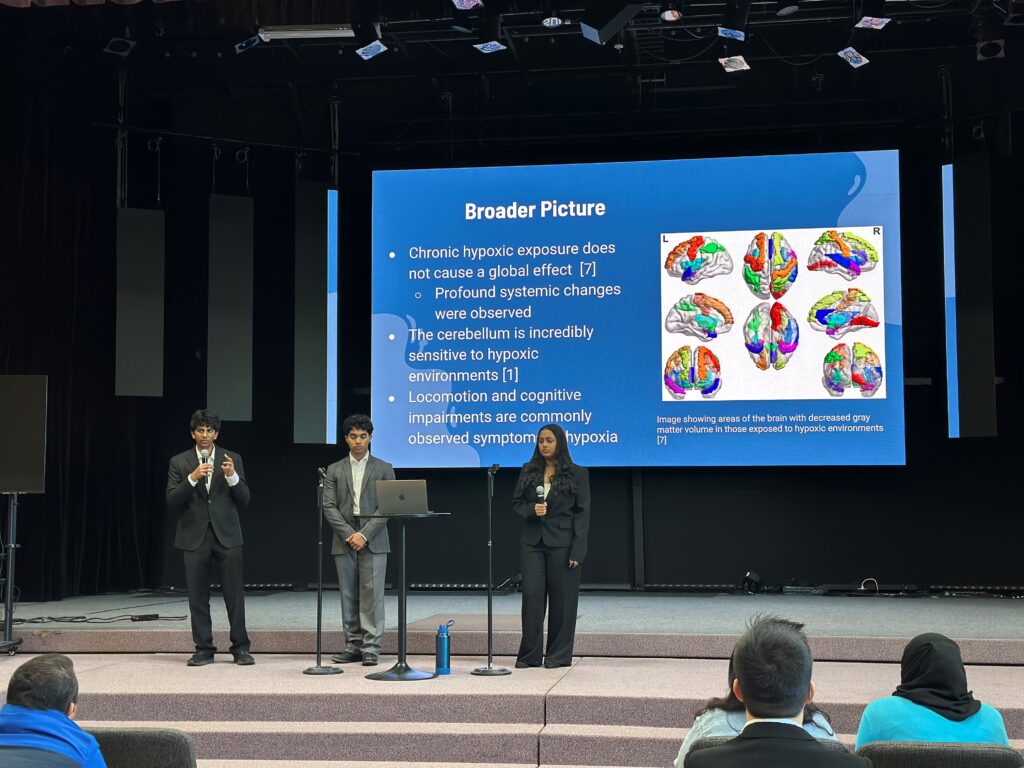
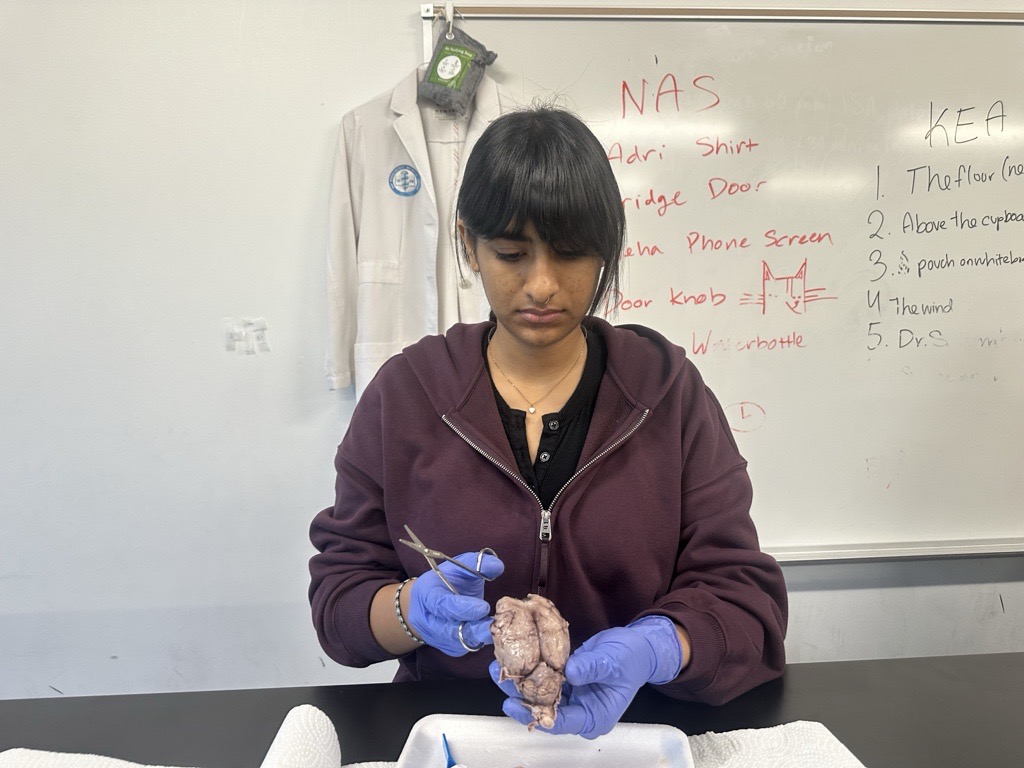
Neuroscience – One group of students investigated how chronic hypoxic exposure (low-oxygen conditions) impacts cerebellar basket cell structure and function—and what that means for broader neurological outcomes. The depth of this research mirrors the kind of questions asked in university neuroscience labs.

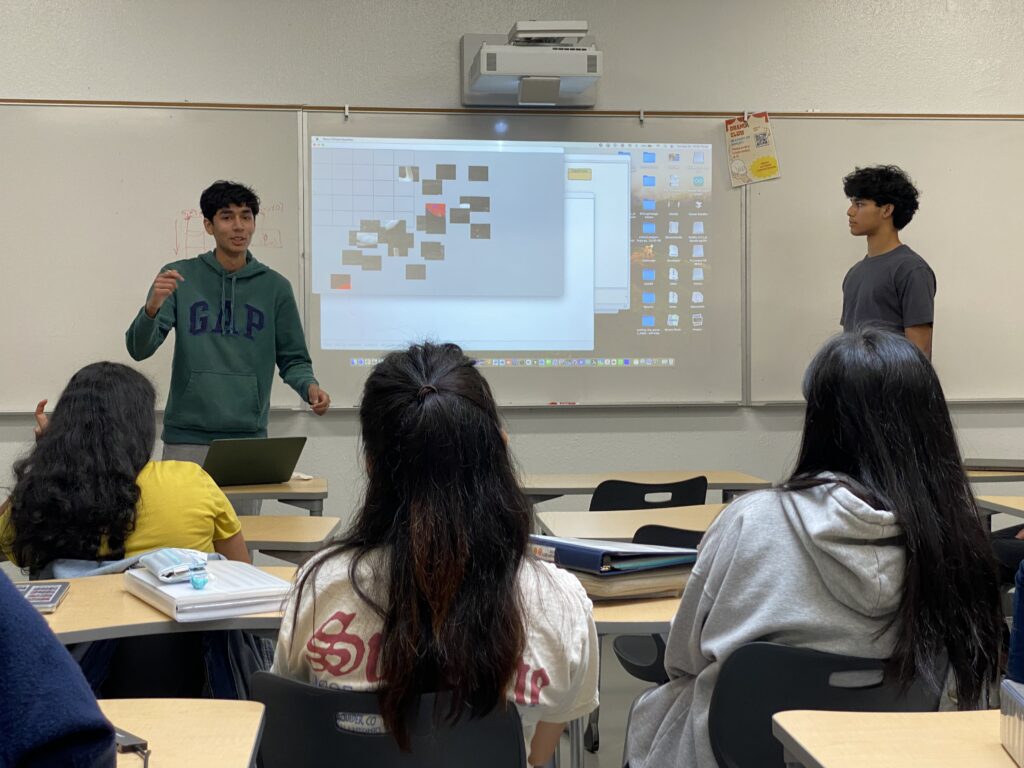
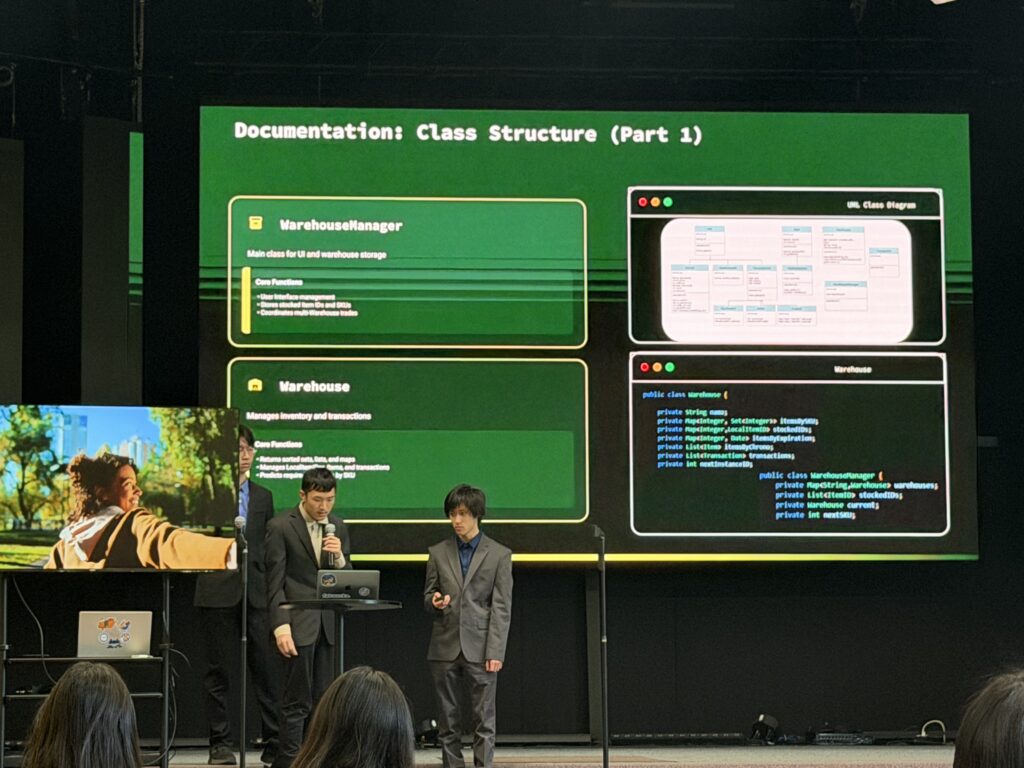
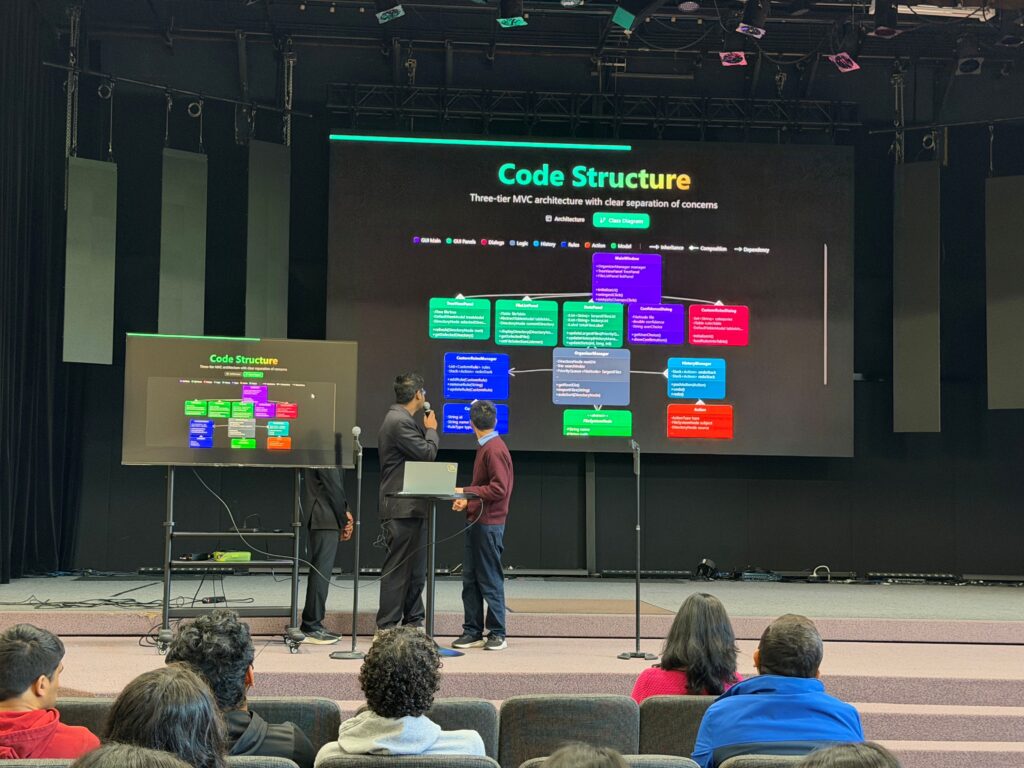
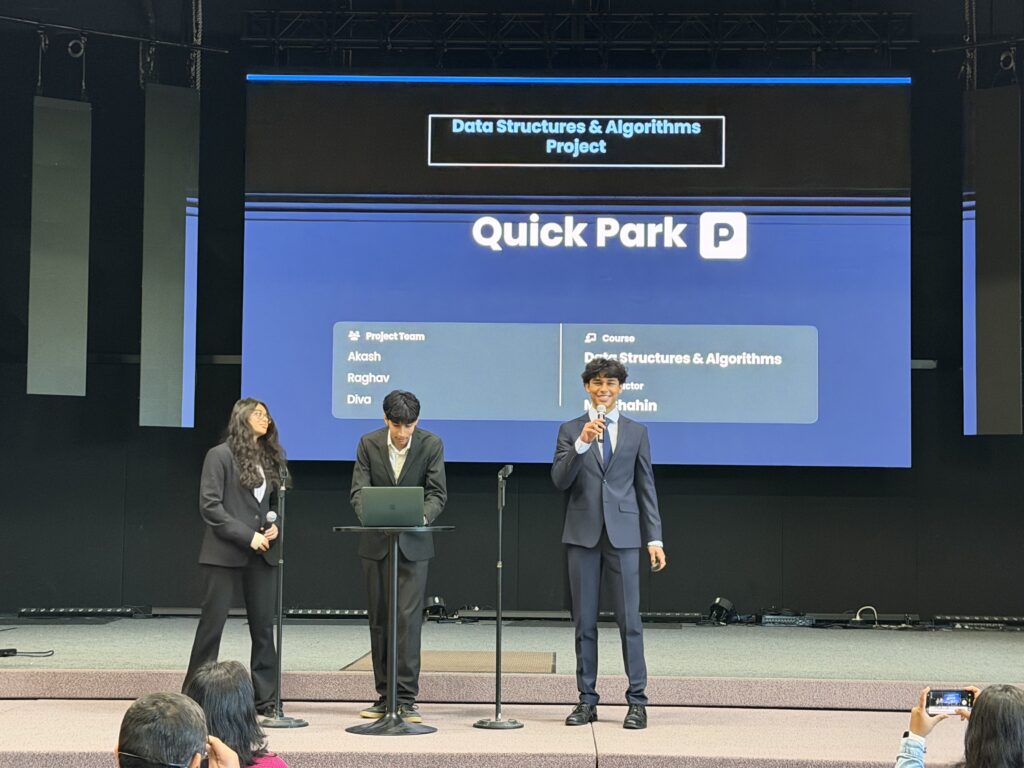
Data Structures & Algorithms – Students built fully functional applications using the data structures they studied. Highlights included MealCraft, a smart grocery organizer that intelligently categorizes and tracks pantry items; HAPify, a data-driven application with real-world use cases; and QuickPark, a parking management system designed to solve a genuine everyday problem.

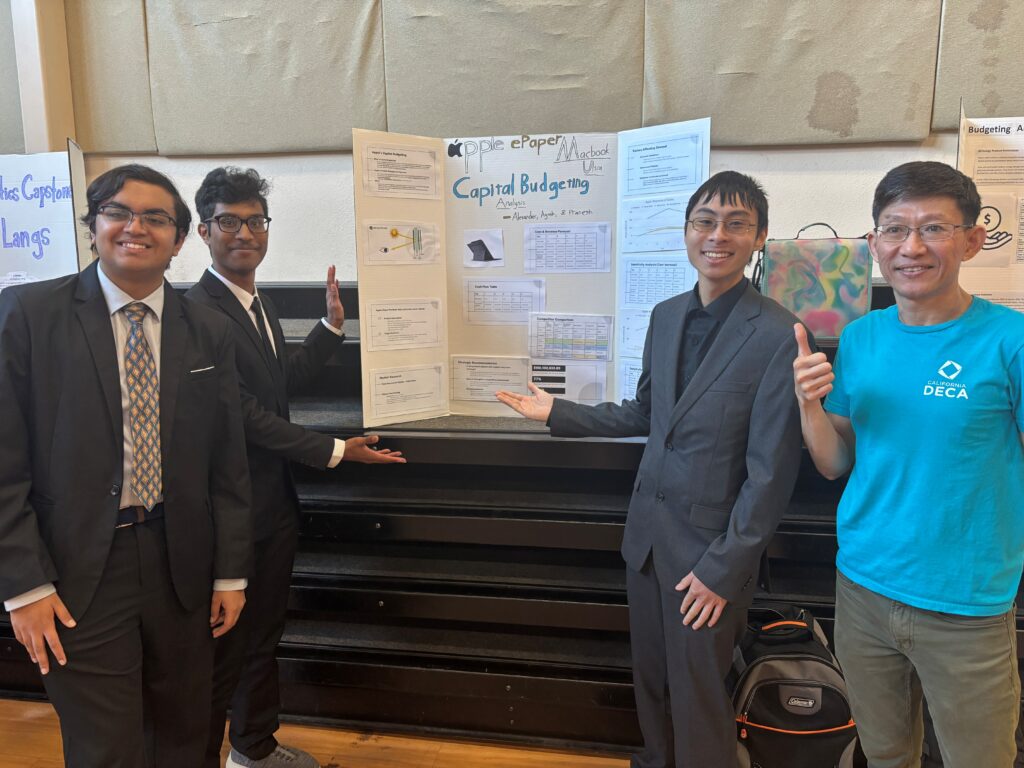
Corporate Finance – The Corporate Finance Gallery Showcase turned into a miniature pitch event, with students presenting capital budgeting analyses and product launch proposals spanning everything from eco-performance running shoes to EV chargers to next-generation Apple hardware.

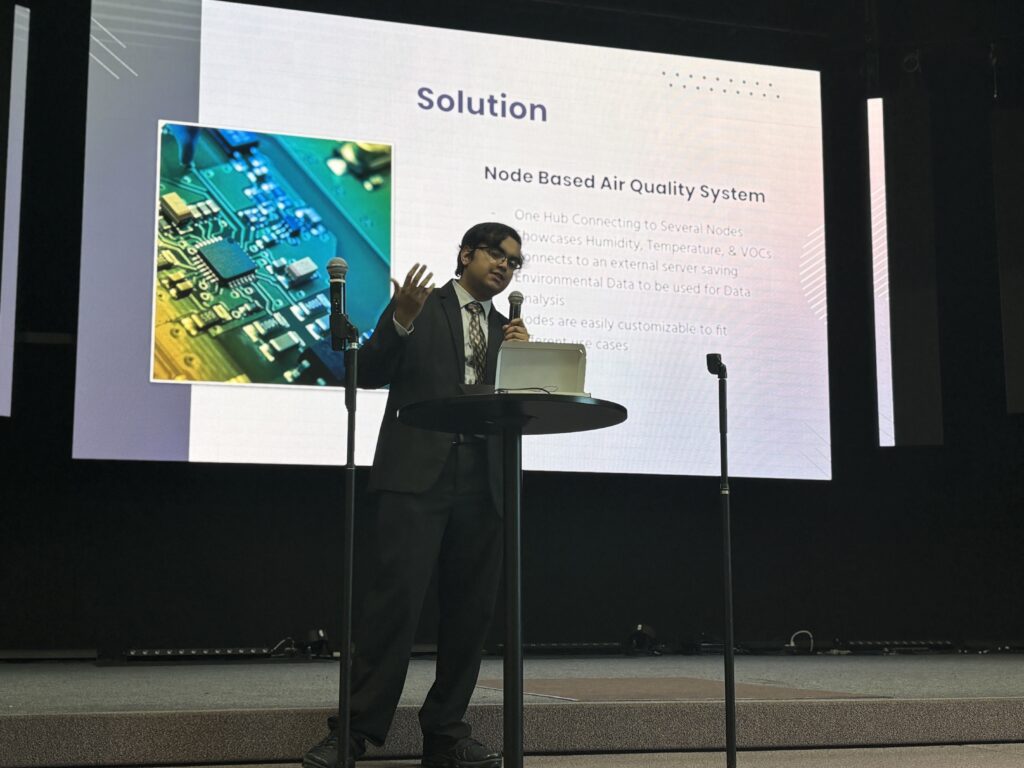
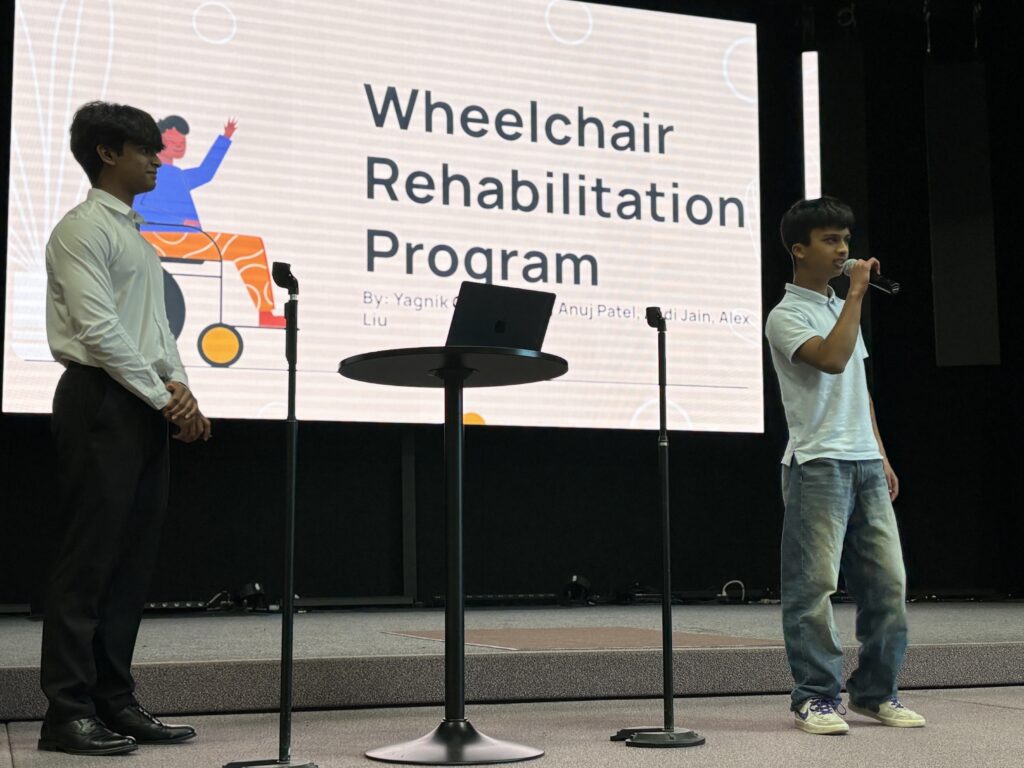
Engineered Systems – The engineering students showcased a remarkable range of physical and software-based systems. Projects included Security Jewelry—wearable tech designed to help users signal distress discreetly; Atmosys, an environmental monitoring system; an Automatic Planter that uses sensors to automate plant care; and a Wheelchair Rehabilitation Program designed to improve accessibility and patient outcomes.

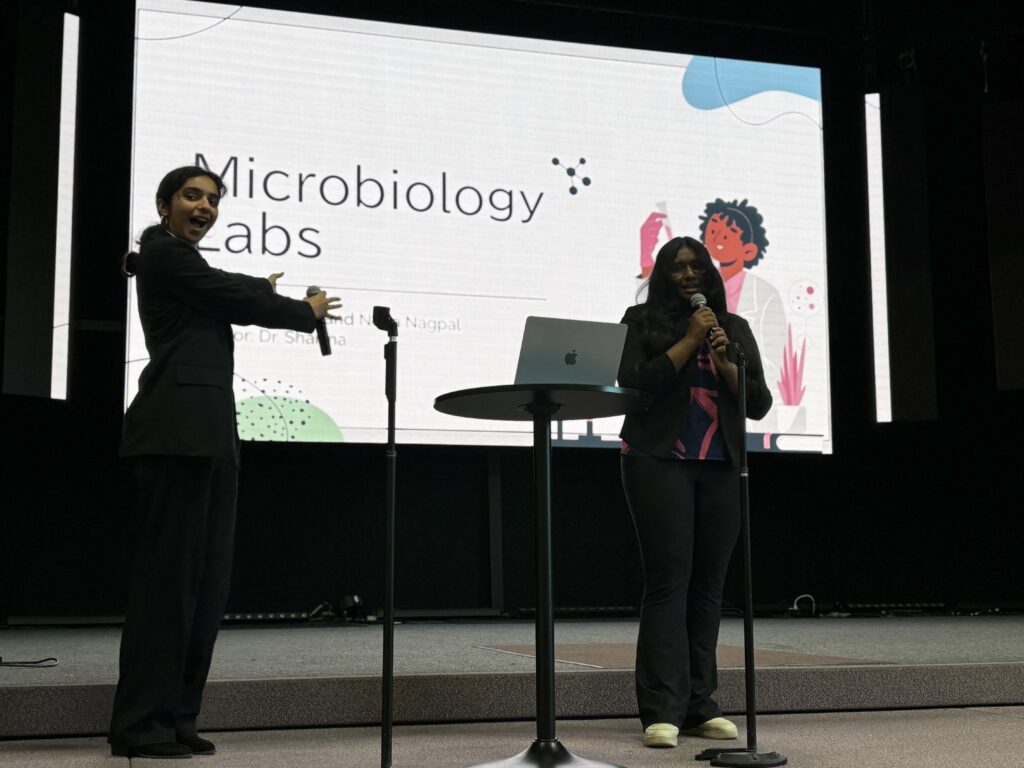
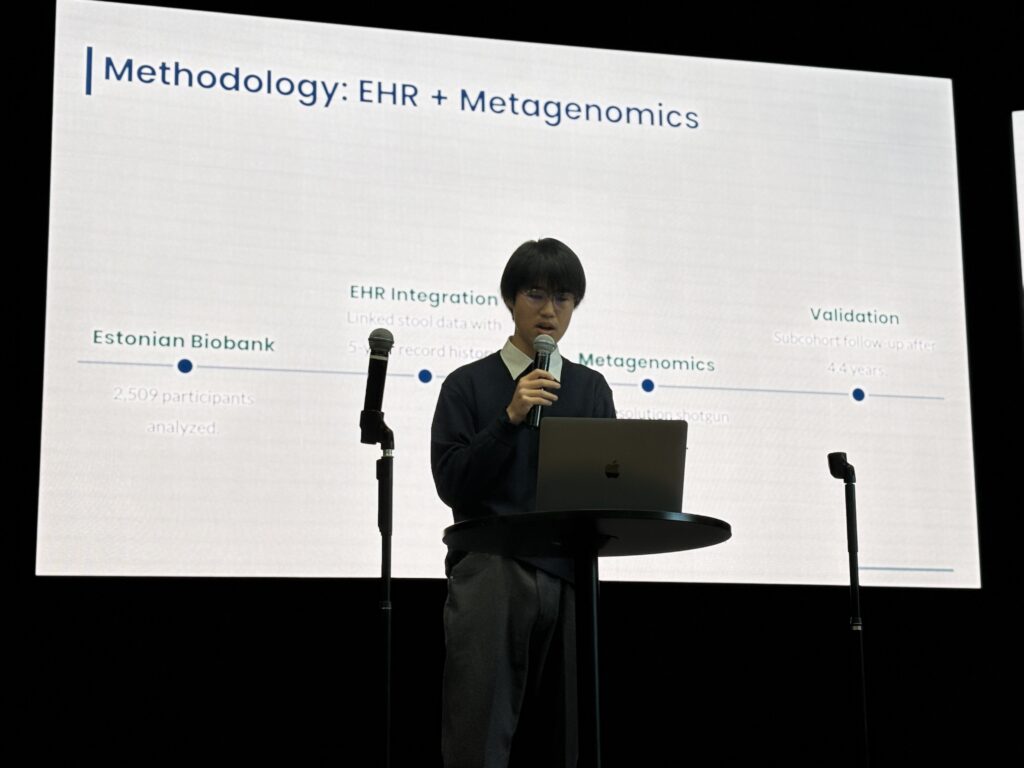
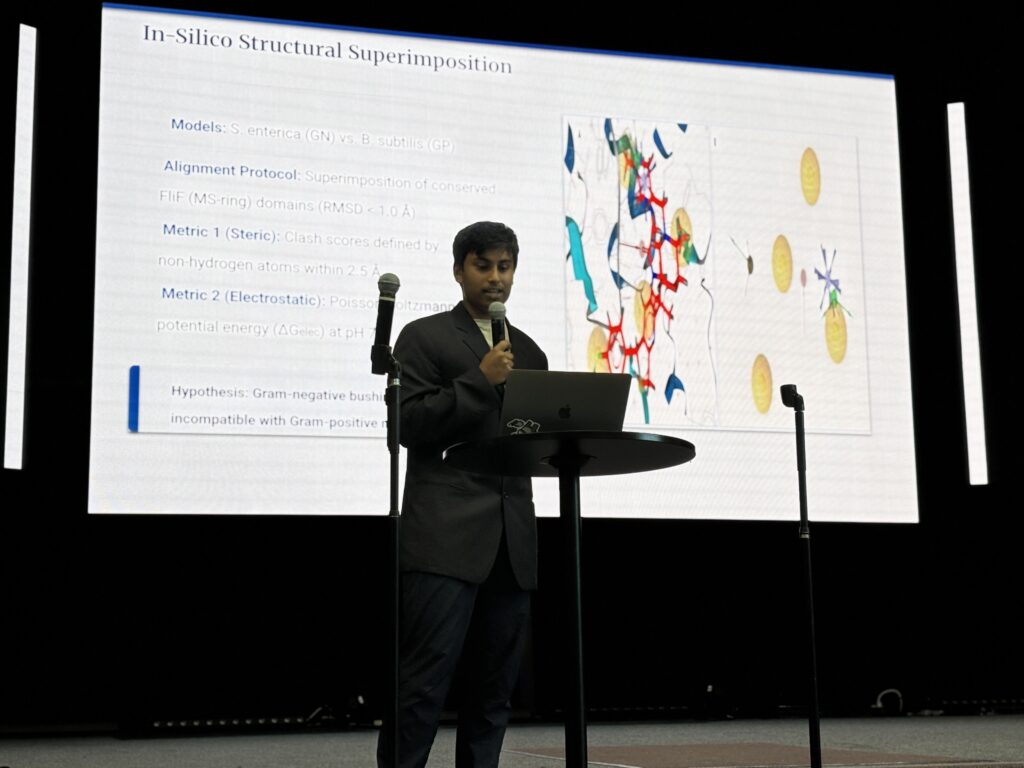
Microbiology – The Microbiology presentations were perhaps the most research-intensive of the day, with students tackling graduate-level questions on topics ranging from bacterial flagellar motor evolution to the therapeutic potential of fecal microbiota transplantation for neuropsychiatric disorders.

Author’s Study – In a fitting contrast to the lab-and-data presentations elsewhere, the Author’s Study class closed out the day with a student-facilitated roundtable discussion—modeling the kind of Socratic seminar that defines great humanities education at the college level.


In Their Own Words

Josh P. approached his Capstone courses as an opportunity to test his interests before college—and came away with more than he expected.

“Capstone courses are a great chance for exploration—in-depth exploration into often niche topics. From the Neuroscience course, I got the basis to learn about more detailed parts of topics I was interested in, which I was then able to practically implement with the Capstone project. The whole process of developing your knowledge in the course and then finding a concrete, applicable way to use your exploration—Capstones are really amazing for that.”

That spirit of exploration carried into his other courses too, including Storytelling Through Sound: “I realized that I’m interested in applying literature outside of the standard means, and I’ve kind of taken that concept with my other Capstone courses as well.”

And looking ahead to college, Josh sees the Capstone experience as groundwork for what’s next: “I think the Capstones are kind of your gateway to enter that mindset—going deeper into topics you’re interested in, and also just niche topics in general.”

— Josh P. (Class of 2026), Drug Discovery & Development, Linear Algebra, Neuroscience, Storytelling Through Sound

Richa C. also took four Capstone courses and found that the flexibility of the Capstone curriculum was exactly what set them apart.

“For APs, I wouldn’t put too much effort in because I would always depend on that final AP exam bringing everything up for me. In Capstones, I actually have to work for it. There’s no set curriculum—the teachers make the curriculum, so they’ll just take you on a rollercoaster ride some days. I really like how flexible the curriculum is.”

That flexibility showed up in unexpected ways. In Neuroscience, it meant hands-on lab work that went well beyond a typical classroom experience: “It’s like holding an actual brain in your hands and cutting into it and seeing all the little things in there.”

And at the Symposium itself, seeing the full scope of what her classmates had been working on all year left an impression: “I just really liked seeing everyone else’s hard work and all their projects. They were really cool.”

— Richa C. (Class of 2026), Linguistics, Literary Animals, Multivariable & Vector Calculus, Neuroscience

Kriti L. chose her Capstone courses — Neuroscience, Author’s Study, Microbiology, and Linear Algebra — based on subjects she already loved. But it was the energy in the classroom that made them memorable.

In Author’s Study, she found herself caught up in her teacher, Mr. Betcher’s, enthusiasm: “I think it definitely excited me too. I was excited to see what was the topic that made my teacher so interested in this.”

That excitement extended to how the courses felt day to day: “It felt almost like a college course. There was no really structured curriculum — if we wanted to touch on a side subject, we could do that. We didn’t have to only study topics for the AP test. And it’s a lot more formal — you have to write whole papers that are 20 pages. But it’s also preparing me for college.”

— Kriti L. (Class of 2026), Author’s Study, Linear Algebra, Microbiology, Neuroscience


A Different Kind of Senior Year

What makes the Capstone experience so valuable isn’t just the content—it’s the mode of learning. By the time BASIS Independent Fremont seniors step into these courses, they’ve earned the academic credentials to take on something more. Capstone courses give them a glimpse of what college-level intellectual life actually looks like: seminar discussions, independent research, open-ended problem solving, and the deep satisfaction that comes from pursuing questions you genuinely care about.

The 2026 Senior Capstone Symposium was a celebration of exactly that. Watching our seniors present—confidently explaining their methodologies, fielding questions, and connecting their work to the broader world—it was clear that BASIS Independent Fremont’s promise had been fulfilled: these students are not just ready for college. They are ready for what comes after.

Congratulations to the Class of 2026.

Curious what senior year could look like for your student? Contact our Admissions team to schedule a tour and explore our Upper School curriculum.

BASIS Independent Fremont is a TK – Grade 12 private school, providing students with an internationally benchmarked liberal arts and sciences curriculum, with advanced STEM offerings. Considering joining the BASIS Independent Fremont community? To join our interest list for the next school year and receive admissions updates and more, please click here.

Filed Under: Academics, College Preparation & The Senior Year, Electives, Featured, Student Learning, Uncategorized

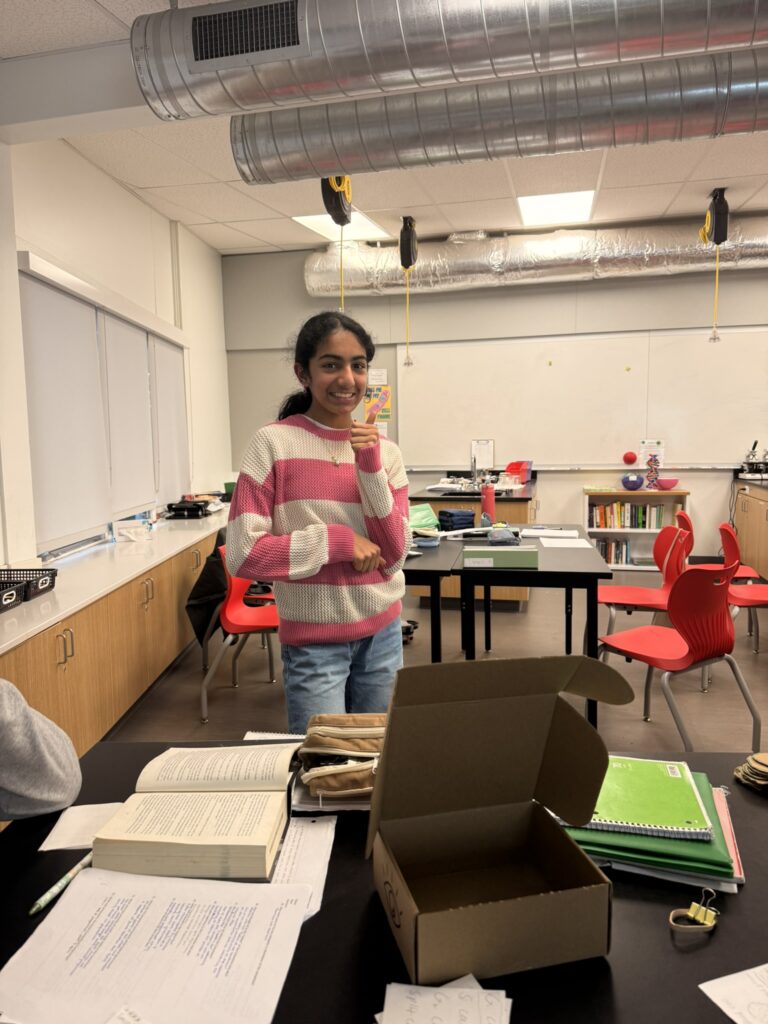
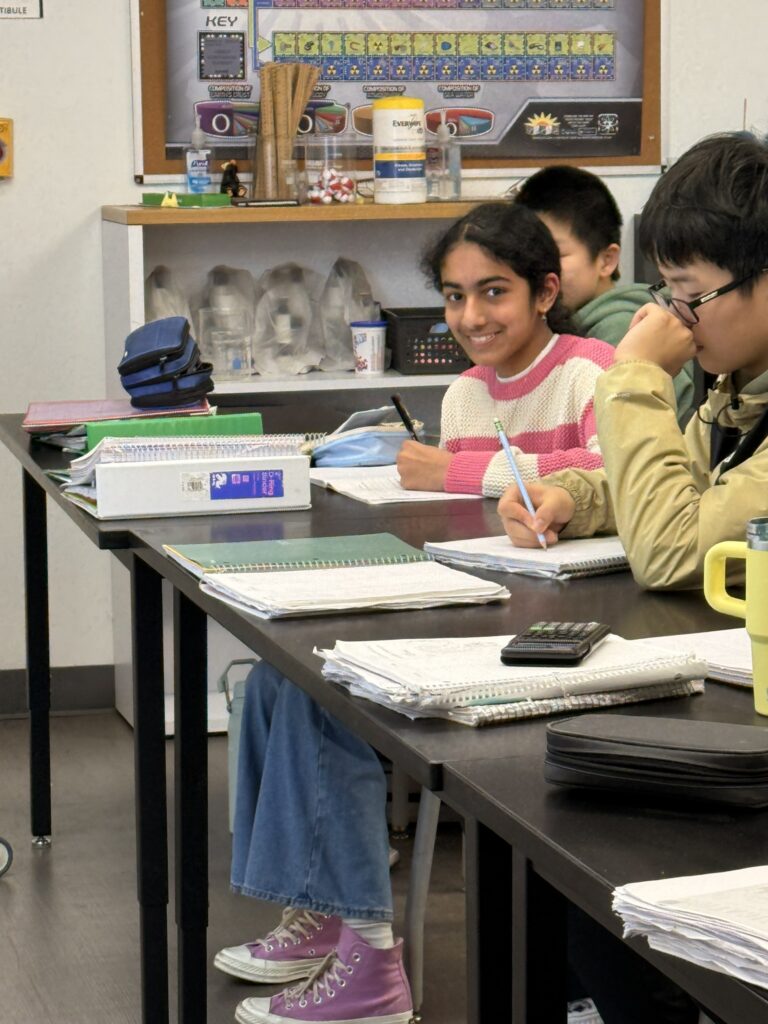
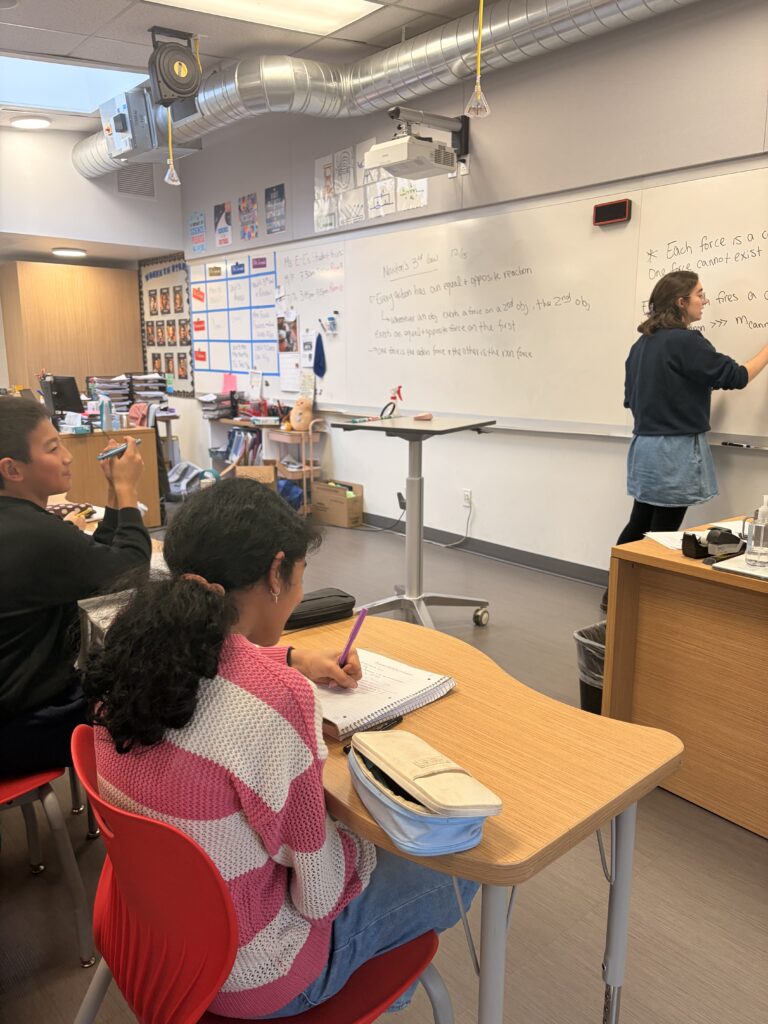
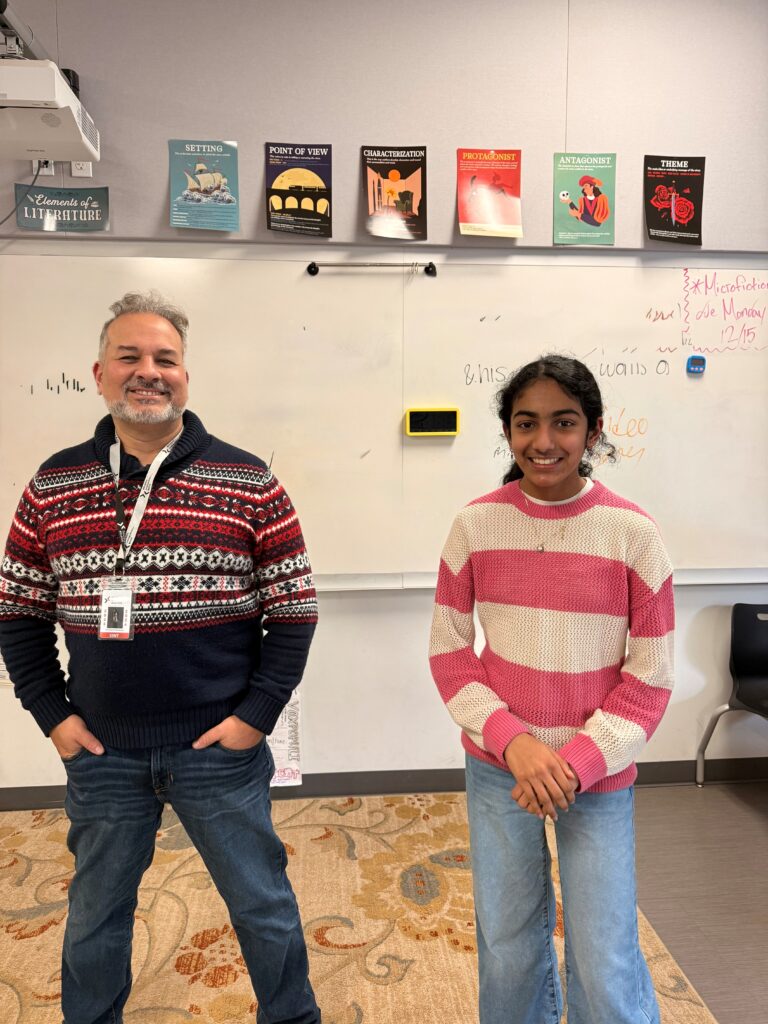
Step Inside Grade 8 at BASIS Independent Bellevue with Megna P.!

December 17, 2025 by emilyhughes Leave a Comment

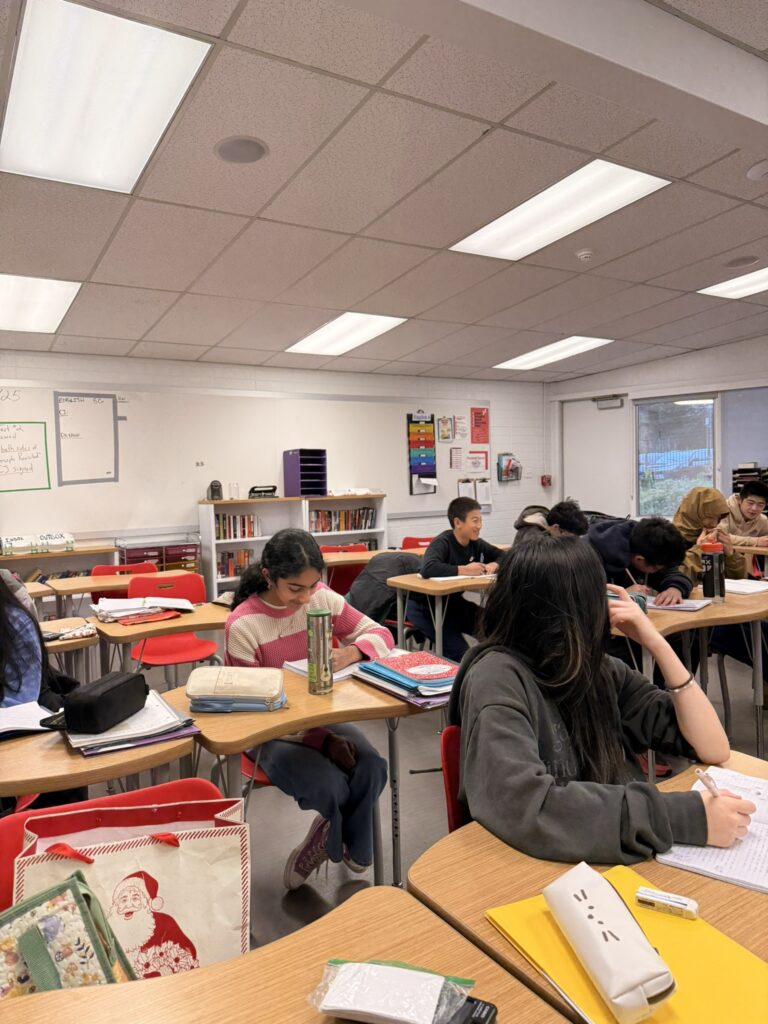
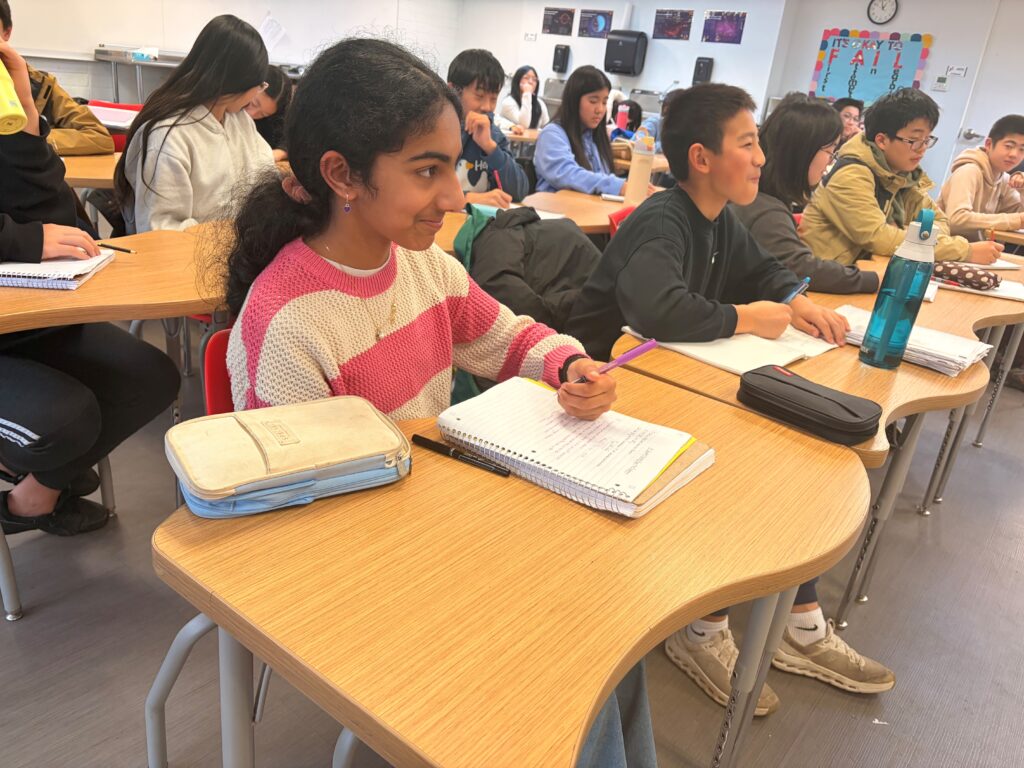
Meet Megna P., a beloved grade 8 student at BASIS Independent Bellevue! Megna is a brand new student to our campus, having just joined BLV in fall 2025 and we couldn’t be more excited to have her as a part of our Mountaineer Community!

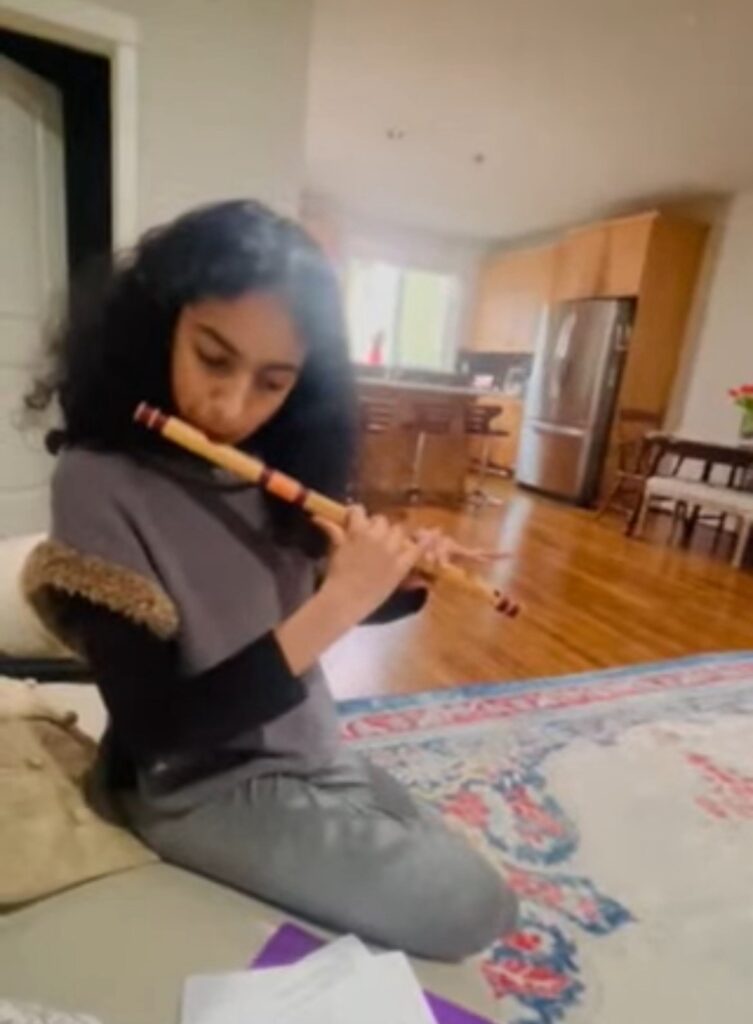
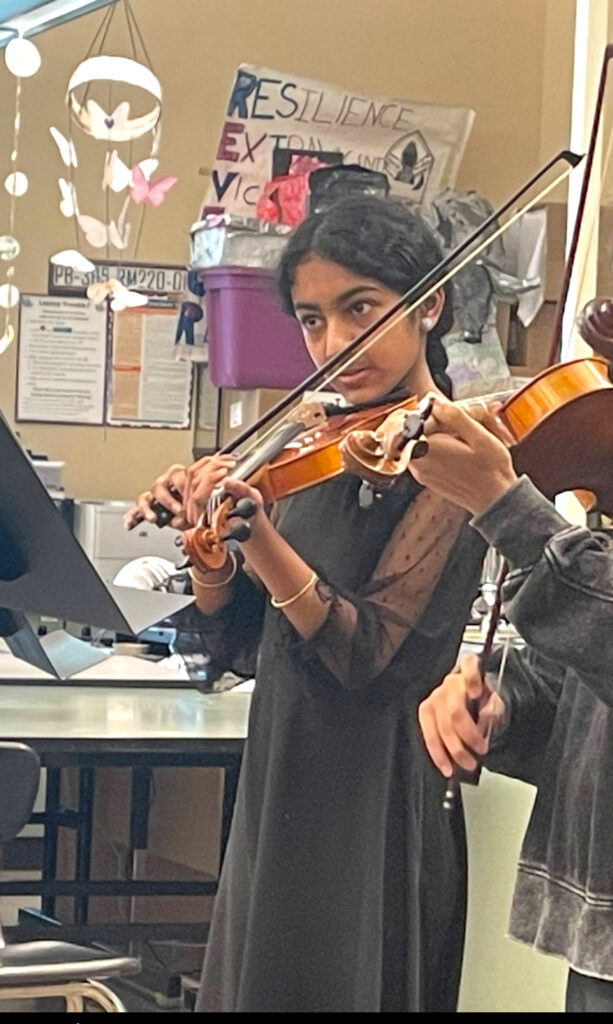
Although it is just her first year at BASIS Independent Bellevue, Megna was eager to get involved on campus and is already a part of National Junior Honor Society and our Student Ambassador program. Outside of school Megna loves music. She enjoys playing the flute, violin, and singing! Megna was kind enough to let us follow her around for a day, so we could highlight all of the wonderful aspects of being a grade 8 student at BASIS Independent Bellevue.


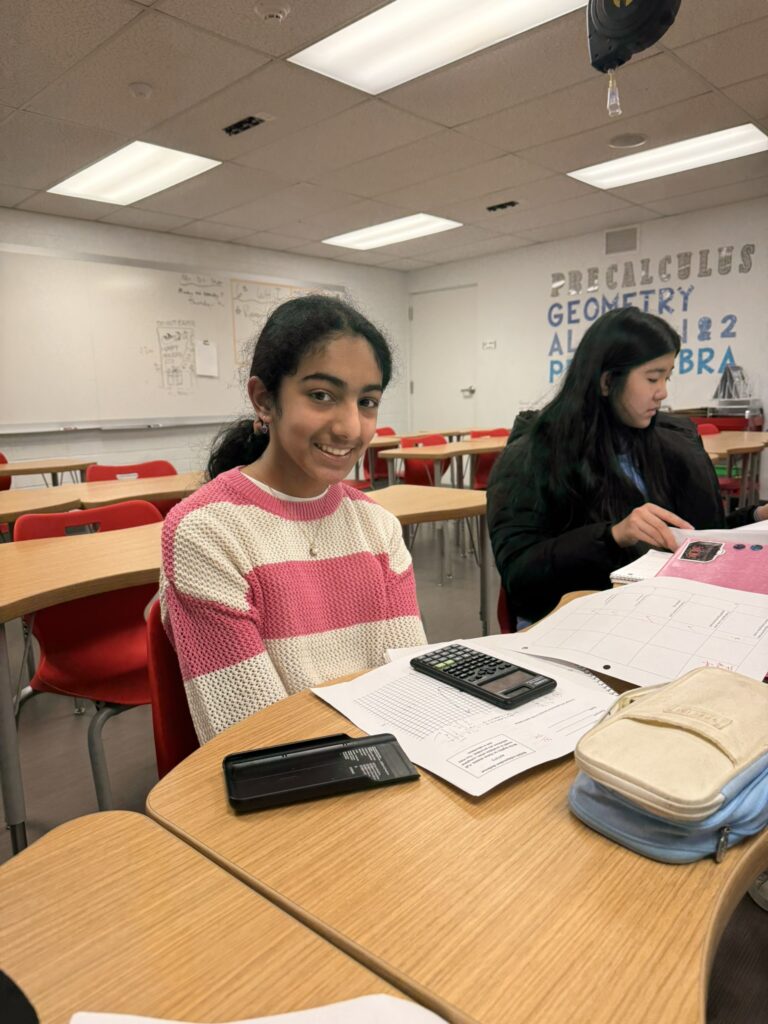
Period 1: Algebra and Geometry II

Megna begins each day in Algebra and Geometry II with Ms. Illiescu. When students join BASIS Independent Bellevue in grade 5–9 they are all invited to take an optional math placement exam, which allows us to asses their skills and appropriately determine their math level. Algebra and Geometry II build upon the concepts introduced in Algebra and Geometry I, such as solving equations and inequalities with absolute value quadratic and logarithmic equations, and working with complex numbers and trigonometric functions of right triangles. Students will also be introduced to proofs in geometry with similar and congruent figures, circles and their parts, lines, and planes. With this knowledge, next year Megna will be ready to take on a Pre-Calc course in grade 9!

Period 2: Biology

At BASIS Independent Bellevue, students take Physics, Chemistry, and Biology as separate classes for all three years of middle school. This prepares the students to be ready to take honors and AP level science classes when they enter high school!

On this day, Megna is headed to Biology for period 2. Biology is her favorite subject. She loves how Dr. Dornhoffer encouragers her to ask questions and creates engaging labs that amplifying her knowledge and interest in the subject even further. In this course students study and apply the scientific method, describe the chemistry of life, analyze cell structure and function, and explain the drivers of cellular transport. Students also describe the processes of living organisms like photosynthesis and cellular respiration. To demonstrate her learning of the cell cycle, Megna got to design and create a board game based on the cell cycle.


Period 3: Chemistry

After Biology Megna is headed off to Chemistry with Ms. Abele. This course includes more advanced principles of atomic structure, elements, compounds, molar quantities, and the periodic table. Students are also introduced to high level concepts such as gas laws, stoichiometry, and types of reactions. Megna’s favorite lab so far this year has been the density lab. In the density lab, Megna measured the mass and volume of an aluminum foil shape and calculated the density based on the ratio of mass to volume. The class then compiled their data to test if they were accurate and precise with their measurements and calculations.


Period 4: U.S. History

Megna is then headed to U.S. History with Mr. Tyler! Megna enjoys having Mr. Tyler as a teacher for his keen ability to bring history to life through stories and his well timed jokes. This course is specifically focused on the history of the United States from the Pre-Columbian Era through the turn of the 20th century. In grade 6-8 our history department prepares students to be ready to take AP level history courses beginning in grade 9. Megna shared that this year she enjoyed creating a trifold for their Founding Father’s Project. Megna chose to research and create the trifold about Robert R. Livingston.

After a busy morning Megna is off to a well-deserved lunch and recess break. All students at BLV get a recess break after their lunch. This is a chance for students to connect with their friends outside of class and enjoy a break from their studies.

Period 5: Physics

Megna’s next period of the day is Physics with Ms. Englert-Erickson. In this course students will learn topics such as kinematics, forces, energy, gravitation, momentum, electrostatics, electricity, and light waves throughout the course of the year. Using the concepts learned, students will develop the ability to pose a scientific argument and present scientific evidence to support a claim.

Period 6: AE (Academic Enrichment)

Following Physics, Megna has her Academic Enrichment or AE course with Mr. Ballantyne. AE is a daily twenty-minute period that students have for studying and homework completion. Additionally, every Monday during AE time is Mountaineer Monday, a dedicated time for students to engage in social-emotional learning with their AE teacher, using our wellness curriculum CharacterStrong.


Period 7: English

Megna then heads to Period 7, English, with Ms. Forrest. In this course, students broaden their exposure to a variety of literary genres, including fiction, nonfiction, poetry, and drama, while learning to produce thoughtful, well-argued analyses. This year, students read the novel Frankenstein, and Megna especially enjoyed creating a castle-shaped trifold project that highlighted the novel’s gothic themes.

Period 8: Creative Writing

Megna then ends each day in her Creative Writing course with Ms. Fischer. In grade 8, students get to choose one elective course that they would like to take for the year. This year our grade 8 students could choose Creative Writing, Art Studio 2D, or Band. Megna chose Creative Writing as her elective because she has always had a passion for writing her own stories. This year she is most proud of her creation myth about how the sun and moon came to be.


Mandarin

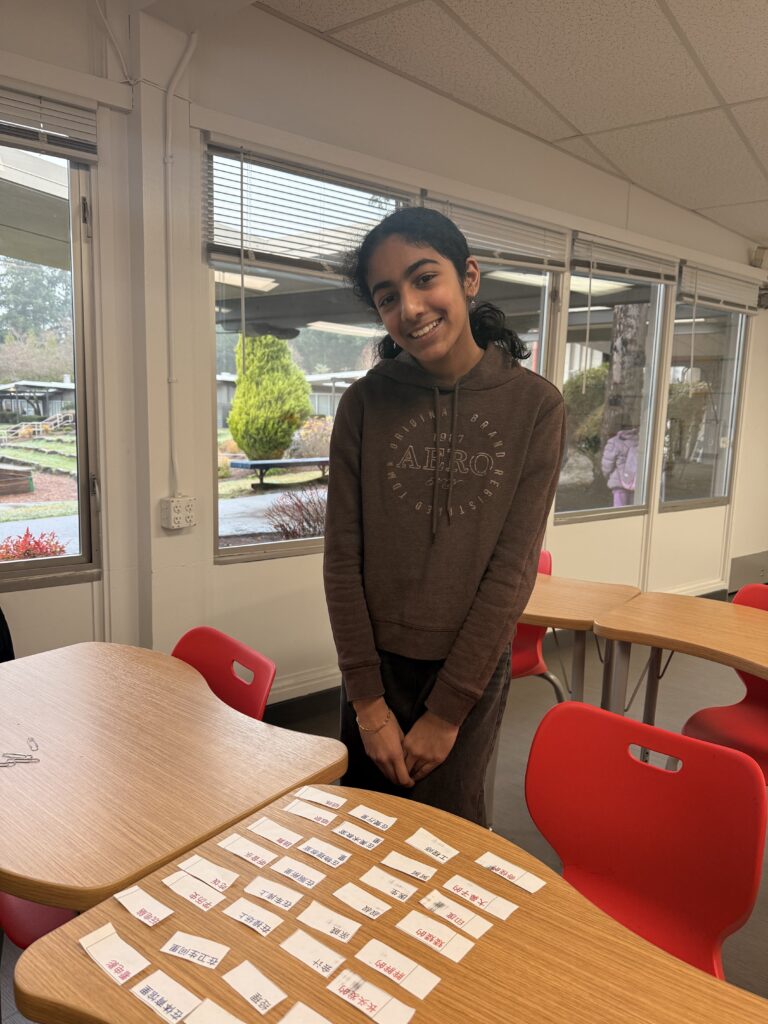
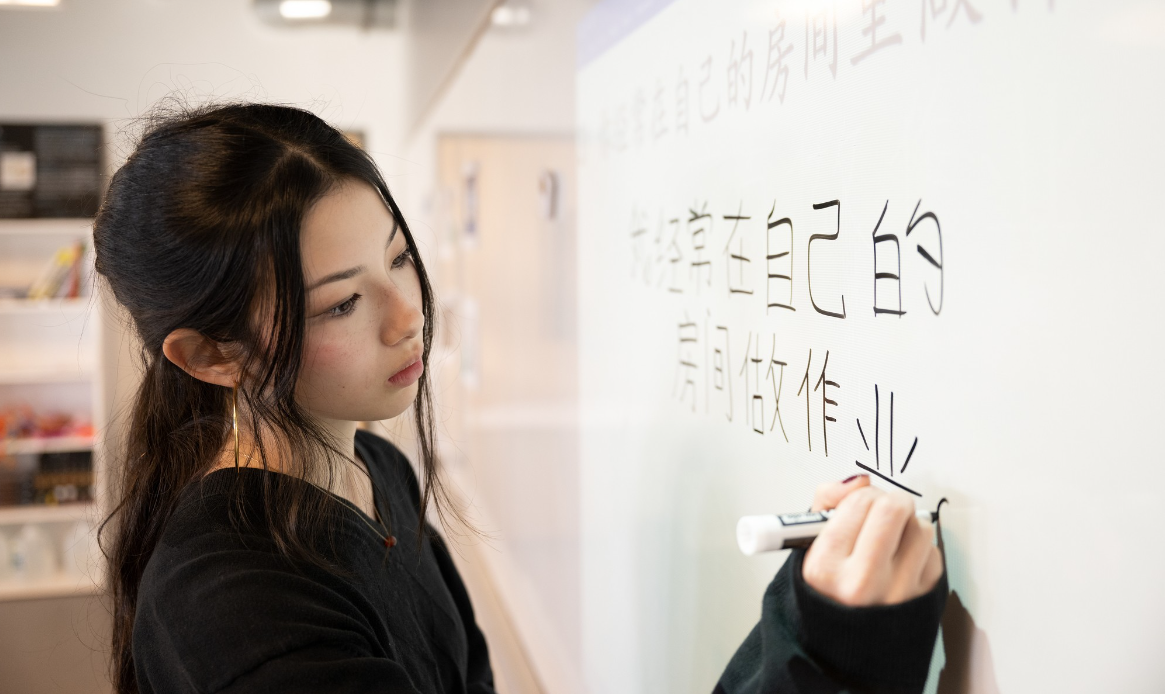
Another important part of Megna’s school day is her Mandarin class that she has three times a week. Starting in grade 7 students get to choose a world language they would like to study. Currently at BLV we offer Mandarin, Latin, Spanish or French for student to choose from. Megna has been taking Mandarin with a teacher outside of school for a few years before she chose it as her world language this year.

When asked why she chose to study Mandarin as her world language, Megna shared, “I felt that as a non-native Mandarin speaker, taking Mandarin would allow me to explore a new language. Mandarin has two components to it, characters and Pinyin, which makes it challenging, especially for non-native speakers. It has been rewarding to see my progress.” Reflecting on her first year of Mandarin at BLV, Megna added, “Ms. Zhang, my Mandarin teacher, has also been very supportive and encouraging since my first day here, and the small class size provides each student with a lot of individual attention. A special memory that comes to mind is that all my classmates in my Mandarin class came up with a Chinese name for me, which made me connect with my peers.”

As students join BLV in different grade levels our World Language teachers are experts in differentiation and supporting students at their various levels in the language they are learning.


After school Megna is headed home to practice her flute or violin. Megna is a fabulous representative of what it means to be a BASIS Independent Bellevue Mountaineer. Megna exemplifies our community values of PACE which stand for, perseverance, active, community and empathy. Megna has shown her perseverance in all of her classes by working hard to excel in the rigorous curriculum at BLV. You can always count on Megna for a warm smile and hello when you see her around campus. We are so grateful to Megna and her family for allowing her to partner with us on creating this blog!


Filed Under: Academics, Admissions, Community Values, Electives, Fine Arts, History, Humanities, Mandarin, Math, Middle School, School Community, Science, Student Learning, Student Life, Student Perspectives, Student Spotlight, Uncategorized

Fall 2025 Admissions Guide: Frequently Asked Questions During Admissions Season

September 12, 2024 by thealacrosse Leave a Comment

We are excited to meet the many wonderful families considering a BASIS Independent Brooklyn experience for their family!  

During each admissions season we field a wide range of questions about our curriculum and various programs, student life, electives, extracurriculars, and so much more. We have observed topics that are commonly brought up and want to provide you with answers to frequently asked questions raised each year. 

What is the difference between your two Brooklyn campuses? 

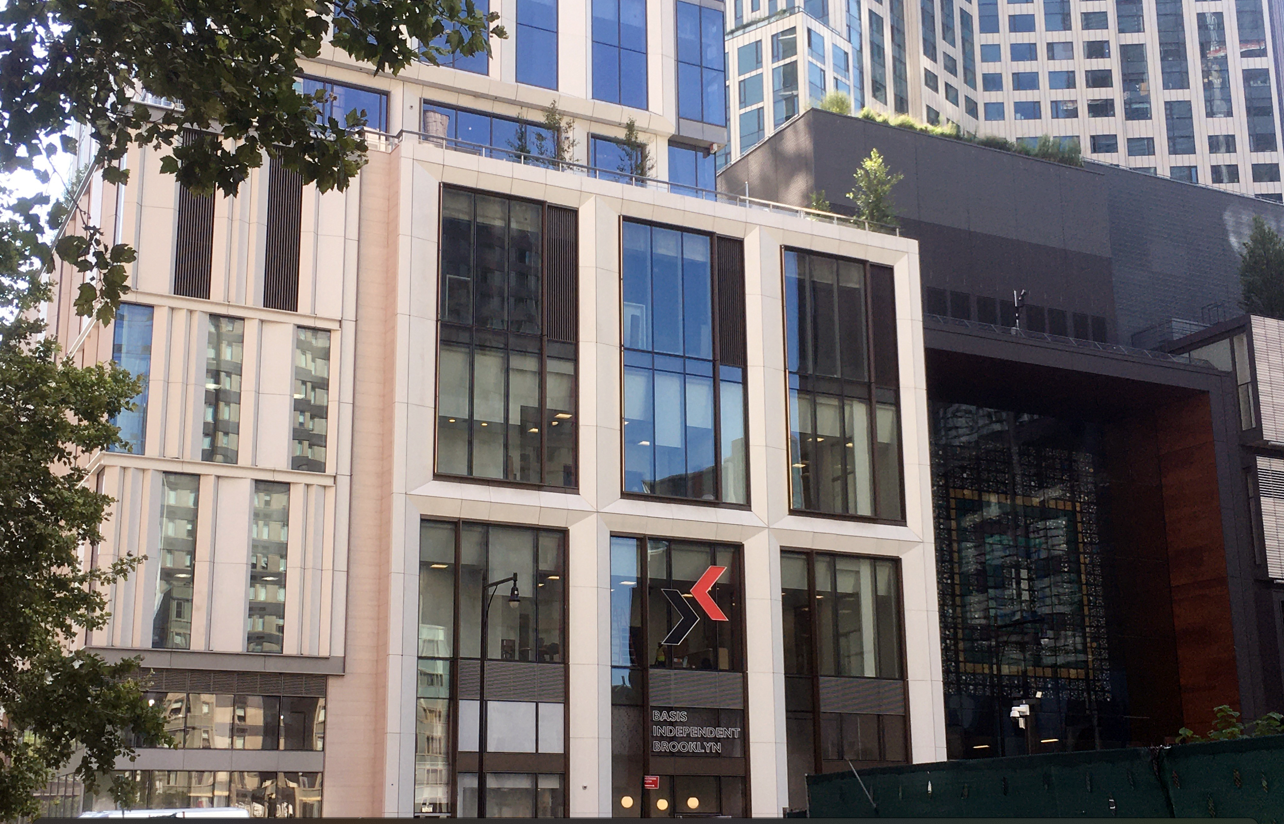
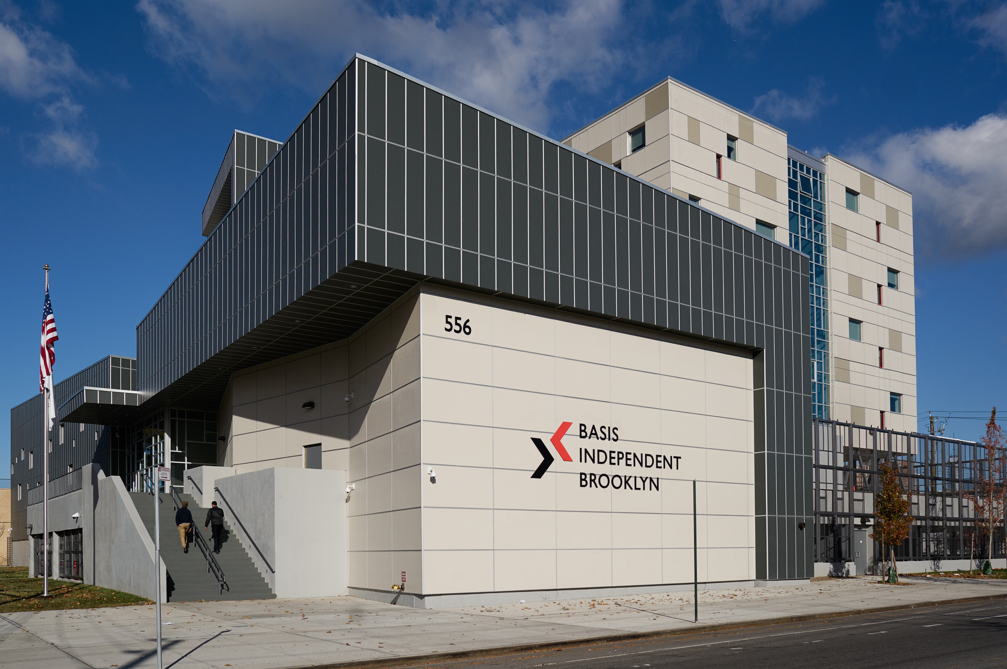
BASIS Independent Brooklyn was established in 2014. We are one school with two campuses. The Lower School in Downtown Brooklyn supports approximately 150 students in PreK–Grade 2 while the Upper School in Red Hook supports about 530 students in Grades 3–12.  
  

What is the teacher model at your school?   

Beginning in grade 1, our students have one Subject Expert Teacher (SET) for each discipline. SETs either hold advanced degrees or are experts in their discipline. SETs use their subject-area passion to inspire students while teaching them at a higher level than what is typically expected of students in their age group.  

Learning Expert Teachers (LETs) work in tandem with SETs to co-teach in all grade 1–4 classrooms. LETs accompany their students all day, from class-to-class, and are masters of the learning process and social-emotional growth in children. They are instrumental in ensuring that students are appropriately supported and challenged in each subject. In grade 4, the LET shifts their focus to promoting independence, autonomy, and teaching students how to use their resources. This shift prepares students for grade 5 and beyond where students have just one teacher, their SET, for each subject.   

Unlike the Primary, Middle, and High School programs, the Early Learning Program is primarily self-enclosed. Students remain in their vibrant classroom for most of the day, rotating classes only for their daily special (Art, Music, Drama, Engineering, Mandarin, or PE/Movement). Early Learning Teachers lead our PreK and Kindergarten classrooms and are responsible for delivering most of the content to students by bringing their own pedagogical expertise to the classroom, with the consistent support from an Early Learning Teaching Fellow.

What are your elective offerings?  

In the Early Learning and Primary programs, students will take Art, Music, Drama, Engineering, and PE/Movement. In the Middle and High School programs, students can continue to take those courses or elect to take Band/Orchestra, Computer Science, Choir, Creative Writing, Introduction to Philosophy, Digital Photography, Introduction to Film Production, Sustainable Fashion, Topics in Economics, or a number of Advanced Placement (AP) courses.  

What are your athletic offerings?

We have competitive and league sports for students to play. Offerings for our Middle and High School students include basketball, tennis, flag football, track (cross country, indoor and outdoor), soccer, volleyball, baseball, ultimate frisbee, and competitive cheer and dance. Next year we are planning on adding a squash and fencing team. Every year our club and athletic offerings grow in number and vary based on student interest.  

What are your club offerings?   

We offer over 60 clubs at our Lower School and Upper School campuses! Our students can participate in AI for Kids, Chess Team, Leadership Club, Math Team, Science Bowl, Student Newspaper, Black Student Union, LatinX Affinity, and more. 

Do you offer early or late care for students?  

At both campuses, we offer supervised early and late care. Early care, called Early Bird, is offered beginning at 7:00 AM at our Lower School and 7:15 AM at our Upper School. We offer two types of late care. The first is called Late Bird, which runs until around 4:00 PM. The second is called Cub Care (PreK-Grade 2)/Bear Care (Grades 3-8), and these begin following dismissal. Cub Care/Bear Care is more structured and involves a range of activities from sciences to sports to arts. After-school programs for High School students take place in the form of athletics and clubs. 

Why do you teach your students Mandarin? 

The co-founders of the BASIS Curriculum intentionally designed our Early Learning and Primary programs to include Mandarin. Mandarin is a global language, and researchers found that learning the language develops new pathways in the brain and uses both the left and right temporal lobes simultaneously. Studies also show that Mandarin helps students grow their mathematical abilities due to the emphasis on ordering, grouping, and distinguishing between similarities and differences in character writing and intonation. While Mandarin is required in PreK-Grade 4, Latin is required in grades 5 and 6. Beginning in grade 7, students will select a world language from French, Latin, Mandarin and Spanish, which they will continue throughout High School. 

Do your campuses have any outdoor spaces?   

Our Lower School has direct access to a new, beautiful, big park and playground right across our street! Our Upper School has three outdoor spaces. This includes one fully covered space, one partially covered space, and an uncovered playground. 

What is your student-to-teacher ratio?   

From PreK to grade 4, there are two teachers in each classroom. Beginning in grade 1, students will have one teacher for each subject as they rotate from classroom-to-classroom and teacher-to-teacher during the school day. Generally, our PreK classrooms average around 15 students with two teachers in the classroom and Kindergarten averages around 12 students per classroom with two teachers in the classroom. Grades 1-12 average around 21 students in each classroom. 

What is the diversity of your student population?   

Brooklyn is wonderfully diverse, and our student population reflects this. 53% of students identify as a person of color and 41 languages are spoken throughout our community. 

Do you offer financial aid?   

At this time, financial aid is not available. We offer families three types of tuition payment plans: one payment, two payments, or ten monthly payments. We award scholarships based on academic merit to a highly selective group of current BASIS Independent Brooklyn students in grade 8 who are planning to stay for high school. 

Do you offer transportation?   

We encourage families at both campuses to make use of nearby public transportation options. We offer free or reduced fare MetroCards for students who plan to use public subways or buses. The Lower School is located centrally in Downtown Brooklyn near stops for the 2, 3, 4, 5, A, C, D, F, G, N, Q, and R trains; the LIRR at Atlantic Terminal; and the B25, B26, B38, B52, B54, B57, B61, B62, and B67 MTA bus lines. The Upper School campus in Red Hook is conveniently located near stops for the B61 and B57 buses, and accessible from the F and G trains at Smith & 9th Street Station. Families are welcome to use bikes, strollers, skateboards, and scooters. We have storage at both campuses for these modes of transportation.   

Our fee-based transportation program at the Red Hook campus includes morning and afternoon bus services throughout Brooklyn and Lower Manhattan. We carefully plan our bus routes each school year to try to accommodate student demand and the requested stops. However, bus stops are not guaranteed and are subject to change. For families with students at both our Upper and Lower School campuses, BASIS Independent Brooklyn offers a free “Connector” bus. Please inquire directly for more details on our current routes.  

What is parent involvement like at your school?  

Parents have many opportunities to get involved! The first way is through BIB Committees. These committees include the Teacher Appreciation Committee, Social Committee, World Fest Committee, and Community Outreach Committee. We also have a wonderful group called our Parent Ambassadors. These leaders work closely with our Admissions Team on events and connecting with new families.  

What community opportunities will my student have if they join your program?  

We have very active National Junior Honor Society and National Honor Society chapters at our school leading regular service initiatives. Moreover, our student leadership society, Leadership Club, has prioritized building both a culture of service and sustainability at the school. The students lead annual drives and regularly promote ways to volunteer with Red Hook and Downtown Brooklyn organizations throughout the school year. Our High School students participate in an Annual Day of Service before Thanksgiving Break. 

Our school community has worked to develop partnerships with impactful non-profits making a difference in the community. One great example is the Red Hook Art Project (RHAP), which provides tutoring and mentoring for under-served children and youth. The organization offers free classes and tutoring in visual art, music, and homework help. Our students have volunteered for the homework help program and are teaching guitar classes. They also work to ensure our leftover school lunches are transported to RHAP and given to students and their families.  

How can I visit your school?  

This admissions season, we are hosting a variety of events including Information Sessions, Campus Tours, Open Houses, and Shadow Days. Please click here to register for an upcoming event! 

Please feel free to reach out to our Admissions Team by calling (718) 643-6302 or emailing brooklyn-admissions@basisindependent.com  

Ms. LaCrosse (Right) – Director of Admissions and Ms. Valerio (Left) – Associate Director of Admissions Grades 3-12

Filed Under: Admissions, Admissions Events, Admissions Process, Clubs & Activities, Early Admissions, Early Learning Program, Electives, Extracurriculars, High School, Lower School, Middle School, Primary Program, Sports & Athletics, Student Learning, Student Life

BASIS Means Business: Wildcat Edition

February 17, 2023 by msnyder

Upper School students were invited to participate in a new initiative across all BASIS Independent Schools introduced earlier this year.

BASIS Means Business encourages our students to create and innovate as they develop an entrepreneurial business idea and present it in a Shark Tank-style competition.

One finalist from each network school will compete in the finals on Saturday, Feb. 25 (held via Zoom) and the winner will receive $10,000 toward their charity of choice.

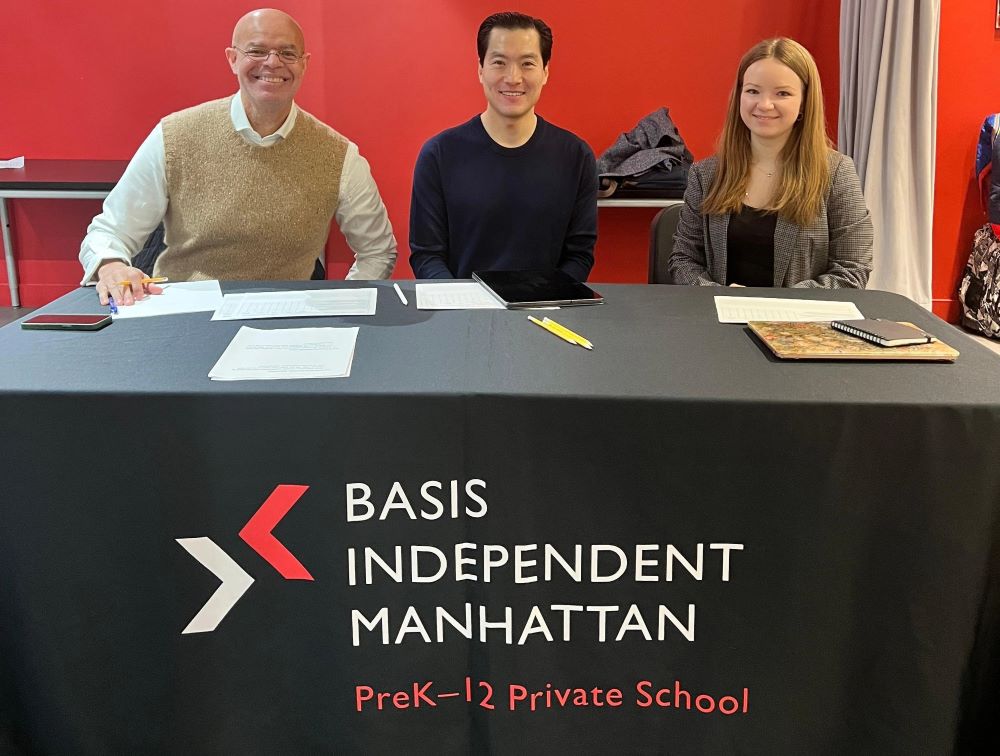
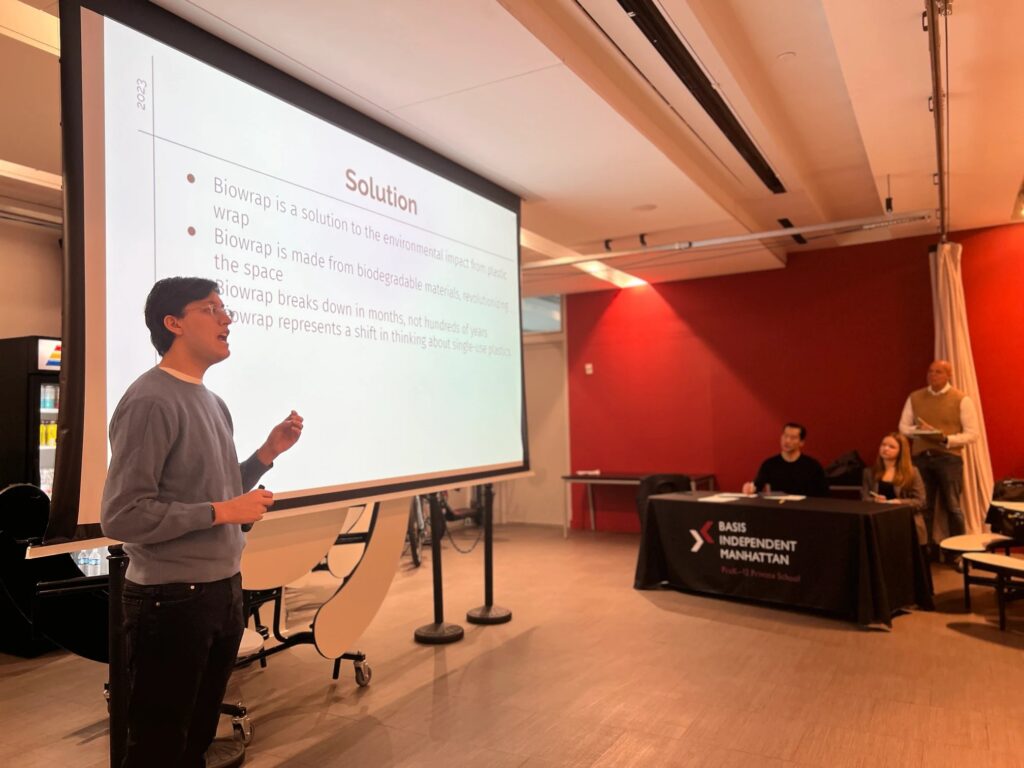
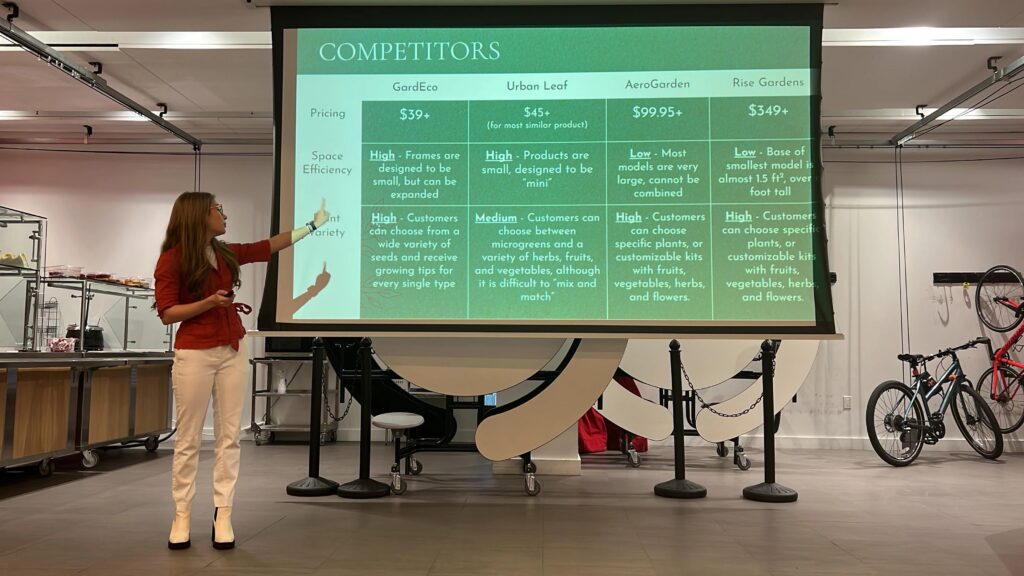
On Wednesday, Feb. 15, Pierce B. (’24) and Scarlett S. (’24) presented their ideas to the Upper School student body and our three judges.

The panel of judges included Kirk Murphy (Intro to Business elective teacher), Paul Kim (Wildcat parent and businessman), and Ms. Ermakova (Subject Expert Teacher, Math & Economics).

The presentations were on:

Biowrap – an eco-conscious replacement for plastic wrap (Pierce)

GardEco – Gardens for the urban home (Scarlett)

Both students showed impressive composure and professionalism. As far as the judges were concerned, high marks for both students were given regarding their public speaking. During the Q&A portion, the judges didn’t hold back from asking critical and pointed questions not to be too harsh but because they saw the potential in the students and their ideas. For example, they challenged the students about R&D, the cost of having a zero-carbon facility, and how to monetize online content behind a paywall.

The benefit of this project extended beyond the participants to the audience of high school students. The presenters demonstrated to their peers what it means to lead and set the tone for future competitions. It is clear that while marketing strategies and overall business acumen will always grab everyone’s attention, the foundation of success relies on the manner in which you present yourself and your ideas.

…and the Wildcat advancing to the BASIS Means Business finals is:

Scarlett S., Class of ’24

Now, the judges agreed that Scarlett has what it takes to go against her competitors from BASIS Independent Brooklyn, McLean, Fremont, Silicon Valley, and Bellevue and bring home the big prize. She has access to all of the resources and support offered by the BASIS Independent Manhattan community to prepare her for success. We look forward to the finals this month, but even more, we are eager to watch this program grow over the years to come.

Filed Under: Awards & Recognition, Clubs & Activities, Electives, Environmental Entrepreneur, High School, Student Achievement

© BASIS Independent Schools

  • Contact Us
  • Media Recognition
  • Careers
  • Privacy Policy
  • CA Privacy
  • Terms of Use

Headquartered in Campbell, California, Spring Education Group is majority-owned by investment funds administered by Primavera Holdings Limited, an investment firm owned by Chinese persons and principally based in Hong Kong with operations in the United States, China and Singapore.

Sitemap