
by Samantha Corsello (Auxiliary Programs Coordinator, Upper School)
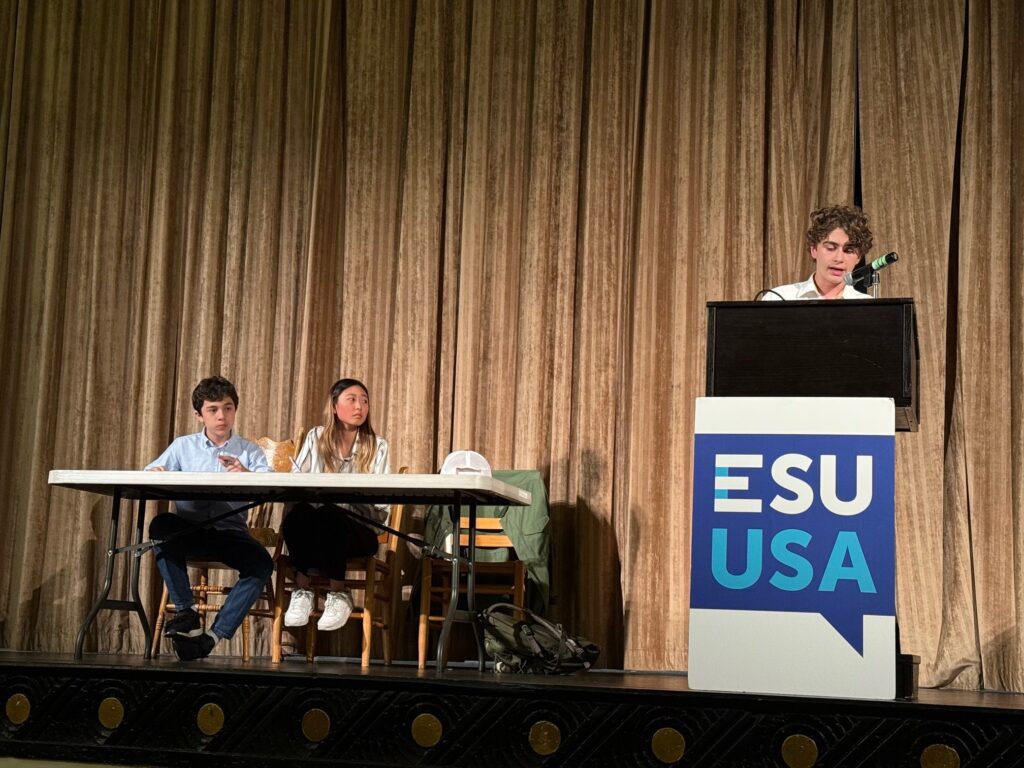
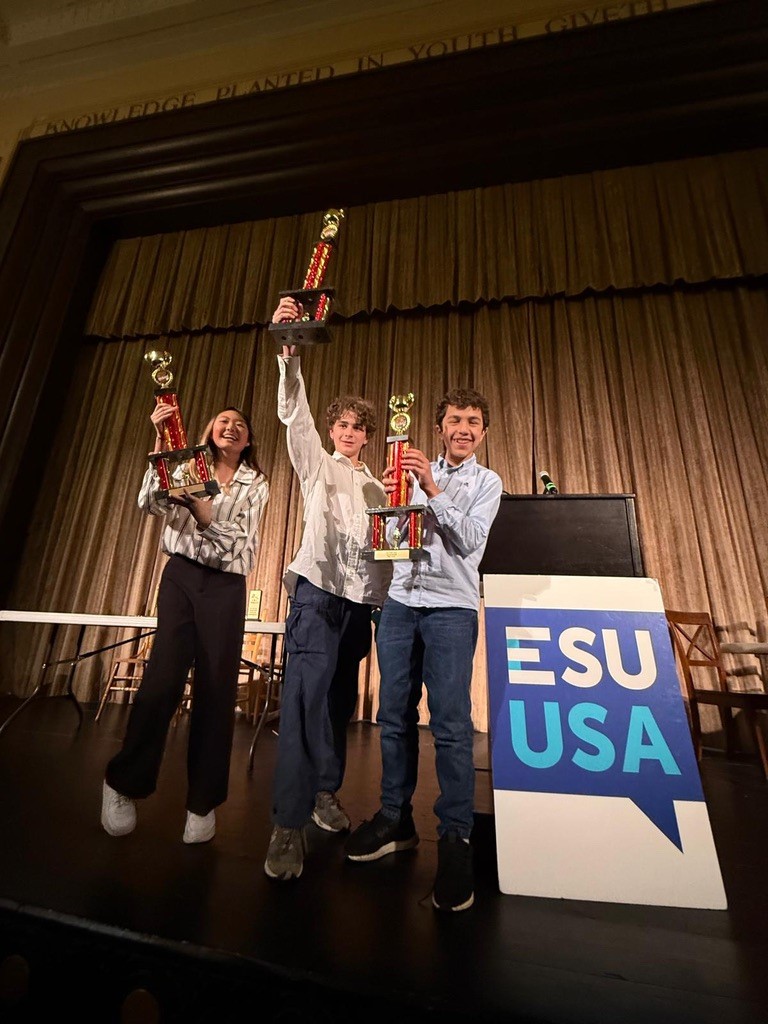
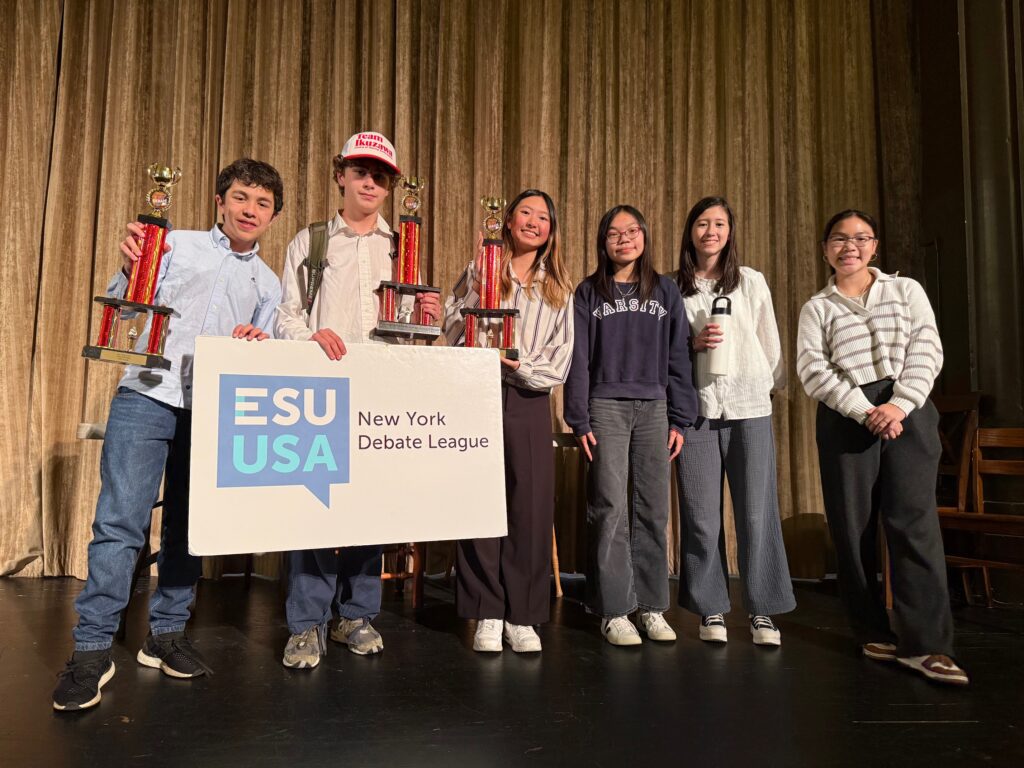
We are thrilled and proud to announce that our BASIS Independent Manhattan Debate Team has once again claimed victory at the ESU New York Debate League Championship!
This is the second consecutive year that our Wildcats have earned this prestigious Middle School Parliamentary Debate title, and it is entirely thanks to their relentless dedication, tireless preparation, and deep passion for Speech and Debate.
On Saturday, April 26, the ESU NYDL Middle School Parliamentary Debate Championship took place at Tuckahoe Middle School, where our BASIS Independent Manhattan Debate Team competed. These remarkable students poured hours of time and energy into building compelling cases, refining rhetorical techniques, and sharpening their critical thinking.
A special shout-out goes to Itamar K. (grade 8), who was named Top Speaker of the Tournament at the New York Debate League Championship. His powerful and eloquent closing argument on the topic of Facial Recognition Technology in Public Spaces brought the auditorium at Tuckahoe School to its feet. Which helped carry our team to a 4-1 victory overall in the Championship round.
“It was a matter of practice and predicting what our opponents would say. Speaking on the fly and knowing myself and believing in what I had to say. Making something memorable for the last year of middle school was important. It made me feel really great, like all of our efforts paid off.” – Itamar K., Debate Team Member
His teammates, Cosmo K. (grade 8) and Rhea Y. (grade 8), key members of the BASIS Independent Manhattan Debate Team, also delivered incredible speeches that impressed both the judges and the crowd at the debate tournament. Their poignant arguments, precise rebuttals, and clear articulation of policy impact helped secure the top team ranking. I asked them how they felt toward the end of the day in the Championship round after arguing all day against various opponents all day.
“We were all running on adrenaline at that point; there was a coin toss that decided the topic choice, and we lost the coin toss. But we were confident with both sides of the argument (Facial Recognition Technology in Public Spaces) and went with what we knew.” — Cosmo, Debate Team Member
Behind Every Champion is a Support Team
This debate tournament victory is not just a win for our debate team—it’s a testament to the power of teamwork, educational debate, and community. Our Wildcats were incredibly fortunate to have their families, other debate team peers, and coaches Mr. Lucas Iverson and Mr. Seth Spiegel. We extend our sincere gratitude for their tireless work and unwavering commitment to the students’ growth and progress.
“Familiarizing yourself and practicing debating the topics at hand is what helps the most with preparedness. Every class, we did tons of research, and we even dedicated time outside of class to make sure we were ready for Saturday.” — Rhea, Debate Team Member
As we wrap up this exciting chapter, we couldn’t be prouder of our Wildcats and everything they’ve accomplished. This win is a direct reflection of the countless hours of preparation, the courage to speak up, and the teamwork that brought it all together. Our BASIS Independent Manhattan Debate Team has once again shown what’s possible when passion meets perseverance in student debate competition. Congratulations to Itamar, Cosmo, Rhea, and the entire support network behind them. The future is bright, and we’re already looking forward to what’s next!
The future is bright, and we’re already looking forward to what’s next! As these talented middle school debaters prepare to transition to high school, we are incredibly excited to see their continued development and the impact they will undoubtedly make in a growing BASIS Independent Manhattan upper school debate program.
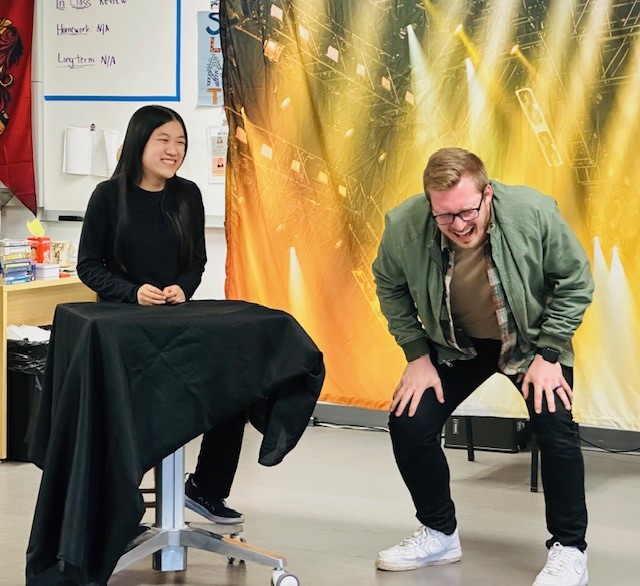
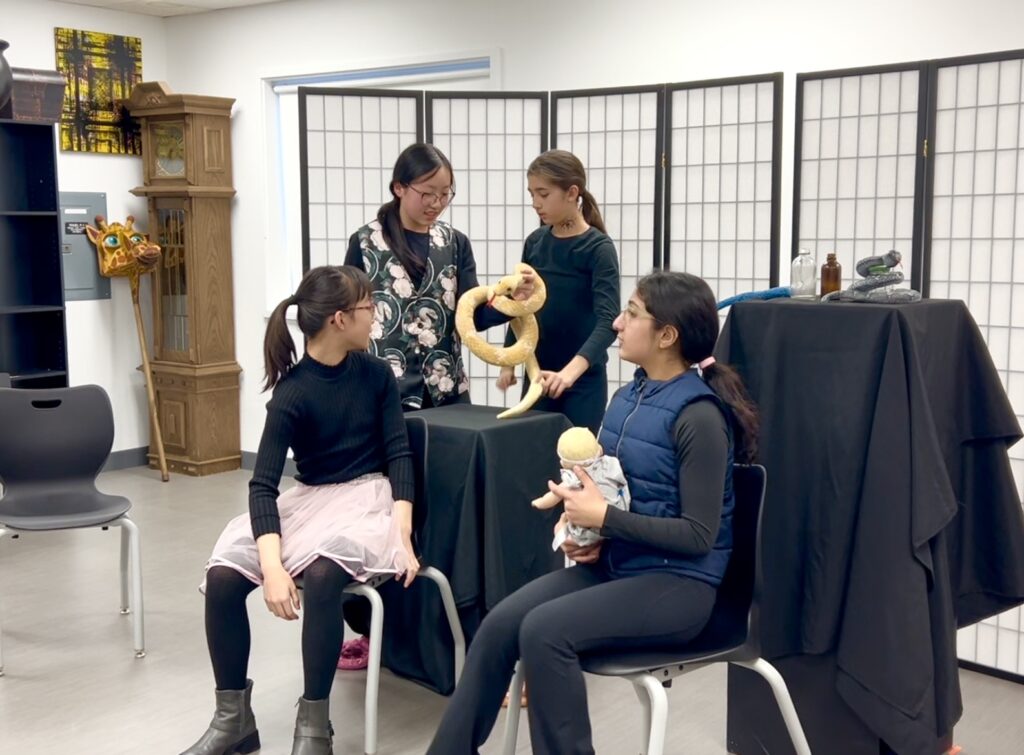
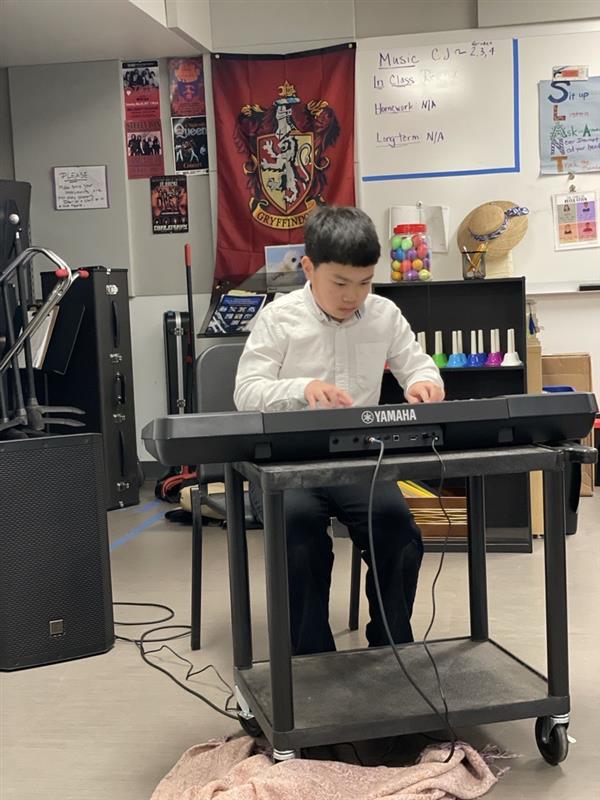
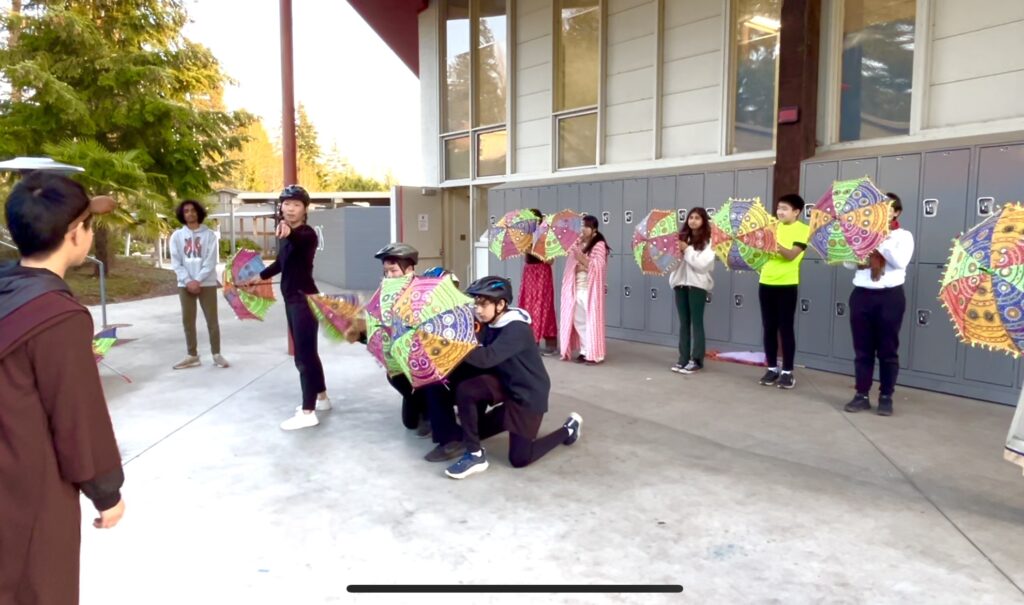
This week BASIS Independent Bellevue hosted the annual New Works Arts Festival and Spring Showcase! This event is meant to celebrate our Fine Arts Department and creativity of our students in grades 2 – 8 through dramatic works, musical performances, and the visual arts. The event was four evenings of planned artistic showcases, allowing students to explore their own creative voices and present their perspectives to our community.
Our Fine Arts Subject Expert Teacher, Ms. Carter, teaches grades 2 – 4 in Performance Arts, Music and Visual Art, giving her the unique ability to work with these students across several artistic disciplines. Since the beginning of the school year, Ms. Carter has been working with our primary students on body percussion and control. This skill has allowed students to develop more focus and mindfulness in the classroom, and has been especially helpful in preparing for their Spring Showcase performance. In January, students began using their body percussion skills to rehearsal the musical they would perform in March. Students in grades 2 and 3 were ensemble cast members, singing and dancing during the show, while students in grade 4 were assigned lines and learned blocking techniques on the stage. It came together beautifully!
“Giving the students the opportunity to blend theater, music, and the visual arts created a flow for me to be able to recognize their individual strengths, help direct their energies, and learn what each grade level was truly capable of. Working with these kids brings me such joy because I get to see them set aside their inhibition and come to life. They’re not afraid to be goofy, but and even the ones that are, learn quickly to break down those walls. I love the way they work together. We are a family in that classroom and I think the performance showed that.” – Ms. Carter
In grades 5 – 8, preparation for the New Works Festival began all the way back in August when students in drama classes learned that they would be asked to craft and perform their very own script, adapted from a piece of literature. This required students to look at themes of text, character and story development, and even write their own scripts. This cross-curricular method allows students to rely on skills learned from classes like Classics, English, and Literature and Composition.
Our Drama Subject Expert Teacher, Mr. Mullens, agrees that the integration of Humanities in our curriculum is crucial to the ongoing holistic growth of our students:
“Our students are highly academically motivated, which can mean that they are often very focused in their learning of academic content. In the drama room, I have the pleasure of seeing students truly enjoy the learning process in a non-traditional way. While we incorporate valuable skills, it is also a time for them to laugh, be silly, and bring levity into their day. It’s so important for our students to have these moments of ownership over their creativity, while having a lot of fun.” – Mr. Mullens
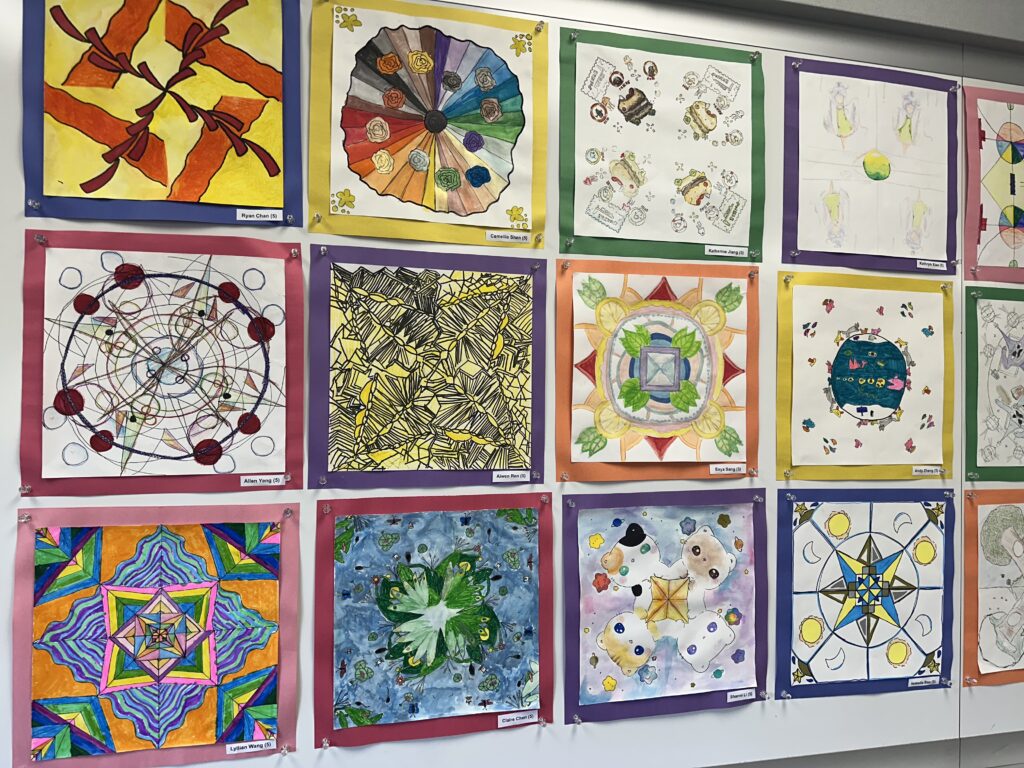
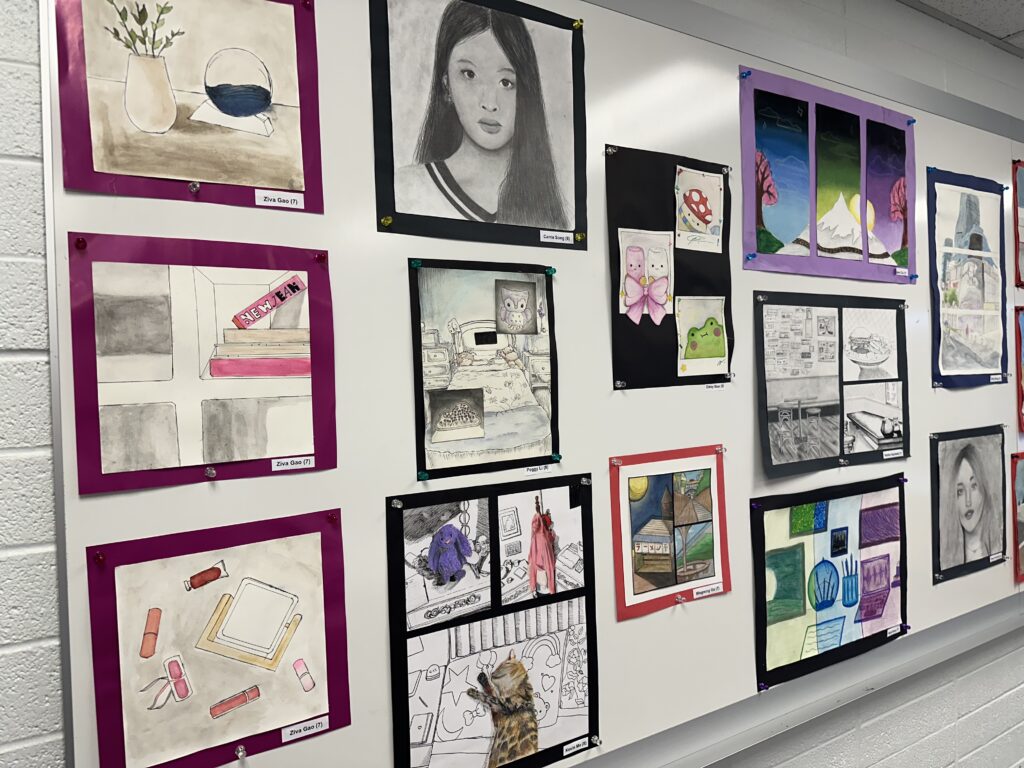
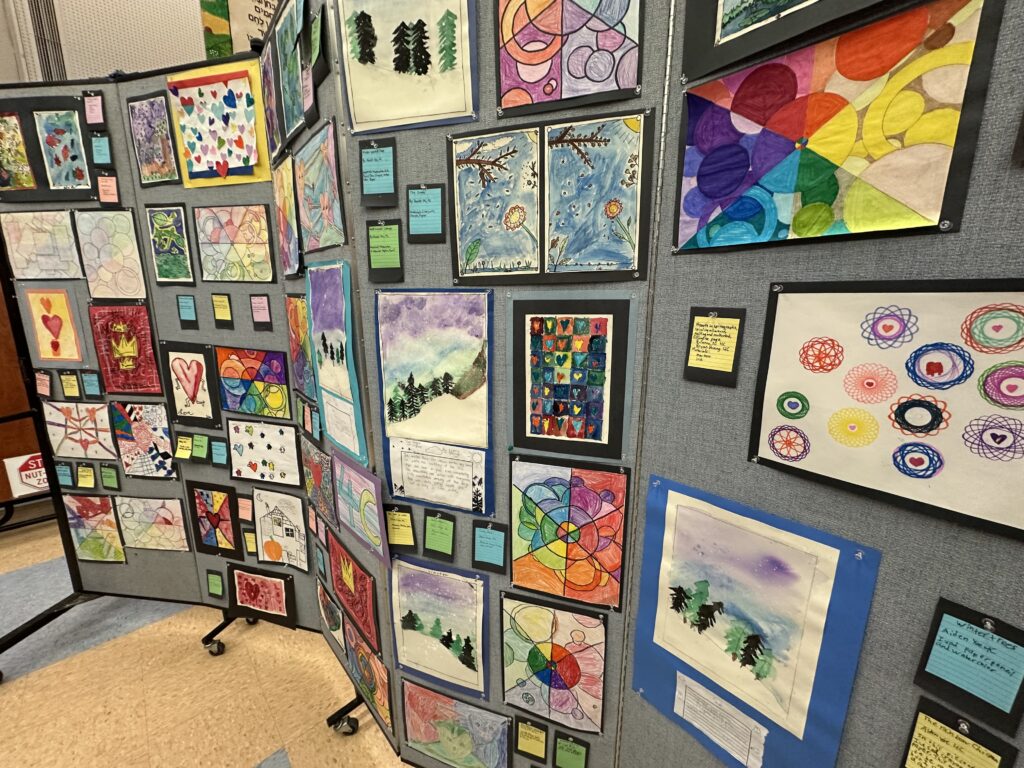
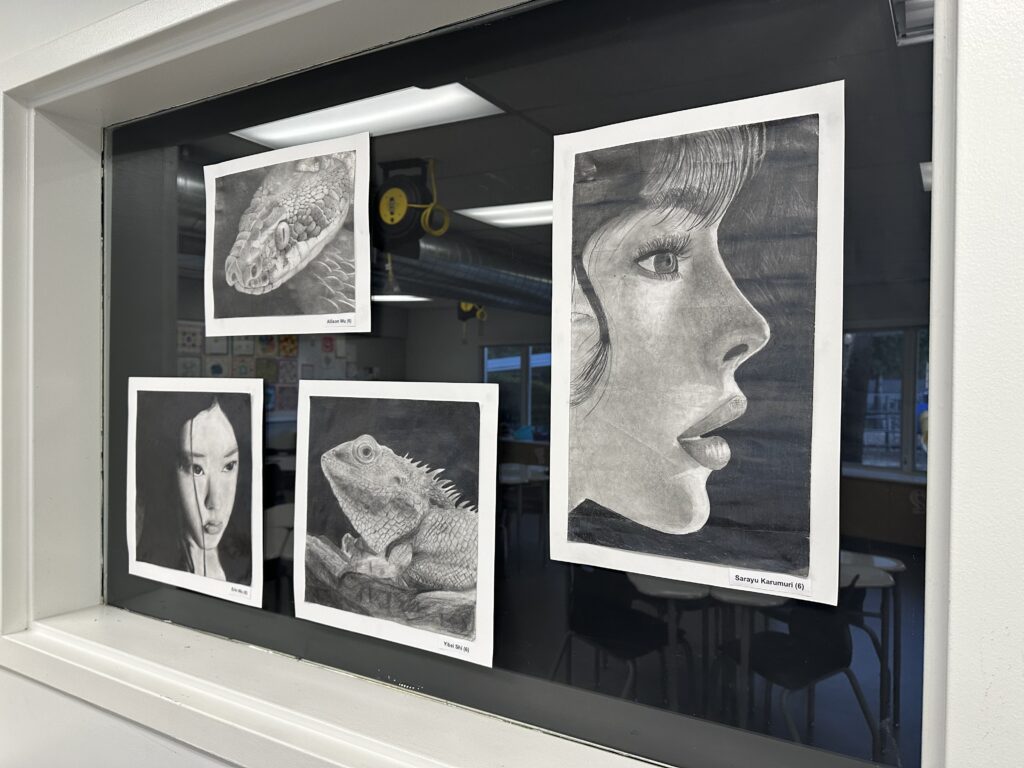
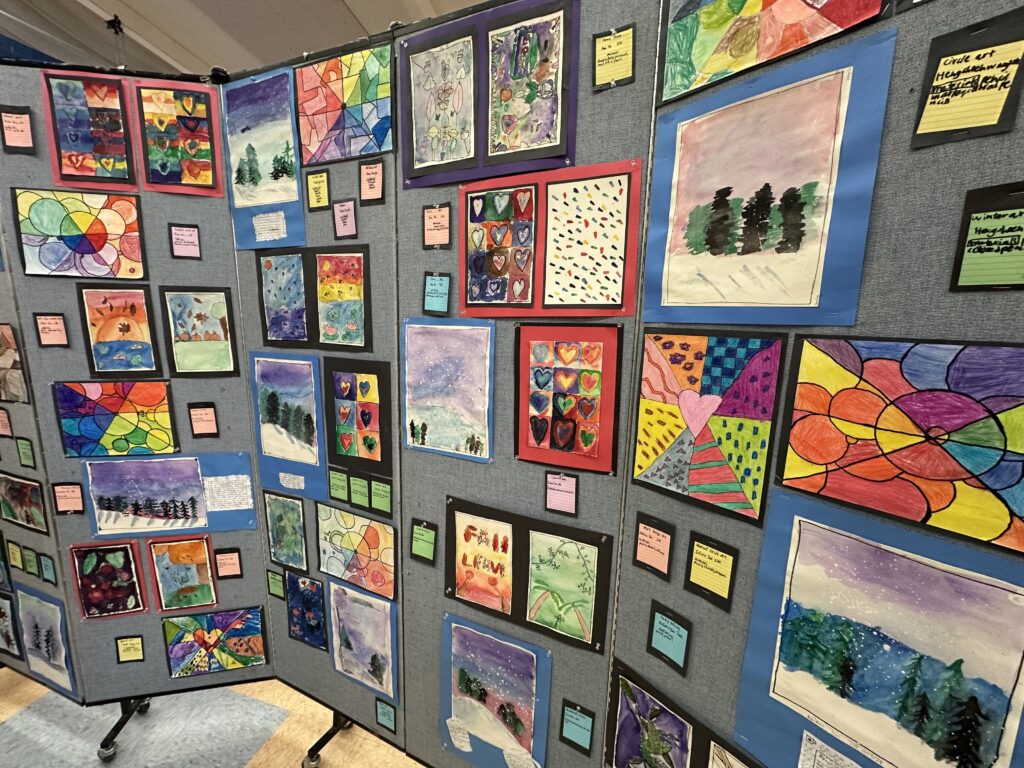
Each night kicked off with a visual arts showcase, highlighting art made by students in grades 2 – 8 throughout the course of this year in their classes with Subject Expert Teachers Ms. Carter and Ms. Dreskin. Families were able to enjoy refreshments and begin the evening by appreciating the work of our students.
The gallery of student artwork was on display for all four days of the festival!
Night One – The Spring Showcase
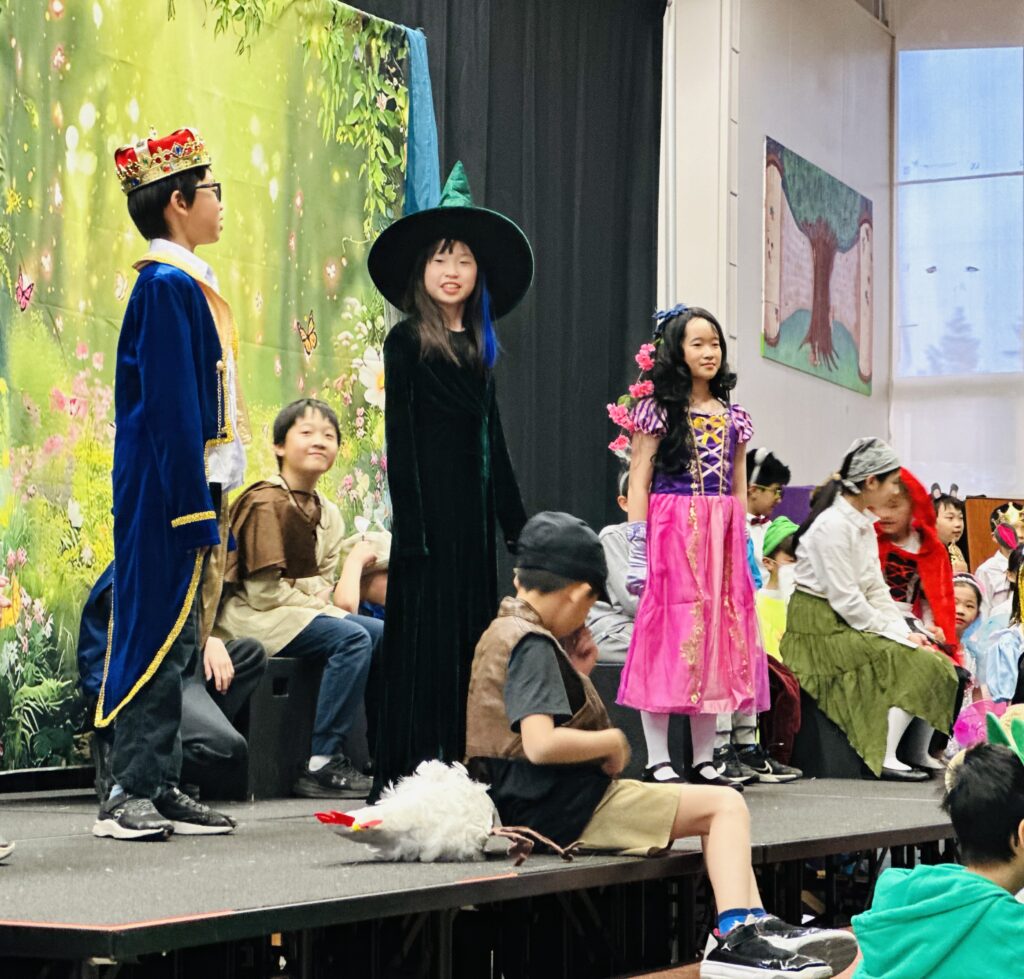
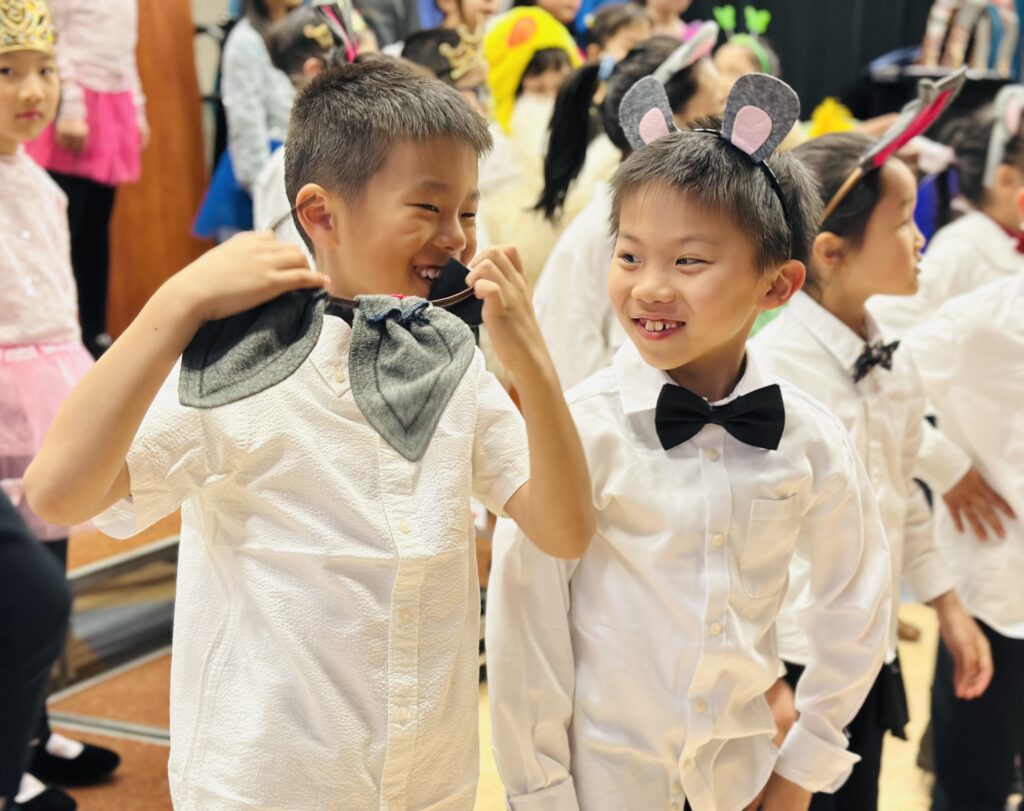
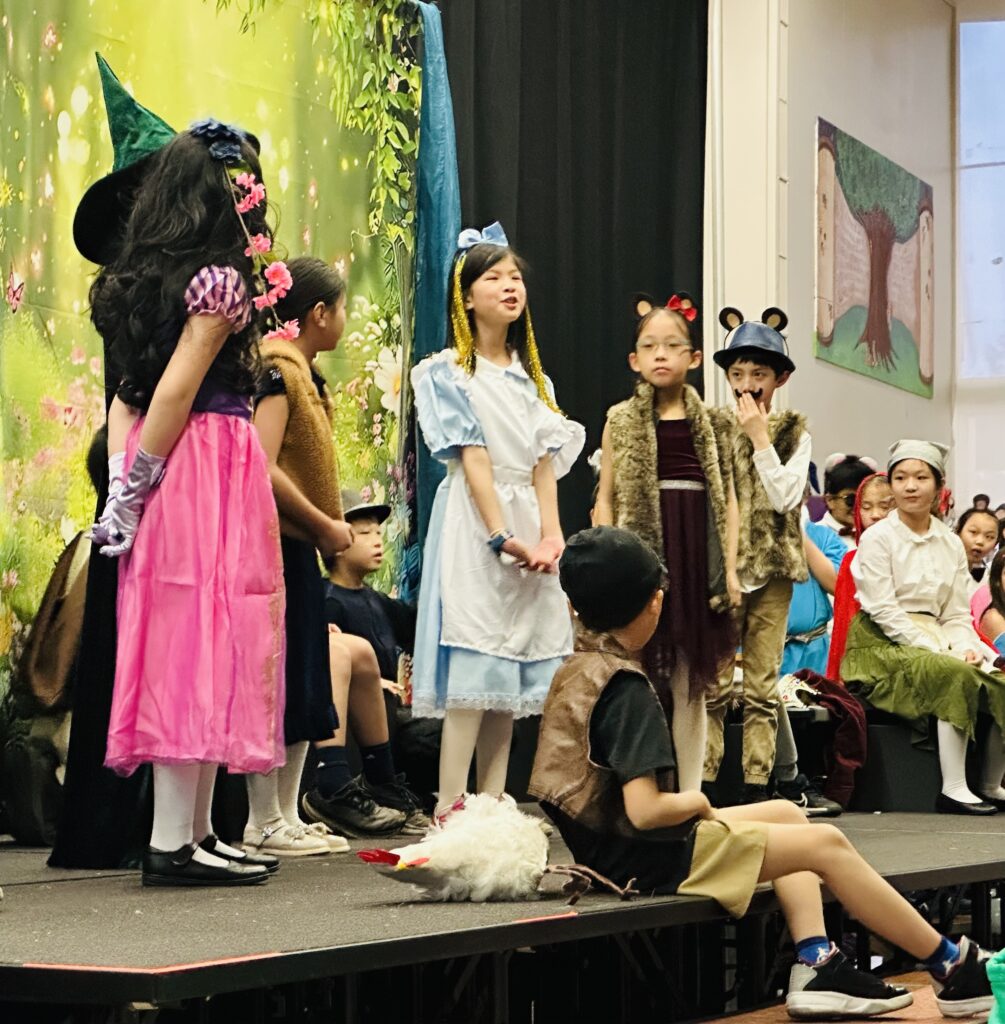
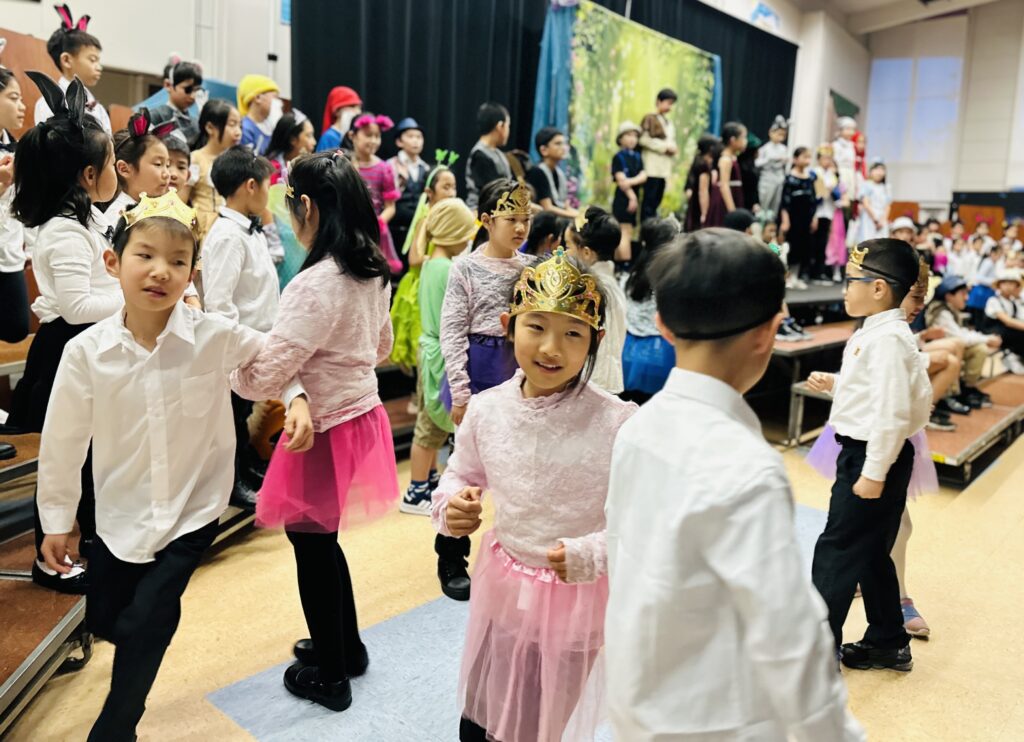
Students in grades 2 – 4 came together to present a musical performance. In grades 2 and 3, students were mice and princesses, while our grade 4 students each dressed up as a fairy tale character of their choice. The theme of the musical focused on building character and kindness.
Night Two – The New Works Festival
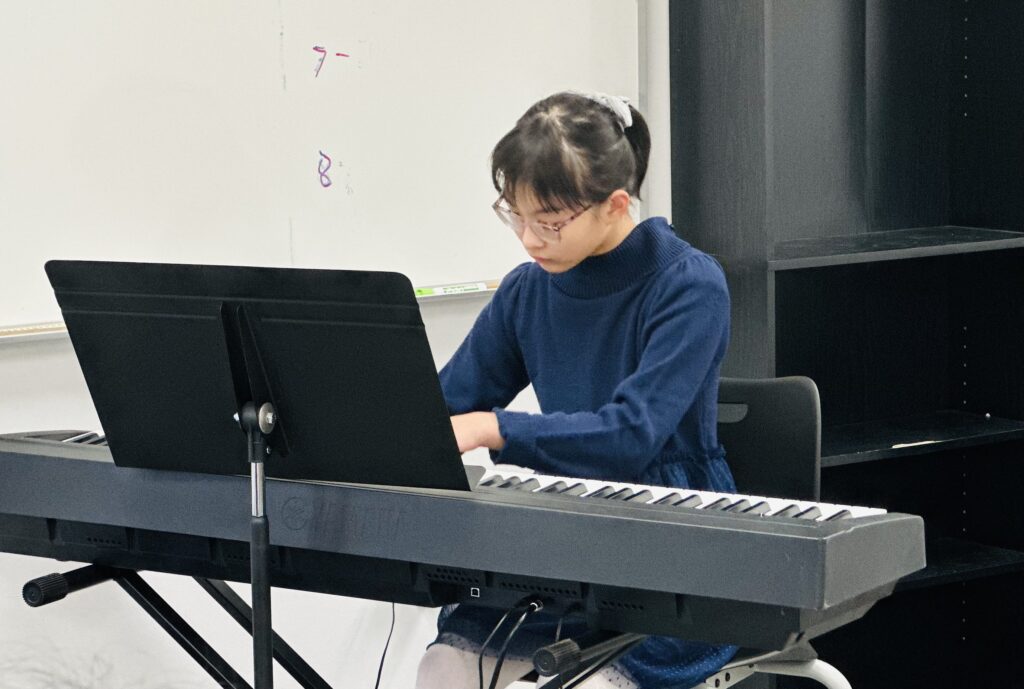
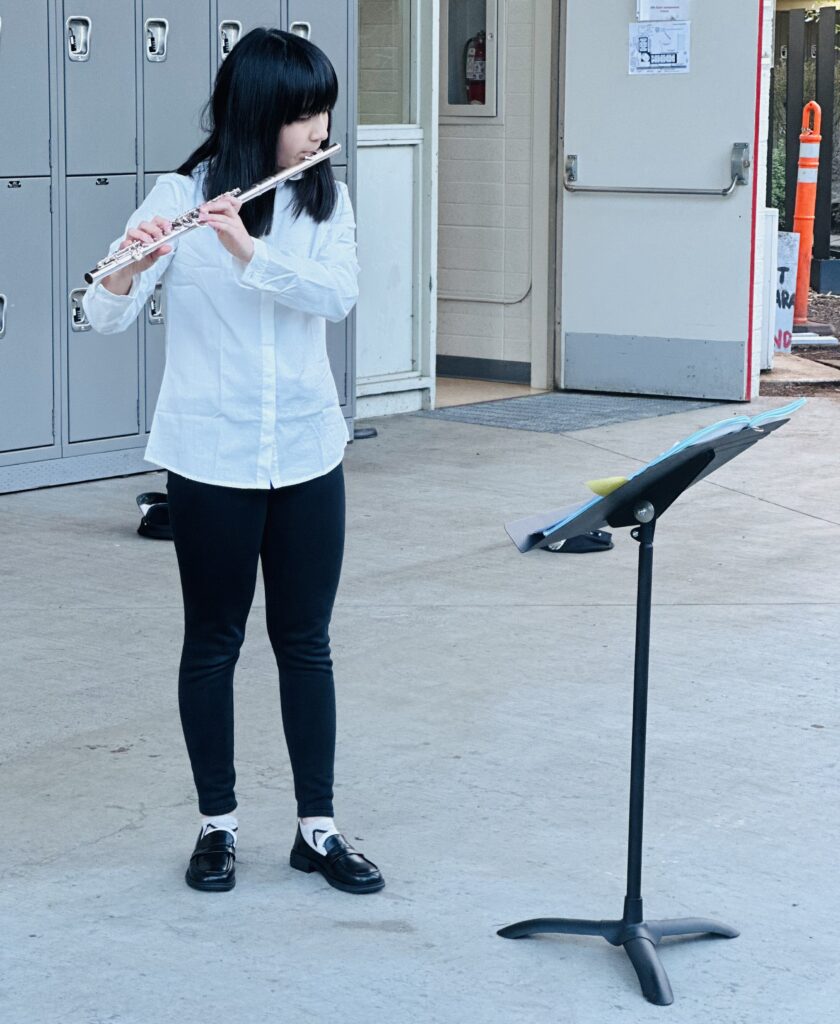
On Night Two, Grade 5 Oxygen students performed three adaptations from their chosen works with musical accompaniments, highlighting the flute, piano and vocals! Student performers stayed in their performance spaces, while the audience was rotated throughout the campus to see each of the shows in the theater room, amphitheater and music room.
Night Three – The New Works Festival
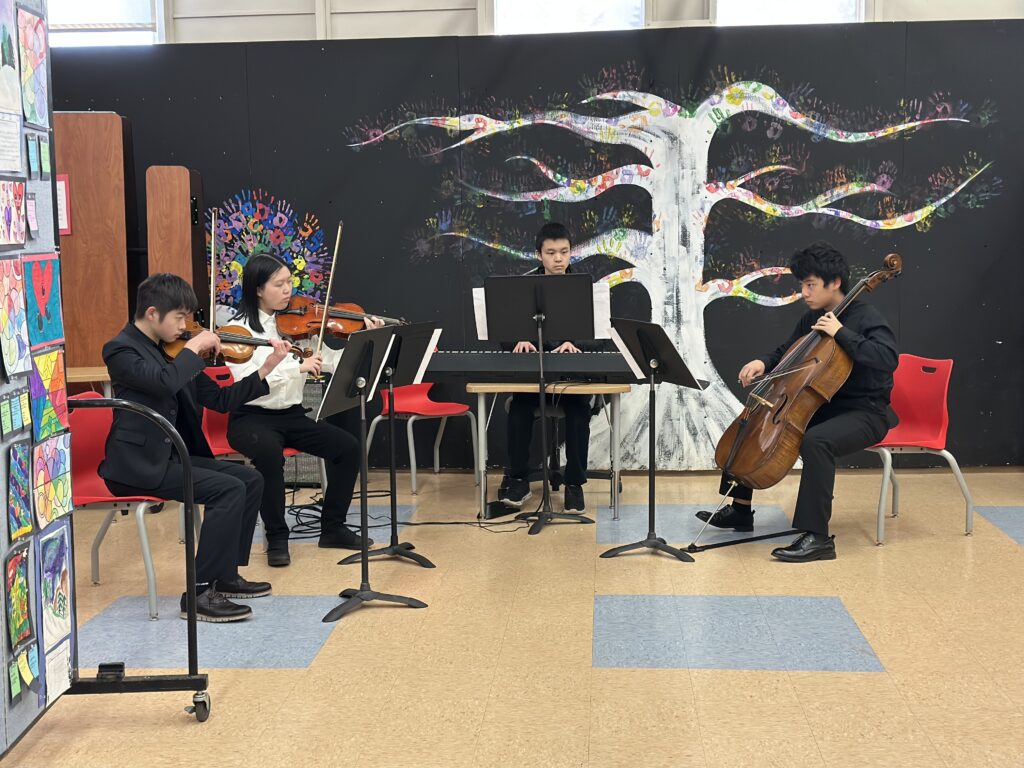
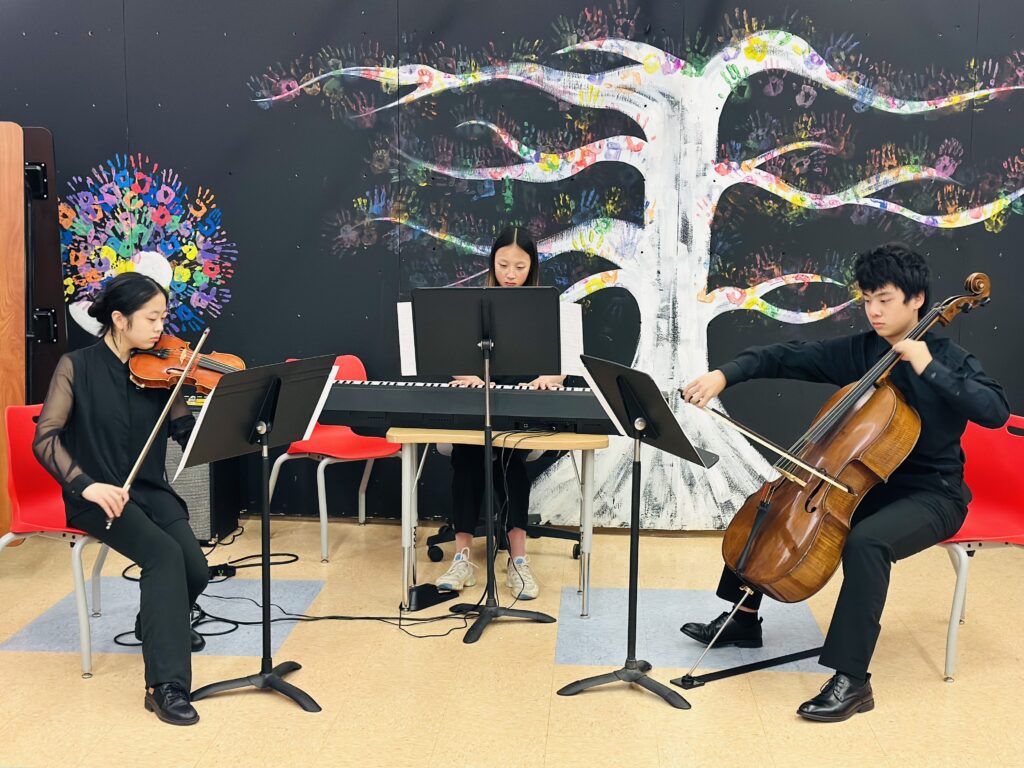
On Night Three, the Chamber Music Club hosted a pre-show while families enjoyed refreshments and viewed the gallery of art that surrounded them. Then, Grade 5 Nitrogen students performed their three adaptations while the audience rotated through each show in the theater room, amphitheater and music room.
Night Four– The New Works Festival
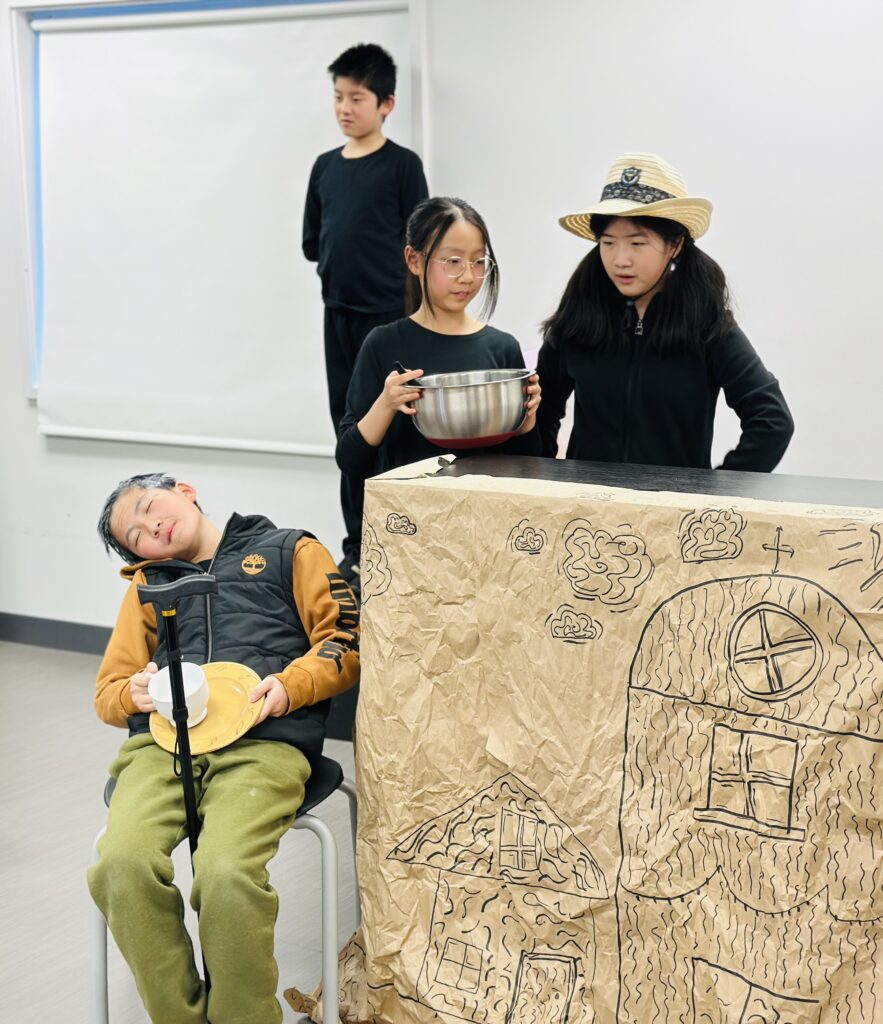
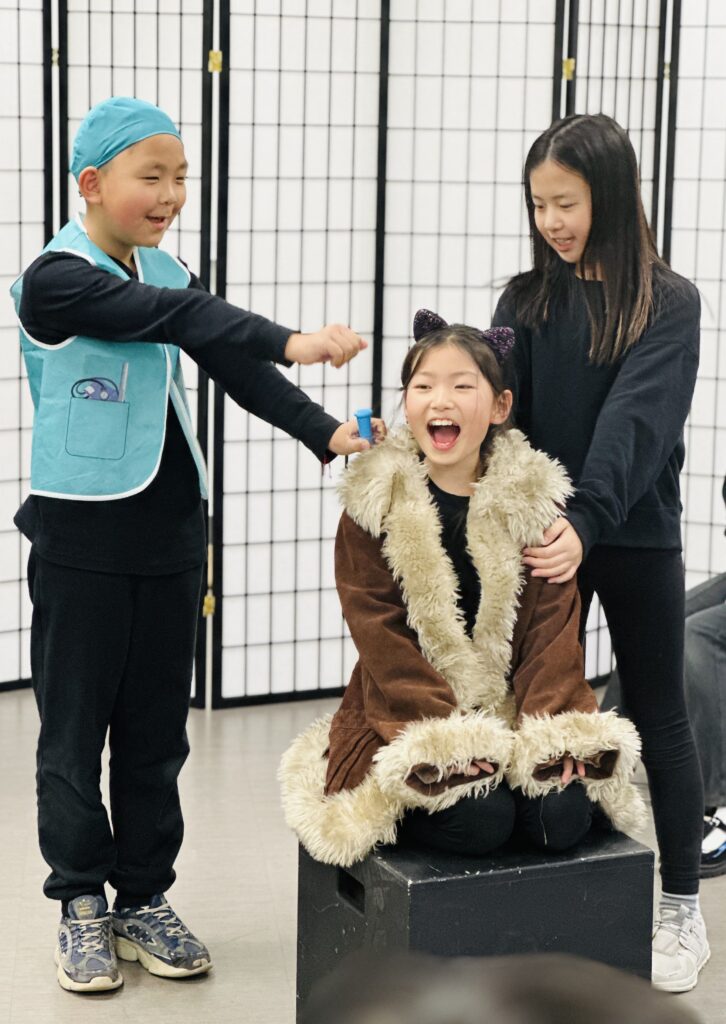
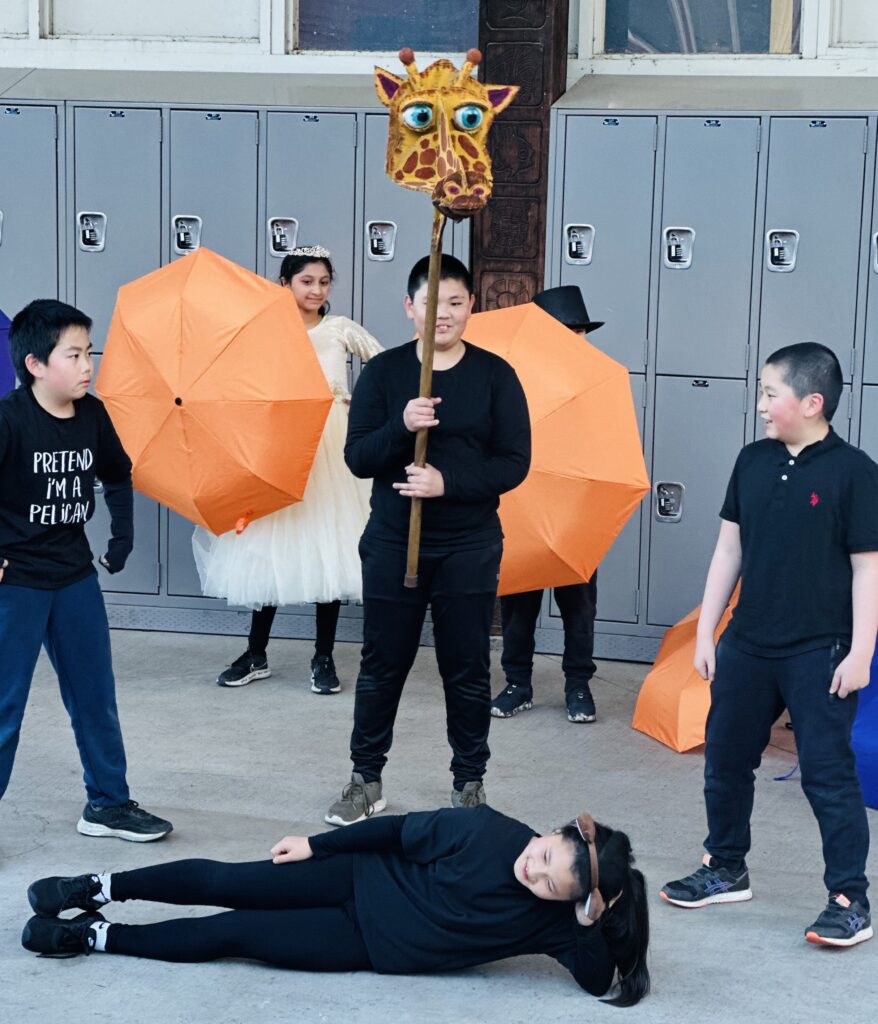
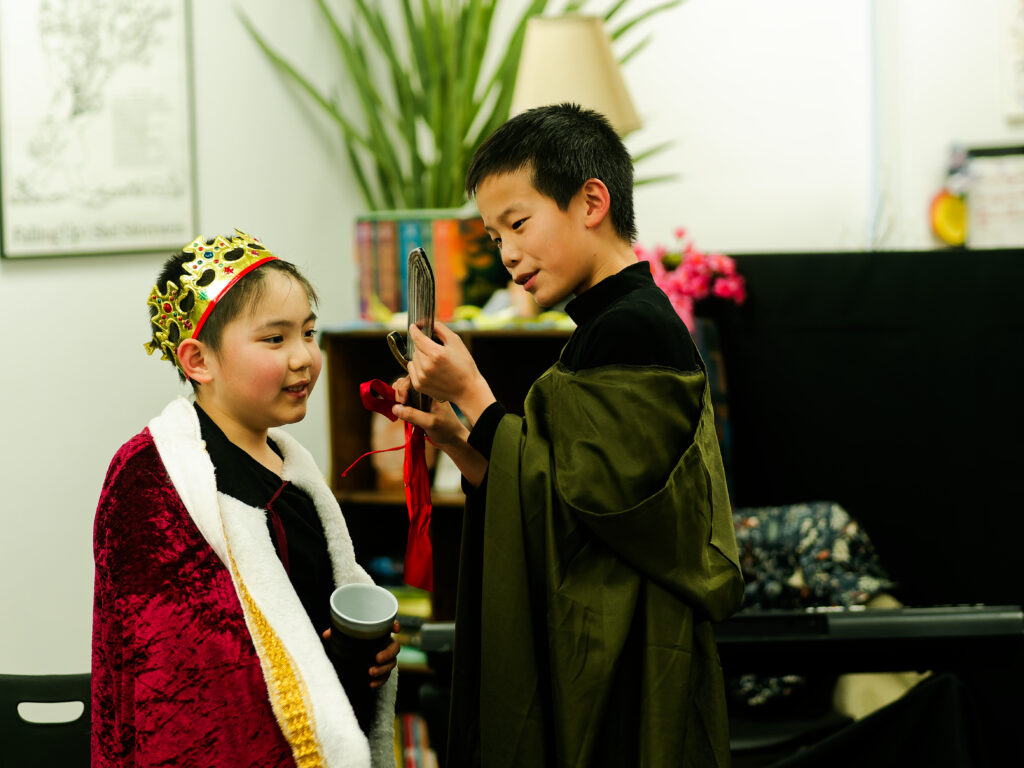
On the final night of the event, our grade 6 – 8 students enrolled in the drama elective courses performed their adaptations of literary works. These students collaborated with the grade 8 Creative Writing class for peer mentorship and support in their writing. The results were resounding. They even had a special guest appearance by our Social Studies SET and basketball coach, Mr. De Monnin! The middle school students performed their three adaptations while the audience rotated through the theater room, amphitheater and music room.
From start to finish, this event was almost completely student-led, from the writing of the productions, to acting and performing their words. Even our stage crew each night were student volunteers from the National Junior Honor Society!
“I love that the adults are standing back and letting this be as student-led as possible. It’s a pleasure to watch them taking agency over their work and see the months of effort finally coming to fruition. “– Mr. Mullens
We would like to extend a huge thank you to all of those involved in making this even a success, specifically our Operations Team, Ms. Dreskin, Mr. Mullens, and Ms. Carter. The work that was required to pull off this event was immense and it is greatly appreciated by our students and community!
Our Regular Admissions Cycle wrapped on March 14, 2025, which means that we have now entered Rolling Admissions . Due to increased demand and the competitive nature of the application cycle, we’re excited to say that our seats for the 2025 – 2026 school year have filled in grades 3 – 8. This means that students who apply for Rolling Admissions in these grades will be applying to join our wait pool.
However, each year there is always movement in our seats from the spring to fall, which means that we reach out to applicants in our wait pool to offer seats as they become available. Applicants on our wait pool often have the chance to secure a spot before the school year begins!
What does this mean for Rolling Admissions for grade 9 students?
We currently have seats available for grades 9! If you would like to apply for the 2025 – 2026 school year for this grade, we encourage you to do so sooner rather than later to secure your child’s seat.
What does this mean for Rolling Admissions for grade 3 – 8?
While we have some applicants in our wait pool, we are continuing to accepting rolling applicants across ALL these grade levels to add to this pool. As we have added an additional section of grade 5 this year, we expect even more seat availability is likely to come up in grade 5.
If we apply and make it on the wait pool, will my child be last on the list?
No! Students in our wait pool are not ranked. This is why we do not consider it a wait list but a wait pool. Whenever a seat becomes available, we evaluate all students in the pool and offer the seat to the applicant that seems to be the best fit, considering all aspects of their application. Applying for the wait pool as a rolling applicant does not hinder your chances of being offered a seat, should one become available.
How are the Rolling Application requirements different than Regular Application requirements?
The requirements to be considered for Rolling Admissions are the same as Regular Admissions. The only difference is that the Admissions Team will reach out to you to schedule the Entrance Exam and Family Meeting after we have received all the required materials. Review our application checklist to ensure you are aware of all the materials needed to complete your application.
When should I apply for Rolling Admissions?
Sooner rather than later! There is no way to guarantee when a seat will become available before next school year. The sooner your child is able to join the wait pool, the more likely their application will be considered when a seat opens.
Can I still come visit the school?
Yes! We will continue to offer one-on-one tours for the duration of the spring. If you would like to attend a campus tour, submit this form on our website and our Admissions Team will contact you.
How will I be contacted if a seat becomes available?
Our Admissions Team will call you immediately if we have a seat to offer your child and follow up this call with an email. We will provide all the details necessary to proceed with accepting the seat from there.
If my child makes it on to the wait pool but is not offered a seat this year, will they be guaranteed a seat next year?
No, applicants are not held for the next admissions cycle. If you wish for your child to be considered for the following year, you will need to reapply.
The National Junior Honor Society (NJHS) plays an integral role in building up the students in our Middle School Program as young leaders. As one of the premier student organizations in the nation, NJHS empowers members to contribute meaningfully to their communities while excelling academically. This year, our NJHS chapter has been busier than ever as our school continues to grow.
Character, Citizenship, Leadership, Scholarship, and Service.
The National Junior Honor Society (NJHS) pillars—character, citizenship, leadership, scholarship, and service—align with BLV’s mission to foster well-rounded students. NJHS encourages students to pursue academic projects and take the lead on initiatives that benefit their community. In grade 10, students transition to the National Honor Society (NHS), which introduces additional requirements to further their growth. This progression reflects BLV’s commitment to teaching foundational skills and guiding students toward confidently reaching higher levels of achievement.
The number of members fluctuates yearly depending on the number of applicants. The admittance process is rigorous, and students must re-apply annually. Students need to have earned high marks in school, complete the application questions which show examples of how they work to achieve the pillar characteristics, and write an essay based on the chosen topic. Once they have submitted their application, it is looked over by the Chapter Head and by the faculty committee which is made up of teachers from our school.
Currently, our chapter has 30 students, each doing their best to stay committed to upholding NJHS’s principles. Becoming a member of NJHS at BASIS Independent Bellevue is an honor and a responsibility. Membership requires ongoing dedication. Students must maintain strong academic standing, contribute 15volunteer hours, and participate in NJHS activities. Students have done many creative projects such as cleaning up parks and leading informational lessons at libraries. These expectations and activities of NJHS ensure that members remain engaged and committed to their personal growth and community impact.
NJHS at BASIS Independent Bellevue: This Year so Far
At the beginning of the school year, students who had been accepted into the BASIS Independent Bellevue NJHS chapter joined the organization during our Induction Ceremony. During this event, select students read passages relating to the five pillars. Students then took their NJHS oath and received their certificate from Head of School, Dr. Thies.
In the months of November and December, BASIS Independent Bellevue hosted a food drive in partnership with Renewal Food Bank. During this time, NJHS students had the opportunity to volunteer with counting, storing, and organizing the food and hygiene products that were donated. At the end of the food drive, NJHS students went to deliver the food to the bank and received a tour to learn more about the food bank process and the communities impacted by the donations.
Lending support to our on campus community is also a passion for many of our NJHS students. For example, four grade 8 students from NJHS are currently working on a student-led project. To help support their peers in grades 6 through 8 who are taking their Pre-Comprehensive exams at the end of January, they have partnered with the primary students to create encouraging notes. The primary students wrote personal messages of support which the grade 8 students then attached to folded origami cranes that they had hand-crafted.
As our learning community grows further, NJHS is becoming a force that strengthens our student body. Through their dedication to service, leadership, and character, NJHS members set an example for their peers.
The Middle School Program at BASIS Independent Brooklyn aims to build strong foundational knowledge across subjects while also nurturing student autonomy and self-discipline needed for advanced critical inquiry important for high school and college. Two Deans of Students help guide that growth and advancement in the critical middle school years at the school. Today we wanted to feature Dean Patrick Russell, who focuses on academic student support in the Middle School years, since prospective families often have questions about the transition to our Middle School Program. Who better than Mr. Russell to speak to the support and best practices brought to help students transition to and thrive at our school.
After graduating from Cornell University in 2016, Mr. Russell joined our team first as a Teaching Fellow. During this time, he shadowed Subject Expert Teachers to learn about the BASIS Curriculum and grow teaching skills and understanding of classroom management. His passion for teaching, skill in connecting with students, and ability to bring subject matter to life was quickly evident. He moved into a Subject Expert Teacher role for both English and French instruction in our Middle and High School Programs. Mr. Russell is a beloved teacher and now a rising star in administration. He is the Coach for our Cross Country and Track Teams, and he has led conditioning and weight training programs for our students.
Would you share what drew you to a career in education?
I was inspired to go into education by my high school English teacher. I was one of the kids not always succeeding in middle school and high school, since the school I attended was very rigid and had a very specific way of doing things. I needed something a little bit different.
My high school English teacher constantly sat me down and we would debrief after difficult lessons or disappointing grades. He would ask what happened, and he listened and made the content more accessible to me. He was also one of those teachers who would assign somewhat non-canonical material that he knew we would read. At the end of the day, this teacher being able to give students challenging material and provide it in such a way that they care, showing up every day with the enthusiasm that he brought, completely turned around my high school experience. He created a course that made every student care.
What appealed to you about joining BASIS Independent Brooklyn first as a teaching fellow then teacher and now Dean?
I wanted to focus on the parts of my job that were the most fulfilling, which were helping students overcome challenges, facilitating their growth as students, and making real connections with people. While I do love the disciplines that I taught, the Dean role allowed for more of those rewarding moments and the opportunity to make a bigger impact on the entire Middle School Program rather than in just my disciplines.
Through the years, I have seen many different teaching styles that have different impacts on students, and I have seen the benefits that all of them can bring. I have also seen where different learning styles work differently for different students. It is so important to give kids the opportunity to figure out what works best for them, which also involves giving them space to experiment through trial and error and fail safely, build back up, and have moments of self-reflection. The pedagogical autonomy afforded to BASIS Independent Brooklyn teachers allows them to provide multiple differentiated routes to the same learning outcomes, which in turn increases content accessibility for students.
You taught middle school English and French before moving into the Dean of Students Role. How did that experience inform your new position?
Coming from a teaching role to administration, I have seen the positive culture and genuine joy around learning at the school. I have seen first-hand also how what works for one student might not work for every student, which reinforced to me the importance of being able to meet students where they are to create a differentiated, supportive approach to instruction.
Tell us about the support in place for students transitioning intothe Middle School Program.
We understand that every student is unique—each adjusts to change differently, has their own approach to learning, and defines success in their own way, which is why personalized Student Support is essential to the process of learning and to academic success. Essentially, we provide a range of support to our new students, and we know some students will need more supervision and guidance through a formal program. The first few months of school entail students getting used to their daily and weekly schedule of classes and homework, which may feel overwhelming at first. Our team is present to help students adapt to changes and reestablish positive habits.
Another important skill we prioritize developing is self-advocacy. When students advocate for themselves, they feel empowered to ask for help, take academic risks, and make mistakes in a supportive environment. It involves learning from mistakes and failing safely, knowing that failure is not permanent but an opportunity to grow.
Overall, finding the best way to study and approach academic challenges is a trial-and-error exercise. Our team works with students alongside their Subject Expert Teachers to build work and study habits as well as develop effective time management and organization skills. These skills are incredibly important in Middle School as we prepare students over time for our High School Program and beyond.
You just worked to establish both track and cross country teams at our school. Have you always enjoyed running and being a coach?
Yes, when I grew up cross country and track were my off-season sports. I’ve had a running club at our school as long as I’ve been here. Over time with our revamped ethos on sports where it is a greater part of the holistic student experience, we were able to evolve that club into a competitive team. Also, I recently received my USA Track and Field Level One coaching certification, and I’m excited about it.
Do you mind sharing some fun facts that families might not know about you?
When I was younger, I played hockey in the World Junior Championships for Great Britain. I had to stop playing after graduating college and moving to Brooklyn, but I would love to have time to start again!
BASIS Independent Brooklyn is a PreK– Grade 12 private school, providing students with an internationally benchmarked liberal arts and sciences curriculum, with advanced STEM offerings. Considering joining the Bears community? To join our interest list for the next school year and receive admissions updates and more,please click here.
“Why Latin?” is a common question we receive every year when families look at our curriculum. The study of Latin as a World Language course starts in Grade 5 and continues through Grade 6. Beginning in Grade 7, our students choose their own World Language course and those interested in advancing their Latin understanding can continue to take it from Grade 7 to their senior year of high school.
There is no one better equipped to answer the question, “Why Latin?” than one of our own Subject Expect Latin Teachers, and Teacher Mentor, Ms. Odell.
Ms. Odell received an Honours Bachelor of Arts degree from the University of Toronto, and also earned the Wilson Medal in Classics from Victoria College. Receiving her Master of Arts degree from the University of British Columbia, her research was funded in part by a Canada Graduate Scholarship from the Social Sciences and Humanities Research Council of Canada (SSHRC). She joined BASIS Independent Silicon Valley in 2016.
When asked, “Why Latin?” Ms. Odell responds, “As a Latin Subject Expert Teacher, my goal is to instill a love of Classics and Latin language learning in my students,” says Ms. Odell. “There’s a perception that Latin no longer has anything to offer students in our technology-driven world, but the Latin texts my students read have been copied and preserved for two thousand years for a reason! They have lasting wisdom and values for my students to read, learn, and question.”
Why do we teach Latin in Grades 5 and 6? What is the benefit?
“Students at BASIS Independent Silicon Valley study Latin in Grades 5 and 6 because it helps shape them into well-rounded students with a strong knowledge of western history, literature, and language. Western society has been shaped by Roman ideas and ideals for two millennia; learning the language, history, and mythology of the Romans helps our students to understand the structures Romans have contributed to our own society. It also aligns with their history curriculum in Grades 5 and 6, which focuses on ancient cultures.
In BISV’s middle school courses, students learn Latin using the reading method: students are presented with scaffolded readings to illustrate new concepts, and they’re able to deduce the meanings and structure from the context. This inquiry-based method nurtures critical thinking and analytical skills, as well as teaches students Latin.”
How does Latin elevate critical thinking and creativity?
“The way we study Latin elevates critical thinking by forcing students to think precisely about the way words interact with other words. In English, we are deeply reliant on word order to render the meaning of a sentence–if I scrambled up all the words in a given clause, it would mean something completely different! But in Latin, that isn’t the case–Latin instead uses noun endings (called cases) to indicate what each word does in a sentence.
All this means that students can’t necessarily translate by reading a sentence straight across–they need to consider each word and what its ending tells us about its role in the sentence. They get very quick at this precise kind of thinking as they read more and more Latin throughout the year. This helps students appreciate the detail of language, and the different ways languages can express similar ideas.”
What inspired you to learn Latin and teach it?
“I took Latin for the first time more or less on a whim–originally I had wanted to be an English major, but I could only get into one English class in first year university. I picked Latin just to fill out my course load because I had always been interested in the Romans and also because I’m not very practical (my dad said to take economics instead). I fell in love with Latin over that first year of study in part because I loved how clear and precise Latin could be. It’s very rule-based and predictable, which is so nice compared with all the shenanigans English gets up to. I took additional Roman culture and history classes in my second year, and that additional pursuit crystallized for me that I wanted to study the Romans.
I think it’s amazing that our students have the opportunity to study Latin at such a foundational age, rather than waiting until college, as I did.”
How does Latin connect with the other subjects that students are taking in Grades 5 and 6?
“Latin connects primarily with students’ history classes in Grades 5 and 6. Grade 5 students take a course in Classics three days a week, where they learn all about Egypt, Mesopotamia, Greece, and Rome. Grade 6 students take a class in world history, which covers those time periods in greater scope. Meanwhile, in Latin class, we learn about Roman culture and mythology. This cultural and linguistic context helps flesh out their history learning, while the history shapes their understanding of where Latin fits in the ancient world.
Latin also connects with students’ English curriculum when it comes to grammar and vocabulary. I love that my Grade 6 students already know all about the difference between simple, progressive, and emphatic aspects so that we can use that knowledge to help us with our Latin translations; I like to think I reinforce that knowledge by using it in our classroom as well.
In terms of English vocabulary, the overlap is enormous! More than half of English words have Latin roots; by learning the Latin words, my students become better at learning new English words, and at deducing the meaning of new words for themselves (like deduce, which comes from duco lead, and de from–when you lead an idea from something, you’ve deduced it).”
What field trips, projects, and fun things are you planning this year?
“Together with our high school Latin teacher, I advise the BISV chapter of NJCL–National Junior Classical League. We prepare our club members to write the National Latin Exam in March by learning all about the Romans. Since students get the grammar study they need in class, we reserve our monthly club meetings for exploring extra topics related to Roman culture and history.
At a typical meeting, for instance, we might learn all about what a day at the ludi (games) would look like for a Roman: beast fights in the morning, executions at lunch, and gladiator fights in the afternoon. We might talk about the different kinds of beast fights Romans enjoyed: Romans might see a staged hunt, where the arena is transformed into a forest, and riders on horseback hunt a deer, or they might see a lion and a bear fighting one another on the sands. We could also talk about all the different types of gladiators and the most popular match-ups: Romans loved to see equal-but-opposite fighting pairs, like a heavily armed secutor (with a heavy helmet, shield, and sword) facing off against the lightly armed retiarius (with only a trident, a net, and a shoulder guard).
Over 85% of our National Latin Exam students received a certificate or medal on their exams in the 2021 – 2022 school year, and four students earned book awards for having 4+ years of gold medals.
We are so proud of our Bobcats and all their accomplishments in the field of classics!”
BASIS Independent Silicon Valley is a TK – Grade 12 private school, providing students with an internationally benchmarked liberal arts and sciences curriculum, with advanced STEM offerings. Considering joining the Bobcat community? To join our interest list for the next school year and receive admissions updates and more, please click here.
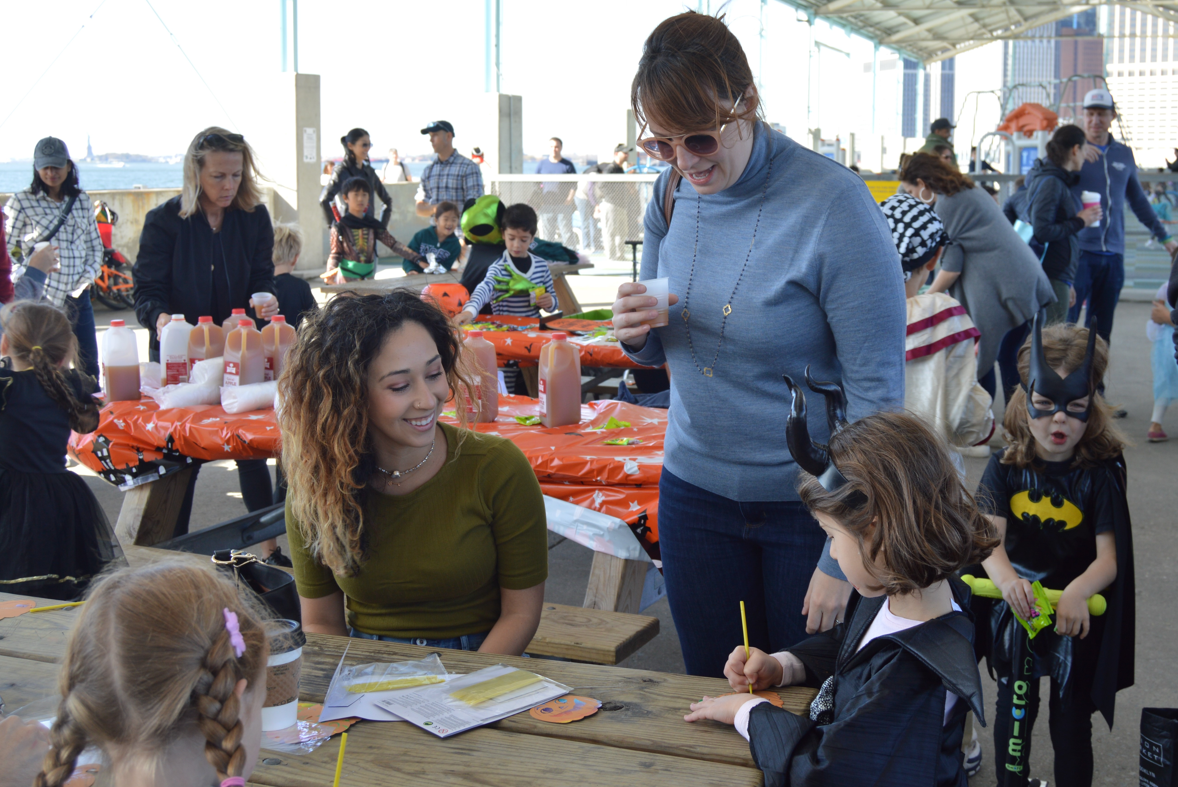
Autumn days are here again! Hints of fall are starting to peek out from around the corner here in Brooklyn. I grew up in New Hampshire, and fall has always been my favorite time of year – cool breezes, apple picking, Halloween decorations, and auburn leaves all appearing once again.
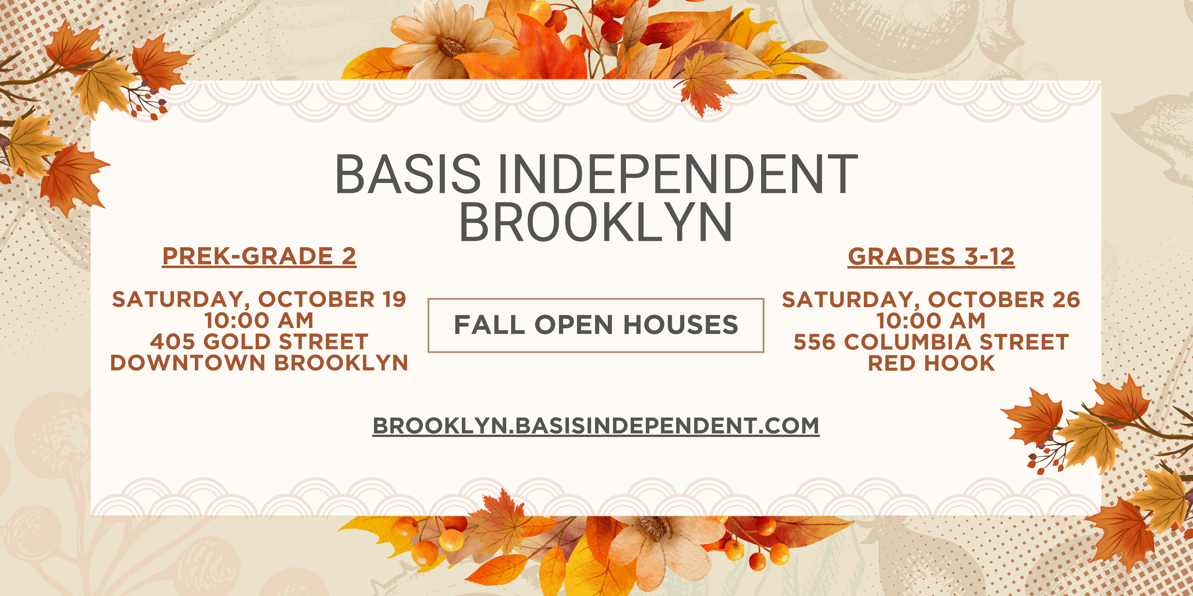
The other special part of the fall is that school admissions events are in full swing. This means one thing for BASIS Independent Brooklyn – our Fall Open Houses! Fall Open Houses are considered the greatest way for your family to get to know our BASIS Independent Brooklyn community, making them some of the best events of our year.
Please join us in-person at one of our Open Houses on Saturday, October 19 (PreK-Grade 2) or Saturday, October 26 (Grades 3-12).Click here to register!
General Open House Structure: For both Open Houses, doors will open at 9:40 AM, and the event will last approximately until 12:00 PM. We welcome you to register and attend even if you are not able to participate in the entire event. Students are encouraged to join us, as well.
Open Houses begin with an Introduction and an Open House Overview. They include a Parent Panel where you will be able to hear from current BASIS Independent Brooklyn families. Families will also be able to tour the campus while visiting classrooms.
Please review the details below for additional information regarding the structure of each Open House:
PREK–Grade 2: Saturday, October 19 at 10:00 AM
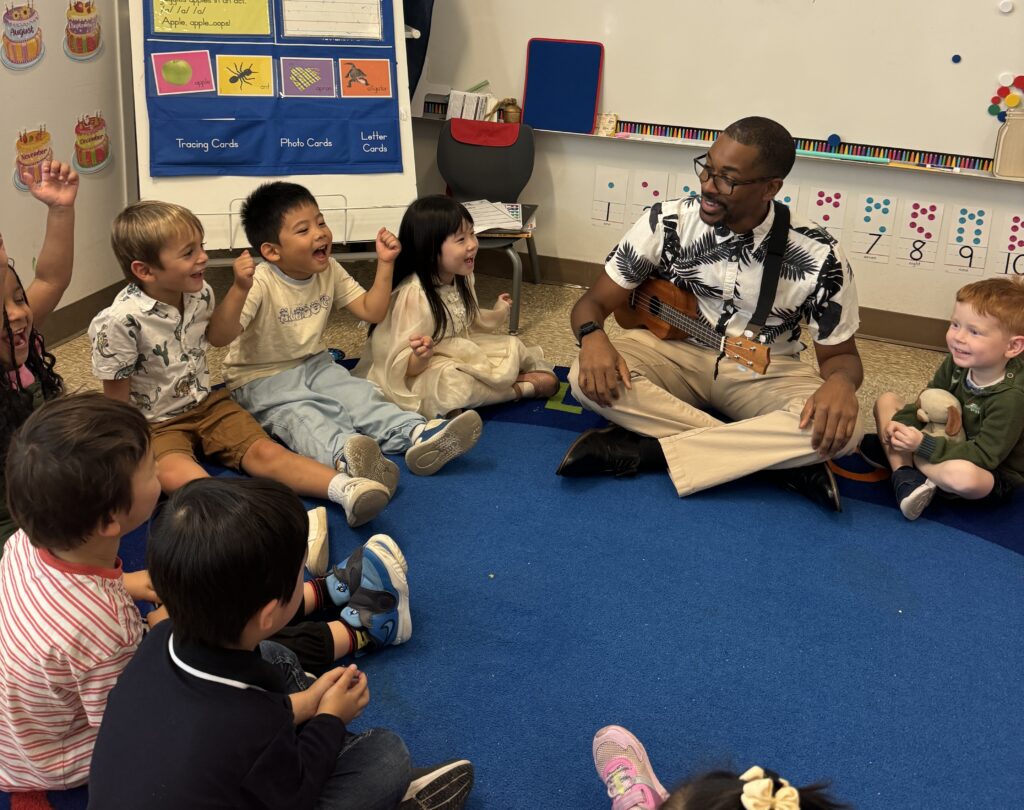
PreK & Kindergarten Saturday, October 19 Learn about our Early Learning Program, where our youngest students grow. Hear from teachers, administrators, and parents about how BASIS Independent Brooklyn Lower School fosters curiosity, exploration, and creativity. Our passionate Subject Expert Teachers will show you what a day in the life looks like as they lead mini-lessons in their vibrant rooms.
Grades 1-2: Saturday, October 19 Visit with our Learning Expert and Subject Expect Teachers to learn about our unique two-teacher model. From math and science to humanities, Mandarin, music and more, find out how we support students in developing study skills and spark a lifelong love of learning. Our Subject Expert Teachers will lead mini-lessons to help you get a feel for the engaging activities that take place in the classrooms. These sessions will also help you understand the transition to our Upper School campus in Grade 3.
Parent and Student Panel
Our Lower School Open House will conclude with a Q&A panel that consists of BASIS Independent Brooklyn parents and school leadership.
Activities and Refreshments
A Fun Zone will be hosted in one of our classrooms. You are welcome to bring your student(s) and have them play with our team and their peers while you explore our school. We will have light refreshments for the whole family at the Open House. After the Open House, we invite you to enjoy our Back to School Bash alongside our whole school community. There will be food trucks, face painting, a magician, games, and other treats!
GRADES 3-12: Saturday, October 26 at 10:00 AM
The Primary Program: Grades 3-5 Saturday, October 26 Visit with our Learning Expert and Subject Expect Teachers to learn about our unique two-teacher model (for grades 3 & 4). From math and science to humanities, Mandarin, music and more, find out how we support students in developing study skills and spark a lifelong love of learning. You will also have the chance to learn about how these bridge years encourage autonomy, creativity, and confidence to help prepare your student for Middle School.
The Middle School Program: Grades 6-8 Saturday, October 26 In the Middle School Program, we focus on developing the academic, executive functioning, and self-advocacy skills needed for success in the high school years. Hear from our Subject Expert Teachers about how they inspire excellence inside and outside of the classroom. Plus, learn about our many athletic and academic competition teams, clubs, international trips, and more.
The High School Program: Grades 9-12 Saturday, October 26 Educating tomorrow’s great innovators, pioneers, and leaders requires a well-rounded curriculum – one with breadth and depth across academic disciplines. Meet students, faculty, and administrators as you and your child learn about high school at BASIS Independent Brooklyn, including our unique Senior Year program.
Parent and Student Panel
Our Upper School Open House will conclude with a Q&A panel that consists of BASIS Independent Brooklyn parents, students, and school leadership.
Refreshments
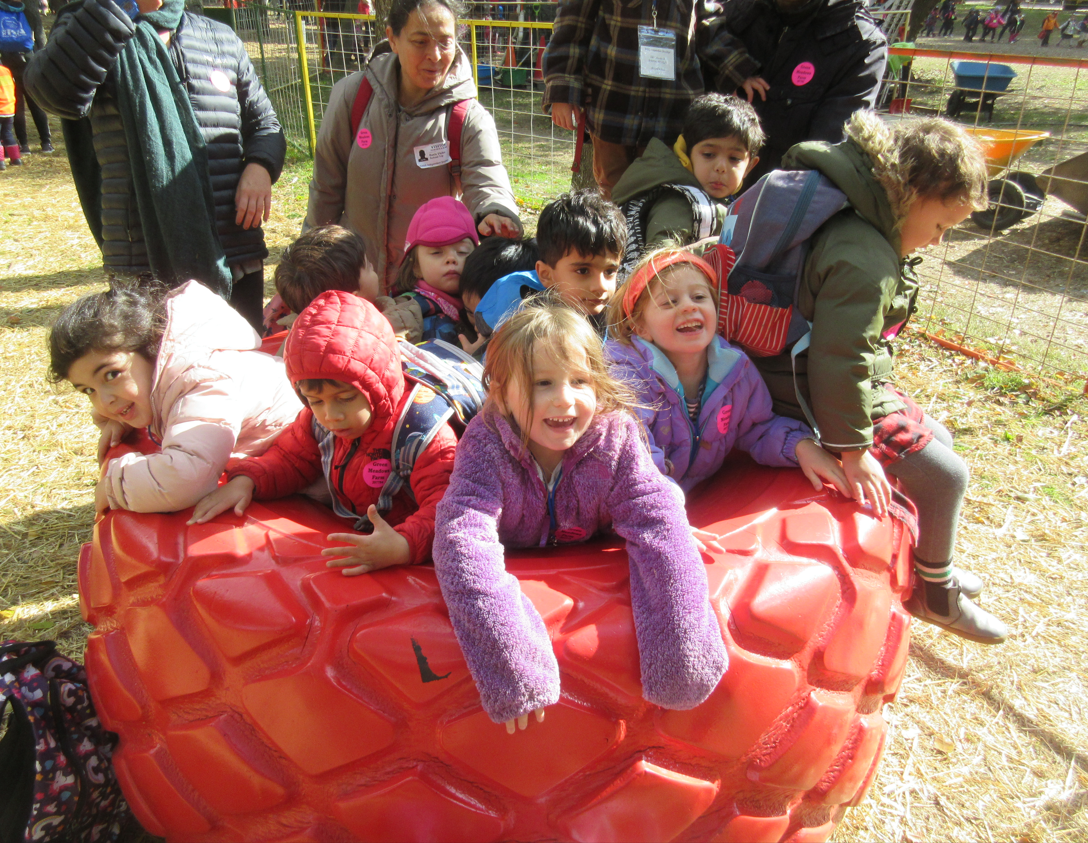
We will have light refreshments for the whole family at the Open House. After the Open House, we invite you to stop by our Primary School Fall Harvest Festival alongside our Grades 3-5 students and families.
—–
Don’t miss this interactive experience! Click here to register for our Fall Open Houses. As you get ready for the fall season, we hope you choose to spend some of your time with us, getting to know our wonderful community.
I look forward to meeting you soon!
Warmly, Ms. Thea LaCrosse Director of Admissions | BASIS Independent Brooklyn thea.lacrosse@basisindependent.com
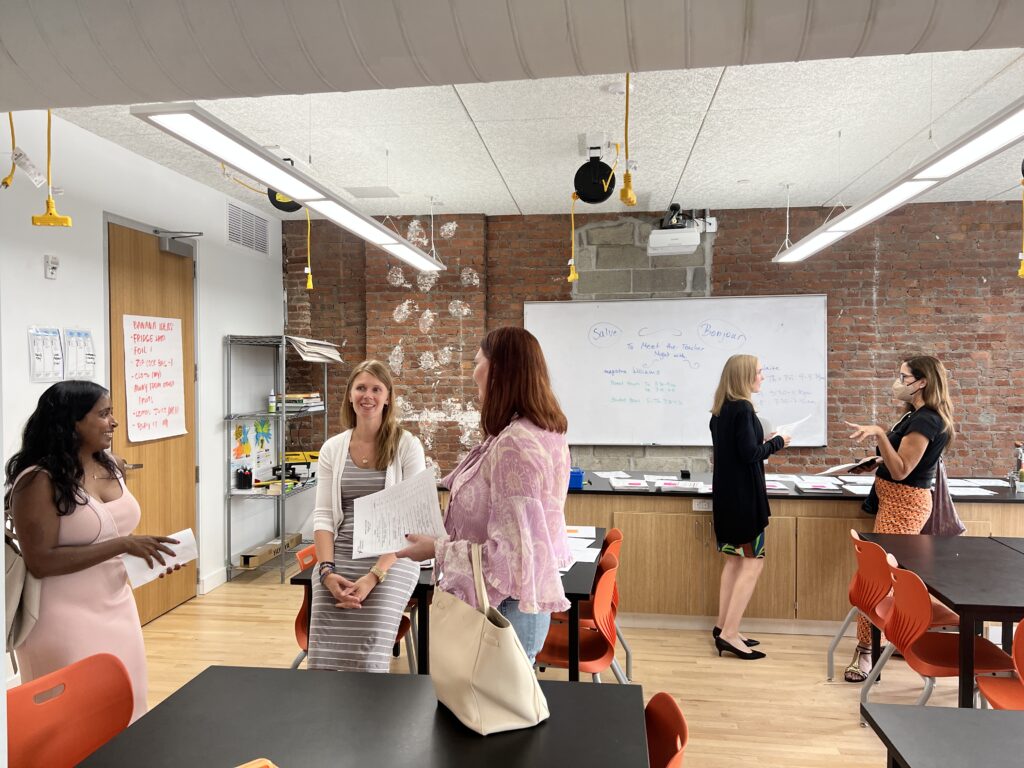
At BASIS Independent Manhattan, we believe that strong parent-teacher partnerships are essential to student success. Our dedicated teachers are passionate about providing a nurturing and supportive learning environment and are committed to open communication and collaboration with parents.
In this blog post, our teachers offer experiential advice on how to start the school year off right. Building lasting relationships is possible with these top three tips for parents of students at any age:
Attend events
Reach out
Meet in person
Tips for Parents: Start Strong with Effective Communication from Day One
Attend back-to-school events to establish initial connections with teachers.
At the start of the year, we emphasize relationship-building within our Wildcat community! In addition to Meet the Teacher nights, we also have welcome-back carnivals at both the Upper and Lower Schools for socializing in a relaxed atmosphere.
Attending parent events has been a game-changer for me. It’s great to get to know parents and build a personal connection. This has really strengthened my relationships with families and helped me better support their children.
Mr. Smith Visual Arts SET, Upper School
0
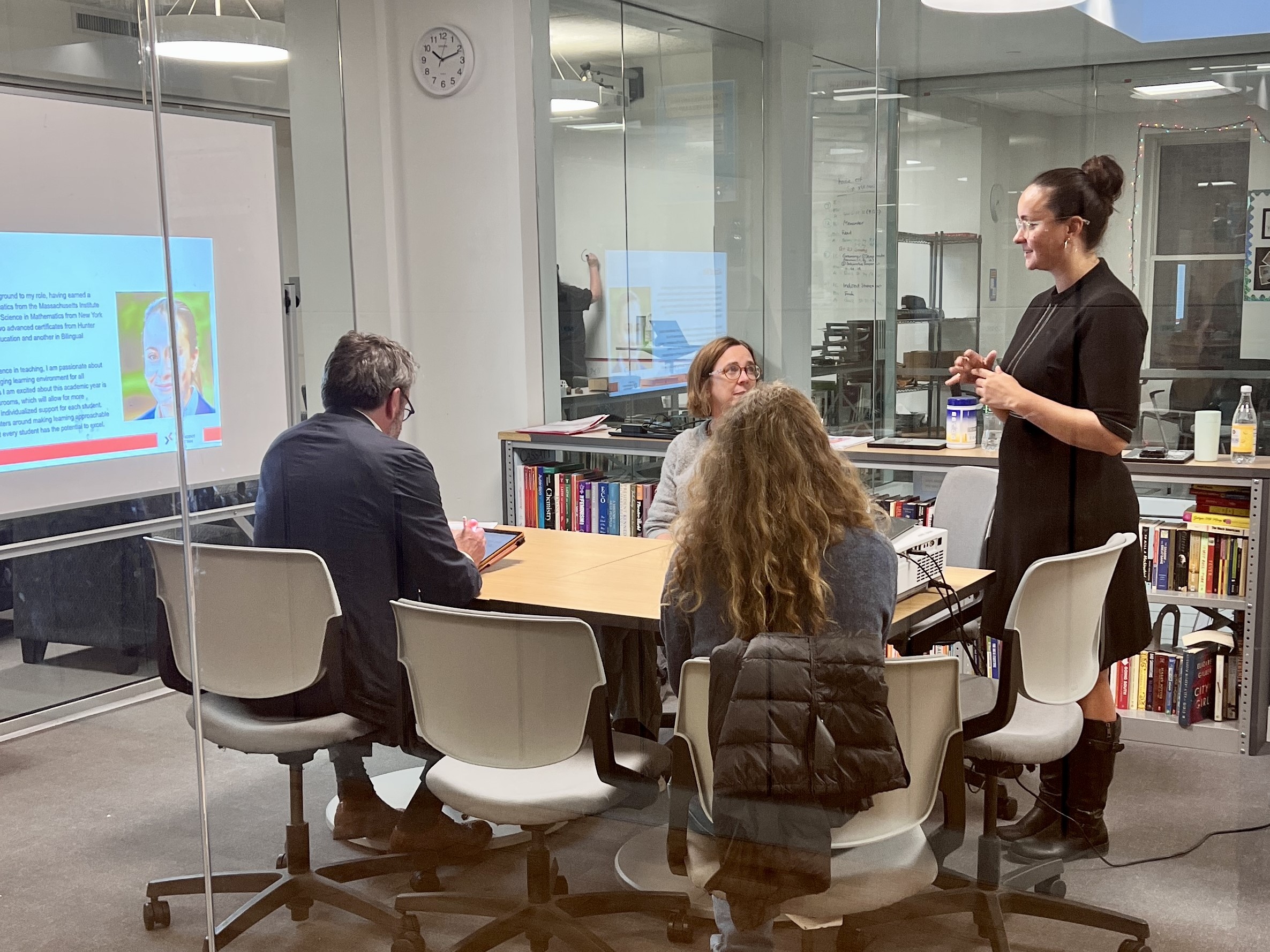
Proactively reach out to teachers with questions or concerns, especially at the beginning of the year. You can share your child’s strengths, interests, and any challenges they may be facing, but be prepared to work in partnership with the teacher. Math Subject Expert Teacher, Ms. Perez remembers when a parent reached out to share that their upper school student struggles with math even though they put in a lot of effort. Establishing that connection early opened up so many options for support.
This insight helped me better prepare for supporting the student, ensuring I worked with the parent to address difficulties before they became overwhelming. It also allowed me to be more understanding and patient with the challenges the student faced.
Ms. Perez Math SET, Upper School
0
Our Learning and Subject Expert Teachers subscribe to this trust-building type of collaboration that requires impactful two-way communication. In our experience, a strong teacher-parent partnership addresses specific student needs, increases learning, and benefits the child’s well-being.
BASIS Independent Manhattan has a unique system that replaces traditional parent-teacher conferences, typically hosted twice for only 15-20 minutes, with weekly parent hours. Teachers are accessible to parents to discuss their child’s progress, set goals, and identify a support plan if needed.
Our teachers have found that it is best when parents come prepared to ask specific questions and follow up on any action items discussed during these meetings. Mr. Smith also notes, “Parents play a huge role in keeping students accountable outside the classroom, which ensures that when they are at school, we are able to be as productive as possible.”
By fostering a team sensibility, we create a supportive and collaborative learning environment that benefits our students. Remember, open communication, mutual respect, and a shared commitment to your child’s success are key to building lasting relationships.
Thank you to our amazing teachers for their dedication and passion. We are grateful for your commitment to our students and our school community.
If you are interested in this kind of parent-teacher relationship or would like to meet our incredible teachers, please attend one of our Fall Open Houses.
We are excited to meet the many wonderful families considering a BASIS Independent Brooklyn experience for their family!
During each admissions season we field a wide range of questions about our curriculum and various programs, student life, electives, extracurriculars, and so much more. We have observed topics that are commonly brought up and want to provide you with answers to frequently asked questions raised each year.
What is the difference between your two Brooklyn campuses?
BASIS Independent Brooklyn was established in 2014. We are one school with two campuses. The Lower School in Downtown Brooklyn supports approximately 150 students in PreK–Grade 2 while the Upper School in Red Hook supports about 530 students in Grades 3–12.
What is the teacher model at your school?
Beginning in grade 1, our students have one Subject Expert Teacher (SET) for each discipline. SETs either hold advanced degrees or are experts in their discipline. SETs use their subject-area passion to inspire students while teaching them at a higher level than what is typically expected of students in their age group.
Learning Expert Teachers (LETs) work in tandem with SETs to co-teach in all grade 1–4 classrooms. LETs accompany their students all day, from class-to-class, and are masters of the learning process and social-emotional growth in children. They are instrumental in ensuring that students are appropriately supported and challenged in each subject. In grade 4, the LET shifts their focus to promoting independence, autonomy, and teaching students how to use their resources. This shift prepares students for grade 5 and beyond where students have just one teacher, their SET, for each subject.
Unlike the Primary, Middle, and High School programs, the Early Learning Program is primarily self-enclosed. Students remain in their vibrant classroom for most of the day, rotating classes only for their daily special (Art, Music, Drama, Engineering, Mandarin, or PE/Movement). Early Learning Teachers lead our PreK and Kindergarten classrooms and are responsible for delivering most of the content to students by bringing their own pedagogical expertise to the classroom, with the consistent support from an Early Learning Teaching Fellow.
What are your elective offerings?
In the Early Learning and Primary programs, students will take Art, Music, Drama, Engineering, and PE/Movement. In the Middle and High School programs, students can continue to take those courses or elect to take Band/Orchestra, Computer Science, Choir, Creative Writing, Introduction to Philosophy, Digital Photography, Introduction to Film Production, Sustainable Fashion, Topics in Economics, or a number of Advanced Placement (AP) courses.
What are your athletic offerings?
We have competitive and league sports for students to play. Offerings for our Middle and High School students include basketball, tennis, flag football, track (cross country, indoor and outdoor), soccer, volleyball, baseball, ultimate frisbee, and competitive cheer and dance. Next year we are planning on adding a squash and fencing team. Every year our club and athletic offerings grow in number and vary based on student interest.
What are your club offerings?
We offer over 60 clubs at our Lower School and Upper School campuses! Our students can participate in AI for Kids, Chess Team, Leadership Club, Math Team, Science Bowl, Student Newspaper, Black Student Union, LatinX Affinity, and more.
Do you offer early or late care for students?
At both campuses, we offer supervised early and late care. Early care, called Early Bird, is offered beginning at 7:00 AM at our Lower School and 7:15 AM at our Upper School. We offer two types of late care. The first is called Late Bird, which runs until around 4:00 PM. The second is called Cub Care (PreK-Grade 2)/Bear Care (Grades 3-8), and these begin following dismissal. Cub Care/Bear Care is more structured and involves a range of activities from sciences to sports to arts. After-school programs for High School students take place in the form of athletics and clubs.
Why do you teach your students Mandarin?
The co-founders of the BASIS Curriculum intentionally designed our Early Learning and Primary programs to include Mandarin. Mandarin is a global language, and researchers found that learning the language develops new pathways in the brain and uses both the left and right temporal lobes simultaneously. Studies also show that Mandarin helps students grow their mathematical abilities due to the emphasis on ordering, grouping, and distinguishing between similarities and differences in character writing and intonation. While Mandarin is required in PreK-Grade 4, Latin is required in grades 5 and 6. Beginning in grade 7, students will select a world language from French, Latin, Mandarin and Spanish, which they will continue throughout High School.
Do your campuses have any outdoor spaces?
Our Lower School has direct access to a new, beautiful, big park and playground right across our street! Our Upper School has three outdoor spaces. This includes one fully covered space, one partially covered space, and an uncovered playground.
What is your student-to-teacher ratio?
From PreK to grade 4, there are two teachers in each classroom. Beginning in grade 1, students will have one teacher for each subject as they rotate from classroom-to-classroom and teacher-to-teacher during the school day. Generally, our PreK classrooms average around 15 students with two teachers in the classroom and Kindergarten averages around 12 students per classroom with two teachers in the classroom. Grades 1-12 average around 21 students in each classroom.
What is the diversity of your student population?
Brooklyn is wonderfully diverse, and our student population reflects this. 53% of students identify as a person of color and 41 languages are spoken throughout our community.
Do you offer financial aid?
At this time, financial aid is not available. We offer families three types of tuition payment plans: one payment, two payments, or ten monthly payments. We award scholarships based on academic merit to a highly selective group of current BASIS Independent Brooklyn students in grade 8 who are planning to stay for high school.
Do you offer transportation?
We encourage families at both campuses to make use of nearby public transportation options. We offer free or reduced fare MetroCards for students who plan to use public subways or buses. The Lower School is located centrally in Downtown Brooklyn near stops for the 2, 3, 4, 5, A, C, D, F, G, N, Q, and R trains; the LIRR at Atlantic Terminal; and the B25, B26, B38, B52, B54, B57, B61, B62, and B67 MTA bus lines. The Upper School campus in Red Hook is conveniently located near stops for the B61 and B57 buses, and accessible from the F and G trains at Smith & 9th Street Station. Families are welcome to use bikes, strollers, skateboards, and scooters. We have storage at both campuses for these modes of transportation.

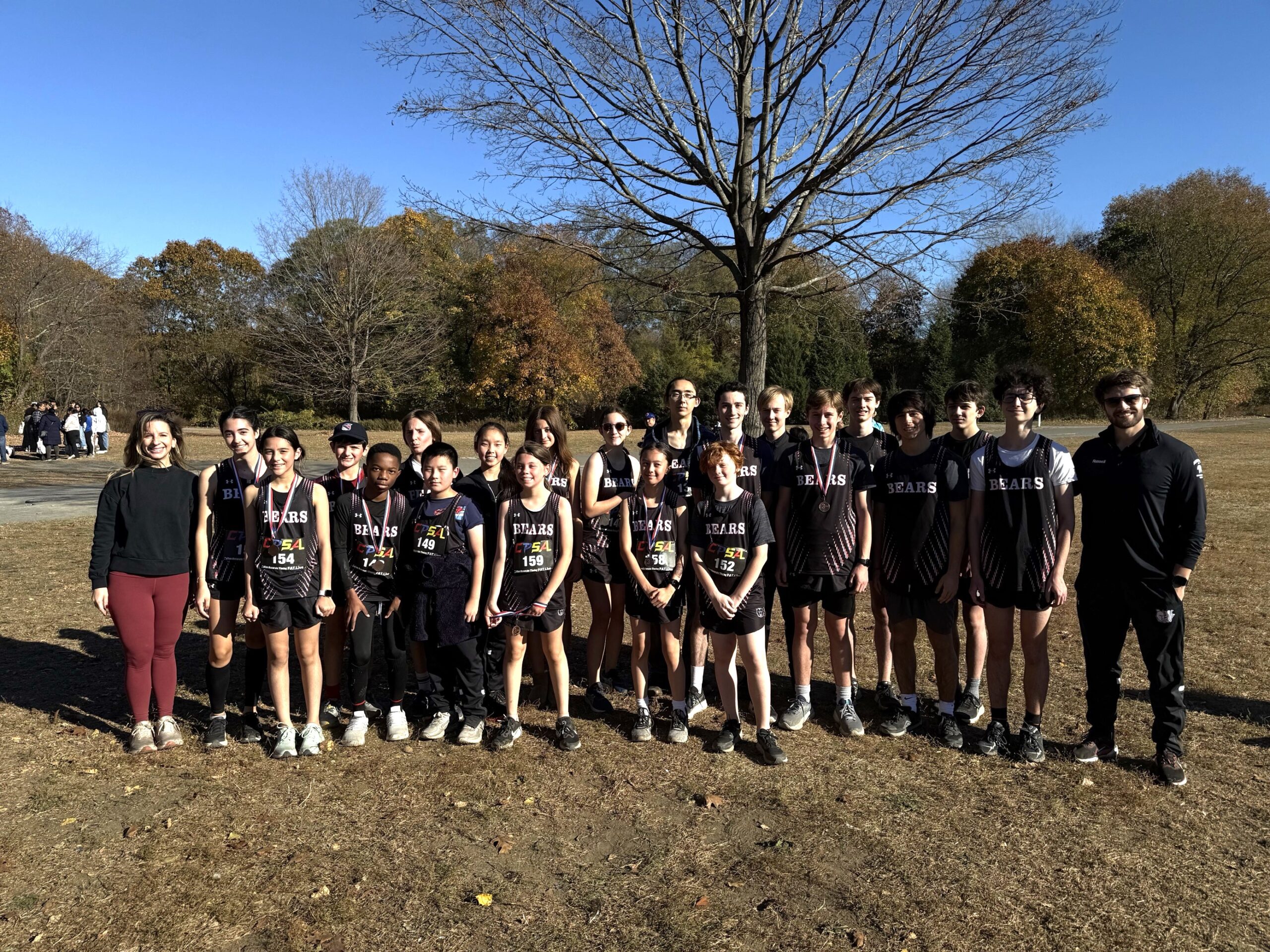
Our fee-based transportation program at the Red Hook campus includes morning and afternoon bus services throughout Brooklyn and Lower Manhattan. We carefully plan our bus routes each school year to try to accommodate student demand and the requested stops. However, bus stops are not guaranteed and are subject to change. For families with students at both our Upper and Lower School campuses, BASIS Independent Brooklyn offers a free “Connector” bus. Please inquire directly for more details on our current routes.
What is parent involvement like at your school?
Parents have many opportunities to get involved! The first way is through BIB Committees. These committees include the Teacher Appreciation Committee, Social Committee, World Fest Committee, and Community Outreach Committee. We also have a wonderful group called our Parent Ambassadors. These leaders work closely with our Admissions Team on events and connecting with new families.
What community opportunities will my student have if they join your program?
We have very active National Junior Honor Society and National Honor Society chapters at our school leading regular service initiatives. Moreover, our student leadership society, Leadership Club, has prioritized building both a culture of service and sustainability at the school. The students lead annual drives and regularly promote ways to volunteer with Red Hook and Downtown Brooklyn organizations throughout the school year. Our High School students participate in an Annual Day of Service before Thanksgiving Break.
Our school community has worked to develop partnerships with impactful non-profits making a difference in the community. One great example is the Red Hook Art Project (RHAP), which provides tutoring and mentoring for under-served children and youth. The organization offers free classes and tutoring in visual art, music, and homework help. Our students have volunteered for the homework help program and are teaching guitar classes. They also work to ensure our leftover school lunches are transported to RHAP and given to students and their families.
How can I visit your school?
This admissions season, we are hosting a variety of events including Information Sessions, Campus Tours, Open Houses, and Shadow Days. Please click here to register for an upcoming event!
One of the defining features of a high-quality private school education is the advantage of small class sizes. At BASIS Independent Fremont, we understand that the number of students in a classroom significantly impacts the learning experience. Smaller class sizes allow for a more personalized approach to education, enabling teachers to meet the unique needs of each student and foster an environment where academic excellence can thrive.
Individualized Attention for Every Student
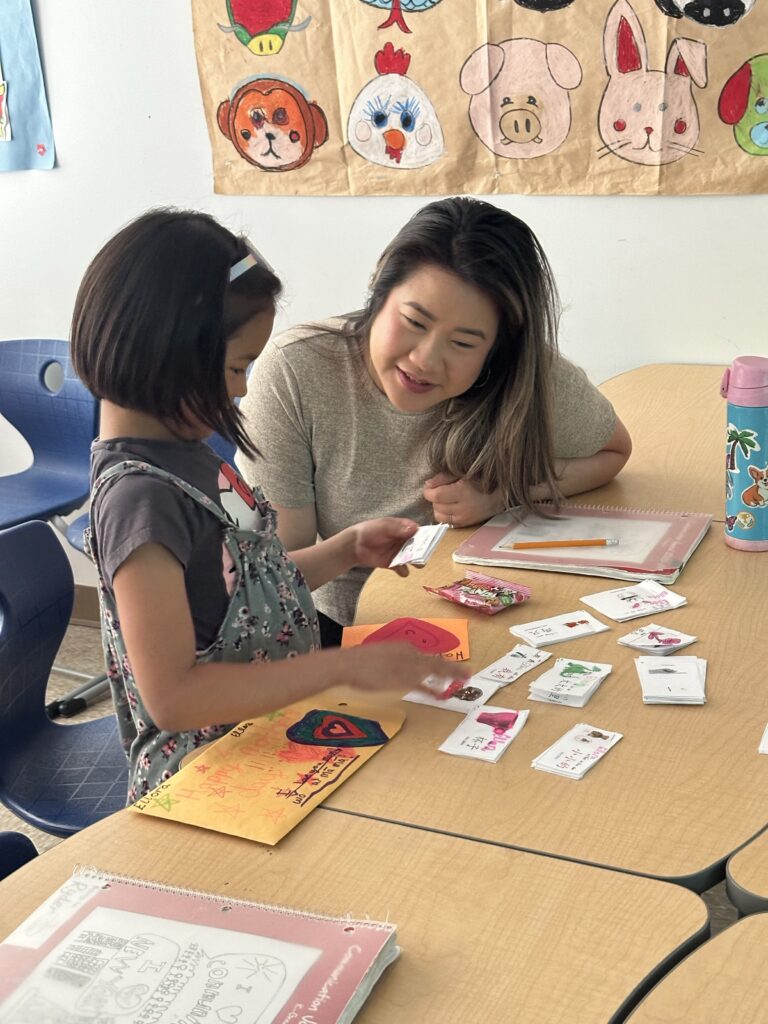
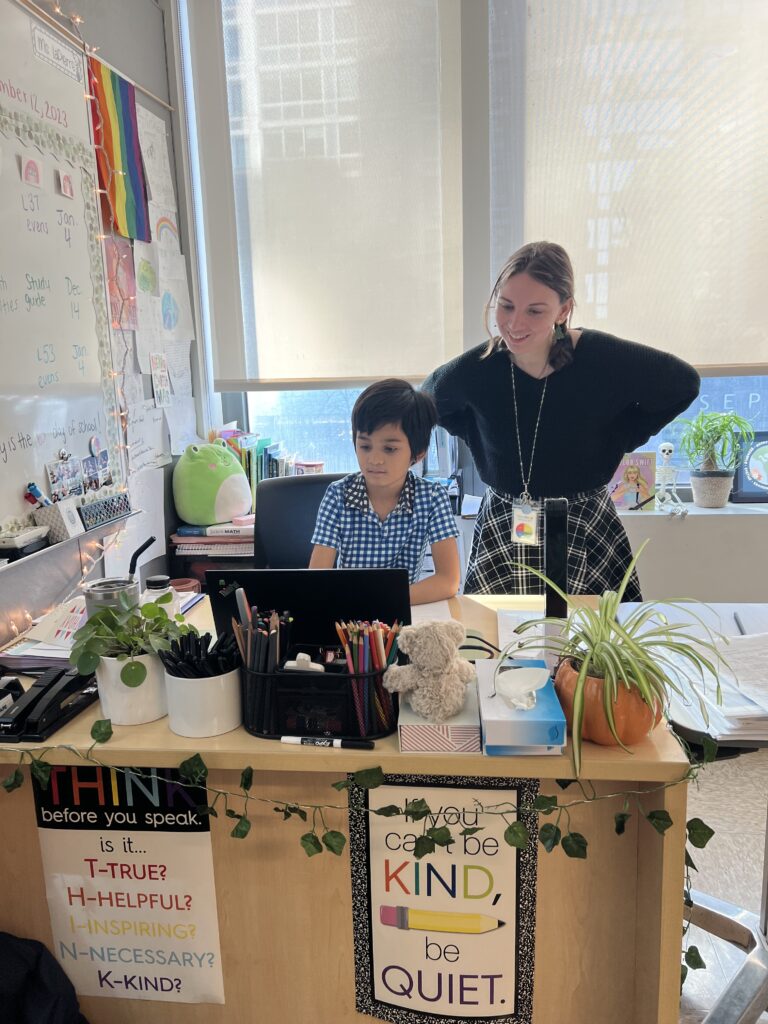
In smaller classrooms, teachers can get to know each student personally. This close teacher-student relationship allows for a deeper understanding of each child’s strengths, challenges, and learning styles. Teachers can tailor their instruction to meet the needs of individual students, offering extra support where needed or providing advanced materials to challenge those who are excelling. This level of personalized attention is often difficult to achieve in larger classes, where teachers may struggle to address the varied needs of many students simultaneously.
Enhanced Classroom Engagement and Participation
Smaller class sizes also encourage greater student engagement and participation. With fewer students in the room, each child has more opportunities to contribute to discussions, ask questions, and interact with both the teacher and their peers. This active participation reinforces learning and builds confidence and communication skills. Students in smaller classes are less likely to feel overlooked, and teachers can facilitate a more inclusive and dynamic classroom environment where every voice is heard.
Stronger Academic Outcomes
Research consistently shows that students in smaller classes perform better academically. The combination of personalized attention, increased participation, and a supportive learning environment leads to stronger academic outcomes. At BIF, our commitment to maintaining small class sizes ensures that each student receives the guidance and resources they need to succeed. Whether it’s mastering foundational skills or exploring more advanced concepts, students benefit from an educational setting that prioritizes their individual growth and development.
In conclusion, the benefits of small class sizes extend far beyond the classroom. At BASIS Independent Fremont, we believe that a more personalized and engaged learning experience is key to fostering academic excellence. By maintaining small class sizes, we create an environment where every student can thrive, ensuring that they are not just meeting academic standards but exceeding them.