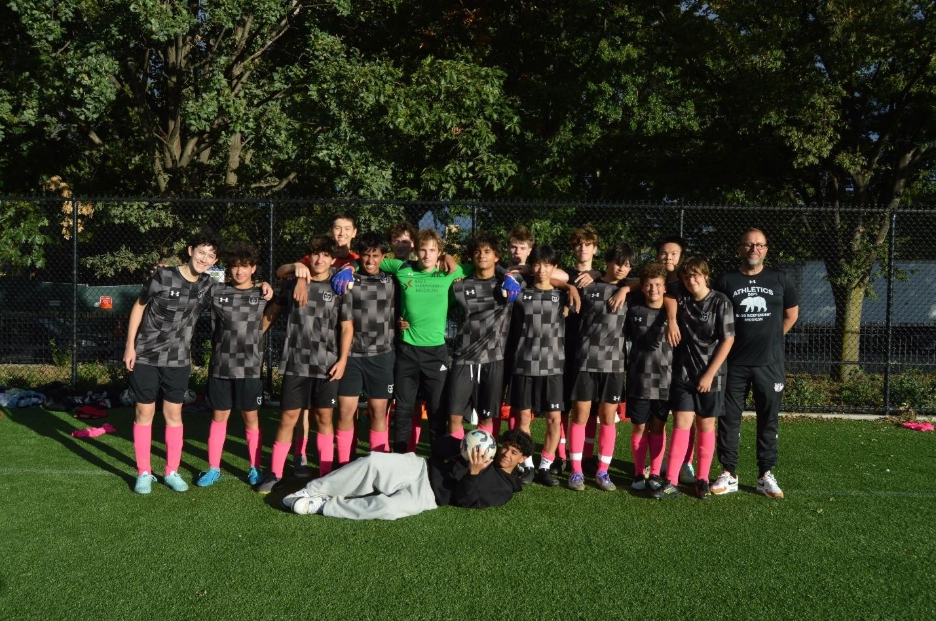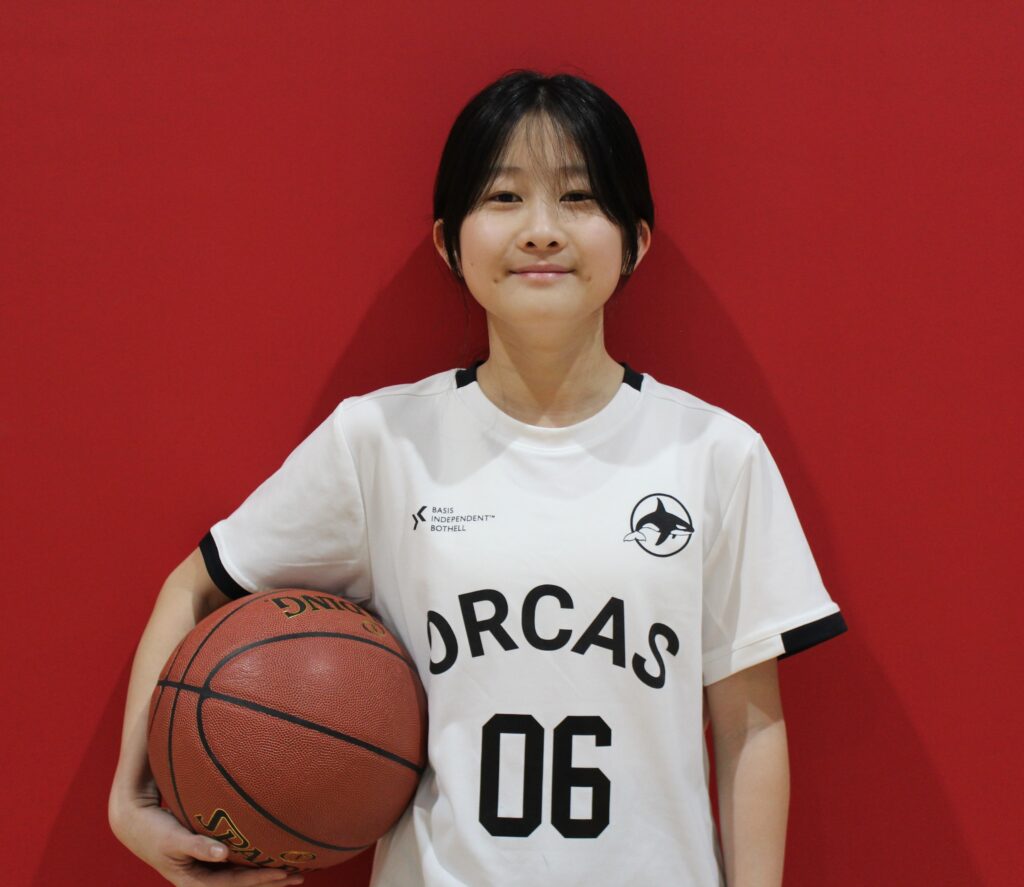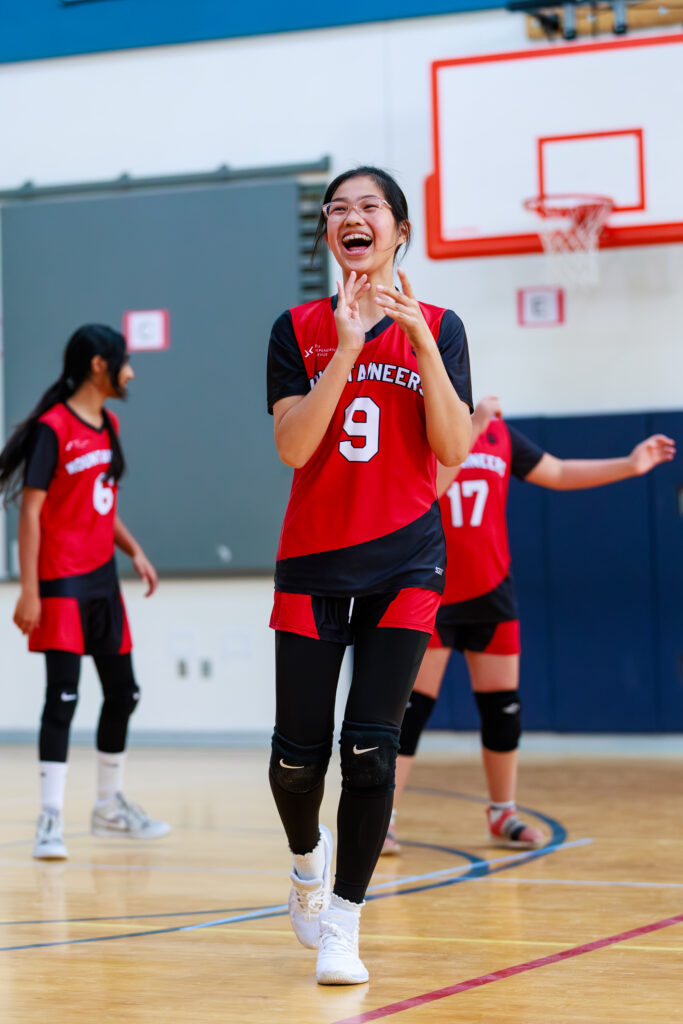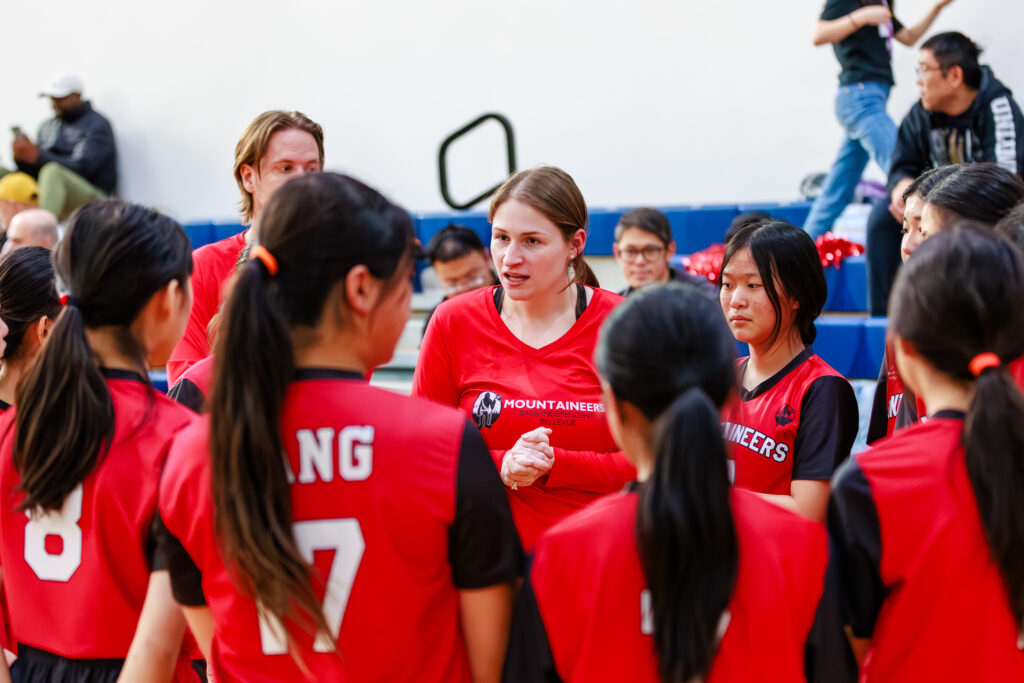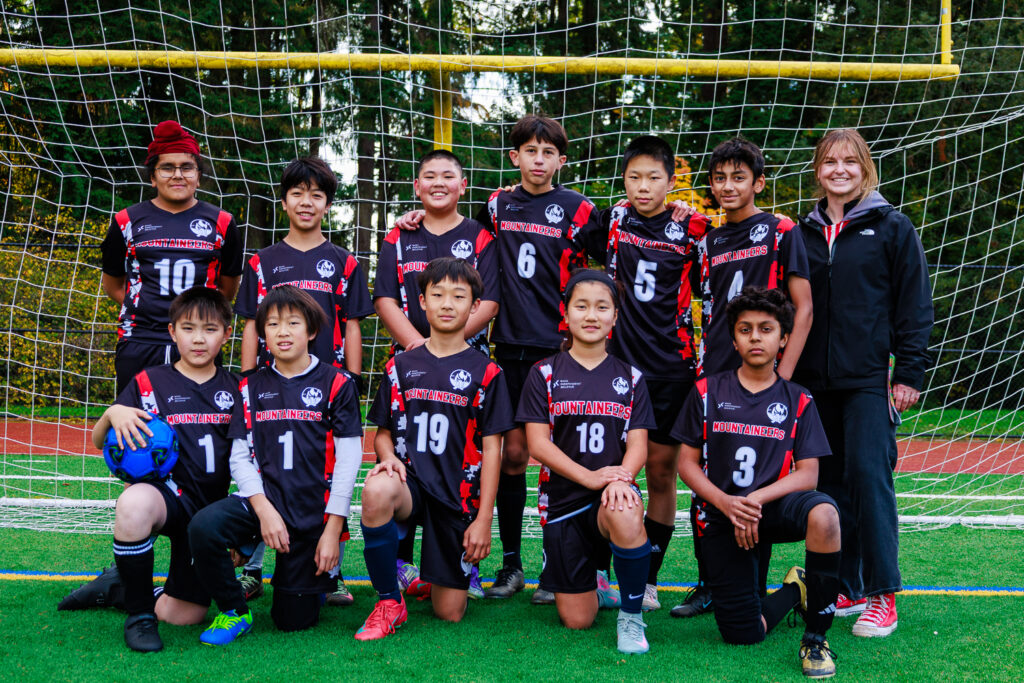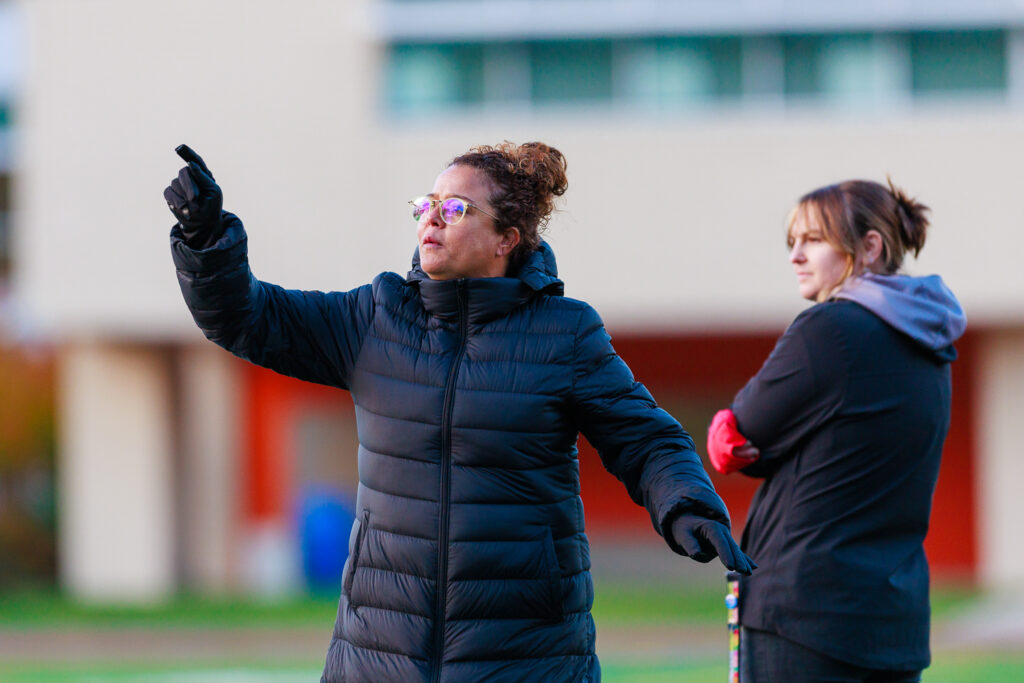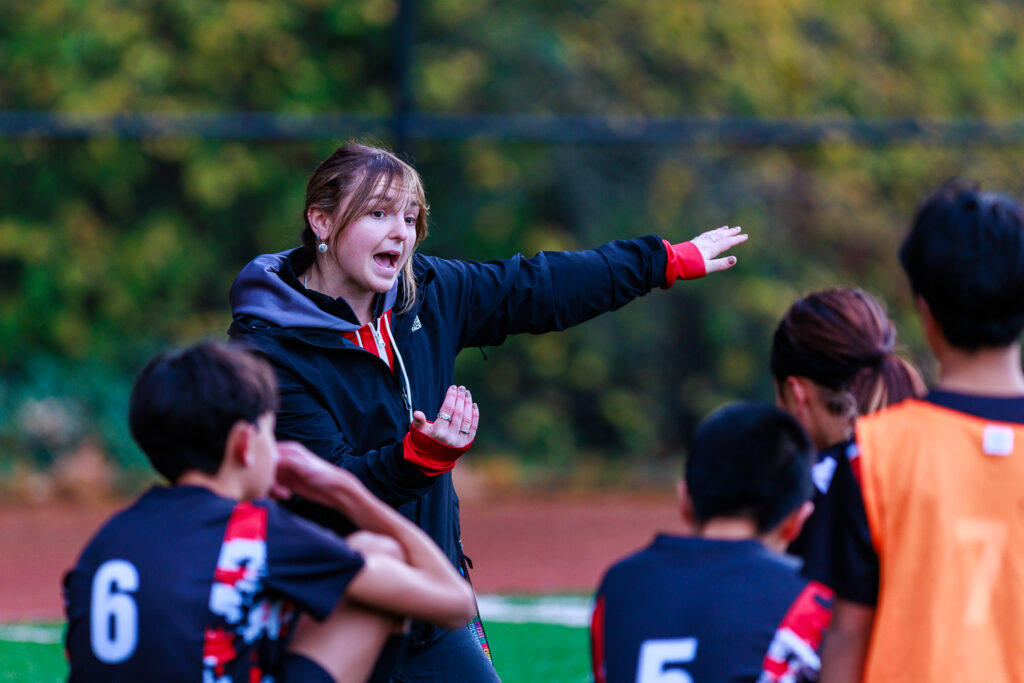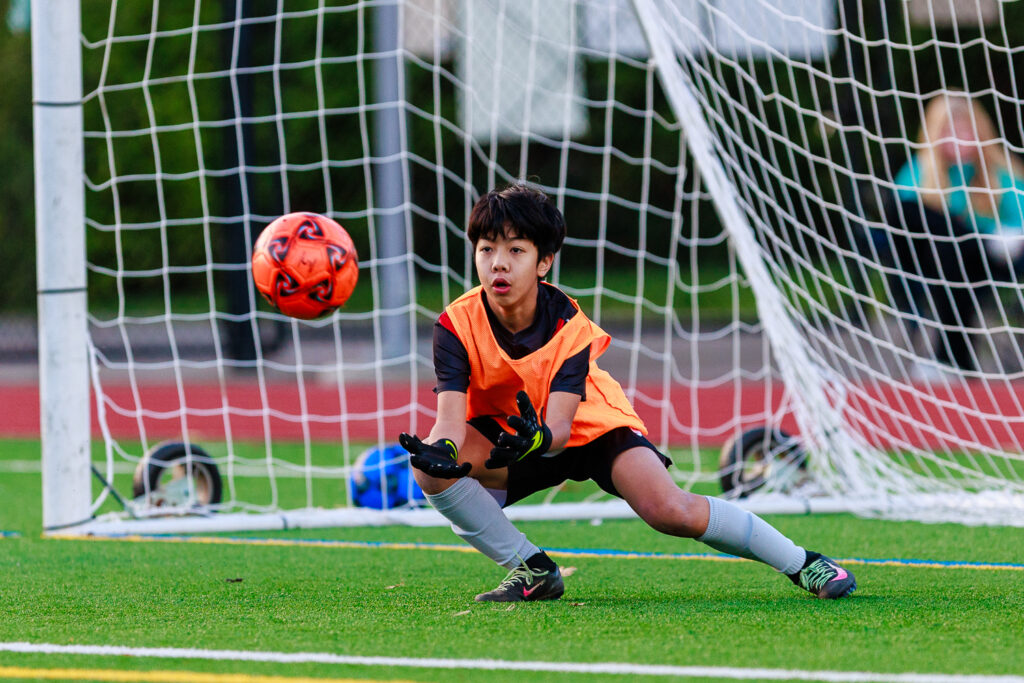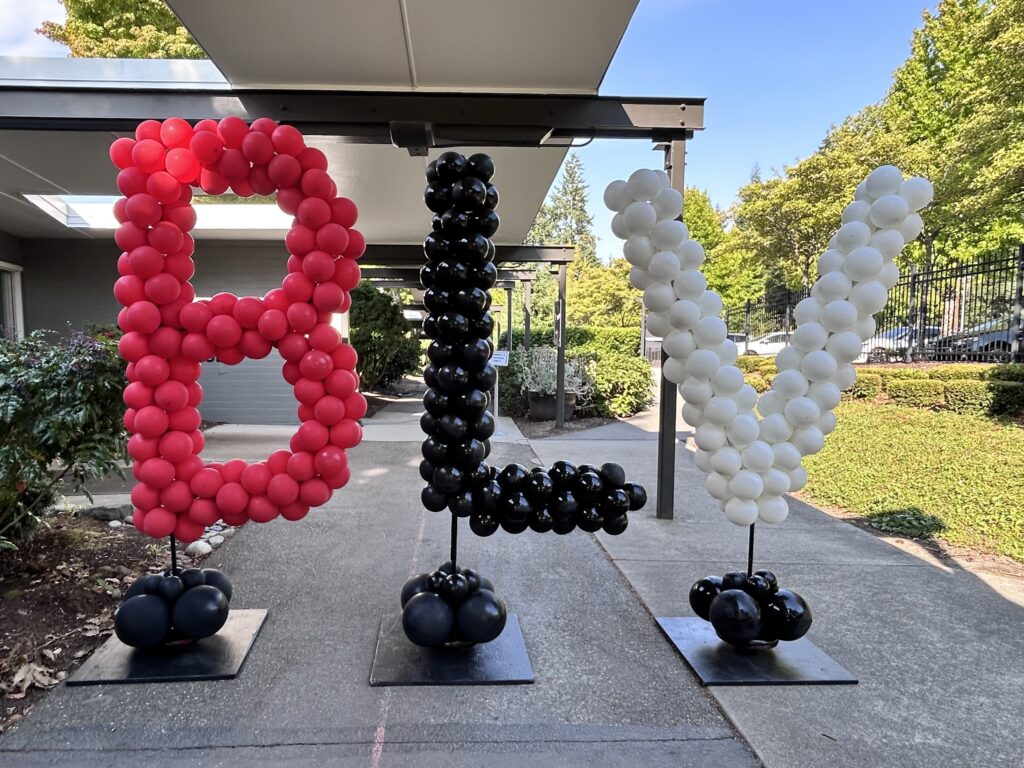

The winter season brought exciting progress for BASIS Independent Bellevue Athletics as our Mountaineers took to the basketball court with determination, discipline, and heart. Across both Division 1 and Division 2, our student-athletes continued to build on the strong foundation of our program, showing growth in skill, teamwork, and confidence. Under the leadership of Coach D, the Mountaineers made this winter, a season to remember.
Division 2 Basketball
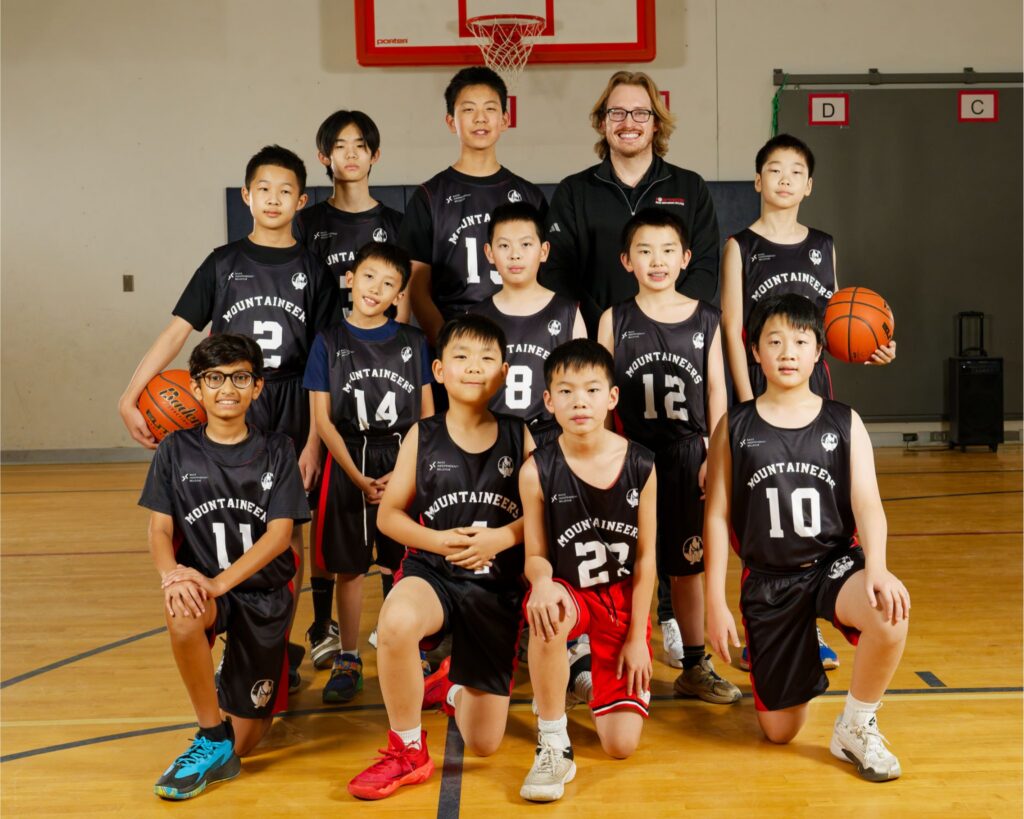
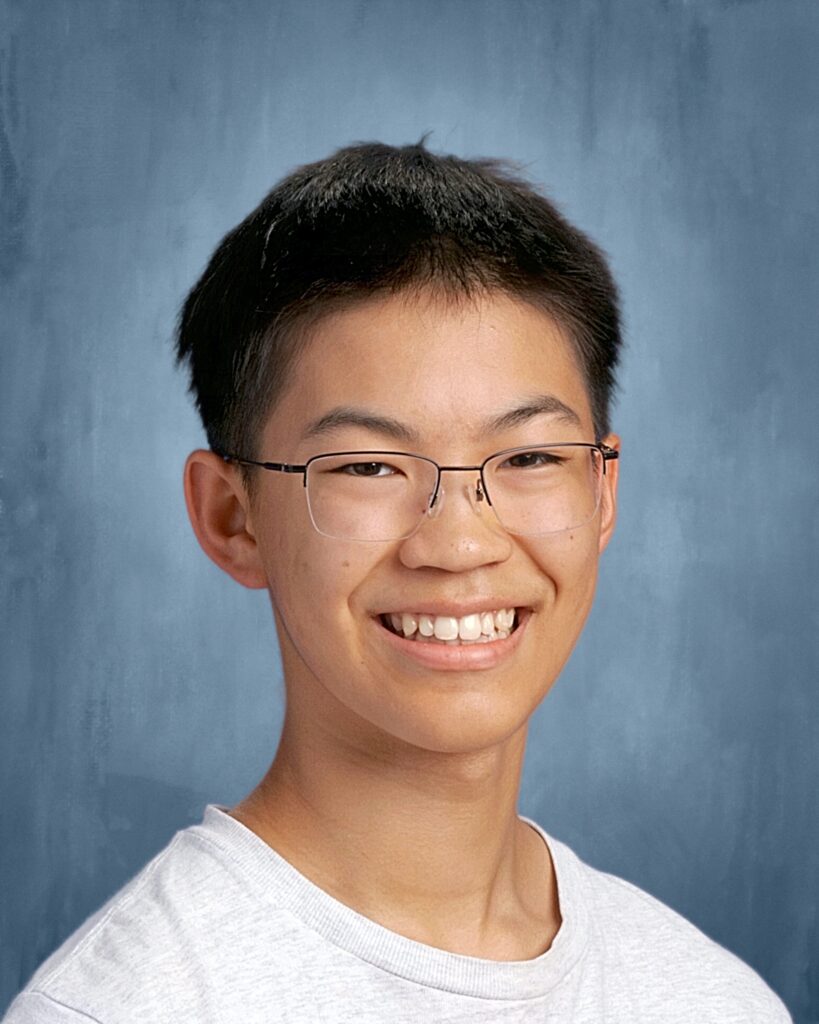
Our Division 2 team wrapped up the season with a 5–4 record, highlighted by steady improvement and a growing sense of cohesion. With a roster of younger players, Coach D focused this season on teaching defensive formations, offensive plays, and proper positioning. These concepts take time to develop, but as the season progressed, buy-in increased and the team began to play with greater unity and purpose. Eshan A. was a key player on this years Division 2 team. When asked what he enjoyed most about this season, he shared, “I had a lot of fun with my teammates. My most memorable game was when I scored 13 points against Open Window.”
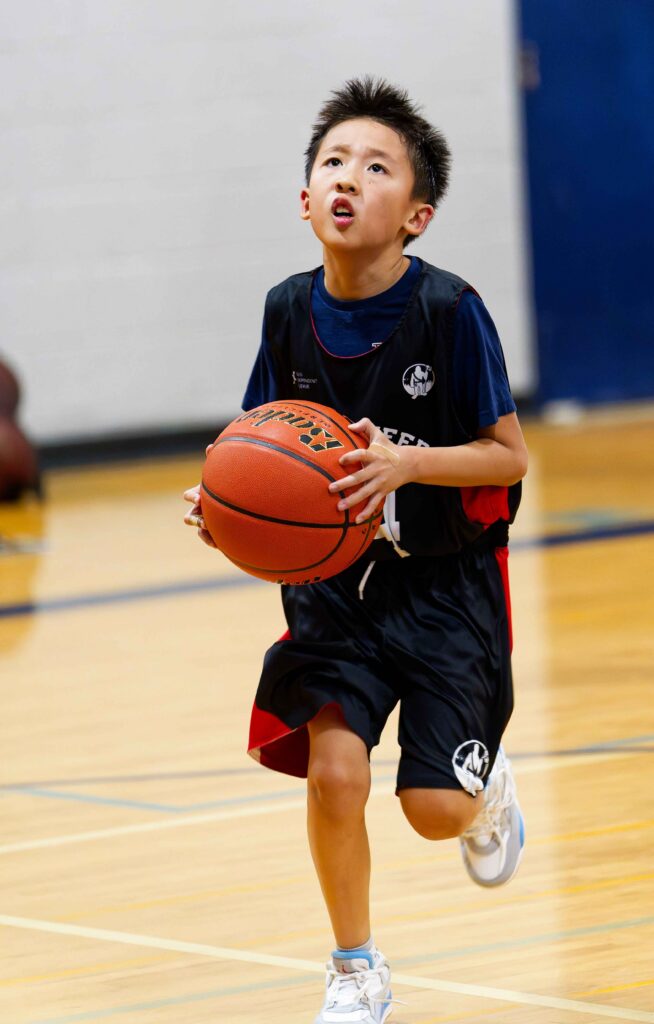
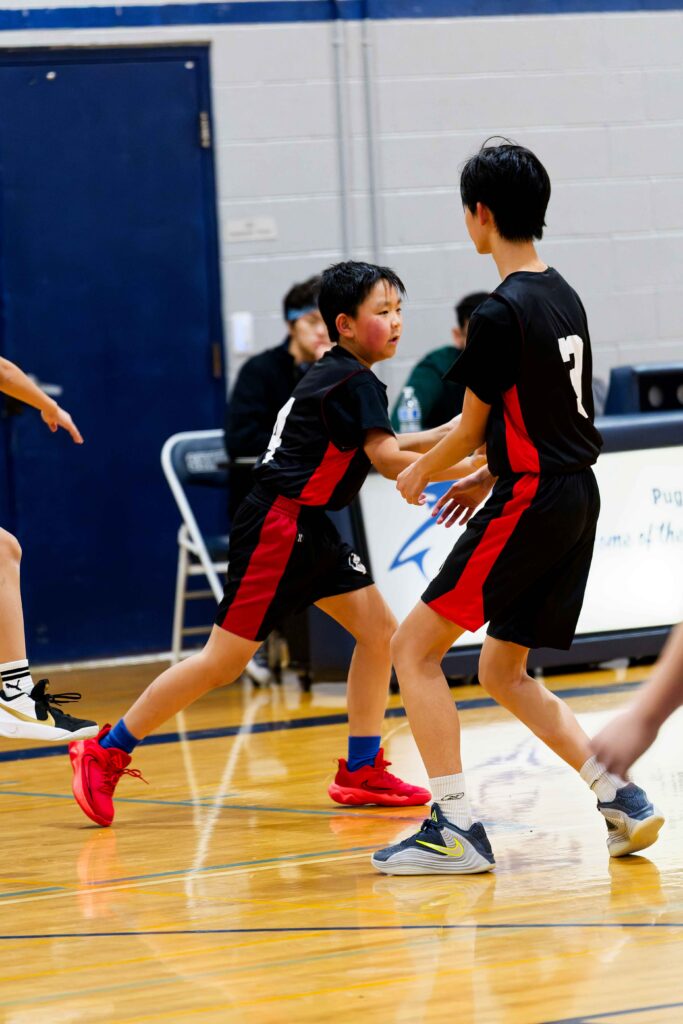
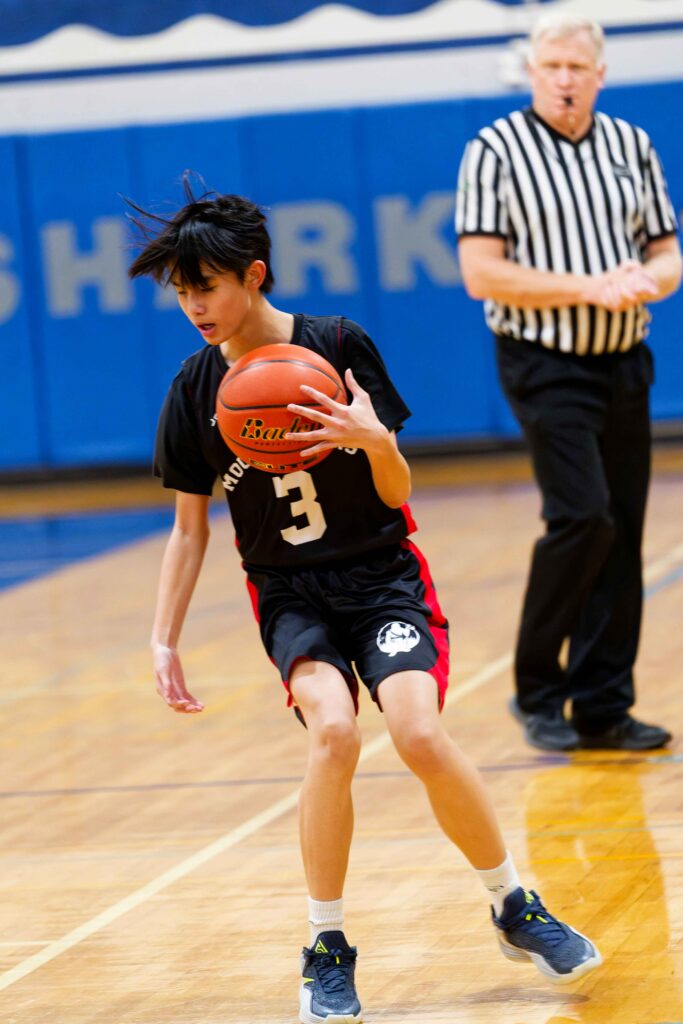
In reflecting on the season and what defines this team, Coach D shared, “The moment that best defines this Division 2 team is how they competed in every single game, regardless of the score or opponent. They played with relentless effort and never backed down. One memory that stands out is hearing an opposing player say, ‘They are everywhere.’ That perfectly captured this group; high energy, high motor, and a willingness to outwork anyone on the court. Their effort and teamwork defined who they were more than any single win or loss.”
With over 15 dedicated athletes learning the game and growing together, Division 2 laid important groundwork for the future of the program. The progress made this winter reflects a group that is committed to improvement and ready to take the next step in the years ahead.
Division 1 Basketball
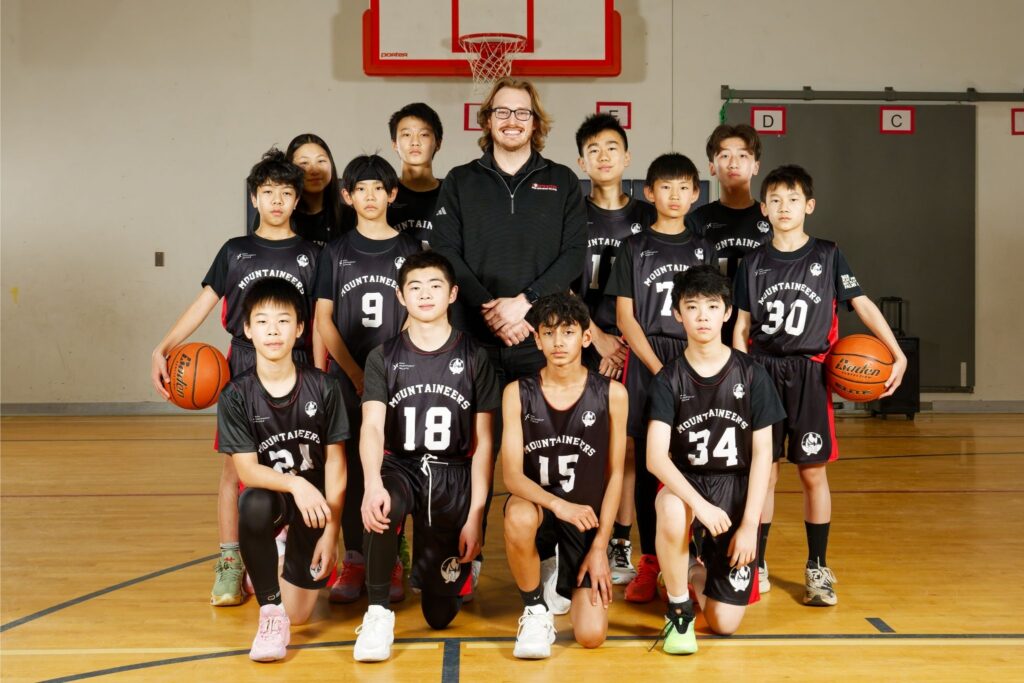
Division 1 delivered a remarkable season, finishing 9–0 and completing a perfect run. Along the way, the Mountaineers earned impressive wins over Open Window, French American, Billings, Providence, and more. After winning about half of their games last season, this year marked a major leap forward. The foundation Coach D established last year, combined with offseason training and consistent effort from the players, clearly paid off.
Several athletes made notable strides this season. Andrew W. moved up from a Division 2 and Division 1 fringe player to a solidified Division 1 player, and quickly became a key contributor, bringing high-pressure defense and fast-paced offense to the court. His consistent hard work in and out of season has proven to pay off and has made an obvious impact on the success of the team. When asked what advice Andrew would give to a younger player he said, “Show up every day and don’t give up. Work hard every day and don’t compare yourself to others.”
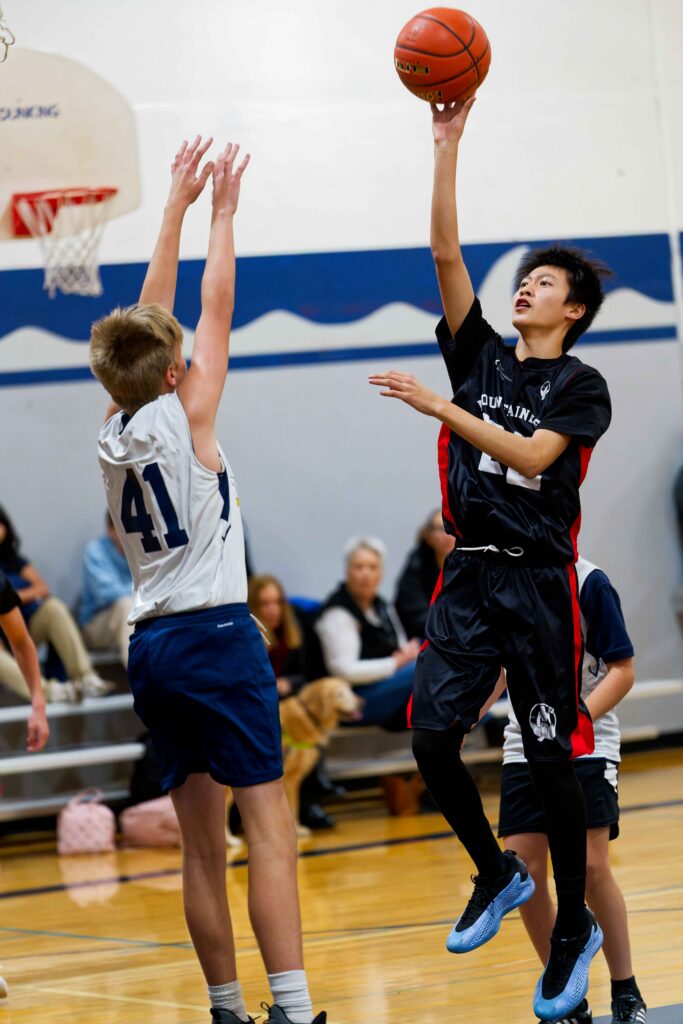
Yan X. led the team in scoring, averaging over 20 points per game and thriving as a dynamic driver to the basket. He took on a voice of leadership this season, helping call plays on offense and unifying the defense. In response to being asked what the most memorable part of his season was Yan shared, “When we finished the last game and were undefeated it was a lot of emotions. During the game I tried to give my teammates lots of opportunities. Going undefeated meant a lot to the team and to me.”
This season also marked a meaningful milestone for Benjamin J., Gavin H., and Linda J., who were part of the very first BLV basketball team formed by Coach Shelp just three years ago. Now, they close out their middle school careers on top, helping leave the program in strong hands with Coach D and an impressive group of grade 7 and grade 6 players ready to carry the torch forward. Gavin was asked what lesson he will take with him from his middle school basketball career and he shared, “Basketball is a time to make memories with the people you play with. It goes by fast, so cherish the time with teammates and don’t take any of it for granted.”
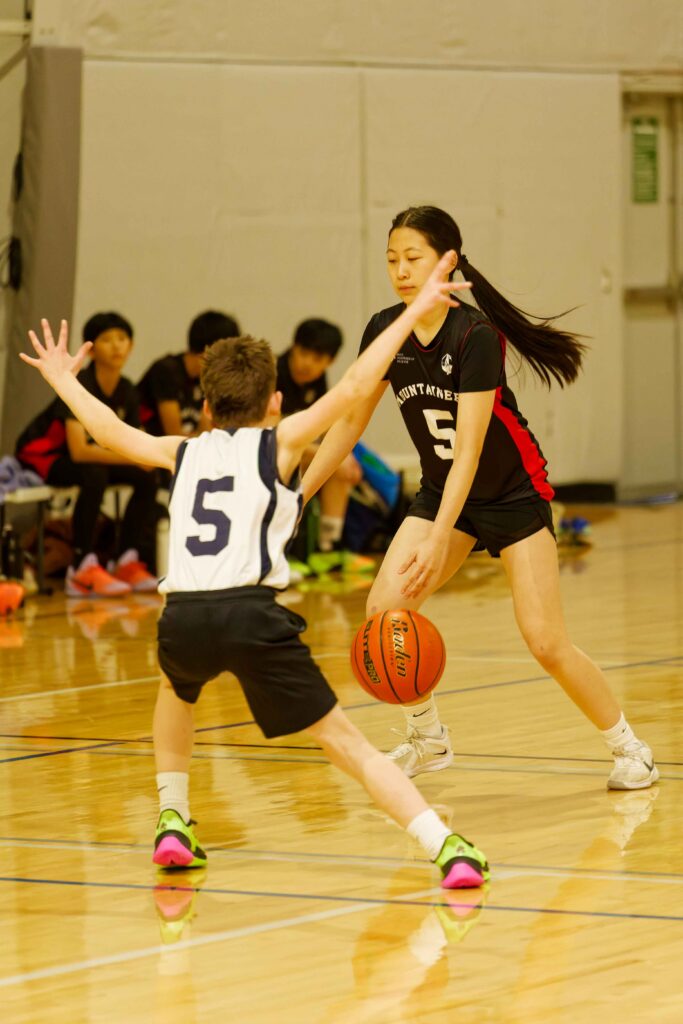
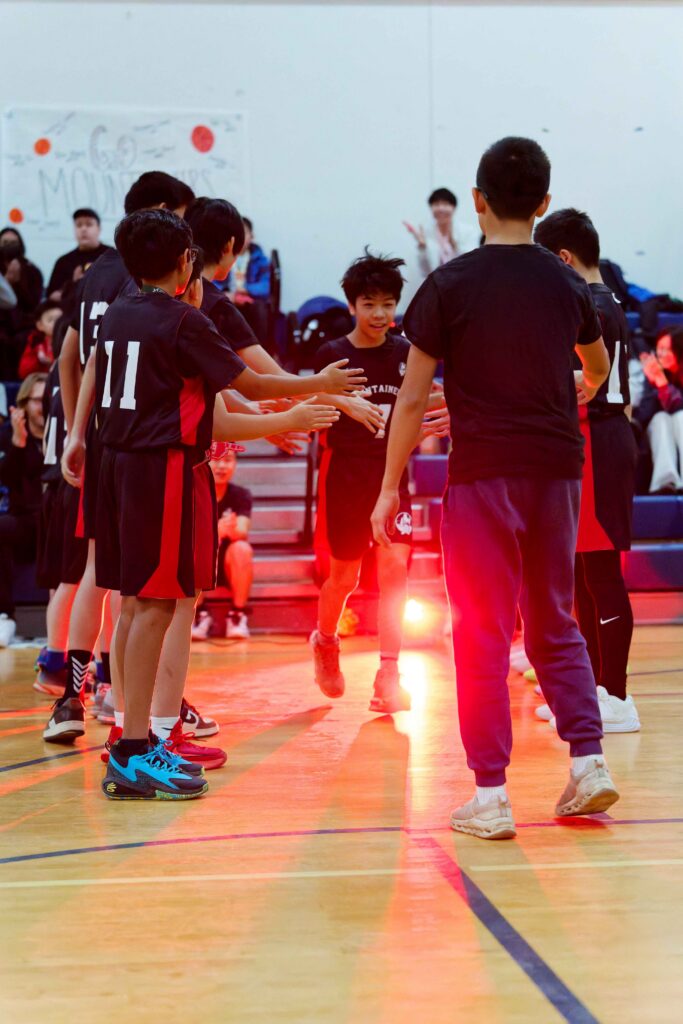
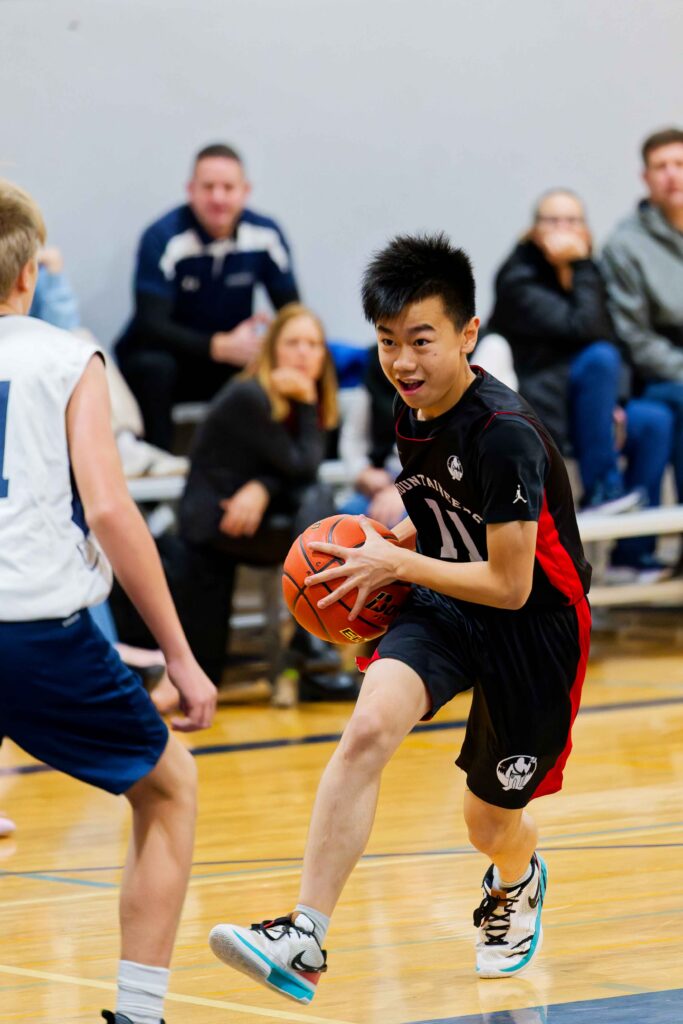
We extend a heartfelt thank you to all of our wonderful grade 8 players. Your leadership and dedication have helped shape this program, and we look forward to cheering you on at the high school level in the years to come.
Looking Ahead
This winter season showcased what Mountaineer Athletics is all about: growth, commitment, and teamwork. Across both divisions, players embraced learning, supported one another, and competed with pride. Each practice and game contributed to building a program centered on character, strategy, and skill development.
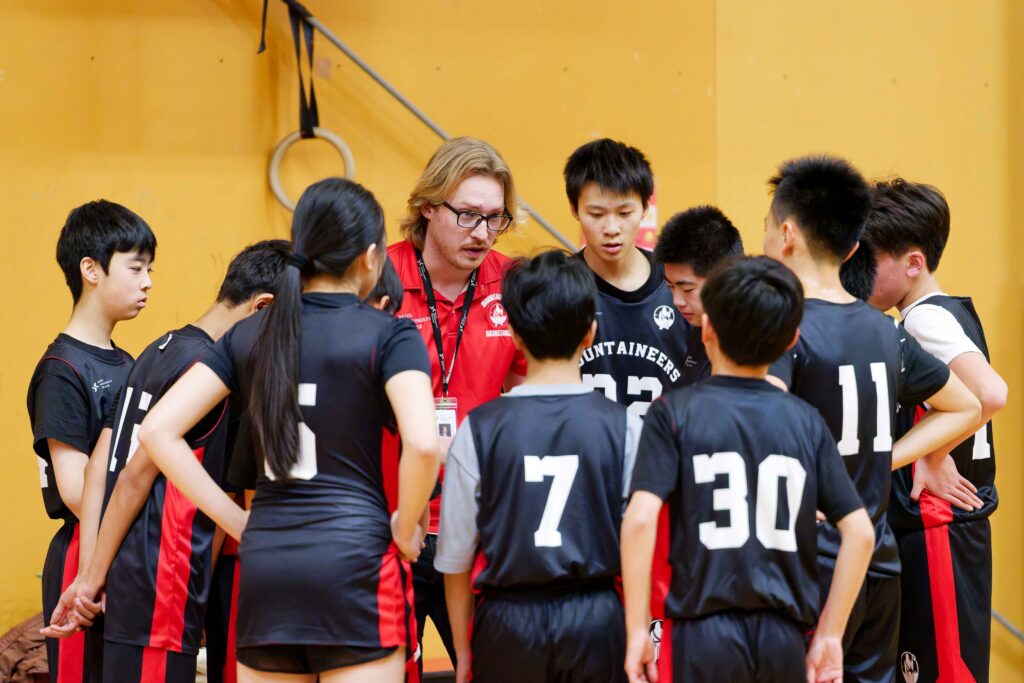
When asked what his hopes were for the future of BLV Basketball Program Coach D shared, “My hope is that we continue building a strong, sustainable program rooted in fundamentals, teamwork, and character. I want players to feel excited to join, develop their skills over multiple years, and take pride in representing the school. If we continue to emphasize hard work, discipline, and a positive team culture, the success on the court will follow. More importantly, I hope the program continues to shape confident, resilient young people who carry these lessons with them long after their playing days are over. I am also really looking forward to the possibility of having a high school team in the future, coaching them and seeing the long-term growth that can come from developing players from middle school all the way through high school. Watching that progression, both as athletes and as people, would be incredibly rewarding.”
The Mountaineers are gaining momentum, and the future of BASIS Independent Bellevue Basketball has never looked brighter.
Go Mountaineers! Onward and upward!