
• Skip to primary navigation
  • Skip to main content

BASIS Independent Schools

BASIS Independent SchoolsBASIS Independent Schools
  • About
    • Why BASIS Independent Schools?
    • Diversity & Citizenship
    • History
  • Academics
    • Curriculum
    • Early Learning Program
    • Primary Program
    • Middle School Program
    • High School Program
    • The Senior Year
    • Summer Programs
    • International Student Program
  • Achievements
    • International Performance
    • College Admissions
    • Advanced Placement
    • National Merit
  • Find Your School
Inquire

Student Life

Leadership Spotlight: Middle School Dean of Students Patrick Russell

November 22, 2024 by jogoldfarb Leave a Comment

The Middle School Program at BASIS Independent Brooklyn aims to build strong foundational knowledge across subjects while also nurturing student autonomy and self-discipline needed for advanced critical inquiry important for high school and college. Two Deans of Students help guide that growth and advancement in the critical middle school years at the school. Today we wanted to feature Dean Patrick Russell, who focuses on academic student support in the Middle School years, since prospective families often have questions about the transition to our Middle School Program. Who better than Mr. Russell to speak to the support and best practices brought to help students transition to and thrive at our school.

After graduating from Cornell University in 2016, Mr. Russell joined our team first as a Teaching Fellow. During this time, he shadowed Subject Expert Teachers to learn about the BASIS Curriculum and grow teaching skills and understanding of classroom management. His passion for teaching, skill in connecting with students, and ability to bring subject matter to life was quickly evident. He moved into a Subject Expert Teacher role for both English and French instruction in our Middle and High School Programs. Mr. Russell is a beloved teacher and now a rising star in administration. He is the Coach for our Cross Country and Track Teams, and he has led conditioning and weight training programs for our students.

Would you share what drew you to a career in education?

I was inspired to go into education by my high school English teacher. I was one of the kids not always succeeding in middle school and high school, since the school I attended was very rigid and had a very specific way of doing things. I needed something a little bit different.

My high school English teacher constantly sat me down and we would debrief after difficult lessons or disappointing grades. He would ask what happened, and he listened and made the content more accessible to me. He was also one of those teachers who would assign somewhat non-canonical material that he knew we would read. At the end of the day, this teacher being able to give students challenging material and provide it in such a way that they care, showing up every day with the enthusiasm that he brought, completely turned around my high school experience. He created a course that made every student care.

What appealed to you about joining BASIS Independent Brooklyn first as a teaching fellow then teacher and now Dean?

I wanted to focus on the parts of my job that were the most fulfilling, which were helping students overcome challenges, facilitating their growth as students, and making real connections with people. While I do love the disciplines that I taught, the Dean role allowed for more of those rewarding moments and the opportunity to make a bigger impact on the entire Middle School Program rather than in just my disciplines.  

Through the years, I have seen many different teaching styles that have different impacts on students, and I have seen the benefits that all of them can bring. I have also seen where different learning styles work differently for different students. It is so important to give kids the opportunity to figure out what works best for them, which also involves giving them space to experiment through trial and error and fail safely, build back up, and have moments of self-reflection. The pedagogical autonomy afforded to BASIS Independent Brooklyn teachers allows them to provide multiple differentiated routes to the same learning outcomes, which in turn increases content accessibility for students.

You taught middle school English and French before moving into the Dean of Students Role. How did that experience inform your new position?

Coming from a teaching role to administration, I have seen the positive culture and genuine joy around learning at the school. I have seen first-hand also how what works for one student might not work for every student, which reinforced to me the importance of being able to meet students where they are to create a differentiated, supportive approach to instruction.

Tell us about the support in place for students transitioning into the Middle School Program.

We understand that every student is unique—each adjusts to change differently, has their own approach to learning, and defines success in their own way, which is why personalized Student Support is essential to the process of learning and to academic success. Essentially, we provide a range of support to our new students, and we know some students will need more supervision and guidance through a formal program. The first few months of school entail students getting used to their daily and weekly schedule of classes and homework, which may feel overwhelming at first. Our team is present to help students adapt to changes and reestablish positive habits.

Another important skill we prioritize developing is self-advocacy. When students advocate for themselves, they feel empowered to ask for help, take academic risks, and make mistakes in a supportive environment. It involves learning from mistakes and failing safely, knowing that failure is not permanent but an opportunity to grow.

Overall, finding the best way to study and approach academic challenges is a trial-and-error exercise. Our team works with students alongside their Subject Expert Teachers to build work and study habits as well as develop effective time management and organization skills. These skills are incredibly important in Middle School as we prepare students over time for our High School Program and beyond.
You just worked to establish both track and cross country teams at our school. Have you always enjoyed running and being a coach?

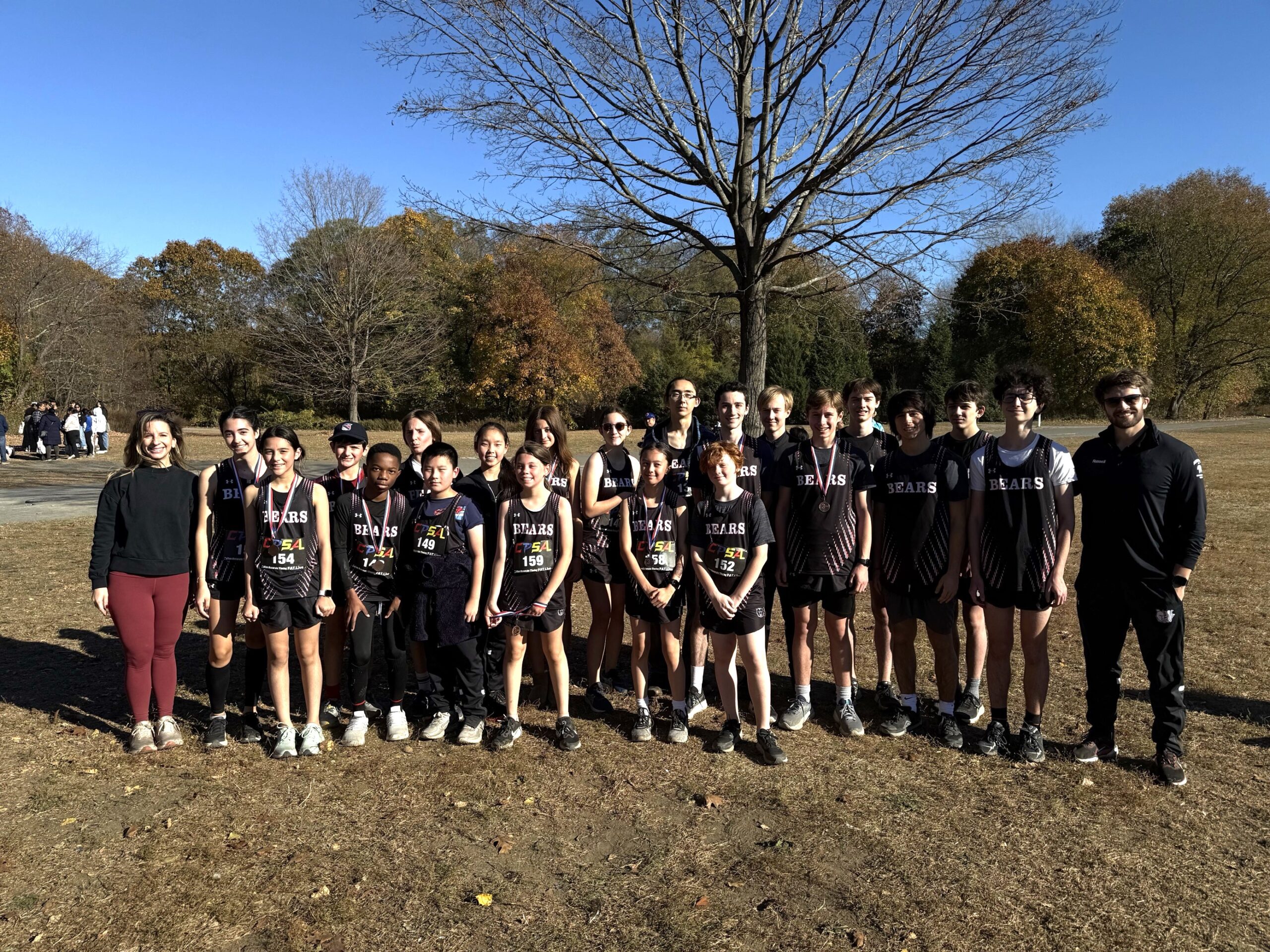
Yes, when I grew up cross country and track were my off-season sports. I’ve had a running club at our school as long as I’ve been here. Over time with our revamped ethos on sports where it is a greater part of the holistic student experience, we were able to evolve that club into a competitive team. Also, I recently received my USA Track and Field Level One coaching certification, and I’m excited about it.

Do you mind sharing some fun facts that families might not know about you?

When I was younger, I played hockey in the World Junior Championships for Great Britain. I had to stop playing after graduating college and moving to Brooklyn, but I would love to have time to start again!

BASIS Independent Brooklyn is a PreK– Grade 12 private school, providing students with an internationally benchmarked liberal arts and sciences curriculum, with advanced STEM offerings. Considering joining the Bears community? To join our interest list for the next school year and receive admissions updates and more, please click here. 

Filed Under: Academics, Culture of Support, Leadership, Middle School, School Community, Student Learning, Student Life Tagged With: BASIS Independent Brooklyn, College Preparation, Middle School, school leadership, Student Support

Celebrating Gratitude – Our November Character Theme of the Month

November 21, 2024 by jessicagrear Leave a Comment

The PNW rainy season is upon us at BASIS Independent Bellevue, which means fall is officially in the air! The weather may be gloomy, but we are taking time this month to celebrate our Character Theme of the Month – Gratitude! The American Psychological Associate defines this phenomenon as a sense of happiness and thankfulness in response to a fortunate happenstance or a tangible gift. Some additional research describes gratitude as the willingness to expand our attention so that we perceive more of the goodness we are always receiving (Pratt, 2022)

Gratitude is more than just saying “thank you”; it is about appreciating the big and small moments that make life special. Studies show that practicing gratitude can improve our physical health, calm our nerves, strengthen our relationships and generate greater happiness in life (Pratt, 2022). This month, we are excited to create opportunities for students, staff, and families to embrace gratitude in meaningful ways.

On – Campus Gratitude

  1. Mountaineer Mondays

Each Monday, during our Academic Enrichment periods, our students participate in Mountaineer Mondays. Mountaineer Monday is a time for students to start their week by reflecting on important topics and learning what it means to be a Mountaineer. This month, the focus of Mountaineer Mondays is Gratitude! Students will be engaging in grade–level activities such as writing a letter expressing gratitude for themselves and creating a tree filled with drawings of what they are grateful for.

  1. Renewal Food Bank Food Drive

To express our gratitude to our local community, the staff and students at BASIS Independent Bellevue are holding a Food Drive for Renewal Food Bank.  We are collecting nonperishable food and hygiene items to give back and help others. With the support of our School Counselor and Student Affairs team, our teachers will be having meaningful discussions with students about food insecurity and empathy during this month. Additionally, members of our National Junior Honor Society will have the opportunity to visit the Food Bank and volunteer while bringing in our school donations. We are so proud of our students for their dedication to showing compassion and care for others!

  1. Cookies with the Counselor Notes

Every month, our School Counselor, Ms. Olivia, hosts a Cookies with the Counselor event during recess periods. This is an opportunity for students to come by and have a sweet treat with our Counselor while engaging in an activity aimed at developing Social-Emotional Wellness. This month, students will be writing cards of well wishes to accompany our donation to the Food Bank.

  1. Staff notes

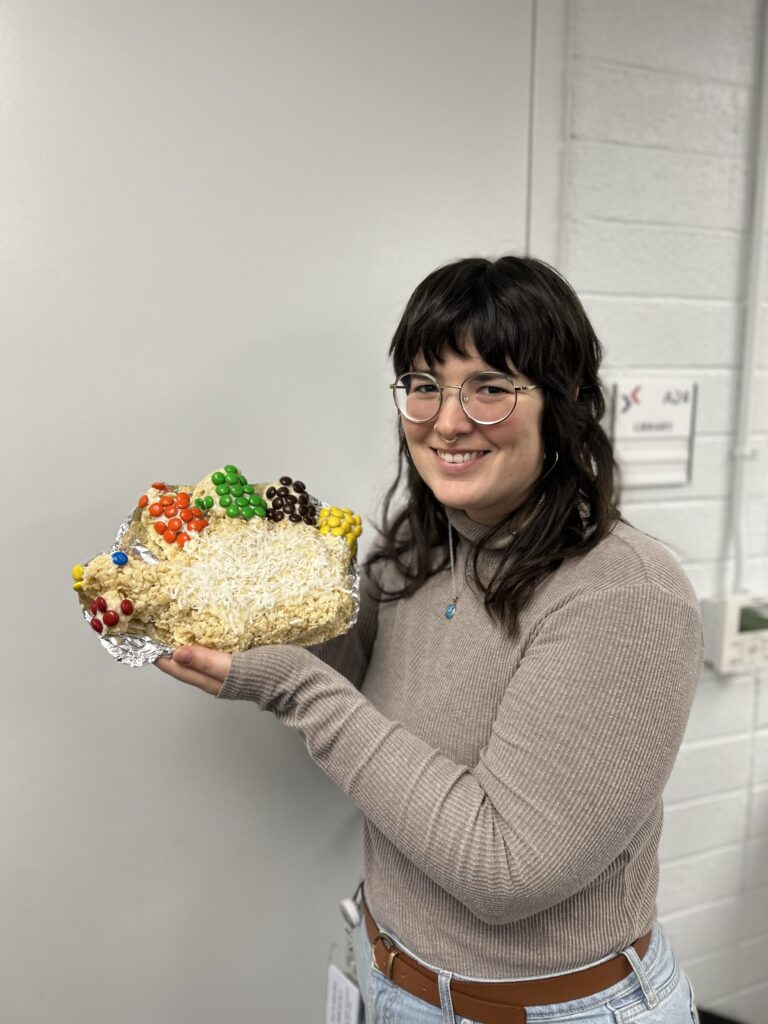
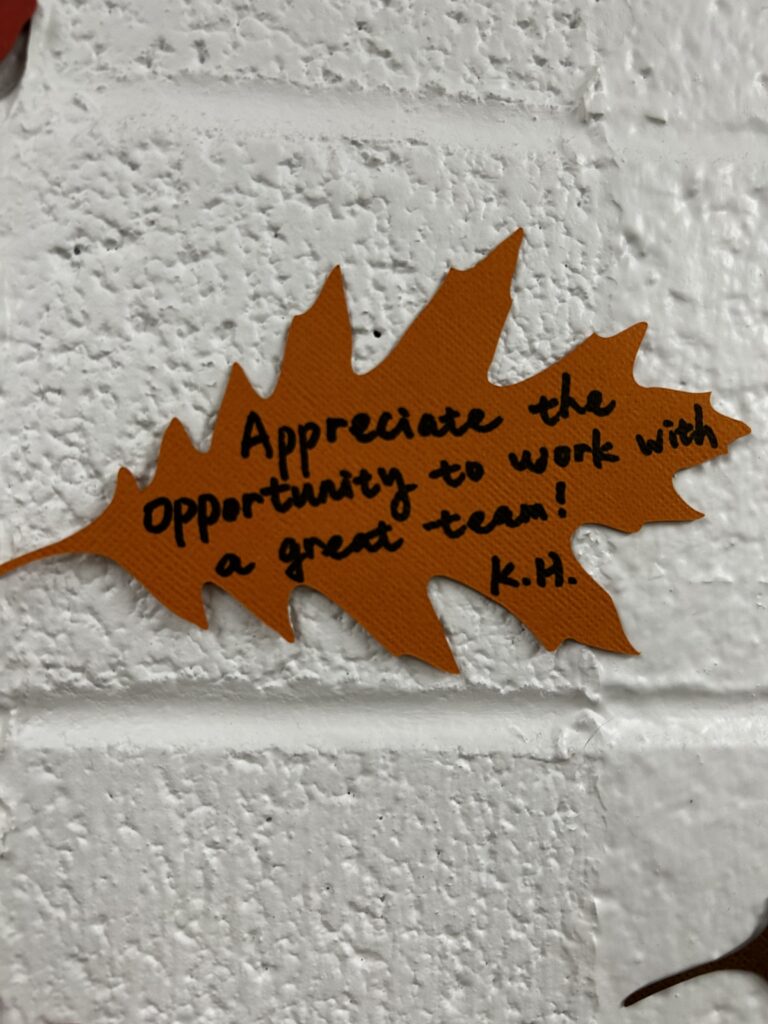
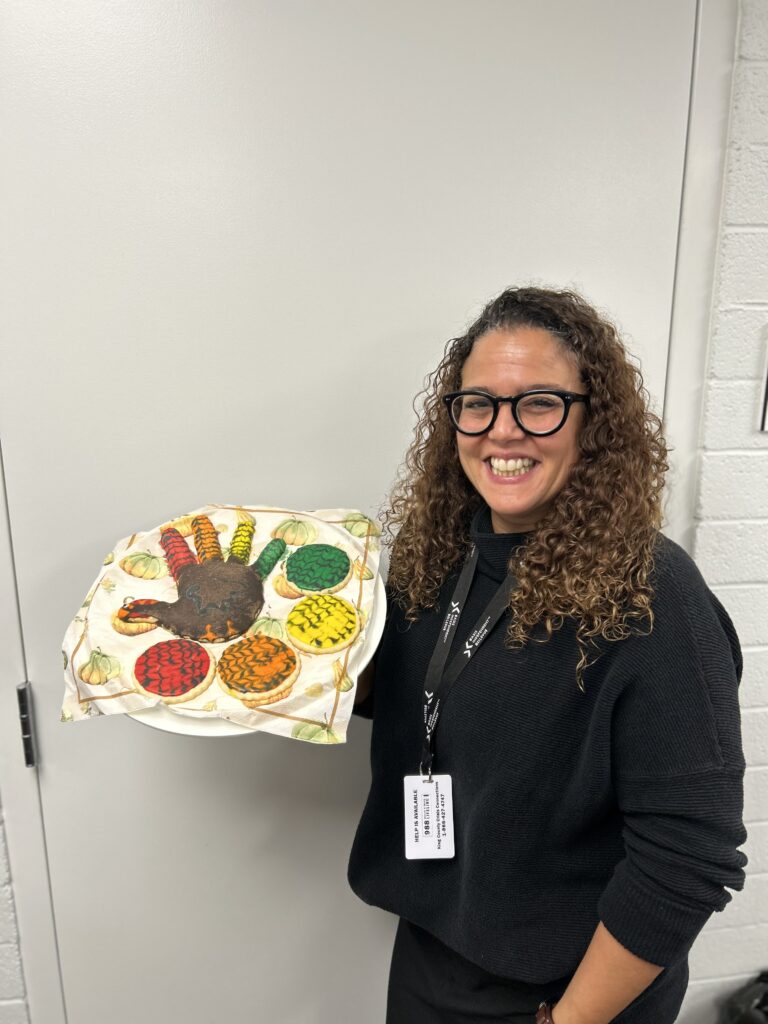
Our reflection on gratitude does not only come from our students. In the staff lounge this month, teachers have been writing down what they are grateful for on leaves and posting on the wall as a reminder to stop and reflect. Additionally, we will be hosting a Staff Potluck and providing an opportunity for the staff to gather during lunch while sharing a delicious meal.

  1. Coffee and Cocoa

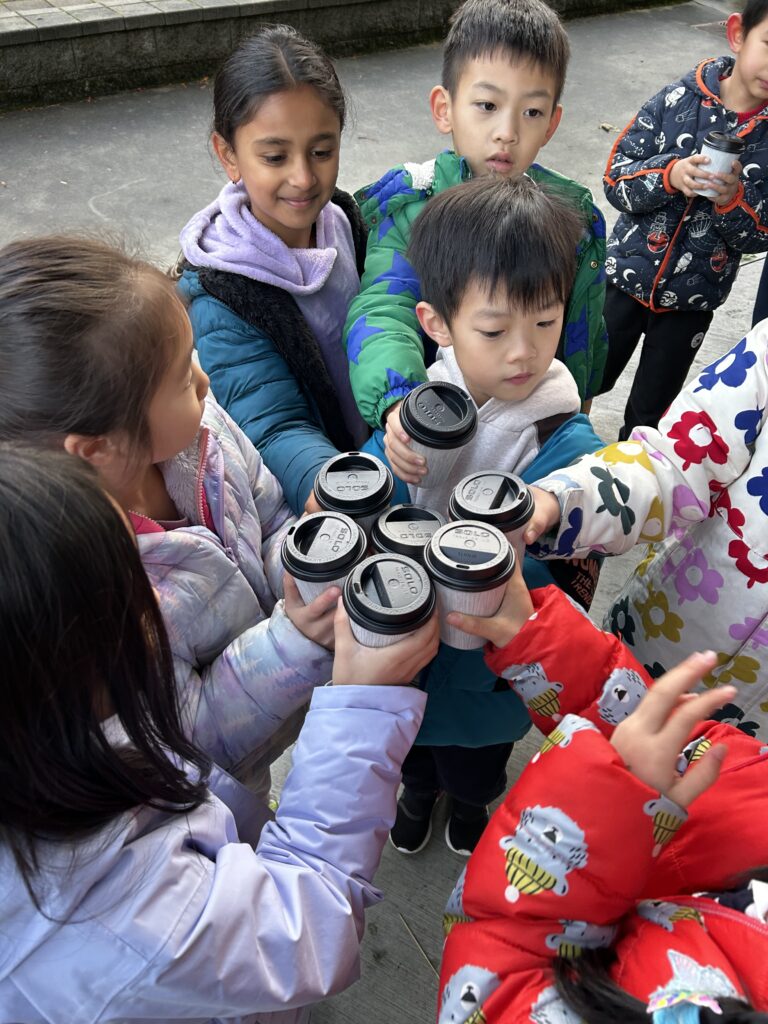
As a final show of gratitude to our campus, our Operations Team organized a “Coffee and Cocoa” event for both students and staff. A barista was sourced to come in and provide delicious, caffeinated beverages for our teachers, and yummy hot cocoa for students. It was the perfect event for the chilly fall weather!

What is our community grateful for?

We surveyed our staff to discover what our community members are grateful for this year, and to get to know them better. Check out their responses!

Ms. Grear, Director of Admissions – “I am so grateful to live in the beautiful PNW for most of the year, while having the opportunity to return home to Buffalo, NY and spend time with my loved ones for the holiday season.”

Ms. Chaffee, French Subject Expert Teacher – “I am so grateful for our students because they are energetic, motivated, and always on task. They give me new perspective when it comes to approaching culture and languages. I feel like I learn from them as much as they learn from me!”

Mr. Tyler, History Subject Expert Teacher – “Our Mandarin Expert Teacher, Ms. Pan is the best cook! She is always bringing food for the staff and I am grateful for that.”

Ms. Rakotz, Director of Academic Programs – “I am thankful for the opportunity to be a part of the Mountaineer community. Throughout the hardships of the most recent big storm, our community came together to support one another by reaching out to each other, opening up our homes and making sure we were all safe and supported. The Mountaineer community feels like a true family that always supports each other. It is a privilege to be able to watch our students do the same.”

Mr. Pitak, Auxiliary Programs Coordinator – “I am thankful for my fiancé. We recently got engaged and we are looking forward to a bright future together.”

Ms. Campos, Front Desk Coordinator – “I am so thankful for my family. They are always there for me and support me in any way that they can. I saw them recently and we had a movie night, did puzzles and colored together. I feel grateful to have such a strong support system.”

Mr. Diambri, Associate Director of Admissions – “I am grateful for loving friends, good health, and a great place to work!”

Ms. Rieger, History Subject Expert Teacher – “I’m thankful for my coworker, Mr. Hui-Peterson. We share a room and he has been so supportive of me in my first year here. He always answers all my questions and helps in anyway that he can. It is great to have that support”

Mr. Hui-Peterson – “I am thankful for power and the internet! You don’t realize how much you take it for granted until you don’t have it anymore. The recent storm was hard on everyone and I’m so grateful we all got through it.”

Ms. PV, Math Subject Expert Teacher – “I am grateful that my extended family is coming to visit for the holiday season. We are going to have the usual holiday celebrations, but this year is extra special because I am hosting a baby shower for my sister-in-law. I can’t wait to be an auntie!”

Gratitude teaches us to focus on the good in our lives, even during challenging times. By practicing gratitude, students learn resilience and empathy—essential skills for personal growth and success. At BASIS Independent Bellevue, we’re proud to nurture these qualities by modeling it in our own lives to help our students become thoughtful, compassionate individuals.

Filed Under: Community Values, Culture of Support, School Community, Student Life, Uncategorized

Young Author Spotlight: Aashna S., Grade 12

November 15, 2024 by michaelmertes Leave a Comment

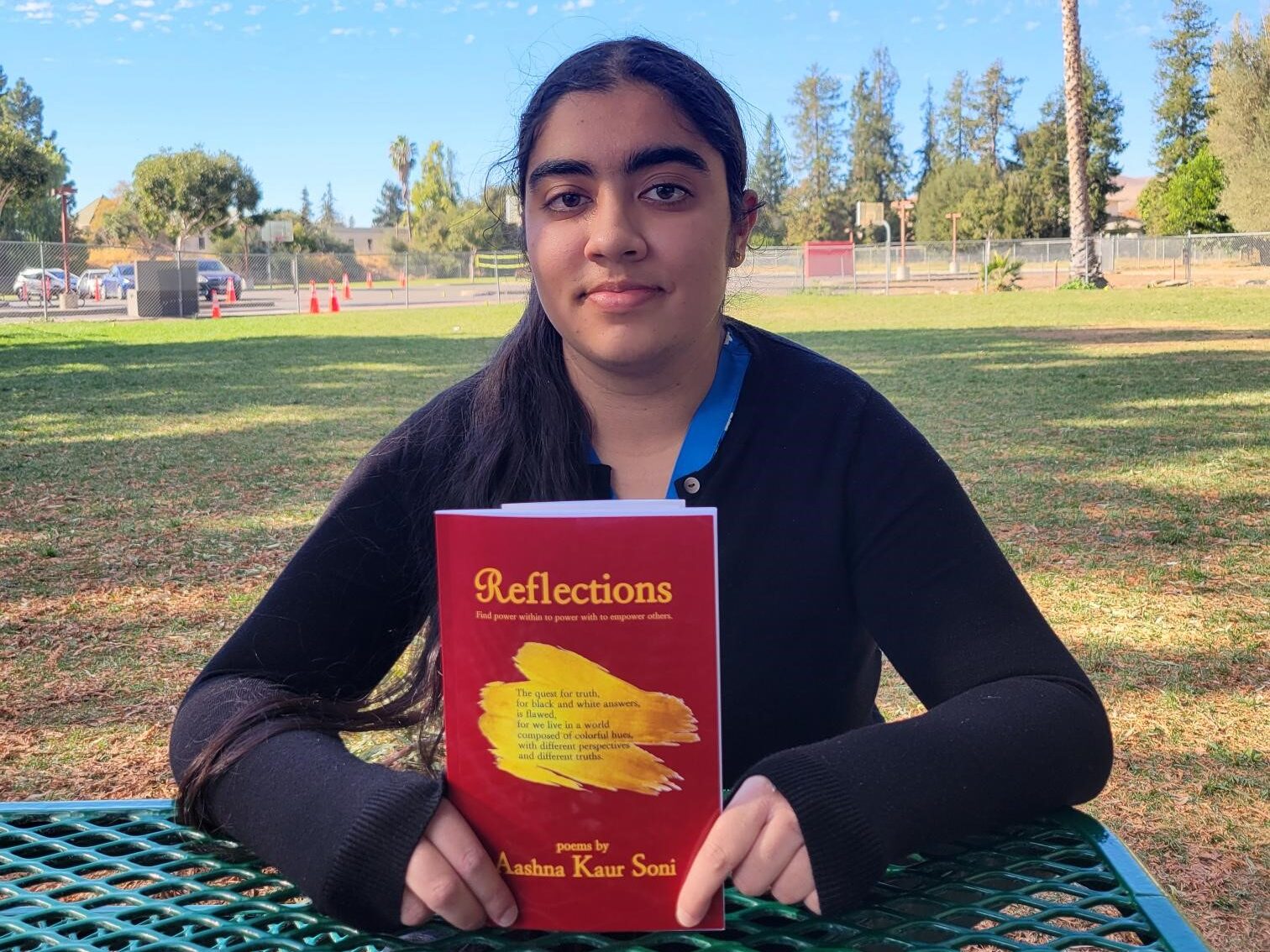
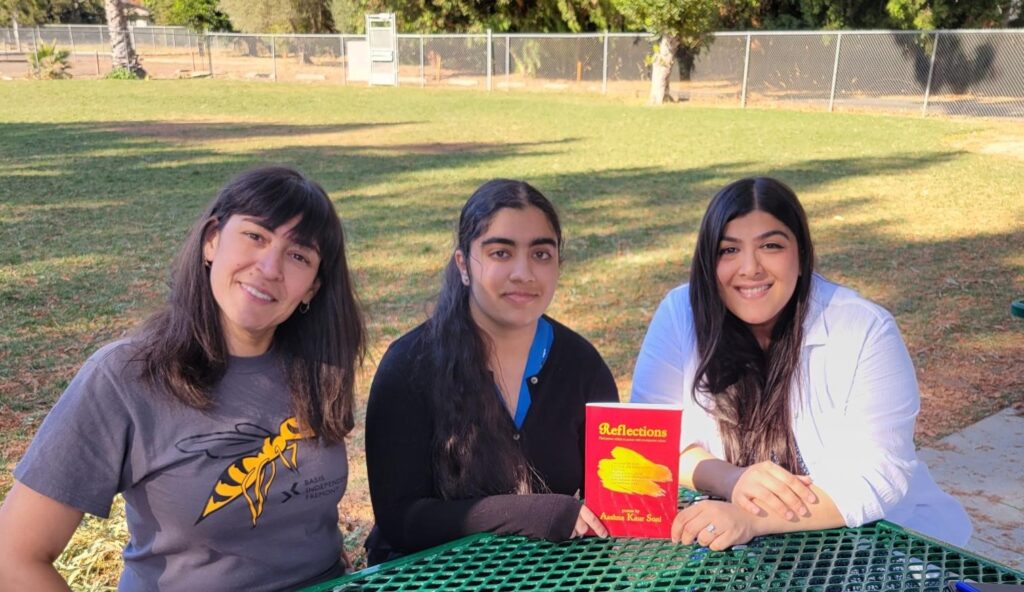
We recently had the pleasure of sitting down with Aashna S., a grade 12 student from our Upper School, to learn more about her journey as an author and poet. Aashna recently published a book of poems titled “Reflections”, and we were captivated by her creativity, talent, and remarkable accomplishment. Join our Head of School, Ms. Abodouma, and Head of Operations, Ms. Apra as they explore her creative process and the story behind her work.

Tell us about your book of poems and what inspired you to write it?

I began writing “Reflections” over a year and a half ago. At first, I would jot down my thoughts in the Notes app on my phone, creating different tabs when I was commuting in the car, on the bus, or riding BART. The process took about eight months, after which I organized my work into a collection of poems. It was my dad who suggested reaching out to publishers, so I sent a few samples of my work, and that’s where the journey toward publishing began.

How did you figure out that you had a passion for writing?

I used to write a lot of short stories, primarily dystopian fiction, and even had one of my stories published in “Teen Ink” magazine. Dystopian fiction felt like an escape and allowed me the freedom of being untethered in my writing. “Reflections” is my first attempt at poetry, and the experience has really brought me back to my center. Poetry has re-centered me and led me to reexamine my own feelings in the context of my life as opposed to the dystopian futuristic society I was used to writing about. 

My first exposure to writing was actually taking the Creative Writing Elective here at BIF in grade 8 and my passion grew from there. One of my favorite achievements since then has been founding our school’s literary magazine which I have been working on for the past three years. 

What is your favorite piece in this book?

My favorite pieces are “candle” and “empathy.” A candle is a symbol that has always intrigued me; there are so many different ways to look at a candle. A candle can signify a journey or a way to measure time. For instance, high school is a journey where you are constantly timing yourself. On one hand, you want to stop, slow down, and appreciate this journey, but on the other hand, you are always looking ahead to the future and how much time you have left. 

Also, in the piece “candle” – I talk about how a journey is illuminated but the destination is shrouded in darkness. A candle dims over time but in the darkness, you have freedom. 

Did you face any challenges when writing this book?

I encountered a few challenges while writing “Reflections.”

The first was organizing my poems cohesively and identifying common themes—this was challenging but also enjoyable. The second challenge was the publishing process itself. The book went through multiple rounds of edits and revisions, and it was difficult to decide when to stop. I wanted to keep refining and improving, but eventually, I had to reach a point where I could say, “I’m satisfied,” and be ready to publish.

Do you have any special memories from your classes or teachers here at BIF about learning to write stories/poems?

In grade 7 English with Mr. Betcher, we were asked to write poetry, both original and emulate existing poems from “Brown Girl Dreaming.” That was my first exposure to poetry and is a really special memory for me. 

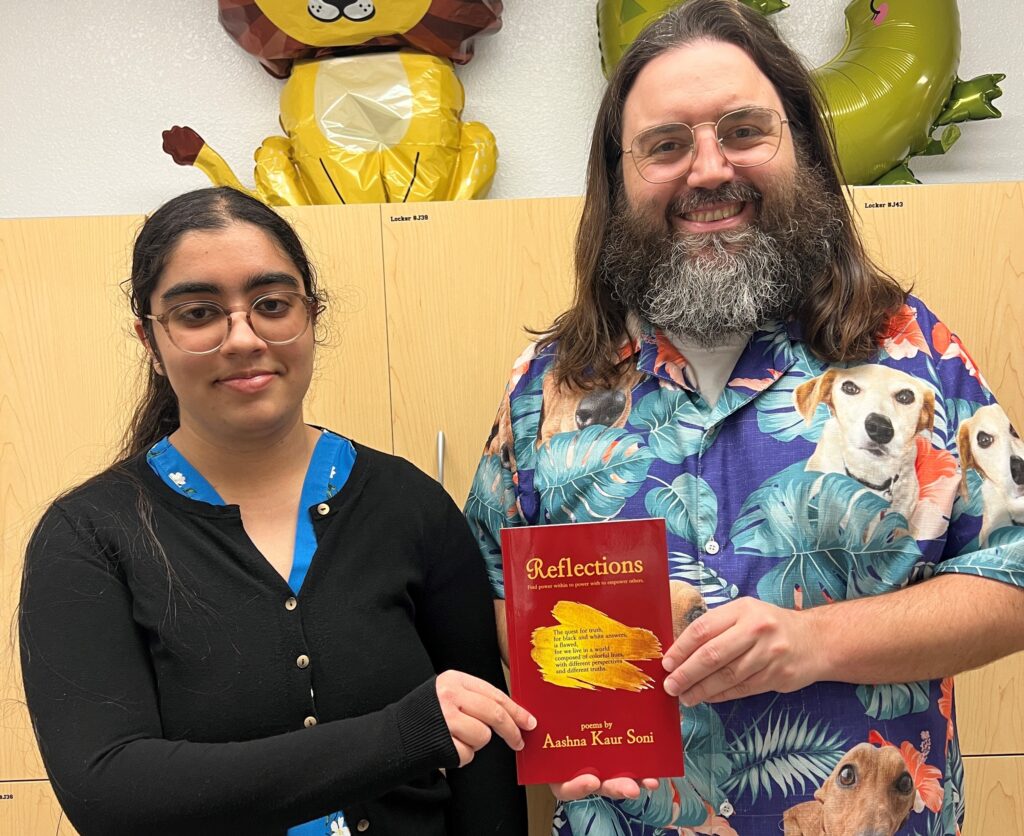
My book dedication includes Mr. Betcher. In it, I mention how he helped me become bold and courageous in my writing. My English classes here at BASIS Independent Fremont have challenged me to explore creative expression and introduced me to authors who have deeply inspired me.

Where do you hope to go from here in your journey as an author and poet?

Honestly, my goal is to read more novels and poetry to continue developing my own voice as an author and poet. I want to challenge myself by experimenting with form, structure and themes and see how I can make my messages more potent and powerful. I plan to stay involved in literary spaces throughout college.

I see this first book as just the beginning, and I hope to publish more in the future while continuing to grow as a writer.

BASIS Independent Fremont’s Humanities Program continues to cultivate a community of young, talented authors who are motivated to pursue their passions! Aashna’s journey and accomplishments inspire others to express their creativity and explore their own talents at BASIS Independent Fremont.

BASIS Independent Fremont is a grades TK-12 private school based in Fremont, California, providing students an internationally benchmarked liberal arts and sciences curriculum. 

Filed Under: Awards & Recognition, High School, Student Achievement, Student Life, Student Spotlight

Introducing the BASIS Independent Bothell Orcas!

October 23, 2024 by mirandamartinez Leave a Comment

We are excited to introduce BASIS Independent Bothell’s mascot — the Orca!

Taking into consideration our region and our mission, we think the Orca will represent our school community in so many ways. 

Did you know that orcas…

  • …are extremely social, and live with their pods?
  • …travel more than any other animal on the planet, except for humans?
  • …have their own distinct languages and dialects?
  • …have an IQ that is the equivalent of a 15/16 year-old human child?
  • …coordinate and plan as a team when hunting?
  • …have evolved through culture?
  • …own the most developed insular cortex in the world?
  • …play?!

The BASIS Independent Bothell community will embrace the Orca in many ways:

  • Already enrolled families will be receiving BASIS Independent Bothell Orca gear in the next few weeks
  • Early in our first year, students will name the Orca mascot
  • Participation in Orca-focused events including:
    • Orca Recovery Day – October 19
    • World Orca Day – Mid-July
  • Creating school-wide pods to develop connections between older and younger students
  • Adopting an Orca

Filed Under: Community Values, School Community, Student Life

Fall 2025 Admissions Guide: Frequently Asked Questions During Admissions Season

September 12, 2024 by binseditor Leave a Comment

We are excited to meet the many wonderful families considering a BASIS Independent Brooklyn experience for their family!  

During each admissions season we field a wide range of questions about our curriculum and various programs, student life, electives, extracurriculars, and so much more. We have observed topics that are commonly brought up and want to provide you with answers to frequently asked questions raised each year. 

What is the difference between your two Brooklyn campuses? 

BASIS Independent Brooklyn was established in 2014. We are one school with two campuses. The Lower School in Downtown Brooklyn supports approximately 150 students in PreK–Grade 2 while the Upper School in Red Hook supports about 530 students in Grades 3–12.  
  

What is the teacher model at your school?   

Beginning in grade 1, our students have one Subject Expert Teacher (SET) for each discipline. SETs either hold advanced degrees or are experts in their discipline. SETs use their subject-area passion to inspire students while teaching them at a higher level than what is typically expected of students in their age group.  

Learning Expert Teachers (LETs) work in tandem with SETs to co-teach in all grade 1–4 classrooms. LETs accompany their students all day, from class-to-class, and are masters of the learning process and social-emotional growth in children. They are instrumental in ensuring that students are appropriately supported and challenged in each subject. In grade 4, the LET shifts their focus to promoting independence, autonomy, and teaching students how to use their resources. This shift prepares students for grade 5 and beyond where students have just one teacher, their SET, for each subject.   

Unlike the Primary, Middle, and High School programs, the Early Learning Program is primarily self-enclosed. Students remain in their vibrant classroom for most of the day, rotating classes only for their daily special (Art, Music, Drama, Engineering, Mandarin, or PE/Movement). Early Learning Teachers lead our PreK and Kindergarten classrooms and are responsible for delivering most of the content to students by bringing their own pedagogical expertise to the classroom, with the consistent support from an Early Learning Teaching Fellow.

What are your elective offerings?  

In the Early Learning and Primary programs, students will take Art, Music, Drama, Engineering, and PE/Movement. In the Middle and High School programs, students can continue to take those courses or elect to take Band/Orchestra, Computer Science, Choir, Creative Writing, Introduction to Philosophy, Digital Photography, Introduction to Film Production, Sustainable Fashion, Topics in Economics, or a number of Advanced Placement (AP) courses.  

What are your athletic offerings?

We have competitive and league sports for students to play. Offerings for our Middle and High School students include basketball, tennis, flag football, track (cross country, indoor and outdoor), soccer, volleyball, baseball, ultimate frisbee, and competitive cheer and dance. Next year we are planning on adding a squash and fencing team. Every year our club and athletic offerings grow in number and vary based on student interest.  

What are your club offerings?   

We offer over 60 clubs at our Lower School and Upper School campuses! Our students can participate in AI for Kids, Chess Team, Leadership Club, Math Team, Science Bowl, Student Newspaper, Black Student Union, LatinX Affinity, and more. 

Do you offer early or late care for students?  

At both campuses, we offer supervised early and late care. Early care, called Early Bird, is offered beginning at 7:00 AM at our Lower School and 7:15 AM at our Upper School. We offer two types of late care. The first is called Late Bird, which runs until around 4:00 PM. The second is called Cub Care (PreK-Grade 2)/Bear Care (Grades 3-8), and these begin following dismissal. Cub Care/Bear Care is more structured and involves a range of activities from sciences to sports to arts. After-school programs for High School students take place in the form of athletics and clubs. 

Why do you teach your students Mandarin? 

The co-founders of the BASIS Curriculum intentionally designed our Early Learning and Primary programs to include Mandarin. Mandarin is a global language, and researchers found that learning the language develops new pathways in the brain and uses both the left and right temporal lobes simultaneously. Studies also show that Mandarin helps students grow their mathematical abilities due to the emphasis on ordering, grouping, and distinguishing between similarities and differences in character writing and intonation. While Mandarin is required in PreK-Grade 4, Latin is required in grades 5 and 6. Beginning in grade 7, students will select a world language from French, Latin, Mandarin and Spanish, which they will continue throughout High School. 

Do your campuses have any outdoor spaces?   

Our Lower School has direct access to a new, beautiful, big park and playground right across our street! Our Upper School has three outdoor spaces. This includes one fully covered space, one partially covered space, and an uncovered playground. 

What is your student-to-teacher ratio?   

From PreK to grade 4, there are two teachers in each classroom. Beginning in grade 1, students will have one teacher for each subject as they rotate from classroom-to-classroom and teacher-to-teacher during the school day. Generally, our PreK classrooms average around 15 students with two teachers in the classroom and Kindergarten averages around 12 students per classroom with two teachers in the classroom. Grades 1-12 average around 21 students in each classroom. 

What is the diversity of your student population?   

Brooklyn is wonderfully diverse, and our student population reflects this. 53% of students identify as a person of color and 41 languages are spoken throughout our community. 

Do you offer financial aid?   

At this time, financial aid is not available. We offer families three types of tuition payment plans: one payment, two payments, or ten monthly payments. We award scholarships based on academic merit to a highly selective group of current BASIS Independent Brooklyn students in grade 8 who are planning to stay for high school. 

Do you offer transportation?   

We encourage families at both campuses to make use of nearby public transportation options. We offer free or reduced fare MetroCards for students who plan to use public subways or buses. The Lower School is located centrally in Downtown Brooklyn near stops for the 2, 3, 4, 5, A, C, D, F, G, N, Q, and R trains; the LIRR at Atlantic Terminal; and the B25, B26, B38, B52, B54, B57, B61, B62, and B67 MTA bus lines. The Upper School campus in Red Hook is conveniently located near stops for the B61 and B57 buses, and accessible from the F and G trains at Smith & 9th Street Station. Families are welcome to use bikes, strollers, skateboards, and scooters. We have storage at both campuses for these modes of transportation.   

Our fee-based transportation program at the Red Hook campus includes morning and afternoon bus services throughout Brooklyn and Lower Manhattan. We carefully plan our bus routes each school year to try to accommodate student demand and the requested stops. However, bus stops are not guaranteed and are subject to change. For families with students at both our Upper and Lower School campuses, BASIS Independent Brooklyn offers a free “Connector” bus. Please inquire directly for more details on our current routes.  

What is parent involvement like at your school?  

Parents have many opportunities to get involved! The first way is through BIB Committees. These committees include the Teacher Appreciation Committee, Social Committee, World Fest Committee, and Community Outreach Committee. We also have a wonderful group called our Parent Ambassadors. These leaders work closely with our Admissions Team on events and connecting with new families.  

What community opportunities will my student have if they join your program?  

We have very active National Junior Honor Society and National Honor Society chapters at our school leading regular service initiatives. Moreover, our student leadership society, Leadership Club, has prioritized building both a culture of service and sustainability at the school. The students lead annual drives and regularly promote ways to volunteer with Red Hook and Downtown Brooklyn organizations throughout the school year. Our High School students participate in an Annual Day of Service before Thanksgiving Break. 

Our school community has worked to develop partnerships with impactful non-profits making a difference in the community. One great example is the Red Hook Art Project (RHAP), which provides tutoring and mentoring for under-served children and youth. The organization offers free classes and tutoring in visual art, music, and homework help. Our students have volunteered for the homework help program and are teaching guitar classes. They also work to ensure our leftover school lunches are transported to RHAP and given to students and their families.  

How can I visit your school?  

This admissions season, we are hosting a variety of events including Information Sessions, Campus Tours, Open Houses, and Shadow Days. Please click here to register for an upcoming event! 

Please feel free to reach out to our Admissions Team by calling (718) 643-6302 or emailing brooklyn-admissions@basisindependent.com  

Ms. LaCrosse (Right) – Director of Admissions and Ms. Valerio (Left) – Associate Director of Admissions Grades 3-12

Filed Under: Admissions, Admissions Events, Admissions Process, Clubs & Activities, Early Admissions, Early Learning Program, Electives, Extracurriculars, High School, Lower School, Middle School, Primary Program, Sports & Athletics, Student Learning, Student Life

The Benefits of Small Class Sizes: Personalized Attention and Academic Excellence 

August 27, 2024 by michaelmertes Leave a Comment

One of the defining features of a high-quality private school education is the advantage of small class sizes. At BASIS Independent Fremont, we understand that the number of students in a classroom significantly impacts the learning experience. Smaller class sizes allow for a more personalized approach to education, enabling teachers to meet the unique needs of each student and foster an environment where academic excellence can thrive. 

Individualized Attention for Every Student 

In smaller classrooms, teachers can get to know each student personally. This close teacher-student relationship allows for a deeper understanding of each child’s strengths, challenges, and learning styles. Teachers can tailor their instruction to meet the needs of individual students, offering extra support where needed or providing advanced materials to challenge those who are excelling. This level of personalized attention is often difficult to achieve in larger classes, where teachers may struggle to address the varied needs of many students simultaneously. 

Enhanced Classroom Engagement and Participation 

Smaller class sizes also encourage greater student engagement and participation. With fewer students in the room, each child has more opportunities to contribute to discussions, ask questions, and interact with both the teacher and their peers. This active participation reinforces learning and builds confidence and communication skills. Students in smaller classes are less likely to feel overlooked, and teachers can facilitate a more inclusive and dynamic classroom environment where every voice is heard. 

Stronger Academic Outcomes 

Research consistently shows that students in smaller classes perform better academically. The combination of personalized attention, increased participation, and a supportive learning environment leads to stronger academic outcomes. At BIF, our commitment to maintaining small class sizes ensures that each student receives the guidance and resources they need to succeed. Whether it’s mastering foundational skills or exploring more advanced concepts, students benefit from an educational setting that prioritizes their individual growth and development. 

In conclusion, the benefits of small class sizes extend far beyond the classroom. At BASIS Independent Fremont, we believe that a more personalized and engaged learning experience is key to fostering academic excellence. By maintaining small class sizes, we create an environment where every student can thrive, ensuring that they are not just meeting academic standards but exceeding them. 

Filed Under: Academics, Early Learning Program, High School, Lower School, Middle School, Primary Program, Student Learning, Student Life

The Communication Journal: How Our Students Use Their CJ to Be Successful

August 16, 2024 by mirandamartinez Leave a Comment

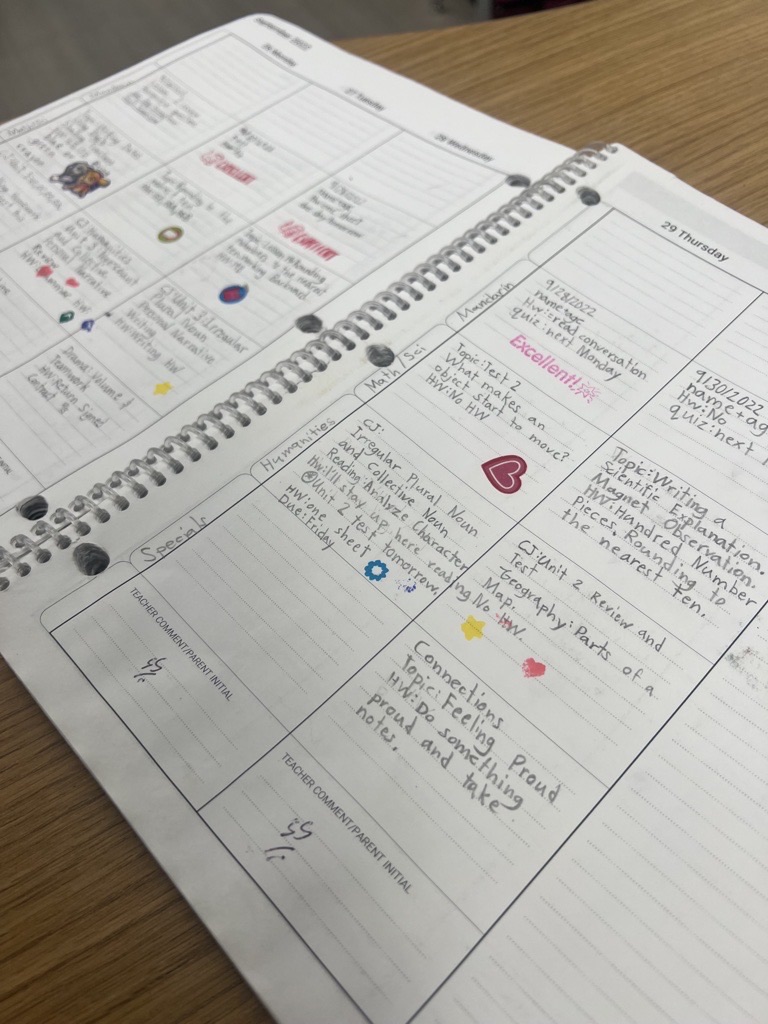
Helping students manage their time and schoolwork effectively is core to the BASIS Curriculum. One of our most important tools in developing students with life-long habits of self-direction and disciplined, critical enquiry is the Communication Journal (CJ).

At first glance, it’s an analog daily planner. In practice, it’s the epicenter of our students’ educational experience, a record of their wins, their losses, and most importantly, their areas for improvement. During the school day, we focus on building the student-teacher relationship. The CJ is critical in helping families feel involved in their child’s education at the end of the day. It is the first daily touch-point between teachers and parents and acts as a discussion started at home between students and their families.

The CJ is central to our curricular philosophy not to post homework or grades online, or remove students from conversations about their own education. It is the tool that makes this philosophy a powerful growth opportunity for students to own their own academic and intellectual progress.

Over time, after successful usage of the CJ has been proven, students can expect to have more independent ownership of their CJ, and less and less oversight by their teachers and parents. Our goal is to start strong and while they are building their habits, have consistent daily checks. But as the years move on, we train students to become more independent, and less dependent on others for their own academic responsibilities.

Kindergarten Communication Journal

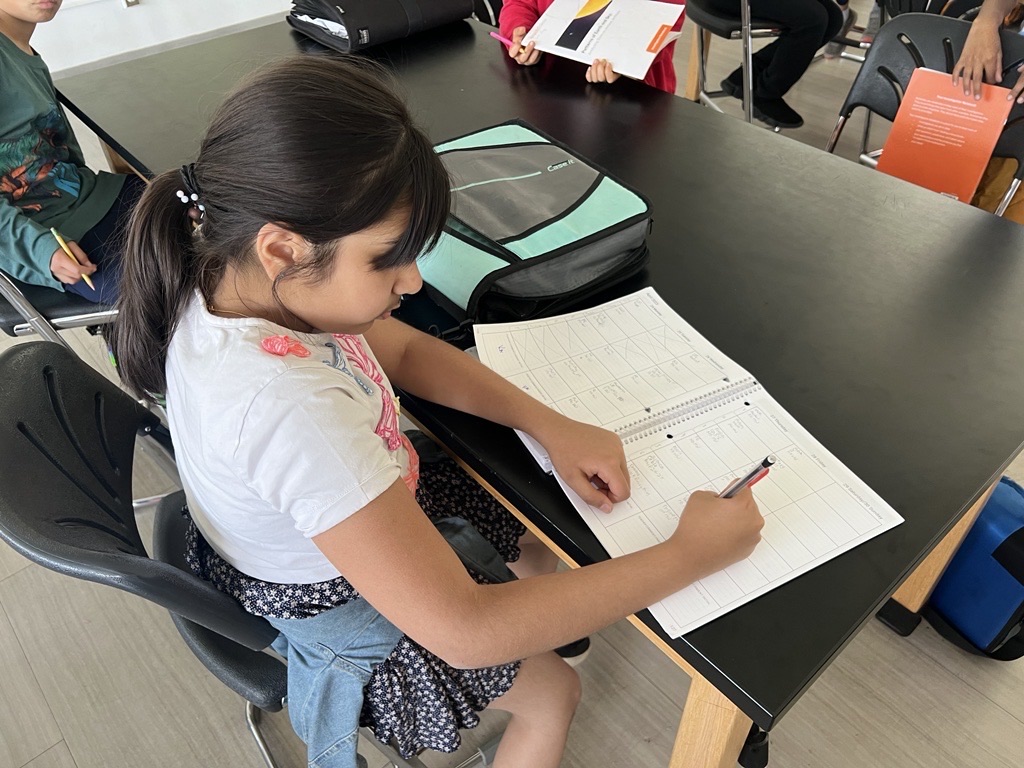
Even our youngest students have their own CJs to record their work and have their parents sign each evening. Kindergarten students are expected to record their own CJ notes each morning.

Students in Kindergarten recording their CJ notes for the day

Grades 1 – 3 Communication Journal

Unlike students in Kindergarten who primarily stay in their classroom throughout the day, students beginning in Grade 1 travel from classroom to classroom for each subject. The expectation of a CJ note from each Subject Expert Teacher (SET) begins in Grade 1 and continues on through high school. Students in Grades 1 – 3 receive assistance recording their CJ notes from their Learning Expert Teachers (LET) who will often give out stamps or stickers for a job well done!

A Grade 2 student’s CJ notes for the week

Grades 4 – 5 Communication Journal

For students in Grades 4 and 5, the use of the CJ is now a daily habit. Though our Grade 4 students still have their LET to help them, in Grade 5 the responsibility rests solely on the student. Students who have been with us throughout their elementary years know its power in keeping them accountable for their education, and even new students can appreciate this tool for helping them keep their upcoming assignments and assessments organized on a daily basis.

A student in Grade 4 sits right down to record their CJ note for Science even before class begins

Grades 6 – 8 Communication Journal

In middle school, we start to see more and more students not needing their parent signature every night. There are fewer CJ checks happening in the classroom and at home depending on the student. But, at the first sign of disorganization, the first step expressed by their Dean of Students, one of their SETs, or their parents is always the same, “Let’s look at your CJ.”

A Grade 8 student shows off their well-organized CJ with their friend

Grades 9 – 12 Communication Journal

In high school, the CJ is perfected. Not only are students rarely needing their parents to sign their CJ, but they are now using it as their own tool to organize their after-school activities. Many high school students will write reminders for things to print at home, office hours to attend, and even their clubs in their CJ. The goal of being organized, thinking ahead, and ready for each day has been achieved.

Grade 9 students CJ showing its use for not only their classes, but also their after-school enrichment activities

Unsurprisingly, our Alumni often cite the use of the CJ as one of the most helpful habits learned from our program. Many use their own tools of organization with their electronic devices now, but every year we have a few seniors who ask us for an extra CJ before they leave us.

Our educational philosophy is centered around student autonomy and self-advocacy and the Communication Journal is just one tool that helps us achieve that.

Filed Under: Academics, Culture of Support, Early Learning Program, High School, Middle School, Primary Program, Student Achievement, Student Learning, Student Life

What Makes Our Senior Year Different? 

August 15, 2024 by msnyder Leave a Comment

The high school years offer students unprecedented exposure to high-level content and the creative critical thinking opportunities typically reserved for university-level studies. Under the guidance of passionate Subject Expert Teachers who are deeply invested in their success, students gain the best possible preparation for college and hone skills and habits that stay with them long after graduation.  

Senior year is a unique bridge to college; a transition from traditional classroom learning to applying knowledge in a real context. To achieve this unique approach, our students can fulfill all required coursework in Grade 11 and focus their knowledge and skills into the three distinct pillars that make up senior year. 

“Our senior year allows students like me to differentiate themselves in the increasingly crowded market for college applications. Academic success depends on the publication of compelling research. Industry success depends upon delivering results that impact the bottom line of your research. This year enables me to prove that I can do both, while sampling the day-to-day work of my field of interest.” – Senior at BASIS Independent Schools 

Capstone Courses
These two-trimester courses are the teacher-created counterpart to AP® courses. While AP® courses typically cover a breadth of content, Capstones offer students the opportunity to explore a topic’s depth. Our teachers’ talents shine as they develop these college-level original courses tied to their own academic passions. In each course, students transition from classroom-style learning typical of high school to seminar-based or lab-based learning typical of college and university courses. 

In the past, Capstone courses have included: 

  • Advanced Java Topics and Machine Learning   
  • Arte Contemporaneo 
  • Corporate Finance 
  • Differential Equations   
  • Economics of Water Resources 
  • Existentialism and the Absurd  
  • French Cinema 
  • Inorganic Chemistry 
  • Introduction to Gothicism and Horror  
  • Linear Algebra & Multivariable Calculus 
  • Lyric Poetry and Music 
  • Neuroscience  
  • Post-Colonial Literature 
  • Rhetoric and Communications  
  • Roman Drama  
  • The Biology of Cancer 

College Counseling
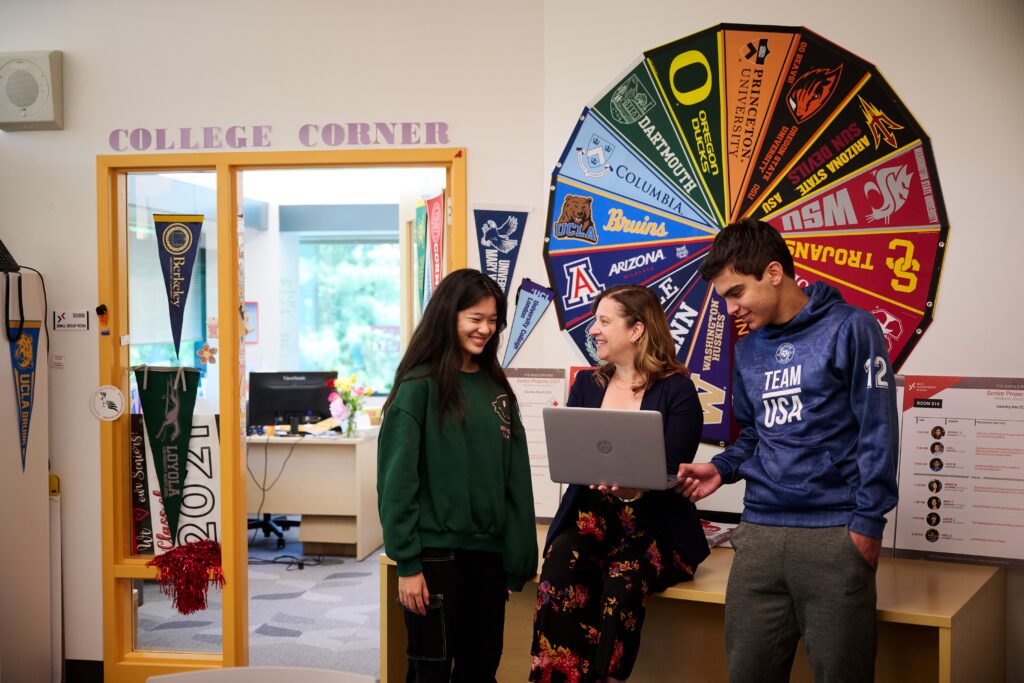
This two-trimester-long daily class allows College Counselors to get to know students on a deeply personal level and help them determine what college and university options will align with their personal, educational, and professional goals with a focus on individual fit. This course helps students research colleges, work on college and scholarship applications, manage and organize college-related correspondence, write essays, and conduct mock interviews to develop interview skills. In addition, each student will meet individually with their College Counselor during class time. The atmosphere of the class is much like a focused study hall where students are expected to work in a dedicated and respectful manner to achieve their college admissions goals.  

The Senior Project
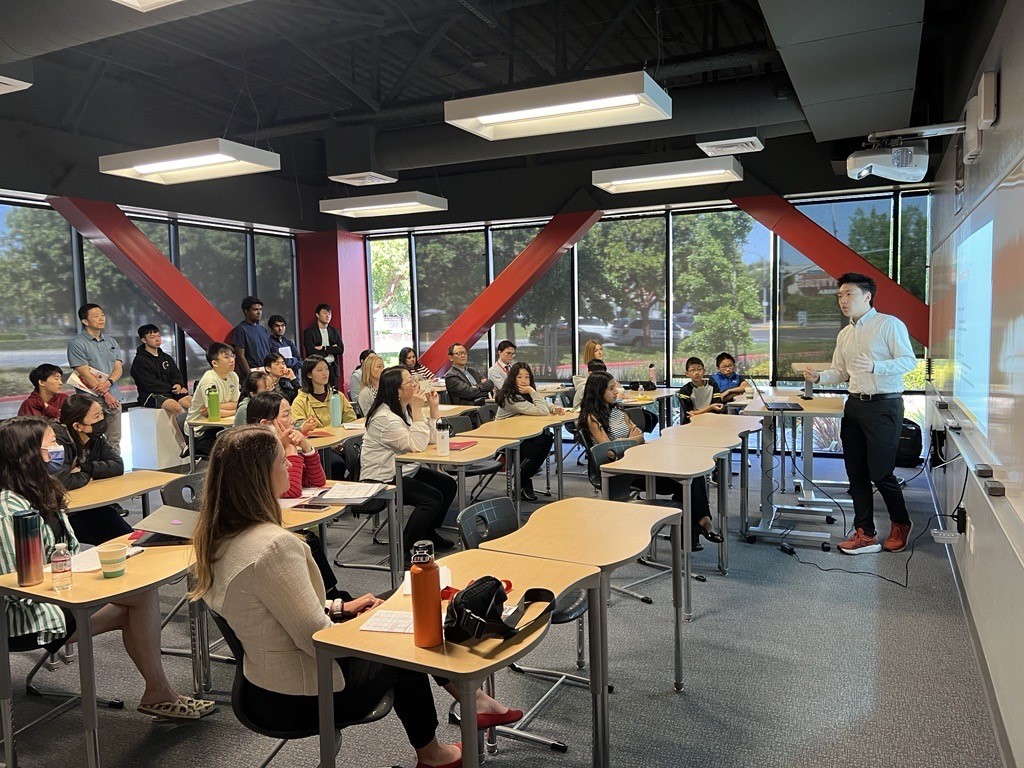
The senior year culminates in a three-month, off-site Senior Project, proposed and constructed by students under the guidance of an internal faculty advisor and an external professional specialist in the field of the student’s choosing. After three and a half years of academic preparation in high school, our seniors are ready to spend the last trimester of their high school careers applying their skills and knowledge to develop a project that is insightful, academically rigorous, and highly professional in nature. Students work with an internal BASIS Independent advisor and an external mentor, such as a lab director, entrepreneur, or researcher, and are required to blog about their experiences. The Senior Project culminates in a presentation of their findings to the entire school community. This event is a great source of pride for our whole school, a perfect capstone to the high school experience, and an inspiration for students to come.  

The final year at BASIS Independent is a bridge from traditional classroom learning to applying knowledge in a real context. BASIS Curriculum graduates leave our program prepared to be leaders in college and beyond. 

Filed Under: Academics, College Counseling, College Preparation & The Senior Year, High School, Senior Projects, Student Life

Fall 2025: Top 10 Questions Asked Every Admissions Season

July 24, 2024 by ezekielbracamonte

Every admissions season we field hundreds of questions about the admissions process, our program, the transition, student life, electives, extracurriculars, and so much more! 

While we are happy to speak to every one of our families, we notice the same questions being asked consistently. 

Keep reading below to learn more about the top ten questions asked every admissions season. 

#1 – How many students will be admitted in each grade? 

Our most commonly asked question! Seat capacity changes from year to year depending on the reenrollment of our current families and our graduating class. We also have the ability to shift how many sections of classes we offer based on the total enrollment of the school. As this is an ever-changing number, we aren’t able to determine seat capacity until around February, after the reenrollment deadline of our current families, which is why we make the majority of our admissions offers (Regular Admissions) in March. So, though we cannot provide you specifics of exactly how many seats are available “this year” and in “this grade”, we encourage you to apply as we will have available seats in all grades every year.

If you are interested in a BASIS Independent Silicon Valley education, apply!

#2 – What is the difference between Early Admissions and Regular Admissions? 

We offer two application cycles during our core season. Early Admissions will require families to complete their application, receive an admissions decision, and accept their seat earlier. Regular Admissions will have all the same requirements but at a later date.

For current families with siblings or families whose first choice is BISV, we encourage them to apply in Early Admissions. For families who are looking at other schools or are unable to commit early, we encourage them to apply in Regular Admissions.


#3 – How do you help students transition into the program? 

From their very first day, all new students are placed on an academic support plan. At the start of the new school year, your student meets with his or her dean once a week to ensure a smooth transition. Sometimes this is an individual meeting, and sometimes it is all new students together. Teachers provide office hours throughout the school week for students and parents and are available to talk through concerns or questions. Depending on the grade we offer a student-led Peer Tutoring program, which operates after school and is there to help expand their networks and become comfortable asking for help. We also offer Summer School along with JumpStart Packets before the start of the school year. 

We enroll new students every year. For students to achieve the results that they do in our program, they must have the necessary support along their academic journey, from both the school and at home. While we encourage families to join our program sooner rather than later, students can still join in later grades and be incredibly successful.

#4 – Can a student successfully transition from a public school to your program? 

Every year, we have students join us from multiple public schools. Any motivated student can excel in our program. We have a strong support network to ensure a student has the toolkit to succeed. In the beginning, there is always some adjustment for students from both public and private schools. Workloads may be higher than the averages in the beginning as students adjust to the structure and practices of our day-to-day program and classroom experience. However, we see time and again, that students adjust and learn how to utilize their resources to thrive in their school life.

School administration, faculty, and staff are always present to participate in supporting and guiding students, as well as helping develop good work and study habits, along with time management skills.

#5 – How much homework should students expect in middle school and high school?

This depends on the student, their core classes, electives, after-school activities, and even what time of year it is, especially in high school. Grade 5 students will typically see 45 minutes to an hour of homework every night, but that depends on the day and the student. Grade 6 students will have one to one and a half hours of homework. Grade 7 students will have one to two hours of homework. Grade 8 students, as they prepare for our high school program, could have two to three hours of homework each night, but that once again depends on the student and their schedule. Our Student Affairs Team assists in monitoring homework but since each student, their work ethic, and their schedules can vary, it is hard to say an exact time for each grade.

#6 – With such high academics, do students even have time for clubs and sports?

Absolutely! Over 80% of our student body participates in at least one extracurricular activity at our school every year. But our answer to this is, “it always depends on the student.” We have Upper School students taking two to three AP courses and they participate in one to two clubs or more, but we also have Lower School students that take their required coursework and only have time to participate in one club.

Students are given the tools to learn and practice organization, time management, and work and study habits. But no two students are alike. It is more important to us that our students learn to take on only what they can handle, challenge themselves when appropriate, and learn when and if they need to turn their focus elsewhere. Many students may play a sport or participate in a club on campus but also engage in an activity outside of school such as ballet or martial arts. Our students learn to manage their time while exploring and enjoying their extracurricular interests and passions.

#7 – What is your teacher hiring process?

We believe academic degrees or experience in the disciplines taught, and passion for that subject are the most important tools for inspiring deep content understanding in students. Our selective hiring process screens for candidates who are committed to sharing their expertise and helping students become the best versions of themselves. All final candidates are invited to conduct a Teacher Demo, where Heads of School assemble classes of our students, and candidates are given the opportunity to teach a lesson, challenge students, show their subject expertise, as well as show their ability to communicate high-level subject matter to young students. Our students take these sessions seriously; they know their feedback weighs heavily in our hiring decisions. Some new faculty members have been teaching for years in college preparatory or university settings. Others are leaving a research lab or corporate job to leap into a new career and share their experience and applied knowledge with BASIS Independent students.

#8 – What is your student-to-teacher ratio in the classroom?

TK and Kindergarten will have around 20 students to two teachers per classroom. Grades 1 – 4 will have around 25 students per class with a Learning Expert Teacher (LET) that stays with them throughout the day and an individual Subject Expert Teacher (SET) that joins their class for each subject. Grade 5 and above will also have around 25 students but have an individual Subject Expert Teacher for each subject. 

#9 – How do you teach soft skills such as confidence, self-control, and self-awareness?

Obviously, these skills are taught in conjunction with the home and parents. On the school side, students are a part of a learning community, one that gives the opportunity for young adults to better themselves, take risks, have achievements, have failures, learn lessons, etc. Through the natural course of a school day, students are partaking in that community and are not only learning these life skills, and respecting themselves, but also others.

Whether it be their behavior in the hallways, participating in class discussions, or connecting with friends during lunchtime or after school, they are learning these lessons through their relationships with their teachers and fellow students. It’s a daily journey and one that sometimes requires students to be reminded of the community they are a part of, the respect they require, and the respect we require them to show other people. This is where their relationships with their teachers, fellow students, and Dean of Students really come into play.

#10 – How does the school work with families in helping push their students to achieve more? 

It’s all about striking the right balance, which is different for every student, even students in the same household. At home, we hope parents and students are having a constant dialogue on how they are doing, handling stress, what new passions and interests they want to pursue, how they want to challenge themselves, and even what they need to cut back on. Having “too much on your plate” is a good life lesson in balancing personal life, social life, responsibilities, school, work, etc. but also being able to acknowledge when you need to take a step back and reevaluate what you can and cannot do, is just as worthy.

We don’t believe changing course means failure, you’ve just learned a different lesson than you thought you would. At school, we help students feel supported and encouraged to pursue something, whether it be starting a club, taking two electives, or planning a Senior Project. If they succeed, we are celebrating with them. But far more is probably learned in those times when a student realizes they pushed themselves too hard, stretched themselves too thin, and did not accomplish what they initially intended to. Even in those times, in partnership with their home, we are there to help them learn those important lessons as well.

Filed Under: Admissions, School Community, Student Life, Student Support

Bobcat Bytes: Isha T., Grade 12

May 16, 2024 by ezekielbracamonte Leave a Comment

This blog series aims to offer a glimpse into the student life of our Student Ambassadors. The BASIS Independent Silicon Valley Student Ambassadors play an important role by representing BISV throughout the academic year in many ways. From cherished memories, to conquering challenges, from time management to immersing themselves in clubs and activities. 

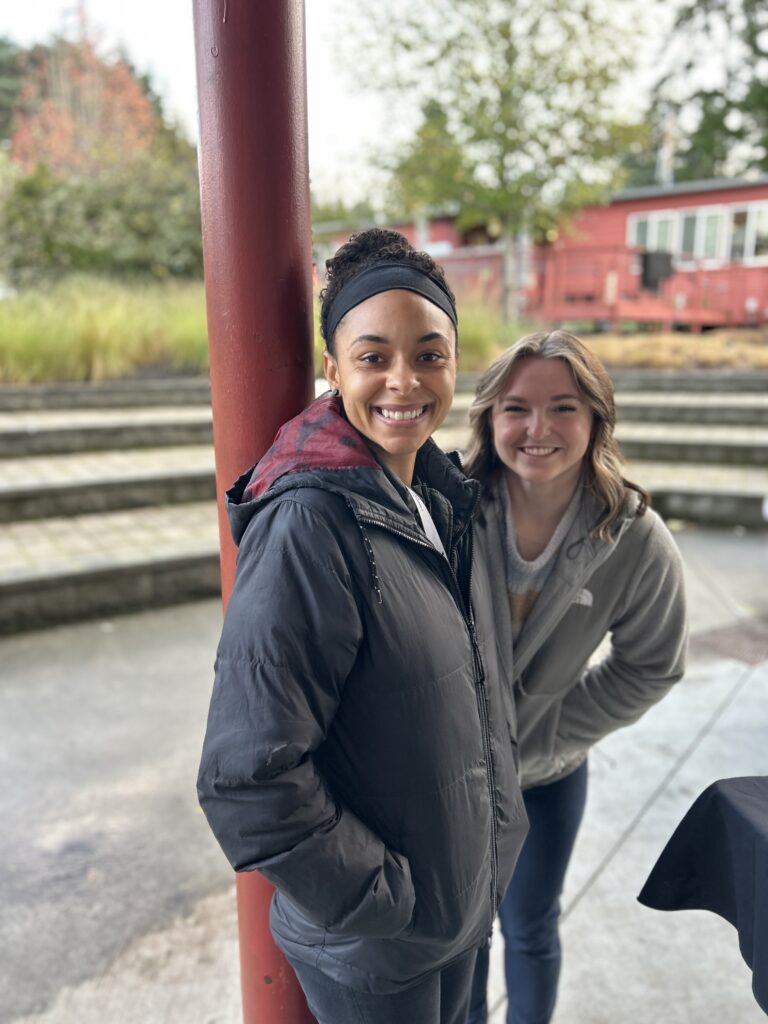
Meet Isha T., Grade 12, class of 2024. Prior to attending BISV, Isha attended a private school. Since joining our school in Grade 5, she has been a fantastic member of our school community. Isha’s favorite soccer clubs are FC Barcelona and Real Madrid. She says, “I went to both home stadiums when I visited Spain for my 18th birthday!”

Isha loves to travel with her family and has been to several other countries as well. She is also a valuable member of our dynamic Bollywood Dance Team at BISV, where she embraces her heritage and nurtures her love for dance. One standout memory for her last year was attending the Taylor Swift Eras Tour with her best friend!

What have been some of your most memorable moments or experiences at BISV and why?

One of my favorite experiences at BISV was being selected to be a Student Ambassador! As a Student Ambassador, I got the wonderful opportunity to welcome prospective students to BISV and show them around our campus. I also got to speak to prospective students and parents during Open Houses and Information Sessions. I answered any questions that they had and shared all of my amazing experiences at BISV, including the joy I got from representing my school. I’m proud to say that I have been a Student Ambassador for all 7 years that I’ve been at BISV and have truly enjoyed being able to show families how warm and welcoming our community is.

This year we have over 90 clubs at BISV! What are the benefits of participating in our extracurriculars?

Everyone has a variety of interests, whether it be the arts, academics, or sports. One of the things I appreciate most about BISV is how they celebrate students’ individuality by offering a wide variety of clubs. With such a varied group of club topics, it really feels like there’s something for everyone. Participating in clubs and organizations at BISV not only allows you to pursue your passions, but also allows you to form close bonds with club members who have the same interests as you.

How do you manage your time and balance academic, extracurricular activities, and free-time?

One of the most effective ways that has helped me balance my academics, extracurricular activities, and personal commitments was using my Communication Journal, or CJ. I would write down all of my school reminders and events that I had outside of school in order to keep track of everything. Just like I used my CJ to help me manage my time and balance my academics, extracurriculars, and personal commitments, it also came in handy for staying organized. Writing things down in my CJ allowed everything to be in one place, so it became easy for me to keep track of assignments and deadlines.

What are some ideas you had about BISV that you found out to be true or false once you joined the school?

Since BISV is such an academically rigorous school full of high-achievers, I thought I would be surrounded by a competitive environment where I would feel insecure and less accomplished than my peers. However, that couldn’t be farther from the truth. Everyone in BISV is so humble about their accomplishments and best of all, everyone here supports and lifts each other up. The students here are not afraid to ask for help or admit their weaknesses, creating a safe space for everyone to share their thoughts and feelings.

Finally, what advice would you give for incoming students to make the most of their year?

One piece of advice I would give to prospective students is that even though the curriculum at BISV is rigorous, just continue to work hard and seek the help of your friends, parents, and teachers. Also, make sure you use your CJ! It helps a lot when you have several upcoming assignments, tests, and events.

BASIS Independent Silicon Valley is a TK – Grade 12 private school, providing students with an internationally benchmarked liberal arts and sciences curriculum, with advanced STEM offerings. Considering joining the Bobcat community? To join our interest list for the next school year and receive admissions updates and more, please click here. 
Filed Under: Clubs & Activities, Extracurriculars, High School, Leadership, School Community, Student Achievement, Student Life, Student Perspectives, Student Spotlight, Uncategorized

  • « Go to Previous Page
  • Page 1
  • Interim pages omitted …
  • Page 4
  • Page 5
  • Page 6
  • Page 7
  • Page 8
  • Go to Next Page »

© BASIS Independent Schools

  • Contact Us
  • Media Recognition
  • Careers
  • Privacy Policy
  • CA Privacy
  • Terms of Use

Headquartered in Campbell, California, Spring Education Group is majority-owned by investment funds administered by Primavera Holdings Limited, an investment firm owned by Chinese persons and principally based in Hong Kong with operations in the United States, China and Singapore.

Sitemap